Biscuit Manufacturing Tutorial
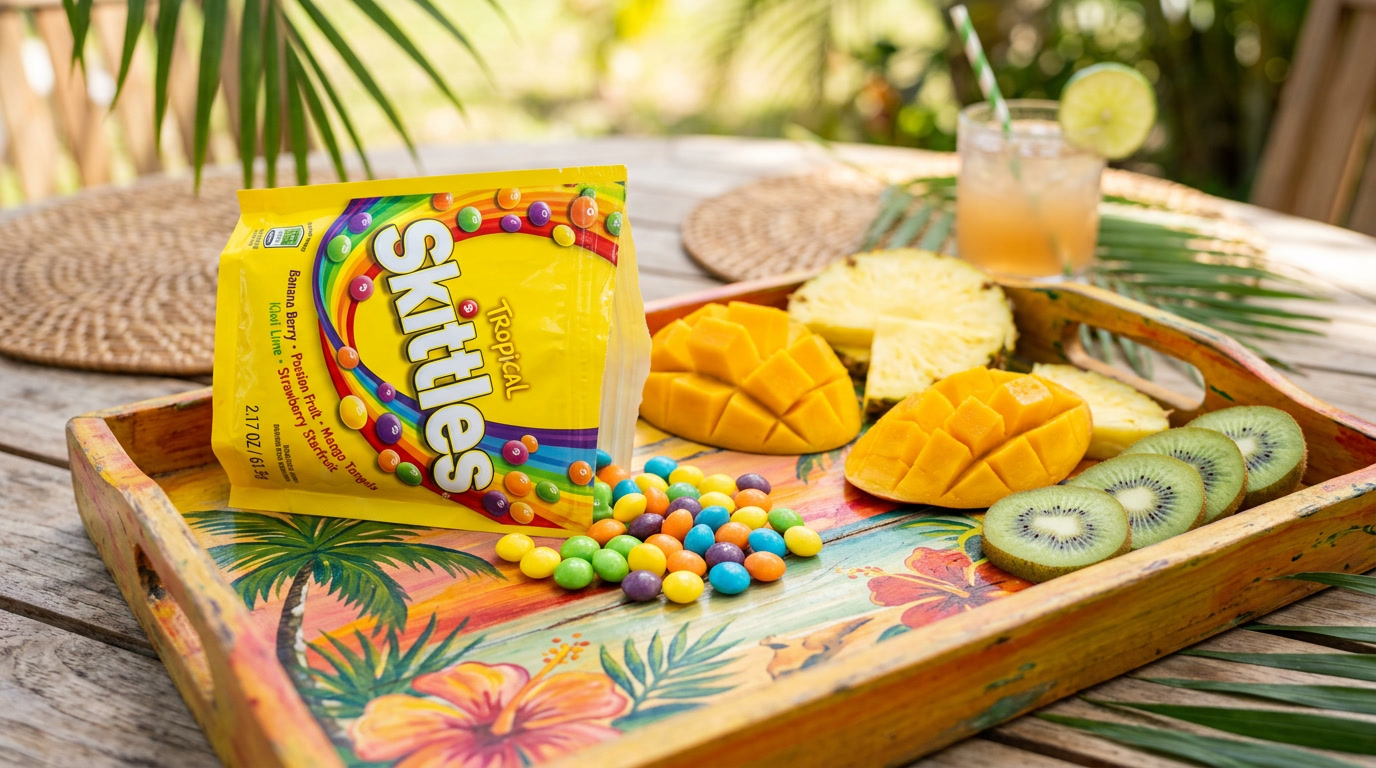
Tropical Skittles Gluten Free: Ingredients, Safety & Complete Guide 2026
Tropical Skittles are gluten free. All 5 tropical flavors analyzed. Full ingredient guide, celiac safety, and dextrin explained for 2026.

Tropical Skittles are gluten free. All 5 tropical flavors analyzed. Full ingredient guide, celiac safety, and dextrin explained for 2026.
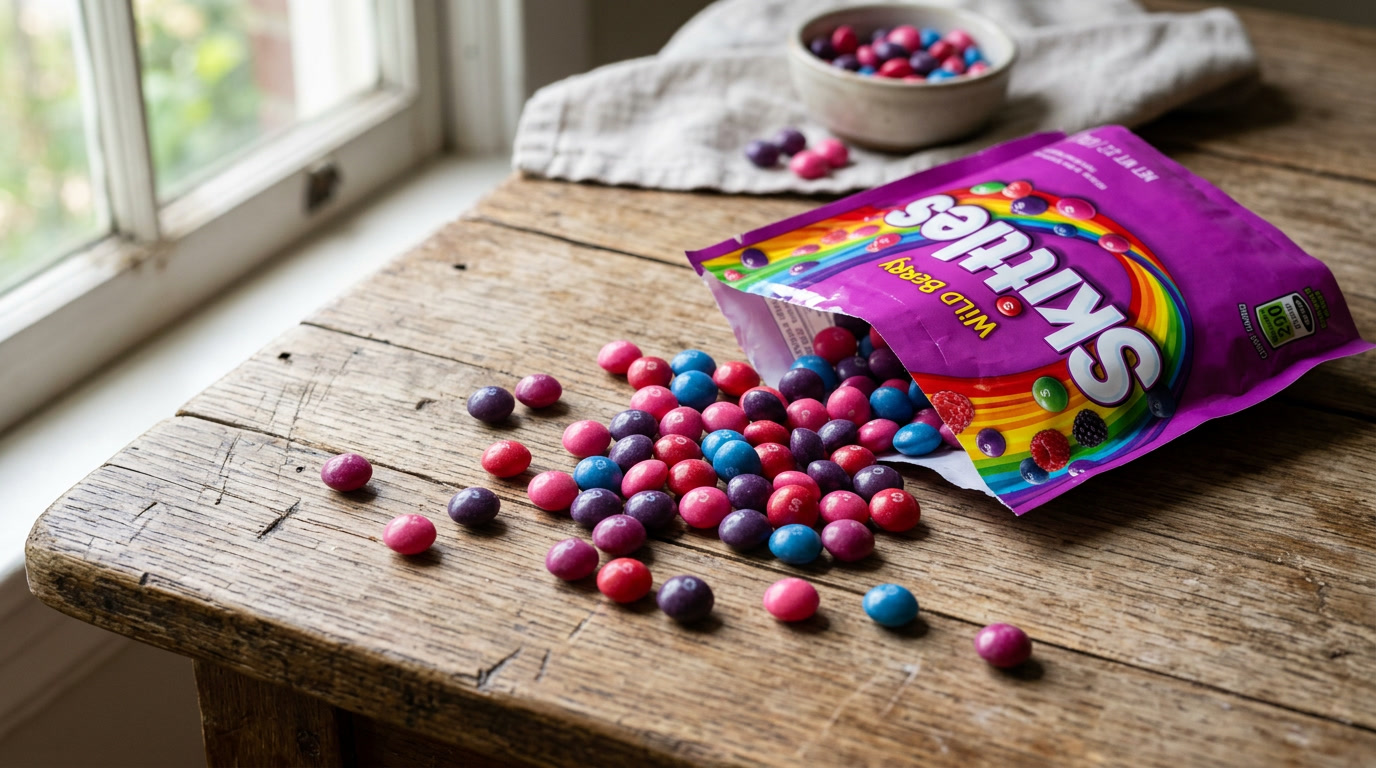
Wild Berry Skittles are gluten free — no wheat, barley, rye, or malt. Full ingredient analysis, all 5 berry flavors

Original Skittles are gluten free — no wheat, barley, rye, or malt in the US formula. Full ingredient analysis, dextrin

Yes — US Skittles are vegan since Mars Wrigley removed gelatin around 2009. No dairy, no shellac, no carmine in
Skittles are dairy free — no milk, cream, lactose, or dairy derivatives in any US variety. Get the full ingredient
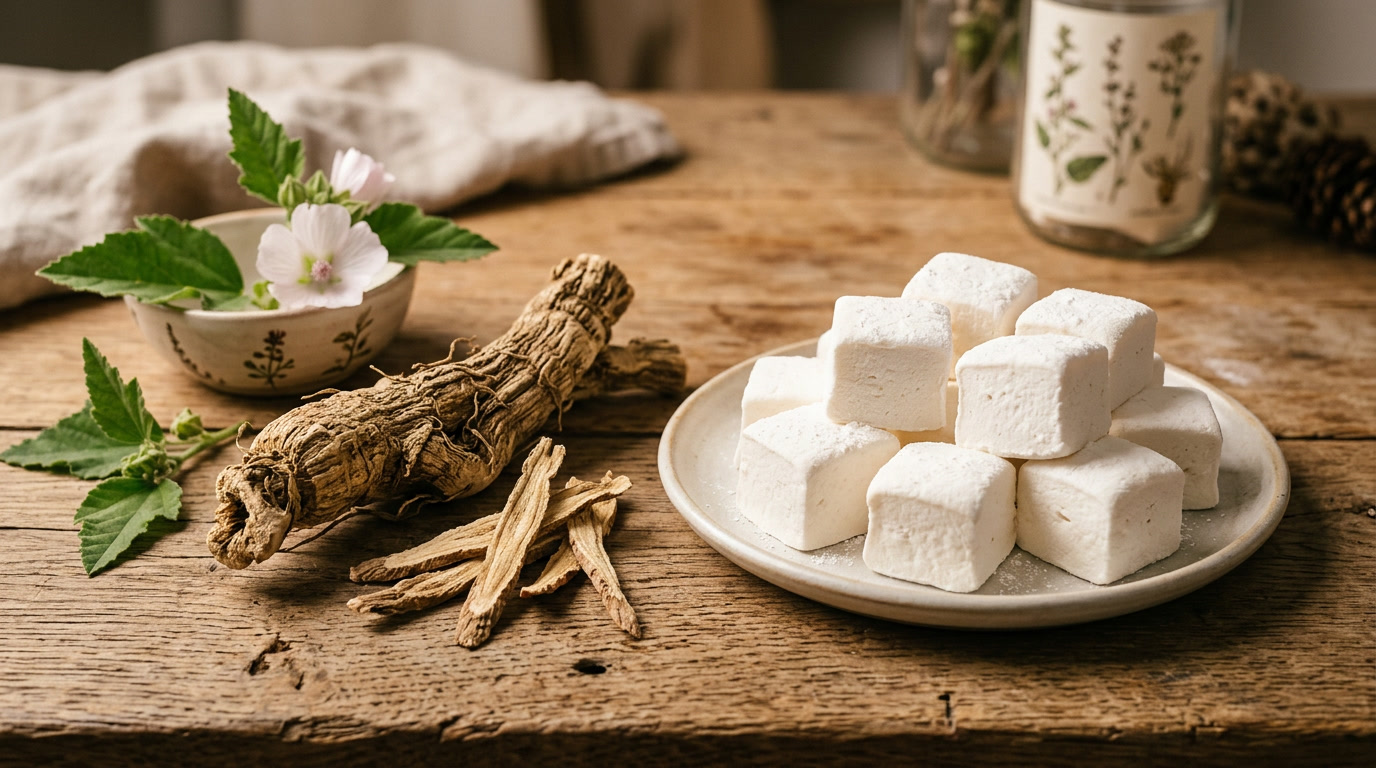
The marshmallow was first invented in ancient Egypt around 2000 BCE from wild plant root sap. Discover the full history
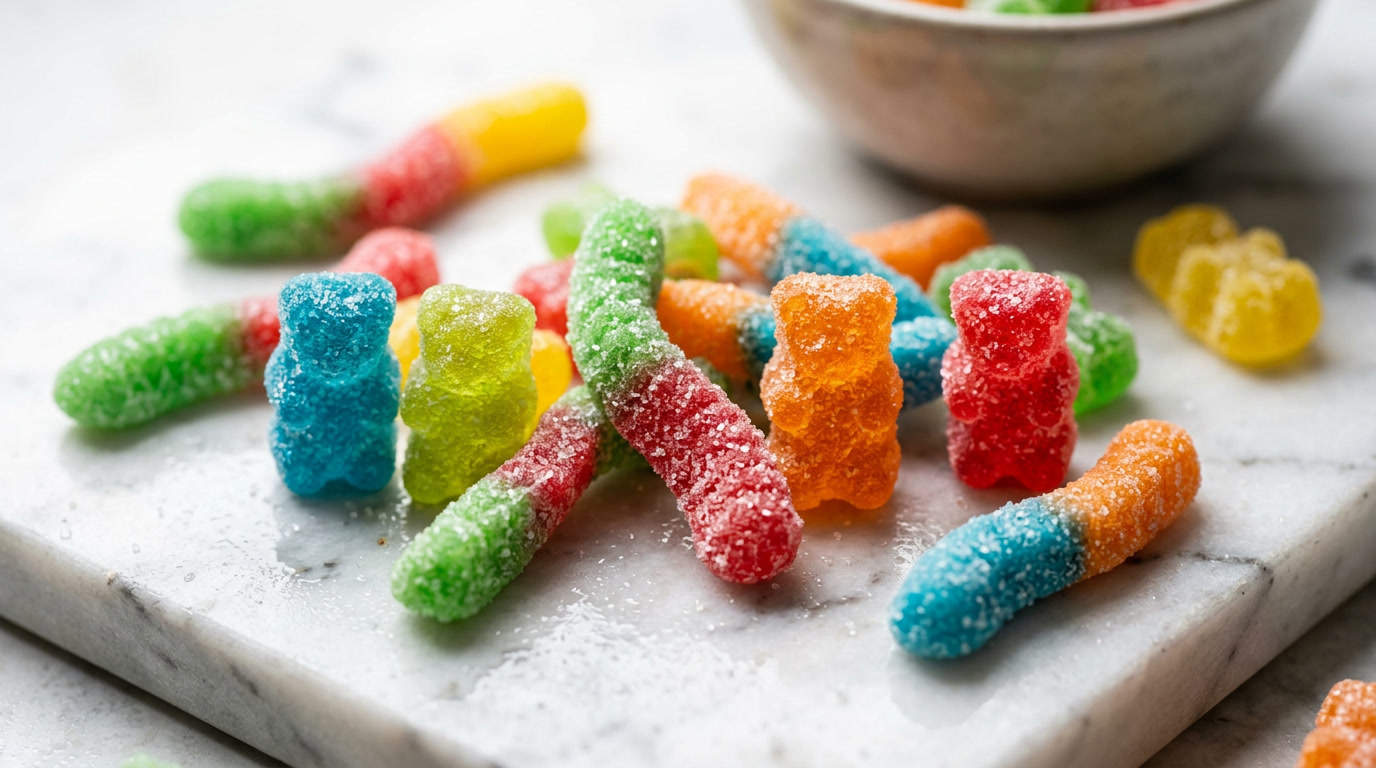
Sour candy gets its pucker from food-grade organic acids — citric, malic, tartaric, and fumaric. This guide explains the chemistry,
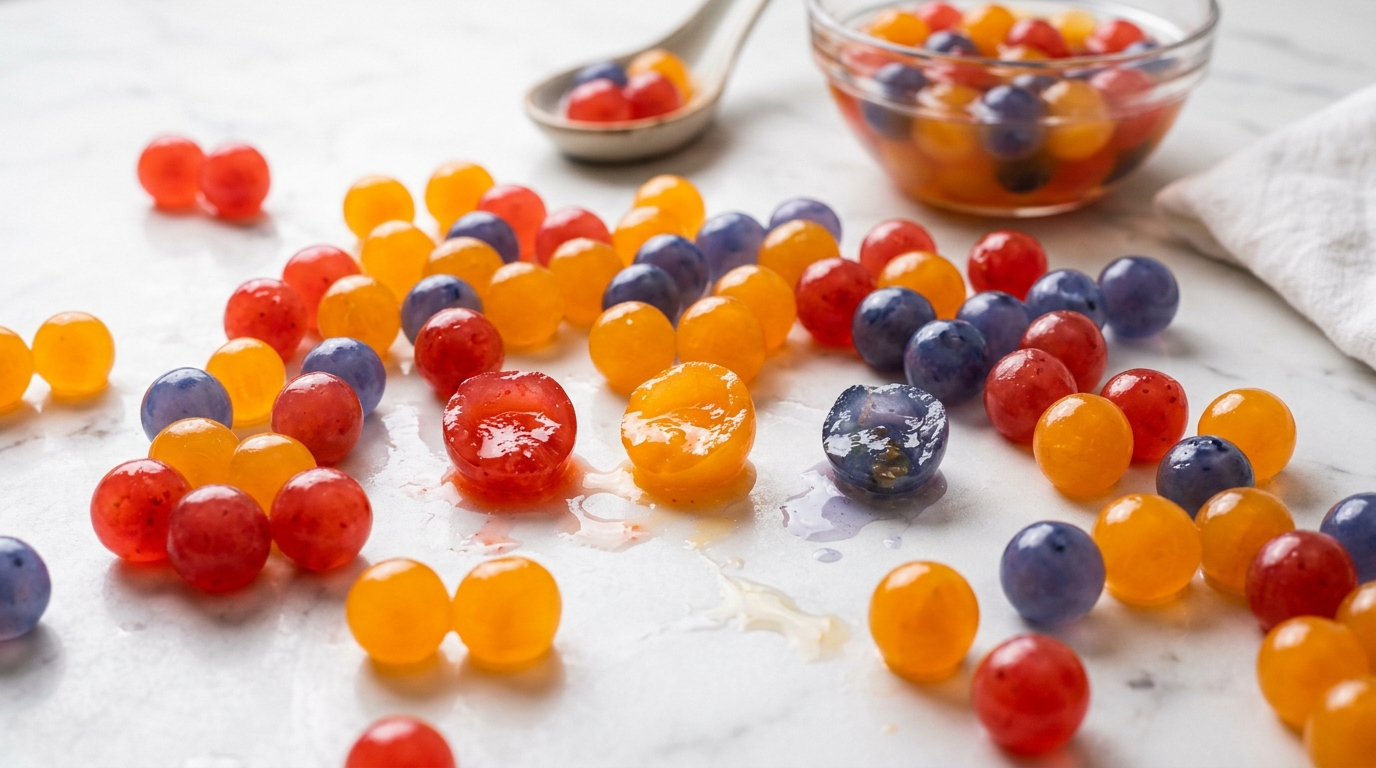
Popping boba gets its burst from fruit juice encased in a thin sodium alginate gel shell — formed through spherification.
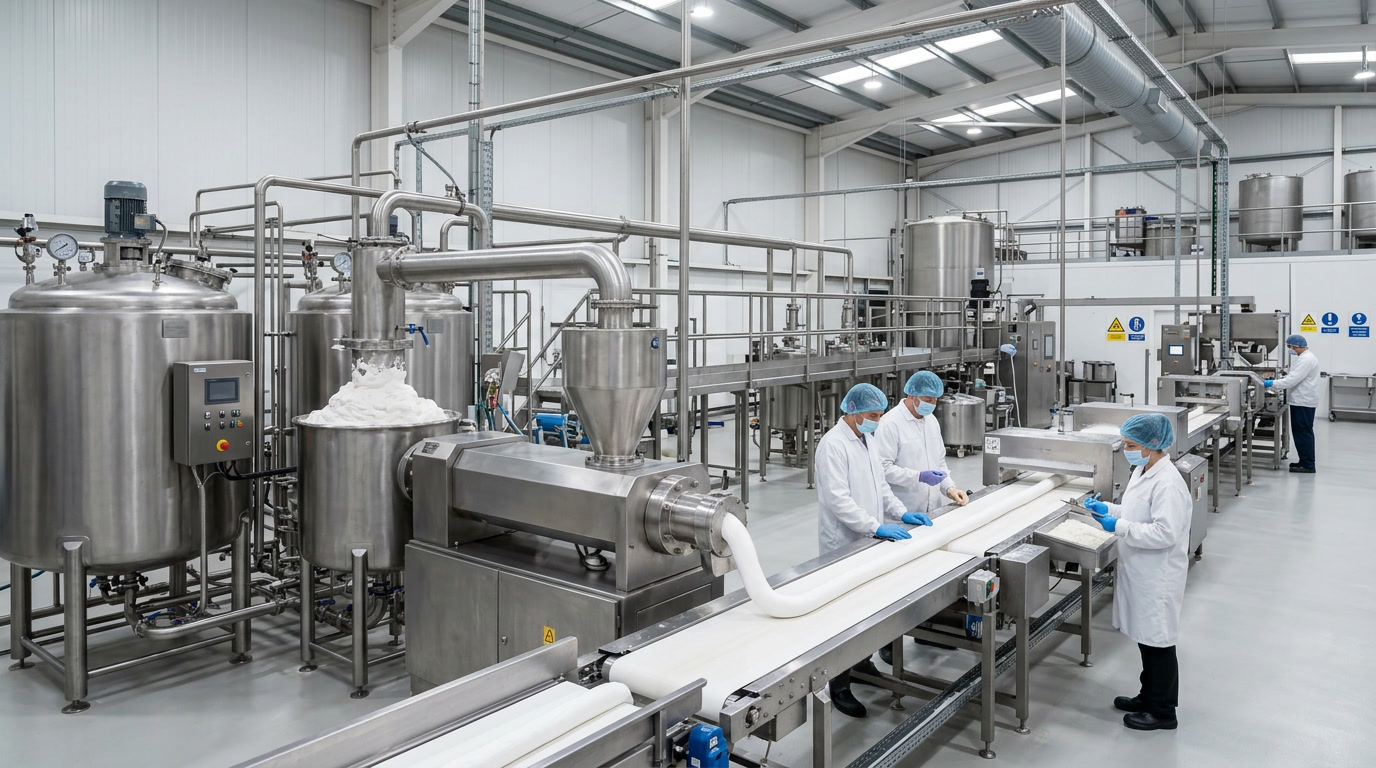
Marshmallows are made from sugar, corn syrup, gelatin, and water — whipped with air into a soft foam confection. Discover
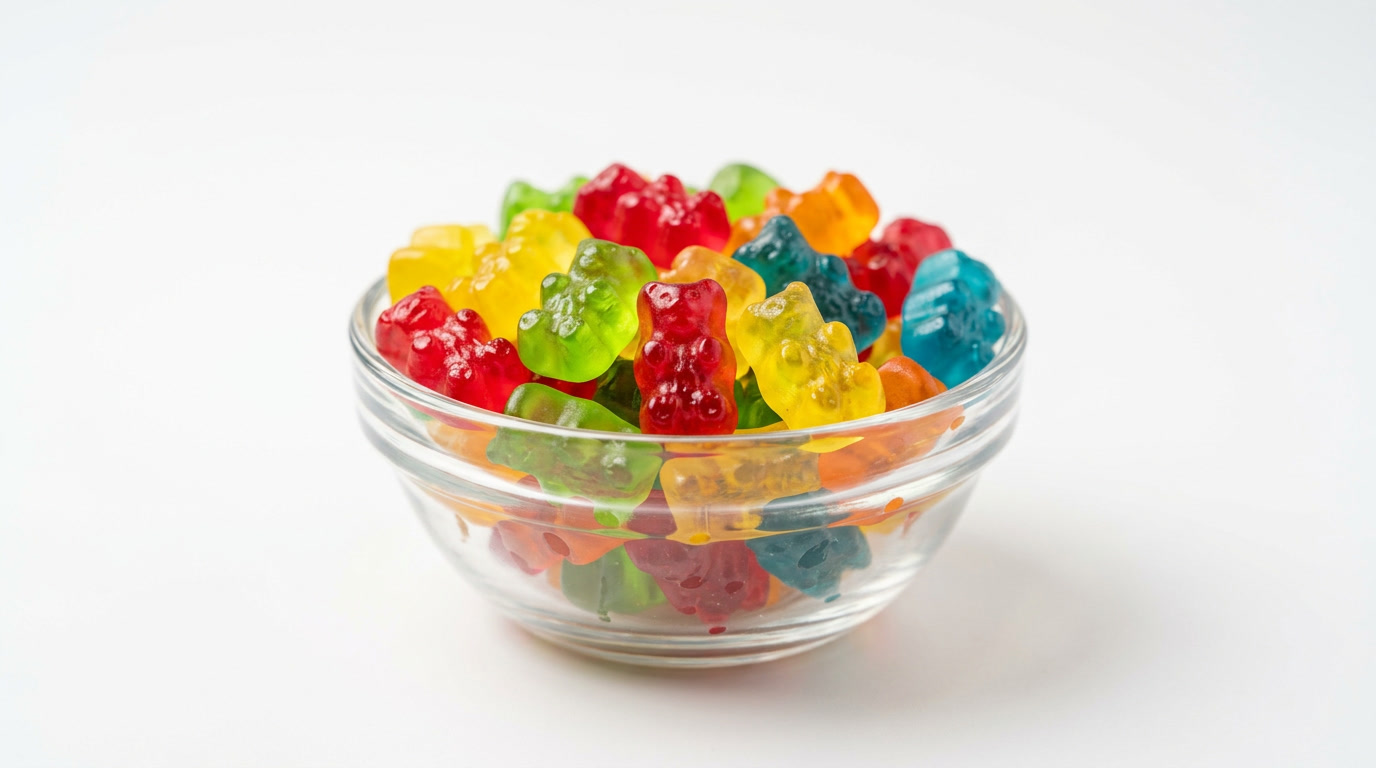
Sugar free Haribo gummy bears use lycasin (maltitol syrup) instead of sugar — a sugar alcohol that delivers near-identical sweetness
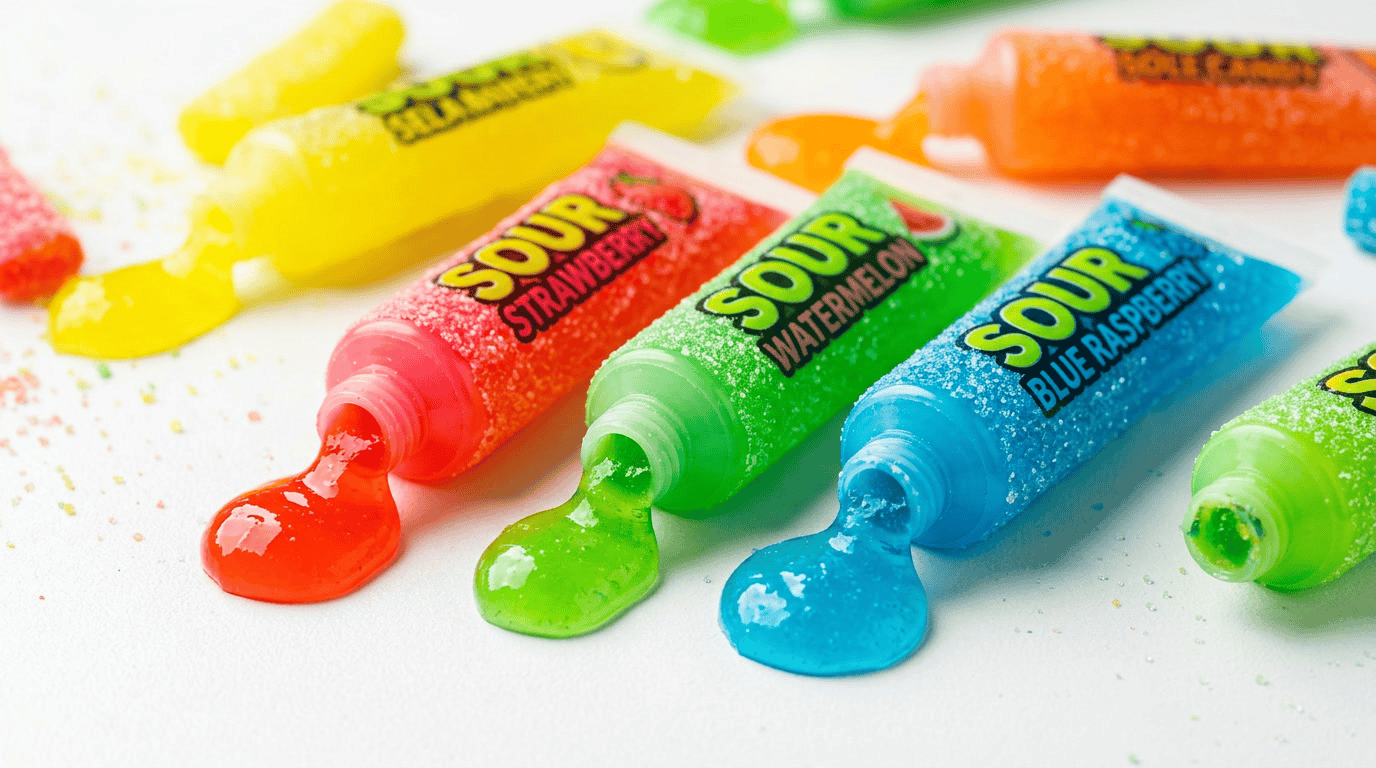
Discover what sour tube candy really is — from the acids that create its signature pucker to the industrial manufacturing
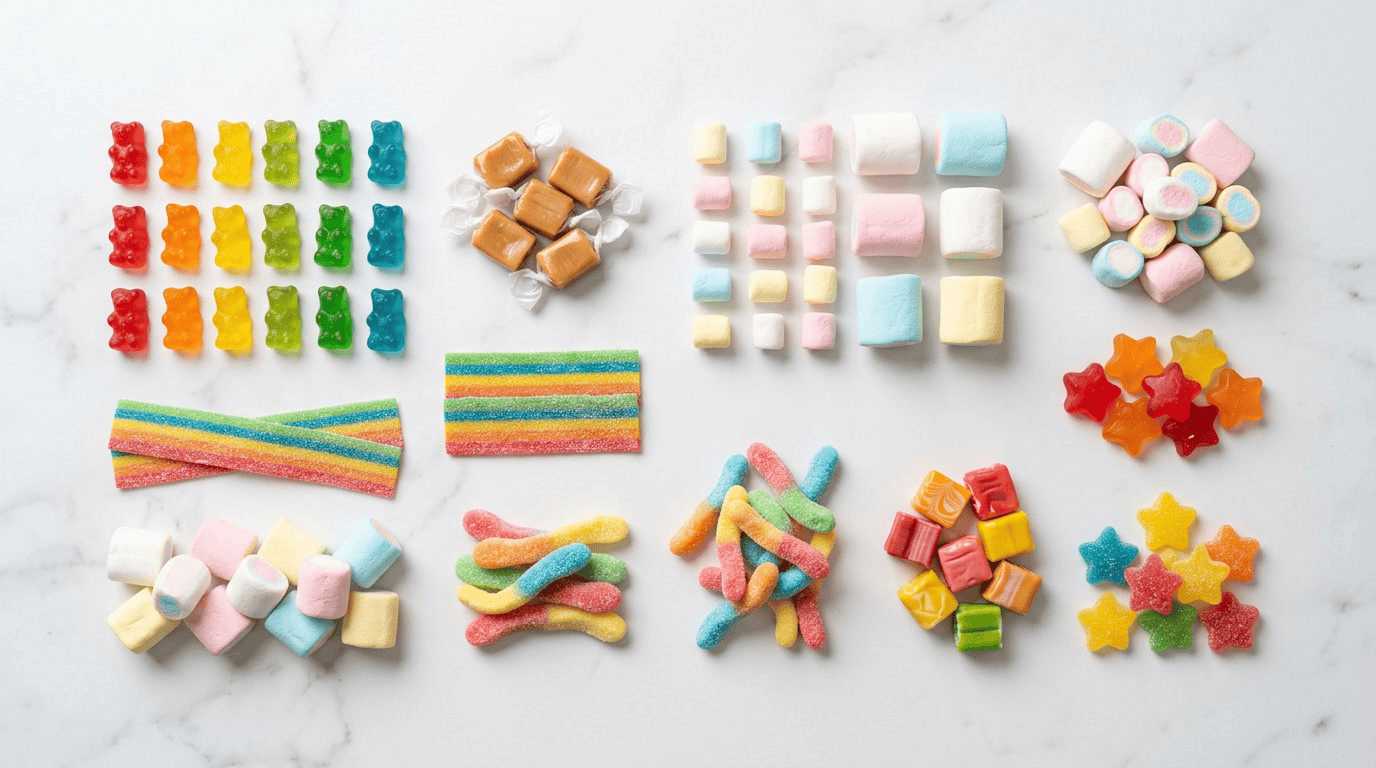
Soft candy covers gummies, caramels, marshmallows, taffy, and fudge — learn the texture science, special dietary considerations, and how industrial