Yes — US Skittles are vegan. Mars Wrigley removed gelatin from the US formula around 2009, and the current recipe contains no animal-derived ingredients. UK Skittles require current-label verification due to formulation differences.
Skittles and veganism have a complicated history. For years, Skittles contained gelatin — a protein derived from boiled animal bones and hides — which made them off-limits for vegans. Then Mars Wrigley reformulated. Then came questions about shellac, carmine, and carnauba wax. Then UK Skittles diverged from US Skittles. If you’ve been trying to get a straight answer on whether Skittles are vegan, you’ve likely encountered conflicting information online. This guide cuts through all of it with current, sourced facts.

What Makes a Candy Vegan?
This article is part of our complete guide on are Skittles gluten free — covering every US and UK variety, celiac safety standards, and the full ingredient analysis for 2026.
Before examining whether Skittles are vegan, it’s worth establishing the standard. Vegan food excludes all animal-derived ingredients, which in the confectionery context means:
- No gelatin (derived from animal bones and connective tissue — usually pork or beef)
- No dairy (milk, cream, butter, whey, casein, lactose)
- No eggs or egg-derived components
- No shellac (E904 — a resin secreted by the female lac bug, used as a glazing agent)
- No carmine (E120 — a red dye made from crushed cochineal beetles)
- No beeswax (E901 — used as a glazing agent in some UK confectionery)
- No lanolin (derived from sheep’s wool — occasionally used in vitamin D3 fortification)
- No isinglass (fish bladder-derived fining agent — rare in candy)
For plant-based consumers, the ongoing debate centers on animal-adjacent ingredients at the margins: natural flavors (occasionally derived from animal sources), refined sugar (sometimes filtered through bone char), and carnauba wax (plant-derived, universally accepted as vegan).
are skittles vegan in the US? (Current Formula)
Yes. US Skittles are vegan under the current formulation. Here’s why each historically problematic ingredient has been addressed:
Gelatin: Removed
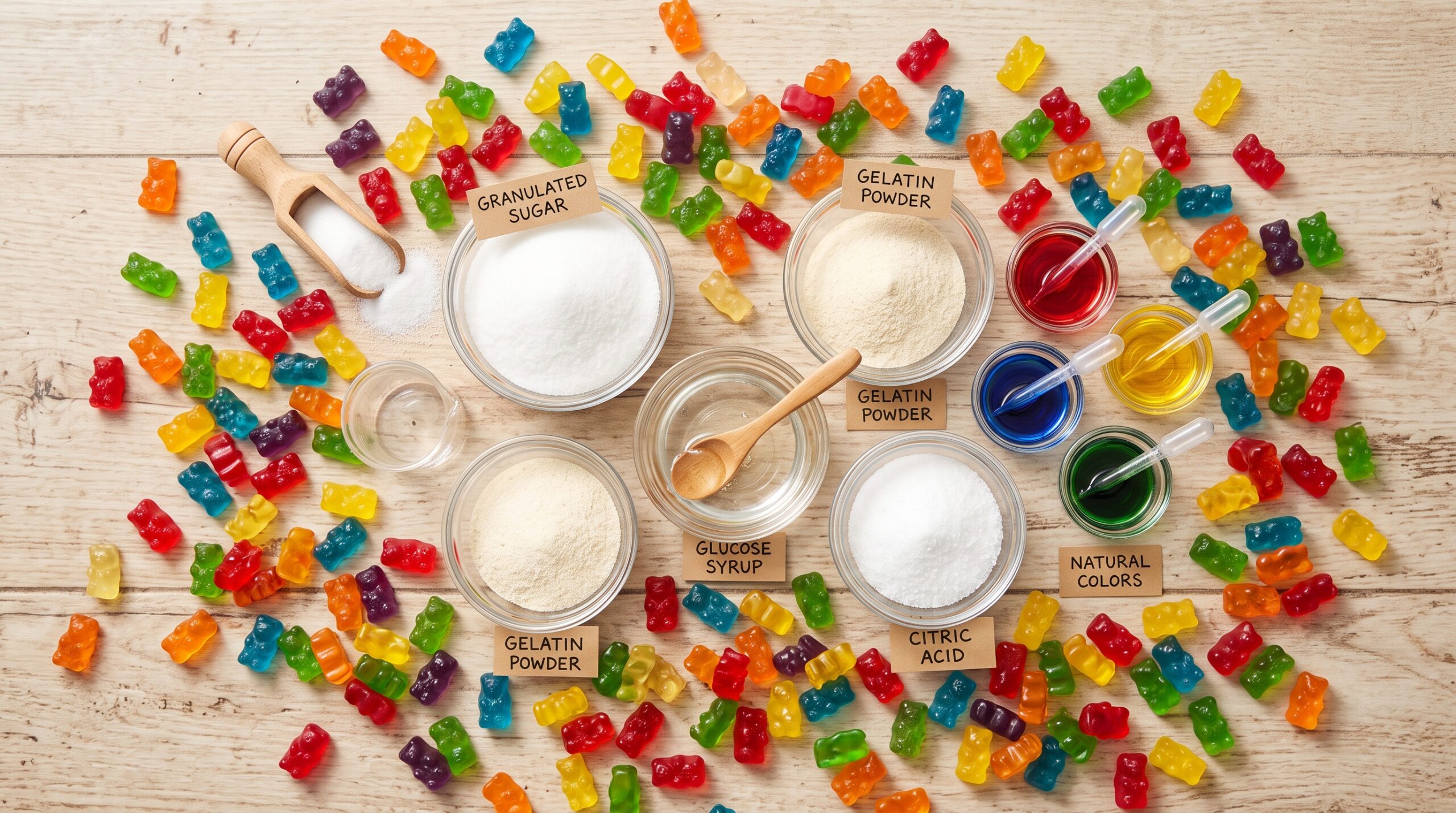
The biggest vegan barrier in the original Skittles formula was gelatin. Mars Wrigley removed gelatin from the US Skittles recipe approximately in 2009. Since then, the chewy texture that gelatin once provided has been achieved through a combination of modified corn starch and dextrin — both plant-derived carbohydrates.
This reformulation is one of the most significant changes in mainstream US candy production for vegan consumers. Skittles went from a hard no to a yes for vegans without any change in the product’s sensory experience.
Shellac (E904): Not Present in US Formula
Shellac was never a standard ingredient in US Skittles. The shell coating for US Skittles uses carnauba wax — extracted from the leaves of the Brazilian Copernicia prunifera palm. Carnauba wax is entirely plant-derived and is universally recognized as vegan by organizations including The Vegan Society.
Carmine (E120): Not in Current US Formula
Earlier versions of some candy products from Mars used carmine (cochineal-derived red coloring). Current US Skittles use synthetic colorings: Red 40 (Allura Red), Yellow 5 (Tartrazine), Yellow 6 (Sunset Yellow), Blue 1 (Brilliant Blue), and Blue 2 (Indigo Carmine). All are petroleum-derived synthetic dyes — technically vegan, though not without their own health-debate context.
Bone Char Sugar: The Gray Area
Some strict vegans avoid refined white sugar processed through bone char — a filter made from animal bones used to decolorize cane sugar. Mars Wrigley does not publicly disclose whether the sugar in Skittles is bone-char processed. Most mainstream vegan organizations (including PETA) accept Skittles as vegan and do not flag bone char sugar as a disqualifying factor for most consumers. This is a matter of personal vegan philosophy rather than a clear-cut non-vegan ingredient.
Current US Skittles Ingredient List (2026)
Sugar, Corn Syrup, Hydrogenated Palm Kernel Oil, Apple Juice from Concentrate, Less than 2% of Citric Acid, Dextrin, Modified Corn Starch, Natural and Artificial Flavors, Coloring (Red 40 Lake, Yellow 5 Lake, Yellow 6 Lake, Blue 2 Lake, Blue 1 Lake, Red 40, Yellow 5, Yellow 6, Blue 1), Sodium Citrate, Carnauba Wax.
No gelatin. No dairy. No shellac. No carmine. By most vegan standards, this formula is vegan.
Are UK Skittles Vegan?
UK Skittles are more complicated for vegan consumers. The formulation has historically included non-vegan or borderline ingredients that aren’t present in the US version.

Historical Shellac Use (E904)
UK and European Skittles historically used shellac (E904) as the shell glazing agent. Shellac is secreted by the Kerria lacca (lac) insect and is considered non-vegan by mainstream vegan organizations. The Vegan Society, PETA, and most vegan community resources historically categorized UK Skittles as non-vegan for this reason.
Mars Wrigley has been reformulating UK Skittles to replace shellac with carnauba wax (consistent with the US formula). However, the transition has not been consistent across all markets and production batches. As of early 2026, check the current UK label for the specific glazing agent listed under E-number codes or ingredient names.
Historical Carmine Use (E120)
Some UK/EU Skittles batches used carmine (E120) — a red dye derived from crushed cochineal beetles — to achieve red and pink colorings. This is non-vegan. More recent UK formulations have moved toward natural plant-based colorings (spirulina blue, radish red, etc.) and in some cases back to synthetic colorings. The specific batch label is the only reliable source.
EU Regulation Impact
The EU ban on titanium dioxide (E171) as a food additive preceded similar action in the US, leading to a reformulation wave across all Mars products in Europe. This provided an opportunity to revisit other colorings and glazing agents simultaneously, which is part of why UK/EU Skittles formulations have been in flux.
| Ingredient | US Skittles | UK Skittles |
|---|---|---|
| Gelatin | ❌ Not present | ❌ Not present |
| Dairy | ❌ Not present | ❌ Not present |
| Shellac (E904) | ❌ Not present | ⚠️ Historically present; check current label |
| Carmine (E120) | ❌ Not present | ⚠️ Historically present in some batches |
| Carnauba wax | ✅ Plant-based | ✅ Replacing shellac in current formula |
| Vegan status | ✅ Generally yes | ⚠️ Verify current label |
Are All Skittles Varieties Vegan?
In the US, all standard Skittles chewy candy varieties are vegan. The vegan complexity differs across the Skittles product range:
Original Skittles — Vegan ✅
No animal ingredients in current US formula. PETA lists Original Skittles as vegan. The flavor compounds (strawberry, lemon, lime, orange, grape) are natural and artificial — the “natural flavors” designation on US candy products can sometimes include animal-derived components, but Mars Wrigley’s Skittles formulation is recognized as vegan by major organizations.
Wild Berry Skittles — Vegan ✅
Berry Punch, Strawberry, Melon Berry, Raspberry, Wild Cherry flavors. Same base formula as Original. Vegan in the US.
Tropical Skittles — Vegan ✅
Kiwi Lime, Mango Tangelo, Strawberry Starfruit, Passion Fruit, Pineapple flavors. Vegan in the US.
Sour Skittles — Vegan ✅
The sour coating uses citric acid and tartaric acid — both plant/fermentation-derived. No animal ingredients added by the sour coating. Vegan in the US.
Skittles Gummies — NOT Vegan ❌
This is the critical exception. Skittles Gummies contain gelatin. Gelatin in gummy formats is typically porcine-derived. If you’re vegan, the gummy-format Skittles are off the table. The standard chewy/shell-format Skittles remain vegan; the gummy format reverts to a gelatin-based recipe.
Skittles Brightside and Seasonal Varieties — Vegan ✅
Follow the standard US base formula. Vegan by default unless the label indicates otherwise.
| Variety | Vegan (US)? | Reason |
|---|---|---|
| Original | ✅ Yes | No animal ingredients |
| Wild Berry | ✅ Yes | No animal ingredients |
| Tropical | ✅ Yes | No animal ingredients |
| Sour | ✅ Yes | Sour coating is acid-based |
| Brightside / Darkside | ✅ Yes | Standard formula |
| Gummies | ❌ No | Contains gelatin |
| UK varieties | ⚠️ Verify | Shellac/carmine history |
How to Verify Vegan Status for Yourself
The candy industry moves faster than published ingredient guides. Here’s how to verify at purchase:

Check for These Non-Vegan E-Numbers
On UK and EU labels, look for:
– E120 — Carmine (cochineal beetles) — non-vegan
– E904 — Shellac (lac insect resin) — non-vegan
– E901 — Beeswax — non-vegan
– E441 — Gelatin — non-vegan
– E542 — Bone phosphate — non-vegan
On US labels, look for:
– Gelatin — spelled out; non-vegan if present
– Natural flavors — usually fine in Skittles; flag if allergy-level concern
– Any explicit animal-derived ingredient name
Use Vegan Organization Resources
Major vegan organizations maintain regularly updated candy lists:
– PETA’s “Accidentally Vegan” list includes US Skittles
– The Vegan Society (UK) publishes a shopping guide with verified products
– Barnivore-style resources exist for candy products, though primarily wine/beer
Contact Mars Wrigley Directly
For UK consumers uncertain about the current shellac status:
– Mars Wrigley UK: www.mars.com/made-by-mars/skittles
– Ask specifically: “Does the current UK Skittles formula contain shellac (E904) or carmine (E120)?”
The Vegan Debate: Is “Accidentally Vegan” Good Enough?
Some vegans distinguish between products that are intentionally vegan (certified, formulated to be vegan) and accidentally vegan (vegan by coincidence of ingredients, no animal welfare commitment from the brand). Skittles fall into the “accidentally vegan” category in the US.
Mars Wrigley removed gelatin from US Skittles primarily in response to consumer demand — the US market’s shift away from animal-derived candy ingredients was both ethical and commercial. But Mars is not a vegan company; they also make M&Ms (milk chocolate) and other non-vegan products. For some vegans, this matters philosophically. For others, “vegan by ingredients” is the relevant standard.
There is no vegan certification on Skittles packaging. Vegan consumers making a principled choice should weigh this against their personal definition of the vegan standard.
Skittles vs. Other Popular Vegan Candies
| Candy | Vegan (US)? | Key Notes |
|---|---|---|
| Skittles (Original) | ✅ Yes | Accidentally vegan since ~2009 reformulation |
| Starburst (US) | ✅ Yes | Also accidentally vegan; same manufacturer |
| Sour Patch Kids | ✅ Yes | No gelatin; vegan-friendly |
| Jolly Ranchers | ✅ Yes | Vegan by ingredients |
| Swedish Fish | ✅ Yes | No gelatin; vegan |
| Twizzlers | ✅ Yes | Vegan by ingredients |
| Haribo Goldbears | ❌ No | Contains gelatin + beeswax |
| Gummy Bears (most) | ❌ No | Gelatin-based |
| M&Ms | ❌ No | Milk chocolate |
| Snickers | ❌ No | Dairy, eggs |
| Nerds Gummy Clusters | ❌ No | Contains pork gelatin |
Why the Gelatin Removal Was a Manufacturing Milestone
From a confectionery production standpoint, removing gelatin from a chewy candy product is not trivial. Gelatin provides:
– Elastic chew texture — the characteristic resistance and snap of chewy candy
– Thermal stability — gelatin gels and melts at specific temperatures that are engineered into the production line
– Moisture retention — helping the candy stay chewy without drying out
Replacing gelatin with modified corn starch and dextrin while maintaining the same consumer-perceived chew texture required Mars Wrigley to reformulate the starch system and adjust processing parameters (mixing temperatures, cooling profiles, humidity control in the production environment). The fact that most consumers never noticed the change — or noticed it as an improvement — is a testament to the technical achievement.
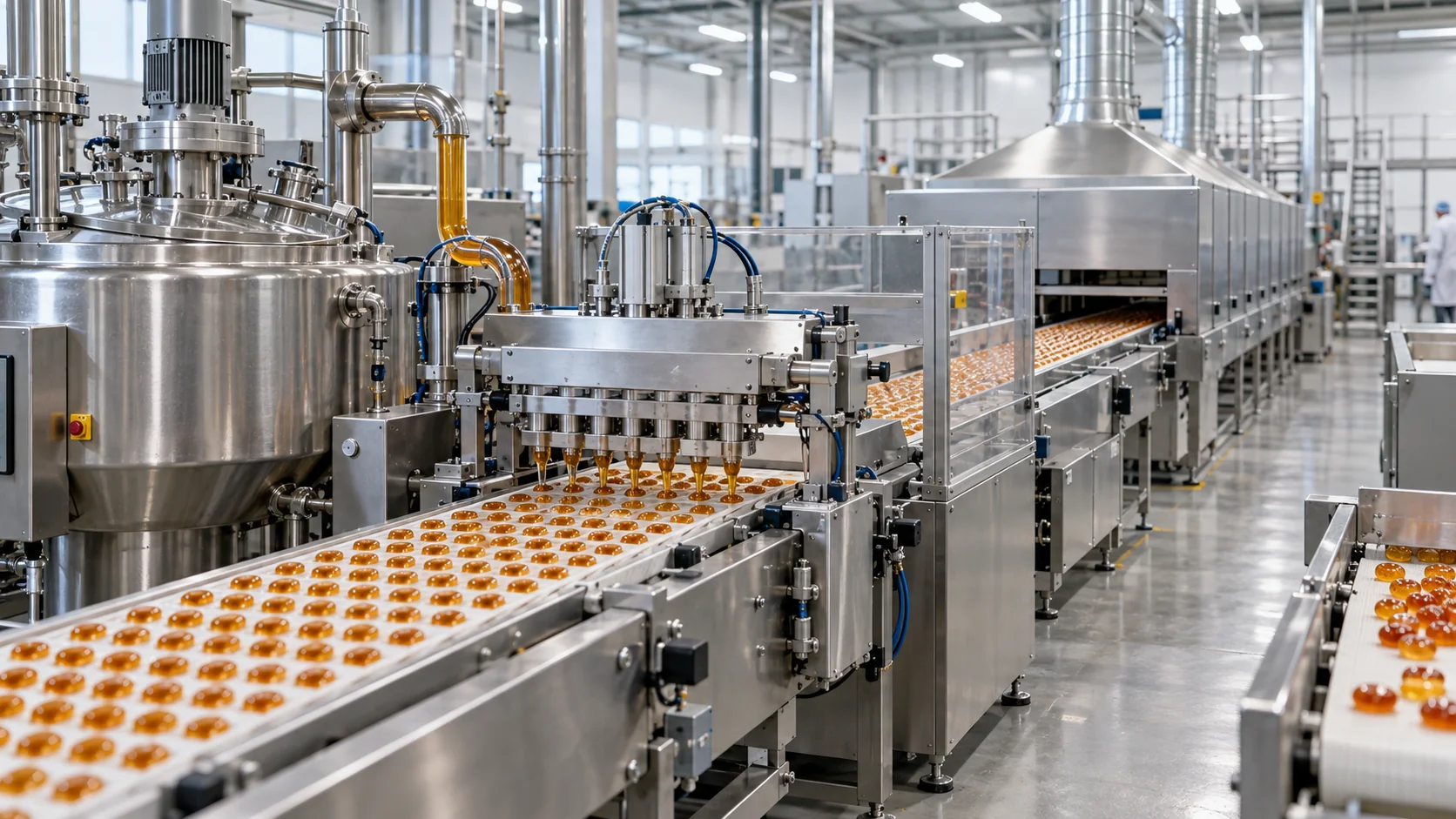
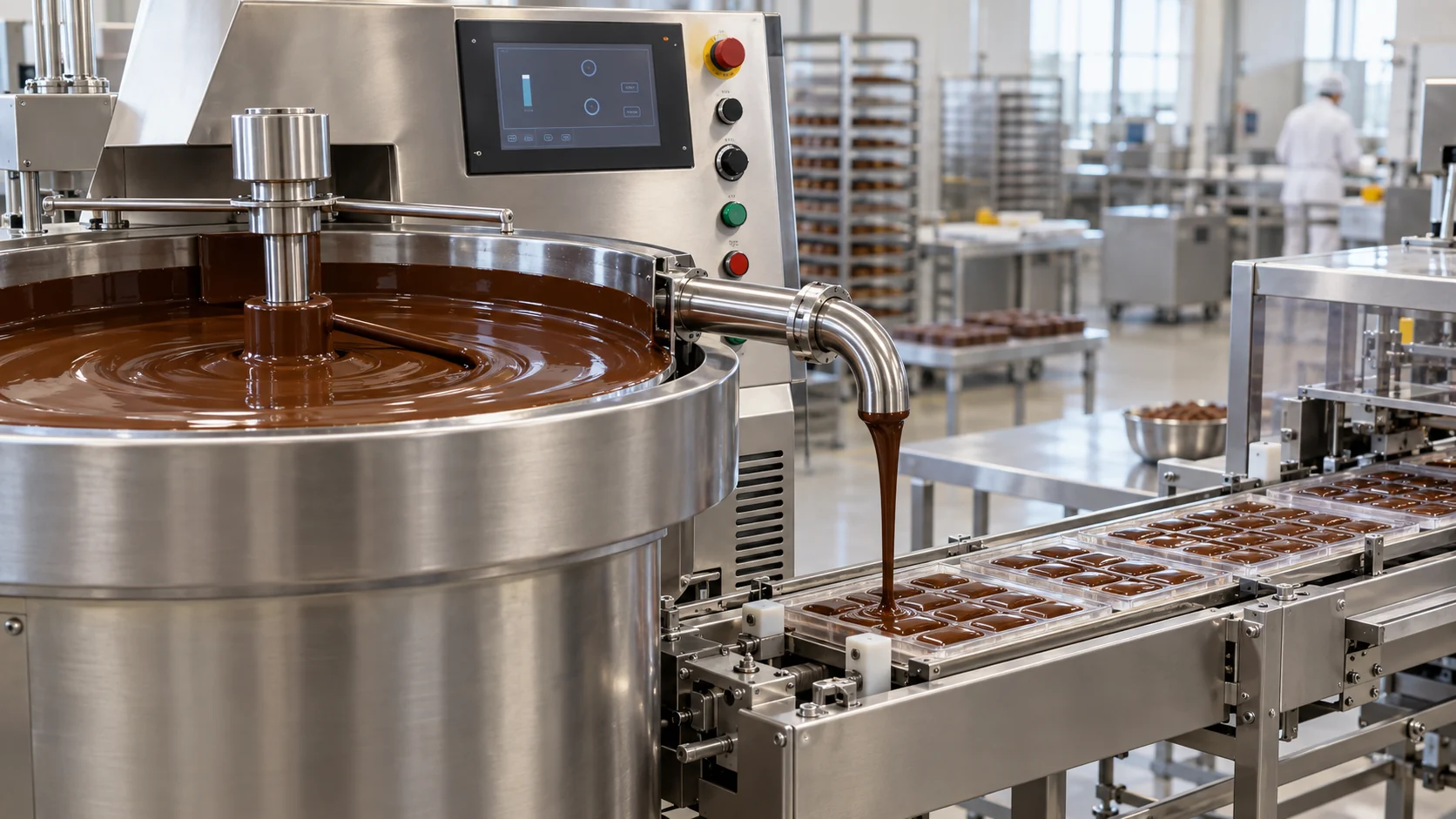
For candy equipment manufacturers and food production consultants, the gelatin-to-starch transition in mainstream chewy candy products like Skittles represents a broader industry shift toward plant-based formulations. Production equipment for starch-based confectionery (depositors, starch mogul systems, cooling conveyors) has become increasingly important as more brands follow the Skittles model.
Frequently Asked Questions
Are Skittles vegan in 2026?
Yes — US Skittles are vegan in 2026. The current US formula contains no gelatin, no dairy, no shellac, and no carmine. Mars Wrigley removed gelatin from the US formula approximately in 2009. UK Skittles require current-label verification.
When did Skittles become vegan?
US Skittles became vegan around 2009 when Mars Wrigley removed gelatin from the US formula. Prior to that, Skittles contained bovine or porcine gelatin, making them non-vegan.
Do Skittles contain gelatin?
US Skittles (chewy format) do not contain gelatin. Skittles Gummies do contain gelatin. Always check the label for gummy-format Skittles products.
Are Skittles vegan in the UK?
UK Skittles have historically contained shellac (E904), which is non-vegan. Mars has been reformulating UK Skittles, but check the current UK label for E904 or E120 before purchasing.
Are Sour Skittles vegan?
Yes — US Sour Skittles are vegan. The sour coating is citric acid and tartaric acid-based; no animal ingredients are added.
What candy is vegan like Skittles?
US Starburst (also by Mars Wrigley), Sour Patch Kids, Jolly Ranchers, Swedish Fish, and Twizzlers are all vegan by ingredients in their US formulations.
Are Wild Berry Skittles vegan?
Yes — US Wild Berry Skittles are vegan. They follow the same base formula as Original Skittles with no animal-derived ingredients.
Is carnauba wax in Skittles vegan?
Yes. Carnauba wax is derived from the Copernicia prunifera palm tree in Brazil. It is entirely plant-based and recognized as vegan by The Vegan Society and other major vegan organizations.

Conclusion
US Skittles are vegan — a status earned through Mars Wrigley’s removal of gelatin from the US formula around 2009 and the absence of shellac and carmine from the US recipe. The current ingredient list is free of all standard animal-derived candy ingredients: no gelatin, no dairy, no shellac, no carmine, no beeswax. The shell coating is carnauba wax, a plant-derived wax universally accepted as vegan.
The main caveat: Skittles Gummies contain gelatin and are not vegan. And UK Skittles require current-label verification — the historical use of shellac (E904) in UK formulations means you need to check the package rather than rely on the US vegan status. For standard chewy-format US Skittles, buy with confidence and taste the (vegan) rainbow.
Related Articles
- Skittles Manufacturing Process: Inside the Factory 2026
- How Are Skittles Made? The Full Factory Process Explained (2026)
- Skittles UK Gluten Free: Are UK Skittles Safe for Coeliacs? (2026)
- Tropical Skittles Gluten Free: Ingredients, Safety & Complete Guide 2026
- Gummy Candy Production Line
- Are Skittles Gluten Free? Complete Guide 2026
References & Sources
- Definition of Veganism — The Vegan Society
- Accidentally Vegan Foods List — PETA
- Skittles (confectionery) — Wikipedia
- Carnauba Wax — Properties & Uses — Wikipedia
- Gelatin — Food-Grade Production — Wikipedia