What Is Popping Boba? A Simple Guide to These Flavorful Pearls
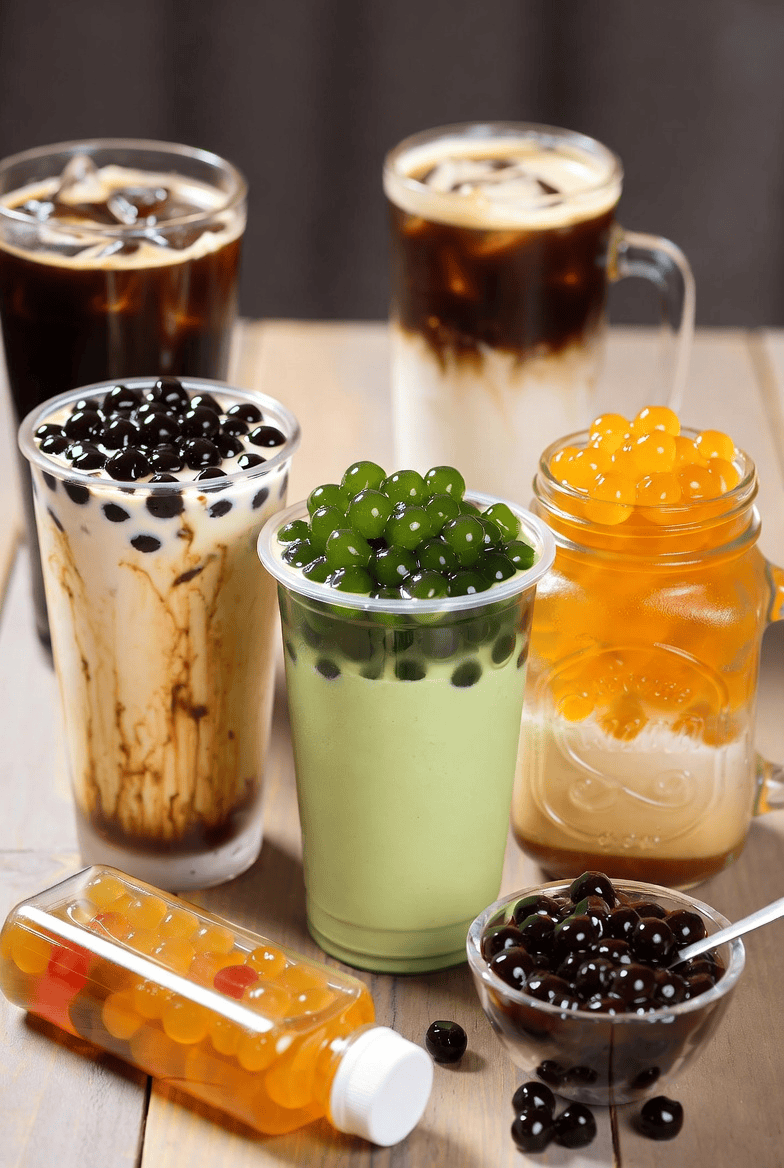
> “Have you ever felt that amazing burst of fruit juice in your drink and wondered, ‘What is that, and how do they make it?'”
If you’ve asked this question, you’ve tried one of the coolest new things in drinks today: popping boba. These small, colorful balls are more than just a topping – they’re a fun experience that adds a tiny explosion of flavor to any drink or dessert. They combine food science with pure fun. Unlike chewy tapioca pearls, popping boba gives you a completely different texture and taste adventure. This guide will help you understand everything about popping boba. We’ll explore what it is, learn the interesting science behind how it’s made, compare it to other popular toppings, show you how to make it at home, and look at how it’s changing the food industry.
The Juicy Details
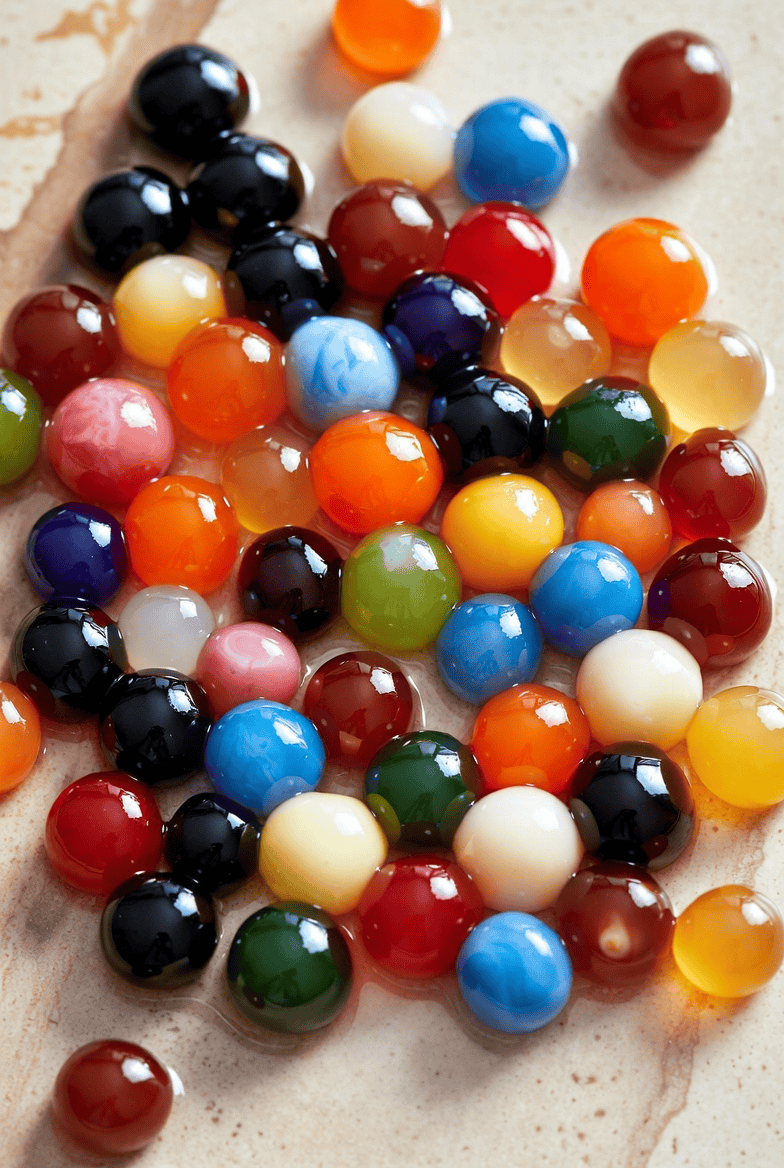
So, what exactly is popping boba? Also called juice balls, bursting boba, or popping pearls, it’s a special food creation made of flavored liquid inside a very thin, edible skin. When you apply light pressure by drinking them through a straw or biting into them, this delicate skin breaks instantly, releasing a rush of concentrated fruit juice. This “pop” is what makes it special and different from all other drink add-ins. While regular boba (tapioca pearls) gives you a chewy texture, popping boba delivers a burst of flavor that can match or contrast with your drink, creating a more exciting and layered taste experience.
Simply put, popping boba has a few key features:
- Core: The center is liquid, usually fruit-flavored juice, syrup, or fruit puree.
- Shell: The outside is a very thin, delicate skin made from seaweed extract. It has no flavor of its own – it just holds the juice inside.
- Experience: The main feature is the clear “pop” it makes under light pressure, which immediately fills your mouth with flavor.
- Flavor: It comes in many fruit flavors, from strawberry and mango to more unusual options like lychee and passion fruit, giving you endless choices.
The Science of the Pop
The magic behind popping boba isn’t really magic – it’s a smart use of food science called reverse spherification. This technique, made popular by chefs in molecular cooking, allows for creating liquid-filled spheres that are stable but burst easily. Understanding this process helps you appreciate every pearl in your cup. The whole reaction depends on two key ingredients working together: sodium alginate, a salt made from brown seaweed, and a calcium salt, usually calcium chloride.
Here’s the step-by-step process of how these flavorful spheres are made:
- The Flavorful Core: The process starts with the liquid that will become the center of the pearl. This is usually fruit juice or puree mixed with a precise amount of sodium alginate. The sodium alginate dissolves into the juice mixture, but it doesn’t cause any gelling at this stage. It simply prepares the liquid for the reaction to come.
- The Calcium Bath: Separately, a solution of water and calcium chloride is prepared. This is called the “setting bath” or “calcium bath.” This solution is clear and looks just like water, but it’s the key to forming the boba’s delicate skin.
- The Magic Moment: Using droppers, syringes, or special equipment, small droplets of the sodium alginate-mixed juice are carefully dropped into the calcium chloride bath. The instant the alginate-rich liquid touches the calcium-rich water, a chemical reaction happens. The calcium ions cause the long chains of alginate molecules to link together and form a gel, creating an incredibly thin skin around the droplet of juice. This process happens from the outside in, trapping the liquid core.
- Rinsing and Storing: The newly formed pearls are left in the calcium bath for just a minute or so – long enough for a stable skin to form but not so long that the entire pearl turns to gel. They are then gently scooped out with a strainer and immediately moved to a clean water bath. This rinse stops the gelling process, making sure the core stays liquid. Finally, the finished popping boba is stored in a light syrup or some of the original fruit juice to keep them fresh, separated, and flavorful until they’re ready to be served.
A Head-to-Head Comparison
In the busy world of drink toppings, it’s easy to get confused. While they might share the “boba” name and often appear in the same drinks, popping boba, traditional tapioca pearls, and crystal boba are completely different ingredients. Each offers a unique addition to a drink in terms of texture, flavor, and visual appeal. Understanding these differences is key to creating your perfect drink. Popping boba provides a burst, tapioca provides a chew, and crystal boba provides a crunch. To make the choice clearer, we’ve broken down their characteristics in a direct comparison.
Topping Comparison: ポッピング・ボバ vs. Tapioca Pearls vs. Crystal Boba
| 特徴 | ポッピング・ボバ | Traditional Tapioca Pearls | Crystal Boba (Agar Boba) |
| Core Ingredient | Seaweed Extract (Sodium Alginate) | Cassava Starch | Konjac Plant (Agar) |
| テクスチャー | Thin skin, liquid pop | Chewy, gummy, springy | Firm, jelly-like, slight crunch |
| フレーバー | Self-contained fruit juice | Mildly sweet (from brown sugar) | Neutral or mildly sweet |
| 準備 | cURL Too many subrequests. | cURL Too many subrequests. | cURL Too many subrequests. |
| 外観 | cURL Too many subrequests. | cURL Too many subrequests. | cURL Too many subrequests. |
| 最適 | cURL Too many subrequests. | cURL Too many subrequests. | cURL Too many subrequests. |
cURL Too many subrequests. cURL Too many subrequests.cURL Too many subrequests.
cURL Too many subrequests.
cURL Too many subrequests.
cURL Too many subrequests.
cURL Too many subrequests.
| cURL Too many subrequests. | cURL Too many subrequests. | cURL Too many subrequests. | cURL Too many subrequests. |
| cURL Too many subrequests. | cURL Too many subrequests. | cURL Too many subrequests. | cURL Too many subrequests. |
| cURL Too many subrequests. | cURL Too many subrequests. | cURL Too many subrequests. | cURL Too many subrequests. |
| cURL Too many subrequests. | cURL Too many subrequests. | cURL Too many subrequests. | cURL Too many subrequests. |
| cURL Too many subrequests. | cURL Too many subrequests. | cURL Too many subrequests. | cURL Too many subrequests. |
| cURL Too many subrequests. | cURL Too many subrequests. | cURL Too many subrequests. | cURL Too many subrequests. |
cURL Too many subrequests.
cURL Too many subrequests.
cURL Too many subrequests.
- 1 cup of your favorite fruit juice (pulp-free works best)
- 2 grams of food-grade sodium alginate
- 5 grams of food-grade calcium chloride
- 4 cups of cold, distilled water (for the calcium bath)
- Additional water for rinsing
- Blender or immersion blender
- Food scale with gram measurements
- Several bowls
- A dropper, syringe, or squeeze bottle
- A small mesh strainer
Step-by-Step Instructions
- Prepare the Juice Base: Pour your 1 cup of fruit juice into a blender. Add the 2 grams of sodium alginate. Blend for about 30-60 seconds, or until the powder is fully dissolved and the mixture has thickened slightly. A common mistake is not blending long enough, which leaves clumps. Let this mixture rest for at least 30 minutes, or up to a few hours, to allow any air bubbles to go away. This is crucial for creating clear, round pearls.
- Create the Calcium Bath: In a separate, wide bowl, combine the 4 cups of cold distilled water and the 5 grams of calcium chloride. Stir until the calcium chloride is completely dissolved.
- Form the Pearls: Fill your dropper or syringe with the rested juice mixture. For the perfect sphere, hold the dropper about an inch above the surface of the calcium bath. Gently and steadily squeeze droplets of the juice mixture into the bath. Don’t drop them from too high, or they will flatten or form tails. Work in small batches to avoid the pearls clumping together.
- Let Them “Cook”: As the pearls form, you’ll see them sink and then often float. Let them sit in the calcium bath for about 60-90 seconds. Gently stir the bath to make sure all sides of the pearls are exposed to the calcium. The longer they sit, the thicker the outer skin will become.
- Rinse and Store: Using your mesh strainer, carefully remove the pearls from the calcium bath. Immediately transfer them to a bowl of clean water to rinse off any excess calcium chloride and stop the gelling process. After a quick rinse, strain them again and store them in a bit of fruit juice or a simple syrup to prevent them from sticking together. They are best enjoyed fresh, within a day or two.
Troubleshooting Your Boba
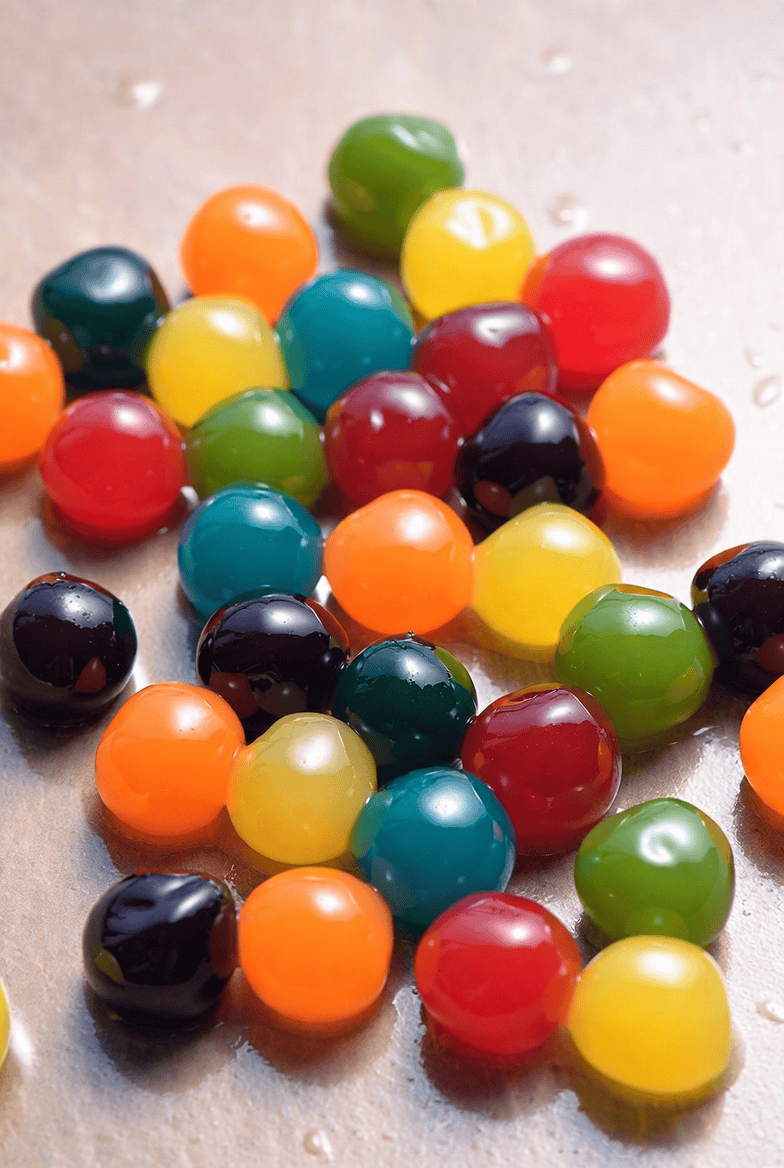
Kitchen science can sometimes be tricky, but don’t be discouraged! Most problems that arise when making popping boba are common and have simple fixes. This table addresses the most frequent issues home cooks encounter.
DIY Popping Boba Troubleshooting Guide
| 問題 | 考えられる原因 | ソリューション |
| Pearls are not forming, juice just dissolves. | Calcium bath is too weak, or not enough sodium alginate in the juice. | Double-check your measurements. Try adding a little more calcium chloride to the bath. Ensure the sodium alginate was fully dissolved in the juice. |
| Pearls have “tails” or are not spherical. | Dropping the juice from too high or too quickly. | Hold the dropper/syringe closer to the surface of the calcium bath and apply gentle, even pressure. A thicker juice base can also help hold a spherical shape. |
| The skin is too thick or tough. | The pearls were left in the calcium bath for too long. | Reduce the “cooking” time. For small pearls, 50-60 seconds is usually enough. Work in small batches so you can remove them promptly. |
| The pearls are clumping together. | The calcium bath is not being stirred, or too many pearls are being made at once. | Gently stir the bath as you drop the juice in. Don’t overcrowd the bowl; give each pearl space to form. |

産業用途
The rise of ポッピングボバ has been transformative for the food and beverage industry. Its primary and most visible impact has been on the global bubble tea market, which was valued at over USD 2.4 billion in 2022 and continues to show strong growth. For cafe owners, popping boba offers significant advantages over traditional tapioca. It’s ready-to-serve, eliminating the time-consuming cooking, cooling, and sweetening process required for tapioca pearls. This dramatically improves workflow efficiency during busy periods. Furthermore, its long shelf life reduces waste, and its vibrant colors create highly “Instagrammable” drinks that serve as free marketing.
But the influence of popping boba extends far beyond the bubble tea shop. Its unique properties have made it a versatile ingredient in various food sectors.
- cURL Too many subrequests.
- cURL Too many subrequests.
- cURL Too many subrequests.
cURL Too many subrequests.
cURL Too many subrequests.
cURL Too many subrequests.
- cURL Too many subrequests.
- cURL Too many subrequests.
- cURL Too many subrequests.
- cURL Too many subrequests. ポッピングボバ cURL Too many subrequests.
cURL Too many subrequests.
cURL Too many subrequests.
よくある質問
cURL Too many subrequests.
cURL Too many subrequests. cURL Too many subrequests.cURL Too many subrequests.
cURL Too many subrequests.
cURL Too many subrequests.
cURL Too many subrequests.
cURL Too many subrequests.
cURL Too many subrequests.
cURL Too many subrequests.
cURL Too many subrequests.
cURL Too many subrequests.