Direct answer: Chocolate brands in the USA usually fall into four groups: large national confectionery brands, premium chocolate makers, craft bean-to-bar producers, and private-label suppliers. The right comparison depends on cocoa content, ingredients, product format, origin, price point, and the equipment needed to make the product consistently.
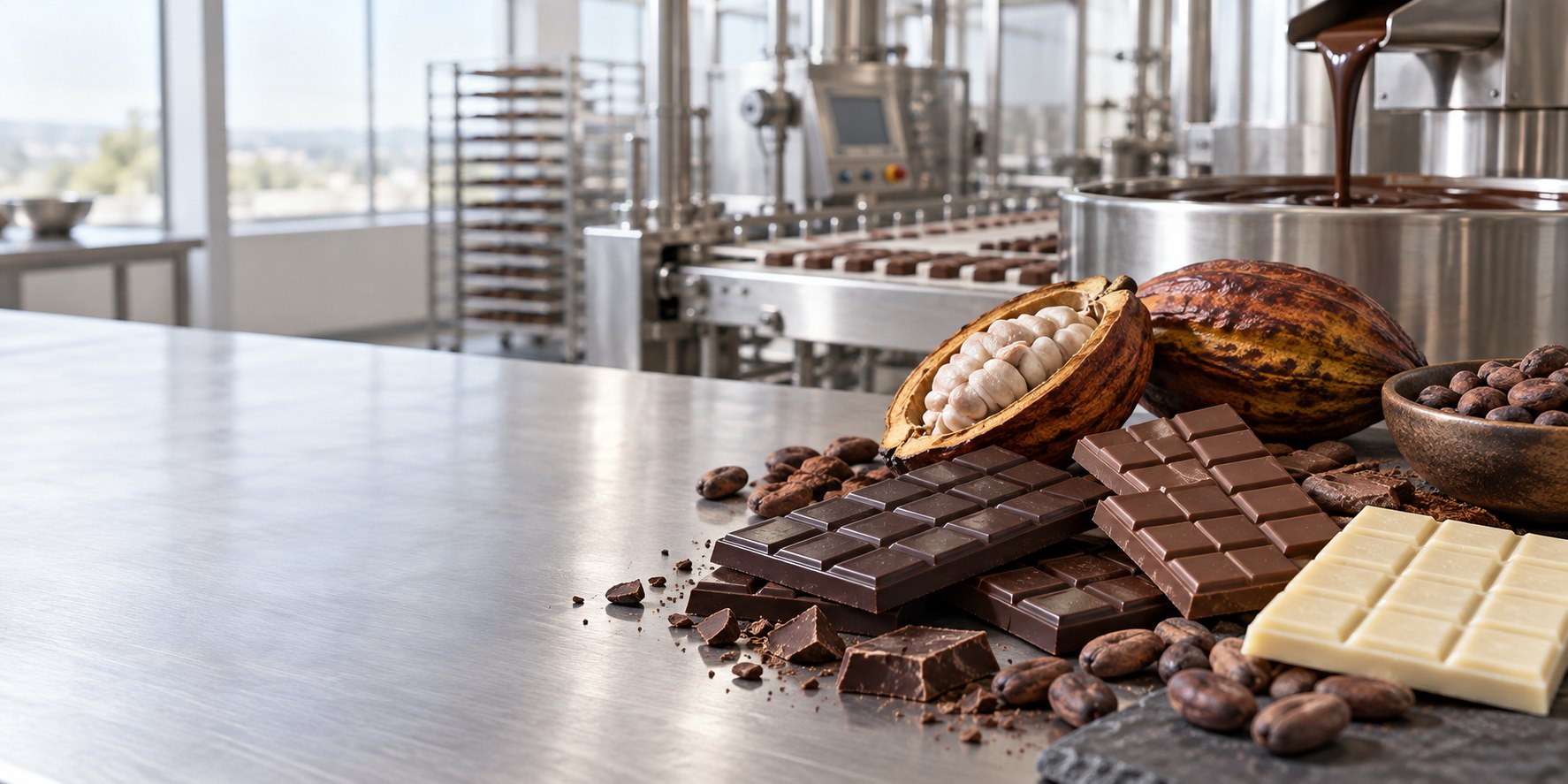
Chocolate brands in the USA fall into four useful groups
There is no single list that can name the “best” chocolate brand for every buyer. A family buying snack bars, a gift shopper, a bakery and an OEM buyer are solving different problems. Start with the product model.
| Brand group | What the buyer usually wants | Formats often seen |
|---|---|---|
| National confectionery | Wide retail availability, familiar flavors and a repeatable price point | Bars, bites, coated snacks, seasonal products |
| Premium and heritage makers | Gift presentation, texture, origin notes or a more specialized recipe | Truffles, boxed chocolates, couverture, filled bars |
| Craft bean-to-bar | Traceable cocoa, small-batch roasting and a distinct flavor profile | Single-origin bars, inclusions, limited batches |
| Private-label and OEM suppliers | A product made to a buyer’s recipe, mold, package and target volume | Custom bars, molded pieces, enrobed snacks, seasonal runs |
The first three groups are consumer-facing. The fourth is a supply model. It matters because many new chocolate brands do not build every process in-house. They work with a manufacturer that can review a recipe, confirm the mold and packaging, and produce repeatable batches.
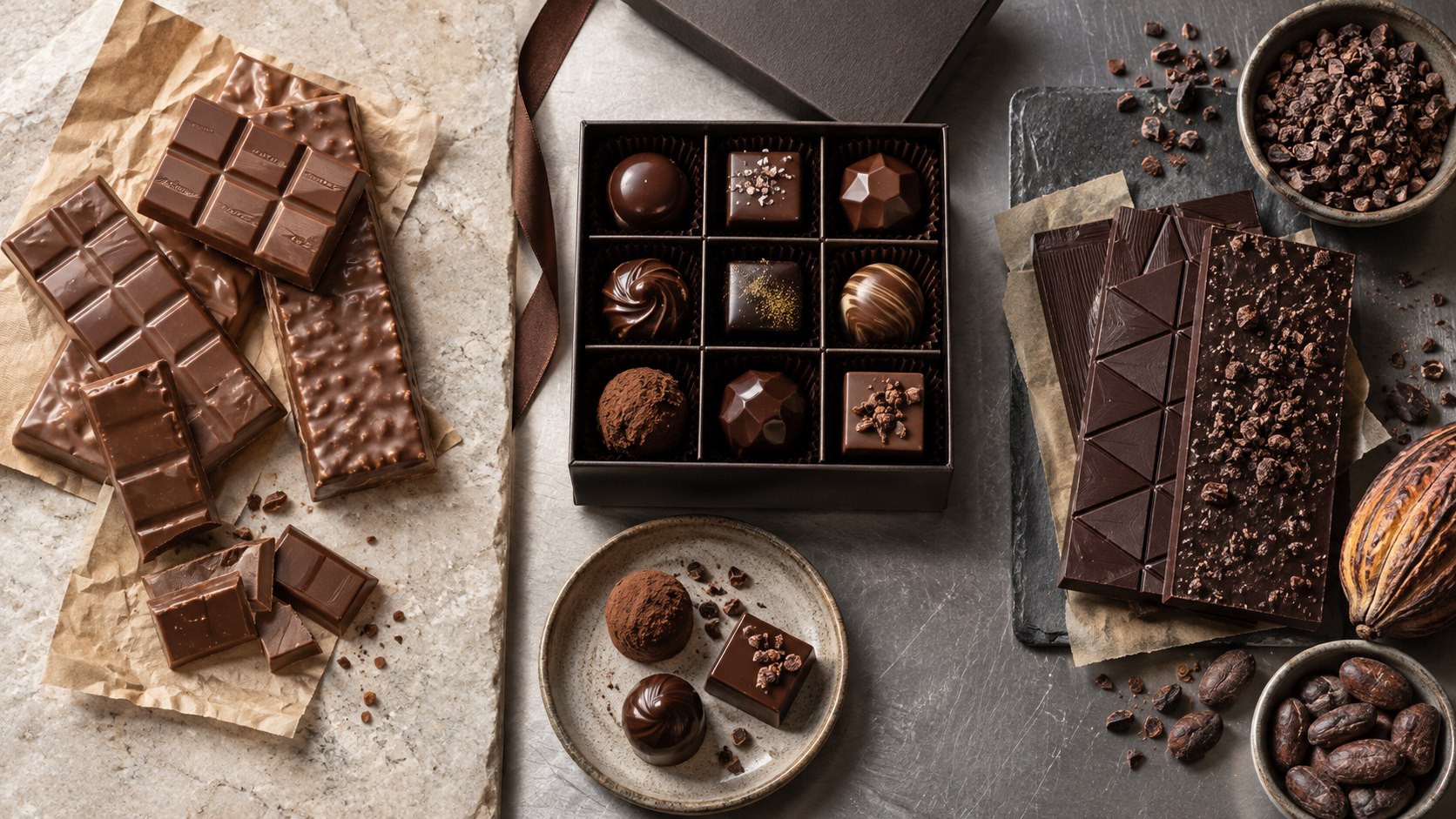
Examples of popular, premium and bean-to-bar chocolate brands
Brand examples are more useful when grouped by how the product reaches the customer. They are examples, not a quality ranking.
Large national confectionery brands
Large brands compete on recognition, availability, price, flavor consistency and distribution. In the USA, shoppers may recognize Hershey’s, Reese’s, M&M’s, Dove, Snickers, KitKat and Ferrero products. The Hershey brand directory is a useful example of how one company organizes multiple product families under a larger portfolio.
This group is a reference point for a manufacturer that wants a product with broad retail appeal. It does not tell you which recipe or process to copy. A brand owner still needs to define cocoa percentage, inclusions, filling viscosity, bar weight, shelf life, packaging and target market.
Premium and heritage chocolate makers
Premium makers often sell a higher-priced experience through gift boxes, couverture, truffles, origin descriptions or a more detailed flavor story. Lindt, Ghirardelli, Guittard, Godiva and Ferrero Rocher are familiar examples shoppers may encounter in this part of the market. The product may need tighter control of shine, snap, filling stability and presentation than a simple mass-market bar.
Craft bean-to-bar producers
Bean-to-bar chocolate makers control more of the process from roasted cocoa beans to finished chocolate. Dandelion Chocolate, Taza Chocolate and other small producers show how origin, roast profile, texture and inclusions can become part of the product’s identity. A craft maker may run smaller batches, but the process still needs reliable roasting, winnowing, grinding, refining, conching and tempering.
How to compare chocolate brands without relying on the label
A brand name is only a starting point. Compare the product itself, especially when two bars look similar on a shelf.
- Recipe: Check the ingredient order, cocoa solids, cocoa butter, milk ingredients, sweeteners, emulsifiers and inclusions.
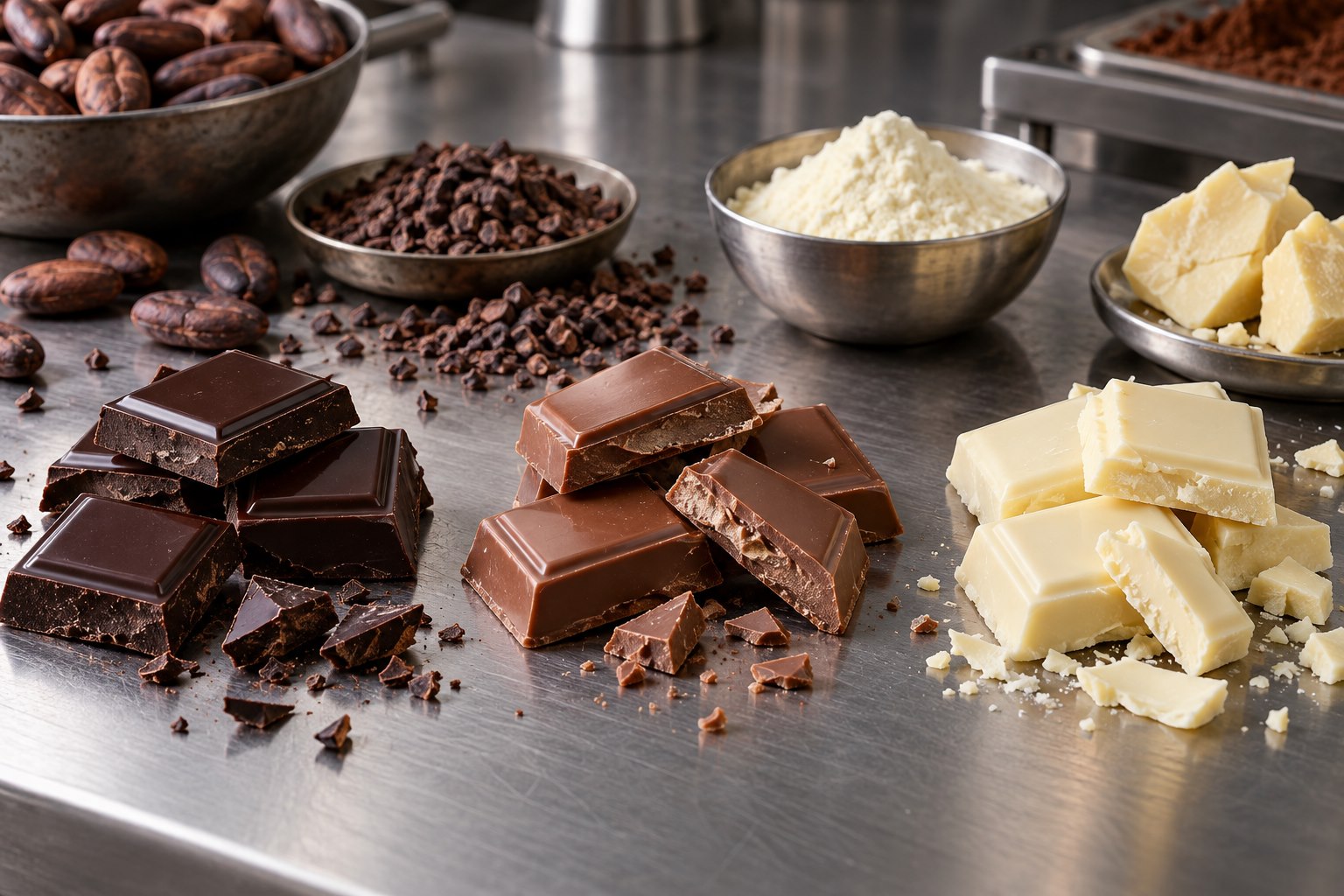
- Chocolate type: Dark, milk and white chocolate have different flavor, color, viscosity and temperature requirements.
- Product format: A thin tablet, filled bonbon, enrobed wafer and large molded bar place different demands on the process.
- Origin information: Single-origin and blend claims should match the information supplied by the brand or manufacturer.
- Allergens and claims: Review the label and the manufacturer’s current documentation. Do not infer gluten-free, vegan, organic or allergen-free status from a brand name alone.
- Buying use: A snack product, gift product, baking couverture and private-label item should not be judged by the same standard.
What “bean-to-bar” means in practice
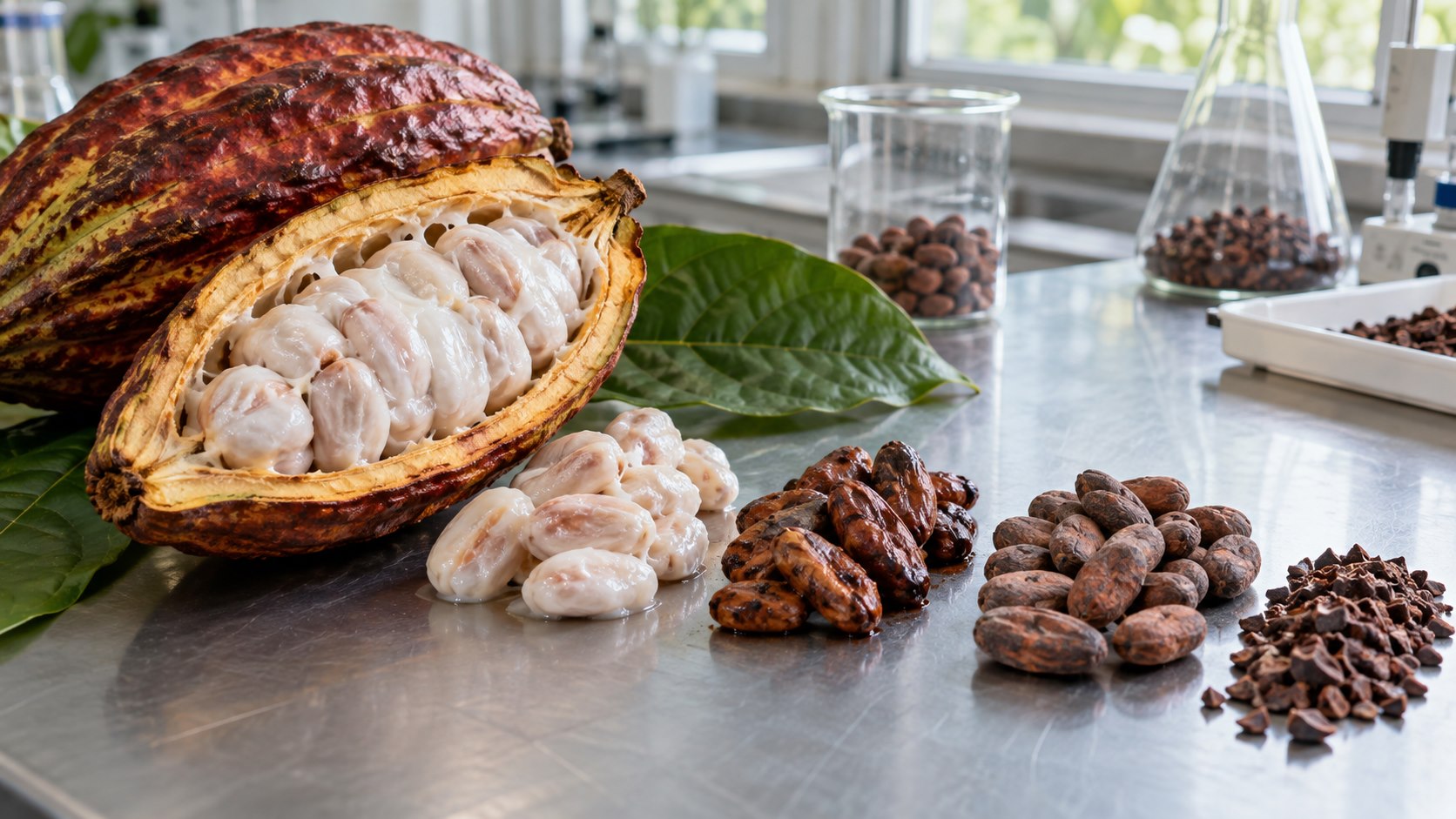
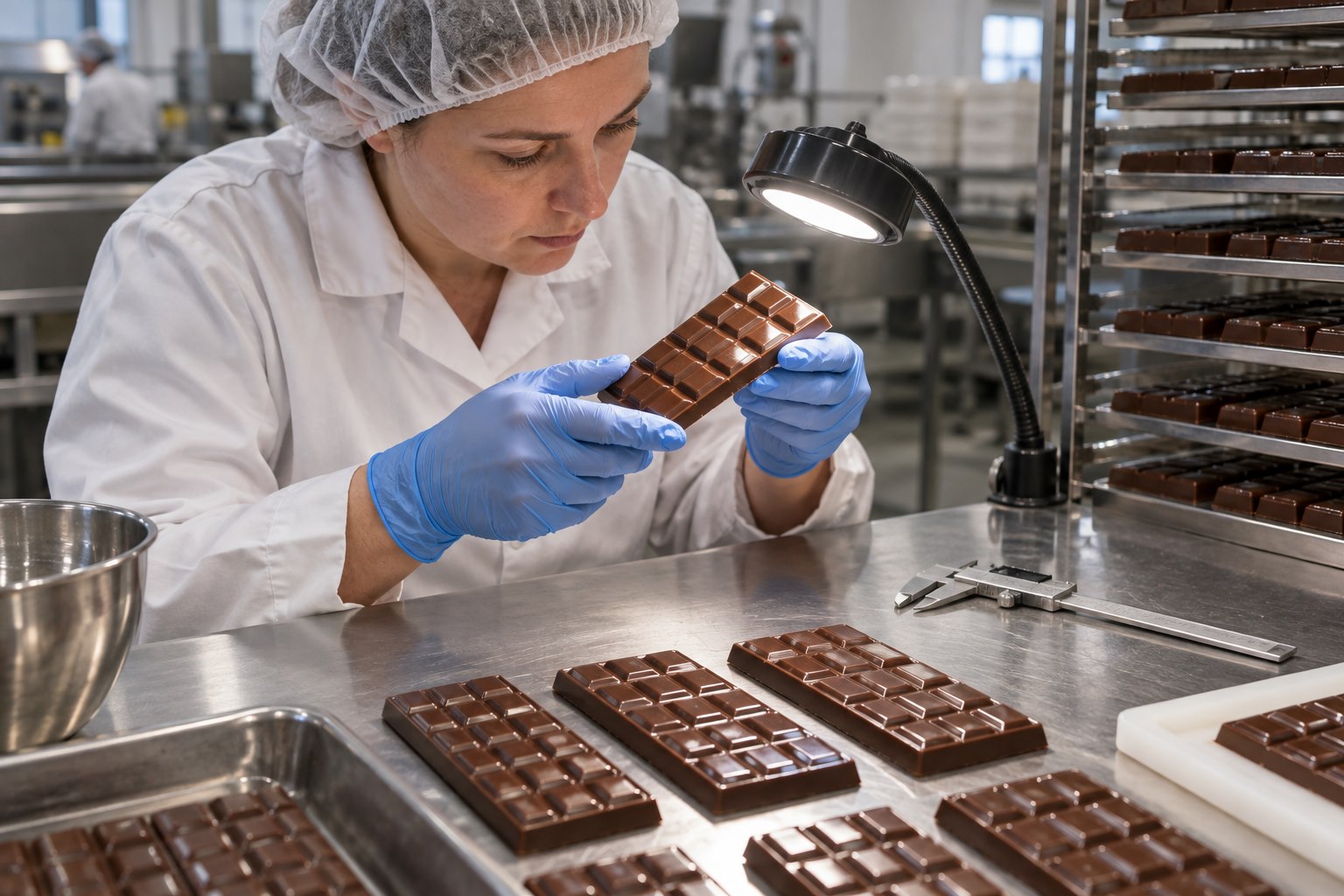
Bean-to-bar means the producer controls the chocolate-making process from cocoa beans through the finished bar. It is not a guarantee of a particular flavor or quality. The result depends on bean selection, fermentation, drying, roasting, refining, conching, recipe balance and tempering.
For a buyer comparing brands, the useful questions are practical:
- Does the brand name the cocoa origin or blend?
- Does it explain the texture and roast style in a way that matches the product?
- Is the product made in small batches, at a larger factory, or by a contract manufacturer?
- Can the brand keep the same recipe and texture when demand increases?
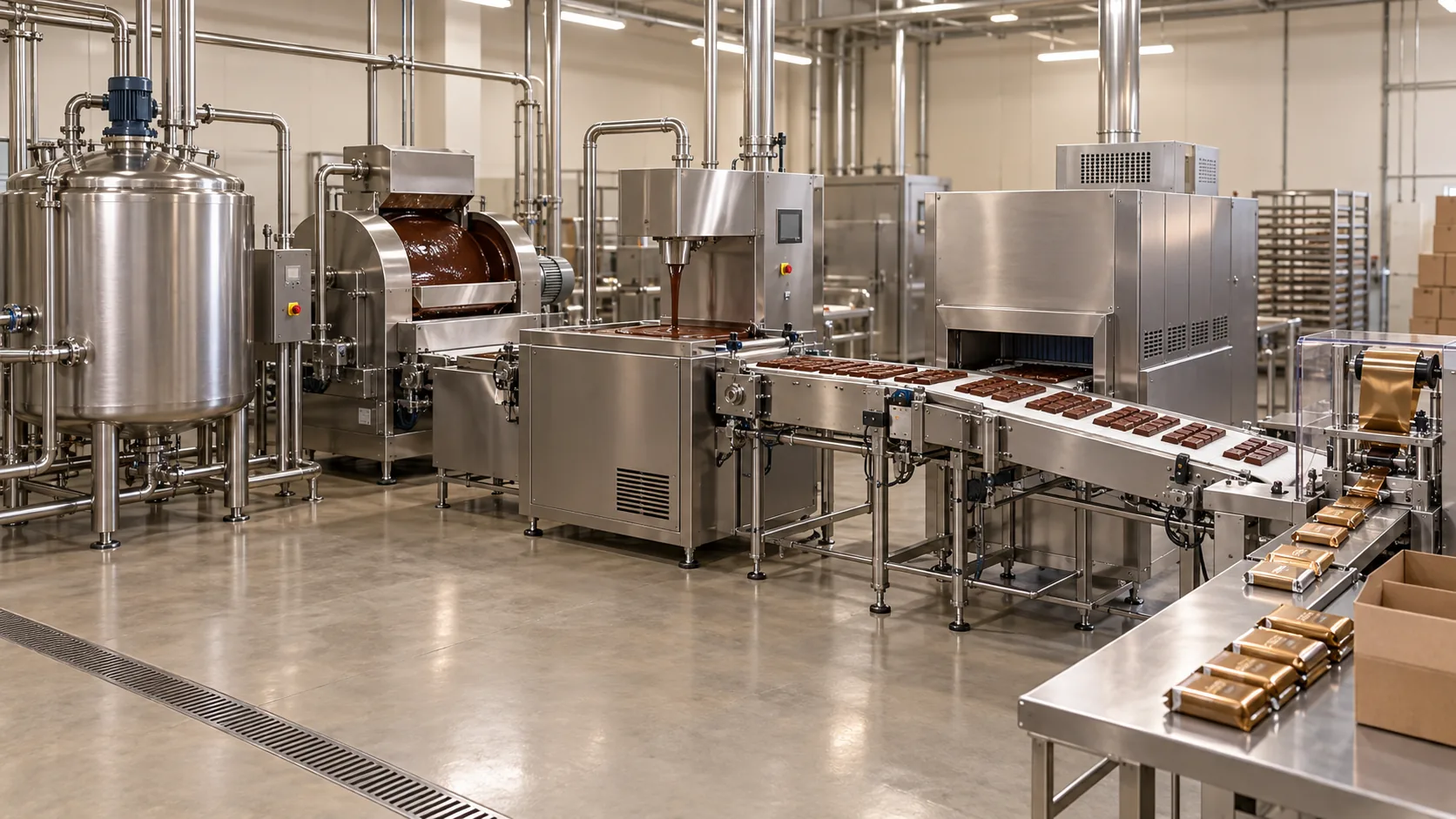
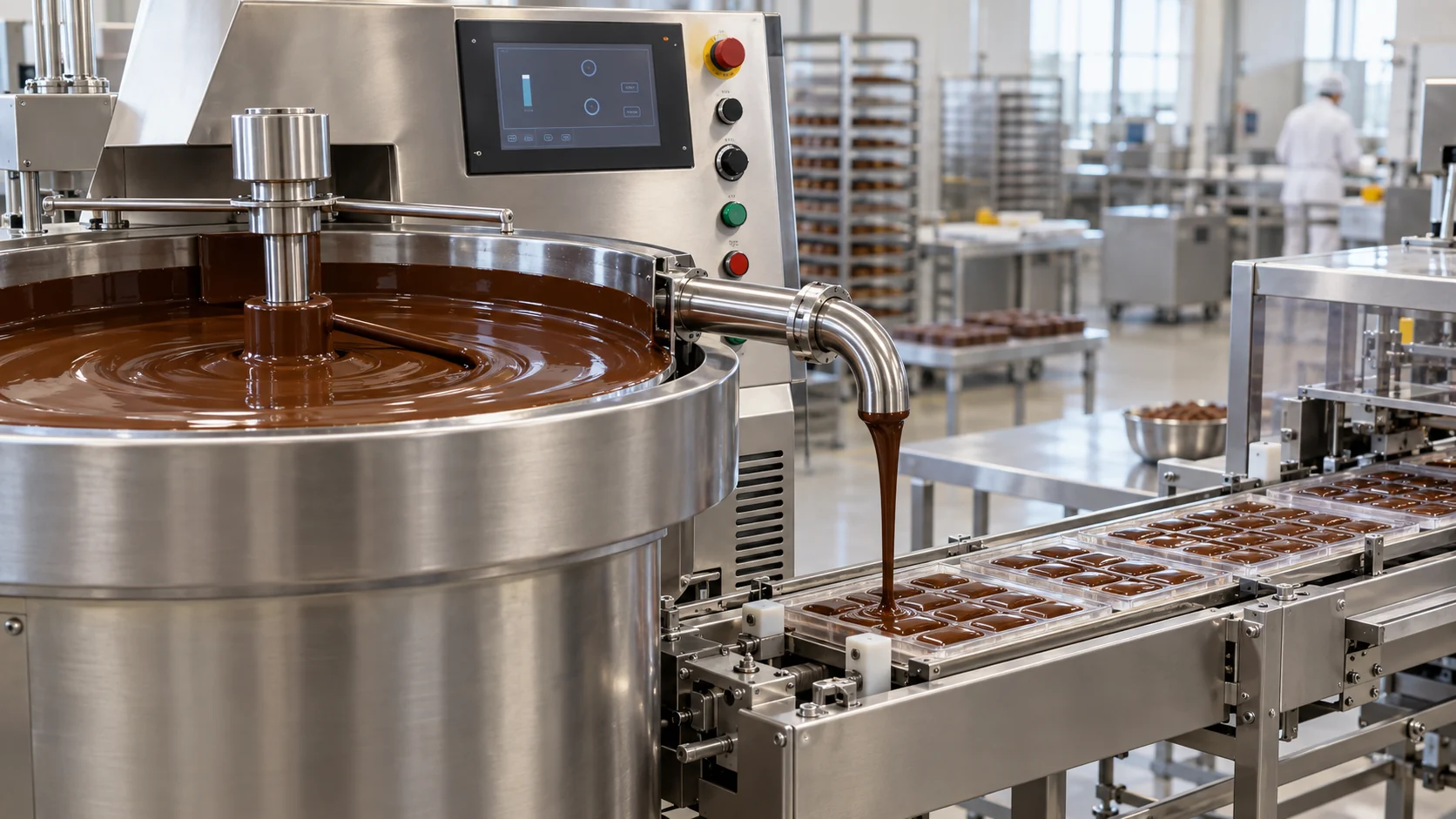
How chocolate is made in a factory
Industrial chocolate production follows a sequence, although the exact line depends on the recipe and product format. The International Cocoa Organization’s cocoa processing overview describes the upstream steps that turn cocoa beans into cocoa products. A chocolate plant then combines those materials with sugar, milk ingredients, cocoa butter and other recipe components.
| Stage | Purpose | Typical equipment question |
|---|---|---|
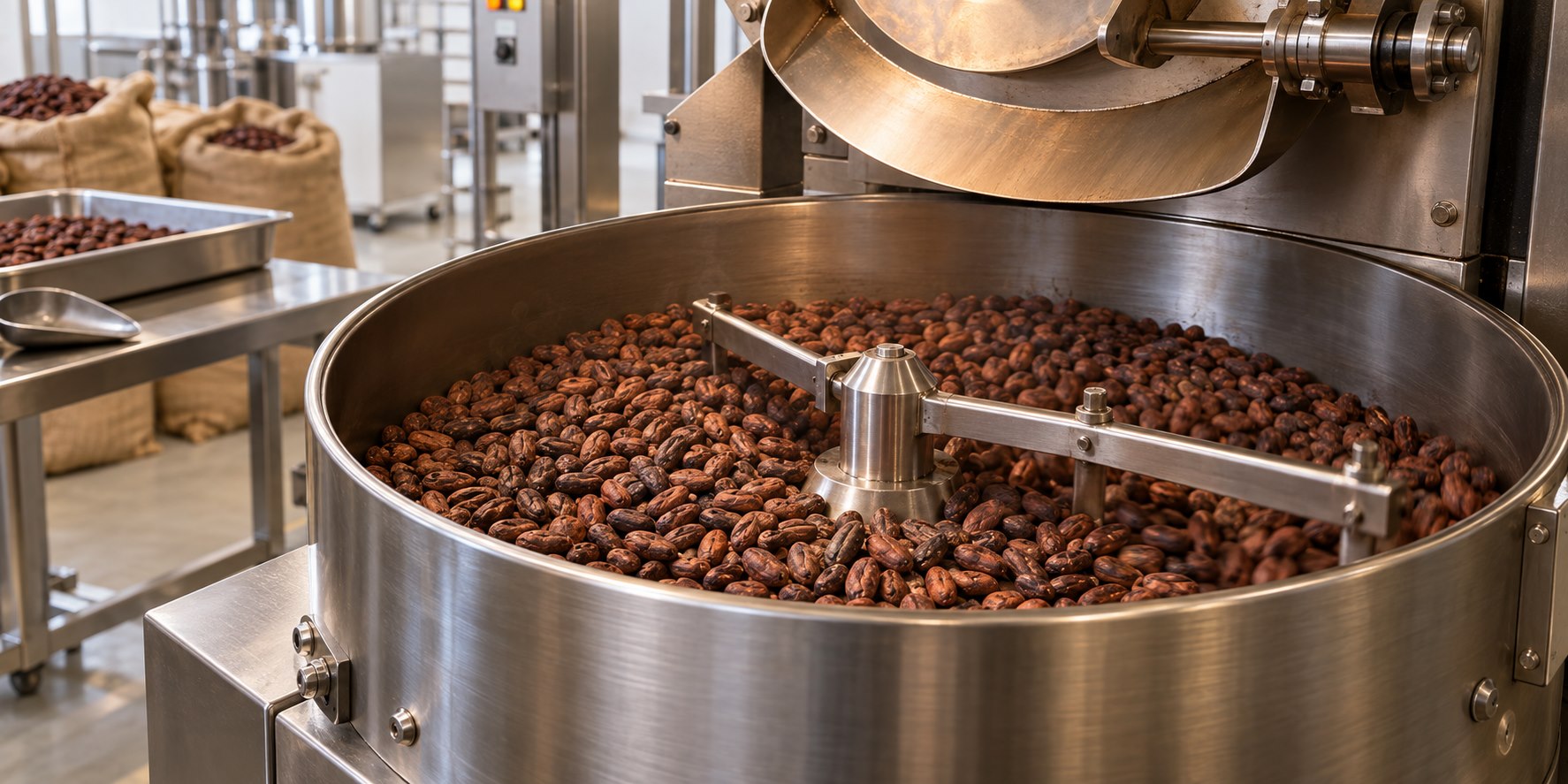
| Roasting | Develop cocoa aroma and reduce moisture under a controlled profile | What batch size, heating method and roast control are required? |
| Winnowing and grinding | Separate shells and reduce nibs into cocoa liquor | How will the line handle bean size, shell removal and feed rate? |
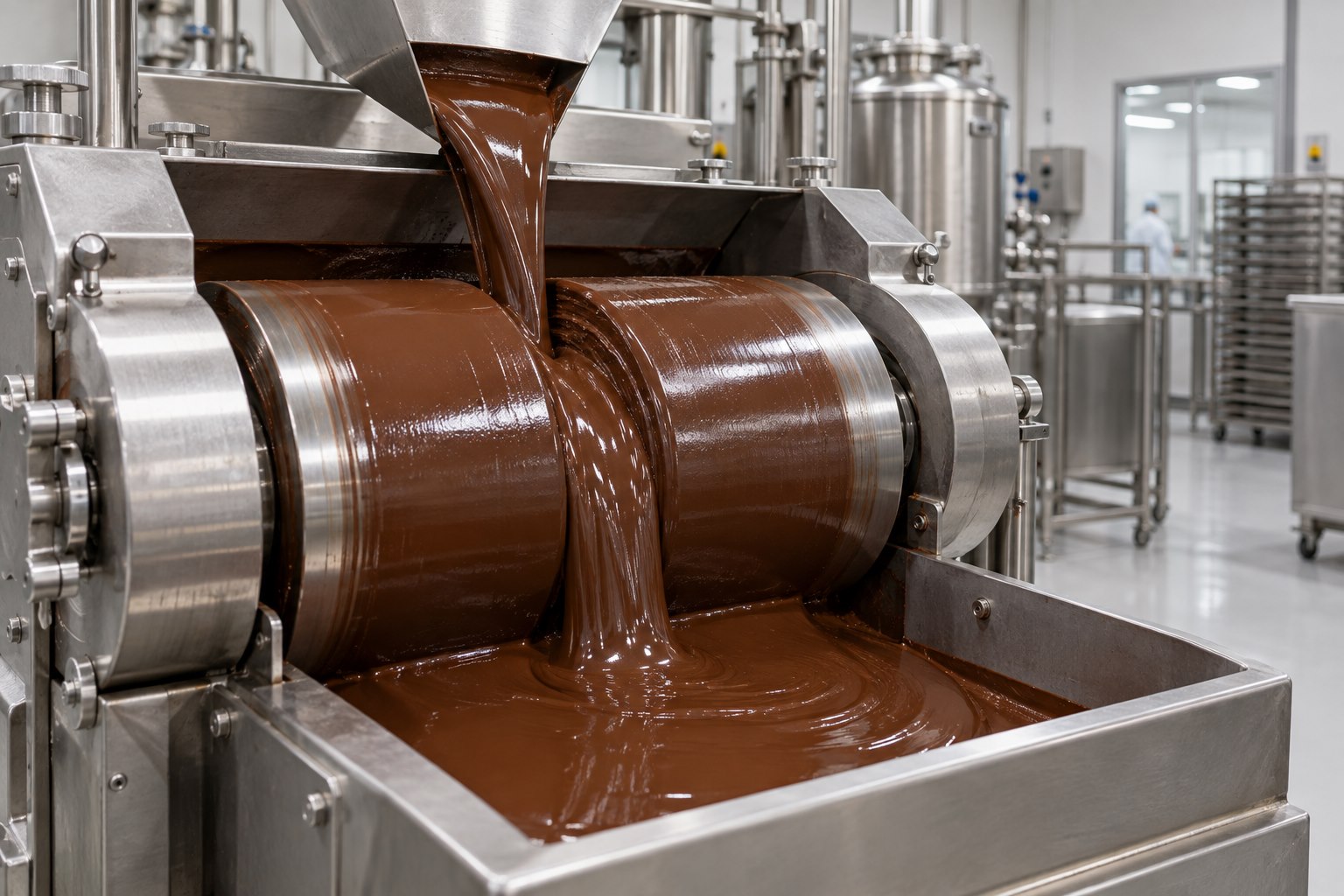
| Mixing and refining | Combine the recipe and reduce particle size for a smoother mouthfeel | What recipe and fineness does the product need? |
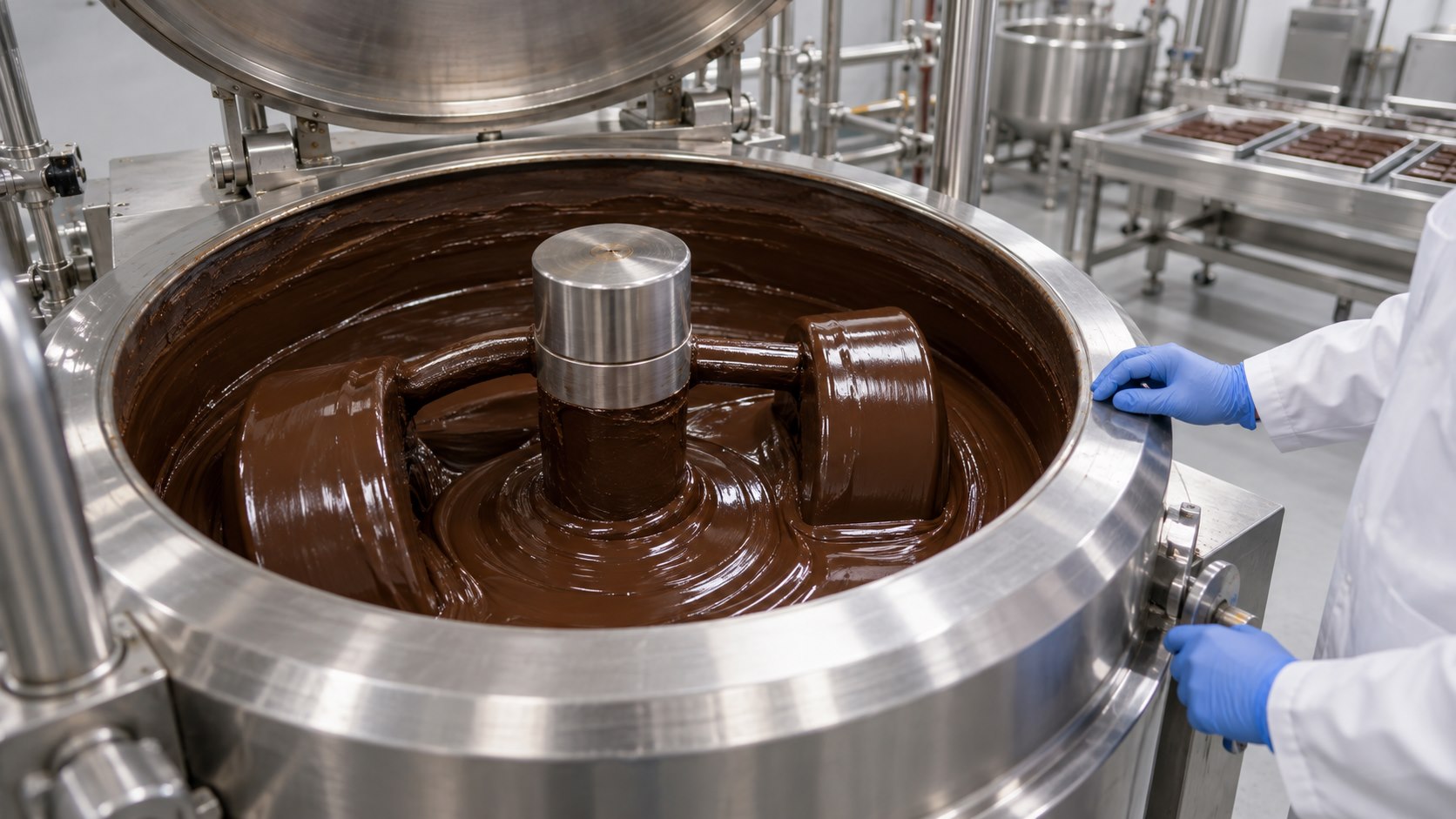
| Conching | Develop flavor and texture while managing moisture and volatile acids | What conche type, working volume and process time fit the batch? |
| Tempering | Form stable cocoa butter crystals for shine, snap and release | How will the system control temperature during production? |
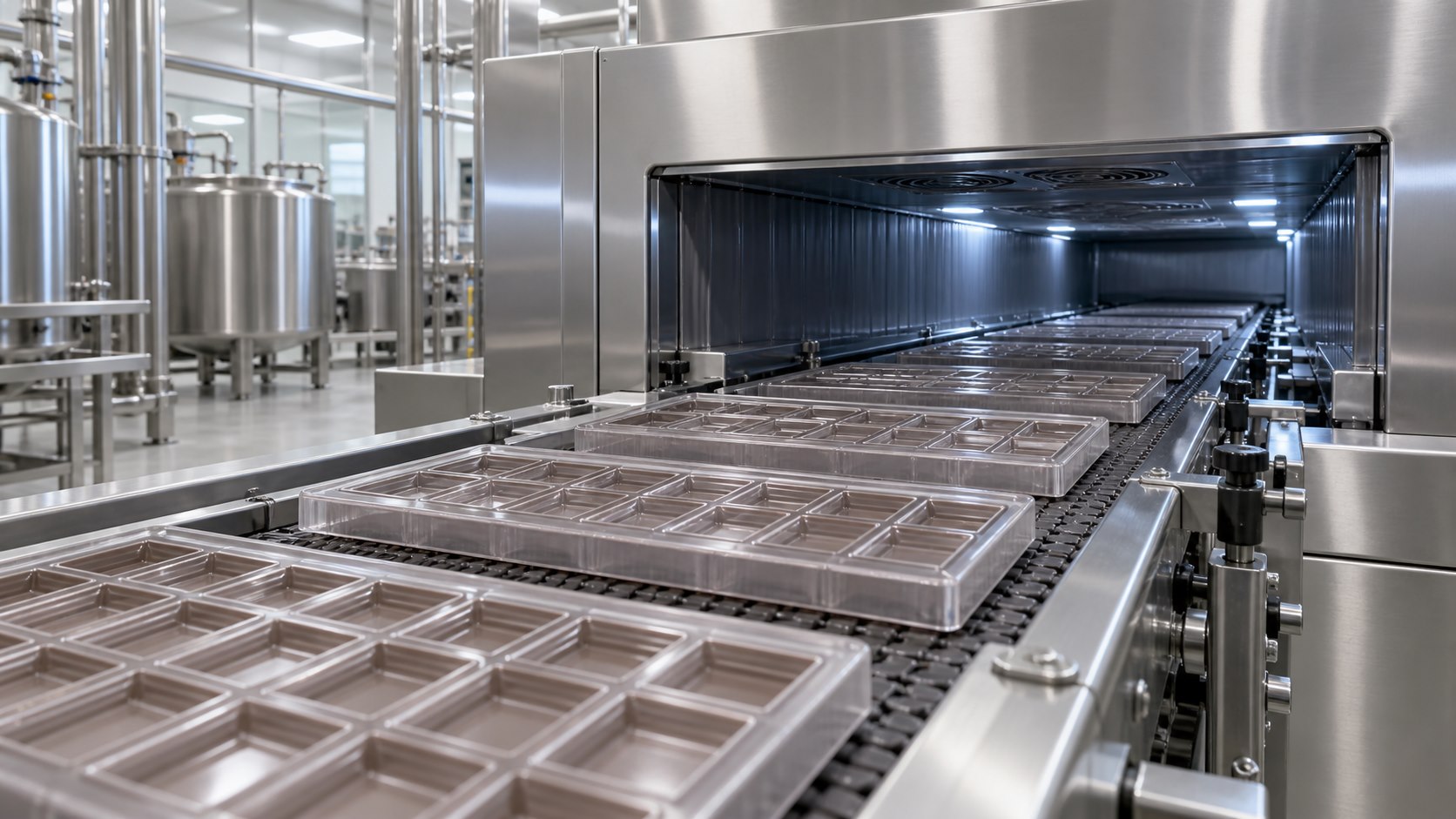
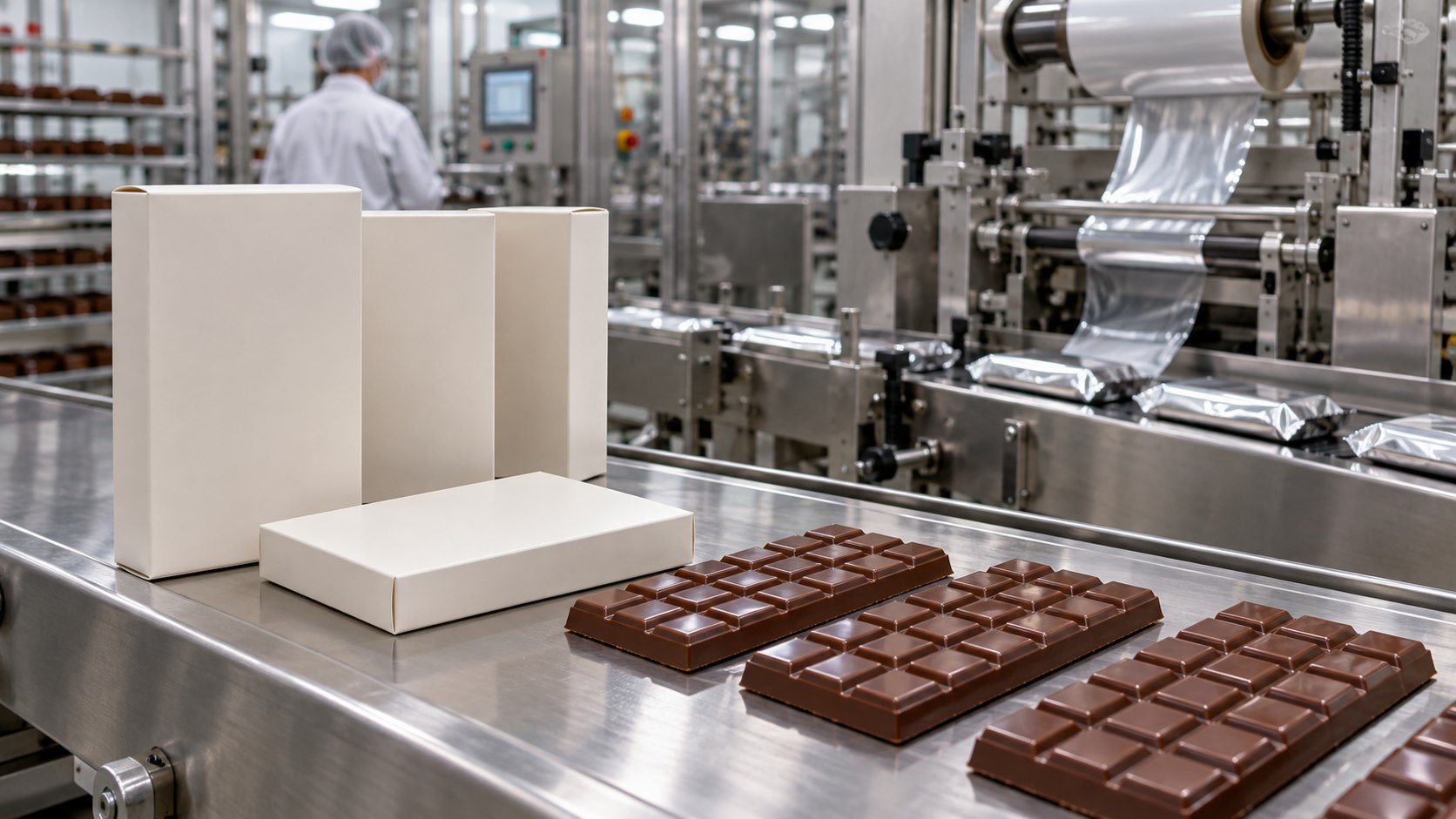
| Molding, cooling and packing | Make the final shape, stabilize it and protect it in distribution | What mold, cooling tunnel, wrapping and carton format are needed? |
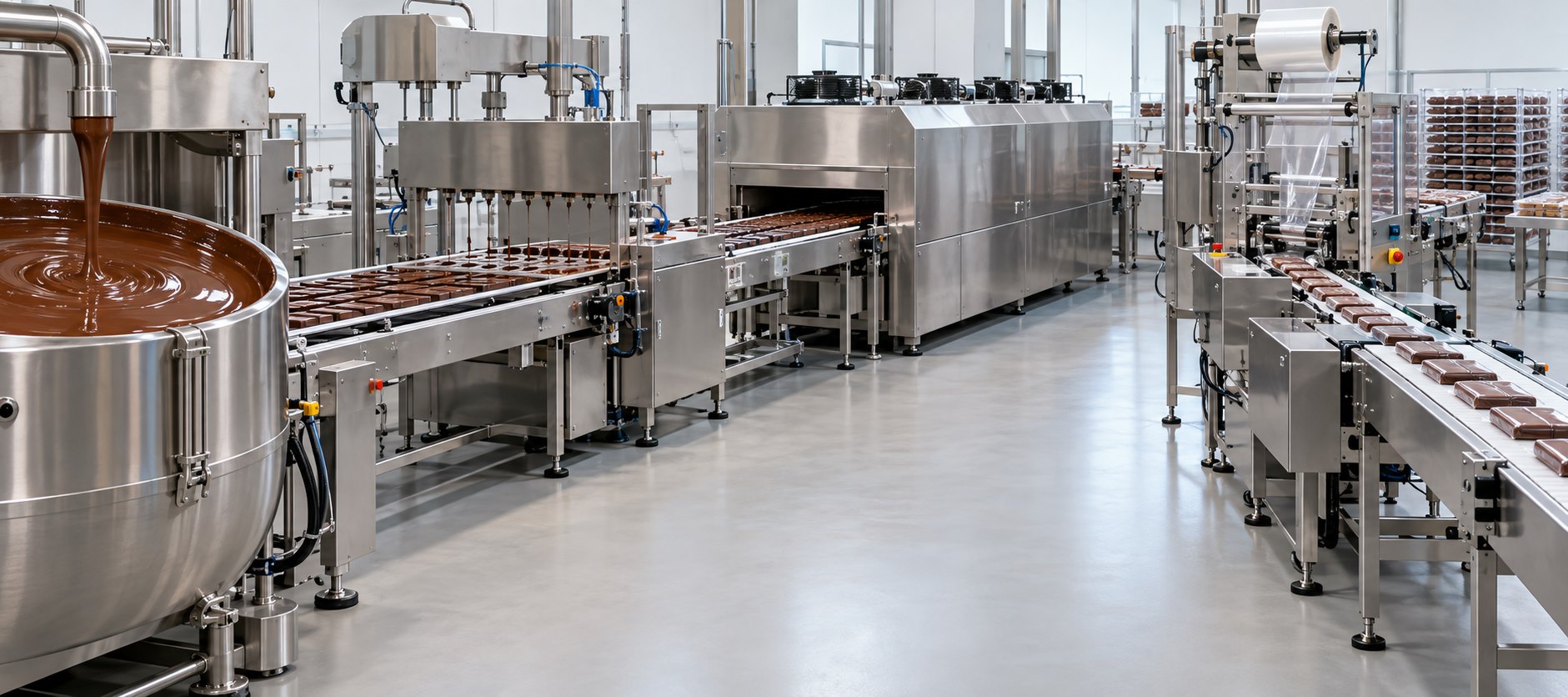
Which chocolate production equipment fits each brand model?
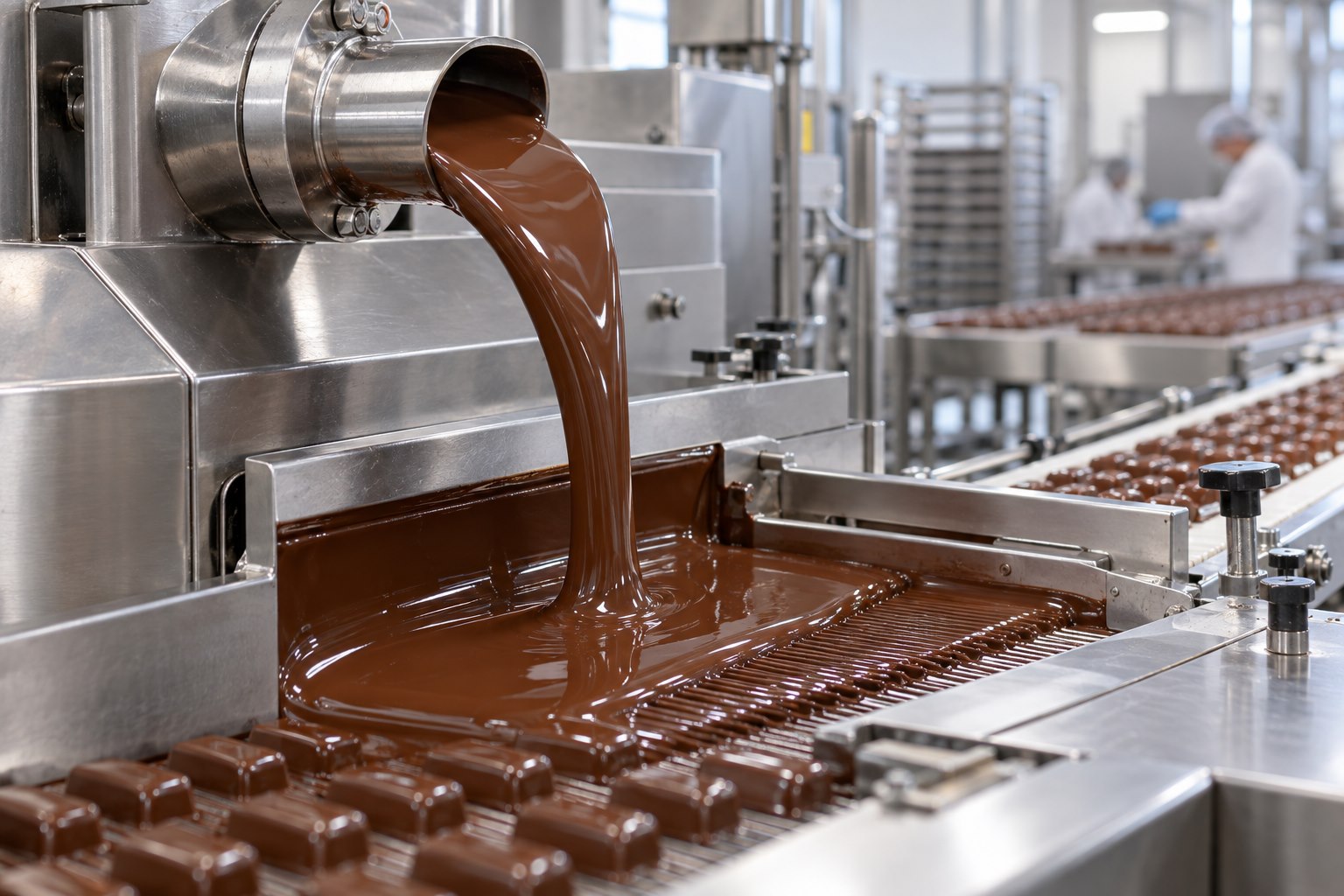
A consumer-facing brand and a chocolate manufacturer may use the same words while needing very different equipment. A small bean-to-bar producer may prioritize flexible batch equipment and recipe changeovers. A retail bar brand may need stable tempering, accurate depositing, cooling capacity and consistent wrapping. A filled product may need a depositor or enrober that matches the filling and shell thickness.
JY Machine’s chocolate machine range can be used as the starting point for a process discussion. For a bar-focused project, review the chocolate bar machine category. The right selection still depends on the recipe, product dimensions, target output, utilities, factory layout, packaging method and local compliance requirements.
Questions buyers ask about chocolate brands in the USA
What are the most popular chocolate brands in the USA?
There is no single official ranking that fits every category. Large national brands are widely recognized because they have broad retail distribution, while premium and craft brands compete through recipe, origin, texture, gift presentation or a more specialized product format.
What is the difference between premium chocolate and mass-market chocolate?
The distinction may involve recipe, cocoa materials, inclusions, packaging, distribution and price. A higher price alone does not prove better quality. Compare the ingredient list, product purpose, texture and the information the brand provides.
What does bean-to-bar chocolate mean?
It means the producer manages the process from cocoa beans to finished chocolate. The term describes process control, not a universal flavor profile or a guaranteed quality grade.
How can a new chocolate brand choose a manufacturer?
Prepare the recipe, bar or piece dimensions, target output, packaging format, allergen controls, utility conditions and sample requirements. Then ask the manufacturer which steps it can supply, which details need confirmation and how the product will be tested before bulk production.
What machine is needed to make chocolate bars?
A bar project may need tempering, depositing or molding, cooling, demolding and packaging equipment. The final selection depends on the chocolate type, inclusions, bar size, output and packaging line. Send a drawing, sample or product brief before asking for a final configuration.
Choose the chocolate brand model before you choose the machine
The best chocolate brand comparison starts with the product the buyer wants to sell. Define the recipe, format and expected demand first. If you are planning a new chocolate bar, filled piece or private-label project, send JY Machine your product brief for a discussion about process steps and equipment options.