Sugar plum candy is a sugar-coated confection of dried fruit, nuts, honey and warm spices, traditionally hand-rolled into small plum-shaped balls.
If you’ve ever read “The Night Before Christmas” or watched a production of The Nutcracker, you’ve heard the name a hundred times without ever tasting the thing itself. Sugar plums show up in carols, ballets, and holiday gift baskets, yet most people couldn’t tell you what’s actually inside one. That’s not an accident: the candy itself has drifted so far from its 17th-century roots that the name now means three or four different things depending on who’s selling it.
This guide untangles all of that. We’ll walk through where sugar plum candy actually comes from, the modern variations you’ll find on shelves and in confectionery catalogs, how a kitchen recipe scales into a factory production run, and what equipment and food-safety rules come into play once you move from a home batch to commercial volumes. Whether you’re a candy maker chasing a seasonal product line or just curious what’s “real” about the name, by the end you’ll know exactly what separates a true sugar plum from candy that just borrows the name.
What Is Sugar Plum Candy?
A sugar plum is a small, dense confection made by rolling dried fruit, toasted nuts, honey or syrup, and warm spices into a ball, then coating it in coarse sugar. Despite the name, it doesn’t have to contain actual plums.
That last point trips people up constantly. The word “plum” originally described the shape, not the fruit. Centuries ago, English confectioners made “comfits” (small cores of seeds, nuts, or dried fruit pieces) by hand-coating them in repeated layers of boiled sugar syrup using a rocking pan, a process called panning. Workers shaped the still-warm sugar shell into a rounded, slightly oblong form that resembled a small plum. The name stuck to the shape long after the fruit became optional.
Where the Name “Sugar Plum” Comes From
Food historians trace the term back to at least the 17th century, when “plum” was used loosely in English to mean any dried fruit, much the way “plum pudding” contains raisins and currants rather than plums. Sugar plums were considered a luxury item: sugar itself was expensive and imported, so a candy that was mostly sugar signaled wealth. They were given as gifts, used to reward children, and sold by traveling sugar-platers who specialized in the labor-intensive panning technique.
By the Victorian era, “sugar plum” had become a catch-all term for any small, fancy sugared sweet, which is part of why the candy described in old texts varies so much from one source to another.
Sugar Plums in Holiday Tradition
The line “visions of sugar plums danced in their heads,” from the 1823 poem commonly known as “The Night Before Christmas,” cemented the candy’s association with Christmas Eve anticipation. A few decades later, Tchaikovsky’s The Nutcracker introduced the Sugar Plum Fairy, and the name became permanently linked to winter holiday imagery, even though by that point very few people were actually making the original hand-panned comfits.
Today’s “sugar plum candy” is almost always the modern recipe version: a no-bake mixture of dried fruit (often dates, dried plums or prunes, apricots, or figs), toasted nuts (walnuts, pecans, almonds), honey or maple syrup as a binder, and a spice blend of cinnamon, nutmeg, cloves, and sometimes cardamom, rolled into balls and finished with a coating of granulated or powdered sugar.
Here’s how the two versions compare side by side:
| Attribute | Traditional Comfit-Style Sugar Plum | Modern Rolled Sugar Plum |
|---|---|---|
| Core ingredient | Seed, nut, or dried fruit piece | Dried fruit + nut paste mixture |
| Coating method | Hand-panned sugar syrup, multiple layers | Single roll in granulated/powdered sugar |
| Production time | Hours to days (layered panning) | Minutes per batch |
| Texture | Hard, glossy shell | Soft, chewy interior with sugary exterior |
| Shelf life (ambient) | Several months (sugar shell seals moisture) | 1-3 weeks unless properly dried or packaged |
| Typical setting today | Specialty/artisan confectioners | Home kitchens, holiday markets, small-batch producers |
That shift, from a hard-shelled, long-shelf-life comfit to a soft, short-shelf-life energy-ball-style treat, is the single biggest source of confusion when people search for “candy sugar plum” today. Both are legitimate, but they behave completely differently in production, packaging, and storage.

Types of Sugar Plum Candy
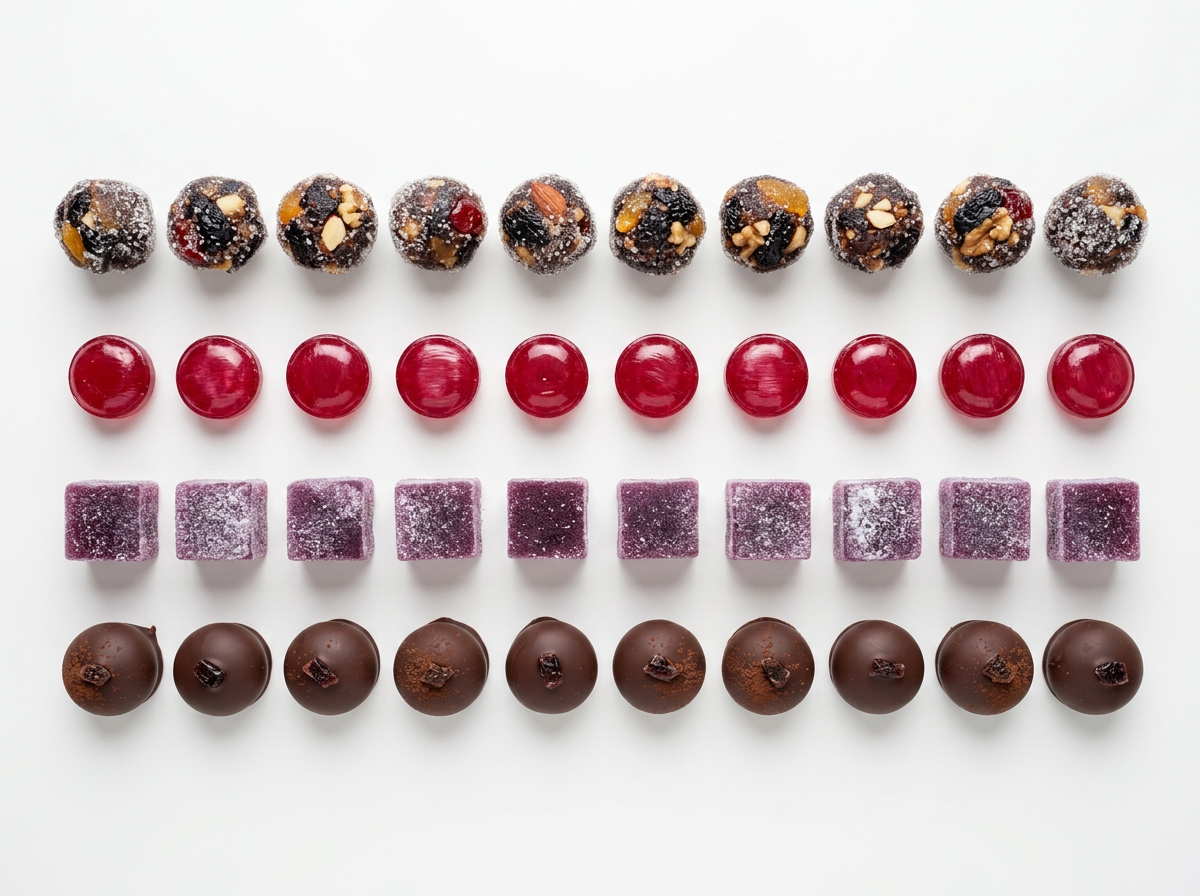
There are three broad categories of sugar plum candy on the market, and they require very different production approaches: rolled fruit-and-nut sugar plums, hard or jellied “sugar plum” flavored candies, and chocolate-dipped or enrobed versions.
Rolled Fruit-and-Nut Sugar Plums
This is the version most home cooks and small bakeries make, and the one most food blogs describe. According to Wikipedia’s entry on sugar plums, the contemporary recipe typically blends dried fruit, nuts, honey, and spices into a moldable paste that’s portioned and rolled by hand or with a small depositor.
It has real upsides for small producers: no cooking required beyond toasting the nuts, naturally gluten-free, and easy to customize with orange zest, espresso, or rum extract. The downsides show up once volume increases. Shelf life is short unless the centers are dehydrated, the sticky texture makes high-speed automated forming difficult, and the sugar coating clumps fast in humid environments.
Hard Candy & Jelly “Sugar Plum” Variants
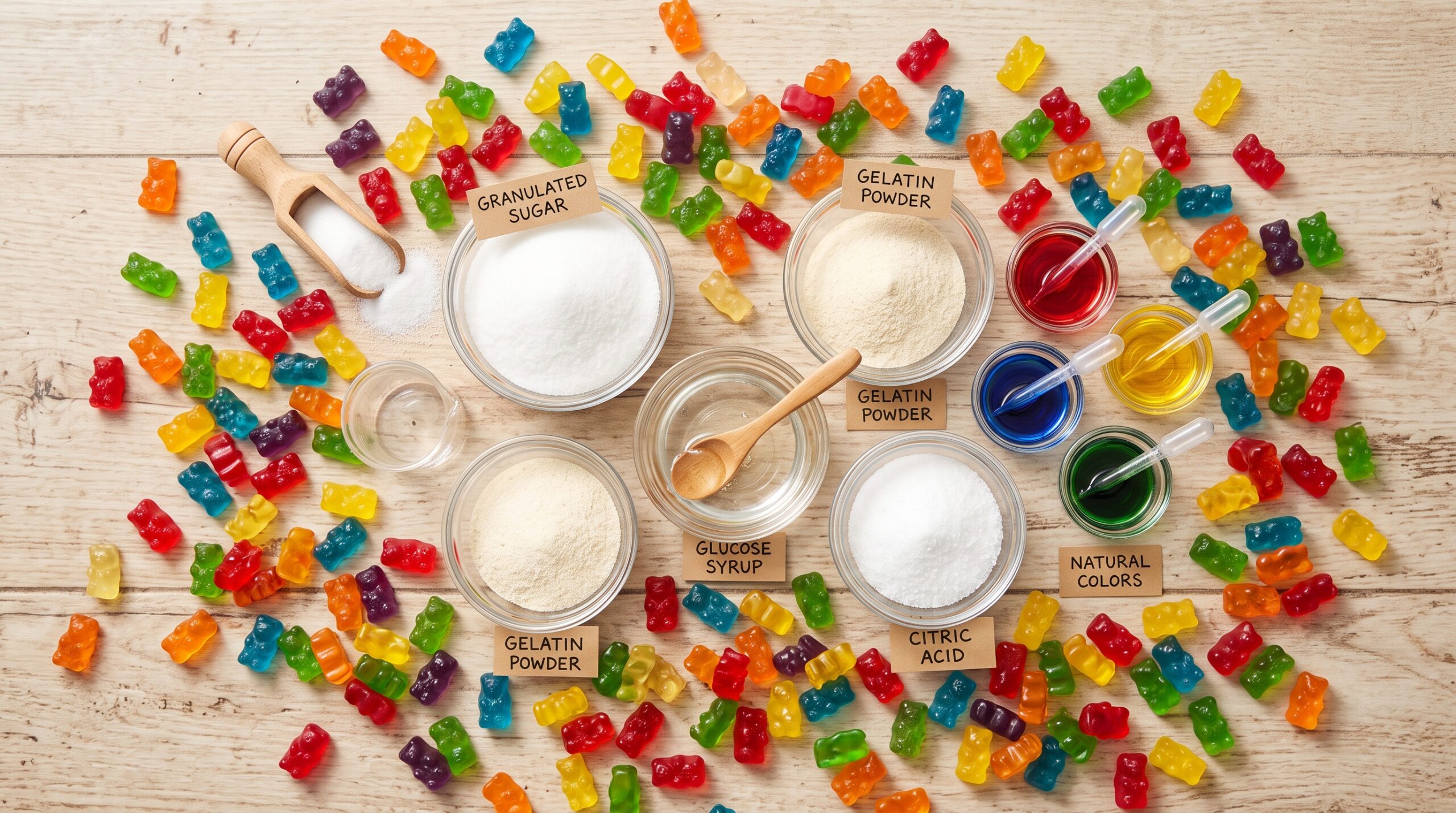
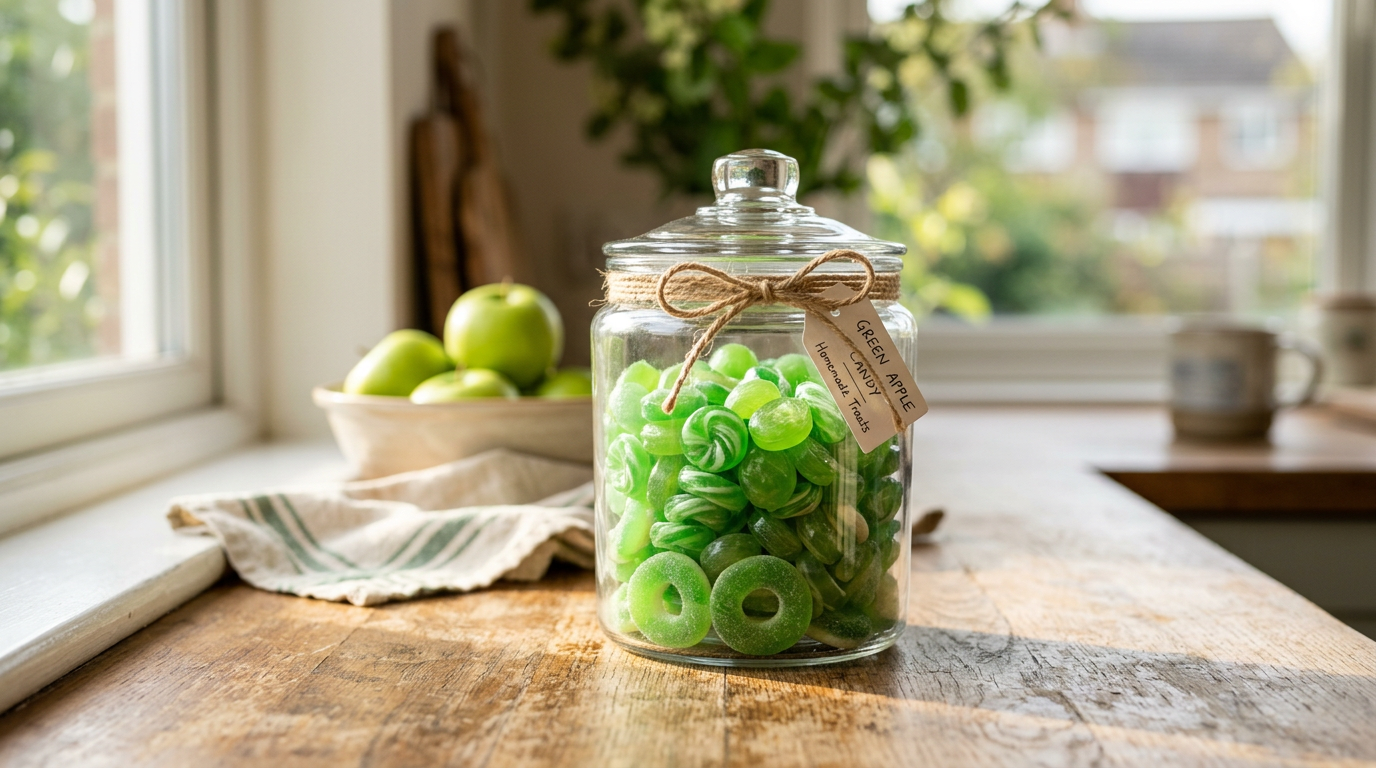
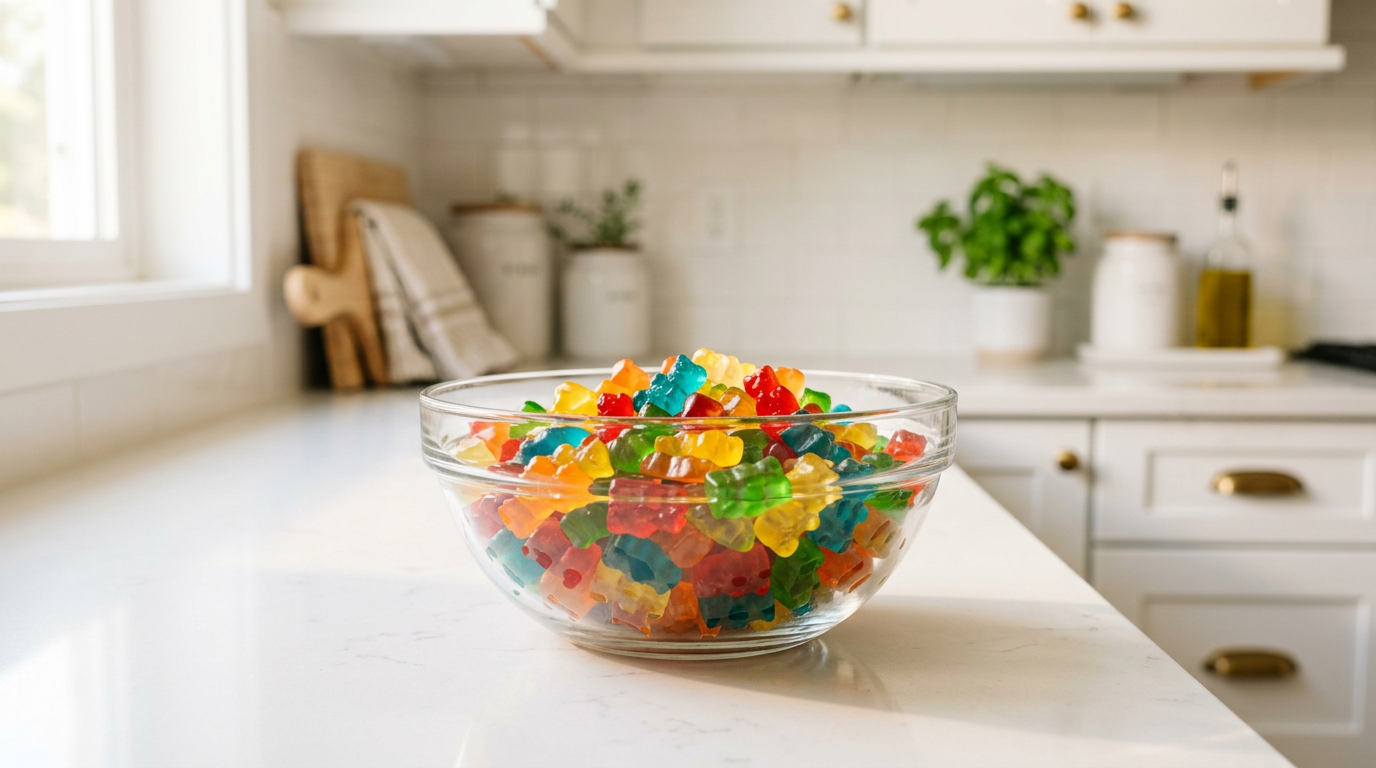
Separately, candy manufacturers, including major confectionery brands, produce hard candies, jellies, and gummies marketed under “sugar plum” or “plum” flavor names, generally with no actual fruit content. These rely on cooked sugar syrup (hard candy) or a starch/pectin-set gelling base (jellies and gummies) flavored with plum or “winter berry” type flavorings and colored deep purple or red.
This category trades authenticity for shelf stability. Long shelf life of six months to a year, suitable for mass distribution, and consistent texture across batches are the main selling points. The tradeoff is that there’s no connection to the historical recipe beyond the name, and flavor authenticity depends entirely on the flavor house supplying the formulation.
Chocolate-Dipped and Enrobed Sugar Plums
A third category takes the rolled fruit-and-nut center and runs it through an enrobing line: a conveyor that coats each piece in tempered chocolate, then through a cooling tunnel to set the shell. This produces a hybrid: the soft, fruit-forward center of a traditional sugar plum with the shelf stability and snap of a chocolate shell.
| Type | Texture | Typical Shelf Life | Production Method |
|---|---|---|---|
| Rolled fruit-and-nut | Soft, chewy, dense | 1-3 weeks (ambient), longer refrigerated | Hand-rolled or small depositor |
| Hard candy / jelly “plum flavor” | Hard shell or firm gel | 6-12 months | Cooked sugar batch, mogul/starch casting |
| Chocolate-enrobed | Soft center, firm shell | 1-2 months (cool storage) | Center forming + enrobing line + cooling tunnel |
Each of these three types maps to a completely different production line, which is exactly why “how is sugar plum candy made” doesn’t have one single answer. It depends entirely on which type you mean.
How Sugar Plum Candy Is Made: From Kitchen Recipe to Factory Line
At home, sugar plum candy comes together in under 30 minutes with a food processor. At commercial scale, the same idea requires forming, coating, drying, and packaging stages run on dedicated equipment.
The Home Recipe Method
A standard home batch follows a predictable sequence:
- Toast nuts (walnuts, pecans, or almonds) lightly in a dry pan to develop flavor
- Pulse the nuts with dried fruit (dates, dried plums, apricots, or a mix) in a food processor until the mixture forms a sticky, coarse paste
- Add honey, a pinch of salt, and warm spices: cinnamon, nutmeg, ground cloves, sometimes cardamom or orange zest
- Roll the mixture into 1-inch balls by hand
- Roll each ball in granulated sugar, turbinado sugar, or powdered sugar until evenly coated
- Chill for at least 30 minutes before serving so the texture firms up
We’ve made this recipe in test batches using both dates and dried plums as the base, and the difference is noticeable. Dried plums give a tangier, slightly tart result, while dates produce a sweeter, caramel-like flavor. Neither is “more correct,” but it’s worth knowing which direction you’re heading before you commit to a large batch, because the spice ratio needs to shift to compensate.
Scaling Up: Industrial Production Steps
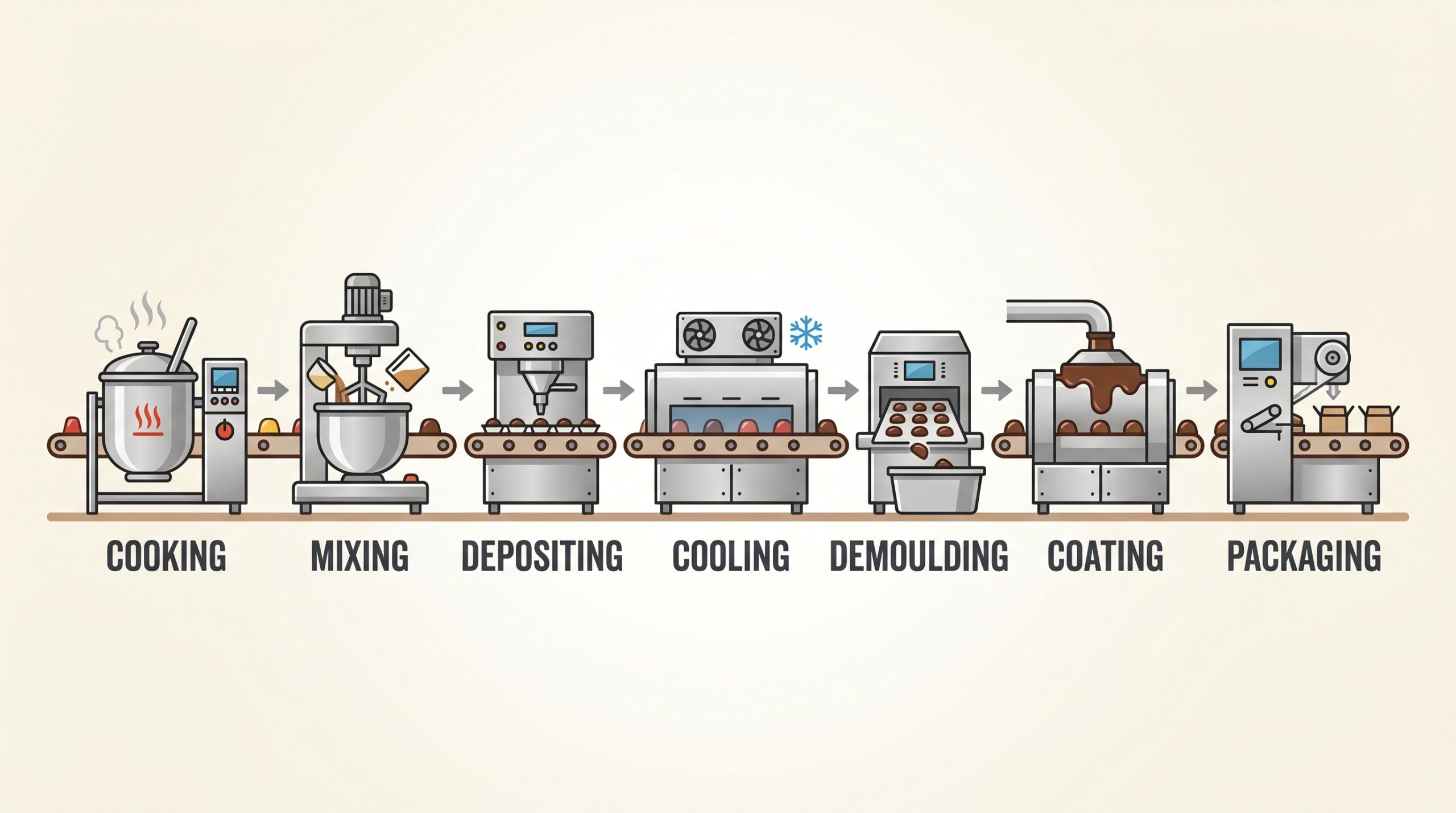
Once a recipe moves from a few dozen pieces to thousands per hour, every manual step in that list becomes a bottleneck. Commercial sugar plum-style candy production generally follows this sequence:
- Mixing: Industrial mixers blend the fruit-and-nut paste (or, for hard candy/jelly versions, a cooked sugar syrup) in batches of 50-500 kg
- Forming and depositing: For soft centers, depositing equipment portions the paste into uniform pieces. This is where a semi-automatic starch mogul line or a lab-scale gummy depositor comes in for jelly-style plum candies, since starch molding gives consistent shapes at scale
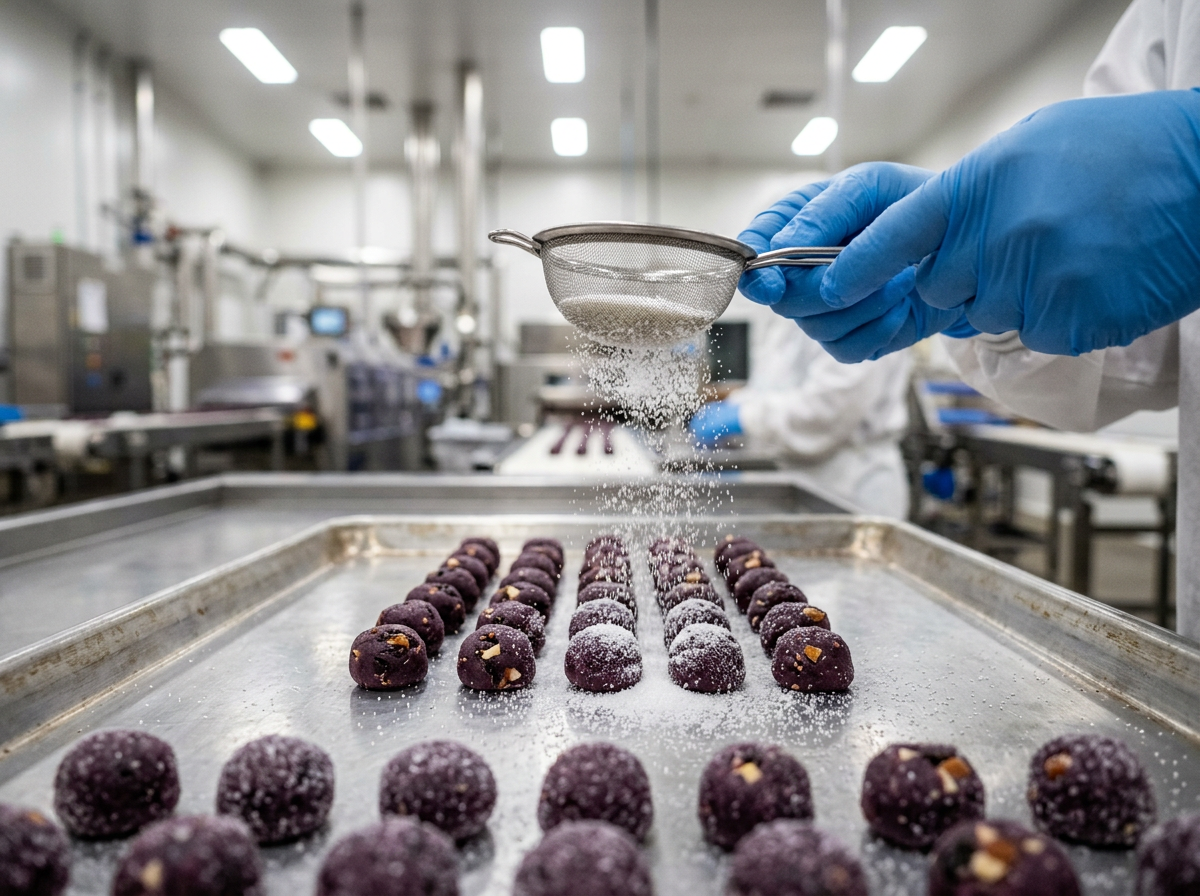
- Coating and sanding: A steam-humidifying and sugar-sanding machine applies an even sugar coating to each piece, replicating the hand-rolling step but doing it consistently, at hundreds of pieces per minute
- Cooling and drying: Pieces pass through a cooling tunnel or drying chamber to set the texture and reduce surface moisture, which is the main driver of shelf life
- Packaging: Individual wrapping or bulk bagging, depending on the channel (retail, food service, or gift sets)
That sugar-sanding step deserves extra attention, because it’s the part of the process that’s hardest to replicate by hand at volume. Getting an even, non-clumping sugar coat on a sticky fruit-and-nut center, without pieces sticking together, is one of the more common failure points we’ve seen when small producers try to scale a home recipe directly onto a production line without adjusting the moisture content of the center first.
Quality Control and Food Safety
Any facility producing sugar plum candy for commercial sale in the United States falls under the FDA’s Current Good Manufacturing Practice regulations (21 CFR Part 110), which cover everything from personnel hygiene to equipment sanitation and pest control. For candy specifically, two practical concerns dominate.
Water activity matters more than most new producers expect: dried fruit and honey-based centers need to stay below roughly 0.6 Aw to inhibit mold growth, which is why drying or dehydrating steps matter even for “no-bake” recipes once they’re produced at scale. Allergen cross-contact is the other big one. Tree nuts are a major allergen, and since most sugar plum recipes are nut-based, dedicated equipment or thorough cleaning protocols, such as a CIP cleaning system for shared lines, are essential if the same equipment also runs nut-free products.
Tip from production experience: if you’re piloting a sugar plum product before committing to a full line, run a shelf-life test at three humidity levels (35%, 50%, 65% RH) for at least four weeks. Sugar coatings on fruit-and-nut centers absorb ambient moisture unevenly, and what looks fine at 35% RH can turn sticky and clumped within days at 65%. That’s a problem that won’t show up in a quick taste test, but it will show up in customer complaints.
Industry Applications: Sugar Plum Candy in Confectionery Manufacturing
Sugar plum candy isn’t just a holiday novelty. It occupies a specific seasonal niche in confectionery manufacturing that creates real opportunities for producers willing to plan around it.
Seasonal & Holiday Production Runs
Demand for sugar plum candy spikes sharply between late October and late December, driven by Christmas markets, gift baskets, and holiday retail displays. For manufacturers already running fruit-and-nut or chocolate-enrobed lines for other products, sugar plum candy is often a low-investment seasonal SKU: the same depositing and enrobing equipment used for truffles or energy bites can be reconfigured with a holiday-spiced recipe and repackaged with festive branding.
Private Label and Co-Packing Opportunities
Because “sugar plum candy” isn’t a trademarked or strictly regulated product category, there’s room for private-label and co-packing arrangements where a contract manufacturer produces a fruit-and-nut or jelly-style “sugar plum” candy under a retailer’s own brand. The lack of a fixed legal recipe (unlike, say, “chocolate,” which has FDA standards of identity) gives co-packers flexibility on formulation, useful for matching different price points with different fruit and nut ratios.
Packaging and Shelf Presentation
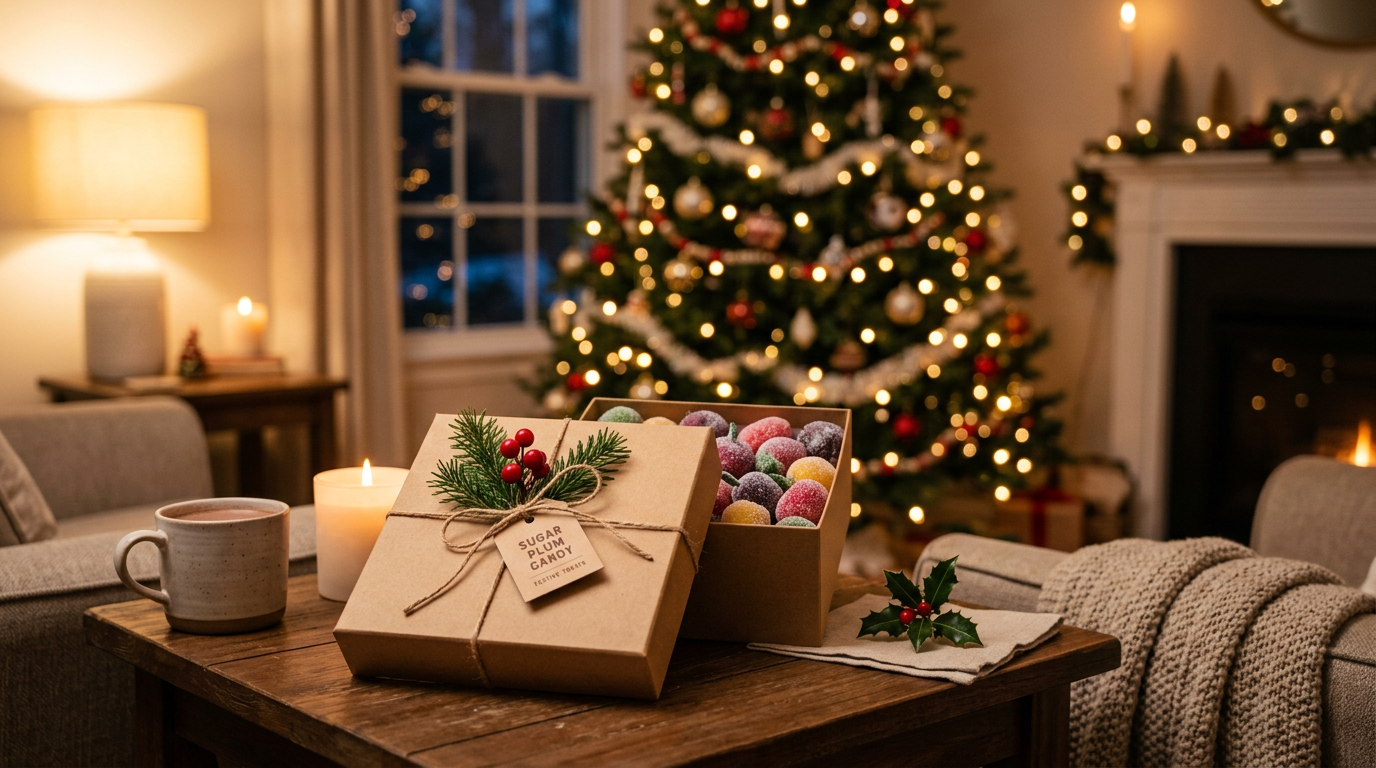
Packaging for sugar plum candy leans heavily on nostalgic, illustrated, “old-world” visual themes: kraft paper, twine, vintage typography, and winter motifs. The name carries strong holiday and storybook associations, and the Statista confectionery market outlook projects continued steady growth in the global confectionery category through the back half of this decade. For soft fruit-and-nut centers, packaging also has a functional job: most producers use small paper cups or wax paper liners inside a rigid box, both to prevent the sugar coating from rubbing off onto neighboring pieces and to control humidity exposure during transport.
Gift Sets and Cross-Promotion
Sugar plum candy rarely sells as a standalone item at retail. It’s almost always part of a larger seasonal assortment, paired with peppermint bark, spiced nuts, or shortbread in a holiday gift box. For manufacturers, this matters because it means sugar plum candy doesn’t need to carry a production line on its own. A facility that already runs chocolate-enrobed nuts or hard candy for a holiday line can usually add a sugar plum SKU to the same packaging run with minimal extra changeover, which is one reason it shows up so often as an “add-on” product in co-packing quotes rather than a flagship item.
How to Choose Equipment for Sugar Plum-Style Candy Production
Picking equipment for sugar plum candy depends on which of the three types you’re making: fruit-and-nut, hard/jelly, or chocolate-enrobed. Each has a different bottleneck step.
Forming and Depositing Equipment
For soft fruit-and-nut centers, the forming step is usually the limiting factor because the paste is sticky and doesn’t flow like a liquid. Manual or semi-automatic rollers suit small producers running under 50 kg/day; the capital cost is low, but the labor cost isn’t. Lab-scale gummy depositors are useful for piloting jelly-style “sugar plum” flavored gummies before committing to a full line, since they let you test recipe viscosity and mold shapes at low volume. For jelly or gummy versions cast in starch trays, a starch mogul line handles depositing, stamping, and de-molding in one continuous process and becomes the right call once volume passes roughly 80 kg/h.
Coating and Enrobing Machines
If your sugar plum candy includes a sugar-sanded exterior or a chocolate shell, the coating step needs dedicated equipment. Sugar sanding and panning drums apply an even sugar coat to soft or semi-soft centers through controlled tumbling and humidity, which is the closest modern equivalent to the original hand-panning technique. Steam-humidifying sanding machines add a light steam step before sugar application, helping the sugar adhere evenly to centers with a drier surface, common with fruit-and-nut pastes that have been chilled. For chocolate-dipped versions, an enrobing line with a cooling tunnel applies a consistent chocolate shell and sets it before packaging.
Common Mistakes When Scaling Up
We’ve seen the same handful of mistakes repeatedly when producers move sugar plum candy from kitchen to factory:
- Skipping a moisture-content adjustment: a center recipe that works fine hand-rolled often has too much surface moisture for automated sugar sanding, so coatings clump or slide off
- Underestimating cooling capacity: chocolate-enrobed sugar plums need adequate cooling tunnel length for the batch size, and insufficient cooling leads to bloom, the dull gray-white streaks on chocolate
- Choosing hard candy equipment for a soft-center product: hard candy cookers and forming lines are built for cooked sugar syrup at high temperatures, and they’re the wrong tool for a no-bake fruit-and-nut center, even though both end up “coated in sugar”
- Not testing shelf life across humidity ranges before committing to packaging: as mentioned earlier, this is the single most common cause of post-launch returns for fruit-and-nut sugar plum products
Tip: if you’re unsure which production path fits your recipe, run a small batch through whichever equipment you’re considering renting or trialing before ordering a full line. A 20-minute trial run will surface forming and coating issues that a written spec sheet won’t.
Estimating Capacity for a Seasonal Run
Because sugar plum candy is so heavily concentrated in the October-to-December window, sizing equipment by annual output can be misleading. A line rated at 100 kg/h sounds modest until you realize that an entire year’s worth of demand might need to be produced inside a 10-12 week window, alongside whatever else the facility is already running. When we’ve helped producers think through this, the more useful number isn’t annual capacity. It’s peak-week throughput: how many kilograms need to leave the facility in the busiest single week, working backward from order deadlines for gift-set assembly and shipping. That number, not the annual total, is what should drive the depositing and sanding equipment specification.
Future Trends in Sugar Plum and Holiday Candy (2026 & Beyond)
The biggest shifts shaping sugar plum candy and similar holiday confections in 2026 are clean-label reformulation, automation of small-batch lines, and a broadening of “holiday flavor” beyond traditional spice blends.
Clean-Label and Reduced-Sugar Formulations
Consumer demand for “no added sugar” and “naturally sweetened” labels has pushed producers to lean on the natural sweetness of dried fruit (dates, figs, dried plums) rather than added sugar in the center, while keeping a thin sugar or sugar-alternative coating for the traditional look. Some producers are testing coatings made with monk fruit or allulose blends to reduce the sugar declaration on the label without changing the visual finish, though texture and adhesion behave differently from straight granulated sugar, which affects the sanding step.
Automation and Flexible Production Lines
Because sugar plum candy is heavily seasonal, manufacturers are increasingly investing in flexible lines that can switch between a “sugar plum” configuration for Q4 and a different fruit-and-nut or gummy product the rest of the year, rather than dedicating a line to a single seasonal SKU. This shows up as modular depositing and sanding equipment that can be reconfigured with changeover times measured in hours rather than days.
| Trend | What’s Driving It | Production Impact |
|---|---|---|
| Clean-label sugar reduction | Consumer label scrutiny, retailer requirements | Coating formulations need re-testing for adhesion and shelf life |
| Modular/flexible lines | Seasonality of holiday SKUs | Equipment selected for fast changeover, not single-purpose |
| Expanded flavor profiles | Demand for novelty beyond cinnamon-clove | Wider ingredient sourcing for fruit/spice blends, more frequent recipe trials |
According to the global confectionery market outlook from Statista, the broader confectionery category continues to see steady revenue growth, and seasonal/holiday-themed products remain one of the more resilient sub-segments. That’s part of why flexible, multi-purpose equipment investments tend to pay off faster than single-SKU lines for smaller producers entering this space.
FAQ
What exactly is a sugar plum?
A sugar plum is a small, round confection: historically a sugar-coated comfit, today usually a rolled mixture of dried fruit, nuts, honey, and spices. It doesn’t have to contain plums; the name describes the traditional shape and sugar coating, not the fruit inside.
Does sugar plum candy actually contain plums?
Sometimes, but not always. Many modern recipes use dried plums (prunes) as part of the fruit base, but others use dates, figs, or apricots instead. The “plum” in the name refers to the candy’s shape and history, not a required ingredient.
How long does homemade sugar plum candy last?
About 1-3 weeks at room temperature in an airtight container, longer if refrigerated. The sugar coating and the fruit’s moisture content both affect shelf life, which is why commercial producers test multiple humidity levels before finalizing packaging.
Can sugar plum candy be made nut-free?
Yes. Replace the nuts with seeds (sunflower or pumpkin) or additional dried fruit and a binder like oat flour. Removing nuts changes the texture significantly, and any shared equipment needs thorough cleaning to avoid allergen cross-contact.
What’s the difference between a sugar plum and a fruitcake bite?
Sugar plums are typically no-bake, rolled, and finished with a sugar coating, while fruitcake bites are baked and often glazed or soaked in liquor. Both share dried fruit and warm spices, but the texture and production method differ substantially.
Why are sugar plums associated with Christmas?
The association comes from 19th-century literature and music, most famously the line “visions of sugar plums” from “The Night Before Christmas” and the Sugar Plum Fairy in The Nutcracker. Both cemented the candy as a symbol of Christmas Eve anticipation, even as the actual recipe evolved over time.
What equipment do I need to produce sugar plum candy commercially?
It depends on the type. Fruit-and-nut centers need depositing and sugar-sanding equipment, jelly/gummy versions need a mogul or depositor line, and chocolate-dipped versions need an enrober with a cooling tunnel. Matching equipment to your specific recipe type avoids the most common scale-up mistakes.
Is sugar plum candy the same as marzipan or fruitcake?
No, though they’re related cousins. Marzipan is a smooth almond-and-sugar paste that’s molded or shaped, fruitcake is a baked dessert soaked in dried fruit and often liquor, and sugar plum candy is a no-bake rolled confection finished with a sugar coating. All three lean on dried fruit, nuts, and warm spices, but the texture, process, and shelf life differ enough that they need separate production setups.
Conclusion
Sugar plum candy carries more history in its name than in its ingredient list, and that’s exactly why it causes so much confusion. What started as a labor-intensive, hand-panned comfit became, over a couple of centuries, a catch-all term for a holiday treat that today most often means a no-bake roll of dried fruit, nuts, honey, and spice finished with a sugar coating. Both versions are “real” sugar plum candy; they just belong to different eras and different production methods.
If you’re producing this at any scale beyond a home kitchen, the type you choose (fruit-and-nut, hard/jelly, or chocolate-enrobed) determines almost everything else: which equipment you need, how you handle moisture and shelf life, and how you package the final product. Start by deciding which type fits your recipe and your market, run a small pilot batch through the actual equipment you’re considering, and test shelf life across a humidity range before locking in packaging. That sequence (recipe, pilot, shelf-life test, packaging) catches the issues that cost the most to fix after a full production run.
The name “sugar plum” has survived nearly four centuries of recipe changes, and it’ll likely survive a few more. What matters for anyone producing it commercially isn’t getting the recipe “historically accurate.” It’s understanding which of the three production paths your version belongs to, and choosing equipment and packaging that match it. Get that match right, and a seasonal sugar plum line can run alongside your existing production with very little added complexity.
Related Articles
- Are Gummies Bad for You? The Complete Candy Truth (2026)
- Can Candy Expire? The Real Shelf-Life Truth Behind Every Wrapper
- Boba Popping Pearls: Complete Guide to Flavors, Production & Commercial Use
- Bubble Tea Popping Boba: Science, Flavors & Commercial Production Guide
- Steam-Humidifying & Sugar Sanding Machine
- Semi-Automatic Starch Mogul Line