A standard 16 oz bubble tea contains 250–450 calories, depending on the base tea, sugar level, milk type, and toppings. A no-sugar, non-dairy version can drop to 80–150 calories; a brown sugar latte with extra pearls can exceed 600.
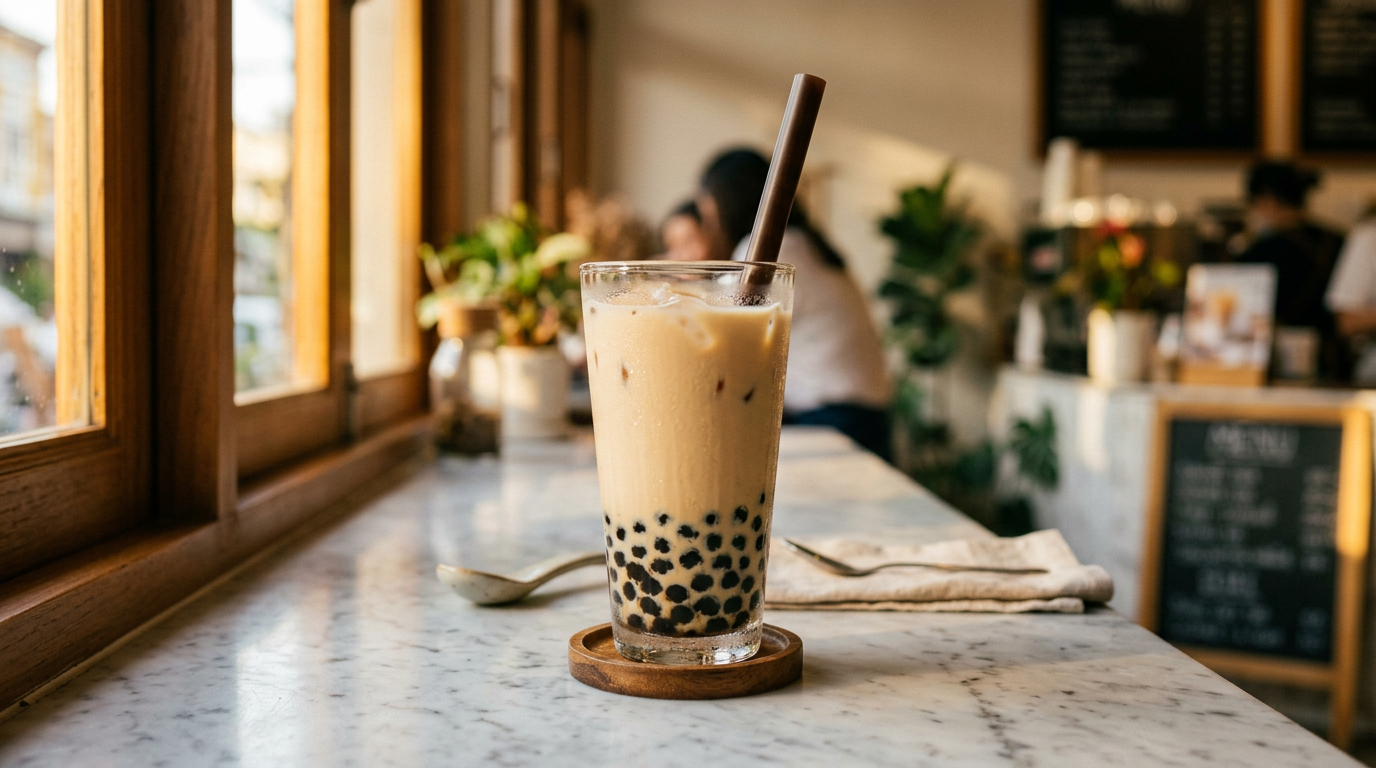
You’re at the counter, torn between the brown sugar milk tea and the mango fruit tea. The calories look roughly the same on the menu board — but are they? Probably not even close. Bubble tea calorie counts swing wildly based on four variables most menus never fully break down: the base drink, the sweetness level, the dairy choice, and the toppings. This guide maps all four so you know exactly what you’re getting before you order.
What Are Bubble Tea Calories Made Of?
Bubble tea calories come from four layered sources: base tea, milk or creamer, sugar syrup, and toppings — each one independently adjustable.
Understanding how each component contributes makes it easy to engineer a lower-calorie drink without feeling like you sacrificed anything.
The Base Tea
Plain brewed tea — black, green, oolong, jasmine — has virtually zero calories. A 16 oz brewed black tea is fewer than 5 calories. The base itself is not the problem.
What matters is what gets added to it. When shops brew a “tea base,” they’re often steeping at double or triple strength and then diluting with sugar syrup and ice. The concentrated brew still contributes negligible calories; the syrup does not.
Fruit tea bases are trickier. “Mango green tea” at most chains is brewed tea plus a fruit syrup or puree, not actual mango. Those syrups carry 60–120 calories per pump. A fresh-fruit tea — where real fruit is blended in — has more fiber but often similar sugars depending on the fruit.
Milk and Creamer
This is the biggest variable most people underestimate.
| Milk/Creamer Type | Calories per 4 oz added |
|---|---|
| Whole milk | 75 |
| 2% milk | 60 |
| Oat milk | 60–70 |
| Non-dairy creamer (powder) | 90–120 |
| Coconut milk (canned) | 110 |
| Almond milk | 20 |
| Heavy cream | 200 |
| Sweetened condensed milk | 240 |
Most mid-range bubble tea shops use non-dairy powdered creamer, which is high in calories and saturated fat. Premium shops increasingly use real milk or plant-based options. If you’re watching bubble tea calories, asking what creamer they use is the single best question you can ask.
Sweetened condensed milk — found in Thai milk tea and some specialty drinks — can add 200+ calories by itself.
Sugar Syrup
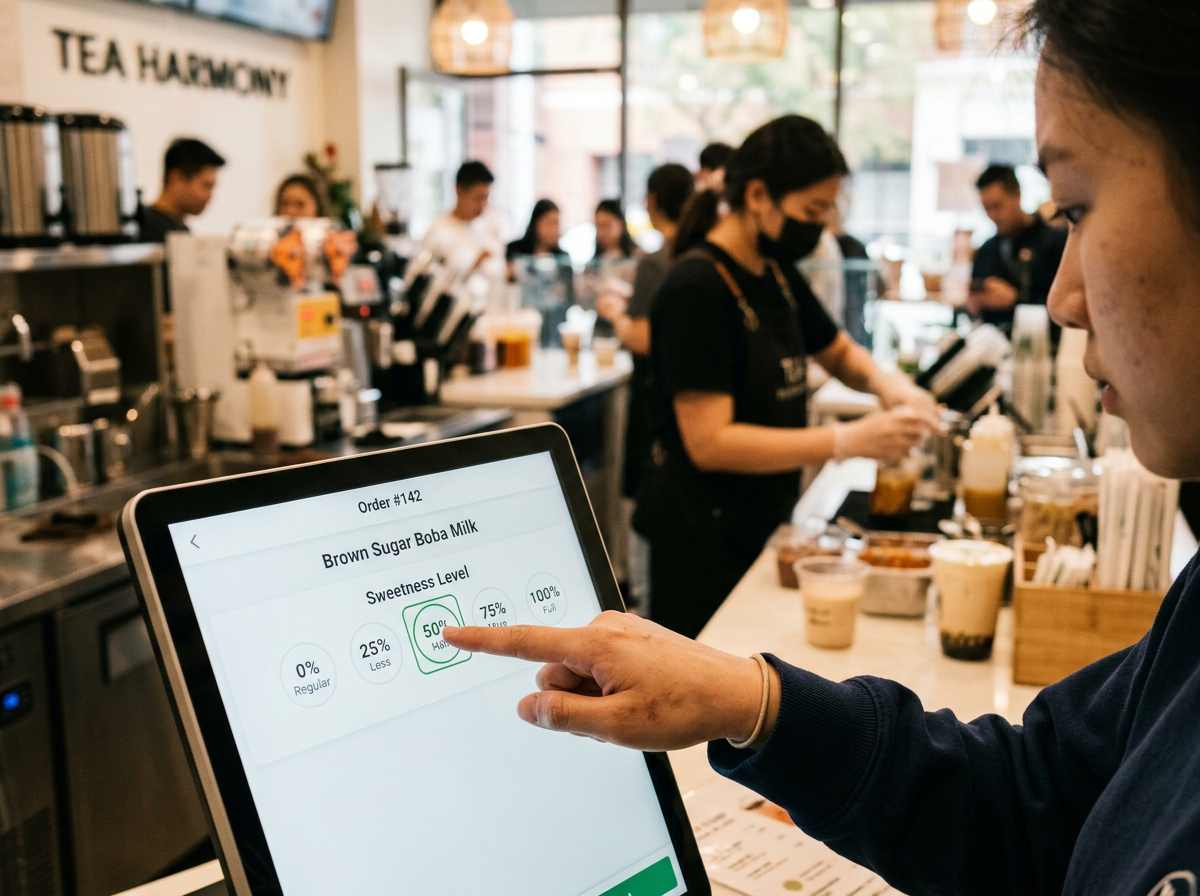
Shops typically offer sweetness levels in 25% increments: 0%, 25%, 50%, 75%, 100%, and sometimes 120% or “extra sweet.” At 100% sweetness, most shops add 3–5 pumps of simple syrup to a 16 oz drink. Each pump is roughly 20–25 calories of pure sugar.
| Sweetness Level | Approx. Calories from Sugar |
|---|---|
| 0% (no sugar) | 0 |
| 25% | 15–25 |
| 50% | 30–50 |
| 75% | 45–75 |
| 100% | 60–100 |
| 120% / Extra Sweet | 75–130 |
Choosing 50% instead of 100% sweetness can shave 30–50 calories off your drink without dramatically changing the flavor — especially in milk-heavy drinks where the dairy sweetness carries through.
Tapioca Pearls Calories and Topping Breakdown
Tapioca pearls add roughly 100–135 calories per standard serving — but specialty toppings range from 15 to 200+ calories per portion.
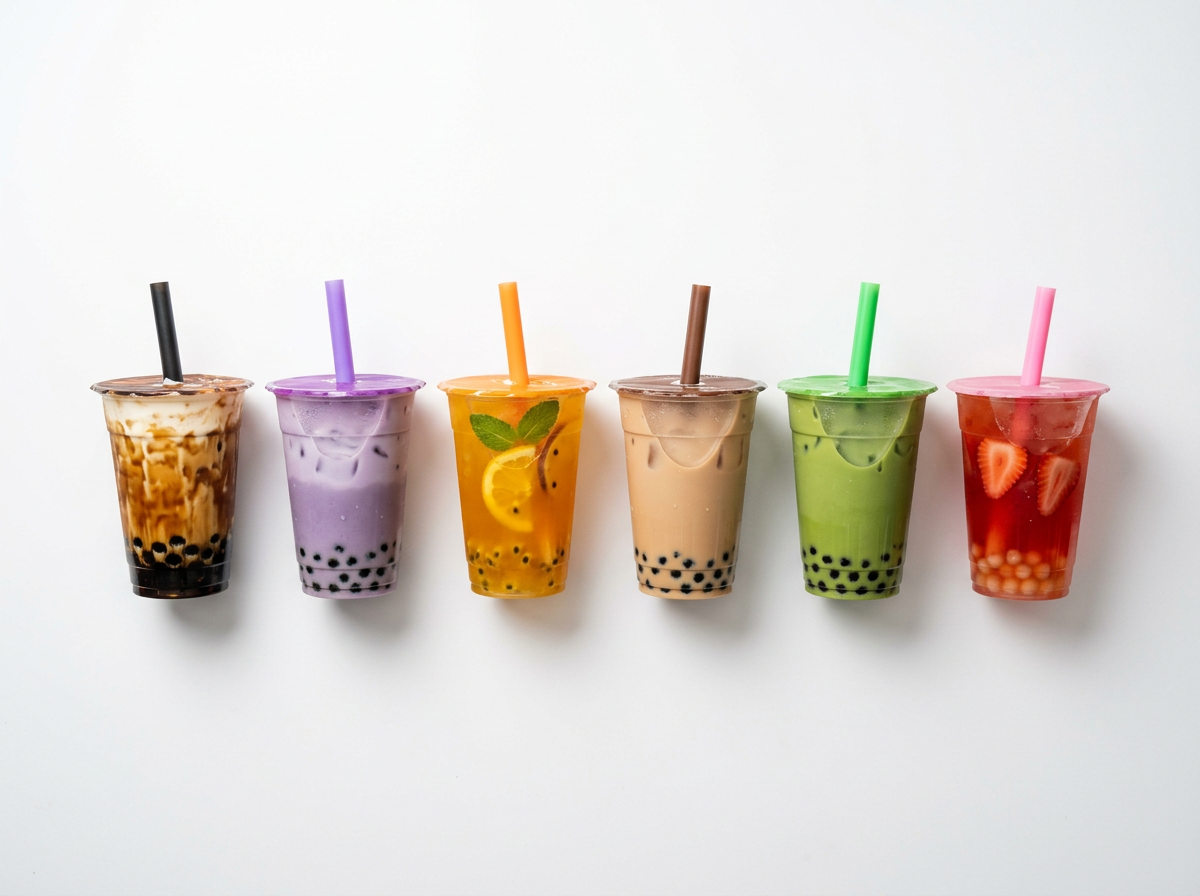
Classic Tapioca Pearls
The iconic black tapioca pearls — made from tapioca starch, water, and often brown sugar or caramel coloring — are a significant calorie source that most people mentally discount.
Per a published study in PLOS Medicine on boba milk tea nutrition and obesity implications, a standard serving of tapioca pearls (approximately 1/4 cup dry, or 60g cooked) contributes:
- Calories: 100–135
- Carbohydrates: 25–33g (almost entirely starch and added sugar)
- Protein: less than 1g
- Fat: 0g
That’s meaningful. A medium milk tea with pearls, full sugar, whole milk is easily 400+ calories once you add everything up.
White tapioca pearls (clear/non-colored) are identical in nutrition to black ones — the difference is coloring only. Mini pearls (the smaller version) serve a smaller portion, typically 70–80 calories.
Brown sugar pearls are cooked in brown sugar syrup and then coated again during serving. These run 150–200 calories per serving, sometimes more at shops that give a generous pour of syrup.
Alternative Toppings
| Topping | Portion | Approx. Calories |
|---|---|---|
| Classic tapioca pearls | 60g cooked | 100–135 |
| Brown sugar pearls | 60g cooked | 150–200 |
| Grass jelly | 60g | 20–30 |
| Aloe vera cubes | 60g | 10–20 |
| Lychee jelly | 60g | 40–55 |
| Coconut jelly | 60g | 30–45 |
| Egg pudding | 60g | 60–90 |
| Taro balls | 60g | 80–110 |
| Popping boba (bursting pearls) | 30g | 25–40 |
| Red bean | 60g | 80–110 |
| Mochi | 30g | 60–80 |
The lowest-calorie toppings are aloe vera and grass jelly — both are mostly water with minimal sugar. If you want something in your cup without the calorie hit, these are the best options.
Specialty Toppings
Cheese foam, whipped cream, and cream cap additions deserve their own category. A cheese foam topping — thick salted cream cheese blended with cream — adds 80–150 calories and a noticeable hit of fat. It’s delicious, but it’s essentially a small serving of cheesecake on top of your drink.
Whipped cream adds about 50–60 calories per standard swirl. Brown sugar drizzle tacked onto a tiger milk tea ceremony can add another 30–50 calories.
Calorie Count by Bubble Tea Type
Milk-based bubble teas average 250–450 calories per 16 oz; fruit teas average 150–300 calories at standard sweetness with pearls.
Milk Tea Varieties
| Drink Type | Size | Sugar Level | With/Without Pearls | Calories |
|---|---|---|---|---|
| Classic black milk tea | 16 oz | 100% | With pearls | 350–420 |
| Classic black milk tea | 16 oz | 50% | Without pearls | 150–220 |
| Taro milk tea | 16 oz | 100% | With pearls | 380–460 |
| Brown sugar milk tea | 16 oz | 100% | With brown sugar pearls | 440–580 |
| Thai milk tea | 16 oz | 100% | With pearls | 400–500 |
| Matcha milk tea | 16 oz | 75% | With pearls | 320–400 |
| Oolong milk tea | 16 oz | 75% | With pearls | 290–370 |
| Honey milk tea | 16 oz | 75% | With pearls | 340–410 |
| Jasmine milk tea | 16 oz | 50% | Without pearls | 130–200 |
Thai milk tea deserves a special callout — sweetened condensed milk, not regular milk or creamer, is the traditional base. At authentic shops, a 16 oz Thai milk tea can hit 480–520 calories before any toppings, making it one of the highest-calorie standard options.
Fruit Tea Varieties
Fruit teas are generally lower in bubble tea calories than milk-based drinks, but the gap closes fast when you add pearls and keep the sweetness high.
| Drink Type | Size | Sugar Level | With/Without Pearls | Calories |
|---|---|---|---|---|
| Mango fruit tea | 16 oz | 100% | Without pearls | 150–220 |
| Mango fruit tea | 16 oz | 100% | With pearls | 260–330 |
| Passion fruit green tea | 16 oz | 75% | Without pearls | 120–180 |
| Strawberry fruit tea | 16 oz | 100% | With popping boba | 200–280 |
| Lemon green tea | 16 oz | 50% | Without pearls | 60–100 |
| Lychee jasmine tea | 16 oz | 75% | With aloe | 100–150 |
| Peach oolong | 16 oz | 50% | Without pearls | 80–130 |
| Fresh fruit tea (real fruit) | 16 oz | 50% | With grass jelly | 120–180 |
The lowest-calorie bubble tea options are lemon or passion fruit green tea at 25–50% sweetness, no toppings or with aloe vera. These can come in under 100 calories.
Specialty and Seasonal Drinks
Limited-time and Instagram-friendly drinks tend to be calorie-dense. Brown sugar “tiger” drinks layer brown sugar syrup visually in the cup before adding milk and pearls — and they taste exactly as sweet as they look. Expect 440–600 calories.
Cheese-foam tea drinks add 100–150 calories purely from the foam cap. But since they’re usually served with plain (unsweetened) tea as the base, the total is often still lower than a full-sugar milk tea: 200–350 calories for most cheese-foam fruit teas.
How to Reduce Bubble Tea Calories Without Hating It
Drop sweetness to 50%, swap powdered creamer for real milk, and choose aloe or grass jelly instead of pearls — this alone cuts 150–200 calories from a standard order.
Choose Lower-Calorie Bases
Start with a fruit tea or plain brewed tea base instead of a milk tea. You eliminate the milk/creamer component entirely, saving 75–120 calories before you even think about sugar or toppings.
If you love milk tea, switch from non-dairy powdered creamer to fresh whole milk (saves 15–45 calories per drink) or almond milk (saves 70–100 calories). Oat milk is a middle ground — similar in calories to whole milk but lactose-free.
Fresh milk teas — where the shop uses actual brewed tea + real milk — tend to be lighter than their non-dairy counterparts. Look for shops advertising “fresh milk” as a selling point. They typically use less creamer powder, which cuts both calories and that artificial-sweet aftertaste.
Adjust Sugar Levels Strategically
Going from 100% to 50% sweetness typically saves 30–50 calories. Going from 100% to 0% saves 60–100 calories. The issue: at 0% sugar, bitter tea + unsweetened milk isn’t enjoyable for most people.
The practical sweet spot is 50% sweetness with a flavorful base — an oolong, honey, or roasted barley tea naturally carries sweetness without sugar. Pair with 50% sweetness and the drink still tastes complete.
Pro tip: Order the sweetness a level lower than you think you want. The ice dilutes the drink as you sip; a drink that starts at 75% will taste like 50% by the bottom of the cup.
Smart Topping Choices
Swap tapioca pearls for aloe vera or grass jelly and save 80–120 calories per order. Both toppings have texture and visual appeal without the dense starch load.
If you can’t give up pearls, try mini pearls (smaller serving, 70–80 calories) or ask for a half portion. Most shops will do it if you ask.
Avoid: egg pudding, mochi, red bean, and brown sugar pearls if you’re trying to cut. Any topping that’s starchy or cooked in sugar syrup adds meaningful calories.
A practical comparison:
| Order | Estimated Calories |
|---|---|
| Taro milk tea, 100% sugar, powdered creamer, brown sugar pearls | 520–600 |
| Same base, 50% sugar, fresh whole milk, classic pearls | 310–380 |
| Same base, 25% sugar, almond milk, grass jelly | 160–220 |
You can eat at the same shop, order a drink that tastes nearly as indulgent, and cut the calorie count by more than half.
Portion Size Matters
The calorie difference between a small (12 oz) and large (24 oz) is not just proportional — shops often add more syrup per volume in larger sizes. A 24 oz “large” can have 1.75× the calories of a 12 oz, not 2×, depending on how the shop scales their recipe.
According to Virginia Tech’s dining nutrition data for a standard 20 oz bubble tea: approximately 340 calories — consistent with the industry average at standard sweetness.
Ordering a small or medium instead of a large is often the easiest single-step calorie reduction. You still get the full flavor experience.
Bubble Tea Calories by Brand (2026)
Major bubble tea chains range from 200 to 500+ calories for a standard 16 oz order — the differences come down to their default creamers, sugar ratios, and portion sizes.
Major Chains Compared
Calorie data for branded chains is pulled from nutrition disclosures and independent analysis (values are approximate for 16 oz, standard order, with classic tapioca pearls at 100% sweetness unless noted):
| Chain | Drink | Calories (16 oz) |
|---|---|---|
| Kung Fu Tea | Classic Milk Tea with Pearls | 320–390 |
| Gong Cha | Pearl Milk Tea | 340–420 |
| Tiger Sugar | Brown Sugar Milk Tea | 440–520 |
| Sharetea | Classic Pearl Milk Tea | 380–450 |
| Boba Guys | House Milk Tea | 300–360 |
| Happy Lemon | Roasted Milk Tea | 290–350 |
| Tbaar | Signature Milk Tea | 330–400 |
| Coco Bubble Tea | Black Milk Tea | 350–420 |
The research paper Calories and sugars in boba milk tea: obesity risk implications (PMC5217910) found a mean calorie count of 299 ± 62 calories across 19 commercially available bubble teas — though this was a smaller-serving study (approximately 12–14 oz). Scaled to 16 oz, that aligns with the 320–400 range most chains land in for a standard order.
What to Order at Each Chain for Fewer Calories
At Gong Cha: their fresh teas (non-milk) at 50% sweetness with no pearls clock in at 80–150 calories. The “QQ Happy” (without pearls, 50% sugar) is around 220 calories.
At Kung Fu Tea: the pure green tea with lemon at 0% sugar has under 20 calories. Add aloe at 50% sweetness for a ~80 calorie drink.
At Tiger Sugar: there’s no meaningful “low calorie” option — the brown sugar pearls are the entire product concept. Budget 440+ calories and enjoy it fully.
At Boba Guys: their oat milk option with a fruit tea base at 50% sweetness is one of the more calorie-transparent options in the industry, around 180–220 calories.
Future Trends in Bubble Tea Nutrition (2026+)
The bubble tea industry is actively reformulating toward lower-sugar, functional-ingredient drinks in response to consumer health awareness and regulatory pressure in multiple markets.
Emerging Low-Sugar Formulations
The shift is real and measurable. As of 2026, major markets including Singapore, Taiwan, and the UK have introduced sugar labeling requirements or outright sugar taxes on high-sweetness beverages. This is pushing chains to develop recipes that hit sweetness targets with less actual sugar.
| Trend | What It Means for Calories | Adoption Level |
|---|---|---|
| Erythritol-sweetened syrups | Same sweetness, ~70% fewer sugar calories | Growing — 15–20% of premium chains |
| Monk fruit (luo han guo) sweetener | Near-zero calorie, clean sweetness | Niche, mainly organic/premium shops |
| Reduced-pearl portion options | “Lite” half-serving: saves 50–65 cal | Growing — major chains added in 2026 |
| Fresh-fruit blending (no syrups) | Lower added sugar, natural fiber | Premium market, not mainstream yet |
| Oat milk / pea milk defaults | Slight calorie parity, better nutritional profile | Strong growth in EU and US |
The Taiwan Ministry of Health and Welfare has published guidelines recommending daily added sugar intake stay under 10% of total caloric intake — a figure that a single standard-sweetness milk tea can blow through. This regulatory context is accelerating product reformulation faster than consumer preference alone would.
Alternative Sweeteners in Boba
Erythritol is the most commercially viable zero-sugar alternative for bubble tea because it dissolves like sugar and has a very clean flavor profile. Its calorie density is 0.2 kcal/g compared to sugar’s 4 kcal/g — essentially negligible. Shops using erythritol-based syrups can offer “100% sweetness” drinks with less than 5 calories from the sweetener alone.
Stevia is less popular in boba chains due to its slight aftertaste, which clashes with delicate teas like jasmine and oolong. It works better in stronger-flavored bases like taro or brown sugar where the base flavor masks the bitterness.
Monk fruit sweetener is gaining traction in premium wellness-oriented shops. According to guidance from health agencies, monk fruit extract is recognized as safe with no caloric contribution — but the supply chain for high-quality extract is still limited, keeping costs high.
The commercial landscape in 2026 is heading toward tiered menus: a “classic” section (traditional high-sugar recipes), a “lite” section (reformulated sweeteners, smaller portions), and a “wellness” section (functional ingredients like adaptogens, reduced sugar). This mirrors what happened in the coffee industry over the past decade.
Frequently Asked Questions About Bubble Tea Calories
Q: How many calories is a standard bubble tea?
A typical 16 oz milk tea with pearls at 100% sweetness is 350–450 calories. Fruit teas run 200–300 calories at the same size. Your actual count depends on the shop’s creamer, sugar ratio, and topping portion size.
Q: Are bubble tea calories mostly from sugar or fat?
In a non-dairy milk tea, most calories come from carbohydrates — the syrup and tapioca starch. Fat is minimal. In a fresh-milk or cream-based drink, fat contributes meaningfully. A standard non-dairy milk tea is roughly 70% carbs, 20% fat, 10% from trace sources.
Q: Does no-sugar bubble tea have zero calories?
Not zero — but close. A 0% sugar, no-topping fruit tea is about 10–30 calories. A 0% sugar, no-topping milk tea with non-dairy creamer can still be 80–150 calories because the creamer itself contains sugar and fat. The “no sugar” instruction only affects the added syrup.
Q: How many calories are in the tapioca pearls specifically?
Classic black tapioca pearls contribute 100–135 calories per standard serving (about 60g cooked weight). Brown sugar pearls cooked in syrup run 150–200 calories. If you skip toppings entirely, you save that full amount.
Q: Which bubble tea is lowest in calories?
Plain lemon green tea or lychee jasmine tea at 0–25% sweetness, no toppings or with aloe vera. These can be under 80 calories for a 16 oz serving. Fresh-fruit teas made with real citrus juice and minimal syrup are another low-calorie tier.
Q: Is bubble tea high in calories compared to other drinks?
Compared to diet soda: dramatically more. Compared to a coffee frappuccino or smoothie: similar or less. A grande Starbucks caramel frappuccino is 420 calories. A standard milk tea is 350–420 calories. They’re in the same range — the difference is that coffee shops print calorie counts on their menus by law in many markets, while bubble tea shops often don’t.
Q: Can I drink bubble tea and still lose weight?
Yes, with choices. A 150-calorie boba drink (low sugar, fruit tea, aloe vera topping) fits into most calorie-controlled diets. The challenge is that bubble tea is easy to drink fast — it doesn’t signal fullness the way a solid meal does, so it’s easy to consume as calories “on top of” your regular intake rather than in place of something else.
Conclusion
Bubble tea calories are not fixed — they’re a formula: base × sweetness × milk type × toppings. A drink from the same shop can be anywhere from 80 calories to 600 calories depending on how you order it. The biggest single levers are sweetness level (50% vs. 100% saves 30–50 calories immediately) and topping choice (swapping pearls for aloe vera saves 80–120 calories).
For the occasional treat, a full-sugar milk tea with pearls is fine. For everyday drinking, learning to order at 50% sweetness with a lighter topping is the difference between a habit that adds 350 calories per day to your diet and one that adds 150. That’s meaningful over a week, a month, a year.
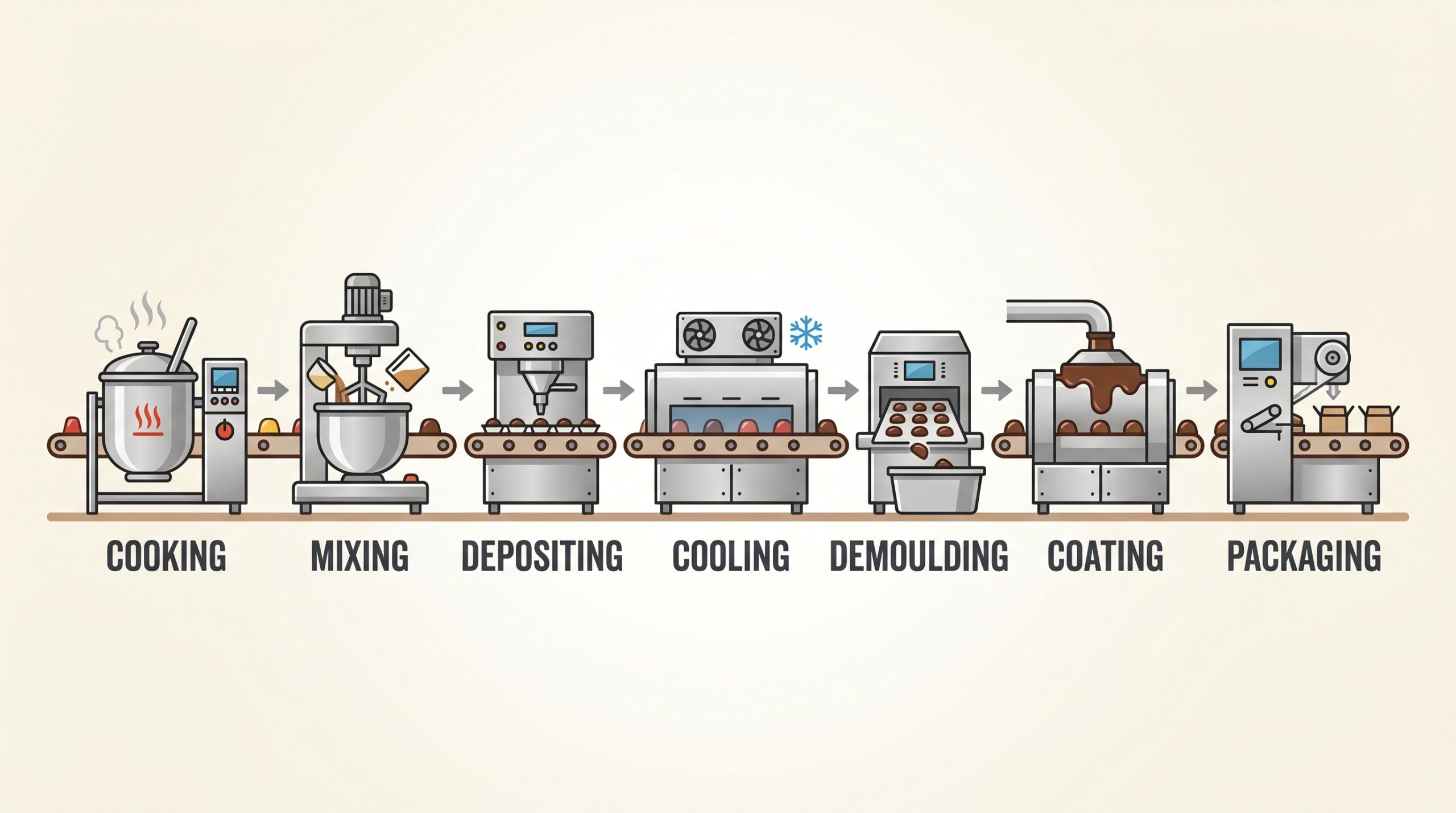
The commercial equipment behind mass-produced boba — the industrial tapioca pearl cooking systems and automated beverage production lines that power the chains you visit — is designed to produce consistent sweetness levels and portion sizes at scale. That consistency actually works in your favor: a chain’s 50% sweetness is reproducible, which means your calorie estimate is more reliable than it would be at a handmade artisan shop.
Make informed choices. Order intentionally. The drink you actually want is almost always attainable at fewer calories than the default.