Are Skittles gluten free? For the current US SKITTLES Original Fruity Candy product page, the listed ingredients do not include wheat, barley, rye, or malt. That makes the product gluten free by the published ingredient list, but it is not a reason to treat every Skittles product or every market as identical. Check the exact package before eating it, especially if you have celiac disease.
The useful answer has two parts. First, what is in the specific bag? Second, what controls were used after those ingredients entered the factory? An ingredient list can answer the first question. It cannot, by itself, prove how a product was handled, whether the recipe changed, or whether an imported or limited-edition product follows the same formula.
This guide focuses on the current US Original Fruity Candy information available from the brand, then shows how to read the label, separate gluten-free from vegan claims, and translate the same checks into a confectionery production line.

The short answer depends on the exact bag
The current US Original Fruity Candy page lists sugar, corn syrup, hydrogenated palm kernel oil, citric acid, tapioca dextrin, modified corn starch, natural and artificial flavors, colors, sodium citrate, and carnauba wax. No wheat, barley, rye, or malt appears in that published list. The same page also says the ingredient information reflects the current formulation while older packaging may still be found on shelves. That is why the package in your hand remains the final check.
The brand’s SKITTLES FAQ makes the same practical point: the ingredient declaration on the packaging provides the latest product-specific information. So the responsible answer is not an unconditional promise about every rainbow-colored product. It is this: current US Original Fruity Candy appears gluten free by its listed ingredients, but verify the exact product and market before relying on that answer.
| Question | What the current evidence supports | What still needs checking |
|---|---|---|
| Does the US Original ingredient list show a gluten grain? | No wheat, barley, rye, or malt is listed on the current official product page. | Compare the bag in hand because packaging and formulas can change. |
| Does a clean ingredient list prove the product is certified gluten free? | No. Ingredient absence and certification are different claims. | Look for the package claim and the manufacturer’s current guidance. |
| Can the answer cover Gummies and every seasonal flavor? | No. Different product lines can use different formulas. | Read the ingredient and allergen information for that exact item. |
What are Skittles made of?
This is the higher-volume AI-search follow-up, and it is also the fastest way to understand the gluten question. The current US Original formula is built around sugar and corn syrup, with a small group of texture, acid, flavor, color, and finishing ingredients. The official SKITTLES Original product page provides the current declaration.
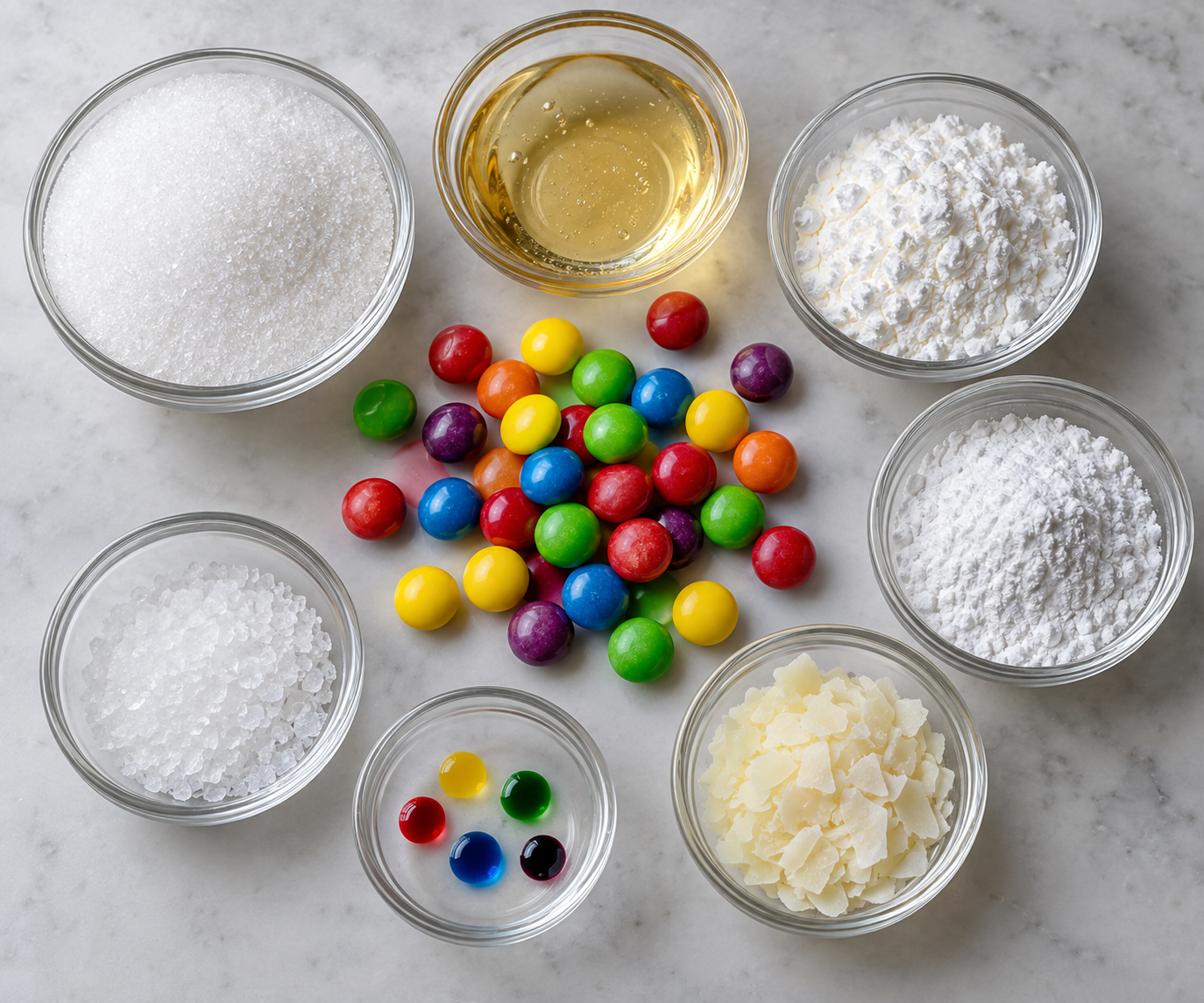
| Ingredient group | What it contributes | Gluten-reading point |
|---|---|---|
| Sugar and corn syrup | Sweetness, bulk solids, and the base for the chewy center and coating layers. | Neither name is a wheat, barley, or rye ingredient. The source and current label still matter. |
| Hydrogenated palm kernel oil | Fat phase and mouthfeel in the center. | It is not a gluten grain, but it does not prove anything about factory cross-contact. |
| Modified corn starch and tapioca dextrin | Texture, body, and coating behavior. | The source word matters. Corn and tapioca are different from wheat starch. |
| Citric acid and sodium citrate | Tartness and acidity control. | These names do not identify a gluten grain. |
| Flavors and colors | Fruit identity and the visible color set. | Read the finished label rather than guessing from a flavor name. |
| Carnauba wax | Surface gloss and a less sticky finish. | It is a finishing ingredient, not a gluten source. |
Ingredient roles explain why a coated candy can be crisp on the surface and chewy inside. They do not establish a medical safety decision for every person or every package. That decision belongs to the product label and, when needed, the manufacturer or a qualified healthcare professional.
Why corn starch and tapioca dextrin are different from wheat ingredients
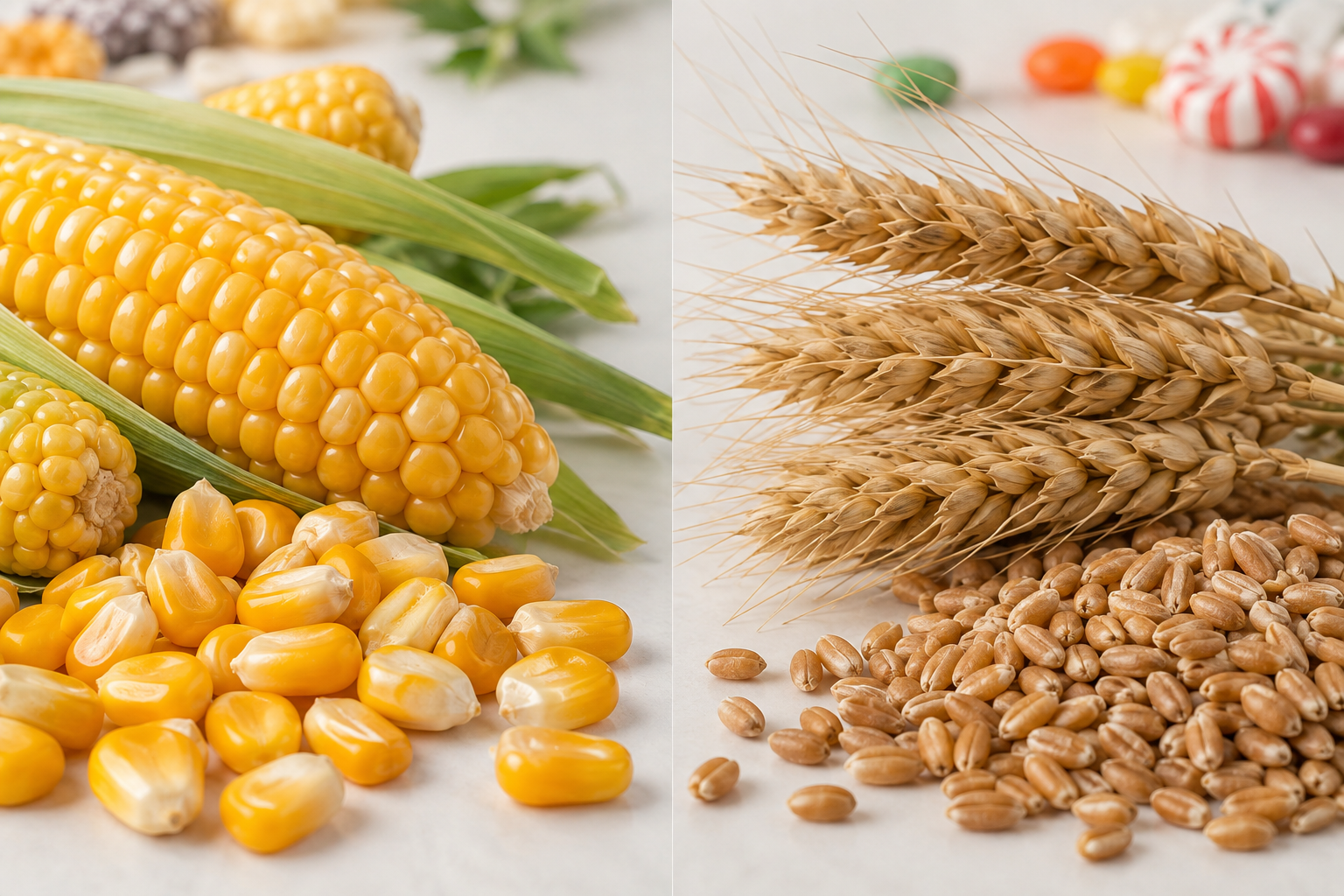
People often see the word starch and assume it means wheat. That shortcut is unreliable. Corn starch comes from corn, and tapioca dextrin comes from cassava. Those sources are not the same as wheat, barley, or rye. The ingredient declaration should identify the source when it matters for the formulation.
There is another reason to avoid a one-word answer. A candy can contain no obvious gluten grain and still need a manufacturing review if the buyer is making a regulated gluten-free claim. The US Food and Drug Administration explains that a food using the voluntary gluten-free claim must meet the applicable definition and contain less than 20 parts per million of gluten, including unavoidable presence from cross-contact.
That standard is about the finished product and the controls behind it, not just the color or texture of the candy. It also explains why a brand may update a label when a formula, supplier, facility, or packaging market changes.
Original, Gummies, imported, and limited editions are not one recipe
Searchers often ask ??re Skittles gluten free???as if the name identifies one formula. It does not. A useful comparison starts with the product family and the market printed on the package.
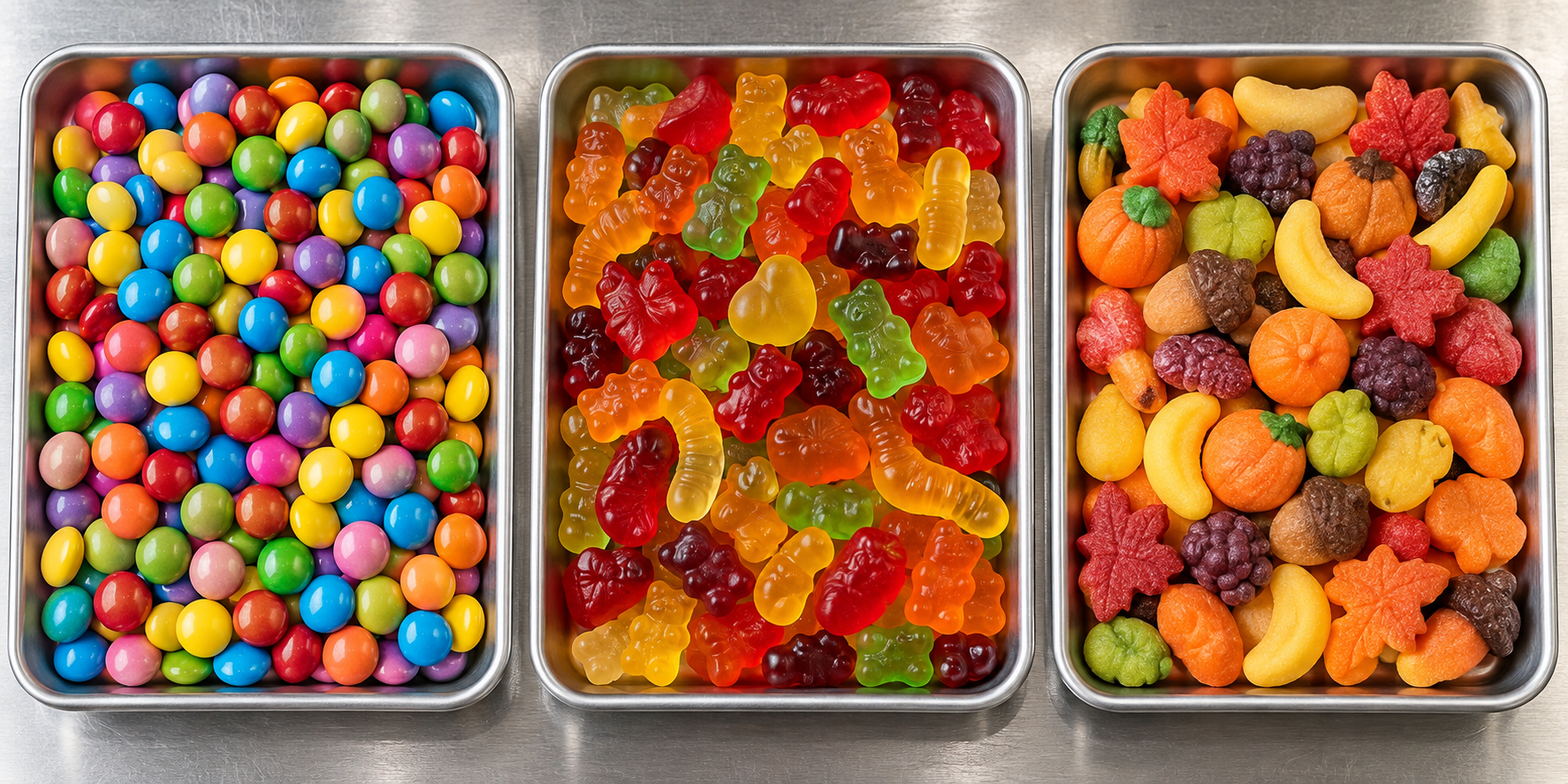
| Product or situation | Why it needs a separate check | Practical decision |
|---|---|---|
| US Original Fruity Candy | The current official ingredient list does not show wheat, barley, rye, or malt. | Verify the exact package and any current gluten-free statement. |
| SKITTLES Gummies | The official Gummies page lists gelatin and a different formula. | Do not copy the Original answer onto Gummies. Read the Gummies label. |
| Imported or UK products | Ingredient names, flavor systems, and labeling conventions can differ by market. | Use the local package and local manufacturer information. |
| Seasonal or limited products | New colors, flavors, coatings, and suppliers can change the declaration. | Recheck at each purchase instead of relying on an old guide. |
| Bulk or repacked candy | The original label may be separated from the product or replaced by a retailer label. | Ask for the original ingredient and allergen information before serving. |
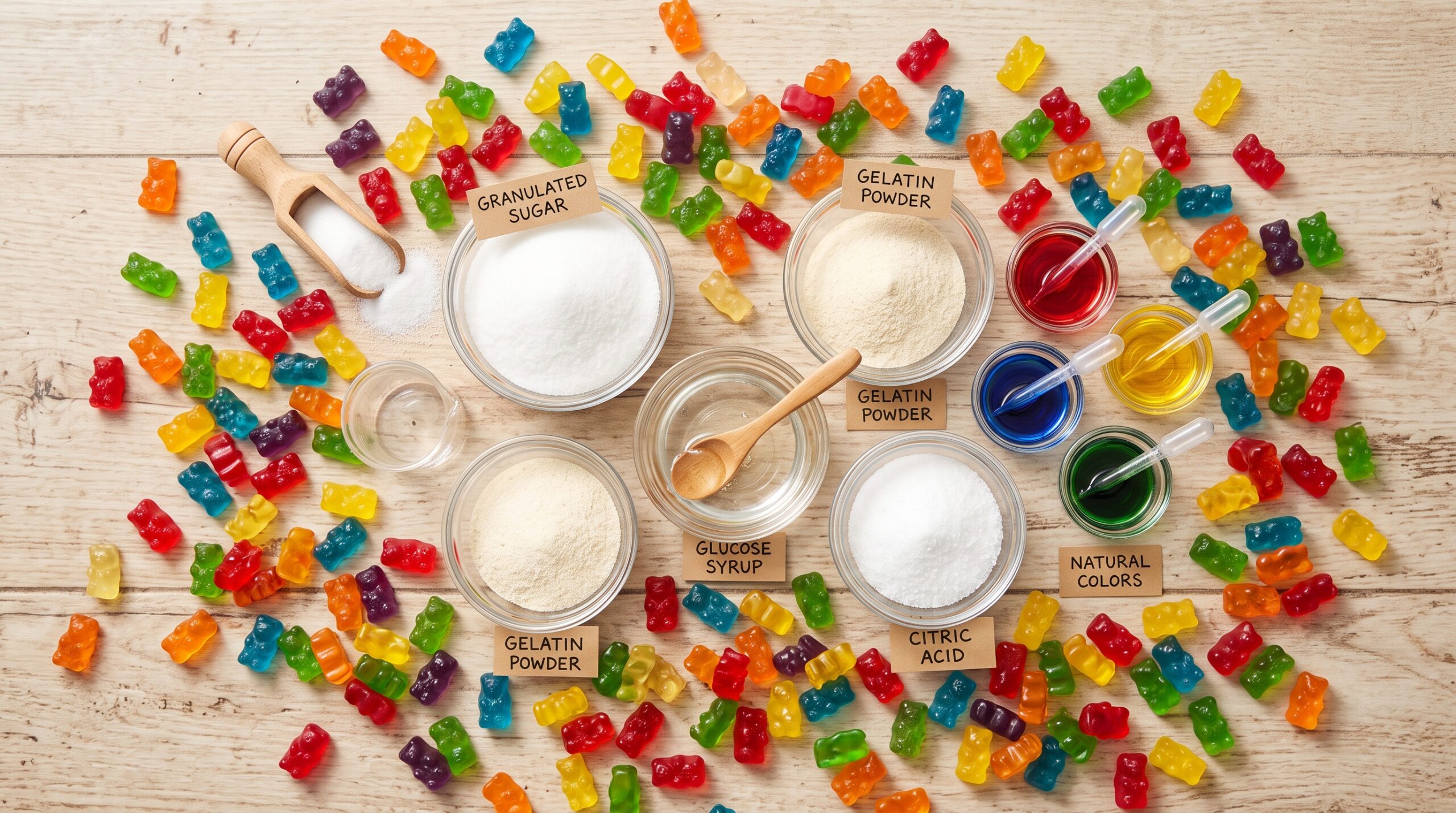
The separate SKITTLES Gummies product page is a good example of why product-family routing matters. It lists a different ingredient declaration that includes gelatin. That does not answer the gluten question by itself, but it proves that ??kittles??is not one universal recipe.
What the US gluten-free label means
In the United States, ??luten-free??is a voluntary food-label claim with a defined regulatory meaning. The FDA gluten and food labeling guidance says a food using the claim must contain less than 20 parts per million of gluten and must meet the ingredient and processing conditions in the rule.
Three distinctions are useful:
- No listed gluten ingredient: the visible formula does not name wheat, barley, rye, or a relevant derivative.
- Gluten-free label claim: the finished food and its controls meet the FDA definition for that claim.
- Third-party certification: an additional certification program may apply its own audit and testing requirements. It is not the same thing as the FDA definition.
These categories can overlap, but they are not interchangeable. A page that simply says ??he ingredients look safe??gives a weaker answer than a page that explains what was checked and what remains unknown.
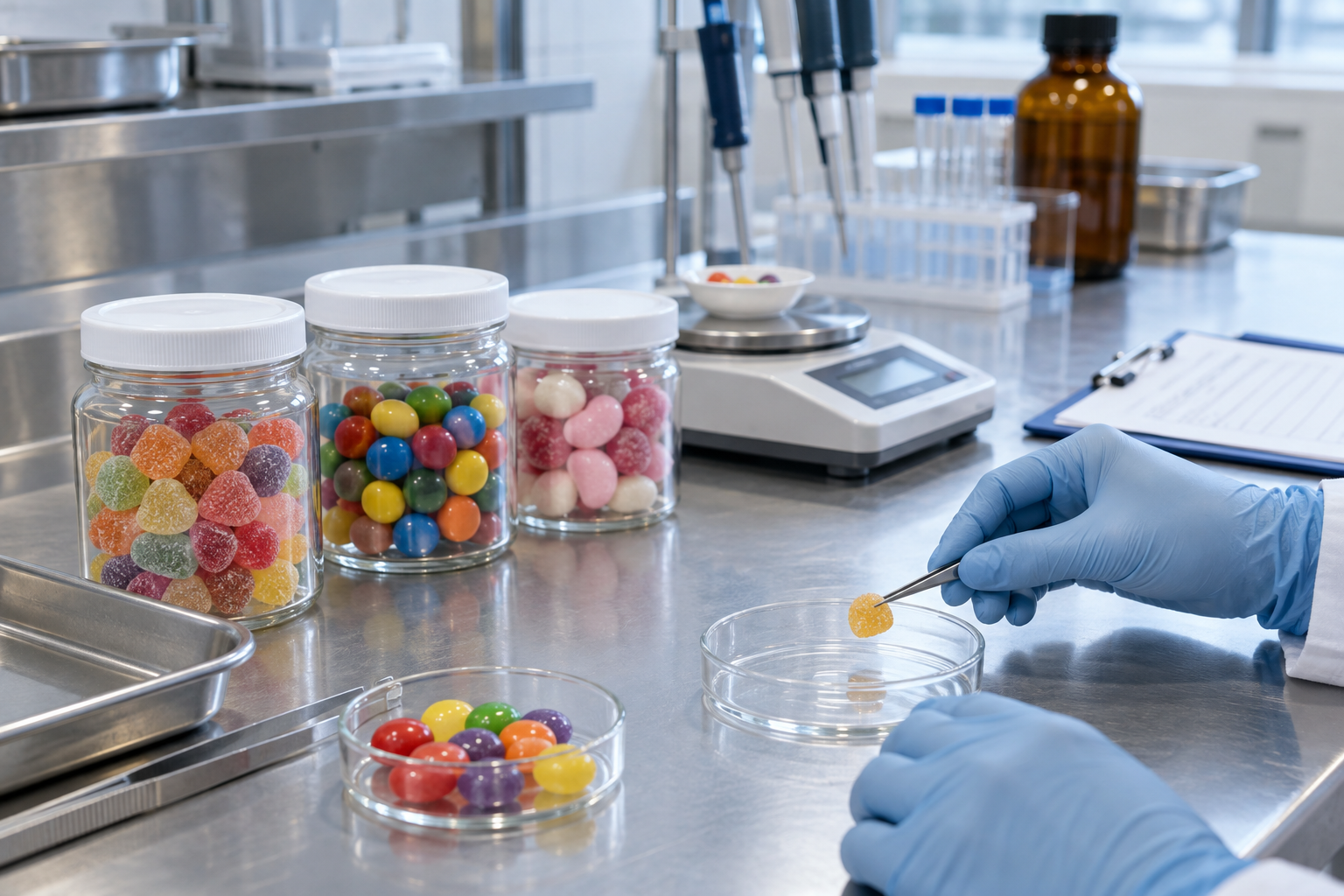
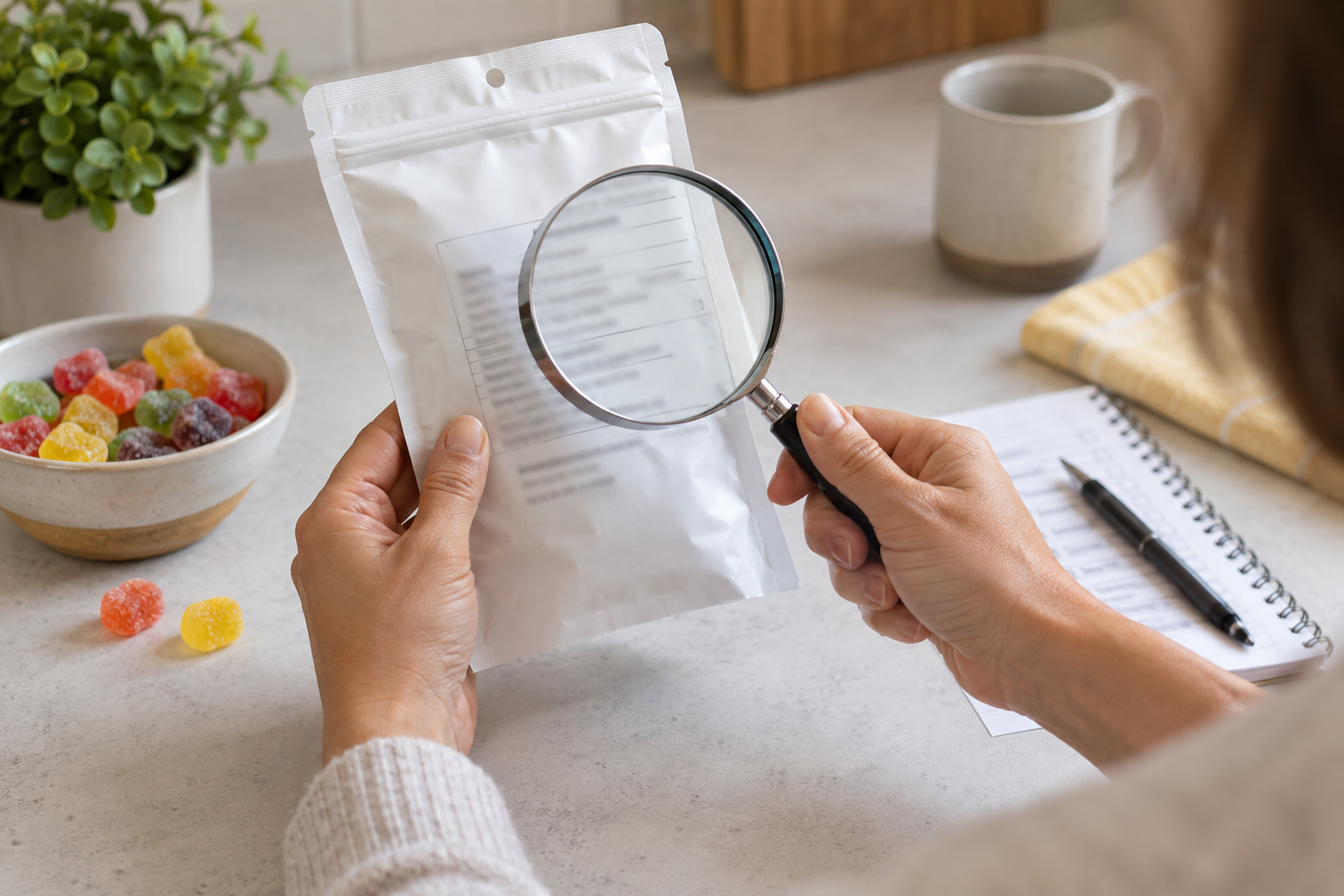
Use this 60-second package check
If the candy is for a person with celiac disease or a serious gluten sensitivity, use a repeatable check instead of relying on memory.
- Confirm the product name and market. Make sure you are looking at the US Original product, a Gummies product, an imported bag, or a limited edition.
- Read the entire ingredient list. Look for wheat, barley, rye, malt, brewer’s yeast, and any ingredient whose source is unclear.
- Read the allergen statement. In the US, wheat must be declared when it is a major allergen, but the absence of a wheat statement is not a substitute for reading the full list.
- Look for a current gluten-free claim. A voluntary claim has a defined FDA threshold. Lack of a claim does not automatically prove the product contains gluten, but it does mean you should not fill the gap with a guess.
- Check the package condition. Repacked candy, damaged bags, and unsealed bulk bins remove useful label context.
- Ask the manufacturer when the answer affects health. The brand’s FAQ directs consumers to the current package declaration and its contact route for product questions.
Ingredient-free is not the same as cross-contact-free
Cross-contact happens when a gluten-containing ingredient or product unintentionally reaches a food that did not include gluten in its recipe. This can occur through shared utensils, storage bins, conveyors, change parts, dust, rework, or an incomplete cleaning step. It is different from adding wheat, barley, or rye to the formula on purpose.
The Celiac Disease Foundation label-reading guidance recommends checking the ingredient list and understanding cross-contact rather than treating ??heat-free??as a complete answer. For a medical diet, the package and current manufacturer information should take priority over a generic internet article.
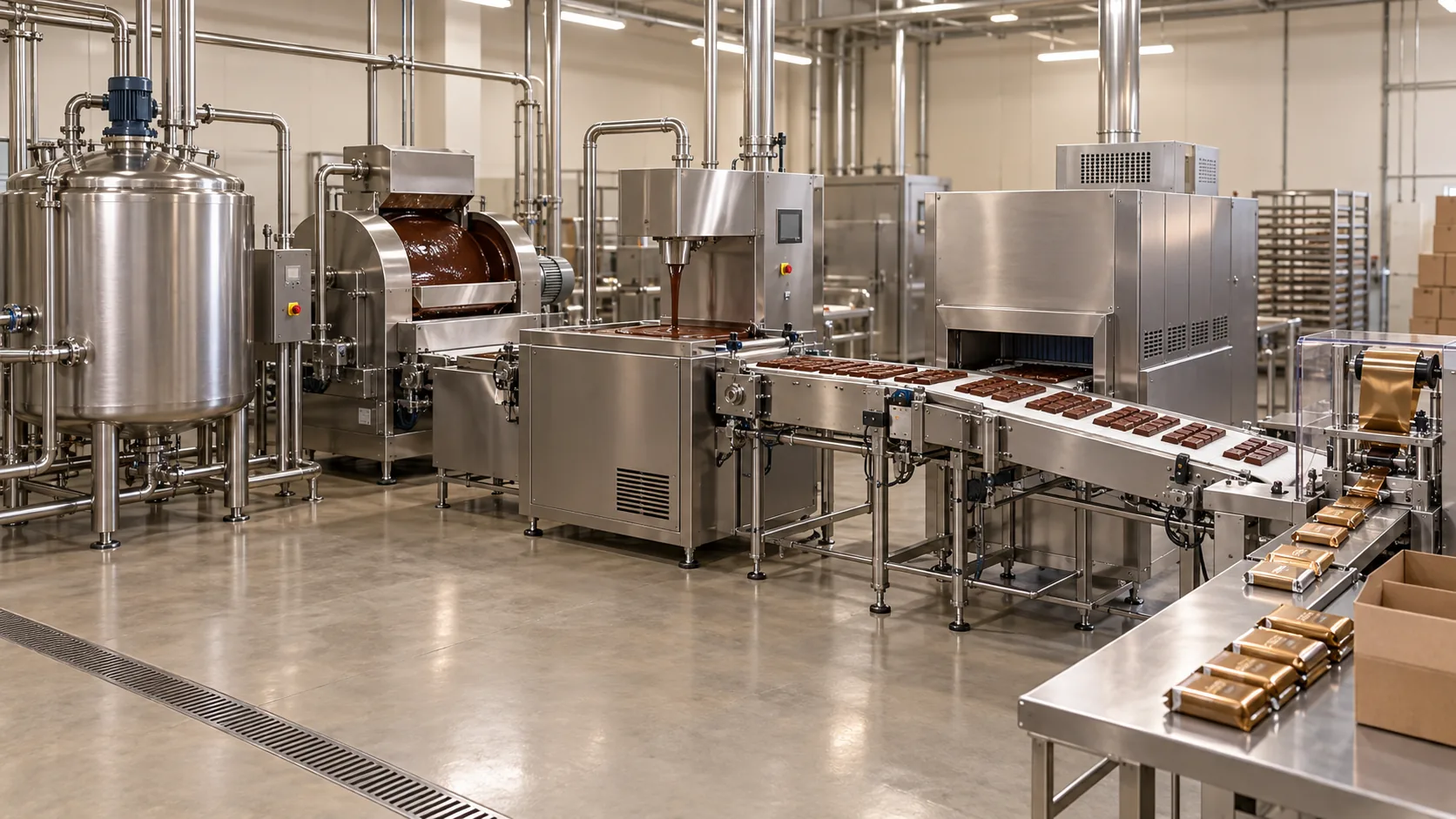
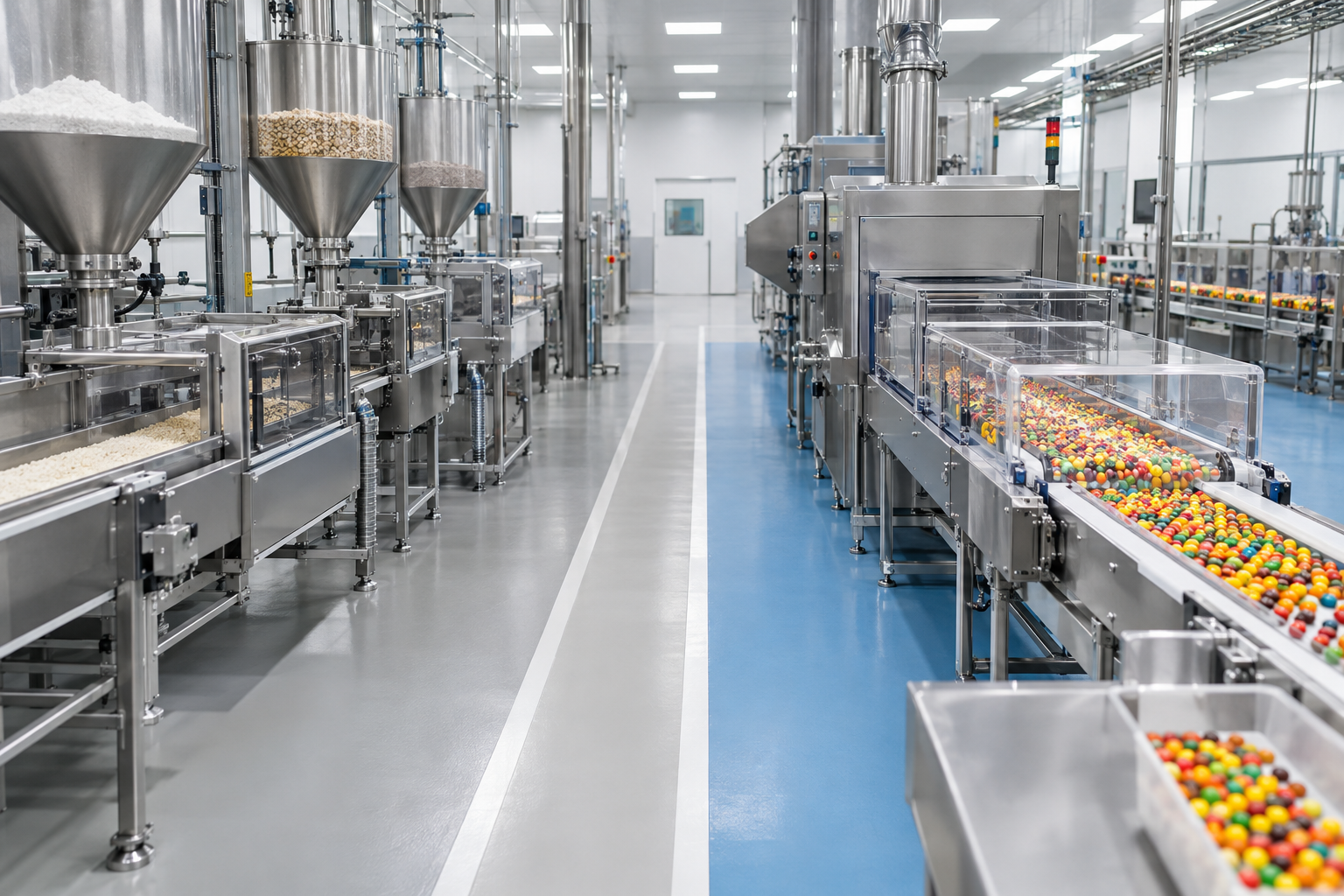
This is also why a factory that wants to launch a gluten-conscious candy needs more than a clean recipe. It needs a control plan that can be repeated across receiving, storage, batching, forming, coating, packaging, sanitation, and label release.
What a candy factory should verify before making a gluten-free claim
The question is not whether a line can make a candy with corn starch. The question is whether the factory can document the formula, control the process, and release the correct package every time.
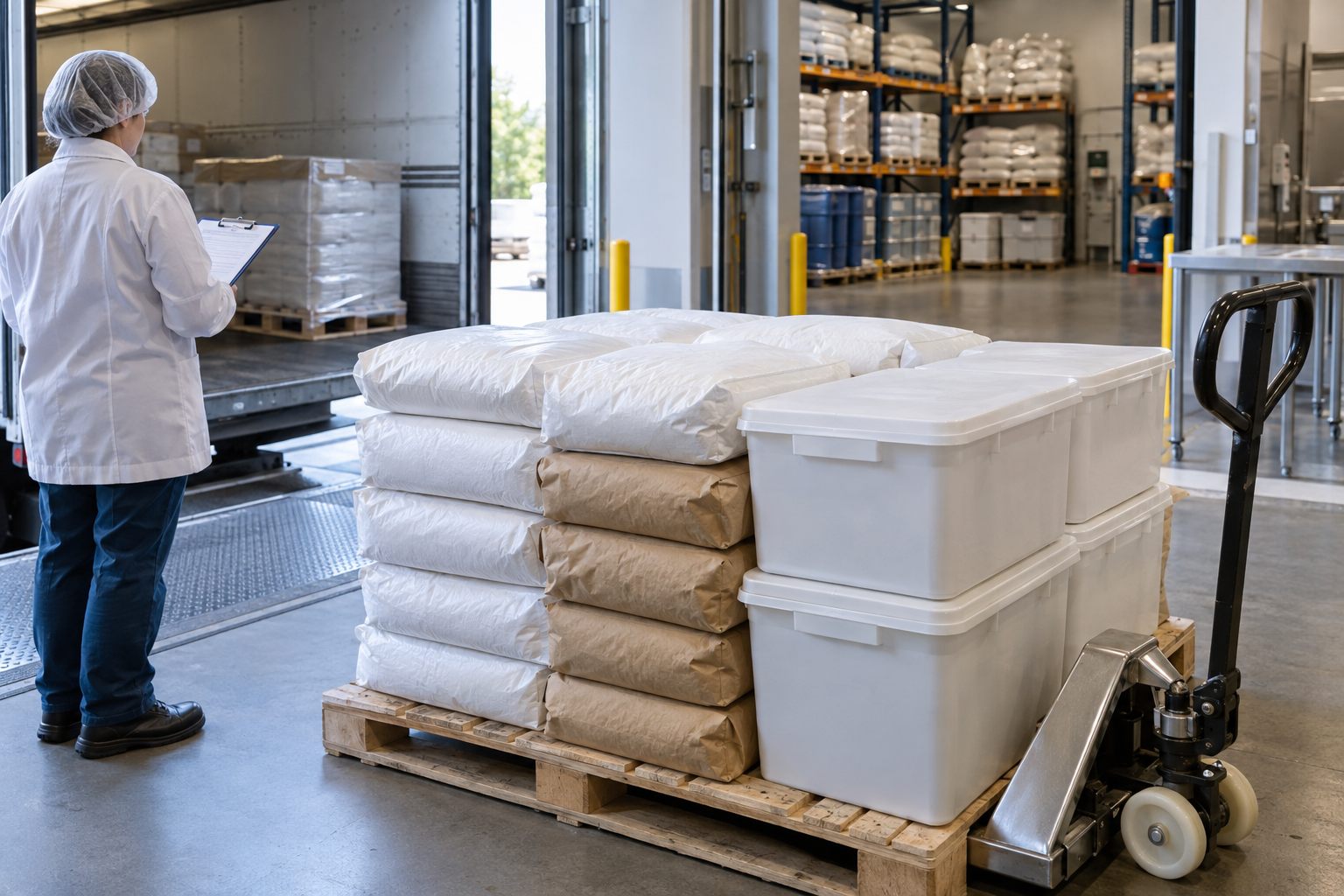
1. Raw-material identity and supplier records
Each ingredient needs a defined specification and a clear source. ??tarch??is not enough for a gluten-sensitive formula. The purchasing record should identify whether it is corn, tapioca, wheat, or another source, and the receiving team should match the delivered material to the approved specification.
2. Formula control and change management
Flavor systems, colors, dextrins, coatings, and release agents can change without altering the product name. A controlled formula records the exact ingredient and supplier version. Any substitution should trigger a label review and a risk review before production resumes.
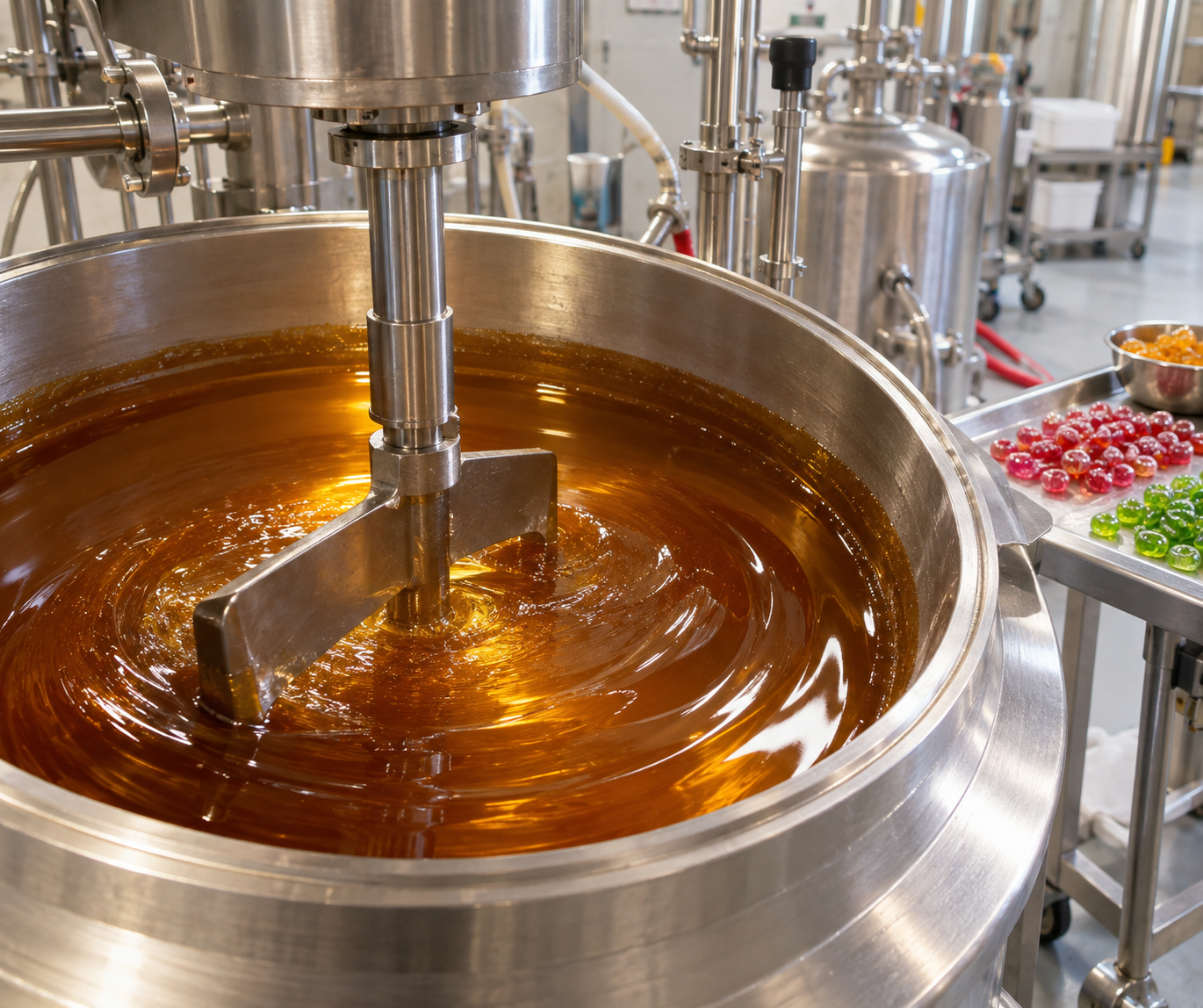
3. Cooking and mixing controls
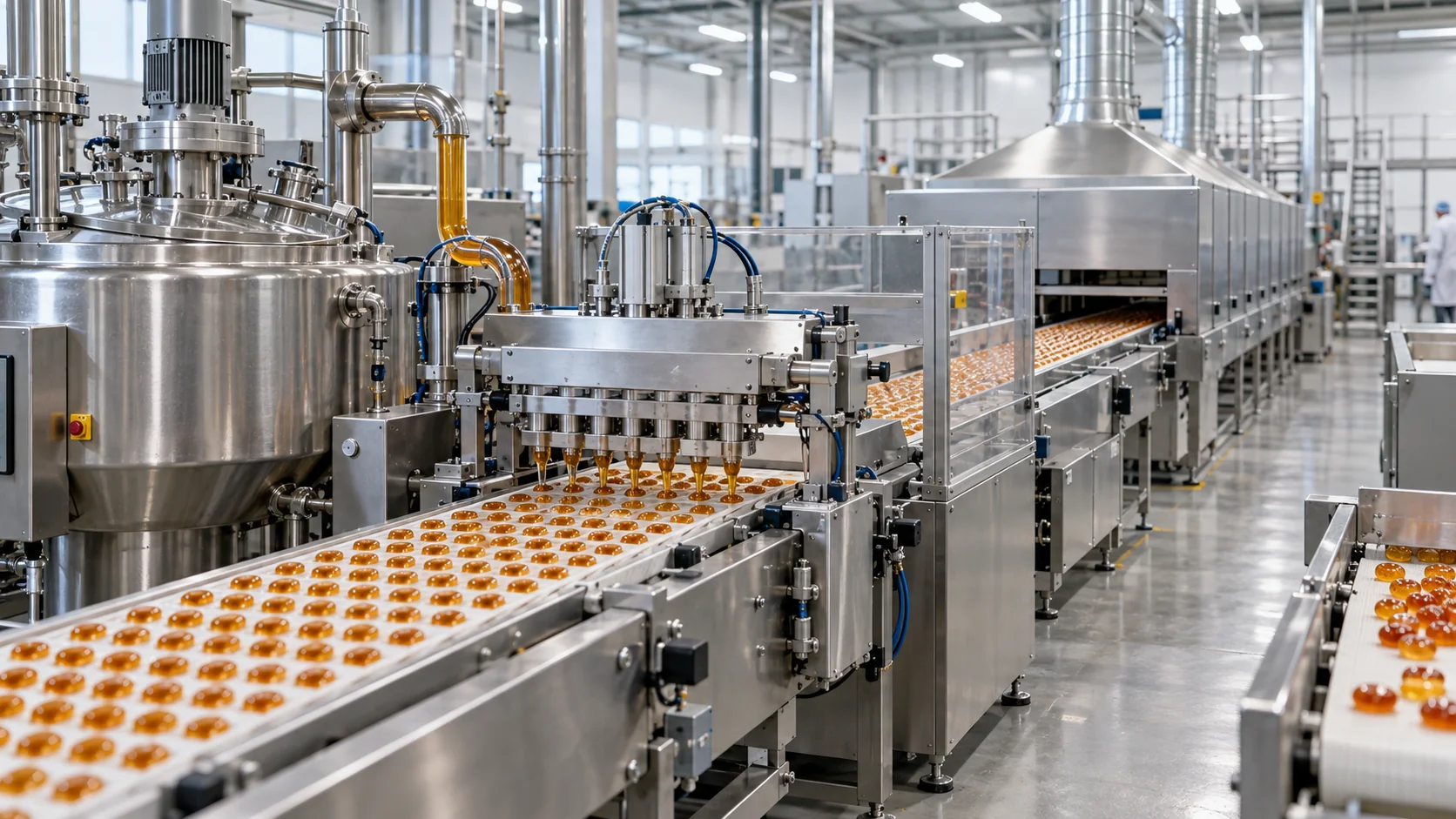
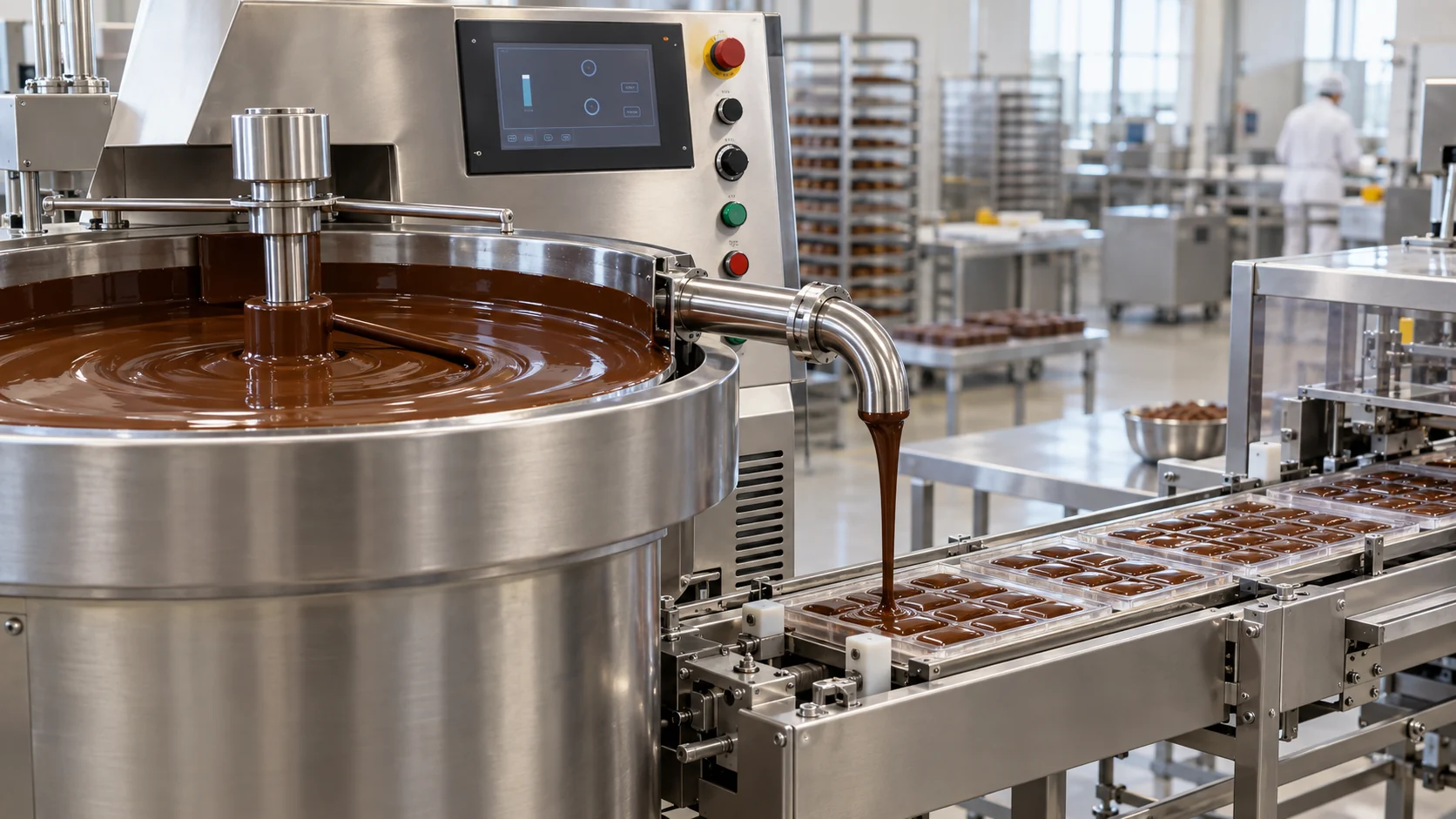
Gluten control does not replace normal confectionery control. The cooker and mixer still need stable heat transfer, dosing accuracy, and a repeatable endpoint. In a chewy coated candy, those controls affect moisture, texture, coating adhesion, and the amount of rework that returns to the line.
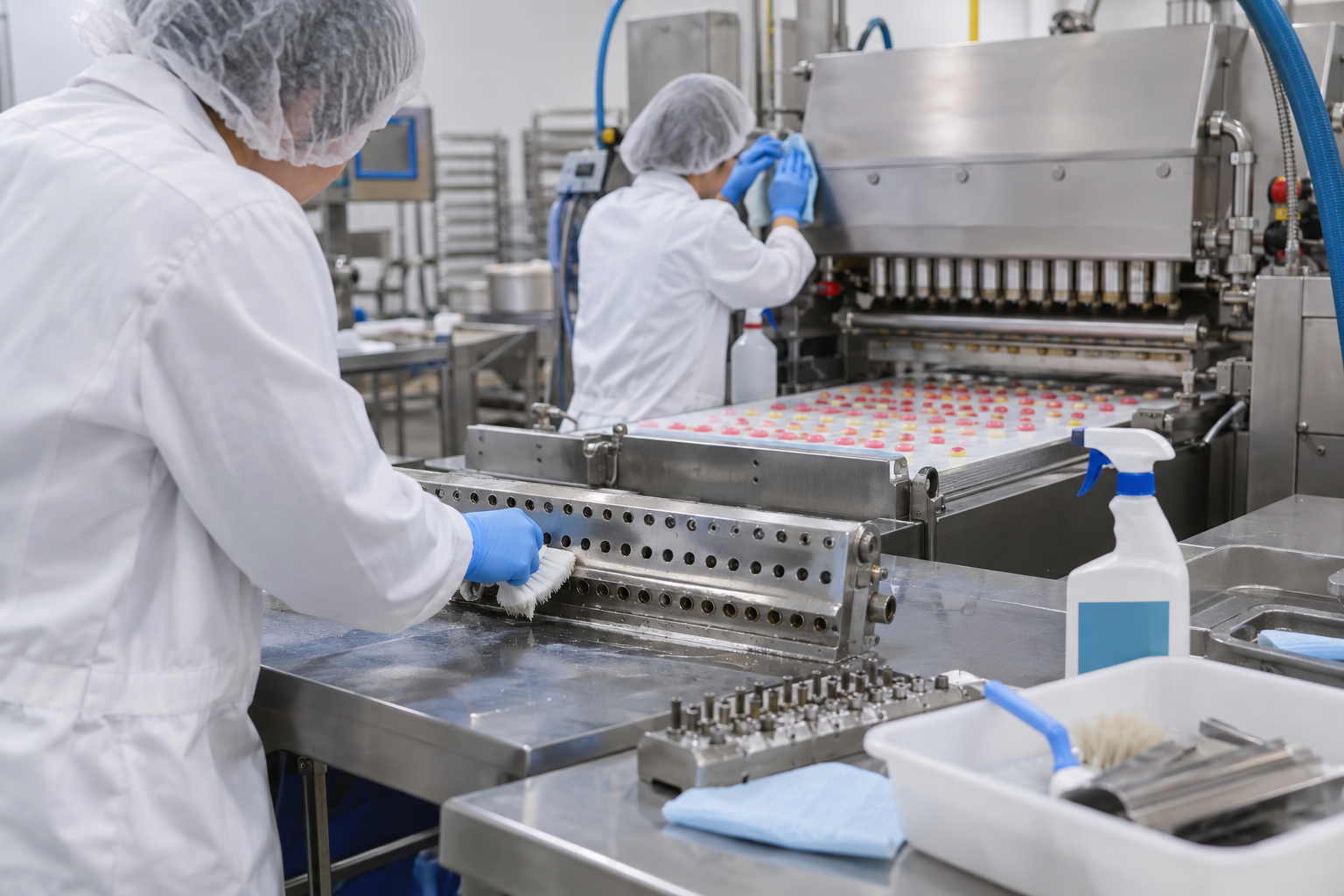
4. Cleaning, line clearance, and changeover
A line changeover should identify every surface that can carry residue: hoppers, transfer points, depositor heads, trays, coating pans, dust collection, tools, and packaging contact parts. The cleaning method should be written, verified, and easy for operators to follow. If the same equipment handles a gluten-containing product, the factory should define the order of production, cleaning evidence, and release criteria.
5. Forming, coating, and rework segregation
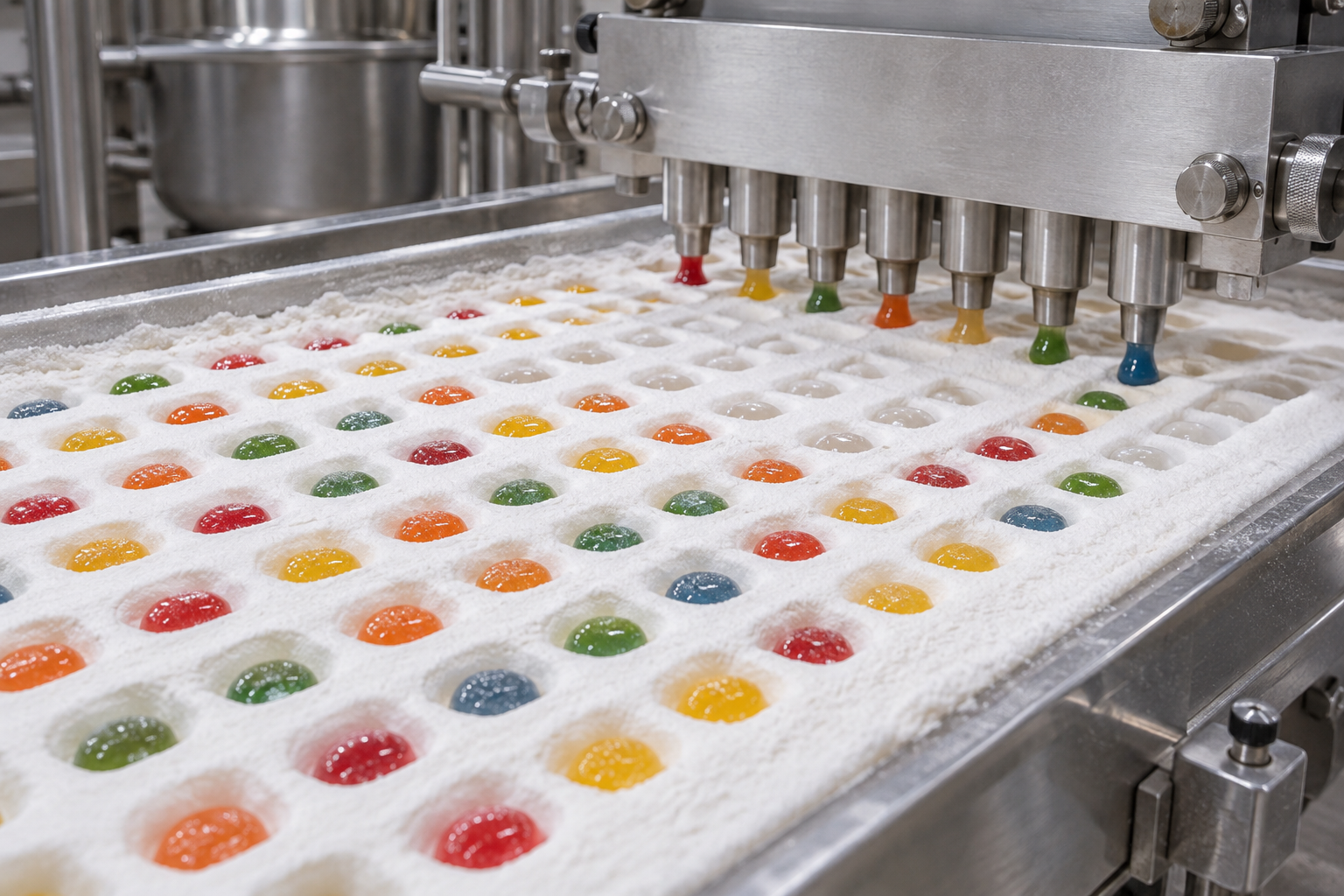
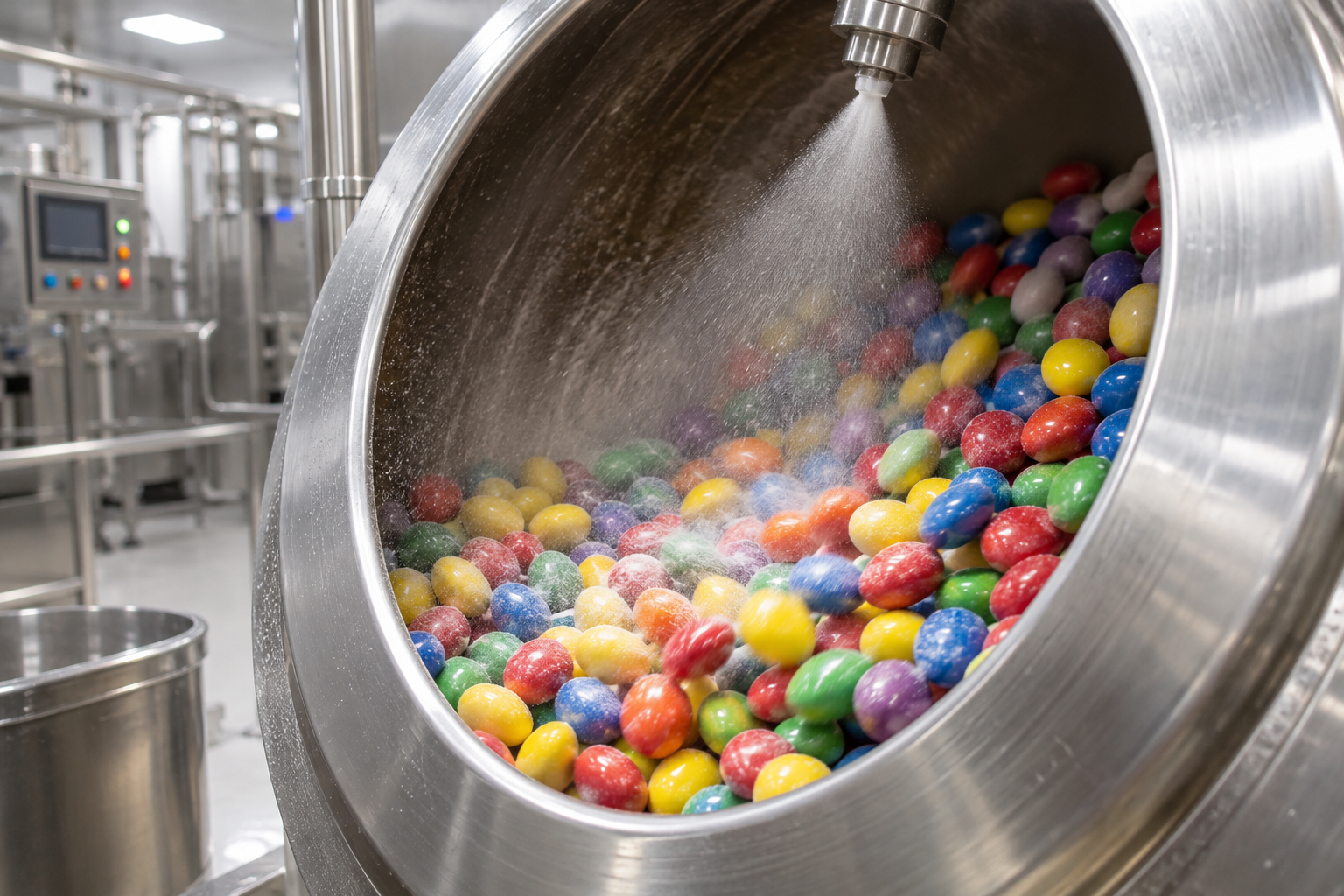
Forming and coating are not only visual steps. Starch trays, dust, coating syrup, wax, and rework can move between batches if the layout or sequence is unclear. A factory should define which rework is allowed, where it is stored, and how it is prevented from entering a different formula.
6. Packaging, label approval, and final release
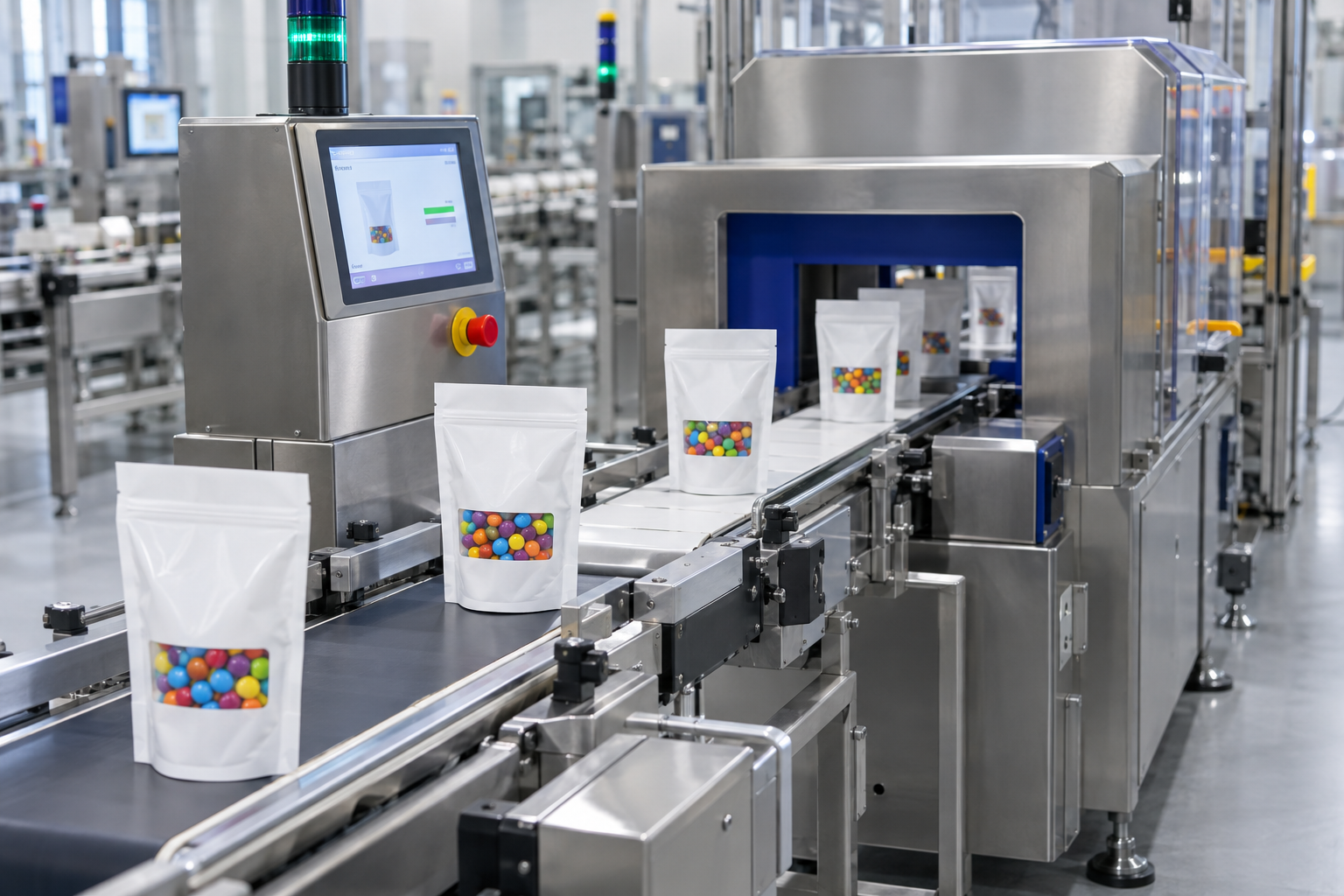
The right candy in the wrong pouch is still a release failure. Packaging controls should match the formula, flavor, allergen statement, market, and claim. Vision inspection, checkweighing, code printing, and documented label approval help prevent a correct batch from leaving the factory with an outdated declaration.
Where the factory-process question belongs
??ow are Skittles made???is a different search intent from ??re Skittles gluten free???The process question covers cooking, forming, pan coating, polishing, inspection, and packaging. It belongs on the site’s dedicated How Are Skittles Made? article rather than being copied into this label guide.
For a candy-equipment buyer, the connection is still useful. The equipment layout affects changeover, cleaning access, rework routing, product separation, and package control. A line should be specified from the formula and claim requirements outward, not chosen from a product name alone.
Questions readers ask
Are Skittles gluten free?
Current US Original Fruity Candy ingredient information does not list wheat, barley, rye, or malt. Verify the exact package because formulas, packaging, and product markets can change. If you have celiac disease, use the current label and manufacturer guidance for the product you plan to eat.
Do Skittles have wheat?
The current US Original product page does not list wheat in its ingredient declaration. That answer should not be extended automatically to Gummies, imported products, or limited editions. Check the current ingredient and allergen information for the exact item.
Are Skittles vegan and gluten free?
Gluten-free and vegan are separate questions. A product can avoid wheat, barley, and rye while still using an animal-derived ingredient or a process that a particular vegan standard does not accept. The current SKITTLES Gummies page lists gelatin, so Gummies should not be treated as vegan based on the Original formula.
Are SKITTLES Gummies gluten free?
Do not copy the Original Fruity Candy answer onto Gummies. Gummies have a separate product page and a different ingredient list. Read the package and follow the current product-specific information before making a dietary decision.
Are imported Skittles gluten free?
Not automatically. Ingredient names, formulations, colors, flavor systems, and labeling rules can vary by market. Check the country-specific package and contact the manufacturer if the ingredient source or claim is unclear.
What should a factory verify before using a gluten-free claim?
Verify the ingredient sources, supplier documentation, formula revision, production sequence, cleaning and changeover controls, rework rules, finished-product evidence, and the exact package label. The claim should be supported by the factory’s documented controls, not by a similar candy’s ingredient list.
For a gluten-conscious candy line, start with the specification
If you are developing a coated candy, gummy, or other confectionery product, send the formula, target piece size, coating system, throughput, packaging format, and dietary claim requirements before selecting equipment. JY Machine can use those inputs to discuss a relevant gummy and candy production line, packaging route, cleaning access, and changeover needs. Any certification or claim should still be confirmed against your own formula, facility, and market requirements.
For packaging-led projects, review the available packing machine options and include the label, code, checkweighing, and product-separation requirements in the inquiry. The more specific the brief, the less likely the final line is to hide a problem in an untested assumption.
Check the package, then check the process
The best answer to ??re Skittles gluten free???is careful rather than absolute. The current US Original ingredient list does not show a gluten grain, but product families and markets differ. A package-level check protects the consumer, while a documented ingredient, sanitation, changeover, and label-control system protects the manufacturer.
That same discipline applies to any confectionery product. Start with the exact formula and the exact claim. Then make the equipment, factory workflow, inspection plan, and packaging system support that decision from receiving to release.