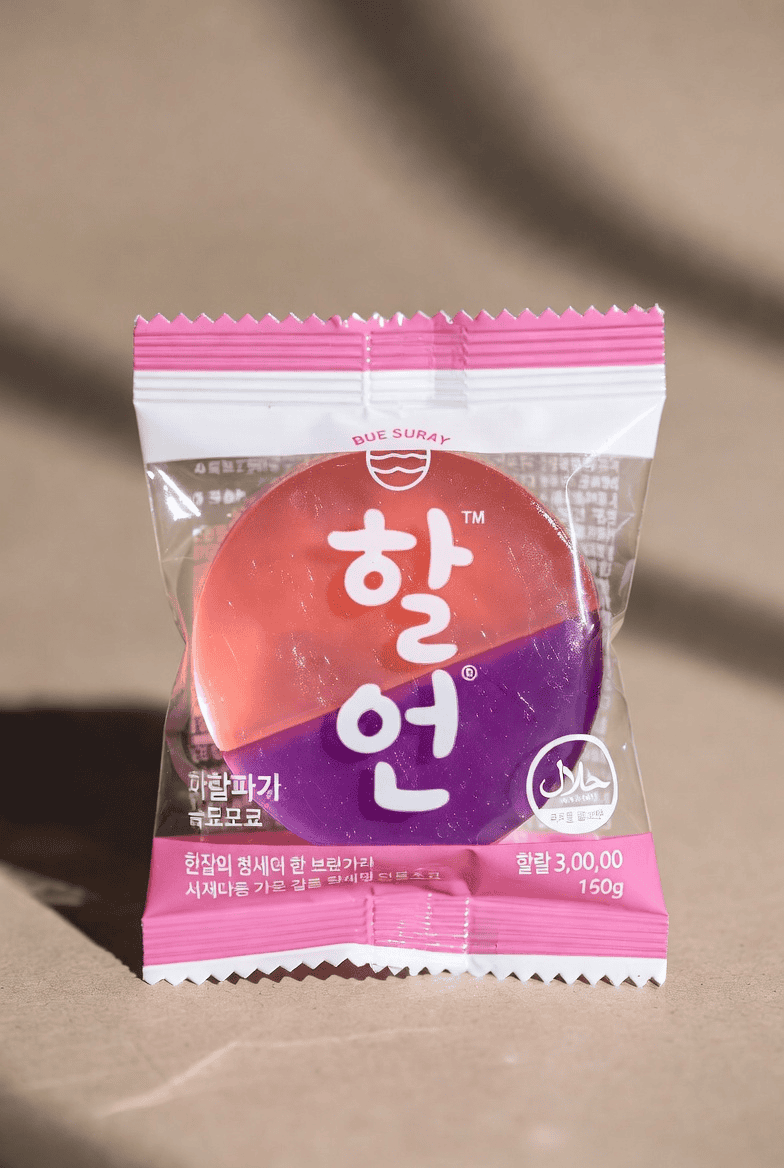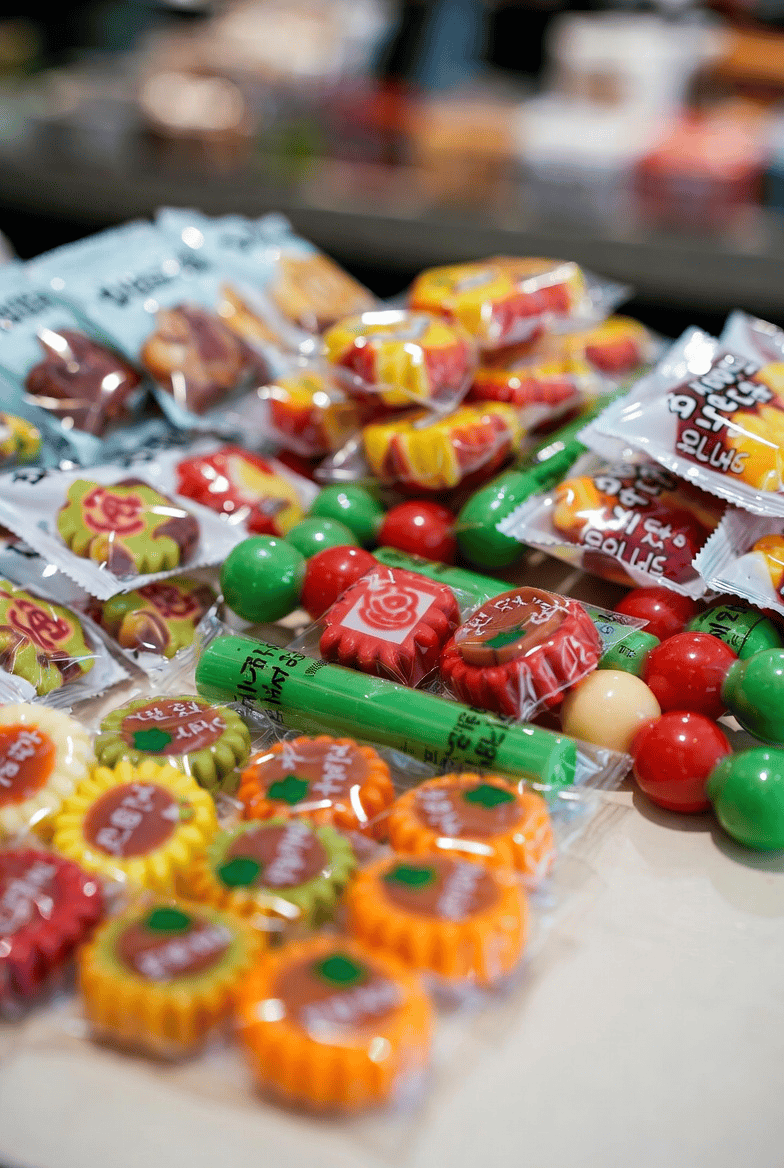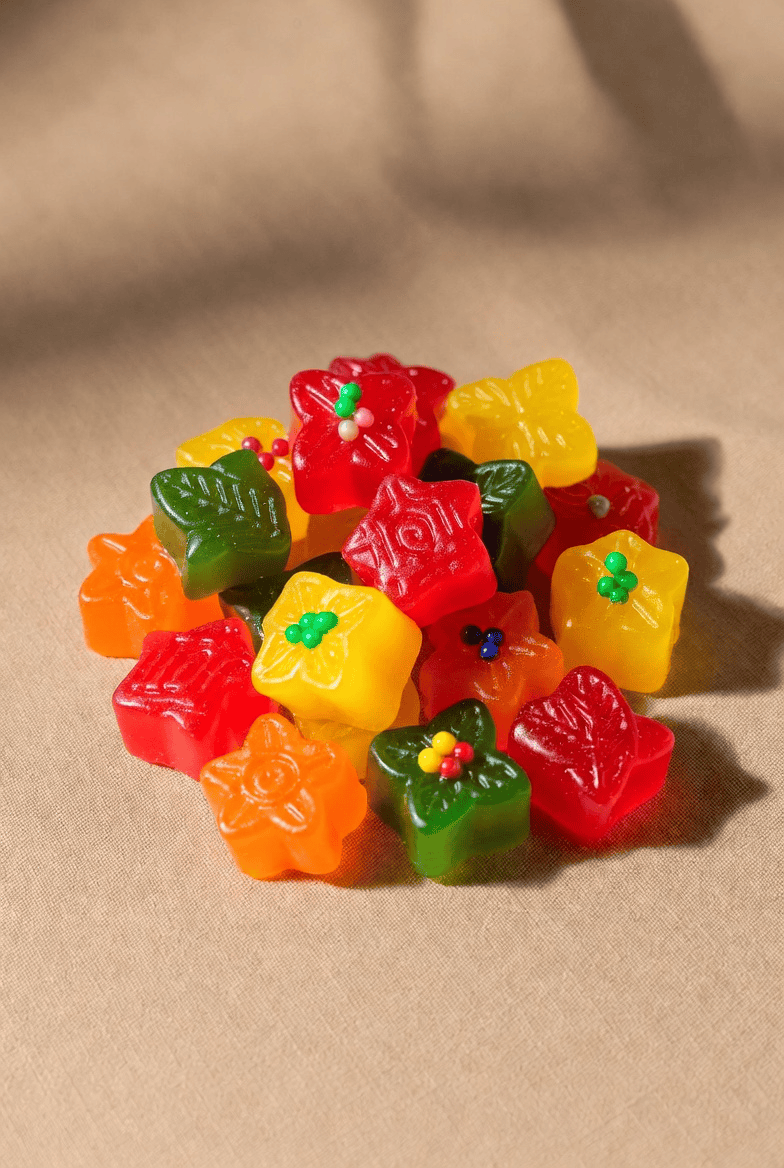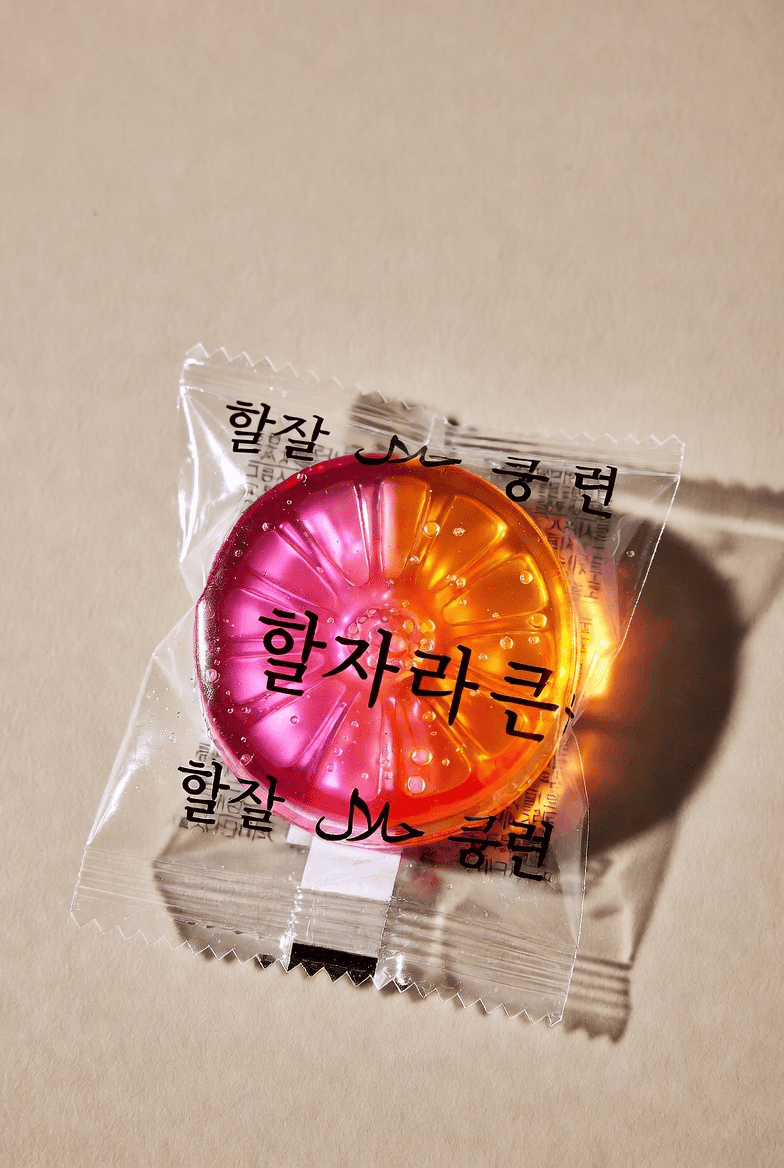
If you’re sourcing halal candy for the first time and think “no pork = halal,” stop right there. That’s the single most expensive mistake manufacturers and buyers make in this category. The real question isn’t just what the candy avoids — it’s whether every ingredient in the supply chain has been traced back to a certified halal source, and whether the production facility has a Zero Cross-Contamination Protocol in place. Get both right, and you have a product you can sell globally. Miss either one, and you’ll find yourself pulling a certified product off shelves in Malaysia or losing a major retail contract. We’ve seen it happen. Here’s how to do it correctly the first time.
What Halal Candy Actually Means (and Where Confusion Starts)
Halal, in Arabic, means “permissible.” For candy, this definition cascades down through every single touchpoint: raw material sourcing, processing aids, equipment cleaning agents, packaging adhesives, and finally, distribution.[storethecandy]
The confusion almost always starts at one place: ゼラチン. Most consumers assume that if a product doesn’t say “pork” on the label, the gelatin inside is fine. It isn’t. As Halal Foundation explains, gelatin from cattle can only be considered halal if the animals were slaughtered strictly according to Islamic law — and without verifiable documentation from the supplier, that claim is impossible to confirm.[halalfoundation]
Common ingredients people assume are halal but are often not:
-
ゼラチン — may be derived from pork, non-zabiha beef, or undisclosed mixed sources
-
Carmine / Cochineal (E120) — a red dye made from crushed insects, widely used in red and pink candy
-
Natural flavors — can include alcohol-based carrier solvents
-
Glycerin / Glycerol (E422) — can be animal-derived, used as a humectant in soft gummies and chews
-
Shellac (E904) — a glaze derived from the lac insect, used to coat hard candies and confectionsretailjourney+1
The safest posture for any manufacturer is to treat all ambiguous ingredients as “mashbooh” (doubtful) until the supplier provides traceable halal certification documentation for that specific ingredient lot.
The Anatomy of Halal Candy Ingredients
Understanding what goes into halal candy at a formulation level is genuinely important — not just for compliance, but for making better products. The gelling agent you choose, for example, doesn’t just affect your halal status; it also determines your texture, your melting point, and your shelf life. These decisions are inseparable.
Table 1: Halal Candy Ingredient Risk Matrix
| 成分カテゴリー | Common Source | Halal Risk Level | Compliant Alternative |
|---|---|---|---|
| Gelatin (gelling agent) | Porcine or bovine collagen | ⚠️ HIGH — requires verified zabiha sourcing or full replacement | Pectin (citrus/apple), Agar-agar, Carrageenan |
| Colorants | Cochineal (E120), synthetic azo dyes | ⚠️ MEDIUM — cochineal is insect-derived and widely considered haram | Plant-based colors (beet, turmeric, spirulina) |
| Natural flavors | Alcohol-based carrier solvents (ethanol) | ⚠️ MEDIUM — depends on concentration and carrier agent | Water or vegetable oil-based flavor carriers |
| Glycerin / E422 | Animal fat hydrolysis or petrochemical | ⚠️ LOW-MEDIUM — animal-sourced versions require halal slaughter certification | Plant-derived (palm, coconut, canola) glycerol |
| Sweeteners (sugar, glucose syrup) | Sugar beet, corn, tapioca | ✅ LOW — generally halal unless processed with bone char | Certified kosher/halal sugar from traceable source |
| Confectionery glaze (E904 / Shellac) | Lac insect secretion | ⚠️ HIGH — considered haram by most Islamic scholars | Carnauba wax (E903), beeswax (check scholar guidance) |
According to a peer-reviewed study published in the International Journal of Halal Research, up to 25% of ingredients in small-scale bakery operations failed to meet halal control point standards — and confectionery faces identical supply chain risks. That number is almost certainly higher in facilities that have never undergone a formal halal audit.[pmc.ncbi.nlm.nih]
A critical additional note for gummy-format halal candy: gummies without any gelatin at all, relying on agar-agar or pectin, are inherently easier to certify because the plant-derived gelling agent sidesteps the most complex documentation requirement entirely. Recent innovation in functional gummy candy formulations confirms this direction is commercially viable at industrial scale without compromising texture.[pmc.ncbi.nlm.nih]
Halal Certification Bodies: Which One Actually Matters for Your Market
This is where most manufacturing guides fail you. They say “get halal certified” without acknowledging that a certification from one body can be meaningless in a target market that only recognizes a different authority. Spending 6 months obtaining the wrong certification is a genuine operational risk.
Here is how the four major bodies actually compare:
Table 2: Major Halal Certification Bodies — Market Weight Comparison
| Certification Body | 氏名 | Primary Recognition Markets | Typical Audit Timeline | Batch Certification Available? |
|---|---|---|---|---|
| JAKIM | Dept. of Islamic Development Malaysia | Malaysia, Brunei, Singapore (high trust) | 3–6 months | No — facility-level only |
| MUI | Majelis Ulama Indonesia | Indonesia (the world’s largest Muslim market) | 4–8 months | No — product registration required |
| IFANCA | Islamic Food and Nutrition Council of America | USA, Canada, GCC, parts of Europe | 2–4 months | Yes — batch-specific available |
| AHF | American Halal Foundation | USA, with growing GCC recognition | 6–12 weeks | Yes — batch certification process [halalfoundation] |
The practical advice: if you are exporting to Southeast Asia, do not skip MUI and JAKIM. They are non-negotiable for retail shelf entry in Indonesia and Malaysia. If your priority is North America or Europe, IFANCA or AHF will move faster and their batch certification process offers traceability that premium retailers increasingly demand.ingreland+1
One underrated point: the Halal Foundation emphasizes that halal certification is not a one-time audit — it requires ongoing ingredient monitoring, especially when suppliers change formulations or switch sub-ingredient vendors. Many manufacturers are blindsided by this during renewal.[halalfoundation]
Step-by-Step: How to Audit Your Production Line for Halal Compliance
Here’s the uncomfortable reality: We once reviewed a facility that had held halal certification for three years. During a standard audit prep, we discovered that a shared polishing drum — used for both conventional toffees and their halal-certified gummies — was being cleaned with a caustic agent that contained an undisclosed ethanol-based rinse aid. The entire halal line failed re-certification. Three months of production was at risk. This is not a hypothetical scenario.
The root of the problem is that most production teams understand what goes into the candy, but not what the candy touches during production. Here is the full Halal Control Point (HCP) audit path:
Stage 1: Raw Material Receiving
-
Require supplier-level halal certificates (not just ingredient spec sheets) for every lot of gelatin, flavors, colors, and glycerol. Photocopies of generic halal certificates are insufficient — request the certificate number and verify its validity directly with the issuing body.
-
Cross-reference against an approved ingredient list maintained by your certification body.
Stage 2: Storage and Segregation
-
Halal-designated raw materials must be physically segregated from any non-halal or “doubtful” items. Shared storage racks are a common audit failure point.
-
All storage containers touching halal ingredients must be dedicated-use only, or cleaned according to the Islamic purification protocol (Sertu or equivalent) when transitioning from non-halal use.
Stage 3: Production Equipment and Processing
-
Identify every piece of equipment that contacts the product: mixing tanks, depositors, cooling belts, polishing drums, coating pans.
-
If any equipment is shared between halal and non-halal production runs, a full washdown protocol — approved by your certification body — must be documented and timestamped for every changeover.[journal.uinsgd.ac]
-
Common failure point: flavor dosing pumps. If a pump was previously used with an alcohol-based flavor carrier and is then used in a halal run without documented cleaning, the batch is compromised.
Stage 4: Packaging and Outbound Logistics
-
Packaging adhesives and inks can contain animal-derived components. Verify with your packaging supplier.
-
During transit, halal candy must not share containers with non-halal meat products or alcohol-containing goods.
Common Misconception: Many manufacturers believe that switching to plant-based gelatin automatically grants halal status without any other changes. In reality, if the manufacturing facility still processes pork-derived gelatin products on the same line — even in a separate shift — the halal designation of the plant-based product remains compromised until a full physical separation or dedicated-line protocol is documented and audited.[journal.uinsgd.ac]
Industry Applications: Who’s Buying Halal Candy and Why It’s Expanding Beyond Muslim Markets
The global halal food market was valued at approximately USD 3.30 trillion in 2025 and is projected to reach USD 9.45 trillion by 2034, growing at a CAGR of 12.42%. The halal candy segment is no exception. In North America alone, the halal food market is expected to reach USD 226 billion by 2033, up from USD 100 billion in 2024.halalworldinstitute+1
But here is the insight most category analyses miss: halal candy buyers are no longer exclusively Muslim consumers. Three distinct non-Muslim customer segments are actively selecting halal-certified confections:
-
Jewish kosher consumers — who apply comparable ingredient and processing scrutiny
-
Vegan and plant-based consumers — who recognize that gelatin-free halal gummies are inherently animal-product-free
-
Clean-label shoppers — who associate the halal certification symbol with greater transparency and supply chain traceability
This demand convergence is commercially significant. A halal-certified, pectin-based gummy that is also vegan and clean-label can capture market share across all three groups simultaneously — without changing a single ingredient.pmc.ncbi.nlm.nih+1
Asia Pacific accounts for approximately 45% of the global halal food market, and China has emerged as a major manufacturing hub, with Guangdong and Hebei provinces hosting large clusters of HALAL-certified confectionery suppliers. For Western brands seeking contract manufacturing, this supply chain is mature, cost-competitive, and increasingly capable of meeting multi-body certification requirements simultaneously.[accio]
Future Trends in Halal Candy Manufacturing
The halal candy market isn’t just growing — it’s structurally shifting. Four trends are reshaping what gets made, how it’s certified, and what consumers expect on the label.
Table 3: Future Trends in Halal Candy — Manufacturer Impact
| トレンド | What’s Driving It | Impact on Manufacturers | 推奨される措置 |
|---|---|---|---|
| Plant-based gelling agents replacing gelatin | Consumer demand for vegan + halal crossover; simpler certification path | Reformulation investment required; improved texture tech now available | Switch to pectin or agar in new product lines immediately; don’t wait for regulation |
| Digital halal traceability systems | Retailers and importers demanding blockchain-level ingredient tracking | Traditional paper certificates increasingly insufficient | Adopt ingredient management software compatible with JAKIM/MUI digital portals |
| Multi-body certification as standard | Global distribution requiring recognition in SE Asia, GCC, and North America simultaneously | Single-certification strategy limits market access | Budget for JAKIM + IFANCA dual certification from product launch |
| Functional halal candy (vitamin gummies, fiber chews) | Health-conscious Muslim consumers; nutraceutical market growth | Opens premium pricing tier; higher regulatory complexity | Partner with AHF-certified nutraceutical advisors early in R&D [halalfoundation] |
The halal candy category is no longer a niche. It has become a baseline compliance requirement for any confectionery brand with serious global distribution ambitions — and the manufacturers who treat it as a strategic asset, rather than a compliance checkbox, will consistently outperform those who don’t.
-
Is Gelatin Halal? What Consumers and Manufacturers Must Know — Halal Foundation
https://halalfoundation.org/is-gelatin-halal/ -
What Is Halal Candy? A Complete Guide to Ingredients, Certification, and Where to Buy — Store the Candy
https://storethecandy.com/what-is-halal-candy-a-complete-guide-to-ingredients-certification-and-where-to-buy/ -
Current Innovations in the Development of Functional Gummy Candies — PubMed Central (NIH)
https://pmc.ncbi.nlm.nih.gov/articles/PMC10778822/ -
Halal Food Market Size, Share and Trends 2025 to 2034 — Halal World Institute
https://halalworldinstitute.org/en/news/institute-news/item/162-halal-food-market-size,-share-and-trends-2025-to-2034.html -
Halal Certification Requirements for Nutraceuticals — American Halal Foundation
https://halalfoundation.org/halal-certification-requirements-for-nutraceuticals/