Fruit tea boba is a refreshing drink combining brewed fruit-infused tea with tapioca pearls or popping boba — customizable, vibrant, and endlessly versatile.
Walk into any bubble tea shop on a hot afternoon and someone near you is almost certainly holding a fruit tea boba. Not a milk tea. Not a taro smoothie. A tall cup of clear, fruit-bright tea with pearls bouncing at the bottom. There’s a reason it outsells classic milk tea in markets from Taiwan to Tokyo to Toronto: the flavor is clean, the texture is satisfying, and you can build it a hundred different ways.
This guide covers everything about fruit tea boba — what it actually is, the best flavor combinations, how it’s made at home and at commercial scale, the calorie picture, and where the market is heading in 2026 and beyond.
What Is Fruit Tea Boba?
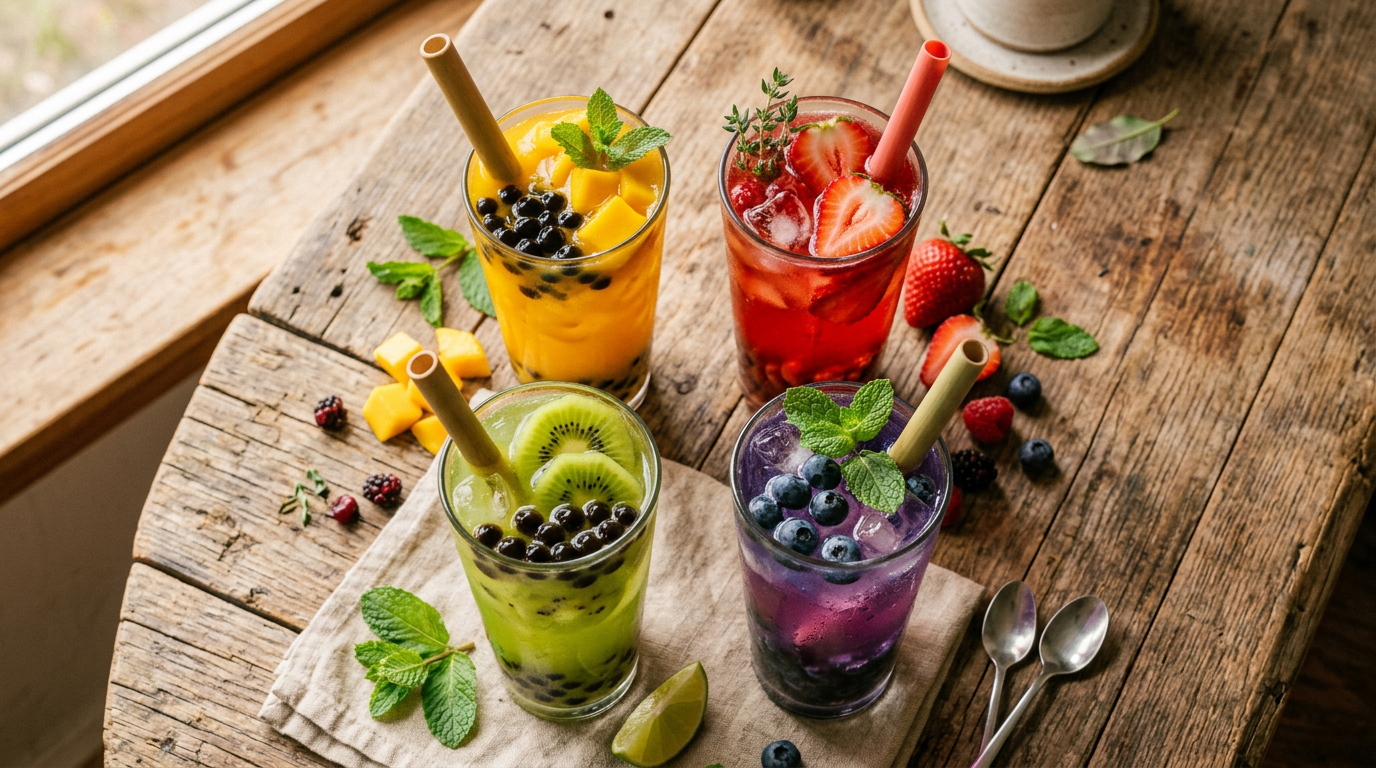
Fruit tea boba is a bubble tea drink built on a brewed tea base that has been flavored with real fruit, fruit syrups, or fruit purees, then combined with boba pearls — tapioca or popping — for texture.
That’s the core definition. But the category is wide. A fruit tea boba can be a simple lemon green tea with classic tapioca pearls. It can also be a layered blend of passion fruit syrup, hibiscus tea, and strawberry popping boba. The common thread is that dairy is absent — or at least not the star — and the flavor profile centers on fruit rather than creamy milk or tea tannins.
Origins of Fruit Tea Boba
Bubble tea itself traces back to Taiwan in the early 1980s. The original format was iced milk tea with tapioca pearls. According to Wikipedia’s history of bubble tea, the drink gained popularity quickly across East Asia before spreading globally through the 1990s and 2000s.
Fruit tea boba developed as a lighter, dairy-free alternative — particularly appealing in tropical markets where the idea of adding milk to already cold tea felt counterintuitive. By the mid-2010s, fruit tea formats had overtaken milk tea in several Southeast Asian markets. Today, the two categories coexist, each with dedicated fans.
The term “fruit tea boba” specifically distinguishes a brewed-tea base (not a blended smoothie base) combined with fruit flavoring and boba pearls. That distinction matters because blended fruit drinks with boba are a separate category — they’re thicker, often creamier, and drink differently.
Fruit Tea Boba vs. Classic Milk Tea Boba
Understanding the difference matters for both home recipes and commercial production decisions.
| Feature | Fruit Tea Boba | Milk Tea Boba |
|---|---|---|
| Base liquid | Brewed tea (green, black, oolong, white, herbal) | Brewed black tea + dairy or dairy alternative |
| Sweeteners | Fruit syrup, honey, cane sugar | Condensed milk, sugar, flavored syrups |
| Flavor profile | Bright, citrusy, floral, tart | Creamy, rich, malty |
| Calorie range per 16 oz | 150–350 kcal | 250–450 kcal |
| Common pearls | Popping boba, crystal boba, tapioca | Tapioca, pudding, jelly |
| Dairy-free? | Yes (by default) | No (unless dairy-free milk used) |
| Shelf life (commercial) | Shorter — oxidizes quickly | Longer — fat content acts as stabilizer |
The shelf life difference matters significantly at commercial scale. Fruit tea drinks are best consumed fresh. For shops running high-volume production, that means tight production cycles and consistent ingredient sourcing — something equipment-focused operations think about carefully.
Types of Fruit Tea Boba Flavors
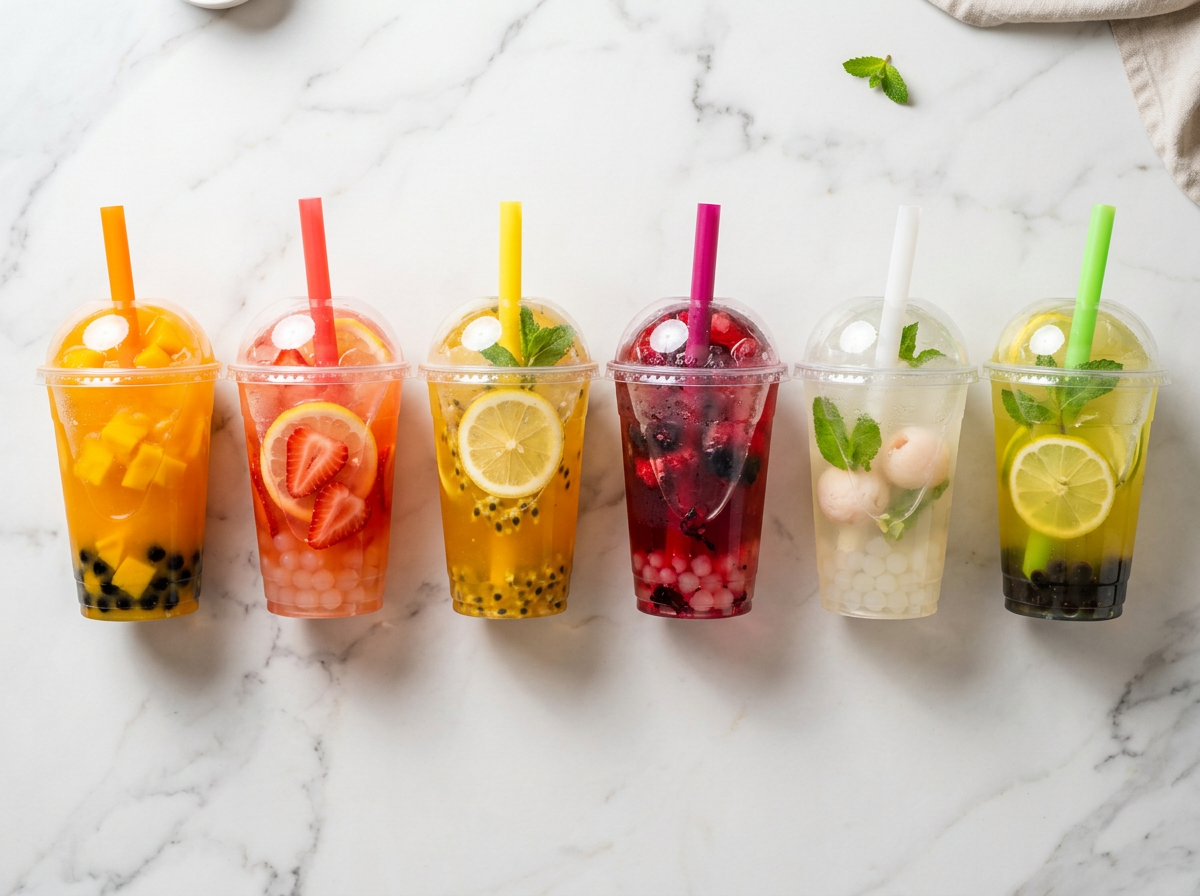
Fruit tea boba comes in dozens of flavor profiles, broadly grouped into citrus, tropical, berry, stone fruit, and herbal-fruit hybrids.
The variety is one of the category’s greatest strengths — and one of its commercial advantages over milk tea. You can add seasonal specials without rebuilding your workflow. A summer strawberry passion fruit boba can run alongside a winter pomegranate oolong without changing your equipment setup.
Classic Fruit Tea Boba Flavors That Never Go Out of Style
Some flavors consistently top sales charts at boba shops worldwide:
Passion Fruit Green Tea — possibly the most universally popular fruit tea boba. Passion fruit syrup’s tartness pairs perfectly with the grassy, slightly astringent quality of green tea. The balance means neither flavor dominates. Add popping boba (not tapioca) for the best texture contrast.
Lemon Black Tea — clean, classic, refreshing. The tannins in black tea handle lemon’s acidity better than green tea. This is the simplest fruit tea boba recipe to execute well. Most of the variation comes from lemon freshness — bottled lemon juice produces a flat, slightly chemical note compared to fresh-squeezed.
Strawberry Jasmine Tea — a more delicate combination. Jasmine tea’s floral notes amplify strawberry without competing. This flavor works especially well with crystal boba (the clear, chewy spheres made from agar or konjac) rather than opaque tapioca.
Mango Green Tea — tropical and sweet, the most accessible entry point for people new to fruit tea boba. Mango syrup (or real mango puree, which is better) rounds out the slightly bitter edge in green tea.
Peach Oolong — beloved in East Asian markets and growing in North American specialty shops. Oolong’s complexity — somewhere between green tea’s freshness and black tea’s depth — makes it a more interesting base than either of the above. Peach’s sweetness plays off the tea’s natural notes.
Trending Fruit Tea Boba Flavors in 2026
Consumer preference in 2026 is leaning toward two specific directions: health-adjacent ingredients (butterfly pea flower, hibiscus, yuzu, lychee) and layered complexity (drinks with two or three distinct flavor elements rather than one dominant fruit).
Butterfly Pea Flower + Lemon — the color-changing drink that took social media by storm. Butterfly pea flower tea brews a deep indigo-blue; add lemon juice and it turns pink-purple. The flavor is earthy, mildly sweet, and slightly floral. The visual drama alone sells it.
Yuzu Oolong — yuzu is the Japanese citrus fruit with an aroma somewhere between lemon, grapefruit, and orange blossom. It’s significantly more expensive than standard citrus but commands premium pricing in specialty shops.
Hibiscus Berry — hibiscus tea is already tart and red; layering it with mixed berry syrup creates depth. This combination is particularly popular in Latin American and Middle Eastern markets.
Lychee Green Tea — lychee’s floral sweetness with green tea’s grassy freshness. Light, aromatic, low calorie.
Watermelon Mint White Tea — summer seasonal staple. White tea provides almost no tannin interference; the result is as close to drinking infused fruit water as a tea drink gets.
Regional and Seasonal Flavor Variations
Fruit tea boba flavors are not uniform across markets. Key regional patterns:
| Region | Preferred Base Tea | Dominant Fruit Flavors | Most Common Boba Type |
|---|---|---|---|
| Taiwan / East Asia | Oolong, jasmine green | Passion fruit, lychee, peach | Tapioca, crystal boba |
| Southeast Asia | Thai black tea, green tea | Mango, coconut, lemon grass | Popping boba, nata de coco |
| North America | Black tea, green tea | Strawberry, lemon, mango | Tapioca, popping boba |
| Europe / UK | Earl Grey, herbal | Raspberry, elderflower, passion fruit | Crystal boba, chia |
| Middle East | Black tea, mint tea | Hibiscus, pomegranate, rose | Tapioca |
In North America, the growth in “craft boba” shops has pushed exotic fruit flavors up-market. Customers are willing to pay $8–$10 for a drink using real yuzu or fresh lychee where they’d expect a commodity mango syrup drink at $5.
Commercial Production of Fruit Tea Boba
Commercial fruit tea boba production depends on three core components: consistent tea brewing, fruit syrup or puree standardization, and boba pearl manufacturing.
For businesses scaling from single-shop to multi-location or retail bottling, each component presents distinct challenges.
Fruit Tea Boba in Bubble Tea Shops
Most bubble tea shops operate on a semi-manual model: tea is brewed in batches, cooled, portioned per order, combined with syrup from squeeze bottles or dispensers, and finished with pearls scooped from a holding well.
The weak points at scale are consistency (syrup-to-tea ratios drift between shifts) and boba quality (tapioca pearls degrade in texture after 4–6 hours in a holding well, even in syrup solution). High-volume shops address this with automated dispensers for tea and syrup, and dedicated pearl cookers with timed holding protocols.
For fruit syrups specifically, shops face a choice between manufactured concentrates (consistent, longer shelf life, lower cost) and fresh or cold-pressed fruit purees (better flavor, shorter shelf life, higher cost and variability). Most mid-tier shops blend both — manufactured base syrup supplemented with fresh fruit at prep.
Commercial Fruit Syrup and Popping Boba Manufacturing
At manufacturing scale, fruit tea boba’s ingredients are industrial food products. Fruit syrups are produced by concentrating fruit juice, adding sugar (or high-fructose corn syrup), preservatives, and flavor enhancers. The production process is similar to jam production but targets a pourable viscosity.
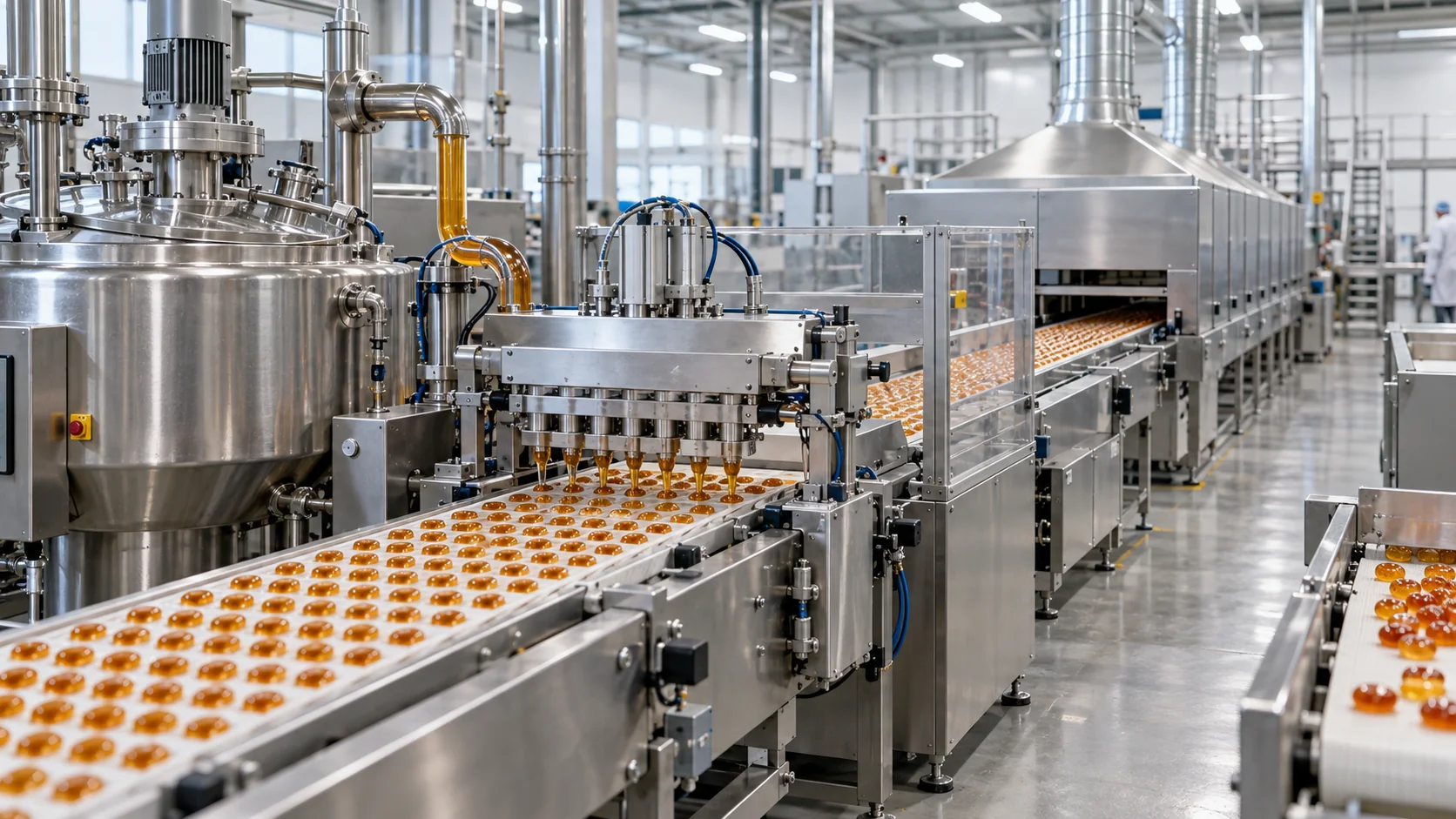
Popping boba (the spheres that burst with juice when bitten) are produced by a technique called spherification — a food chemistry process derived from molecular gastronomy. According to Serious Eats’ guide to spherification, the process involves dropping a fruit-juice-and-sodium-alginate solution into a calcium chloride bath, forming a thin gel membrane around a liquid center. At commercial scale, this is done with industrial droplet-forming machines that can produce thousands of pearls per minute.
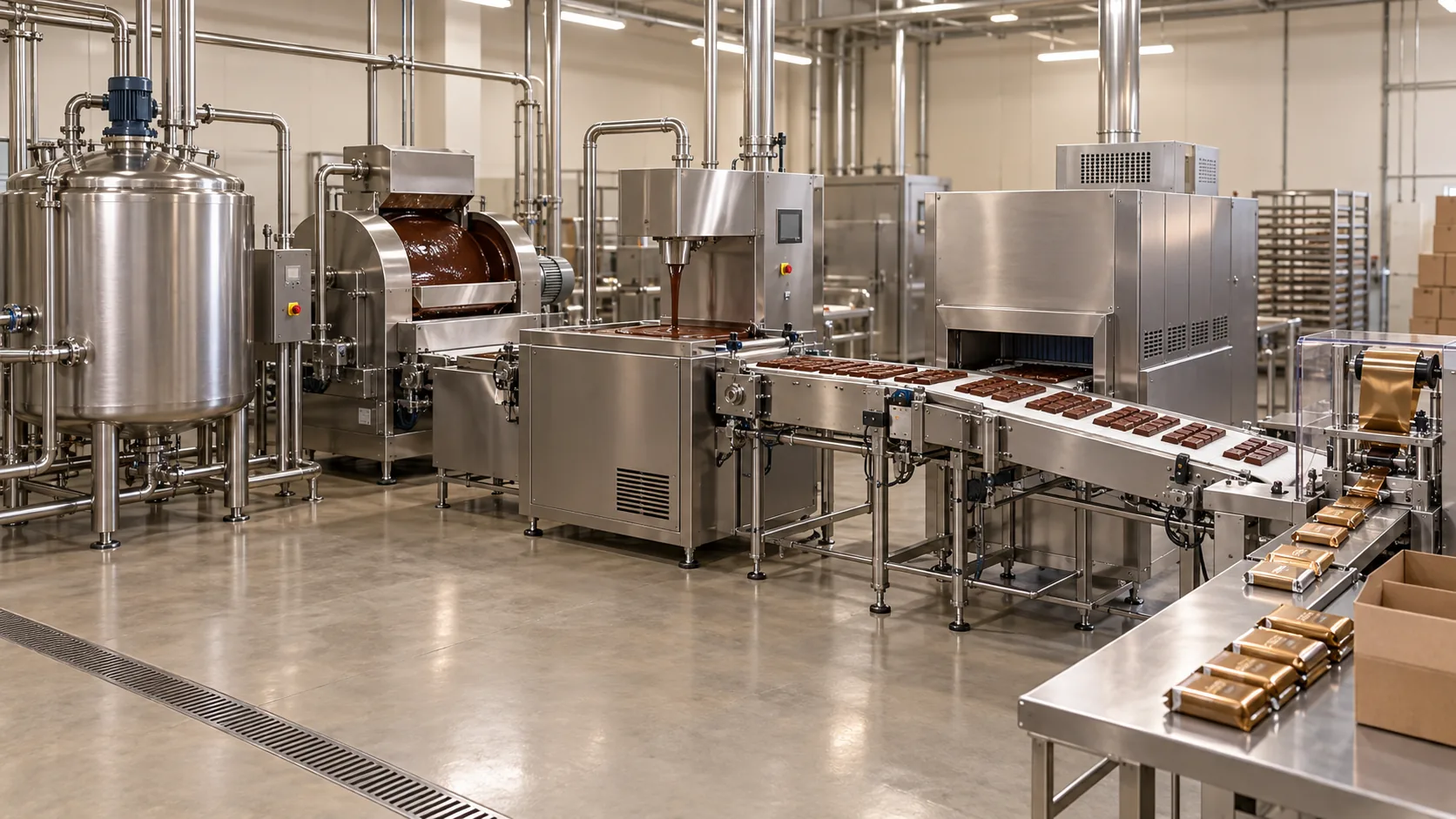
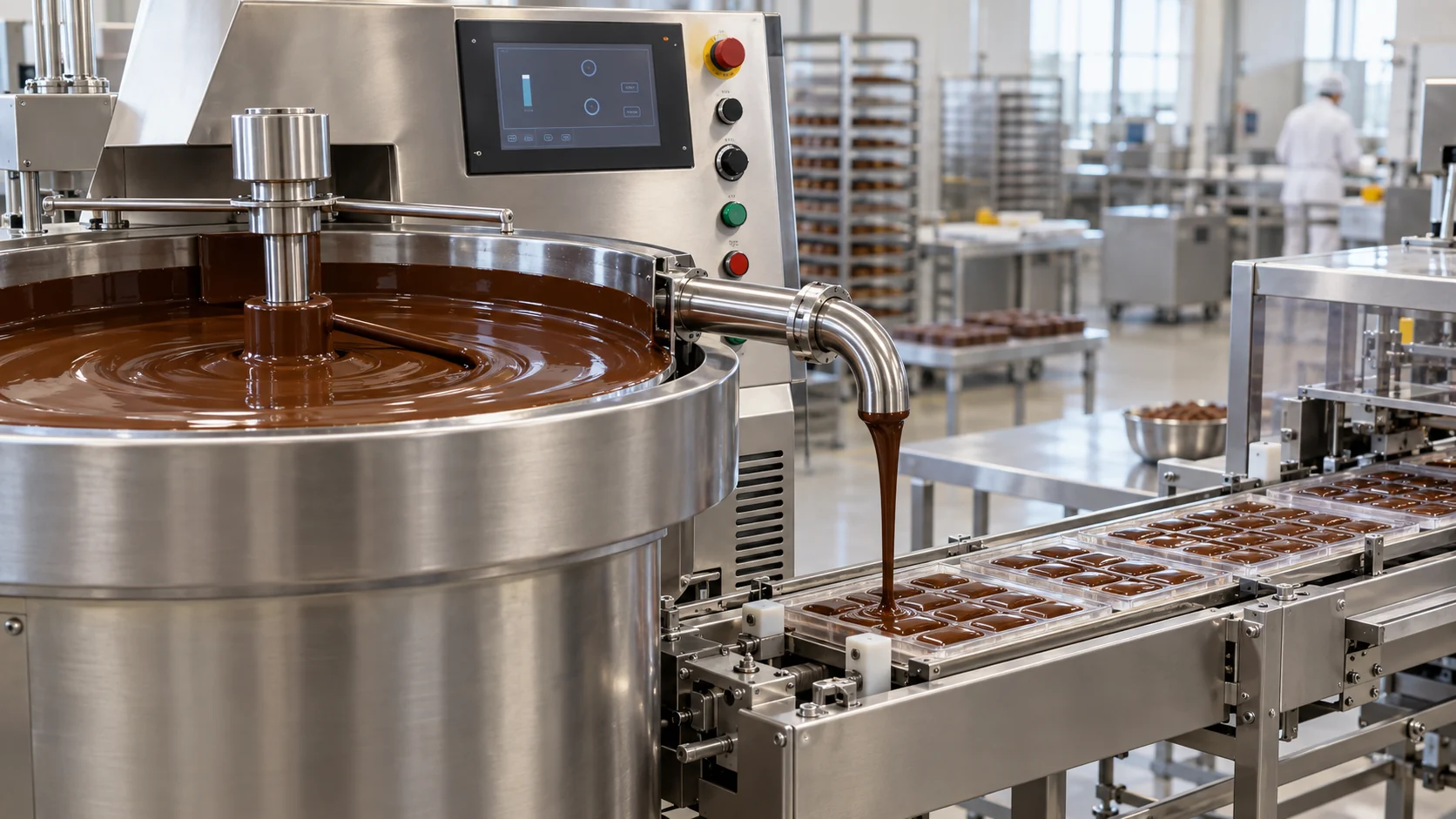
Classic tapioca boba pearls are made from cassava starch — the starch is hydrated, formed into balls, and cooked. The production process requires precise temperature control and starch-to-water ratios. Confectionery equipment manufacturers like JY Machine Tech supply the mixing, forming, and cooking machinery that boba factories rely on for consistent texture across large batches.
Scaling Up: What Changes at Volume
Going from a single boba shop’s daily prep to a contract manufacturer’s line output changes the critical control points:
- Tea concentration consistency: brewing variables (temperature, steep time, water mineral content) that are manageable by hand become significant quality risks at volume. Industrial tea extraction equipment standardizes these.
- Syrup brix (sugar density): minor variation in syrup concentration affects drink taste, shelf life, and calorie labeling accuracy. Large-scale production uses refractometers inline.
- Boba pearl texture window: the gap between under-cooked (hard, chalky) and over-cooked (mushy, falling apart) tapioca is narrow. Commercial production requires precise time/temperature control during cooking and cooling.
How to Make Fruit Tea Boba at Home
Making fruit tea boba at home requires three things: a well-brewed tea base, good fruit syrup or fresh fruit, and properly cooked tapioca or popping boba.
Home versions will always differ slightly from commercial ones — commercial operations have more consistent ingredients, better equipment, and faster service volume. But a well-made home fruit tea boba is genuinely better than a mediocre shop version because you control quality at every step.
Ingredients for 2 Servings
For the tea base:
– 2 cups water
– 2 teaspoons loose-leaf green tea (or 2 teabags) — or swap for black/oolong/jasmine depending on preferred flavor
– Steep 2 minutes for green tea; 3–4 minutes for black or oolong
For the fruit element (choose one):
– 4 tablespoons passion fruit syrup (commercial concentrate)
– OR fresh squeezed juice from 1 lemon + 2 tablespoons simple syrup
– OR 4 tablespoons real mango puree + 1 tablespoon honey
For the boba:
– 100g dried tapioca pearls (black or clear)
– OR 100g popping boba (store-bought, any fruit flavor)
Other:
– Ice
– Simple syrup for sweetness adjustment
– Fresh fruit for garnish (optional but recommended)
Step-by-Step Recipe
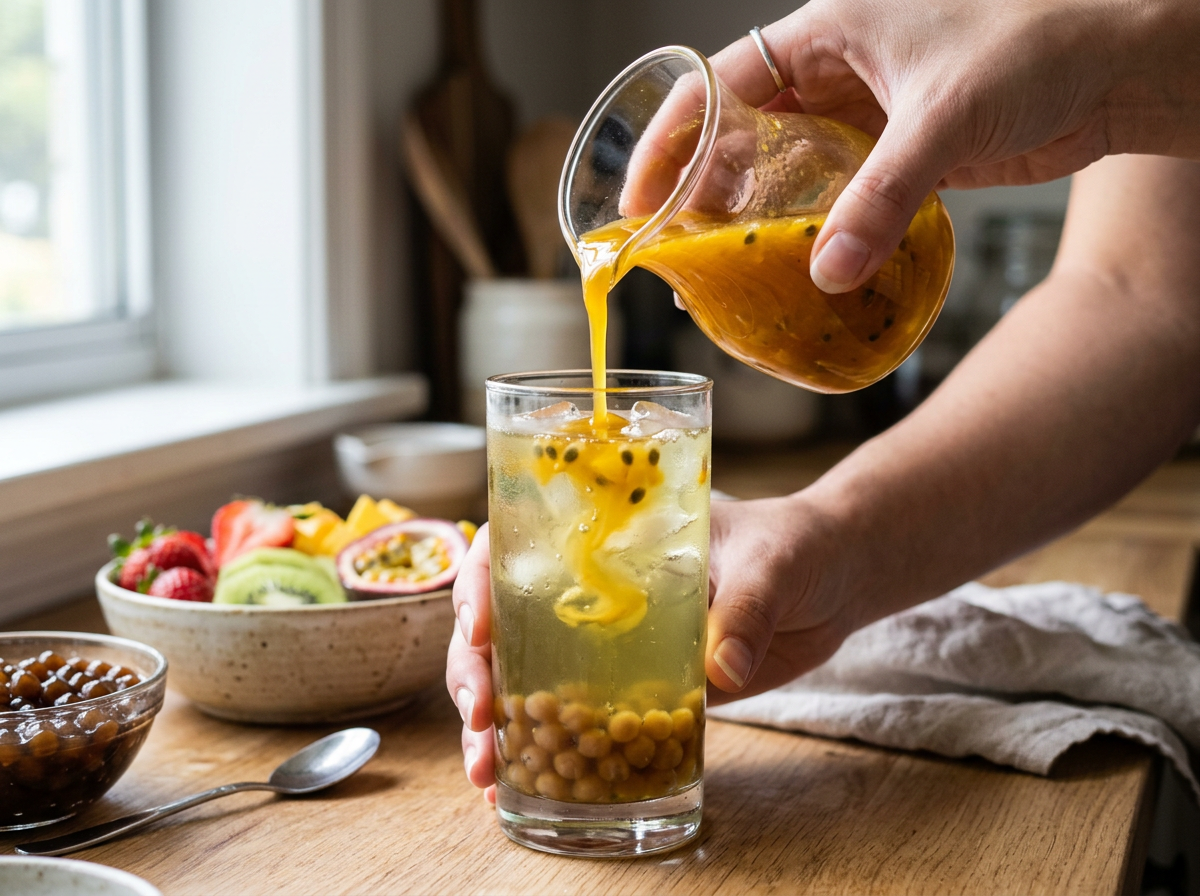
Step 1 — Brew and cool the tea. Bring water to the correct temperature (70–75°C for green tea; 90–95°C for black or oolong — green tea brewed too hot turns bitter). Steep, then let cool completely. Do not rush this with ice water; dilution from melting ice changes the flavor balance. Refrigerate for at least 30 minutes.
Step 2 — Cook the tapioca pearls (skip if using popping boba, which requires no cooking). Bring a large pot of water to a rolling boil — at least 6× the volume of the pearls. Add dried tapioca, stir to prevent sticking. Cook according to package directions; fresh black tapioca typically needs 12–15 minutes. Test: the center should be completely soft (no chalky core). Drain, rinse with cold water briefly, then toss in 2 tablespoons of simple syrup to prevent sticking. Hold at room temperature; use within 4 hours.
Step 3 — Build the drink. In each glass, add 50g of prepared boba. Fill halfway with ice. Pour in cooled tea until the glass is about ¾ full. Add fruit syrup or puree. Stir with a long spoon or seal with a plastic film and shake briefly.
Step 4 — Adjust and garnish. Taste. If too tart, add simple syrup. If too sweet, add a squeeze of fresh citrus. Garnish with a slice of fresh fruit if using — this matters more than it sounds for the initial impression of the drink.
Common Mistakes (and How to Avoid Them)
Brewing tea too hot or too long. Green tea especially goes from pleasant to bitter quickly. In practice, 2 minutes at 70°C is enough. If you’re unsure, brew lighter than you think — you can always intensify with less water, but you can’t un-brew an astringent tea.
Using low-quality syrup. Cheap fruit syrups rely heavily on artificial flavor and high-fructose corn syrup. The flavor is flat and chemical. Mid-range syrups use real fruit juice as part of the base. The difference in finished drink quality is significant. It’s worth spending slightly more per bottle.
Not cooking tapioca long enough. The most common home mistake. If there’s any chalkiness or hard center, cook longer. Commercial pearls are usually more forgiving than artisanal ones because they’re more standardized; artisanal or specialty pearls from Asian grocery stores may need an extra 2–3 minutes.
Adding ice to hot or warm tea. You’ll melt the ice, dilute the tea, and get a watery drink. Cool the tea fully before adding ice.
Using popping boba with milk-based drinks. Popping boba is optimized for clear or translucent drinks. In creamy milk teas, the bursting texture is less noticeable and the fruit juice filling can curdle the dairy. Use tapioca in milk teas; save popping boba for fruit tea boba.
Fruit Tea Boba Calories and Nutrition
A standard 16-ounce fruit tea boba drink contains roughly 200–350 calories, primarily from sugar in the syrup and starch from tapioca pearls.
This is meaningfully lower than most milk tea boba drinks, which typically run 300–450 calories for the same size. That calorie difference is one reason fruit tea boba has gained ground with health-conscious consumers.
Calorie Breakdown by Component
| Component | Amount (16oz drink) | Approximate Calories |
|---|---|---|
| Brewed tea (green, black, oolong) | ~12 oz | 0–5 kcal |
| Fruit syrup (standard, 4 tbsp) | 60ml | 80–100 kcal |
| Tapioca pearls (cooked, ~80g) | 80g | 110–130 kcal |
| Popping boba (commercial, ~80g) | 80g | 70–90 kcal |
| Simple syrup added at order | 2 tbsp | 60–80 kcal |
| Total (tapioca version) | — | ~250–315 kcal |
| Total (popping boba version) | — | ~210–275 kcal |
These figures align with USDA nutritional data for bubble tea components and typical commercial drink formulations. Note that “full sugar” orders at boba shops often use 5–6 tablespoons of syrup; asking for 50% or 25% sugar meaningfully changes the calorie count.
Making Fruit Tea Boba Lower-Calorie
The syrup and the pearls are the two main calorie drivers. Options for reducing both:
Lower-calorie syrup options: use fresh fruit juice with minimal added sugar rather than commercial syrup. Fresh lemon juice adds almost no calories. A passion fruit squeezed into brewed green tea with a teaspoon of honey runs under 80 total syrup calories — versus 100+ from commercial syrup.
Alternative pearls: crystal boba (konjac-based) has roughly 30–40% fewer calories than tapioca pearls. Chia seeds are sometimes used as a boba substitute — they hydrate to a gel-like texture, and a tablespoon adds only 60 calories plus fiber and omega-3s.
Tea base swap: white tea and certain herbal teas (hibiscus, chamomile) have naturally sweeter flavor profiles that reduce the amount of added syrup needed for a balanced drink.
Future Trends in Fruit Tea Boba (2026 and Beyond)
The fruit tea boba market is shifting toward health-positioned ingredients, premiumization, and ready-to-drink retail formats.
The global bubble tea market was valued at approximately USD 3.4 billion in 2024 and is projected to grow at a CAGR of around 8.5% through 2030, according to industry research cited by Grand View Research. Fruit tea formats are growing faster than the overall bubble tea average, driven by younger consumers and health-adjacent positioning.
Health-Focused Ingredient Innovations
The next wave in fruit tea boba is functional ingredients — components that go beyond flavor and add a perceived or real health benefit:
Adaptogens: ashwagandha, lion’s mane mushroom, and reishi are showing up in specialty boba drinks. The pairing with fruit tea works because the tea base masks bitter adaptogen flavors better than milk tea.
Kombucha bases: replacing standard brewed tea with kombucha gives a fermented-tea base with some probiotic credibility. The natural carbonation from kombucha adds a light effervescence that pairs surprisingly well with popping boba.
Collagen supplements: added to certain fruit tea boba drinks at premium shops targeting women in their 20s–40s. The collagen is tasteless; the brand positioning is around skin health.
Lower-sugar reformulations: commercial shops are under increasing consumer and regulatory pressure to offer lower-sugar variants. In the UK, Singapore, and several US cities, menu calorie labeling requirements are changing how shops position their sweetness levels.
Commercial Market Growth and Equipment Demand
| Trend | 2026 Status | Implication for Producers |
|---|---|---|
| RTD (ready-to-drink) fruit tea boba | Early commercial stage; shelf-stable popping boba RTDs launching | Requires different packaging and boba stability solutions |
| Premiumization | Growing — consumers pay more for single-origin tea + real fruit | Ingredient sourcing quality becomes differentiator |
| Automation in boba production | Accelerating — labor costs driving investment | Equipment standardization matters for consistent quality |
| Functional ingredients | Nascent — adaptogens and collagen adding 20–30% premium | Formulation expertise becomes barrier to entry |
| Plant-based popping boba | Established — vegan positioning is standard | Most commercial popping boba is already plant-based |
The commercial production side of fruit tea boba is increasingly equipment-driven. As demand scales, the craft approach (hand-forming tapioca pearls, manual syrup measuring) gives way to industrial mixers, forming machines, and continuous cooking systems. The machinery that processes starch-based confections — the same category as gummy candy and marshmallow — applies directly to tapioca boba production.
FAQ
What is the difference between fruit tea boba and regular boba?
Regular boba typically refers to milk tea with tapioca pearls — a creamy, dairy-based drink. Fruit tea boba uses a brewed tea base flavored with fruit instead of milk. The result is lighter, lower in calories, and dairy-free. Both use boba pearls, but popping boba (which bursts with fruit juice) is far more common in fruit tea formats.
What is the most popular fruit tea boba flavor?
Passion fruit green tea consistently ranks as the top-selling fruit tea boba globally. Lemon black tea and mango green tea are close seconds. In North America, strawberry and peach flavors are especially popular. Regional preferences vary — lychee dominates in Southeast Asia, and hibiscus-based drinks are rising sharply in Middle Eastern markets.
Can you make fruit tea boba without tapioca pearls?
Yes. Popping boba (no cooking required) is the easiest substitute. Crystal boba (konjac-based) is another option. Some versions use jelly cubes cut from agar-set fruit juice, or even chia seeds soaked overnight. Each alternative changes the texture profile of the drink significantly — popping boba is lighter and more interactive; crystal boba is chewier than tapioca but less starchy.
How many calories are in a fruit tea boba?
A standard 16-ounce fruit tea boba with tapioca pearls runs approximately 250–315 calories. Switching to popping boba reduces this to roughly 210–275 calories. Ordering at 50% sugar can cut 50–80 calories depending on the shop’s default sweetness level. Fruit tea boba is consistently 20–30% lower in calories than equivalent milk tea boba drinks.
How is popping boba made?
Popping boba is made through spherification — a food chemistry technique where a fruit juice and sodium alginate mixture is dropped into a calcium chloride bath. The calcium ions react with the alginate to form a thin, flexible gel membrane around a liquid center. When you bite the sphere, the membrane breaks and the juice bursts out. At commercial scale, this process is automated with industrial droplet-forming machinery capable of producing thousands of spheres per minute.
Does fruit tea boba contain caffeine?
Yes, if the base is green, black, or oolong tea. Caffeine content varies by tea type and brew strength: black tea boba typically contains 40–70mg caffeine per 16oz drink; green tea boba runs 25–45mg. Herbal fruit teas (hibiscus, chamomile, rosehip) are naturally caffeine-free and work well as a boba base for caffeine-sensitive customers or evening drinks.
What tea base works best for fruit tea boba?
Green tea is the most versatile base — its lightness doesn’t overpower fruit flavors. Jasmine green tea adds a floral note that pairs well with strawberry and lychee. Oolong works beautifully with stone fruits (peach, plum). Black tea handles citrus better than green tea. Hibiscus herbal tea is the go-to base for caffeine-free versions and creates a vivid red-pink color without any dyes.
Conclusion
Fruit tea boba sits at an interesting intersection: it is simultaneously a consumer beverage trend, a home recipe project, and a growing industrial food product category. The drink’s core appeal — clean fruit flavor, variable sweetness, satisfying texture — has proven durable across a decade of bubble tea evolution.
For home drinkers, the takeaway is simple: start with a well-brewed, cooled tea base, invest in quality fruit syrup or real fruit, and take the time to properly cook your tapioca pearls. The variables that matter most are ingredient quality and temperature management — not elaborate technique.
At commercial scale, the opportunity in fruit tea boba lies in standardization. The drinks that consistently win market share are the ones where every cup tastes the same as the last — a function of measured ingredients, calibrated equipment, and quality-controlled boba production. As the market matures, the gap between shops that rely on craft intuition and those with proper production systems will widen.