이메일

info@jymachinetech.com

회사 번호

+021 57459080

WhatsApp

+86 17317215245

공장에서 구미는 어떻게 만들어지나요?

목차

The basic ingredients of gummy candies are gelatin, glucose syrup, and flavorings. This article will detail the quality control process used to make these candies. It also covers the starch molding process. These candies are highly regarded by consumers, and they are a key ingredient in the global candy industry. To make these candies, quality 통제 tests are performed before the actual production process begins.

젤라틴

The gelatin industry is highly automated. In the food and beverage industry, gelatin is produced by processing bones, skins, and tissue from animals that have been slaughtered. The processing plant uses acid and alkali to extract minerals, bacteria, and other ingredients from the animal parts. The food gelatin is then 설탕과 섞이고, flavoring, and coloring. Food gelatin is available in powder, liquid, or gel-like forms, depending on the manufacturer’s preference.

Gelatin is derived from animal collagen, which is a protein naturally found in skin, bones, and connective tissues. It is used for various applications in food processing and other industries. Gelatin is also used in pharmaceuticals and photography. It is used as a binding agent in cosmetics, ice creams, and other products. It has a long history of use, and is the key ingredient in many popular products.

글루코스 시럽

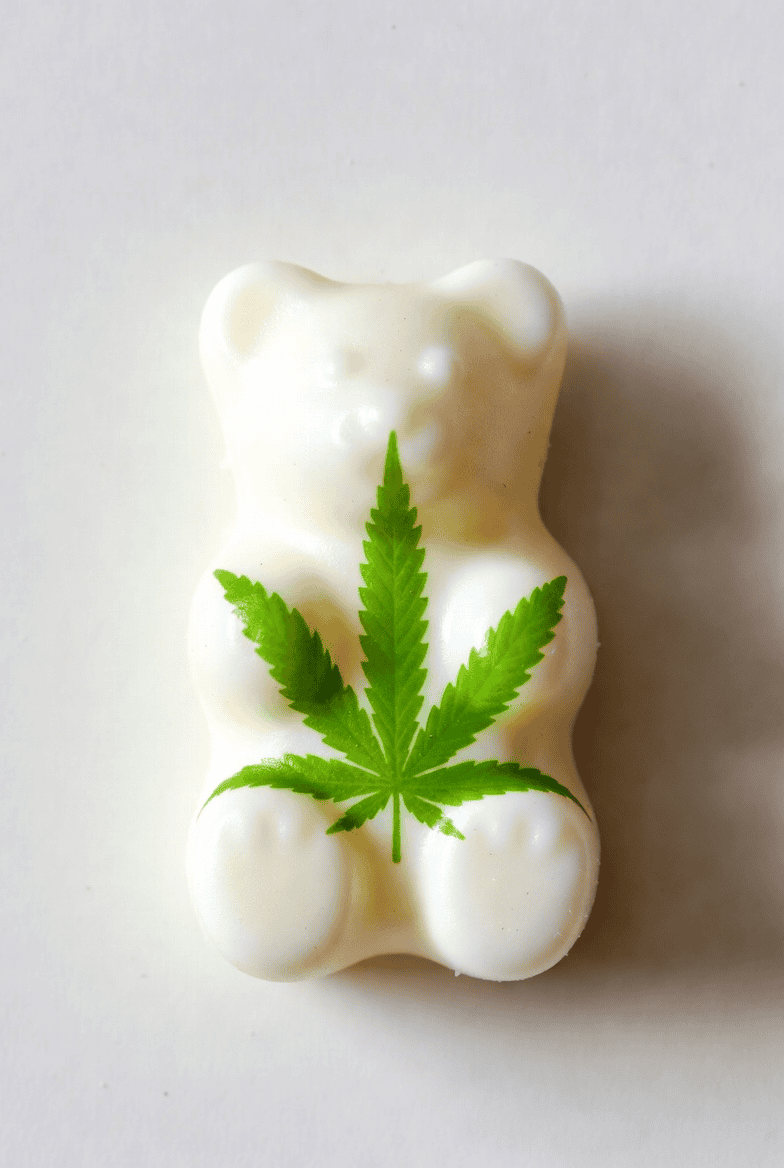
Glucose syrup is a type of sugar that is produced from starches. It is produced by breaking down the glucose molecules in these foods through a chemical reaction called hydrolysis. The resulting glucose syrup has a high sugar content, making it the most commonly used sweetener and thickener. However, there are several uses for glucose syrup, including in the edible cannabis industry.

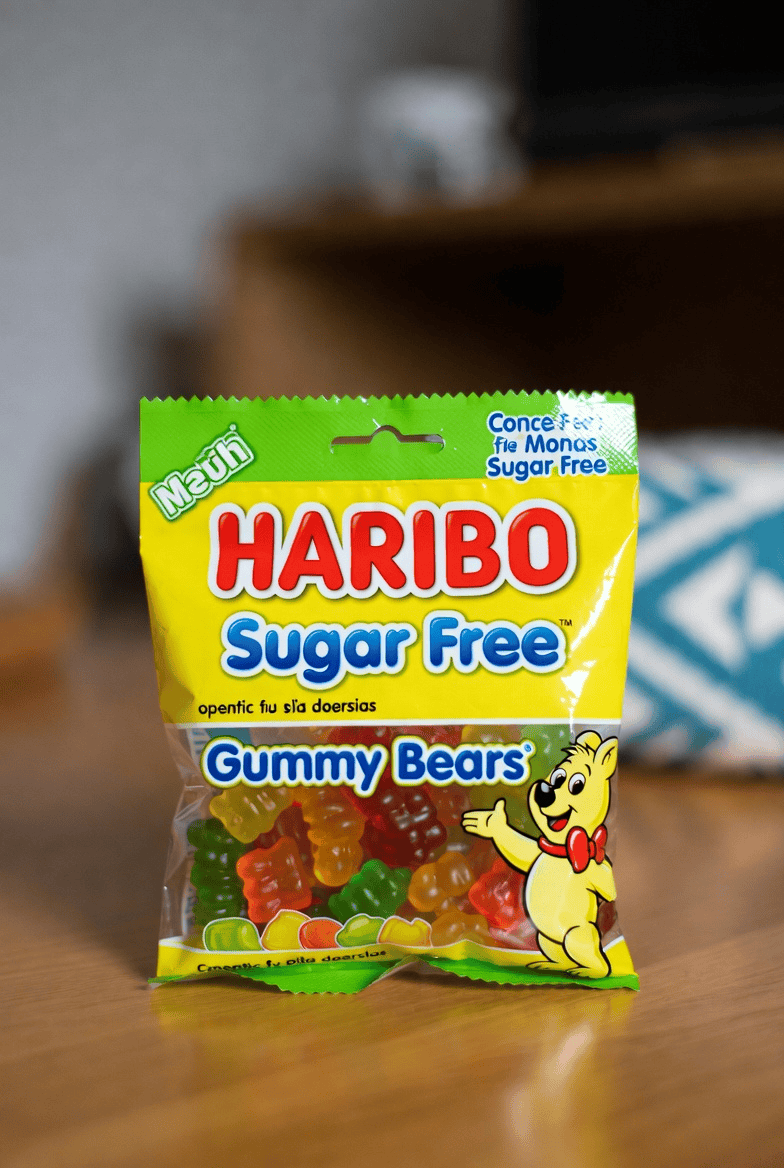
To make gummy candy, you need a sweetener that will add flavor. Sugar-free gummi must be sweet, have a water-holding capacity, and be non-sticky. Glucose syrup, a common sweetener, is used to make gummi confections. The sweetener is also used to preserve the gummy candy from the growth of bacteria and fungi.

A gummy candy recipe can vary significantly from one batch to the next, depending on its ingredients. Natural flavors are usually obtained from fruit, berries, honey, or molasses, which can be used to make gummy candy. Artificial flavors, however, are a mixture of aromatic chemicals, such as methyl anthranilate or ethyl caproate, which are used to enhance the flavor of gummy candy. In addition to adding flavor, gummy candy recipes may also contain acid ingredients such as citric acid and sorbitol to keep the product moist.

Flavorings

The main ingredient in gummy candy is gelatin, a naturally odorless, tasteless material that does not contain any fat or calories. This ingredient is combined with sweeteners to give it the taste and texture people are used to. These sweeteners include sucrose, a sugar derived from sugar cane and beets. The latter is significantly sweeter than sucrose, while corn syrup prevents the other sugars from crystallizing and provides body to the gummy. And sorbitol, which helps maintain moisture, is another flavoring substance added to gummy candy.

A typical gummy candy manufacturing line uses two or three workers to complete the entire process of making a gummy. An additional worker collects and packages the gummy candy. These additional workers are expendable and can be eliminated by reducing the amount of sugar in the gummy candy. The total manufacturing cost includes salaries of maintenance staff, materials management personnel, and quality control personnel. Overhead costs such as these determine how much the candy production per unit costs. Having a low overhead cost helps you save money and reduce expenses.

Starch molding process

The main difference between starch molding and injection molding is the water content of the molded product. The former will have a lower water content, while the latter will be more pliable. The molded product will be smooth, glossy, and clear. Hence, the former will convey a sense of superiority. But what makes these products better than starch-molded ones? Let’s take a look at both processes and discover how they differ from each other.

The basic steps involved in the starch molding process are quite similar to those in candy manufacturing. In the first step, the starch/water mixture is heated to a higher temperature than usual. Once the mixture reaches a certain temperature, it begins to plasticize, dissolving its solid components into water. Next, the starch mixture is injected into the mold cavity where it forms a multi-chambered structure. After that, the starch capsule is ejected from the mold.

페이스북
핀터레스트
트위터
링크드인

캔디 및 비스킷 장비 제조 30년의 경험

준유는 캔디, 비스킷, 스낵 식품용 장비의 연구, 개발 및 제조를 전문으로 합니다. 풍부한 경험과 신뢰할 수 있는 품질로 귀하의 시설을 효율적으로 구축하고 정시에 예산 내에서 납품하는 데 도움을 드립니다.