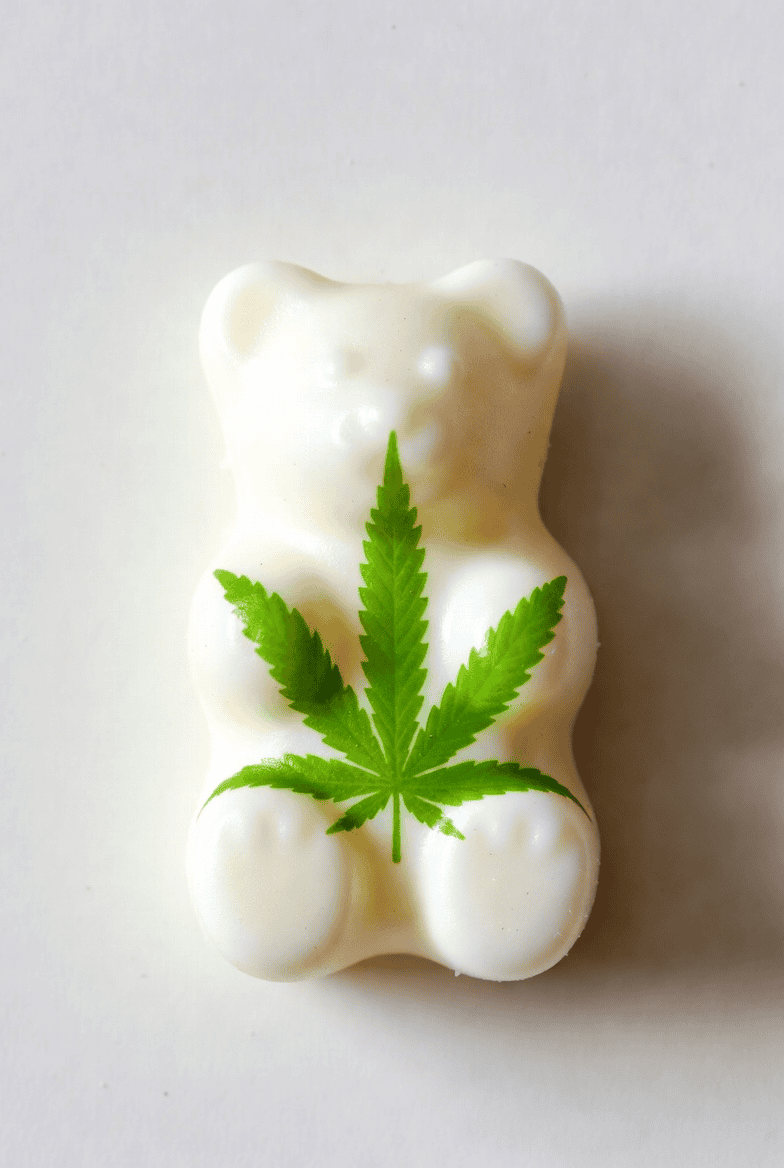
Jelly candies, with their chewy texture and burst of flavor, are a confectionery staple enjoyed by people of all ages. The journey from raw ingredients to a perfectly formed jelly candy is a complex process that has been revolutionized by modern machinery.
This comprehensive article delves into the inner workings of jelly candy making machines, exploring how these engineering marvels transform simple ingredients into delightful treats.
1. Ingredients Preparation
The process begins with the preparation of ingredients. Jelly candies are typically made from sugar, water, flavorings, colorings, and a gelling agent like pectin or gelatin. The ingredients must be precisely measured and combined to ensure a consistent texture and taste.
2. Mixing and Dissolving
In the mixing stage, the sugar and gelling agent are dissolved in heated water to create a syrup. This mixture is stirred vigorously to ensure complete dissolution and to avoid any lumps that could affect the candy’s texture. Advanced mixing equipment in 젤리 캔디 제조 기계 is designed to handle this process with precision.

3. Flavor and Color Addition
Once the syrup is ready, flavorings and colorings are added. These can range from natural fruit extracts to artificial flavors and a spectrum of food-grade colors. The 기계 must incorporate these additives uniformly to ensure each candy is vibrant and flavorful.
4. Cooking and Gelling
The syrup then moves to a cooking stage where it reaches a specific temperature that activates the gelling agent. This is a critical phase as it determines the jelly’s firmness and stability. 젤리 사탕 제조 기계는 with temperature controls to manage this process with accuracy.
5. Depositing into Molds
After the gelling process, the jelly mixture is deposited into molds. Modern machines use precise depositing systems that can fill molds with exact measurements, eliminating waste and ensuring each candy is uniformly shaped.
6. Cooling and Setting
The filled molds are then cooled to set the jelly. This step is crucial as it solidifies the candy’s shape and texture. Cooling systems in jelly candy making machines are designed to rapidly lower the temperature without compromising the jelly’s quality.

7. Demolding
Once the jelly candies have set, they are released from the molds. Demolding mechanisms in the machines must be gentle yet efficient to prevent damage to the delicate candies.
8. Cutting and Shaping
In some processes, the jelly is initially poured into a large mold and then cut into smaller pieces. Cutting machines use sharp blades guided by precise measurements to produce candies of consistent size and shape.
9. Coating
For candies like gummy bears, an additional coating may be applied. This could involve chocolate, sugar, or other toppings. Coating machines enrobe the candies in a thin, even layer of the chosen material.
10. Packaging
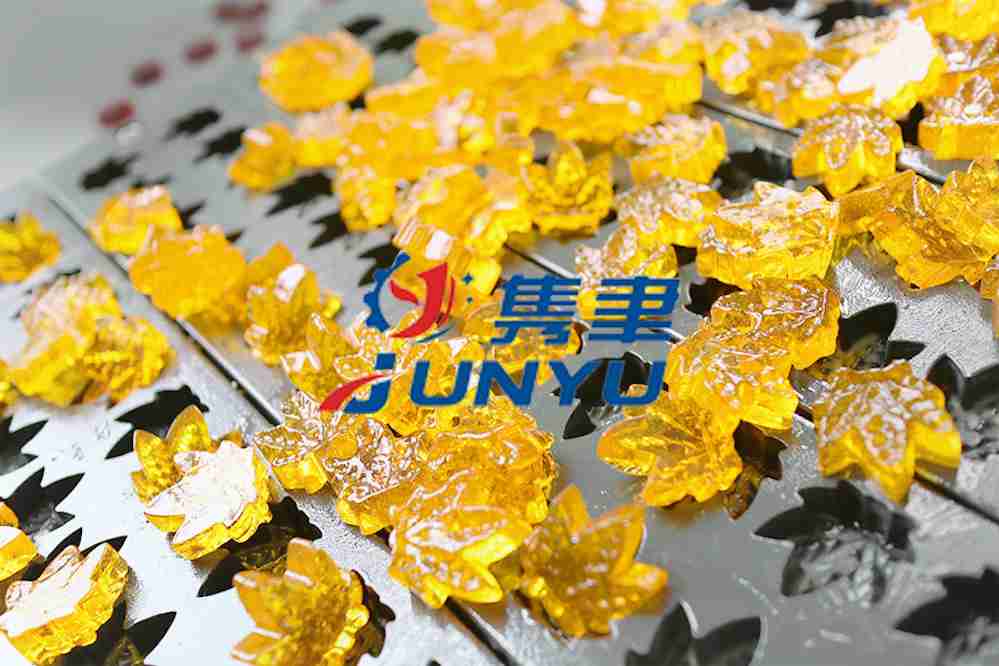
The final candies are then packaged. Automatic packaging machines work in conjunction with the jelly candy making machine to wrap, seal, and box the candies, preparing them for distribution.
11. Quality Control
Throughout the process, quality control checkpoints ensure that each batch of 젤리 캔디 meets the highest standards. Sensors and cameras monitor the product for defects in shape, size, and appearance.
12. Automation and Computer-Controlled Systems
많은 젤리 캔디 제조 기계 are highly automated, with computer-controlled systems that regulate the entire process. These systems can adjust parameters in real-time to maintain product quality and efficiency.
13. Energy Efficiency
Modern machines are designed with energy efficiency in mind, using technologies that minimize power consumption during each stage of production.
14. Safety Features
Safety features are paramount in 사탕 제조기. Emergency stop buttons, guards around moving parts, and interlocking safety doors are just some of the mechanisms that ensure a safe operating environment.
15. Maintenance and Sanitation
cURL Too many subrequests. 젤리 캔디 제조 기계cURL Too many subrequests.
결론
cURL Too many subrequests. cURL Too many subrequests.cURL Too many subrequests. 젤리 캔디 cURL Too many subrequests.