You’ve probably heard of the process of making chocolate, but you may not know exactly how the whole thing works. Here are the basic steps, and what each component does. Learn about cocoa beans, Cacao butter, and Milk solids. Then, you can decide whether chocolate is for you! And if you’re still unsure, here are a few tips to help you make your own chocolate.
Process of making chocolate
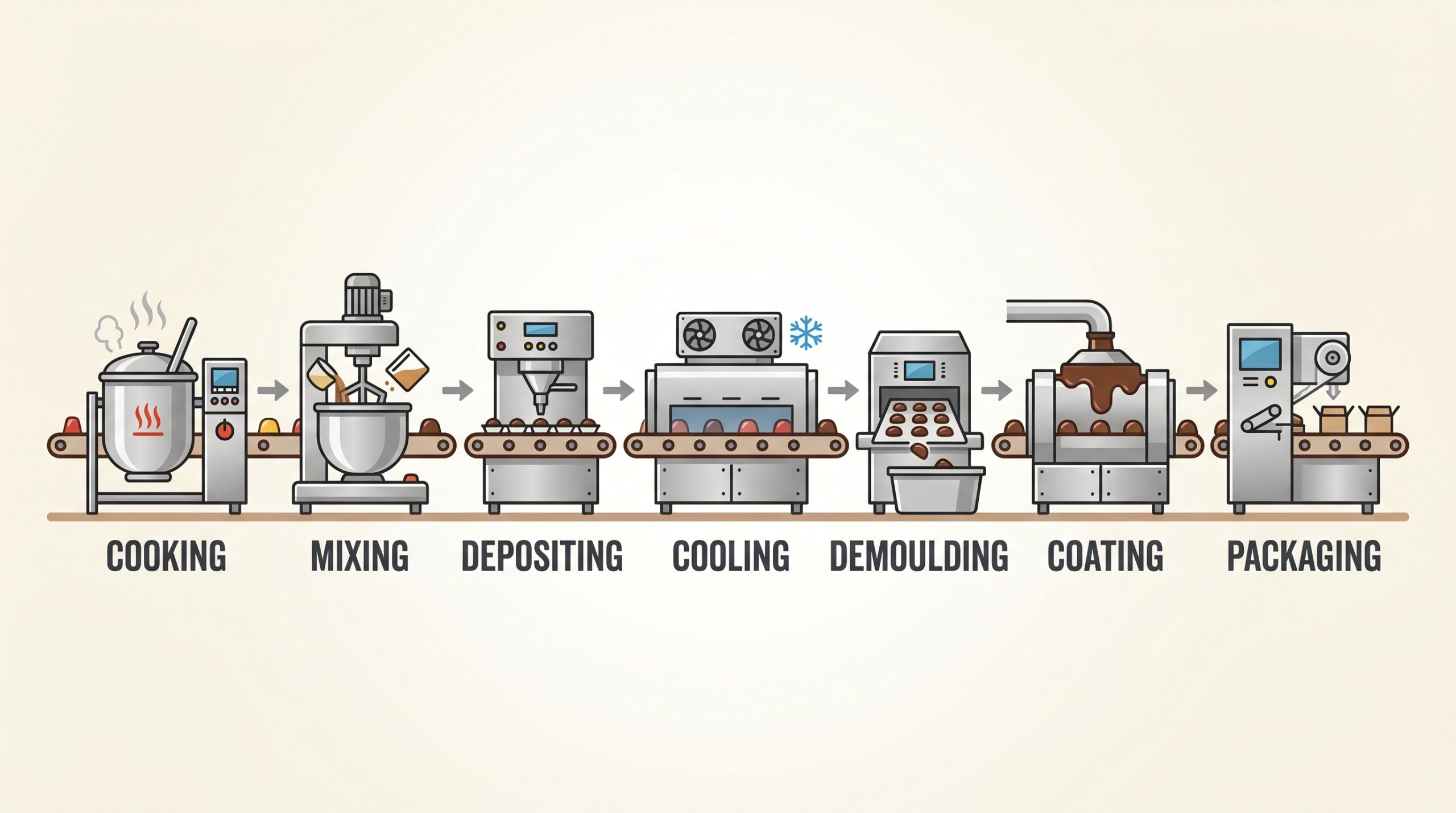
There are many steps in the production of chocolate. The earliest stage involves tempering the chocolate in a conche, which is filled with a large amount of the chocolate. The next step is to remove any large pieces and any particles from the chocolate, including the radicle (the hard stem from the bean). The radicle is bitter and contributes to a grainy texture, and this is why tempering is necessary. Finally, the chocolate is packaged for retail sale.
The nibs, which contain about 53 percent cocoa butter, are ground in a refining mill using heavy steel discs and a hydraulic press. Once the cocoa paste is formed, it is subject to hydraulic pressure. The cocoa butter that flows out is pure fat with a marked aroma. This process is repeated until the final product is molded. It is during this time that the final chocolate is molded and cooled.
Origin of cocoa beans
The origin of cocoa beans is interesting, as it has varied uses throughout history. The Mayans and Aztecs both valued this crop and were keen to develop its flavor. The bean is harvested by breaking the cocoa pods open with a machete, allowing the rich, nutty flavor to develop. The beans are then sun-dried until they turn a dark almond color. Once this is done, the cocoa beans are shipped to be processed and roasted.
The first humans to consume chocolate were the Olmecs, who used it as a barter currency in Mesoamerica. In the year 600 BCE, these cultures started to cultivate cacao trees, which later became the first plantations and supplied their cities with cocoa. During this time, they drank cocoa as a beverage, and some researchers believe they were even eating chocolate as a food.
Cacao butter
Cacao butter is an incredible ingredient found in chocolate. Its creamy texture and rich taste make chocolate treats truly irresistible. But it’s not just limited to the food industry. Cacao butter can also be found in skincare products and as a stand-alone ingredient. The butter is a sugar-free and vegan product, making it the perfect choice for those following a low-carb, ketogenic diet.
Cocoa butter is present in high concentrations in beans that are grown farther from the equator. This fat synthesis is thought to have a protective effect on the trees, which cause them to produce more of it. Besides, cocoa butter makes a perfect melting substance, and people are unlikely to develop an allergy to it. Whether you prefer your chocolate dark, milk, or white, cocoa butter is an essential ingredient in making delicious treats.
Milk solids
Unsweetened chocolate is not considered a gourmet treat by many. Although unsweetened chocolate is bitter, it is useful in baking and cooking, as well as in home chocolate making. For people with dietary restrictions, sugar-free chocolate is available. Some manufacturers of these Produkte stellen auch sojafreie Schokolade her. Das Hinzufügen natürlicher Aromen zu Schokolade verändert ihre Textur nicht, aber die meisten Verbraucher werden irgendeine Form von Zucker wünschen.
Um qualitativ hochwertige Schokolade herzustellen, ist es wichtig, die Zusammensetzung von Milchtrockenmasse zu verstehen. Obwohl es keine gesetzliche Vorschrift gibt, eine bestimmte Art von Milchtrockenmasse zu verwenden, kann die Herkunft den Geschmack und die Textur des Endprodukts beeinflussen. Milch mit hohem Fettgehalt erzeugt eine weicher schneidbare Schokolade. Milchtrockenmasse aus Belgien und dem Vereinigten Königreich haben unterschiedliche Geschmacksprofile, obwohl ihre rechtlichen Aspekte gleich sind. Milchtrockenmasse wird bei der Schokoladenherstellung verwendet, weil sie dazu beiträgt, dass Schokoladen ihre Form und Textur behalten.
Dark chocolate
Um die perfekte Tafel Zartbitterschokolade herzustellen, durchläuft ein handwerklicher Chocolatier mehrere Schritte im Produktionsprozess. Diese Schritte beginnen mit der Ernte der Kakaobohnen. Seit Jahrhunderten experimentieren Menschen mit Schokoladenherstellungstechniken, und ständig werden neue eingeführt. Zum Beispiel erzeugt ein Prozess, der als feuchte Inkubation bekannt ist, blumige und fruchtige Zartbitterschokolade. Aber was ist der wichtigste Aspekt einer Tafel Schokolade?
Die bei der Schokoladenherstellung verwendeten Zutaten umfassen Kakaopulver, Kakaomasse und Kakaobutter. Oft wird Schokolade unter Einsatz von Kinderarbeit oder billigerer Arbeitskraft verarbeitet. Achten Sie auf ein Etikett mit der Aufschrift „Fair-Trade“, um sicherzustellen, dass die von Ihnen gekaufte Schokolade unter Einsatz von Kinderarbeit oder fairer Arbeitskraft hergestellt wurde. Die Informationen auf dieser Website sind nicht als Ersatz für professionelle medizinische Beratung gedacht. Sie sind nicht dazu bestimmt, medizinische Zustände zu diagnostizieren.
Verwandte Artikel
- How do I choose the right jelly candy making machine for my business?
- Die Fabrikhalle auf Ihrer Palette: Eine Reise durch die Schokoladenherstellung
- Welche Arten von Formen werden bei einer Gummibärchenmaschine verwendet, um die Form der Gummis zu erstellen?
- cURL Too many subrequests.
- Schokoladenproduktionslinie
- Schokoladenriegel-Produktionlinie
- Skittles Herstellungsprozess: Einblick in die Fabrik