The Complete Guide: What Are Marshmallows Made Of & How Are They Made?
Have you ever thought about how a few simple ingredients turn into the soft, sweet treat that is a marshmallow? This favorite candy brings back great memories, from gooey s’mores cooked over a campfire to fluffy pieces floating in hot chocolate. Its special texture—light, chewy, and melting in your mouth—seems almost like magic. But behind that magic is an interesting mix of food science and cooking skills.
We are here to show you the secrets and explain this famous treat. In this complete guide, we will look at every part of the marshmallow, from its basic ingredients to the future of how it’s made. By the end, you will really understand the journey from sugar to fluff.
Here’s what we will discover together:
- The main ingredients and what each one does.
- The step-by-step process for both factory-made and homemade marshmallows.
- The science that creates their special texture.
- Key differences in vegan, store-bought, and homemade versions.
- Industrial uses and future trends.
The Parts of a Marshmallow
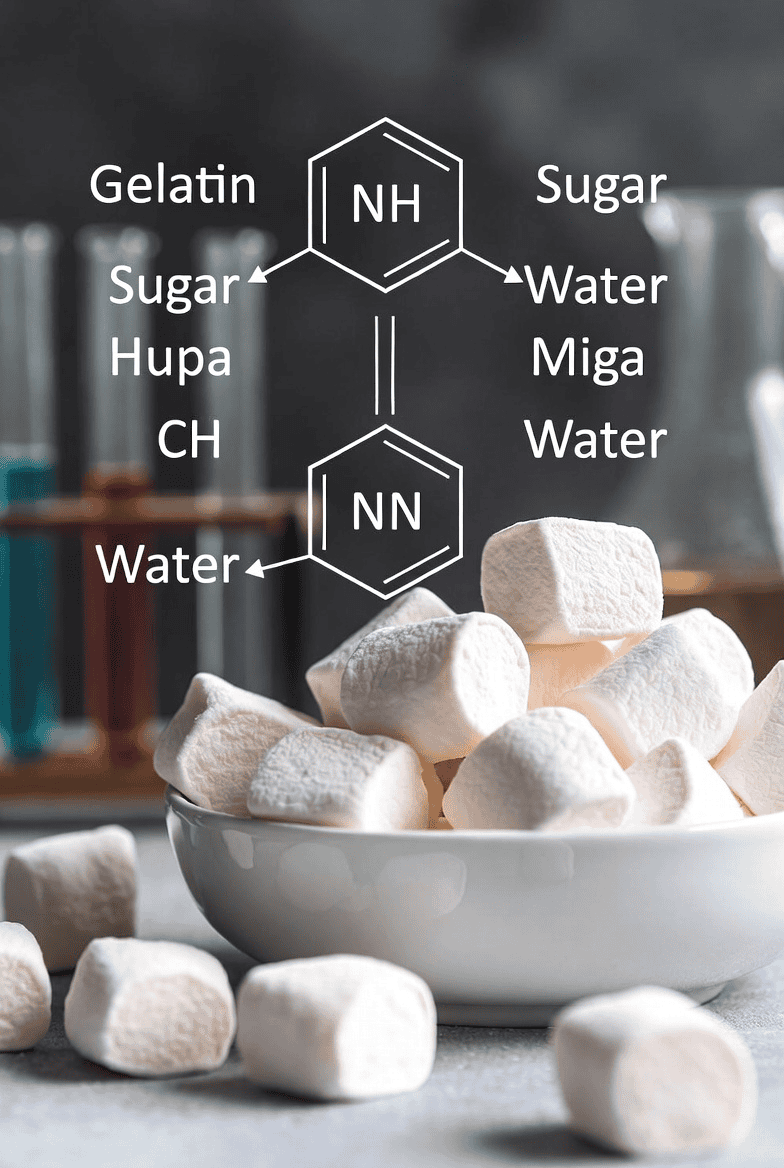
What Are Marshmallows Made Of At its core, a traditional marshmallow is a simple doces made from four main ingredients: sugar, water, gelatin, and air. While flavorings and starches help out, these four parts are the foundation that the whole structure is built on. Understanding what each ingredient does is the first step to understanding the marshmallow itself. Let’s break them down.
The Sweet Parts: Sugar and Corn Syrup
Sweetness is the most obvious feature of a marshmallow, and it comes from a carefully balanced mix of sugars. This isn’t just about taste; it’s about texture.
Most recipes use both sucrose (regular table sugar) and corn syrup. Sucrose gives the main sweetness. However, if used alone, sucrose tends to form crystals again as the marshmallow cools, which would make it grainy and unpleasant. This is where corn syrup helps. Corn syrup is an invert sugar, meaning it’s made of different types of sugar molecules like glucose and fructose. These molecules physically get in the way of the sucrose molecules, stopping them from organizing into large crystals. This action, known as controlling crystallization, is the secret to a perfectly smooth marshmallow.
The Structure: Gelatin
If sugar is the substance, gelatin is the soul. This amazing ingredient is responsible for the marshmallow’s signature chewy, elastic, and springy texture. Gelatin is a protein that comes from animal collagen, usually from pork or beef sources. When dry, its protein strands are tightly coiled.
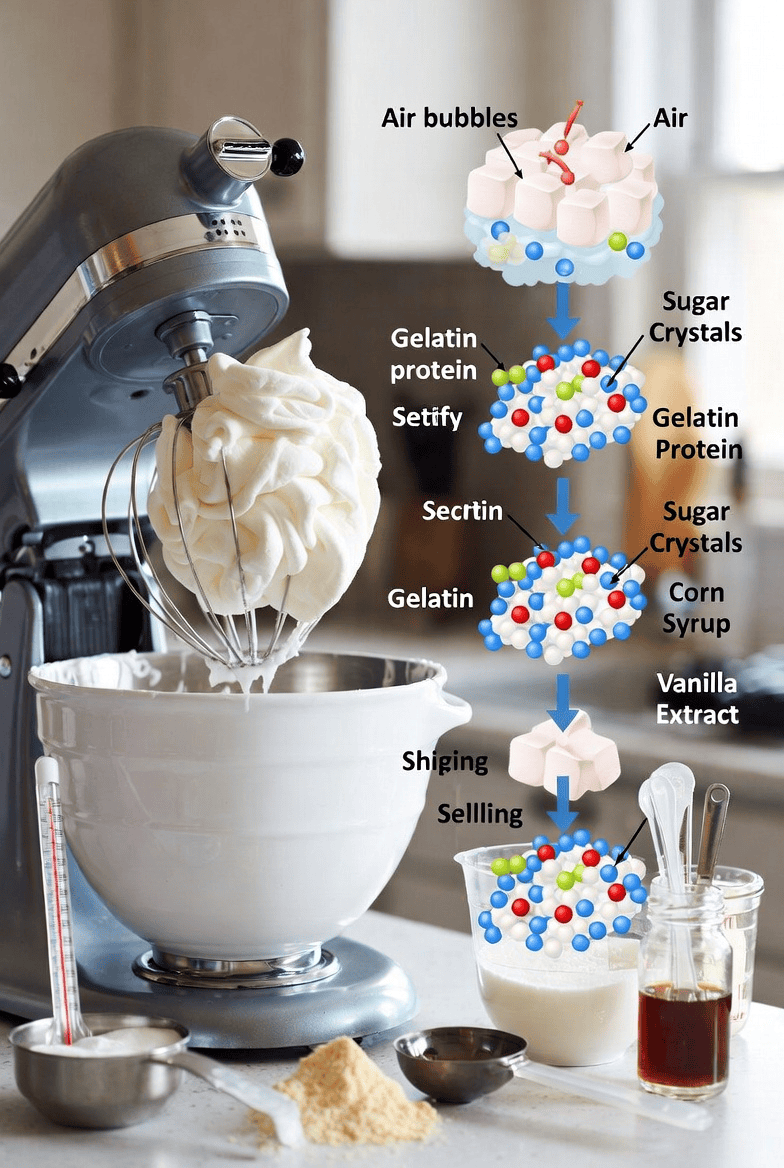
When mixed with water and heated, these proteins unwind and spread out. As the mixture cools, they link together to form a complex, three-dimensional web, or matrix. This molecular structure acts like a tiny sponge, trapping both water and the air bubbles that are whipped into the syrup. This gelling action gives the marshmallow its solid, yet bendable, form. Without gelatin, a marshmallow would simply be a sticky, sweet foam that would quickly fall apart.
The Universal Liquid: Water
Water plays a simple but important role. Its main job is to act as the liquid for the sugars, dissolving the granulated sugar and corn syrup to create a uniform liquid syrup. This syrup is the medium in which all the chemical reactions happen.
Second, water is needed for hydrating, or “blooming,” the gelatin. Before it can work, powdered gelatin must absorb cold water, which allows its protein strands to swell and prepare to unwind when heated. The amount of water is carefully controlled; too much results in a weak, sticky marshmallow, while too little can cause the sugar to burn or the gelatin to not fully activate.
The Invisible Ingredient: Air
What Are Marshmallows Made Of The final core ingredient is one we cannot see: air. Air is what transforms a thick, heavy sugar syrup into a light, airy candy. It is added through strong whipping. The mechanical action of the whisk forces air into the thick syrup, creating thousands of tiny bubbles.
The gelatin and the thickness of the sugar syrup work together to stabilize this foam. The gelatin matrix forms around these air pockets, locking them in place as the marshmallow sets. It is the volume of this trapped air that gives a marshmallow its fluffiness and low weight. A standard marshmallow can be more than 50% air by volume, which is why they feel so light.
Core Marshmallow Ingredients and Their Functions
| Ingrediente | Typical Form | Função principal |
| Açúcar | Sucrose (granulated sugar) & Corn Syrup | Provides sweetness; corn syrup controls crystallization for a smooth texture. |
| Gelatina | Porcine or Bovine; powdered or sheet | Creates the gelling network, giving the marshmallow its chewy, elastic structure. |
| Water | Purified Water | Dissolves sugars and hydrates the gelatin, forming the base syrup. |
| Air | Whipped into the mixture | Provides volume, lightness, and the classic “pillowy” or “fluffy” texture. |
| Aromatizante | cURL Too many subrequests. | cURL Too many subrequests. |
| Amido | cURL Too many subrequests. | cURL Too many subrequests. |

cURL Too many subrequests.
cURL Too many subrequests.
- cURL Too many subrequests.
- cURL Too many subrequests.
- cURL Too many subrequests.
- cURL Too many subrequests. cURL Too many subrequests.cURL Too many subrequests. cURL Too many subrequests. cURL Too many subrequests.
- cURL Too many subrequests.
cURL Too many subrequests.
cURL Too many subrequests. casa cURL Too many subrequests.
- cURL Too many subrequests.
- cURL Too many subrequests.
- cURL Too many subrequests.
- cURL Too many subrequests.
cURL Too many subrequests.
cURL Too many subrequests.
cURL Too many subrequests.
cURL Too many subrequests.
cURL Too many subrequests.
cURL Too many subrequests.
cURL Too many subrequests.
cURL Too many subrequests. cURL Too many subrequests. cURL Too many subrequests.
cURL Too many subrequests.
cURL Too many subrequests.
cURL Too many subrequests.
cURL Too many subrequests.
cURL Too many subrequests.
- cURL Too many subrequests.
- cURL Too many subrequests.
cURL Too many subrequests.
| Função | cURL Too many subrequests. | cURL Too many subrequests. |
| Agente gelificante | Gelatin (from animal collagen) | Agar-Agar, Carrageenan |
| Whipping/Aerating Aid | Gelatina | Soy Protein Isolate, Aquafaba |
| Adoçante | Açúcar, xarope de milho | Sugar, Corn Syrup (ensure sugar is bone-char free for strict vegans) |
| Aromatizante | Vanilla Extract | Vanilla Extract |
Flavored and Gourmet Marshmallows
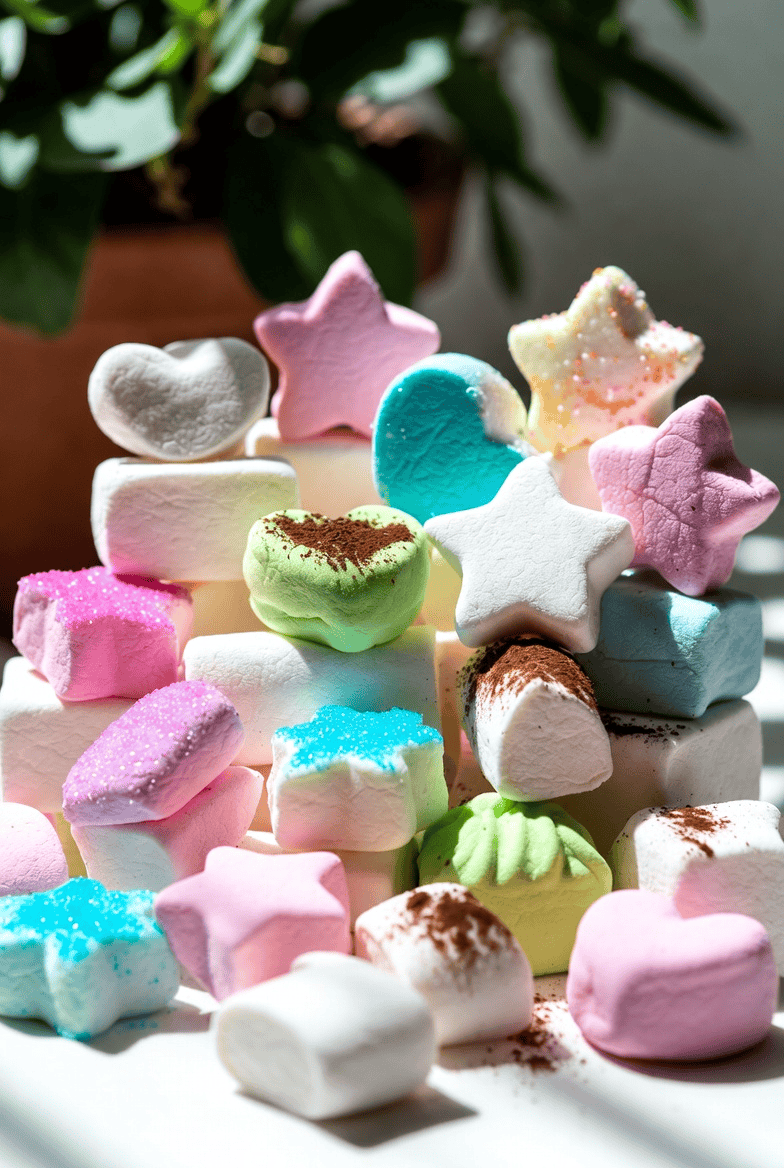
Beyond dietary needs, the world of gourmet marshmallows is exploding with flavor. The base recipe is incredibly versatile. Instead of a simple vanilla note, a raspberry marshmallow bursts with a tangy fruit flavor, its color a natural pink hue from real fruit purée. The texture is often softer, a direct result of the added moisture and different sugar balance.
Artisanal makers infuse their marshmallows with a huge range of ingredients:
- Fruit: Strawberry, mango, or passionfruit purées can be whipped into the base.
- Beverages: Strong-brewed coffee, matcha green tea powder, or even spirits like bourbon can be used.
- Spices: Cinnamon, cardamom, or chili powder add a warm or spicy kick.
- Chocolate: High-quality cocoa powder or melted chocolate creates a rich, decadent version.
These gourmet creations elevate the marshmallow from a simple candy to a sophisticated dessert component.
More Than a Campfire Treat
While we often think of marshmallows as a standalone treat, their unique properties—aeration, binding, and texture—make them a surprisingly versatile and valuable ingredient in the broader food industry.
Key Industrial Applications
The science that perfects the marshmallow also allows it to be adapted for other products.
- As a Component in Cereals: Those small, colorful, crunchy marshmallows in breakfast cereals are a prime example. These are not simply mini versions of the fluffy ones. They are specially made with a very low water activity (a measure of free water) and are dehydrated so they remain crisp in the box and don’t immediately dissolve in milk.
- In Baked Goods and Confections: Marshmallows are a key component in many other sweets. They are the chewy binding agent in crispy rice treats, the classic filling for chocolate-coated MoonPies, and a popular topping for brownies and cupcakes, where they toast beautifully under a broiler.
- In Frozen Desserts: One of the marshmallow’s best qualities is its ability to remain soft and chewy even when frozen. This makes it a perfect inclusion for ice cream flavors like Rocky Road, adding a textural contrast to the nuts and chocolate.
- As a Topping or Garnish: Marshmallow fluff or creme is a non-gelling, shelf-stable variant. It’s essentially an un-set marshmallow foam, perfect as a spread for sandwiches (like the classic Fluffernutter), a filling for whoopie pies, or a dollop on hot beverages.
O Futuro do Pelúcia
The humble marshmallow continues to evolve. As consumer preferences shift toward health, sustainability, and more adventurous flavors, the industry is responding with exciting innovations.
Formulações preocupadas com a saúde
The “better-for-you” trend in sweets is making its way to marshmallows. We are seeing a rise in products with reduced sugar content or those made with sugar-free alternatives like erythritol, xylitol, or allulose. Furthermore, functional ingredients are being added. Some brands are fortifying their marshmallows with added protein or collagen peptides, marketing them as a post-workout treat or a beauty-enhancing snack, blurring the line between candy and supplement.
Advancements in Vegan Technology
The quest for the perfect vegan marshmallow continues. While current alternatives are good, they often don’t perfectly copy the unique meltability and long, elastic chew of gelatin. Food scientists are actively researching new combinations of plant-based hydrocolloids and proteins. Innovations in pea protein, potato protein, and other novel plant extracts promise to create foams that more closely mimic the texture and mouthfeel of traditional gelatin, making vegan marshmallows indistinguishable from the original.
Sophisticated and Global Flavors
The consumer palate is becoming more adventurous, and the gourmet marshmallow market reflects this. We are moving beyond chocolate and strawberry into a world of complex and global flavors. Expect to see more marshmallows infused with botanicals like lavender and rose, Asian-inspired flavors like matcha, ube, and yuzu, and savory-spicy combinations featuring ingredients like cardamom, saffron, and chili. This trend treats the marshmallow as a canvas for cooking artistry.
A Quick Nutritional Look
While marshmallows are undeniably a candy, it’s helpful to understand their nutritional profile. They are primarily composed of carbohydrates in the form of sugars and contain very little fat or protein.
Nutritional Snapshot of a Standard Marshmallow
The following data is an approximation for a standard 100g serving of marshmallows, based on information from the USDA FoodData Central.
| Nutrientes | Amount per 100g (Approx.) | % Daily Value (Approx.) |
| Calorias | 318 kcal | 16% |
| Carbohydrates | cURL Too many subrequests. | 30% |
| cURL Too many subrequests. | cURL Too many subrequests. | cURL Too many subrequests. |
| Proteínas | cURL Too many subrequests. | 4% |
| Gordura | cURL Too many subrequests. | 0% |
| Sódio | cURL Too many subrequests. | 3% |
Perguntas frequentes
cURL Too many subrequests.
cURL Too many subrequests.
cURL Too many subrequests.
cURL Too many subrequests.
cURL Too many subrequests.
cURL Too many subrequests.
cURL Too many subrequests.
cURL Too many subrequests.
cURL Too many subrequests.
cURL Too many subrequests.
cURL Too many subrequests. cURL Too many subrequests.cURL Too many subrequests.
cURL Too many subrequests.