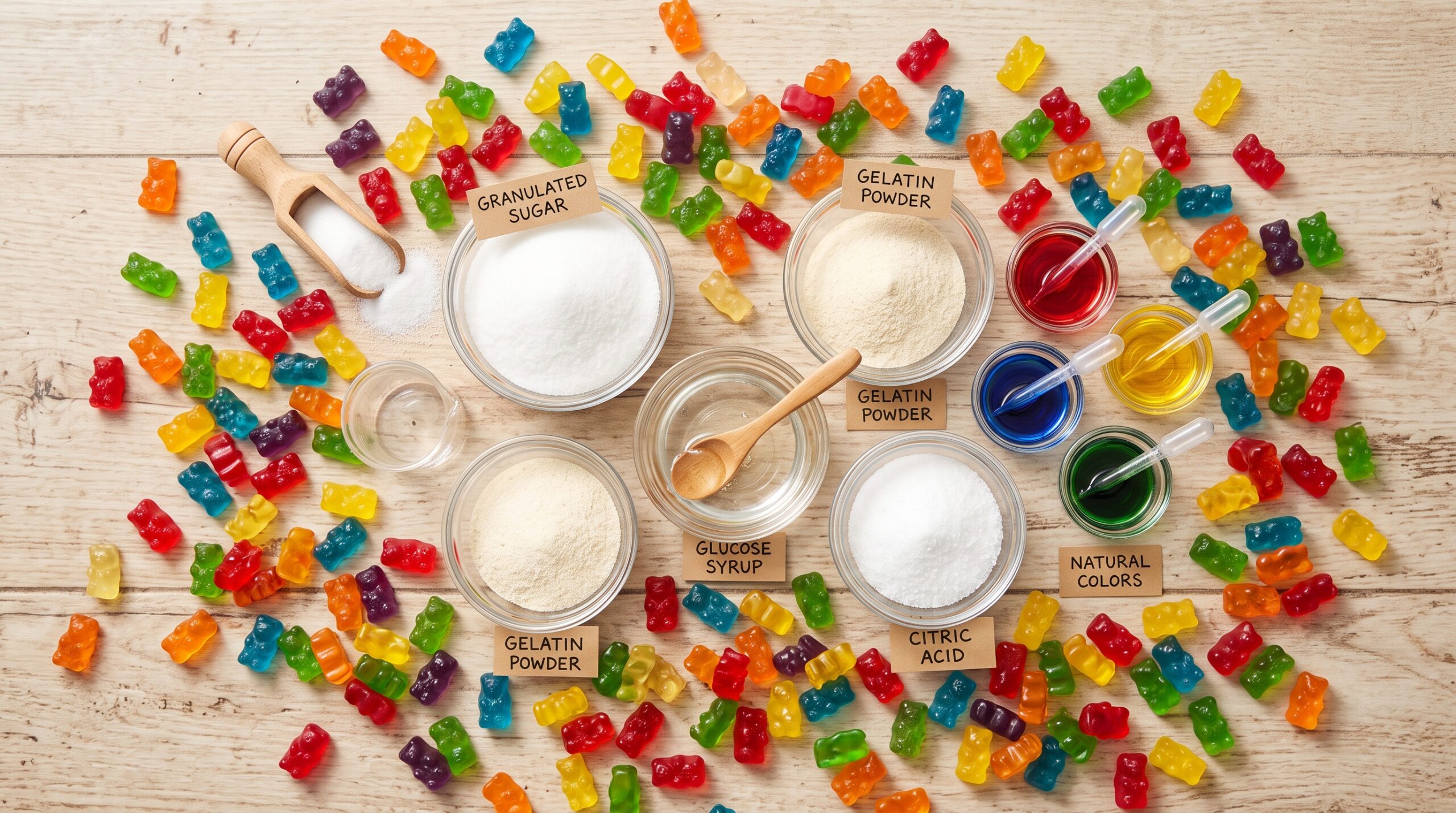
What is Korean candy? The term covers two related groups: traditional Korean confectionery, often called hangwa, and modern sweets such as hard candy, jelly, gummies, fruit chews, and chocolate snacks. Hangwa can include yakgwa, yugwa, gangjeong, dasik, jeonggwa, and yeot. The right production route depends on the ingredients, texture, shape, coating, and package rather than the word Korean alone.
That distinction matters for both shoppers and food businesses. A person looking for Korean candy may want to identify a traditional sweet, compare textures, or check an ingredient. A buyer planning a product line needs a more precise brief: what the piece should feel like, how it will be formed, how moisture will be controlled, and how it will be packed. This guide connects those questions without treating every Korean sweet as one recipe.
What does Korean candy include?
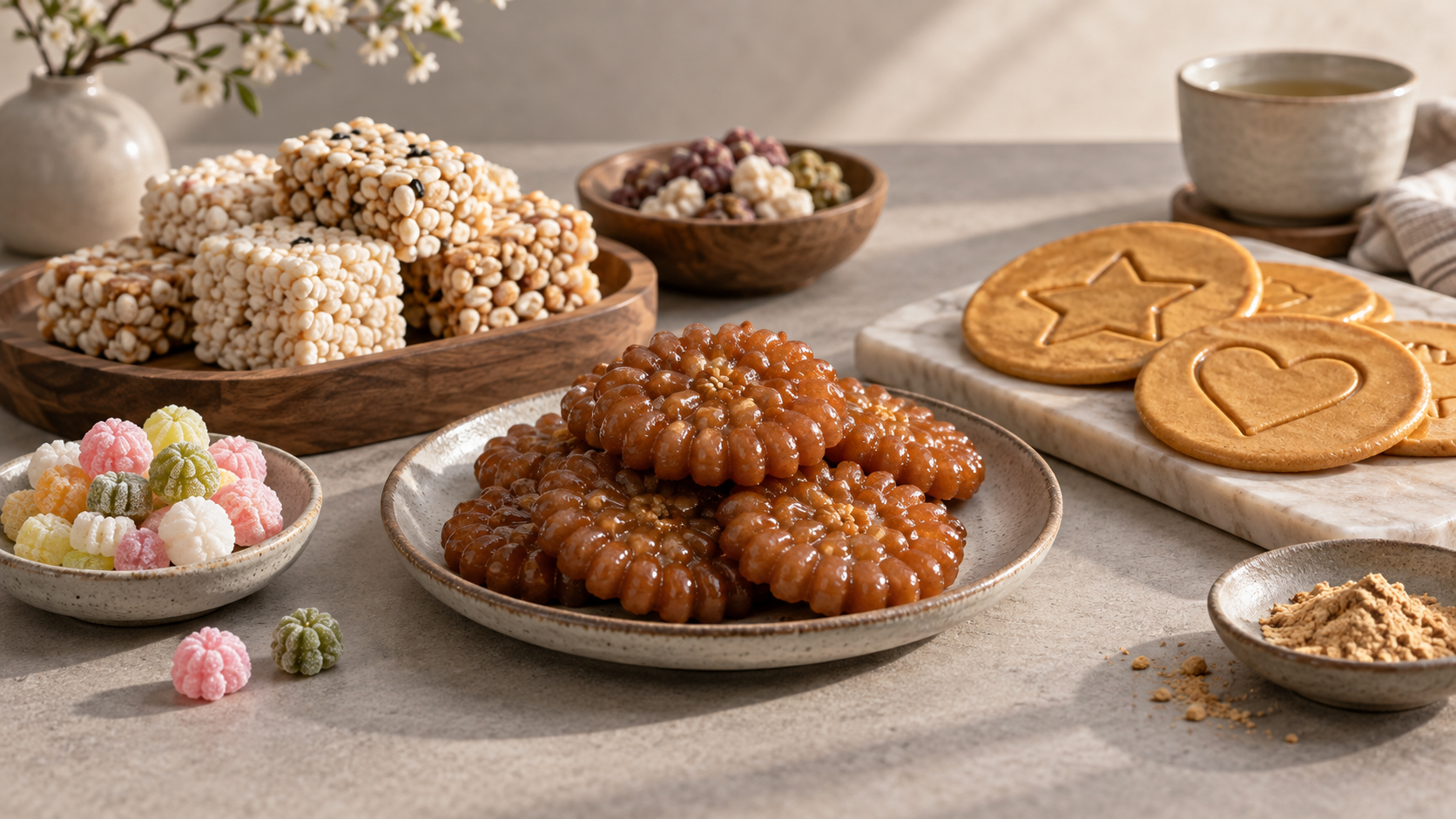
In everyday English, Korean candy can mean any sweet associated with Korea, from a small sugar candy to a gift-box confection. In a cultural context, the more useful term is hangwa, a broad group of traditional Korean snacks and confectionery. VisitKorea describes hangwa alongside tteok as traditional Korean snacks and names examples such as yugwa and yakgwa. Its guide also groups fried rice sweets, yakgwa, jeonggwa, and dasik under the hangwa family. Read the VisitKorea overview of traditional Korean snacks.
Modern Korean candy is a separate commercial category. It may use familiar confectionery systems such as cooked sugar syrup, deposited jelly, starch moulding, panning, coating, extrusion, or heat sealing. The product can be inspired by Korean flavors or formats without being a traditional hangwa. That is why a search for Korean candy may return cultural references, snack lists, imported retail products, and manufacturing questions at the same time.
Traditional hangwa, modern candy, and Korean desserts are different
These terms overlap in search results, but they answer different questions:
| Term | What it usually describes | Why the distinction helps |
|---|---|---|
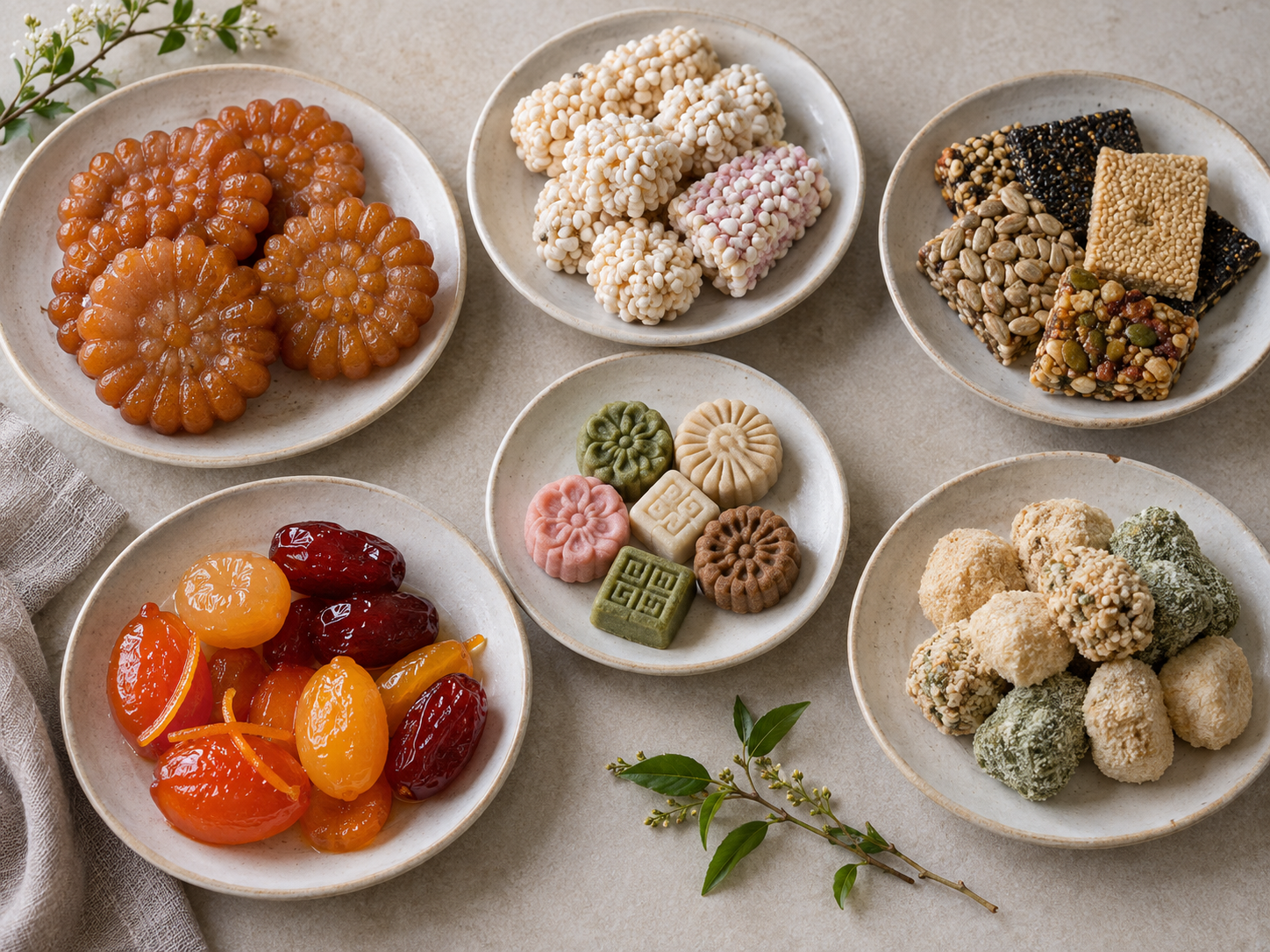
| Hangwa | Traditional Korean confectionery and snack families made from ingredients such as grains, flour, honey, grain syrup, fruit, seeds, and nuts. | It points to a cultural product family and a range of cooking, frying, drying, pressing, and coating methods. |
| Modern Korean candy | Contemporary sweets using familiar candy systems, including gummies, jellies, hard candy, chews, chocolate snacks, and fruit-flavored pieces. | It points toward a specific formula, shape, process, package, and target market. |
| Korean dessert | A wider group that can include tteok, bingsu, hotteok, pastries, drinks, and confectionery. | Not every dessert is a candy, and not every candy has the same production equipment. |
A short answer should therefore name the product instead of relying on a country label. If the product is a pressed grain sweet, explain that. If it is a gummy with a Korean flavor profile, explain that. Clear naming improves ingredient checks, search relevance, packaging decisions, and equipment discussions.
Popular Korean candy and hangwa types
The following groups are useful starting points for product research. Recipes vary by region, maker, ingredient source, and intended occasion, so the descriptions are product-development categories rather than universal formulas.
| Type | Common ingredient or process idea | Typical texture | Production implication |
|---|---|---|---|
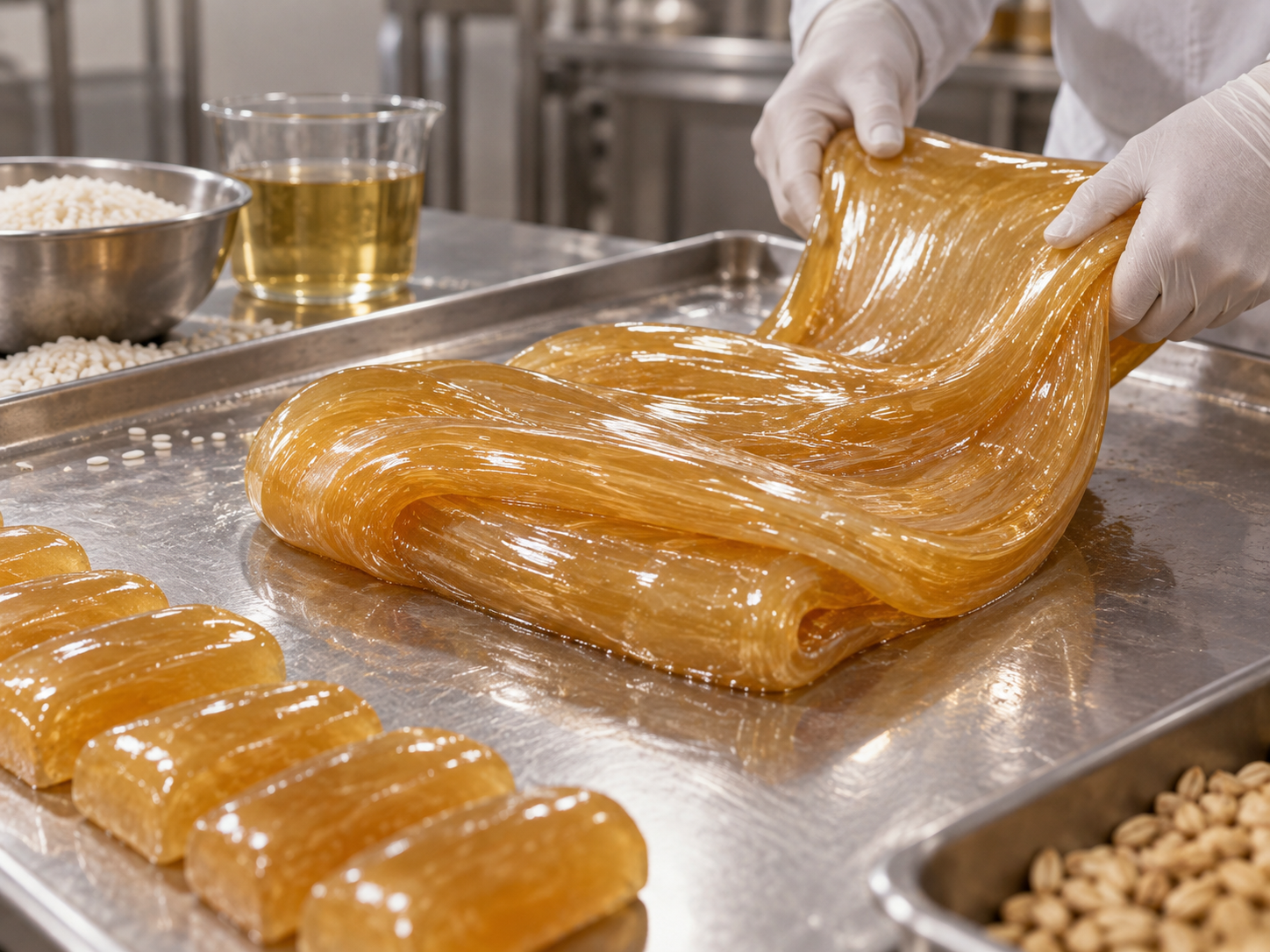
| Yeot | Grain based sweetness concentrated with malt syrup or a related grain syrup. The mass may be cooled, pulled, cut, or shaped. | Sticky, chewy, or firm depending on concentration and finishing. | Cooking, moisture control, cooling, pulling or cutting, and individual wrapping need to be planned together. |
| Dalgona or ppopgi | Caramelized sugar with a small amount of baking soda, often pressed into a thin shape or stamped. | Light, brittle, and porous. | Precise heating, rapid forming, cooling, and breakage-resistant packing are important. |
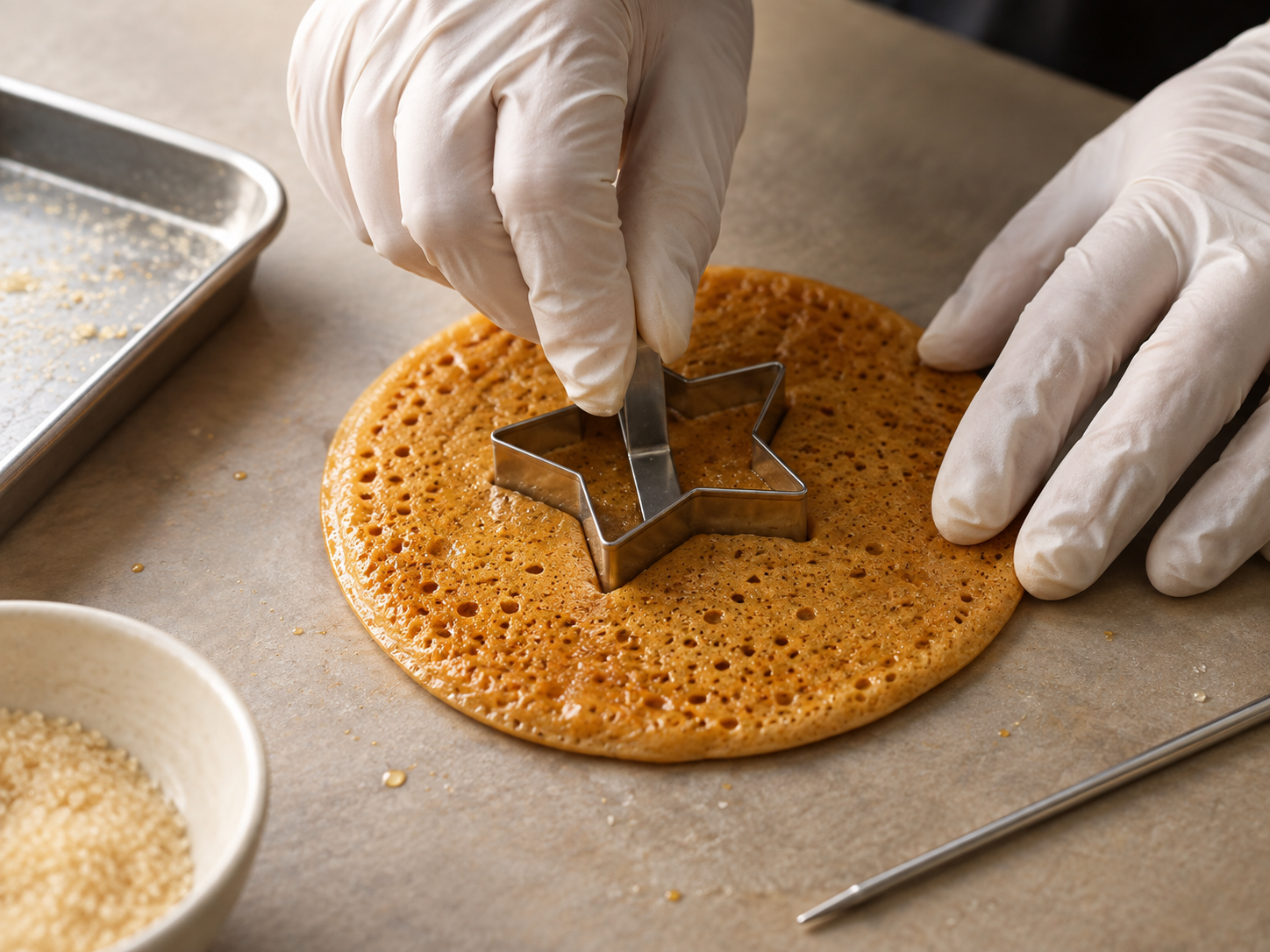
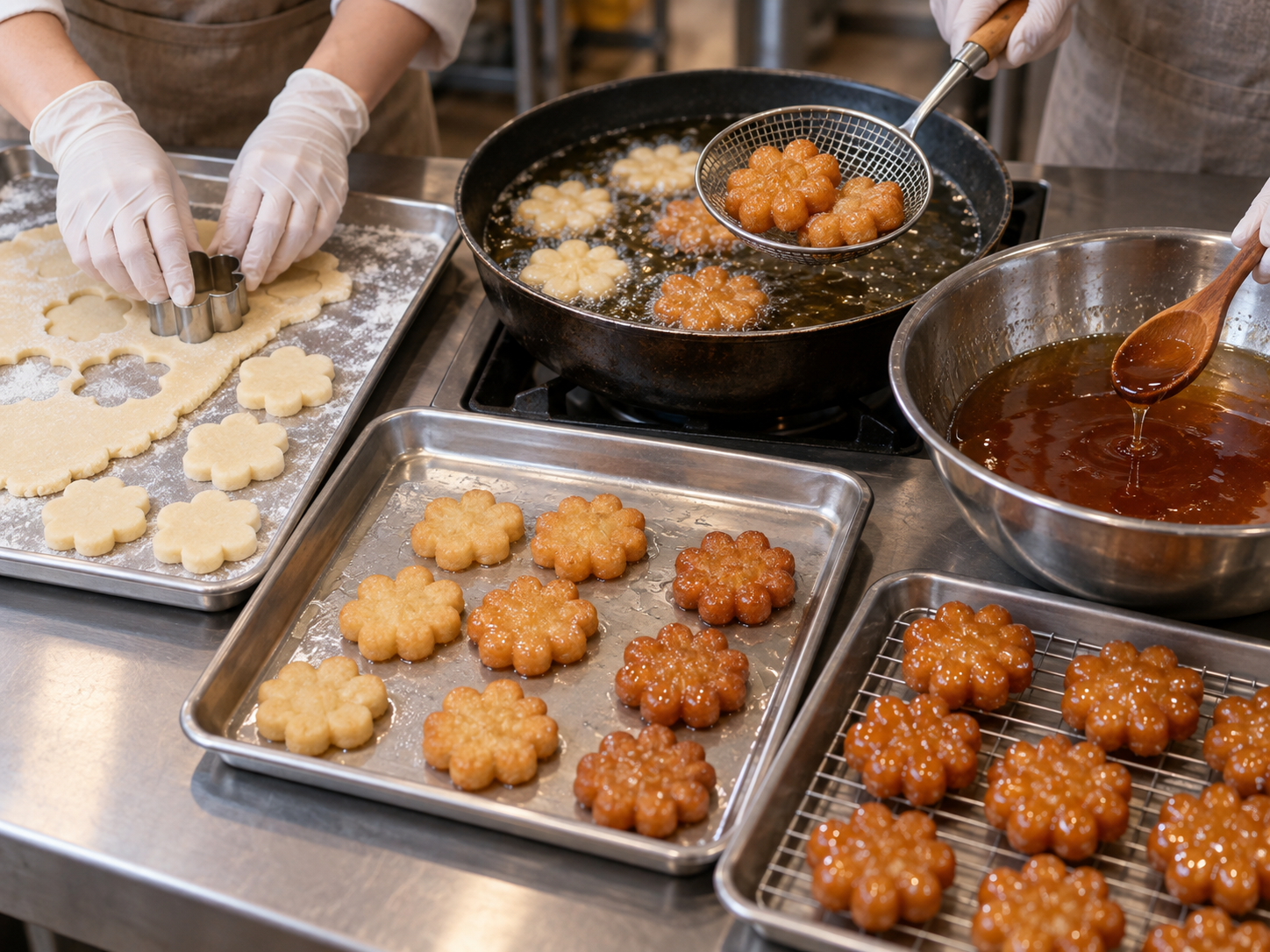
| Yakgwa | A honey pastry family commonly associated with wheat flour, syrup, oil, and frying. Ingredient proportions and shapes vary. | Dense, tender, and chewy or crisp at the edge. | Dough preparation, forming, frying, syrup absorption, cooling, and surface protection must be sequenced. |
| Yugwa | A puffed rice confectionery made through a multi-stage rice dough process and finished with grain syrup or another coating. | Airy, crisp, and delicate. | Drying, puffing, coating, dust removal, and gentle conveying affect yield and appearance. |
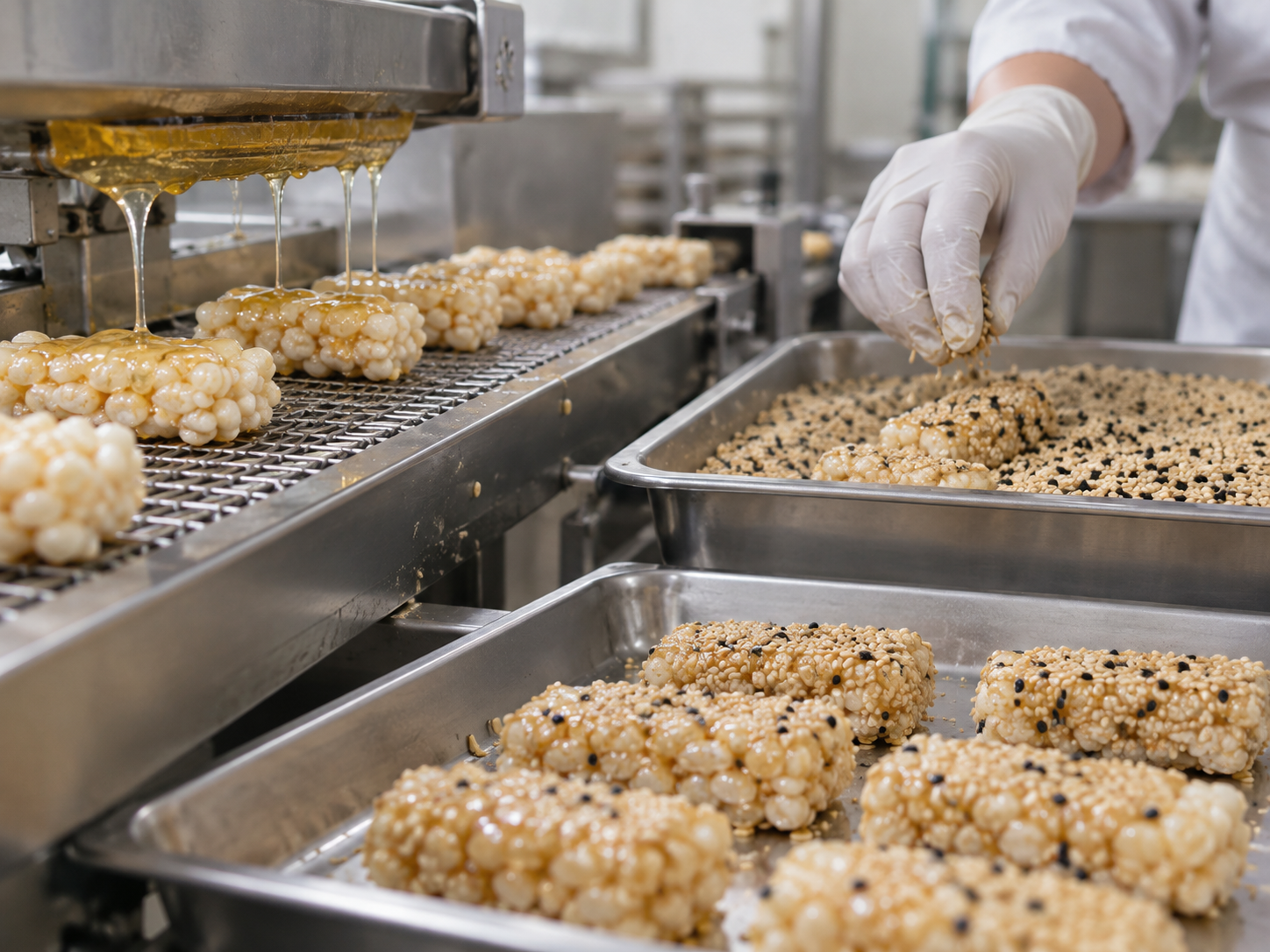
| Gangjeong | Puffed grains, seeds, or nuts bound with a cooked grain syrup and cut or shaped into pieces. | Crisp, crunchy, and bound. | Coating viscosity, piece forming, cutting, cooling, and protection from humidity are central process questions. |
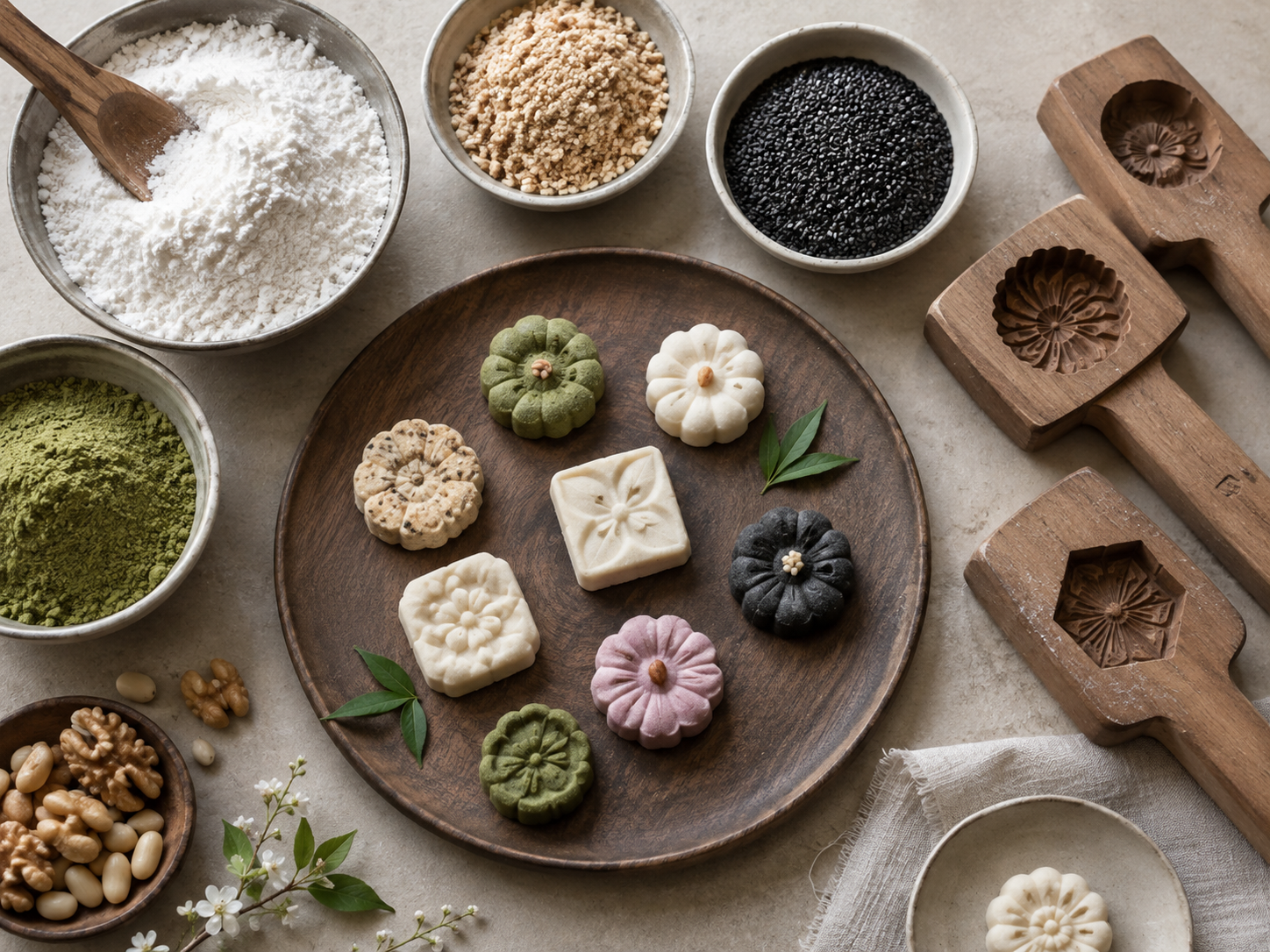
| Dasik | Fine grain, seed, nut, or tea based powders combined with a binder and pressed in a decorative mould. | Firm, fine, and crumbly or compact. | Powder dosing, binder distribution, pressing force, mould release, and careful packing matter. |
| Jeonggwa | Fruit, root, or plant material slowly candied in syrup until the desired gloss and bite are reached. | Glossy, tender, and chewy. | Ingredient size, syrup penetration, cooking time, cooling, and moisture migration must be controlled. |
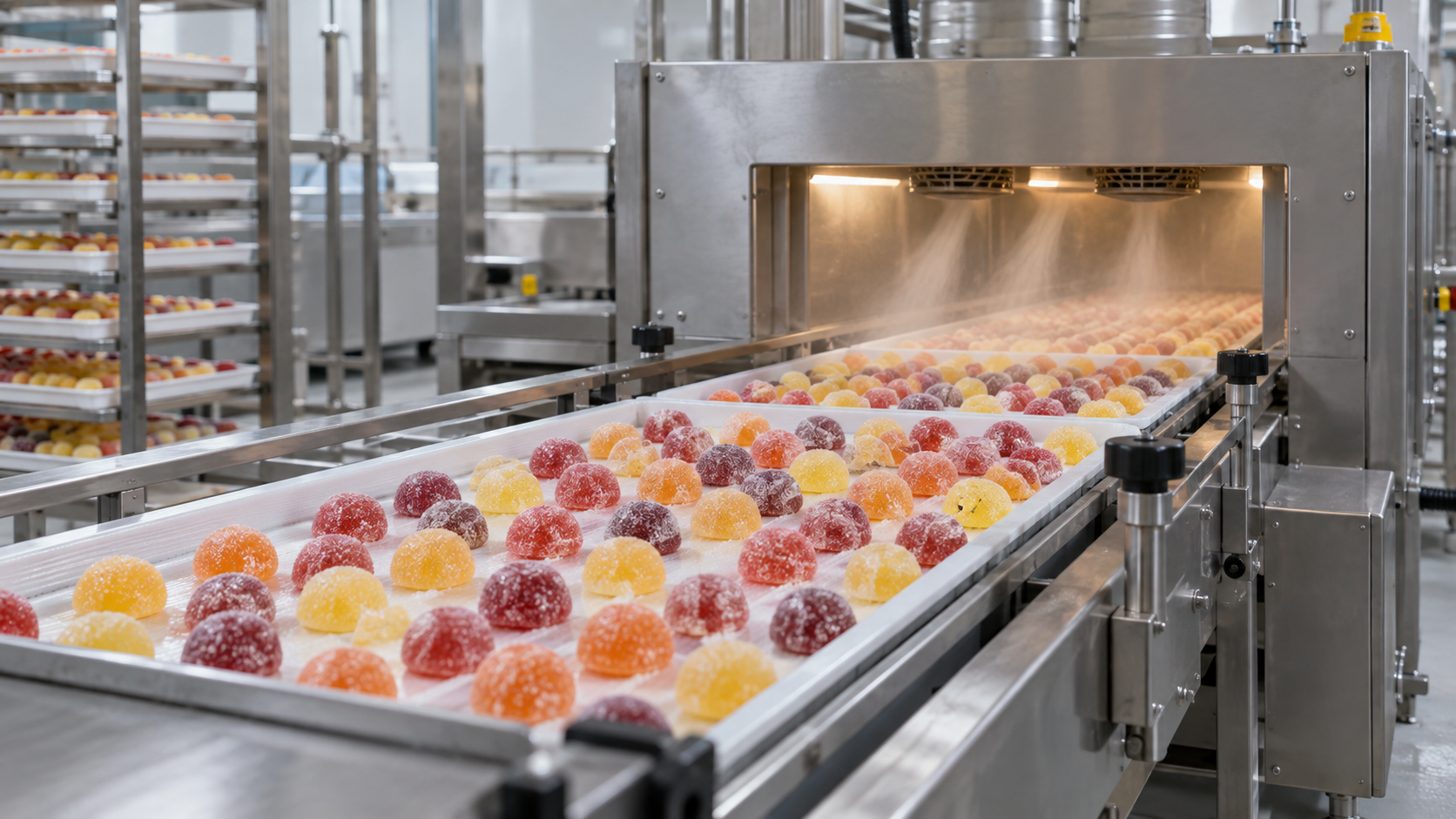
| Modern gummy or jelly | Sugar syrup, gelling ingredients, flavor, color, and acid formed by depositing or starch moulding. | Elastic, soft, or chewy. | Cooking, depositing, mould release, drying or conditioning, coating, and packing normally form a connected route. |
Yeot is not the same as a fruit gummy
Both products can be chewy, but their process logic is different. A yeot style product is built around a concentrated grain syrup and the way that mass cools and is handled. A modern gummy is usually built around a controlled gel system, deposited shape, setting stage, and conditioning or drying step. If a buyer describes both simply as chewy Korean candy, the line recommendation may be too broad to be useful.
What is the difference between traditional and modern Korean candy?
Traditional and modern products can share sweeteners, grains, or fruit, but they are usually developed around different buying occasions and consistency targets. A gift-box hangwa may prioritize visual detail and careful presentation. A retail gummy may prioritize repeatable piece weight, fast changeover, flavor consistency, and a sealed moisture barrier.
| Decision point | Traditional hangwa focus | Modern candy focus |
|---|---|---|
| Product identity | Cultural type, shape, ingredient story, and occasion. | Flavor, texture, shape, pack format, and repeat purchase. |
| Texture target | May be crisp, airy, dense, tender, sticky, or compact depending on the type. | Usually specified as a measurable bite or handling window for repeatable production. |
| Forming | Hand pressing, moulding, cutting, frying, coating, or small-batch shaping may be part of the product identity. | Depositing, starch moulding, extrusion, rolling, cutting, or automated wrapping may be selected for consistency. |
| Packaging | Gift boxes, trays, pouches, or protective inserts may be used to preserve visual quality. | Retail bags, pillow packs, cartons, jars, or bulk packs must match sealing, weight, and distribution needs. |
| Scale decision | Start with the product story and acceptable hand-finishing steps. | Start with target output, piece weight, changeover, quality checks, and total line flow. |
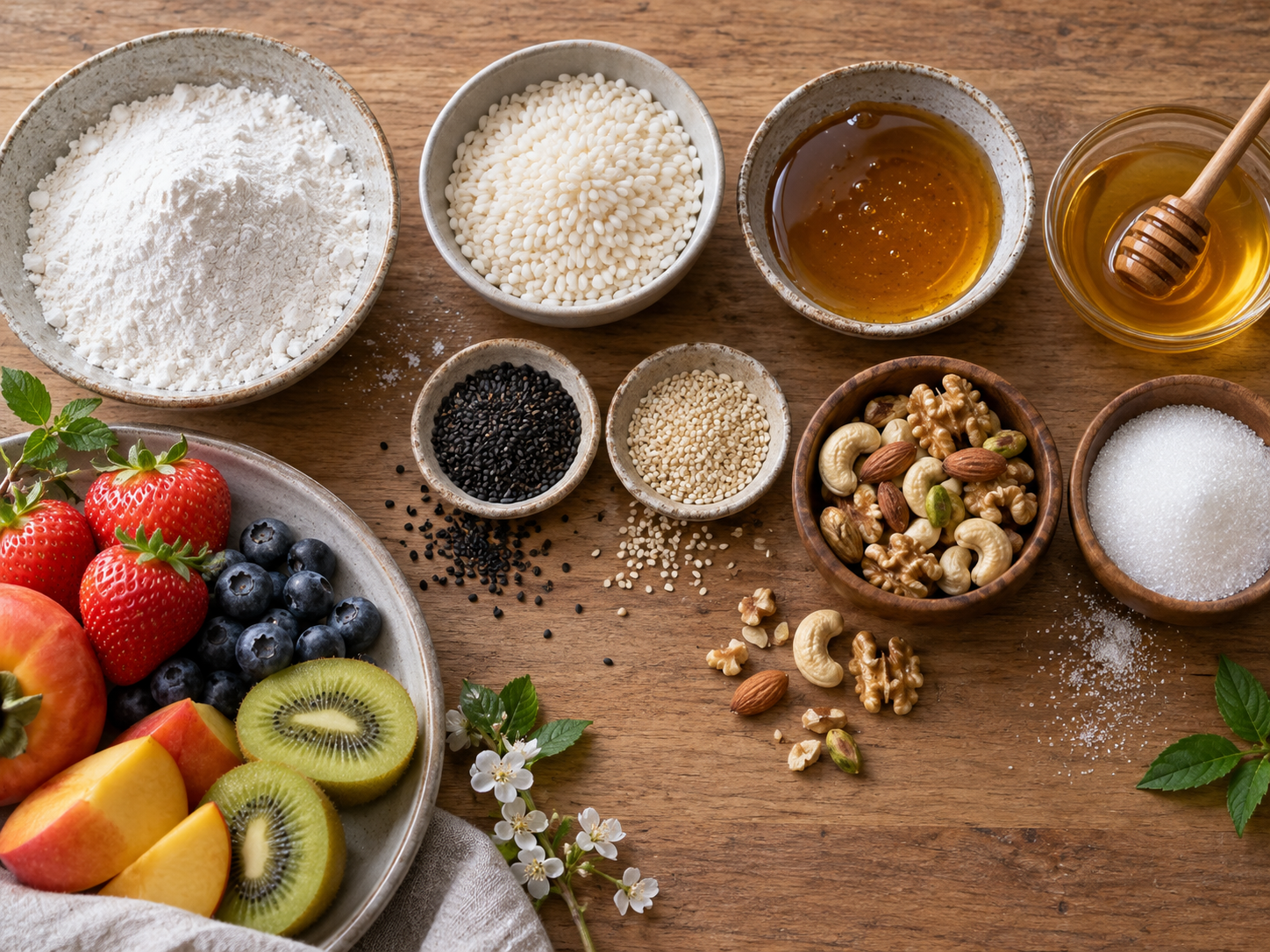
What ingredients should you check in Korean candy?
Do not assume that Korean candy is vegan, vegetarian, gluten free, nut free, or free from any particular allergen. Traditional and modern recipes can use different ingredients, and an imported product may follow the label rules of its destination market. Check the exact package for:
- Grains and flour: wheat, rice, glutinous rice, barley, corn, or other cereal ingredients can change both texture and allergen review.
- Syrups and sweeteners: honey, malt syrup, glucose syrup, corn syrup, sugar, and fruit concentrates behave differently during cooking.
- Gelling and binding systems: gelatin, pectin, starch, agar, gum systems, and protein ingredients are not interchangeable dietary claims.
- Nuts and seeds: sesame, peanuts, tree nuts, and decorative toppings may be part of a traditional sweet or a modern inclusion.
- Flavor and color: a familiar flavor name does not prove the source, processing aid, or allergen status.
- Market label: the ingredient declaration, allergen statement, dietary claim, lot information, and importer details should match the exact product.
The K-FoodTrade overview of Korean rice cake and hangwa describes ingredient groups that can include rice flours, glutinous rice flour, starches, honey, malt syrup, sugar, grains, fruits, and nuts. It also discusses modern facilities and packaging technology as part of commercialization. See the K-FoodTrade background on Korean dessert products. This is useful cultural and product context, but it is not a substitute for the label of a specific packaged candy.
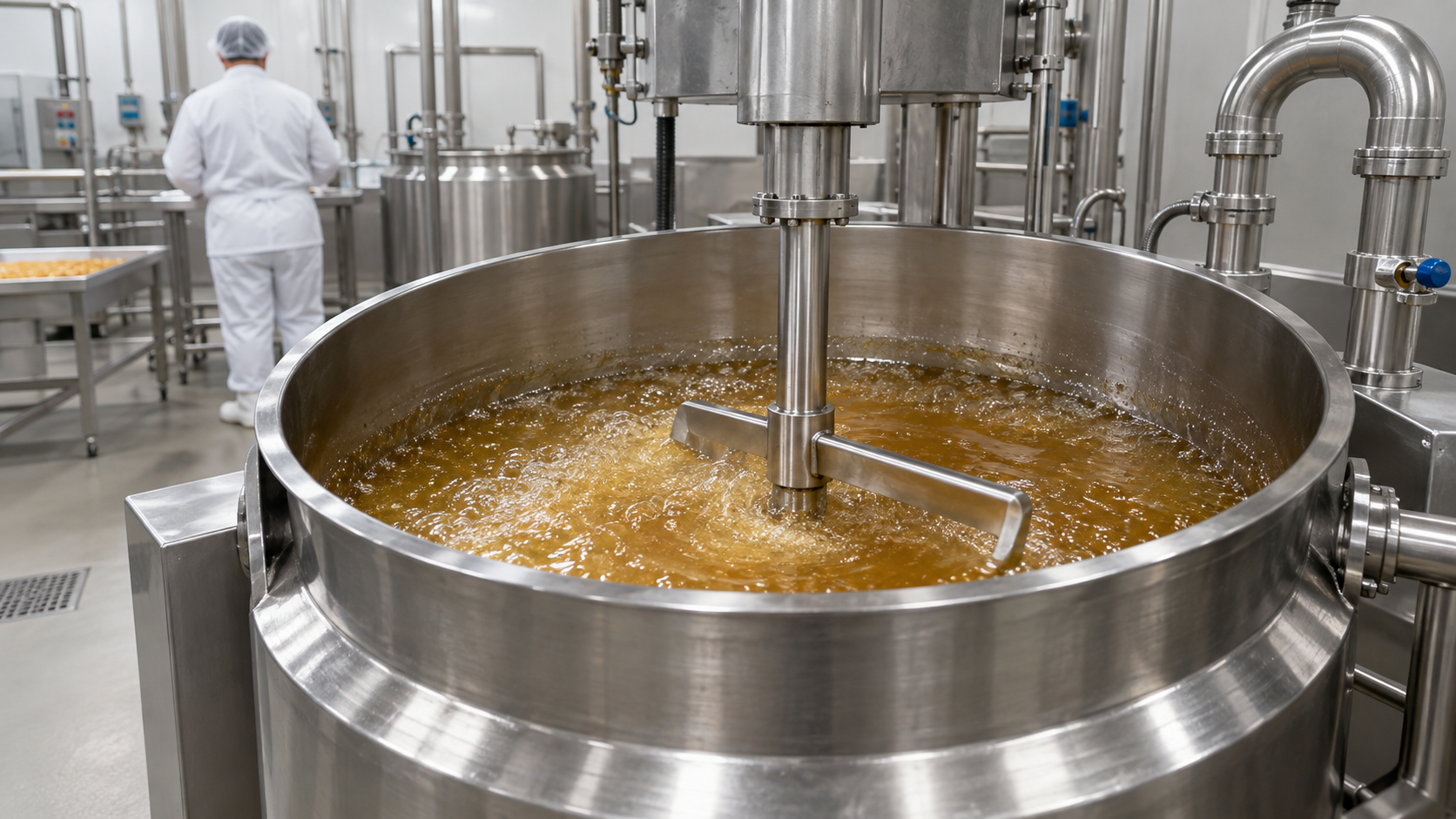
How does Korean candy move from a recipe to repeatable production?
A recipe describes ingredients and method. A production brief translates that recipe into controlled operations, inspection points, and a package. The exact equipment depends on the product, but the decision path is consistent.
1. Define the piece before defining the machine
Record the target piece weight, dimensions, shape, hardness or chew, surface finish, inclusions, coating, moisture sensitivity, and acceptable variation. Also record whether the product is a traditional style, a modern candy, or a hybrid. A supplier cannot compare forming routes accurately if the brief only says Korean candy.
2. Confirm the syrup and moisture window
Sugar, grain syrup, honey, and acid change the cooking behavior. The target solids, temperature, viscosity, and cooling window should be established through trials. For a puffed or fried product, drying and humidity control may matter as much as the cooker. For a gummy, gel setting and conditioning may matter more than frying or pulling.
3. Choose the forming route
Pressing works for some moulded or stamped products. A depositor can place a controlled amount into a mould or starch bed. Extrusion and cutting can create ropes, bars, or repeatable pieces. Rolling, guillotine cutting, frying, or hand finishing may be better for other products. The best route is the one that protects the target texture while meeting output and changeover requirements.
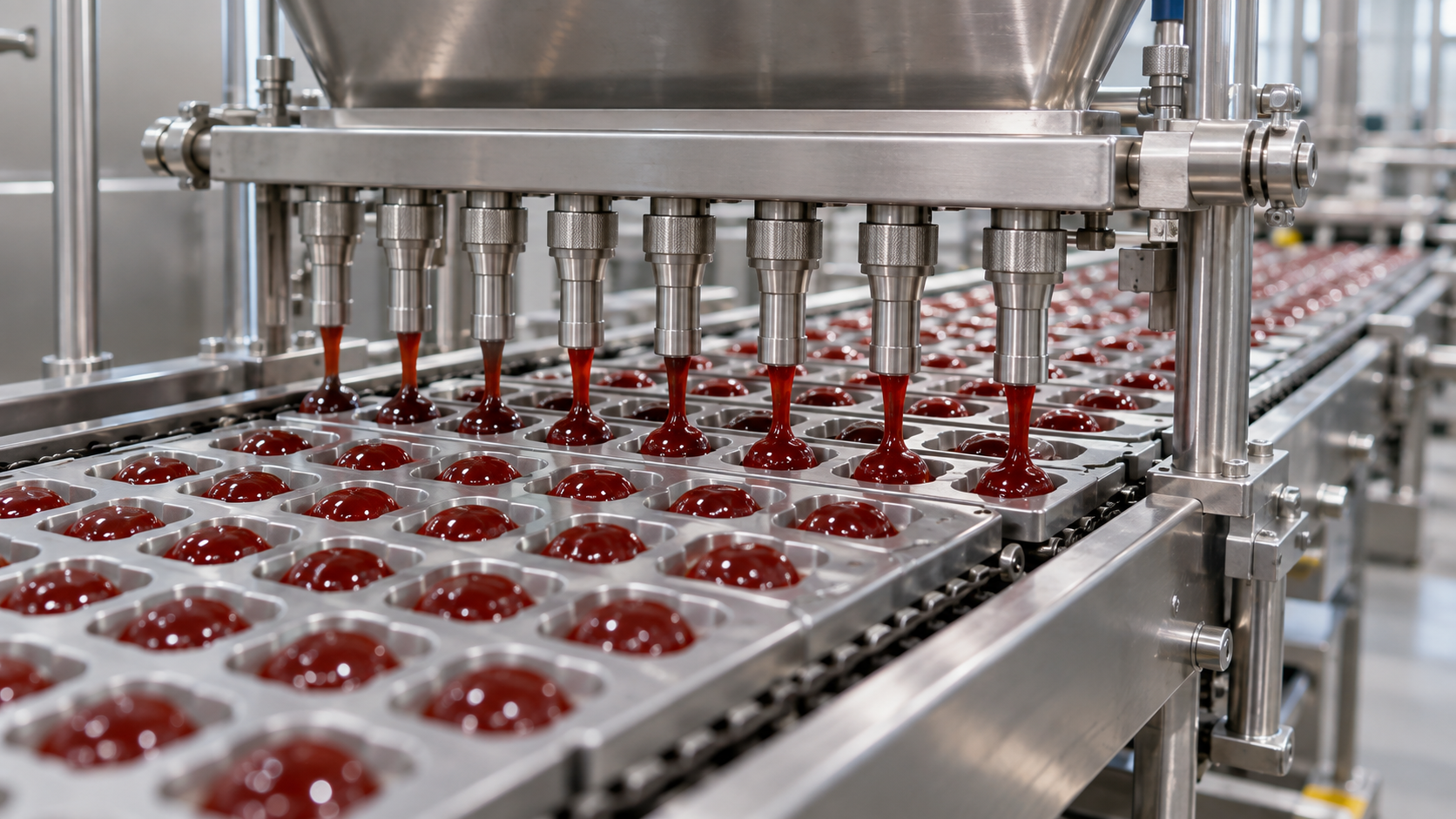
4. Plan drying, coating, and conditioning
Some Korean sweets need a syrup coating, grain or sesame finish, drying, or controlled cooling. Modern gummies may need a setting and conditioning stage before oiling, sanding, or packing. These steps change the product’s surface, stickiness, water activity target, and package requirement. Leaving them out of the early process map often creates a bottleneck after forming.
5. Build quality checks around the finished specification
Quality control should be agreed before equipment is finalized. Depending on the product and market, a plan may include ingredient identity, batch records, cooking temperature, piece weight, dimensions, texture, surface defects, coating coverage, moisture or water activity, package weight, seal quality, date coding, lot traceability, and allergen controls. These are planning points, not claims about a particular factory’s certifications or test results.
Which equipment is used to make Korean candy?
There is no single Korean candy machine because the product family contains different process systems. JY Machine’s candy production line category is a practical starting point for matching a product brief to cooking, forming, depositing, moulding, coating, and packing functions.
| Product direction | Functions to discuss | Information to send with an inquiry |
|---|---|---|
| Pressed or stamped sugar candy | Syrup cooker, rapid cooling, press or stamp, separation, and protective packing. | Piece thickness, mould pattern, breakage tolerance, target weight, and pack format. |
| Yeot or syrup bound grain sweet | Cooking, concentration, cooling, pulling or mixing, cutting, wrapping, and moisture protection. | Grain base, syrup type, target chew, shape, coating, and acceptable hand-finishing. |
| Yakgwa or fried honey pastry | Dough preparation, forming, frying, syrup finishing, cooling, inspection, and packing. | Shape, piece weight, frying profile, syrup pickup, surface finish, and pack protection. |
| Yugwa, gangjeong, or other coated grain sweet | Preparation, drying or puffing, syrup coating, cooling, cutting, dust removal, and packing. | Ingredient particle size, coating, humidity sensitivity, shape, and distribution conditions. |
| Modern Korean gummy or jelly | Cooking, depositing or starch moulding, setting, drying or conditioning, finishing, and packing. | Gel system, piece dimensions, target bite, mould or starch route, output, and package barrier. |
| Mixed product portfolio | Flexible change parts, separate recipe routes, cleaning and changeover plan, and a package system. | SKU count, sequence, changeover time, shared ingredients, sanitation requirements, and forecast. |
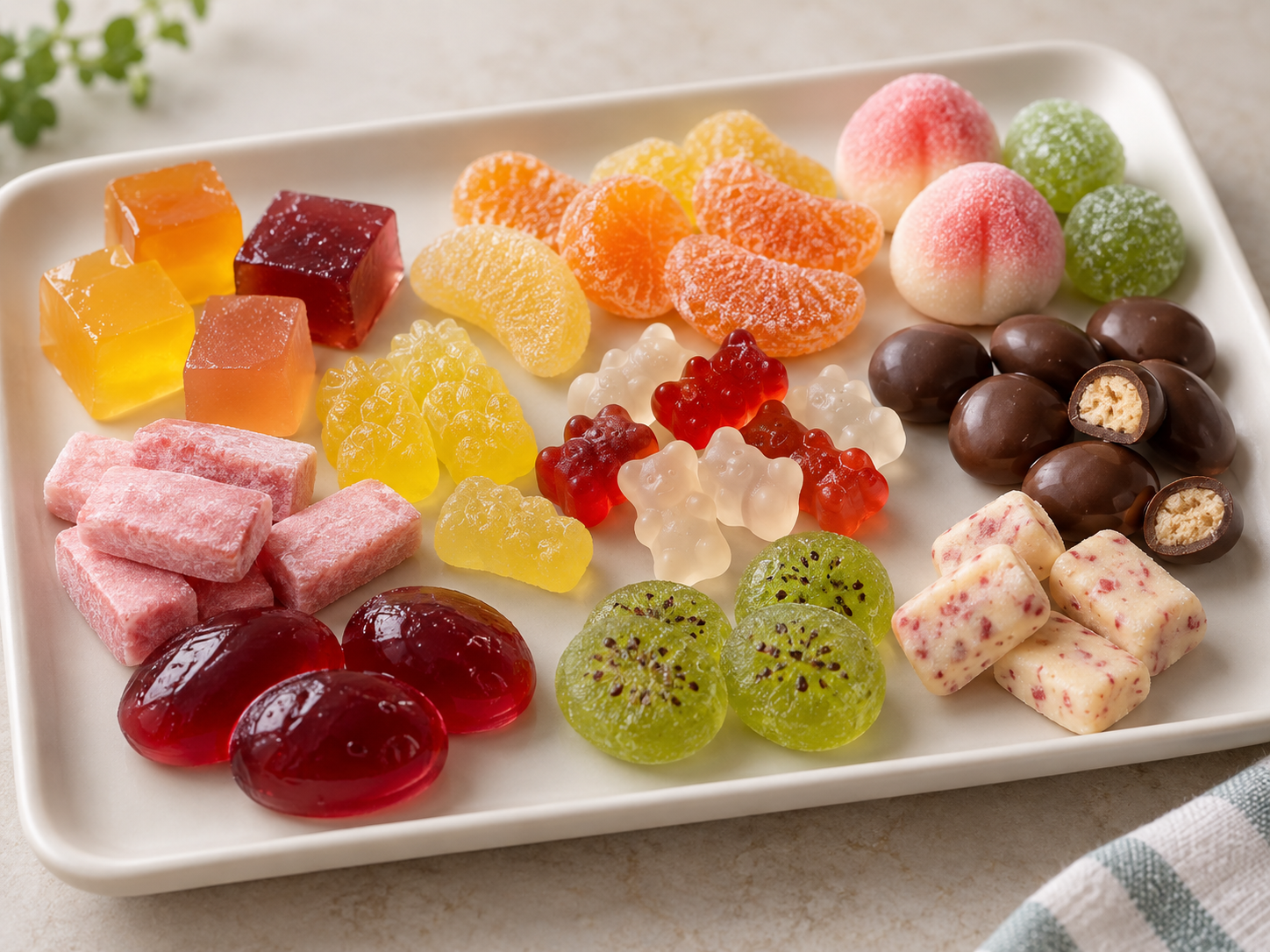
For a gummy or jelly project, review the gummy candy machine category. For pouches, bags, cartons, or other retail formats, include the packing machine requirement in the first conversation instead of treating packaging as an afterthought.
How should Korean candy be packaged?
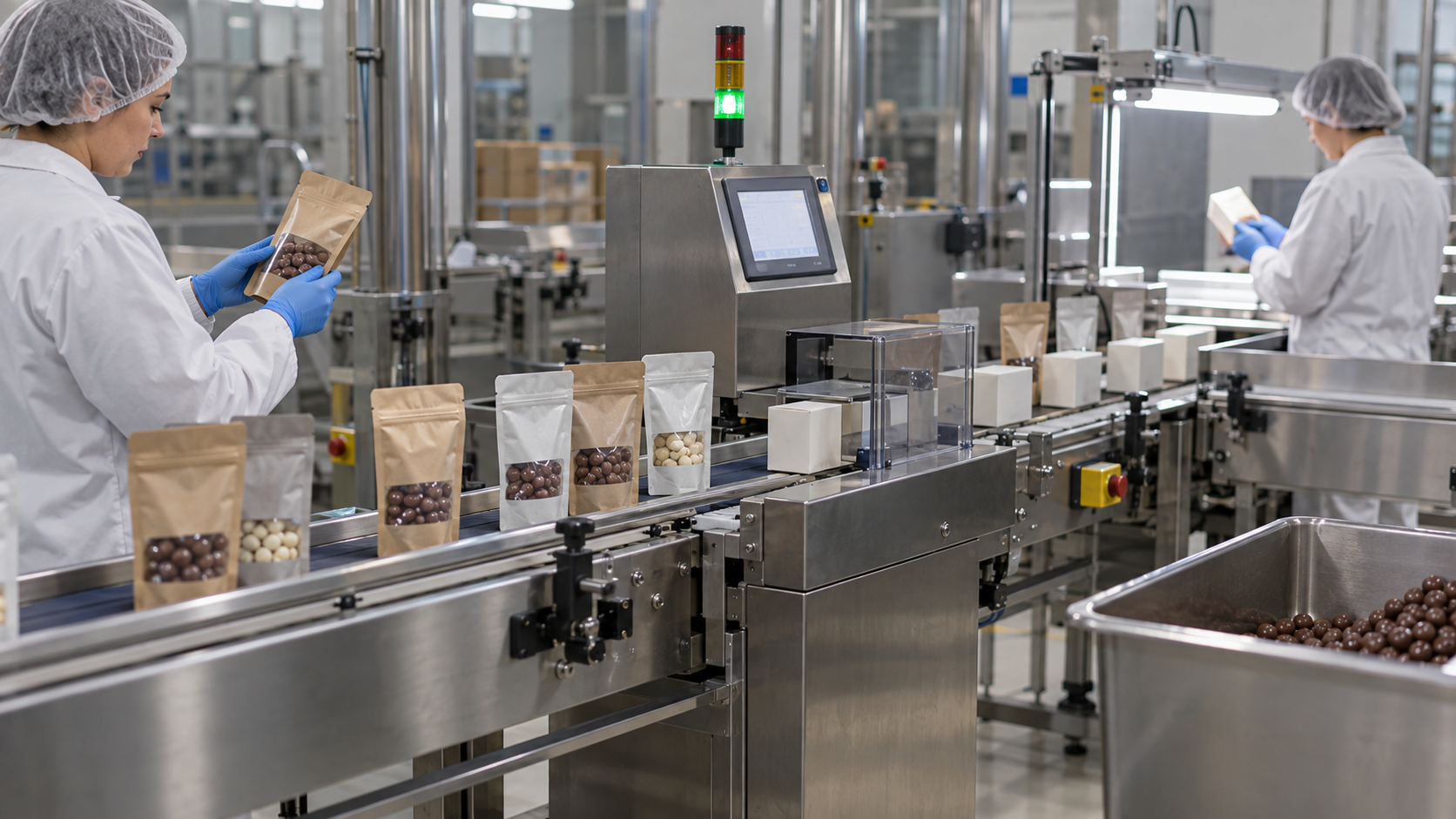
Packaging is part of the product specification. Crisp yugwa and gangjeong can lose their intended texture when exposed to humidity. Sticky yeot and syrup bound sweets may need release and wrapping decisions. Delicate yakgwa or pressed sweets may need trays or inserts that prevent breakage. Gummies need a package that supports the required moisture and handling conditions.
Define the retail weight, primary pack, secondary carton, seal type, date and lot coding, case format, and destination market. Then test the finished product inside the intended package. A strong process can still produce complaints if the package allows sticking, crushing, moisture migration, or label mismatch.
Common questions about Korean candy
What is Korean candy?
Korean candy is a broad search term for sweets associated with Korea. It can refer to traditional hangwa such as yakgwa, yugwa, gangjeong, dasik, jeonggwa, and yeot, or to modern gummies, jellies, hard candies, fruit chews, and chocolate snacks. The exact product name and ingredient list matter.
What are traditional Korean candies?
Traditional Korean confectionery includes several hangwa families. Examples include yakgwa, yugwa, gangjeong, dasik, jeonggwa, and yeot. They do not share one texture or one process: some are fried, some are puffed, some are pressed, some are candied, and some are concentrated or pulled.
Is Korean candy the same as hangwa?
Not always. Hangwa is a cultural term for traditional Korean confectionery and snacks. Korean candy is broader and can include contemporary products made with modern candy systems. If a product is being sold or exported, use the specific product type, ingredients, allergens, and package information.
What is dalgona candy made of?
Dalgona or ppopgi is commonly described as caramelized sugar with a small amount of baking soda, pressed into a thin shape. Recipes and commercial formulations can vary. The finished product needs careful heating, pressing, cooling, and packing because it is light and brittle.
Are Korean candies vegan or gluten free?
There is no single answer for the whole category. Wheat flour, gelatin, dairy, honey, sesame, peanuts, or tree nuts may appear depending on the product. Read the exact ingredient declaration and allergen statement, and do not infer a dietary claim from a traditional name, flavor, or appearance.
What machine is used to make Korean candy at scale?
The machine depends on the product. A commercial route may combine a cooker, mixer, depositor, moulding or pressing system, fryer, dryer, coater, cooling conveyor, inspection step, and packing machine. A useful recommendation starts with the recipe, texture, piece weight, output, changeover, and package rather than a generic candy name.
Choose the product texture before the candy machine
Korean candy is easiest to develop when the cultural product name is translated into a measurable product brief. State whether the target is crisp, airy, dense, sticky, chewy, elastic, brittle, glossy, or pressed. Then specify the ingredients, piece format, coating, package, output, and market label requirements.
JY Machine can use that brief to discuss a suitable candy production route, a gummy or jelly option, or a packing arrangement. Send the target product, recipe status, piece size, expected output, package format, and destination market through the JY Machine contact page to request a line recommendation.
Related articles and equipment pages
Candy production line from raw materials
Candy production line category