캔디 생산 라인에서의 미생물학적 검사에 대한 기술적 분석: 원리, 방법 및 데이터 해석
서론: 과학으로 달콤함을 지키기
미생물학적 검사는 사탕 산업에서 안전성과 품질을 보장하는 데 중요한 역할을 합니다. 설탕이 자연 방부제 역할을 하지만, 젤리, 초콜릿, 우유 기반 사탕, 충전된 과자와 같은 사탕 제품은 오염에 취약합니다. 효모, 곰팡이, 심지어 유해한 병원체도 위생이 엄격히 통제되지 않으면 번성할 수 있습니다.
사탕 생산 라인에서의 미생물학적 검사는 단순한 규정 준수를 넘어선 과학 기반의 과정으로, 소비자 건강을 보호하고, 유통기한을 연장하며, 브랜드 평판을 유지하는 데 기여합니다. 이 글은 미생물학적 검사에 사용되는 원리, 방법, 데이터 해석 전략을 탐구하며, 이를 직접 적용하는 방법을 설명합니다. 
기초 원리
대상 구별
사탕 생산에서의 미생물학적 위험은 세 가지 범주로 나뉩니다:
-
병원체: 고당 환경에서는 드물지만, 살모넬라 spp., 리스테리아 모노사이토제네스와 병원성 대장균 은 우유 가루, 젤라틴, 견과류, 코코아와 같은 원료를 오염시킬 수 있습니다. 적은 양이라도 완제품에서는 허용되지 않습니다.
-
부패 유기체: 효모와 곰팡이는 사탕에서 가장 흔한 문제를 일으킵니다. 이들은 육안으로 보이는 부패, 이상한 맛, 텍스처 변화를 유발하여 유통기한과 시장성을 저하시킵니다.
-
지표 유기체: 대장균군과 총 생존균(TVC)은 생산 내 위생 수준을 나타냅니다. 이들의 존재는 청소, 설비 설계 또는 환경 통제의 약점을 보여줍니다.
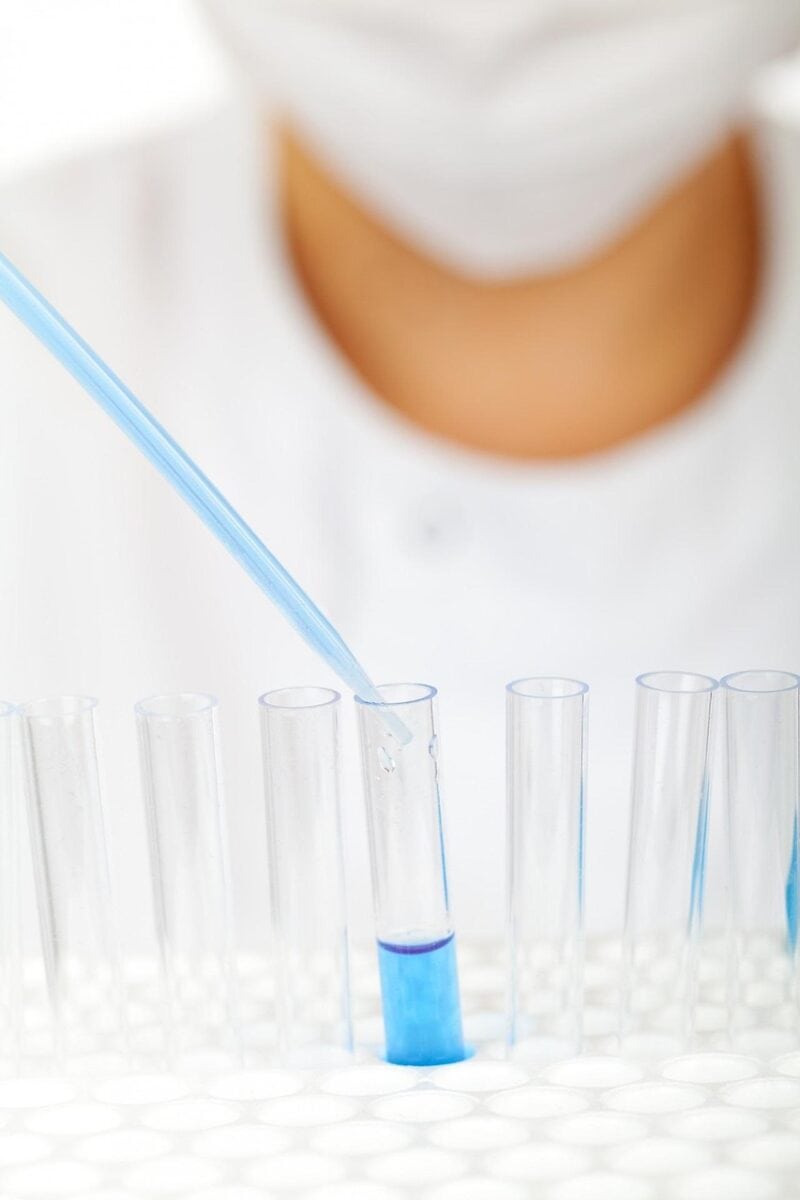
검사의 핵심 목표
사탕 제조업체는 미생물학적 검사를 통해 두 가지 중요한 질문에 답합니다:
-
검출 (정성적): 병원체가 존재합니까? 예를 들어, 살모넬라 초콜릿에는 항상 없어야 합니다.
-
계수(정량): 몇 개체가 존재합니까? 효모와 곰팡이 수치는 CFU/g으로 표현되며, 유통기한 예측과 위생 효과 검증에 도움을 줍니다.
사탕 생산에서의 고전 미생물학적 방법
배양 기반 방법은 여전히 사탕 품질 관리의 표준입니다.
-
샘플 준비: 끈적한 캐러멜이나 젤라틴 기반 구미와 같은 제품은 균주 수를 측정하기 위해 균질화하고 희석하여 도말합니다.
-
배양 배지:
-
총 균수 측정을 위한 Plate Count Agar (PCA).
-
곰팡이용 Dichloran Rose Bengal Chloramphenicol (DRBC) 배지.
-
바이드-파커 배지: 황색포도상구균.
-
-
배양: 사탕 내 곰팡이 검출은 곰팡이의 성장 속도가 박테리아보다 느리기 때문에 낮은 온도에서 5~7일간 배양이 필요합니다.
제한 사항: 긴 배양 시간(일수), 수작업 부담, 그리고 ‘생존하지만 배양되지 않는’ 미생물의 과소평가 가능성으로 인해 배양 기반 검사는 빠른 출시가 필요한 사탕 제품에는 적합하지 않을 수 있습니다.
현대의 신속 방법
사탕 생산에서의 PCR (qPCR)
PCR은 초콜릿이나 살모넬라 에서 병원체를 매우 특이적으로 검출할 수 있게 합니다. 리스테리아 밀크 기반 사탕에서. 복잡한 설탕과 지방 매트릭스가 제기하는 도전에도 불구하고, 최적화된 DNA 추출 키트는 억제제를 제거하는 데 도움을 줍니다. qPCR은 24~48시간 내에 결과를 제공하며, 전통적인 배양보다 훨씬 빠릅니다.
ELISA
ELISA 검사는 사탕, 특히 여러 재료가 결합된 충전 제품(예: 견과류가 들어간 초콜릿)에서 미생물 독소 또는 알레르기 유발 물질을 검출하는 데 사용됩니다.
ATP 생물발광
ATP 검사는 널리 사용됩니다 위생 검증 사탕 생산 라인에서. 컨베이어 벨트, 몰드 또는 포장 스테이션을 스와브하여 실시간 결과를 몇 분 내에 제공하며, 청소 프로토콜이 효과적인지 확인합니다.
사탕 생산에서 미생물학적 데이터 해석
한계 설정
-
사양 한계: 병원체의 경우 살모넬라, 검출이 없음을 의미하는 절대적 한계입니다.
-
조치 한계: 젤리의 효모 및 곰팡이 수치에 대해 제조업체는 임계값(예: <100 CFU/g)을 설정할 수 있습니다. 이 수준을 초과하면 교정 청소 또는 원자재 검토가 필요합니다.
-
경보 한계: 조기 경보 수준은 유통기한에 영향을 미치기 전에 위생 상태의 이탈을 감지하는 데 도움을 줍니다.
추세 분석
시간에 따른 효모 및 곰팡이 수치를 모니터링함으로써, 사탕 제조업체는 계절 습도, 원자재 변동성 또는 건조 과정의 부적절함과 관련된 상승 추세를 파악할 수 있습니다.
사탕 라인에서의 일반적인 문제 해결
| 관찰 | 가능한 원인 | 권장 행동 |
|---|---|---|
| 젤리의 높은 효모 수치 | 조리 후 과도한 수분 또는 건조 불량 | 수분 조절을 확인하고 건조 단계를 최적화하세요 |
| 초콜릿에서 곰팡이 검출 | 오염된 견과류, 부적절한 저장 | 생 견과류 공급업체를 점검하고 저장 습도 조절 검토 |
| 산발적인 살모넬라 검출 | 오염된 분유 또는 교차 오염 | 공급업체 감사 강화; 분말 취급 장비를 깊이 청소하세요 |
| 높은 ATP 수치지만 낮은 미생물 수 | 세척 후 설탕 잔류물 | 헹굼 절차를 검토하고 곰팡이의 끈적한 축적 여부를 확인하세요 |
기준 및 규제 프레임워크
사탕 제조업체는 엄격한 식품 안전 기준을 준수해야 하며, 다음을 포함합니다:
-
FDA BAM (세균학적 분석 매뉴얼) 한국 제품에 적용됩니다.
-
ISO 21527 효모 및 곰팡이 계수 산출을 위해.
-
EU 규정 (EC No 2073/2005) 식품 내 미생물 기준을 위해.
-
HACCP 시스템 중요한 관리 지점에서 미생물학적 모니터링이 요구됨.
캔디 미생물 검사 미래 동향
-
산업 4.0 통합: 실시간 위생 모니터링을 위한 IoT 플랫폼에 연결된 온라인 센서.
-
전장 유전체 시퀀싱 (WGS): 원료 공급망 내 병원체 출처 추적을 위한 (예: 젤라틴 또는 코코아).
-
AI 기반 예측 모델: 환경 및 계절 데이터를 기반으로 오염 위험 예측.
-
통합 시스템: 체크웨이거, 금속 탐지기, 미생물학적 모니터링을 하나의 검사 허브에 통합.
결론
캔디 생산에서의 미생물 검사 는 규제 요구사항이자 전략적 품질 도구입니다. 전통적인 도금 방법부터 신속 PCR 및 ATP 검사까지, 각 접근법은 고유한 강점을 제공합니다.
이 기술들을 숙달하고 데이터를 효과적으로 해석함으로써, 캔디 제조업체는 소비자 안전을 보호하고, 제품 일관성을 유지하며, 브랜드 신뢰를 지킬 수 있습니다. 산업 4.0 기술이 발전함에 따라, 미생물 검사는 규제 준수 수단에서 품질, 효율성, 혁신의 능동적 엔진으로 진화할 것입니다.

- FDA – 식품의약국 https://www.fda.gov/
- AOAC 국제 – 공식 분석 화학자 협회 https://www.aoac.org/
- ISO – 국제 표준화 기구 https://www.iso.org/
- USDA – 농무부 https://www.usda.gov/
- CDC – 질병통제예방센터 https://www.cdc.gov/
- 미국 미생물학회 (ASM) https://asm.org/
- WHO – 세계보건기구 https://www.who.int/
- ASTM 국제 – 미생물 검사 표준 https://www.astm.org/
- 미국 약전 (USP) https://www.usp.org/
- 유럽약전 (EDQM) https://www.edqm.eu/