Introduction: Unpacking Bulk Manufacturing
Making gummy sweets on a large scale is complex. It involves food science and process engineering. This goes way beyond simple recipes. It’s about controlled chemical reactions and precise machinery.
This article breaks down the technical process for manufacturing gummy sweets bulk. We’ll examine the science from ingredient chemistry to final quality checks. This isn’t a consumer guide. It’s a technical analysis for industry professionals.
Understanding these principles matters. You need them to develop new products, optimize existing production lines, and ensure consistent quality at scale.
We’ll cover these key stages:
-
The foundational chemistry of core gummy ingredients.
-
A comparative analysis of primary gelling agents.
-
A step-by-step breakdown of the industrial production line.
-
Technical troubleshooting for common manufacturing defects.
-
Future trends in gummy technology.
The Foundational Chemistry
A gummy’s texture, stability, and taste depend on precise chemical interactions between its core components. Each ingredient has a specific, measurable function in the formula.
Gelling Agents: The Hydrocolloid Heart
What makes a gummy a gummy is its gel structure. This comes from hydrocolloids. These are long-chain polymers that form a three-dimensional network in water. They trap the water to create a semi-solid texture.
Choosing the right hydrocolloid is the most important decision in gummy formulation. Options include gelatin, pectin, or starch. This choice defines the final chew and melting behavior.
Sweeteners: More Than Taste
Sweeteners provide taste, but their main technical job is controlling texture and water activity. This control prevents microbial growth and ensures shelf stability.
Sucrose and glucose syrup do most of the work. The ratio between them is critical. Glucose syrup acts as a doctoring agent. It interferes with sucrose’s ability to crystallize. This prevents a grainy texture and maintains the right chew.
Sugar-free formulations use polyols like sorbitol and maltitol. These present technical challenges. They have a lower Maillard browning point and high hygroscopicity. This can lead to stickiness if not managed properly.
Acids: Flavor and Gelation
Food-grade acids like citric, malic, and tartaric acid provide the tangy flavor that balances sweetness.
Their technical role is even more important. Acids lower the pH of the gummy mixture. This is necessary for certain hydrocolloids to set properly. High-methoxyl (HM) pectin won’t gel unless the pH is within a narrow range, typically 3.2 to 3.6.
Flavors, Colors, and Additives
Flavors and colors must withstand heat and acid. The high cooking temperatures can break down volatile flavor compounds and certain natural colorants.
Release agents are essential for handling gummy sweets bulk. A light coating of carnauba wax or medium-chain triglyceride (MCT) oil is applied in a polishing pan. This prevents gummies from sticking together in packaging and provides an attractive gloss.
The Gelling Matrix Showdown
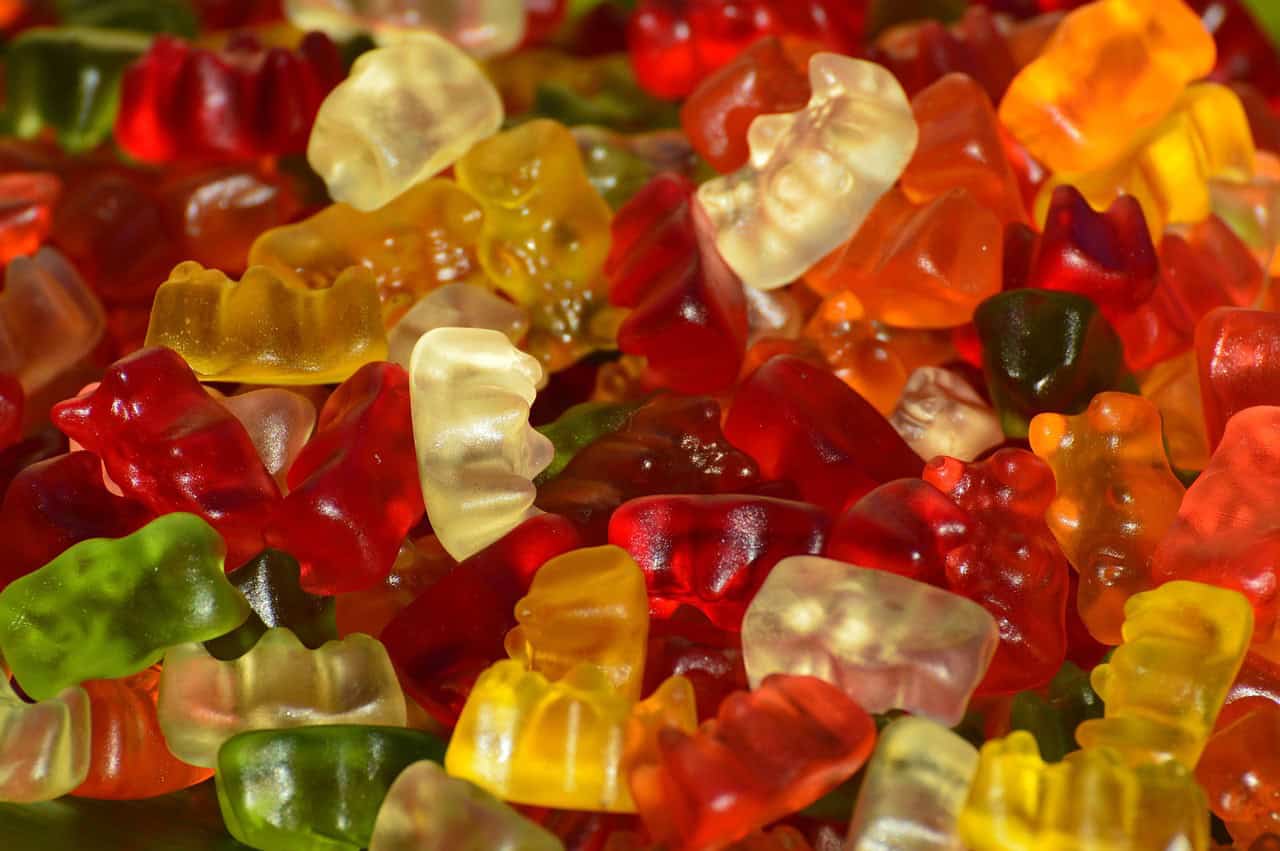
Choosing the right gelling agent is a technical decision. It impacts texture, cost, processing parameters, and market positioning. A direct comparison shows the distinct advantages and limitations of each primary hydrocolloid.
Understanding Critical Parameters
We evaluate gelling agents based on several key technical metrics. These include the final texture profile and the mechanism and conditions required for setting. We also look at processing tolerance, final product clarity, and ingredient source. The source affects labeling claims like “vegan.”
Comparative Analysis Table
This table provides a technical comparison of gelatin, pectin, and modified starch. This data is essential for any product developer formulating a new gummy candy.
|
Caratteristica
|
Gelatin (Bovine/Porcine)
|
Pectin (HM/LM)
|
Amido modificato
|
|
Profilo di Texture
|
Elastic, chewy, slow melt-in-mouth (“classic chew”)
|
cURL Too many subrequests.
|
cURL Too many subrequests.
|
|
Meccanismo di indurimento
|
cURL Too many subrequests.
|
cURL Too many subrequests.
|
cURL Too many subrequests.
|
|
cURL Too many subrequests.
|
cURL Too many subrequests.
|
cURL Too many subrequests.
|
cURL Too many subrequests.
|
|
Chiarezza
|
cURL Too many subrequests.
|
cURL Too many subrequests.
|
cURL Too many subrequests.
|
|
SorgentecURL Too many subrequests.
|
cURL Too many subrequests.
|
cURL Too many subrequests.
|
cURL Too many subrequests.
|
cURL Too many subrequests.
cURL Too many subrequests.
cURL Too many subrequests.
cURL Too many subrequests.
cURL Too many subrequests.
cURL Too many subrequests.
cURL Too many subrequests.
cURL Too many subrequests.
cURL Too many subrequests.
cURL Too many subrequests.
cURL Too many subrequests.
cURL Too many subrequests.
cURL Too many subrequests.
cURL Too many subrequests.
cURL Too many subrequests.
cURL Too many subrequests.
Il metodo tradizionale è la cURL Too many subrequests.cURL Too many subrequests. cURL Too many subrequests. cURL Too many subrequests.
cURL Too many subrequests.
cURL Too many subrequests.
cURL Too many subrequests.
cURL Too many subrequests.
cURL Too many subrequests.
cURL Too many subrequests.
This final step gives the gummies their characteristic gloss. Most importantly, it prevents them from sticking together in bulk packaging.
Technical Troubleshooting for Defects
Even in a well-controlled process, defects can occur. Identifying the root cause requires technical understanding of the formulation and process.
Problem: “Sweating” or Syneresis
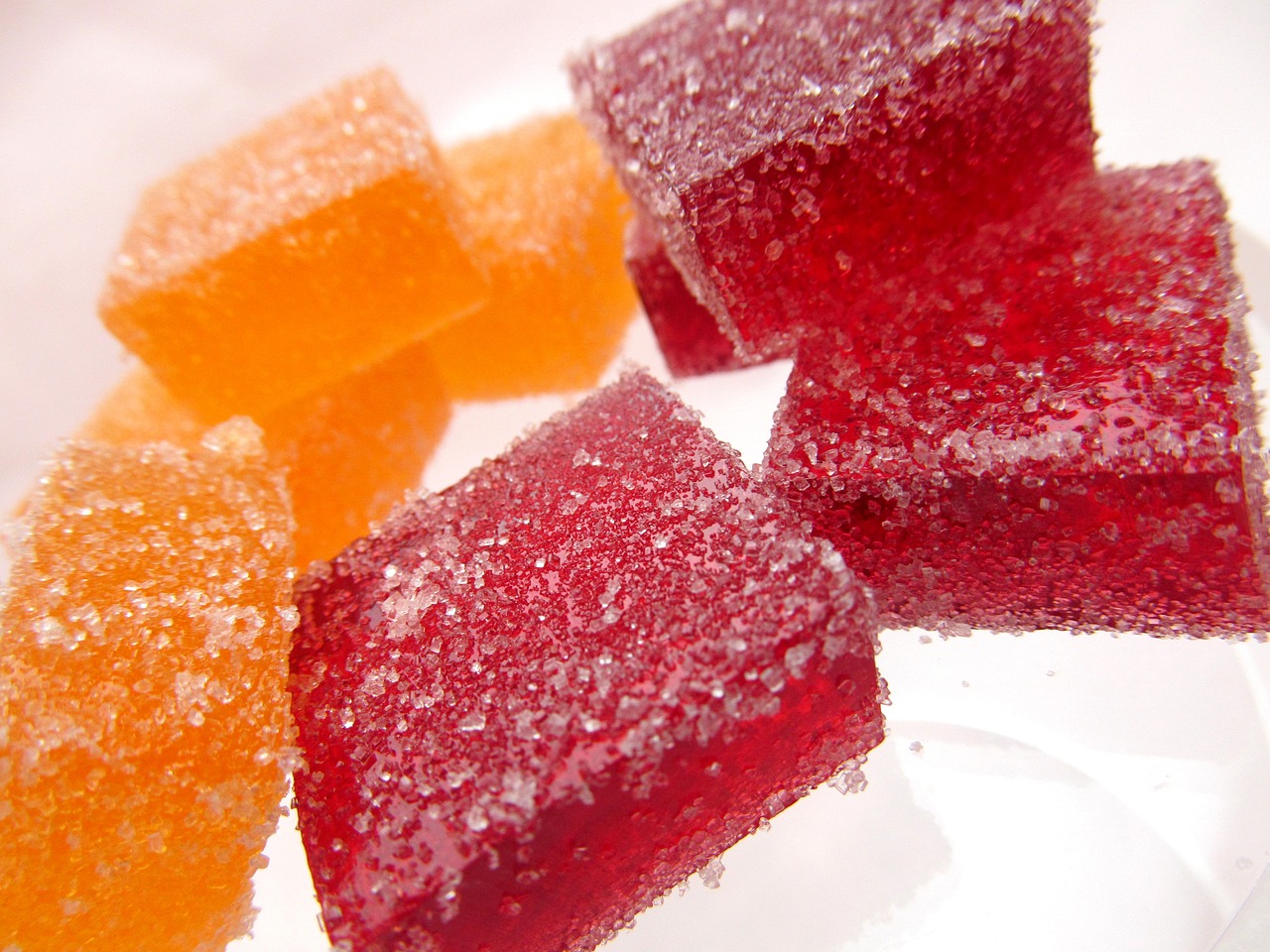
Syneresis is the weeping of liquid from the gel. It’s a common defect. Gummies appear wet or sticky in the package.
This is often caused by an incorrect final solids level. If the Brix is too low, there is excess unbound water. It can also result from a pH imbalance or adding acid too early. This can partially break down the gelling agent.
The solution involves checking the final Brix of every batch with a calibrated refractometer. Also confirm the mixture pH is within specification before acid is added.
Problem: Sticky or Unset Gummies
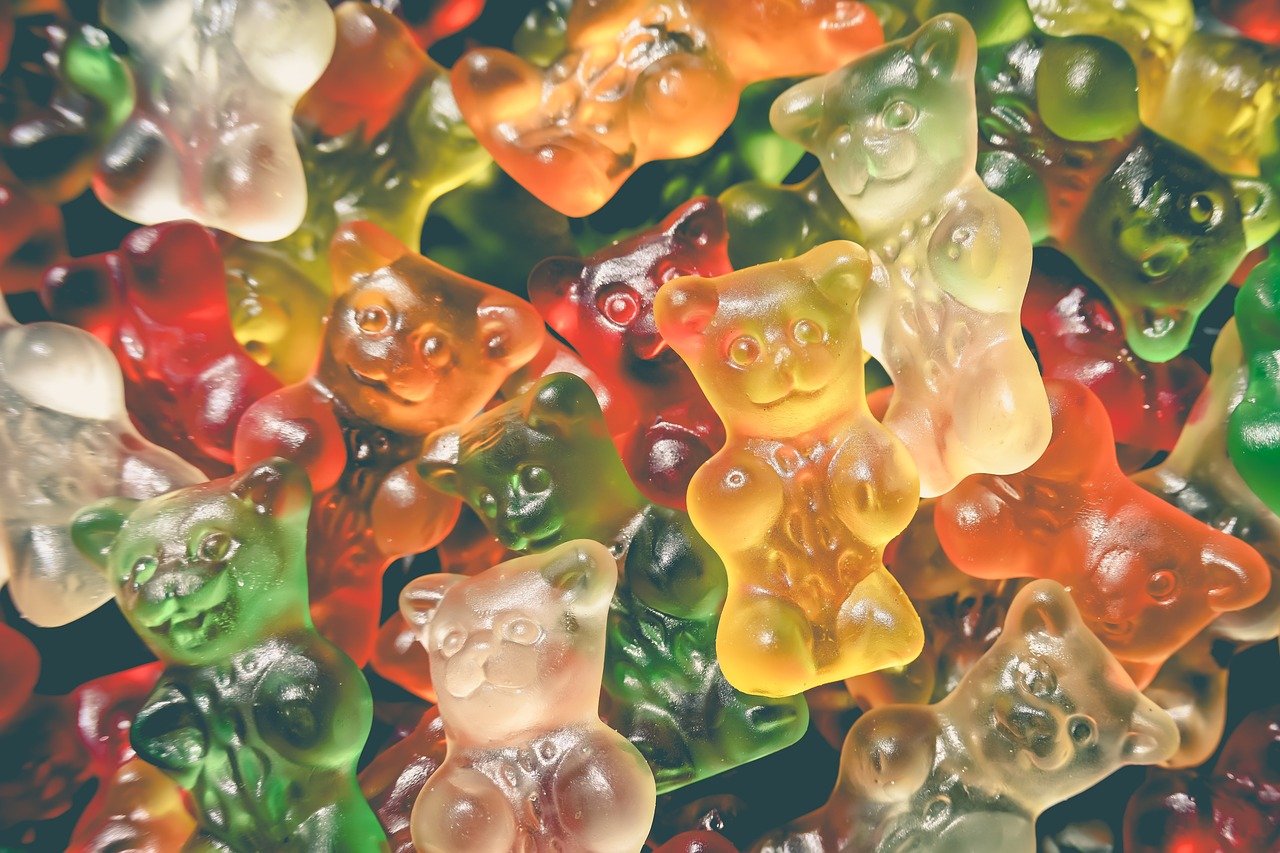
A gummy mass that fails to set properly results in a product that is too soft and sticky.
The most common cause is degradation of the gelling agent. For gelatin, this happens if the mass is held at too high a temperature for too long. For pectin, the cause is often an incorrect pH. This prevents the gel network from forming.
Corrective actions include checking cooking temperatures and hold times. For pectin-based systems, the pH of the mixture must be verified before depositing. A formula review to confirm gelling agent concentration may also be necessary.
Problem: Grainy or Crystalline Texture
A grainy texture is caused by the crystallization of sucrose. This is a critical failure of the sugar system.
The primary cause is an incorrect ratio of sucrose to glucose syrup. Insufficient glucose syrup fails to prevent sucrose crystallization. Another cause is incomplete dissolution of sugar crystals during cooking.
To resolve this, the formula’s sugar ratio must be adjusted to increase the proportion of glucose syrup. Additionally, the cooking process should be validated to ensure all crystalline sugar is fully dissolved before depositing.
Conclusion: Future of Gummy Technology
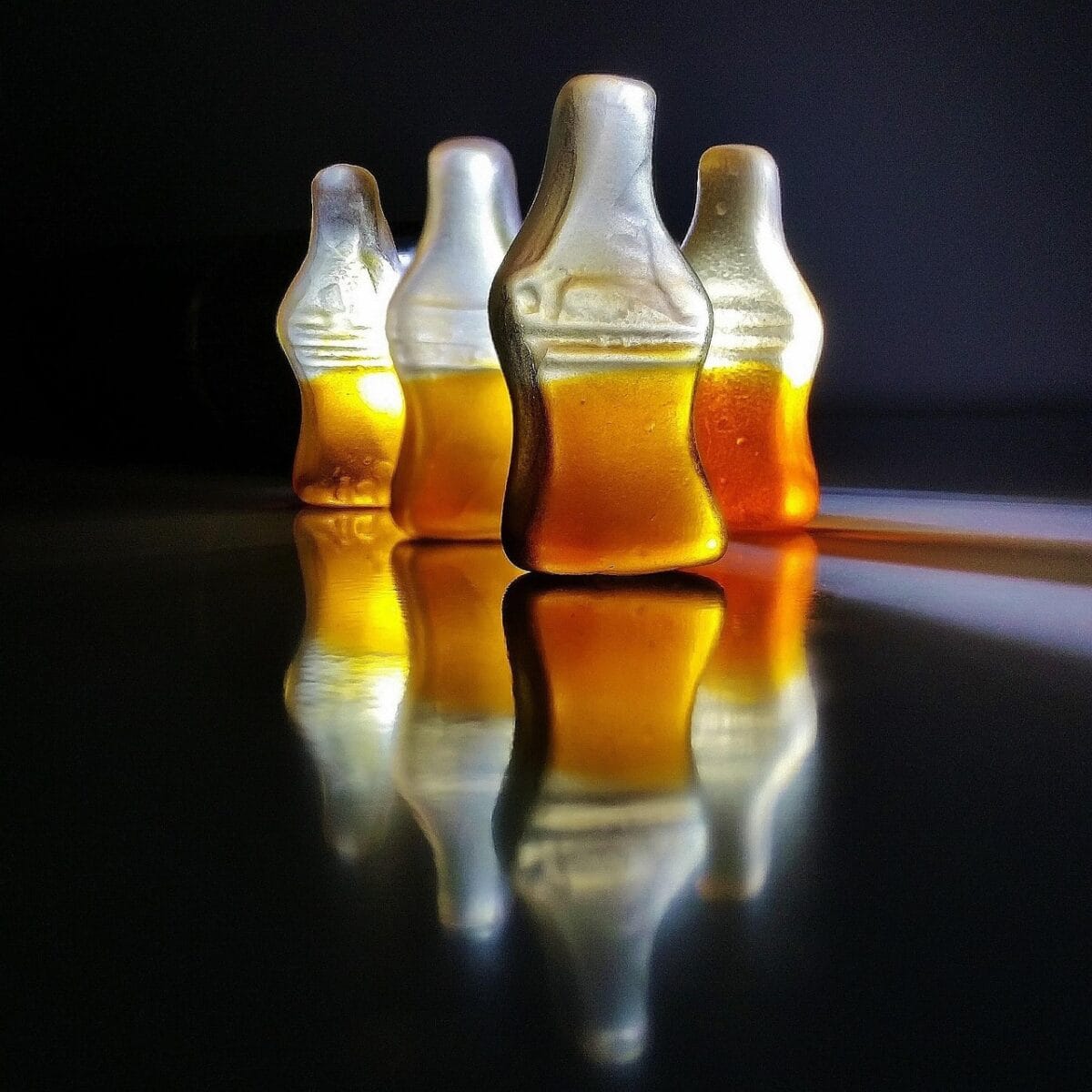
Producing gummy sweets bulk demonstrates applied food science. Success depends on mastering the interplay between ingredient chemistry, precise process control, and rigorous quality assurance.
Key Technical Pillars Recap
The core of successful production rests on three pillars. First, select the correct gelling matrix for the desired texture and market. Second, execute a precise cooking process to hit target solids. Third, implement a controlled curing environment to finalize the product structure.
Innovations on the Horizon
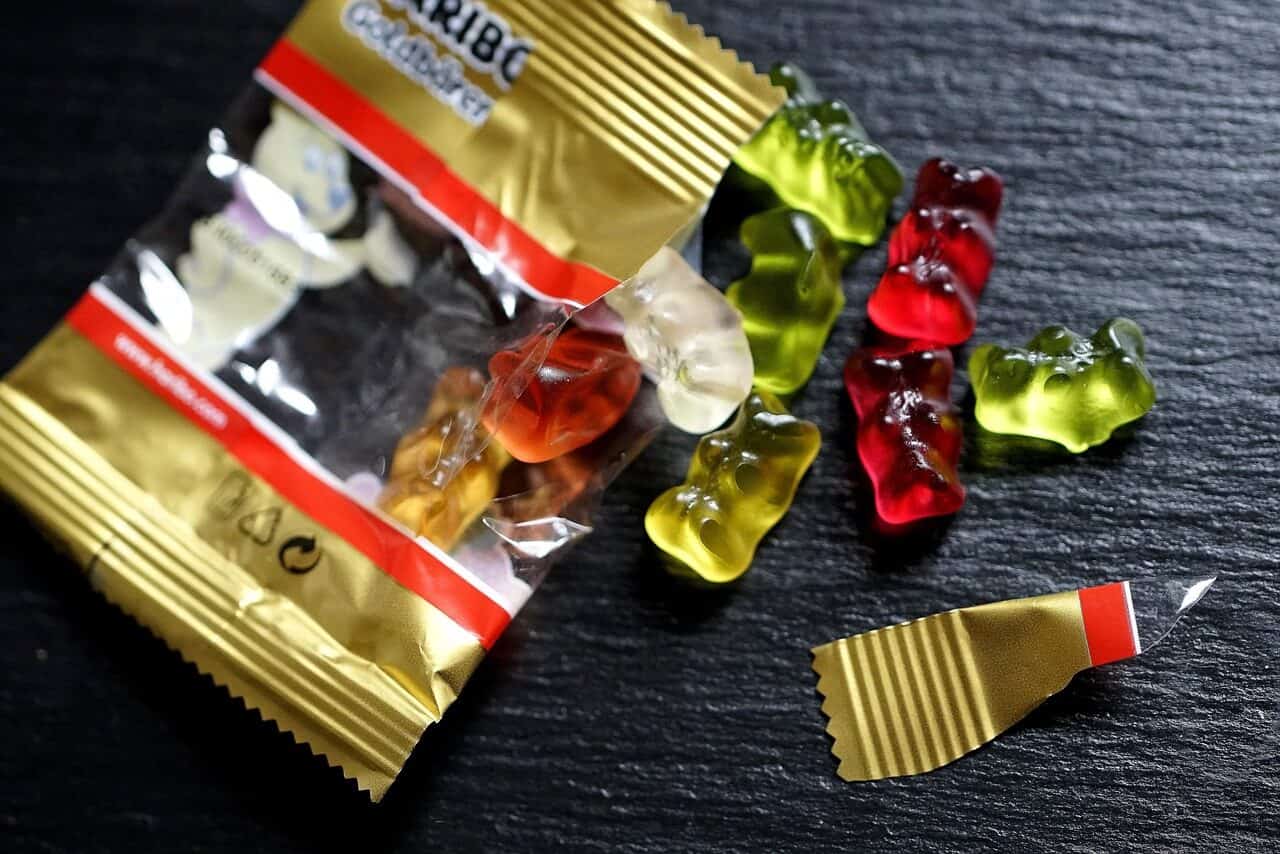
The technology continues to evolve. Consumer demand and processing advancements drive this evolution.
-
Fortification: The industry is heavily focused on incorporating vitamins, minerals, and nutraceuticals. This presents technical challenges in maintaining the stability and bioavailability of these actives through the harsh production process.
-
Automation & Process Control: The integration of real-time sensors for monitoring Brix, pH, and viscosity is improving consistency and reducing waste. AI-driven process logic is also being coupled with these sensors.
-
Novel Textures & Ingredients: Research into new plant-based hydrocolloids and unique ingredient combinations is pushing boundaries. This promises a new generation of gummy products with enhanced texture and sensory experience.
Link di Riferimento:
- Hydrocolloids as thickening and gelling agents in food: a critical review – PMC (NIH) https://www.ncbi.nlm.nih.gov/pmc/articles/PMC3551143/
- Idrocolloidi alimentari: struttura, proprietà e applicazioni – PMC https://pmc.ncbi.nlm.nih.gov/articles/PMC11011930/
- The Role of Hydrocolloids in the Development of Food Structure – Royal Society of Chemistry https://books.rsc.org/books/edited-volume/772/chapter/502467/The-Role-of-Hydrocolloids-in-the-Development-of
- Starch Gelatinization – ScienceDirect Topics https://www.sciencedirect.com/topics/food-science/starch-gelatinization
- Pectin Hydrogels: Gel-Forming Behaviors, Mechanisms, and Food Applications – PMC https://pmc.ncbi.nlm.nih.gov/articles/PMC10530747/
- Fundamentals of Confectionery Science and Technology – University of Wisconsin https://interpro.wisc.edu/courses/fundamentals-of-confectionery-science-and-technology-module-1-sugar-confections/
- Confectionery Processing – Institute of Food Technologists (IFT) https://www.ift.org/news-and-publications/food-technology-magazine/issues/1999/december/columns/processing
- Research on the Properties of Polysaccharides, Starch, Protein, Pectin, and Fibre in Food Processing – PMC https://pmc.ncbi.nlm.nih.gov/articles/PMC9857836/
- Pectin Stabilized Fish Gelatin Emulsions: Physical Stability, Rheological, and Interaction Properties – PMC https://pmc.ncbi.nlm.nih.gov/articles/PMC9326445/
- Effects of pectin with different molecular weight on gelatinization behavior and textural properties of corn starch – ScienceDirect https://www.sciencedirect.com/science/article/abs/pii/S0308814618308021