How Do You Make Gummy Bears? From Home Kitchen to Commercial Production
Combine gelatin, sugar, corn syrup, and flavored liquid — heat until dissolved, pour into molds, and refrigerate 30–60 minutes to set.
Gummy bears are one of the few candies that look deceptively simple from the outside. Four or five ingredients, a silicone mold, a pot — how hard can it be? Ask anyone who has tried to replicate that perfect Haribo chew at home and you will get a knowing look. The texture is everything. Too much gelatin and you get a rubbery bouncing ball. Too little and you have a puddle of fruit-flavored syrup.
This guide covers the full spectrum — from a reliable home recipe that actually delivers commercial-grade chew, to the industrial process that produces millions of gummies per hour. Whether you are a curious home cook, a small-batch candy entrepreneur, or sourcing equipment for a confectionery production line, you will find what you need here.
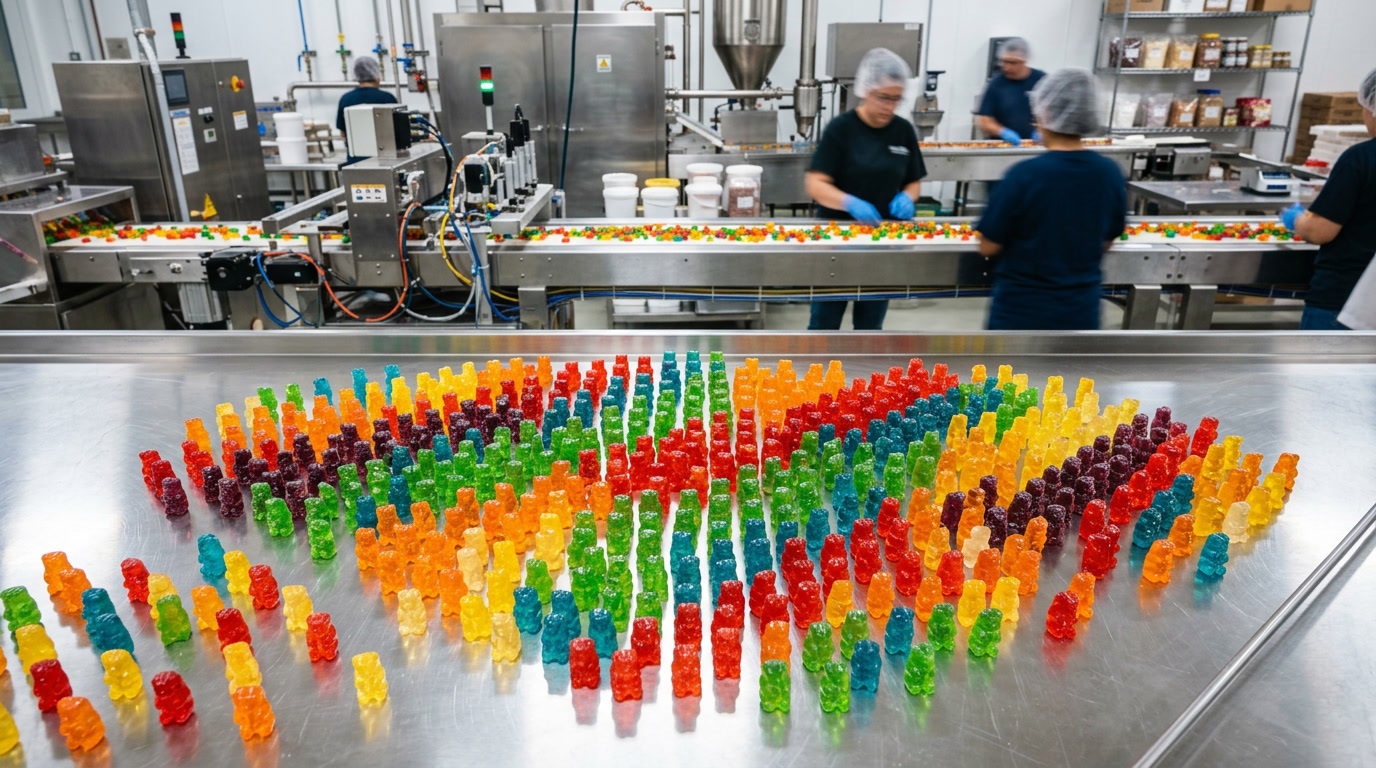
What Are Gummy Bears and What Makes Them Work?
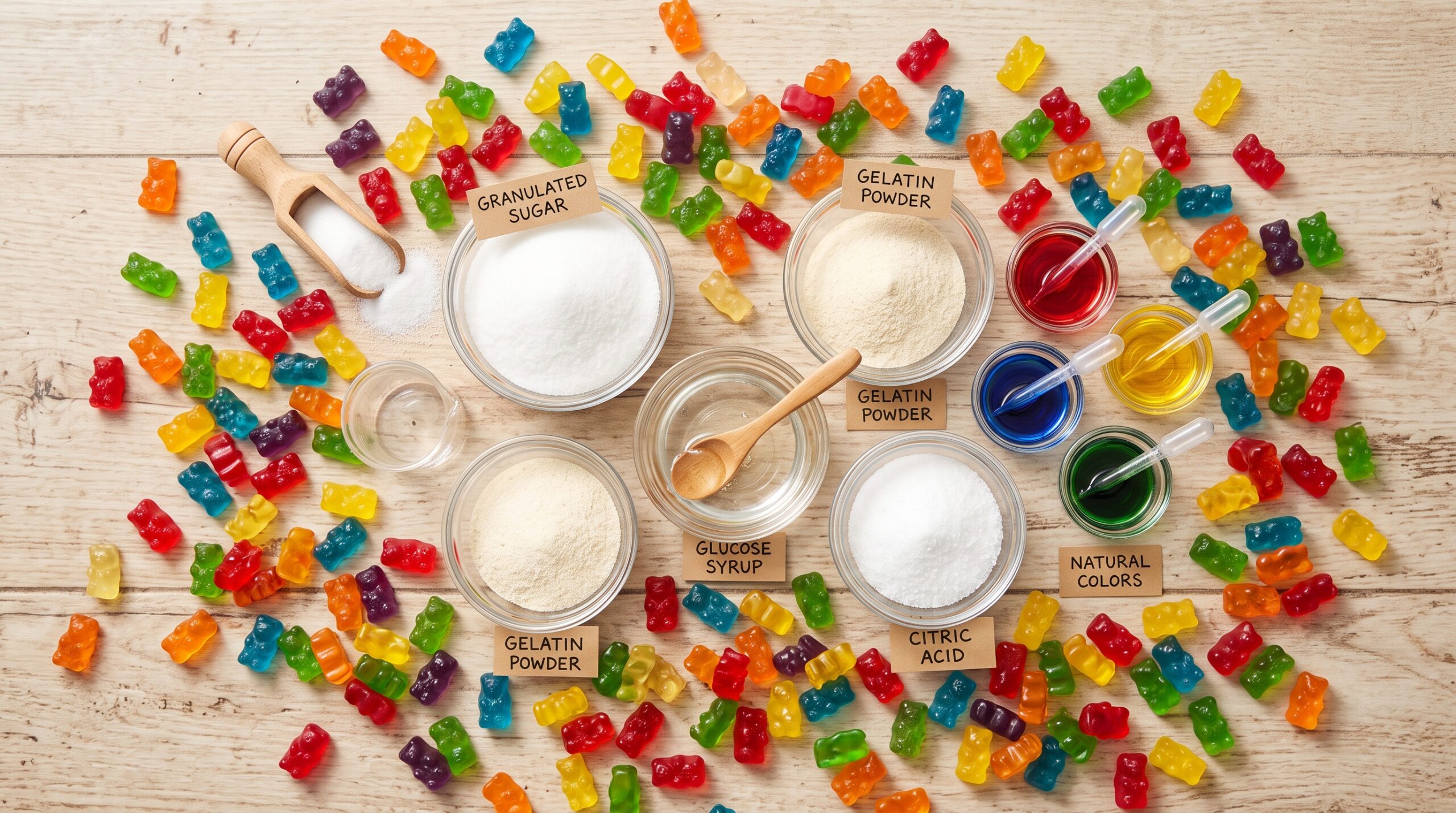
Gummy bears are gelatin-based confections that achieve their characteristic chew through the protein network formed when gelatin cools in a sugar syrup. The basic formula has not changed much since Hans Riegel invented them in Bonn, Germany in 1922 — but the science behind getting that texture right is more nuanced than most recipes let on.
Gelatin is the load-bearing ingredient. It is a processed form of collagen derived from animal connective tissue (typically pork skin or beef hide). When gelatin absorbs water and is heated, its protein strands unfold. As the mixture cools, those strands reconnect into a three-dimensional mesh that traps water molecules — creating the elastic, semi-transparent matrix that defines a gummy.
The bloom strength of gelatin determines firmness. Bloom is measured in grams (typically 80–280g for food applications). Standard grocery-store gelatin runs about 225 bloom. Commercial Haribo-style gummies use 250–260 bloom gelatin. Higher bloom = firmer, chewier gummy. Lower bloom = softer, more jelly-like result. Most home recipes call for Knox brand unflavored gelatin, which runs approximately 225 bloom — a solid starting point.
Sugar and corn syrup do two jobs: they sweeten the gummy and they control crystallization. Pure sucrose (table sugar) would crystallize as the candy cools, giving you grainy, crumbly texture. Corn syrup is an invert sugar — its glucose-fructose structure interrupts sucrose crystal formation, keeping the gummy smooth and pliable. The ratio of sugar to corn syrup matters; typically 60–65% sugar to 35–40% corn syrup gives the best shelf-stable texture.
Acid — usually citric acid — does more than add tartness. It lowers the pH of the mixture, which affects gelatin’s setting behavior and gives the candy its characteristic “sour” edge on coated gummies. Too much acid can actually degrade gelatin’s gelling ability (especially above 50°C), which is why it is often added at the end of cooking.
Flavors and colors are added last, after the mixture has cooled below 70°C, to preserve volatile aromatic compounds. Natural flavors derived from real fruit juice are heat-sensitive; adding them early drives off the top notes that give a gummy its bright, recognizable taste.
| Component | Function | Typical % in Formula |
|---|---|---|
| Gelatin (225+ bloom) | Texture / structure | 6–10% |
| Sugar | Sweetness / body | 40–50% |
| Corn syrup | Anti-crystallization / chew | 20–30% |
| Water / juice | Solvent / flavor | 15–25% |
| Citric acid | Tartness / pH adjustment | 0.5–1.5% |
| Flavors & colors | Identity | 0.1–1% |
Understanding these ratios is what separates a gummy that holds its shape at room temperature from one that weeps syrup on a warm day.
Types of Gummy Bear Recipes: From Simple to Professional
The core question when choosing a recipe is: what texture are you targeting?

1. Basic Home Recipe (Soft, Quick-Set)
This is the four-ingredient version — juice, gelatin, sweetener, done. Best for:
– Kids’ projects
– Single-batch gifting
– Testing flavor combinations quickly
Ingredients:
– 120ml (½ cup) fruit juice (any variety)
– 2 tablespoons (14g) unflavored Knox gelatin — approximately 225 bloom
– 2 tablespoons honey or maple syrup
– Optional: a drop of citric acid solution for tartness
Method:
1. Combine juice and honey in a small saucepan. Heat on low until steaming (do not boil).
2. Remove from heat and whisk in gelatin one tablespoon at a time. Continue whisking until completely dissolved — no lumps.
3. Skim any foam. Let cool 3–4 minutes until the mixture thickens slightly but remains pourable.
4. Transfer to a squeeze bottle or use a dropper to fill gummy bear molds.
5. Refrigerate 30 minutes. Pop out and enjoy.
Limitation: These gummies are soft, require refrigeration, and will not hold up well above 20°C. They are delicious but not shelf-stable.
2. Artisan Recipe (Commercial-Style Chew, Shelf-Stable)
This is the recipe for home confectioners who want Haribo-adjacent results. It uses a proper sugar-syrup cook stage and higher gelatin concentration.
Ingredients (makes ~200 bears):
– 225g fruit juice or flavored liquid
– 50g Knox gelatin (6 packets) — bloom approximately 225
– 160g white granulated sugar
– 60g water
– 200g light corn syrup
– 1g citric acid
– 2–3ml concentrated flavor extract
– Food color (gel preferred)
Method:
1. Bloom the gelatin: Combine juice and gelatin in a bowl. Stir and let sit 5 minutes. This allows gelatin granules to absorb liquid fully before heating — skipping this step causes uneven dissolving and lumpy gummies.
2. Cook the syrup: In a medium saucepan, combine sugar, water, and corn syrup. Heat to 105°C (220°F) while stirring. This is the soft-ball stage. Use a candy thermometer — this temperature determines final water activity and shelf stability.
3. Combine: Remove syrup from heat. Slowly pour bloomed gelatin mixture into the hot syrup while whisking constantly. Heat gently back to 85°C to ensure all gelatin is fully dissolved. Skim foam.
4. Flavor and color: Cool mixture to 65–70°C. Add flavor extract and food color. Stir to incorporate.
5. Add acid: At 60°C, stir in citric acid. Adding acid too early or at too high a temperature degrades the gelatin network.
6. Deposit: Pour or squeeze into molds. Silicone bear molds work well for home use. For sharper definition, use professional polycarbonate molds.
7. Set and dry: Refrigerate 2 hours, then demold. For shelf-stable results, let gummies air-dry at room temperature for 24–48 hours. This drives off enough moisture to firm up the candy and extend shelf life. A target final water activity (Aw) of ≤0.60 prevents mold growth without preservatives.
Pro tip: Lightly coat finished gummies with a mixture of coconut oil and citric acid powder. This prevents sticking, adds the characteristic “sour” coating, and mimics the carnauba wax polish used in commercial production.
3. Vegan / Gelatin-Free Version
Standard gelatin is animal-derived. For vegan gummies, the two main alternatives are:
- Agar-agar: Seaweed-derived. Sets firmer and more brittle than gelatin. Use 1–1.5% agar (vs 6–8% gelatin). Gives a less elastic, more jelly-like result. Sets at room temperature — no refrigeration needed.
- Pectin: Fruit-derived. Works well with high-acid, high-sugar systems. Best used in professional formulations. Results are softer and less chewy than gelatin.
Neither alternative fully replicates the unique melt-and-chew of gelatin. The global market for plant-based gummies is growing rapidly — according to a 2024 industry report, the vegan confectionery segment is projected to exceed $8.5 billion by 2027 — and significant R&D effort is going into hybrid hydrocolloid systems that better mimic gelatin’s rheology.
| Recipe Type | Gelatin % | Cook Temp | Shelf Life (RT) | Best For |
|---|---|---|---|---|
| Basic home | 6% | None (hot juice) | 1–2 days | Kids, gifting |
| Artisan | 8–10% | 105°C syrup cook | 2–4 weeks (with drying) | Craft markets, gifts |
| Commercial | 6–7% (high bloom) | 115°C+ | 12+ months | Retail, e-commerce |
| Vegan (agar) | 1.5% agar | 100°C | 1–2 weeks | Specialty markets |
Commercial Gummy Bear Production: How Factories Make Millions Per Hour
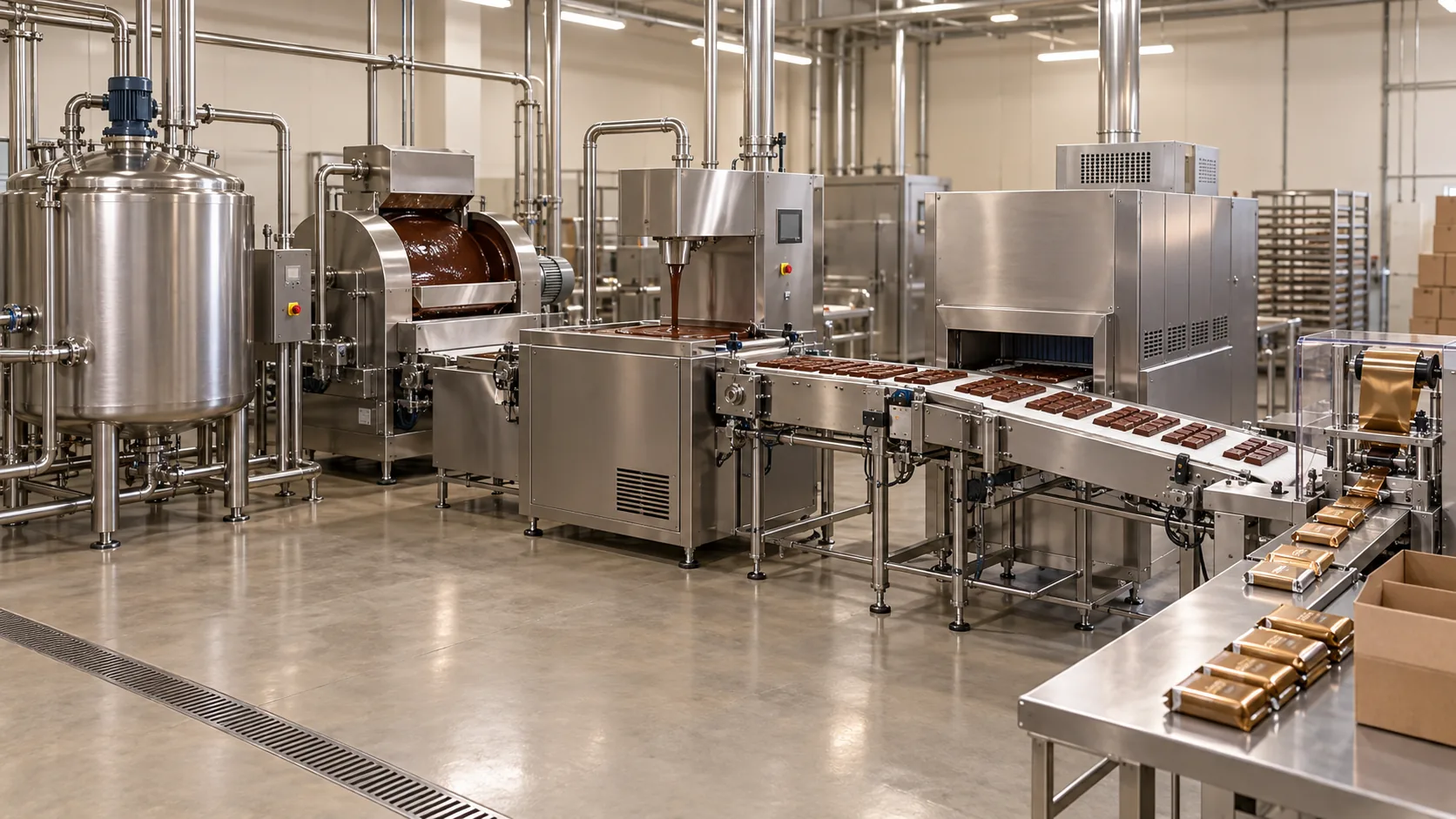
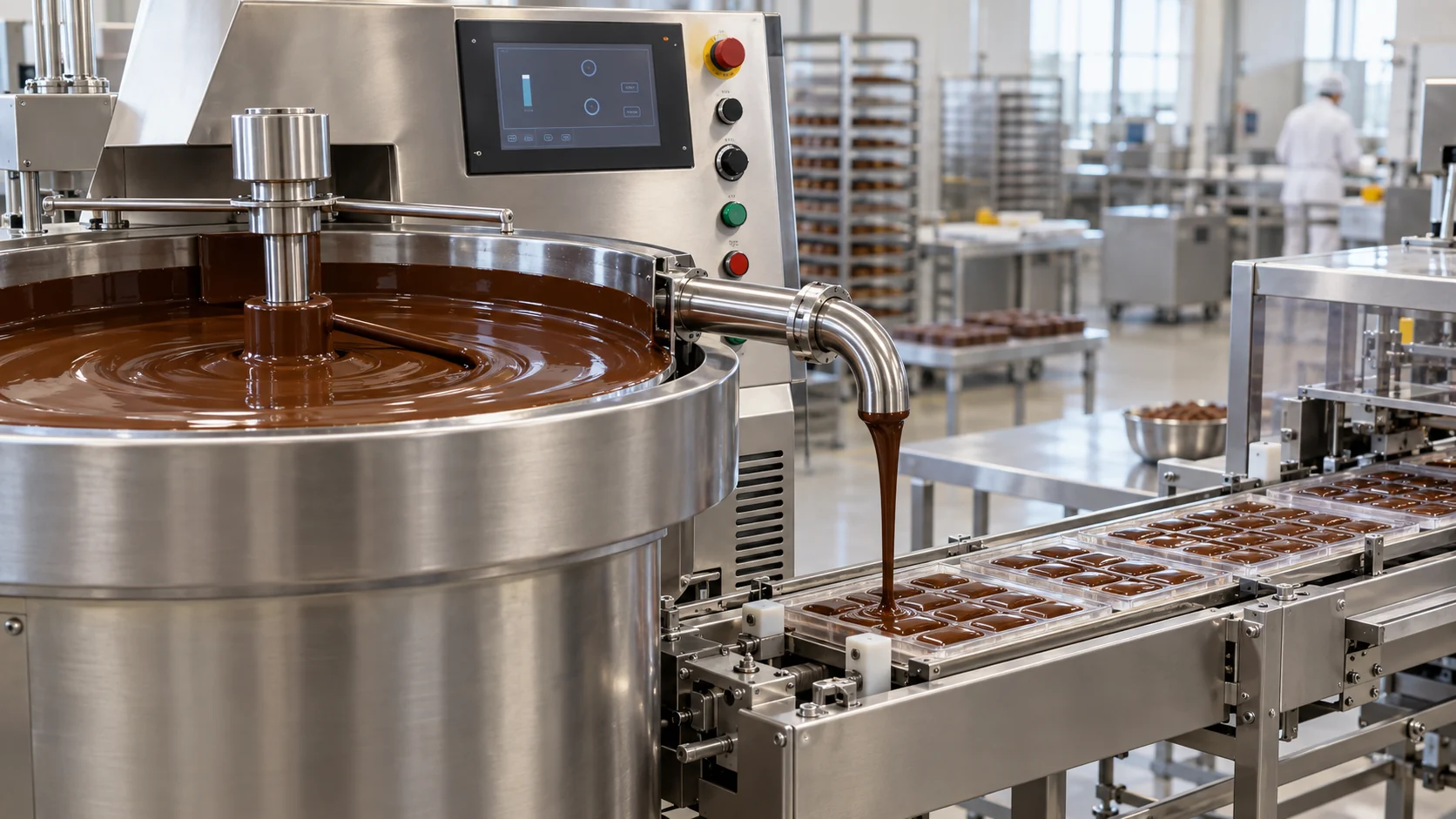
This is where the chemistry meets engineering — and where jymachinetech.com’s confectionery equipment comes into the picture. Understanding the commercial process helps any confectionery entrepreneur make smarter equipment investment decisions.
The Industrial Process Flow
1. Batch Cooking
Commercial gummy production starts with a continuous cooker or jacketed batch kettle. Sugar, corn syrup, and water are cooked to precise temperatures (typically 115–120°C) to achieve exact Brix (dissolved sugar concentration). Higher cook temperature = lower final moisture content = longer shelf life.
2. Gelatin Dissolution
Gelatin is pre-bloomed in water in a separate vessel, then added to the cooked syrup in a mixing kettle. The combined mixture is held at 80–90°C under controlled agitation. Industrial gelatin used in production typically runs 250+ bloom for maximum firmness at lower usage rates (which reduces cost).
3. Flavor, Color, and Acid Dosing
Inline dosing systems add flavors, colors, and acids at precisely controlled temperatures. Multiple flavor variants run simultaneously on high-speed lines — a single production run might produce five gummy bear colors in sequence.
4. Depositing
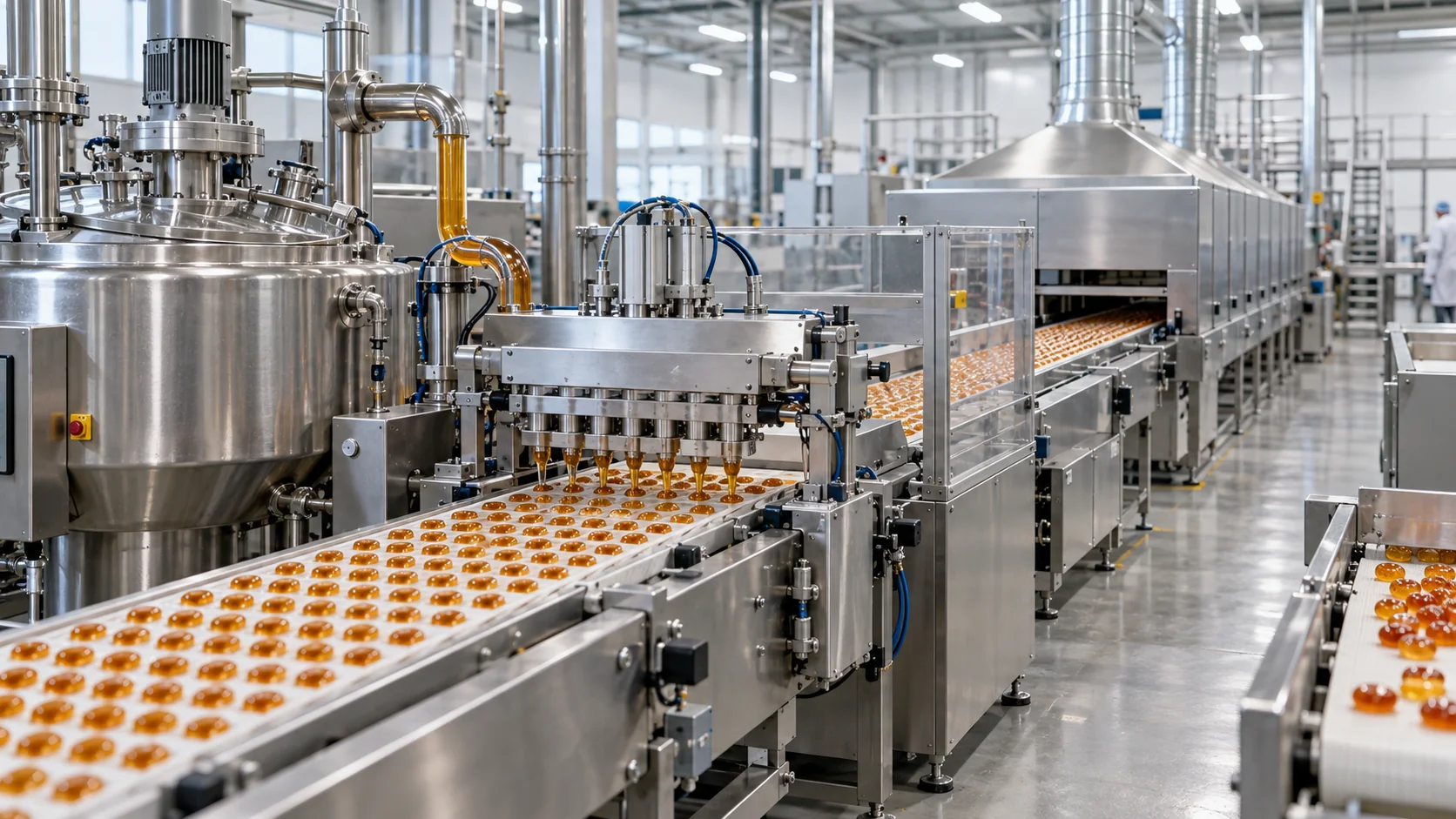
This is the most critical step. Mogul depositing machines inject the gummy mass into starch molds (called a “mogul system”) at controlled temperature and pressure. Starch molds are made from corn starch packed into trays and impressed with bear-shaped cavities — the starch absorbs surface moisture from the gummy, aiding release and contributing to the slightly matte surface of commercial gummies.
High-speed commercial depositors can fill 30,000+ gummy cavities per minute. For smaller operations, silicone mold depositors offer a cleaner, easier-to-clean alternative at lower throughput (5,000–15,000 pieces/hour).
5. Cooling and Drying
Deposited gummies are conveyed through temperature-controlled drying rooms at 20–25°C and 30–40% relative humidity for 12–24 hours. This controlled drying step is what gives commercial gummies their firm chew and shelf stability. Skipping it is the single biggest reason homemade gummies stay soft.
6. Tumbling and Coating
Dried gummies are tumbled with oil (often fractionated coconut oil or carnauba wax solution) to prevent sticking and add shine. Sour gummies receive a citric acid / sugar dusting in the tumbler.
7. Packaging
Finished gummies are weighed and packaged in modified-atmosphere pouches (nitrogen-flushed) for maximum shelf life. According to FDA guidelines on processed confectionery, water activity below 0.60 is required for ambient-stable candy without preservatives.
Equipment Scale Guide for Gummy Producers
| Production Scale | Daily Output | Key Equipment Needed |
|---|---|---|
| Home / micro-batch | < 5 kg | Silicone molds, double boiler, squeeze bottle |
| Artisan / cottage | 5–50 kg | Jacketed kettle (20–50L), silicone depositor, drying rack |
| Small commercial | 50–500 kg | Batch cooker, gelatin dissolver, semi-auto depositor, drying cabinet |
| Large commercial | 500 kg–5 MT | Continuous cooker, mogul depositor, tunnel dryer, tumbler, auto packer |
How to Choose the Right Gummy-Making Setup for Your Business
Scaling a gummy operation is not just about buying bigger equipment. It is about understanding where your constraints actually sit.
Start with your target texture, not your budget. The gummy’s texture spec (bloom strength, final Brix, water activity target) determines your process temperature requirements, which determines your equipment class. Many small producers try to achieve commercial texture on home equipment — the bottleneck is almost never the molds; it is the inability to reach and hold the right cook temperature consistently.
Understand your regulatory environment. A cottage food operation selling at farmers’ markets has different requirements than a co-packer supplying retail chains. Shelf-stable claims trigger specific water activity testing requirements. In the U.S., the FDA’s Current Good Manufacturing Practices (21 CFR Part 110) apply to any facility selling food commercially.
Factor in drying infrastructure. Most new producers underestimate the drying step. Proper humidity-controlled drying rooms or cabinets are not optional for shelf-stable gummies — they are the difference between a 2-day and a 12-month product.
Plan for flavor changeovers. On multi-flavor lines, the time and cost of cleaning equipment between flavor runs can dominate your operational economics. Silicone-based equipment is generally easier to clean than mogul starch systems for small operations.
In practice: producers who invest in the right jacketed cooking kettle (with temperature feedback) and a proper drying setup before they buy fancy depositors consistently produce better product than those who do it in the reverse order. The kettle and the drying room are where texture is actually made.
Future Trends in Gummy Bear Manufacturing (2026 and Beyond)
The global gummy confectionery market, valued at approximately $22 billion in 2024 according to Mordor Intelligence’s confectionery industry data, is evolving in several distinct directions.
1. Functional Gummies
Vitamins, CBD, melatonin, collagen, probiotics — functional gummies are the fastest-growing segment in the broader confectionery market. They require specialized formulation knowledge (heat-sensitive active ingredients, regulatory compliance for health claims) and often different equipment (precise dosing systems, tamper-evident packaging). The challenge is achieving pharmaceutical-grade active ingredient uniformity in a confectionery matrix.
2. Reduced-Sugar and Better-for-You Formats
Allulose, isomalt, and soluble fiber blends (inulin, chicory root) are replacing traditional sugar-corn syrup systems in sugar-free and reduced-sugar gummies. These alternative sweeteners behave differently in a gelatin matrix — they affect Maillard browning, water activity, and texture. Formulators are re-engineering classic gummy recipes around these ingredients, and equipment manufacturers are adapting depositors to handle higher-viscosity masses.
3. Precision Depositing Technology
New servo-driven depositor systems allow multi-color, multi-layer, and dual-flavor gummies to be deposited in a single pass. This enables premium “filled gummy” formats (a liquid center inside a gummy shell) that command 2–3× retail price premiums. As of 2025, these systems are increasingly accessible to mid-scale producers.
4. Sustainability in Gelatin Supply
The bovine and porcine gelatin supply chain is under scrutiny for environmental and religious/ethical reasons. Marine-derived gelatin (from fish skin) is gaining traction as an alternative. Precision fermentation-produced gelatin, manufactured via genetically engineered yeast, is in commercial trials as of 2024. The industry is watching whether fermentation-derived gelatin can match the bloom performance of traditional sources at competitive cost.
Frequently Asked Questions About Making Gummy Bears
What’s the secret to perfect homemade gummies?
Bloom your gelatin fully before heating, cook your sugar syrup to the right temperature (105°C for artisan-style), and let the finished gummies air-dry for 24–48 hours. The drying step is the single most skipped and most impactful step — it is what separates firm, shelf-stable gummies from soft, sticky ones.
What are the three main ingredients in gummy bears?
Gelatin, sugar (and/or corn syrup), and a flavored liquid (juice, water, or flavored syrup). These three create the gel structure, provide sweetness and chew, and deliver flavor. Everything else — color, acid, coating — is secondary to getting these three in the right proportions.
Are gummy bears good for diabetics?
Standard gummy bears are high in sugar and have a high glycemic index — not ideal for diabetics. Sugar-free gummies made with allulose, erythritol, or isomalt are available and have minimal blood glucose impact. However, some sugar alcohols (sorbitol, maltitol) can cause digestive distress in large quantities. Anyone managing diabetes should check the ingredient label carefully and consult their healthcare provider about portion sizes.
Can you make gummy bears without gelatin?
Yes — agar-agar (from seaweed) is the most common substitute. Use approximately 1–1.5% agar by weight of the total liquid. Agar sets at room temperature without refrigeration, but the texture is more brittle and less elastic than gelatin. Pectin is another option but requires high sugar and acid conditions to gel properly.
Why are my homemade gummies too soft or not setting?
Three common causes: (1) Gelatin was not fully bloomed before heating — always let it absorb liquid for 5 minutes before adding heat. (2) You boiled the mixture — boiling degrades gelatin proteins and weakens gel strength. Heat to 80–85°C maximum. (3) Too much acid added too early or too hot — citric acid attacks gelatin above 60°C, so add it at the end when the mixture has cooled.
How long do homemade gummy bears last?
Without drying: 1–2 days refrigerated. With 24–48 hour air-drying: 2–3 weeks at room temperature in an airtight container (if water activity reaches ≤0.65). For longer shelf life, a proper humidity-controlled drying environment and water activity testing are needed to hit the ≤0.60 Aw required for ambient stability without preservatives.
What equipment do I need to start a small gummy business?
At minimum: a jacketed or double-boiler cooking setup with temperature control, a depositor or molds, and a dedicated drying space with humidity control. A 20–50L jacketed kettle, a semi-automatic silicone depositor, and a commercial drying cabinet will take you from 5 kg to 50 kg per day — the right scale for a craft confectionery startup. Invest in a refractometer (for Brix measurement) and water activity meter before scaling.
Conclusion
Making gummy bears — whether in a home kitchen or a commercial factory — comes down to understanding the same fundamentals: gelatin bloom, syrup concentration, temperature control, and adequate drying time. The recipe scales, but the principles do not change.
For home cooks, the artisan recipe in this guide will produce results that will surprise anyone who has only worked with basic four-ingredient versions. For confectionery entrepreneurs, the commercial process overview and equipment scale guide should help you plan a production setup that matches your actual output targets — and avoid the expensive mistake of buying depositors before you have mastered the cooking and drying stages that determine texture.
If you are building or expanding a gummy production operation and need guidance on specific equipment — depositors, batch cookers, continuous cooking lines, drying solutions — explore the confectionery equipment range at JY Machine Tech for solutions tailored to each scale of production.
Related Articles
- How to Make Gummy Sweets: The Complete Guide from Home Kitchen to Commercial Production
- Red Lobster Cheddar Bay Biscuit Recipe: The Complete Guide from Home Kitchen to Commercial Bakery
- Gummy Snakes: The Complete Guide to Commercial Production and Market Trends
- Sugar Free Haribo Gummy Bears: Ingredients, Effects, and What Actually Happened
- Gummy Candy Production Line
- Starch-Free Gummy Depositing Machine
- Are Skittles Gluten Free? Complete Guide 2026