Mastering the Sugar Cooking Process
The sugar cooking process forms the backbone of candy making. It’s a precise science. Simple sugar and water transform into countless textures and flavors—from soft caramels to brittle hard candies.
Understanding this process goes beyond following recipes. You control temperature, crystallization, and timing to achieve specific, repeatable results.
Mastering the sugar cooking process separates amateurs from professionals. It enables consistent, high-quality production in any pastry or candy kitchen. We’ll explore every aspect of this essential technique.
शक्कर का विज्ञान
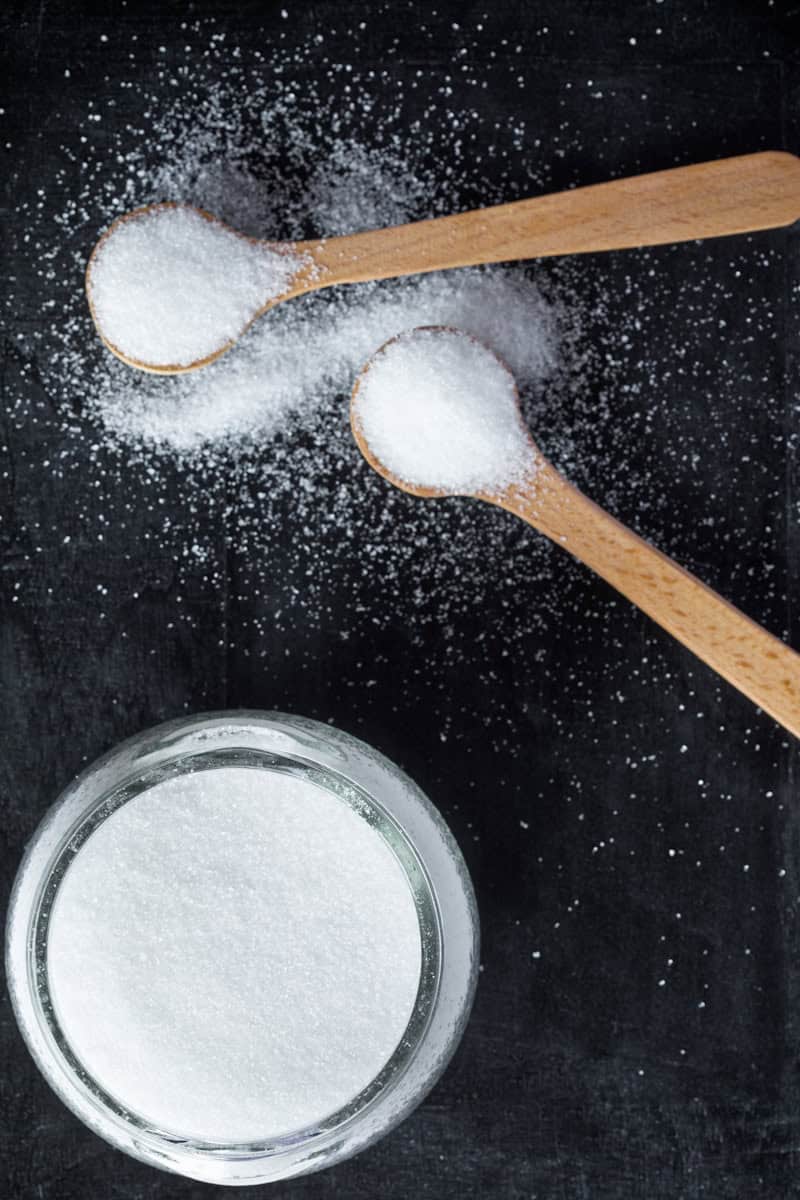
The sugar cooking process starts simple: dissolve sucrose in water and heat it. Temperature rises. Water evaporates. Sugar concentration increases.
This heating also causes “inversion.” Heat, sometimes helped by acid, breaks down sucrose (a double sugar) into two simple sugars: glucose and fructose.
This new blend of sucrose, glucose, and fructose behaves differently than pure sucrose. It resists crystallization better, which is crucial for creating smooth candies and sauces.
Crystallization is sugar’s natural tendency to arrange back into solid, crystal form. The main goal of the sugar cooking process is controlling when and how this happens.
Uncontrolled crystallization creates grainy, unpleasant texture. Controlled crystallization is essential for products like fondant or fudge, where tiny crystals create smooth mouthfeel.
Essential Tools for Precision
Success in the sugar cooking process depends on precision. This requires the right equipment. Certain tools are absolutely necessary for safety and accuracy.
A heavy-bottomed, non-reactive saucepan is essential. It provides even heat distribution, preventing scorching and hot spots that ruin syrup. Stainless steel works excellently.
A calibrated digital or candy thermometer is your most important tool. Guesswork doesn’t belong here. A few degrees can mean the difference between perfect caramel and burnt mess.
A pastry brush and small bowl of water wash down the pan sides. This dissolves stray sugar crystals that could fall into syrup and trigger unwanted crystallization.
Heat-resistant spatulas, preferably silicone, handle any stirring needed before syrup boils or after cooking.
Finally, keep a bowl of ice water nearby. This serves as both safety measure for immediate burn treatment and tool for testing sugar consistency—the “cold water test.”
Stages of Sugar Cooking
The sugar cooking process has distinct stages. Each corresponds to specific temperature ranges and sugar concentrations. Each stage yields different texture when cooled.
We monitor these stages with thermometers and confirm with cold water tests: dropping small amounts of hot syrup into very cold water and observing the shapes formed.
Understanding these stages is fundamental to creating any sugar-based confection.
थ्रेड स्टेज
Temperature: 230-235°F (110-112°C)
At this initial stage, sugar concentration reaches around 80%. When dropped from a spoon, it forms fine, liquid threads.
The cold water test produces liquid threads that don’t form balls. This stage works primarily for light fruit glazes and some syrups.
सॉफ्ट बॉल स्टेज
Temperature: 235-245°F (112-116°C)
Sugar concentration reaches approximately 85%. This is one of confectionery’s most common stages.
When dropped into cold water, syrup forms soft, pliable balls that flatten when removed from water. This creates the foundation for fudge, pralines, fondant, and Italian meringue.
फर्म बॉल स्टेज
Temperature: 245-250°F (118-120°C)
With sugar concentration around 87%, syrup becomes more robust.
Cold water tests form firm balls that hold shape when removed from water but remain moldable. This stage works perfectly for making soft, chewy caramels.
हार्ड बॉल स्टेज
Temperature: 250-265°F (121-130°C)
Sugar concentration now sits near 92%. Very little water remains in the syrup.
Cold water tests yield hard balls that hold shape and resist finger deformation. This stage makes nougat, marshmallows, and gummy candies.
सॉफ्ट क्रैक स्टेज
cURL Too many subrequests.
cURL Too many subrequests.
cURL Too many subrequests.
हार्ड क्रैक स्टेज
cURL Too many subrequests.
cURL Too many subrequests.
cURL Too many subrequests.
cURL Too many subrequests.
cURL Too many subrequests.
cURL Too many subrequests.
cURL Too many subrequests.
|
चरण का नाम
|
cURL Too many subrequests.
|
तापमान (°C)
|
शक्कर सांद्रता
|
cURL Too many subrequests.
|
|
थ्रेड
|
cURL Too many subrequests.
|
cURL Too many subrequests.
|
~80%
|
cURL Too many subrequests.
|
|
मुलायम गेंद
|
cURL Too many subrequests.
|
112-116°C
|
~85%
|
cURL Too many subrequests.
|
|
कठोर गेंद
|
cURL Too many subrequests.
|
118-120°C
|
~87%
|
करेमल्स
|
|
कठोर गेंद
|
cURL Too many subrequests.
|
121-130°C
|
~92%
|
cURL Too many subrequests.
|
|
मुलायम क्रैक
|
270-290°F
|
132-143°C
|
~95%
|
cURL Too many subrequests.
|
|
हार्ड क्रैक
|
300-310°F
|
149-154°C
|
~99%
|
cURL Too many subrequests.
|
|
कैरेमल
|
320-350°F
|
160-177°C
|
~100%
|
cURL Too many subrequests.
|
क्रिस्टलीकरण को नियंत्रित करना
cURL Too many subrequests.
cURL Too many subrequests.
cURL Too many subrequests.
cURL Too many subrequests.
cURL Too many subrequests.
cURL Too many subrequests.
cURL Too many subrequests.
cURL Too many subrequests.
cURL Too many subrequests.
cURL Too many subrequests.
|
बाधक एजेंट
|
Type
|
क्रिया का तंत्र
|
cURL Too many subrequests.
|
|
cURL Too many subrequests.
|
cURL Too many subrequests.
|
cURL Too many subrequests.
|
cURL Too many subrequests.
|
|
क्रिम ऑफ टार्टर
|
cURL Too many subrequests.
|
cURL Too many subrequests.
|
cURL Too many subrequests.
|
|
cURL Too many subrequests.
|
cURL Too many subrequests.
|
cURL Too many subrequests.
|
Sorbets, glazes, some candies
|
|
Butter / Cream
|
वसा
|
Coats sucrose crystals, preventing them from growing large.
|
Caramels, toffee, fudge
|
|
Honey / Molasses
|
cURL Too many subrequests.
|
Adds fructose, glucose, and other minerals that inhibit crystallization.
|
Nougat, specialty candies
|
Step-by-Step Sugar Cooking
Let’s outline the fundamental sugar cooking process. This method applies to most recipes, from soft ball to hard crack.
First, combine sugar, water, and any interfering agents (like corn syrup) in your heavy-bottomed saucepan. Use just enough water to give sugar the consistency of wet sand. For more information on ingredient ratios, consult a trusted resource like The Culinary Institute of America.
Place the pan over medium-high heat. Stir gently with a heat-resistant spatula only until sugar completely dissolves. This step is crucial—undissolved crystals will seed new ones later.
Once sugar dissolves and syrup is clear, stop stirring completely. Bring mixture to a boil.
As it begins boiling, use a pastry brush dipped in water to wash down any crystals from pan sides. Repeat this as needed during initial boiling phase.
Carefully insert your candy thermometer. Ensure the tip is submerged in syrup but not touching the pan bottom, which would give false high readings.
Allow syrup to cook, undisturbed, until it reaches the precise temperature required by your recipe for the desired stage.
Once target temperature is reached, immediately remove pan from heat. The cooking process can be stopped definitively by plunging the pan bottom into a sink of cold water for a few seconds.
Proceed with the recipe, whether it involves cooling, adding other ingredients like butter and cream, or pouring syrup into molds.
Safety is Non-Negotiable
Working with the sugar cooking process demands utmost respect and caution. Hot sugar syrup is significantly hotter than boiling water and can cause severe, deep burns.
Always wear long sleeves and closed-toe shoes. Keep a bowl of ice water within arm’s reach at all times. In case of burns, plunging the affected area into ice water immediately is the most effective first aid.
Never leave cooking sugar unattended. Temperature can rise very quickly, especially at higher stages. Perfect can become burnt in seconds.
Handle hot saucepan and syrup with extreme care. When adding liquids like cream to hot syrup, do so slowly and carefully—the mixture will bubble up violently. Warming cream beforehand can reduce this reaction’s intensity.
Ensure children and pets stay well away from the cooking area.
Applications in Confectionery
The versatility of the sugar cooking process is showcased in the vast world of sweets it helps create.
Italian meringue is made by pouring sugar cooked to soft ball stage over whipping egg whites. The heat cooks the whites, creating stable, glossy meringue perfect for topping pies or making macarons.
Chewy caramels rely on precise firm ball stage, combined with added butter and cream for rich flavor and smooth texture.
Hard candies, like lollipops and stained-glass window cookies, require syrup to reach hard crack stage. At this point, cooled sugar is brittle and glass-like.
Spun sugar, a delicate and impressive decoration, is also made from hard crack syrup, flung from a fork or whisk to create fine threads.
Even the base for many frozen desserts, like sorbet, begins with simple syrup cooked through basic sugar cooking process to ensure smooth, non-icy final product. For more recipe ideas, explore professional archives like King Arthur Baking.
सामान्य समस्याओं का समाधान
Even with careful execution, problems can arise. Understanding why they happen is key to fixing them and preventing them in the future.
If your syrup crystallizes and becomes grainy, the cause is almost always a stray crystal. This could be from undissolved sugar at the start, crystals on pan sides, or agitation from stirring. Start over, ensuring your pan is clean and you wash the sides.
If your candy is too soft, it means syrup was undercooked. It didn’t reach correct temperature, so its water content is too high. The only solution is using a reliable thermometer and cooking to target temperature.
Conversely, if cURL Too many subrequests. cURL Too many subrequests.
cURL Too many subrequests.
|
समस्या
|
संभावित कारण
|
समाधान
|
|
cURL Too many subrequests.
|
cURL Too many subrequests.
|
cURL Too many subrequests.
|
|
cURL Too many subrequests.
|
cURL Too many subrequests.
|
cURL Too many subrequests.
|
|
cURL Too many subrequests.
|
cURL Too many subrequests.
|
cURL Too many subrequests.
|
|
cURL Too many subrequests.
|
cURL Too many subrequests.
|
cURL Too many subrequests.
|
|
cURL Too many subrequests.
|
cURL Too many subrequests.
|
cURL Too many subrequests.
|
cURL Too many subrequests.
cURL Too many subrequests.
cURL Too many subrequests.
cURL Too many subrequests.
cURL Too many subrequests. cURL Too many subrequests..
- cURL Too many subrequests. https://www.ciachef.edu/
- cURL Too many subrequests. https://www.kingarthurbaking.com/
- cURL Too many subrequests. https://www.ice.edu/
- cURL Too many subrequests. https://www.ift.org/
- कैंडी बनाने और कन्फेक्शनरी – विकिपीडिया https://en.wikipedia.org/wiki/Candy_making
- cURL Too many subrequests. https://www.seriouseats.com/
- cURL Too many subrequests. https://www.frenchpastryschool.com/
- cURL Too many subrequests. https://www.sciencedirect.com/topics/food-science/sugar
- cURL Too many subrequests. https://www.acfchefs.org/
- cURL Too many subrequests. https://www.seas.harvard.edu/cooking