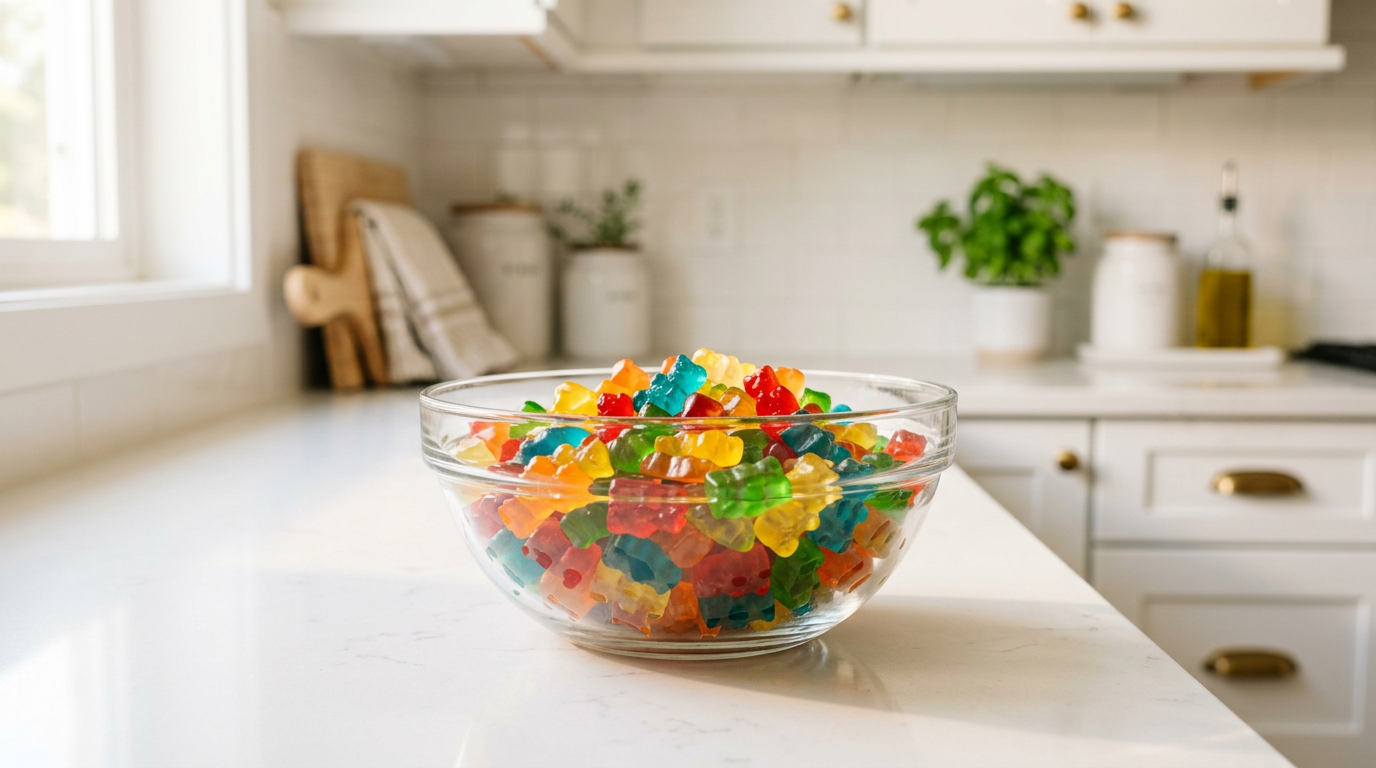
If you’ve ever held a marshmallow between your fingers — soft, white, impossibly light — and wondered what’s actually inside it, you’re not alone. That fluffy texture seems almost too good to be natural. And honestly? The answer is surprisingly simple, but the process behind it is more fascinating than most people realize.
This guide walks you through every stage: the raw ingredients, what happens inside a factory, how quality is controlled, and where the marshmallow industry is heading in the years ahead.
What Is a Marshmallow, Really?
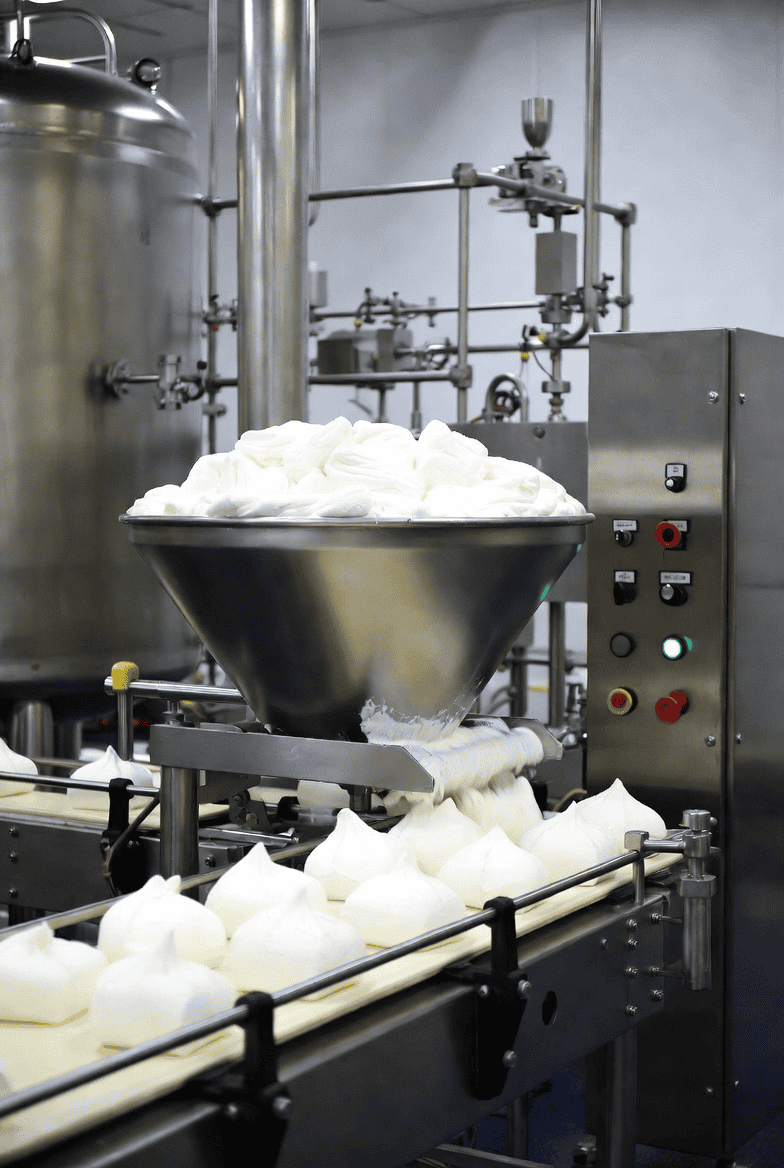
Before diving into the “how,” it helps to know the “what.” A marshmallow is, at its core, an aerated candy foam — a structure where millions of tiny air bubbles are suspended in a sugary gelatin matrix. That’s what creates that distinctive springy bite that collapses softly in your mouth.[cen.acs]
The modern marshmallow bears almost no resemblance to its ancient ancestor. Originally, marshmallow candy was derived from the root sap of the marsh mallow plant (Althaea officinalis), a flowering herb used medicinally in ancient Egypt to soothe sore throats and treat wounds. It was combined with honey and egg white to form a dense, medicinal paste — not the fluffy pillow candy we know today.[britannica]
By the late 19th century, French confectioners had replaced mallow root sap with gelatin, which was more stable, more consistent, and infinitely easier to source at industrial scale. American candy manufacturers later mechanized the process entirely, turning what had been a slow, handmade specialty into a mass-produced staple found in every grocery store.[anec]
The Core Ingredients: Simple, But Precisely Balanced
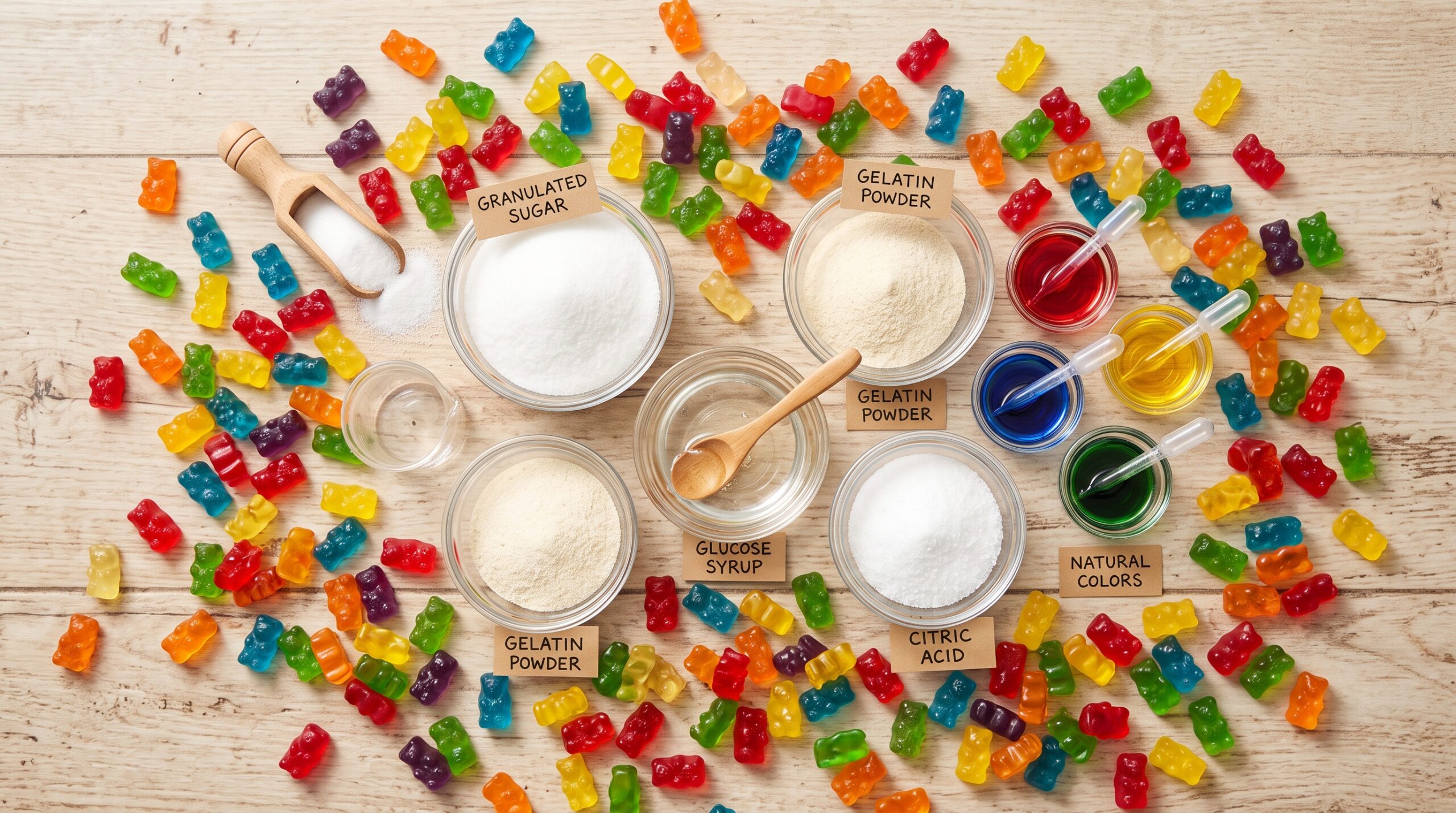
Modern marshmallow production requires surprisingly few raw ingredients. What matters isn’t the ingredient list — it’s the ratio.
| Ingrediente | Role in the Marshmallow | Typical Proportion |
|---|---|---|
| Sucrose (Sugar) | Provides sweetness and structural bulk | ~30% of dry weight |
| Corn Syrup (Glucose) | Prevents sugar crystallization; maintains softness | ~60% of sugar mixture |
| Gelatina | Forms the foam scaffold; gives stretch and chew | 1–2% |
| Agua | Dissolves sugar; activates gelatin; carriers for flavors | Variable |
| Egg Albumen or Soy Protein | Assists foam formation and stability | Optional |
| Flavoring & Colorants | Taste and visual appeal | Trace amounts |
wikipedia+2
A key detail that many people overlook: the corn syrup-to-sugar ratio is deliberately engineered to keep sugar molecules in a disordered, amorphous state. If sucrose were allowed to crystallize, the marshmallow would turn grainy and hard. The glucose in corn syrup disrupts that crystallization, locking in the smooth, melt-in-mouth texture that consumers expect.[cURL Too many subrequests.]
cURL Too many subrequests.[cen.acs]
cURL Too many subrequests.
cURL Too many subrequests.
cURL Too many subrequests.
cURL Too many subrequests.sinofudetechnology+1
cURL Too many subrequests.
cURL Too many subrequests. cURL Too many subrequests.cURL Too many subrequests.sinofudetechnology+1
cURL Too many subrequests.
cURL Too many subrequests.[sinofudetechnology]
cURL Too many subrequests.
cURL Too many subrequests. cURL Too many subrequests. cURL Too many subrequests.[cURL Too many subrequests.]
cURL Too many subrequests. cURL Too many subrequests.[cURL Too many subrequests.]
cURL Too many subrequests. cURL Too many subrequests.cURL Too many subrequests.[sinofudetechnology]
cURL Too many subrequests.
cURL Too many subrequests.
cURL Too many subrequests.cURL Too many subrequests.[cURL Too many subrequests.]
cURL Too many subrequests.cURL Too many subrequests.[anec]
cURL Too many subrequests.
cURL Too many subrequests. tunel de enfriamientocURL Too many subrequests. cURL Too many subrequests. cURL Too many subrequests.sinofudetechnology+1
cURL Too many subrequests.
cURL Too many subrequests. cURL Too many subrequests.cURL Too many subrequests.[sinofudetechnology]
cURL Too many subrequests.
cURL Too many subrequests.[sinofudetechnology]
cURL Too many subrequests.
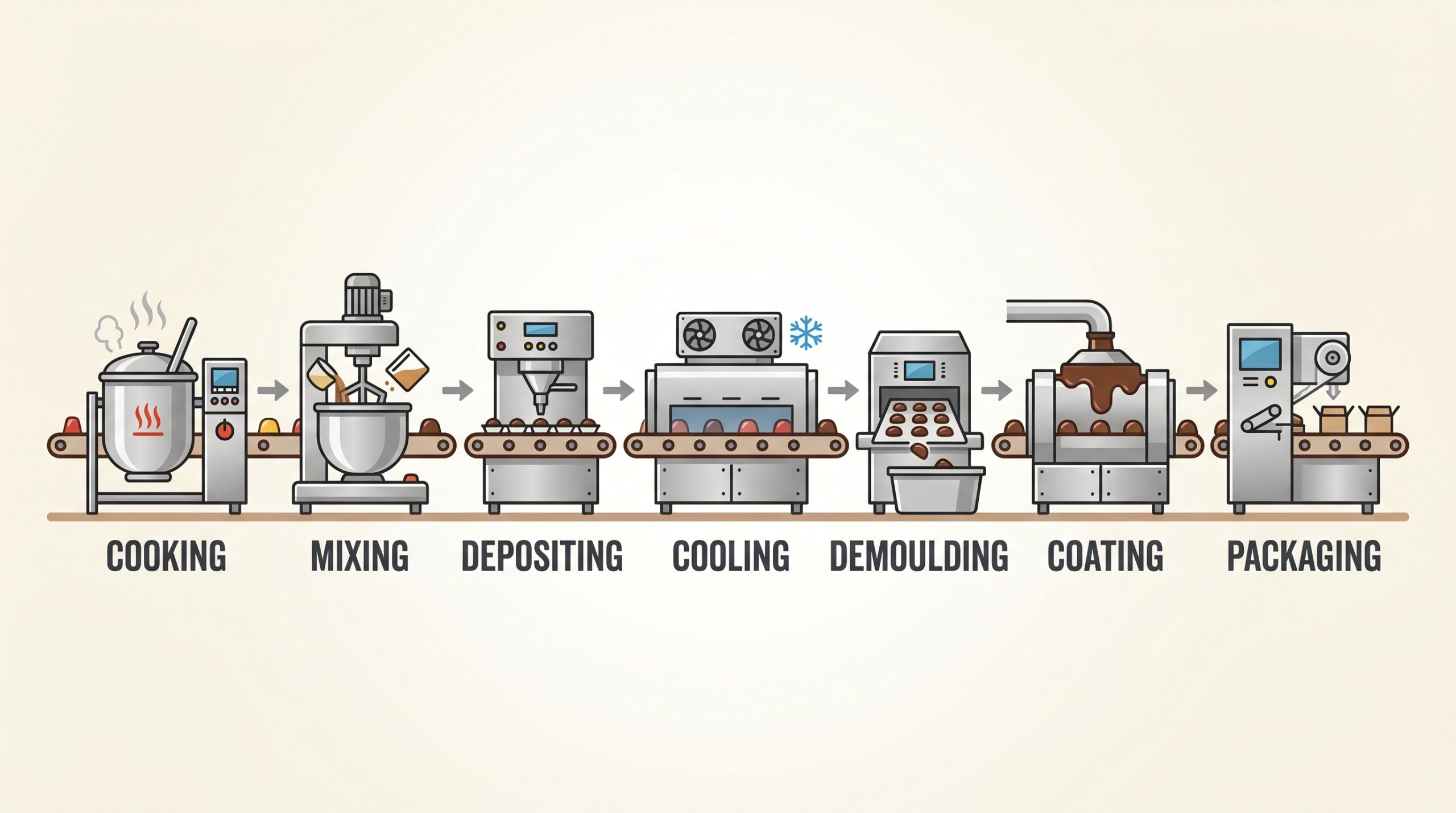
El paso final: pesar, sellar y etiquetar. Automatizado máquina de envasadoreparten malvaviscos en bolsas, las sellan con calor bajo condiciones de atmósfera modificada (para prolongar la vida útil), y aplican etiquetas. Desde la gelatina cruda hasta la bolsa sellada, todo el proceso en una instalación moderna puede tomar cURL Too many subrequests. per batch.
Factory vs. Homemade: What’s the Real Difference?
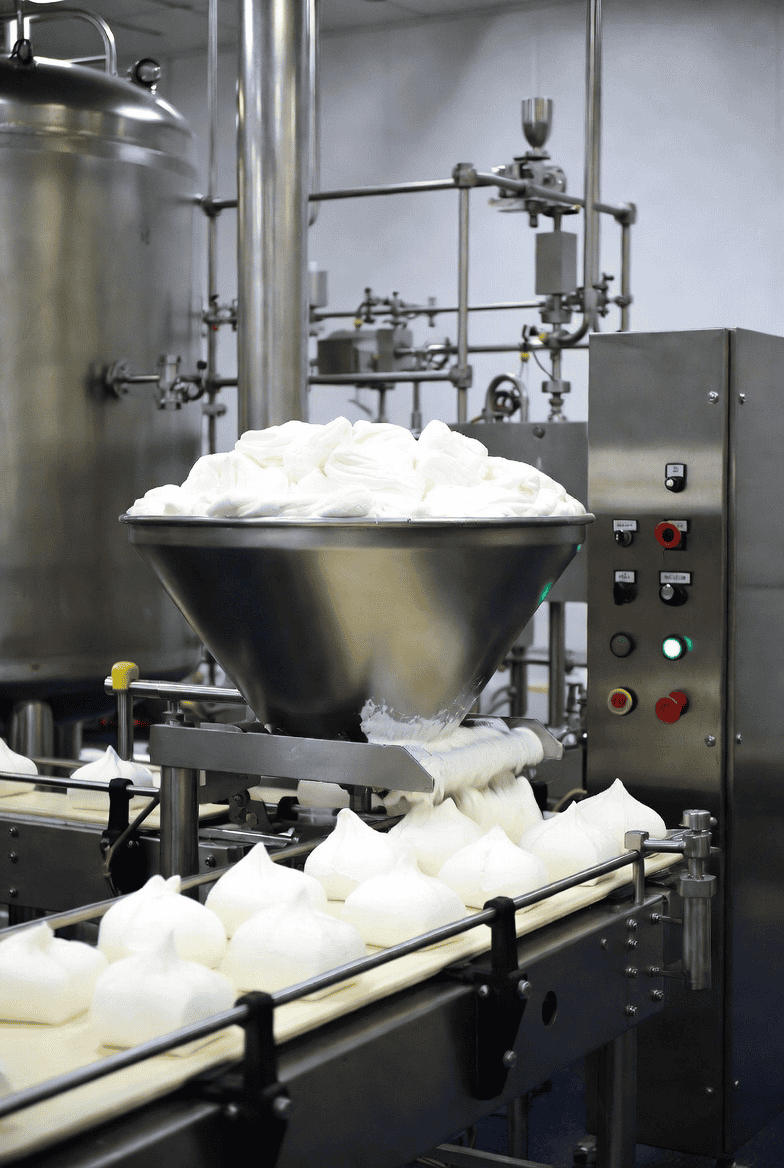
This is a question worth answering honestly, because the internet is full of oversimplified comparisons.
| Factor | Factory-Made | Homemade |
|---|---|---|
| Ingredientes | Corn syrup, sugar, gelatin, stabilizers, artificial or natural flavors | Sugar, gelatin, water, egg whites; natural flavors optional |
| Textura | Highly consistent; engineered for shelf stability | Softer, fresher; more variable |
| Shelf Life | 6–12 months (treated and sealed) | 2–3 weeks at room temperature |
| Personalización | Limited to product lines | Full control over flavor, color, shape |
| Aeration Quality | Extremely fine, uniform bubbles via industrial aerator | Coarser bubbles via stand mixer |
| Conservantes | Often includes stabilizers and moisture controllers | Typically none |
The honest answer: homemade marshmallows taste different — not necessarily better or worse, but fresher and more fragile. Factory marshmallows are engineered for logistics, not just taste. That’s not a criticism; it’s a design decision that makes a shelf-stable snack available year-round at scale.
Industry Applications Beyond the Campfire
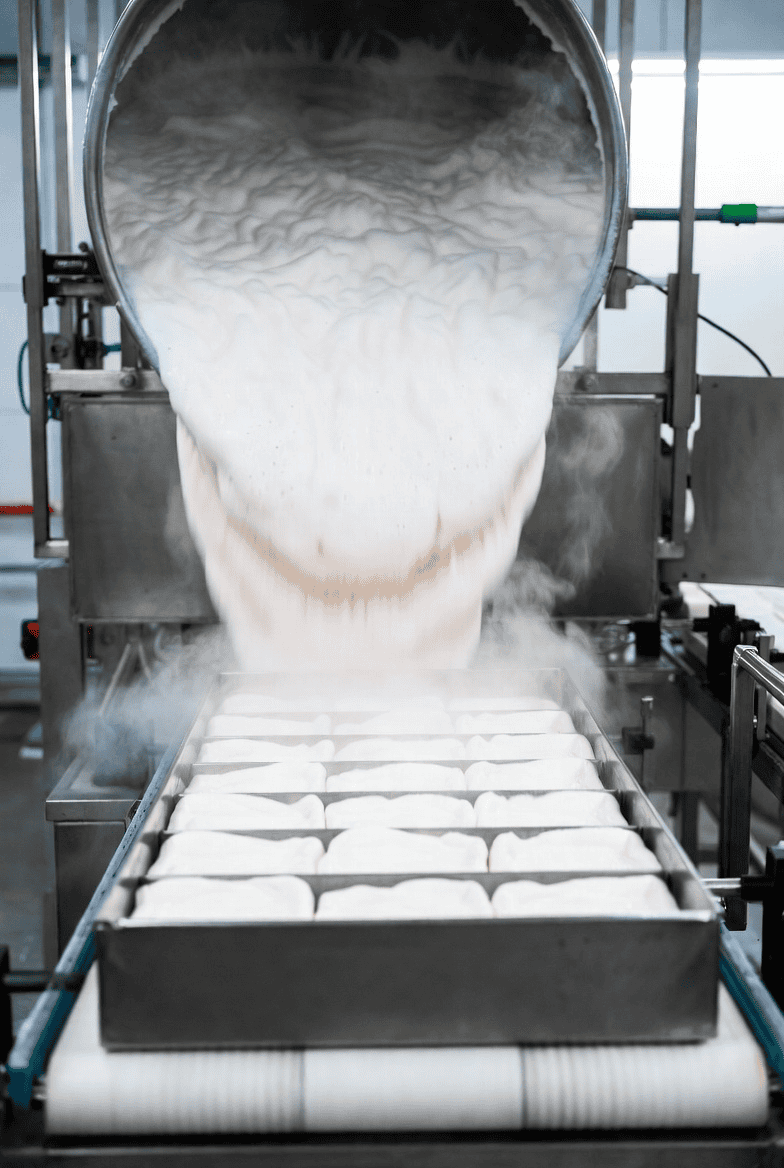
Most people associate marshmallows with hot cocoa and s’mores. The actual industrial application range is much wider — and growing.
Food & Beverage Manufacturing
Baking and pastry: Marshmallow cream is used in frosting, fillings, and cake layers
Confectionery production: Marshmallows serve as structural or flavor components in chocolate-enrobed candy bars, nougat-adjacent products, and layered confections
Cereal and snack foods: Commercially produced cereals like Lucky Charms use dehydrated marshmallow bits — a whole separate sub-process involving freeze-drying or hot-air drying
Foodservice and Hospitality
Specialty dessert menus increasingly feature toasted marshmallow elements — torched tableside or pre-infused with flavors like bourbon, lavender, and cardamom[sinofudetechnology]
Hot cocoa and specialty coffee bars use artisan marshmallows as a premium add-on
Health and Wellness (Niche)
The original marshmallow plant root was a soothing agent for throat irritation, and the tradition persists in herbal medicine formulations
Soft marshmallow texture has been explored in the context of dysphagia (difficulty swallowing) management in clinical nutrition
Craft and DIY
cURL Too many subrequests.[cURL Too many subrequests.]
cURL Too many subrequests.
cURL Too many subrequests.
cURL Too many subrequests.
cURL Too many subrequests. cURL Too many subrequests. y se proyecta que alcance cURL Too many subrequests.cURL Too many subrequests. cURL Too many subrequests. cURL Too many subrequests. cURL Too many subrequests.cURL Too many subrequests. cURL Too many subrequests. cURL Too many subrequests.cURL Too many subrequests.+1
cURL Too many subrequests.
cURL Too many subrequests. cURL Too many subrequests. cURL Too many subrequests. agar-agar, cURL Too many subrequests.cURL Too many subrequests.cURL Too many subrequests.
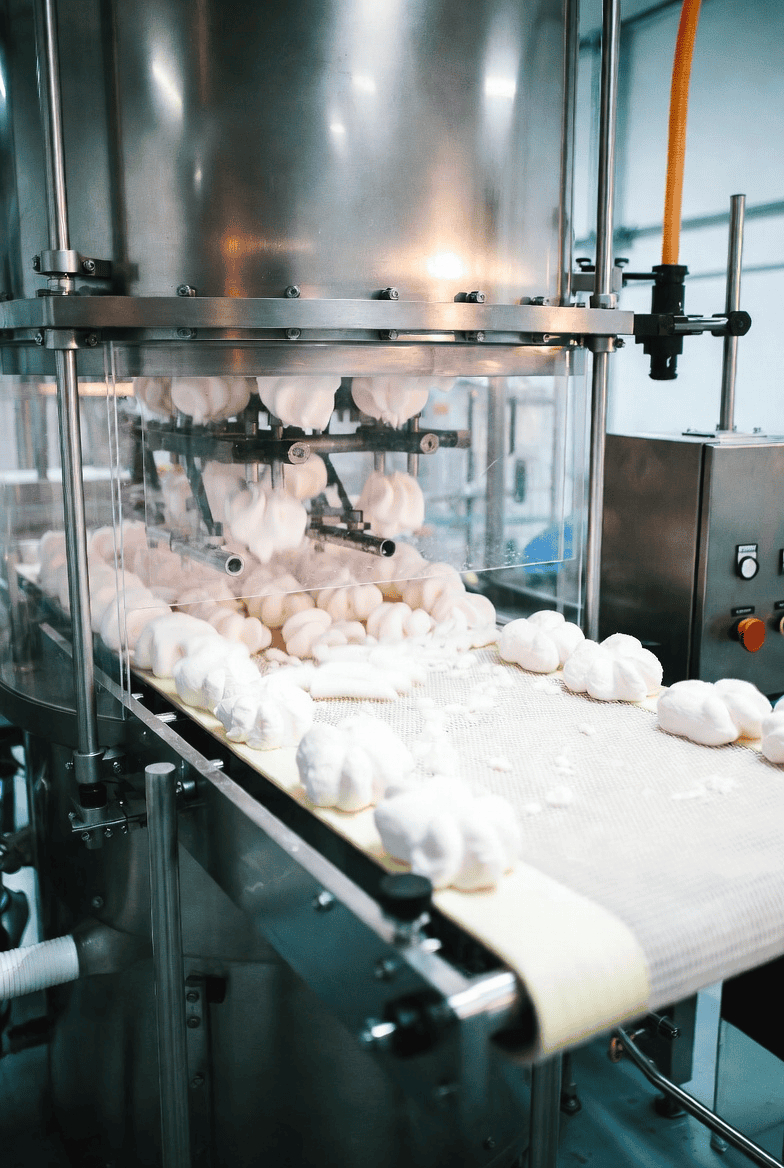
cURL Too many subrequests.
cURL Too many subrequests. cURL Too many subrequests. cURL Too many subrequests. cURL Too many subrequests.cURL Too many subrequests.[sinofudetechnology]
Ingredientes funcionales
cURL Too many subrequests.cURL Too many subrequests.+1
cURL Too many subrequests.
cURL Too many subrequests. cURL Too many subrequests. cURL Too many subrequests. cURL Too many subrequests. cURL Too many subrequests.cURL Too many subrequests.+1
| cURL Too many subrequests. | Qué lo impulsa | cURL Too many subrequests. |
|---|---|---|
| cURL Too many subrequests. | cURL Too many subrequests. | cURL Too many subrequests. |
| Functional ingredient integration | cURL Too many subrequests. | R&D phase; commercial launch emerging |
| Clean-label formulation | Label transparency demand | Active now across major brands |
| AI-assisted production monitoring | Quality consistency; labor costs | Pilot programs in advanced facilities |
| Sustainable packaging | ESG commitments; regulatory pressure | 2025–2028 regulatory push |
cURL Too many subrequests.+2
FAQ: Real Questions About How Marshmallows Are Made
Q: Is gelatin the only thing that makes marshmallows fluffy?
No — gelatin stabilizes the foam, but the fluffiness itself comes from the aeration process. Without vigorous whipping that introduces air, you’d have a dense, gummy mass even with perfect gelatin.[cen.acs]
Q: What temperature does the sugar syrup need to reach?
The syrup must hit approximately 240°F (115°C), the “soft-ball stage” in candy making. This ensures the right concentration and structure for the final foam.britannica+1
Q: Why are marshmallows coated in cornstarch or powdered sugar?
It’s purely anti-stick. Without this coating, marshmallows fuse together during storage and handling. The coating absorbs surface moisture and keeps each piece separate.[sinofudetechnology]
Q: Can you make marshmallows without gelatin?
Yes — vegan marshmallows use carrageenan, agar-agar, or modified starch as substitutes. The texture differs slightly (often slightly firmer or less stretchy), but the result is fully functional and commercially viable. Dandies and several other brands have proven this at scale.[cURL Too many subrequests.]
Q: How long does industrial marshmallow production take?
From raw ingredients to packaged product, a modern automated facility can complete the cycle in under 90 minutes per batch. Homemade marshmallows generally require 2–4 hours including bloom time and setting.sinofudetechnology+1
Q: Why do marshmallows brown when roasted?
That’s the Maillard reaction — the same chemical process that browns bread and sears meat. The surface sugars and amino acids react under heat, creating complex flavor compounds and that golden-brown crust. The center simultaneously heats and softens as the gelatin structure partially breaks down.[cURL Too many subrequests.]
Recommended: Industrial Marshmallow Production Equipment
If you’re exploring marshmallow manufacturing at a commercial scale, these are the core production line components worth evaluating:
Tecnología Sinofude línea de producción de malvaviscos — Full automated line covering mixing, aeration, forming, and cooling: sinofudetechnology.com
Gondor Machinery Marshmallow Making Machines — Modular equipment for mid-scale operations, with extrusion and depositor configurations: gondormachinery.com
Authoritative External References
For further reading and source verification, these high-authority sources were referenced in building this guide:
cURL Too many subrequests. cURL Too many subrequests.
cURL Too many subrequests. cURL Too many subrequests.
cURL Too many subrequests. cURL Too many subrequests.
cURL Too many subrequests. cURL Too many subrequests.
cURL Too many subrequests. cURL Too many subrequests.
cURL Too many subrequests.britannica+2
Artículos Relacionados
- Ositos de goma Haribo sin azúcar: ingredientes, efectos y qué sucedió realmente
- ¿Cuántas calorías tiene el té de boba? Tamaño del vaso, azúcar y toppings
- ¿Los Sour Patch tienen gelatina? El desglose completo de ingredientes
- Caramelos españoles: tipos, tradiciones y la maquinaria detrás de cada bocado
- Línea de producción de caramelos de goma
- Máquina de deposición de gomosos sin almidón
- ¿Son los Skittles sin gluten? Guía completa 2026