ما هو بوبا البوبينج؟ دليل بسيط لهذه اللآلئ ذات النكهات
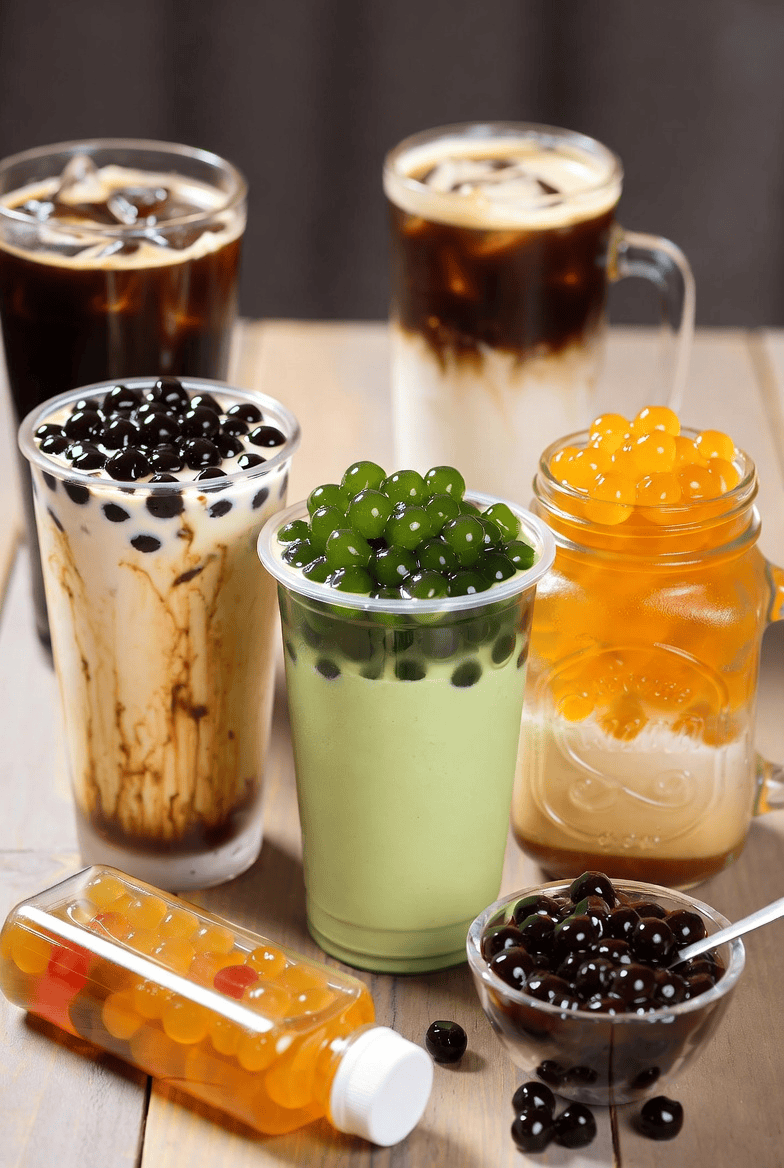
هل شعرت يومًا بذلك الانفجار المذهل لعصير الفاكهة في مشروبك وتساءلت، "ما هذا، وكيف يصنعون ذلك؟"
إذا سألت هذا السؤال، فقد جربت أحد أروع الأشياء الجديدة في المشروبات اليوم: بوبا المنفجرة. هذه الكرات الصغيرة الملونة ليست مجرد تزيين – إنها تجربة ممتعة تضيف انفجارًا صغيرًا من النكهة لأي مشروب أو حلوى. فهي تجمع بين علم الطعام والمتعة الخالصة. على عكس لؤلؤ التابيوكا المطاطي، فإن بوبا المنفجرة تمنحك مغامرة نكهة وملمس مختلفة تمامًا. ستساعدك هذه الدليل على فهم كل شيء عن بوبا المنفجرة. سنستكشف ما هو، ونتعلم المعلومات المثيرة العلم وراء كيفية تصنيعهقارنها مع الإضافات الشهيرة الأخرى، وأظهر لك كيفية صنعها في المنزل، واطلع على كيف تتغير صناعة الطعام.
التفاصيل المثيرة
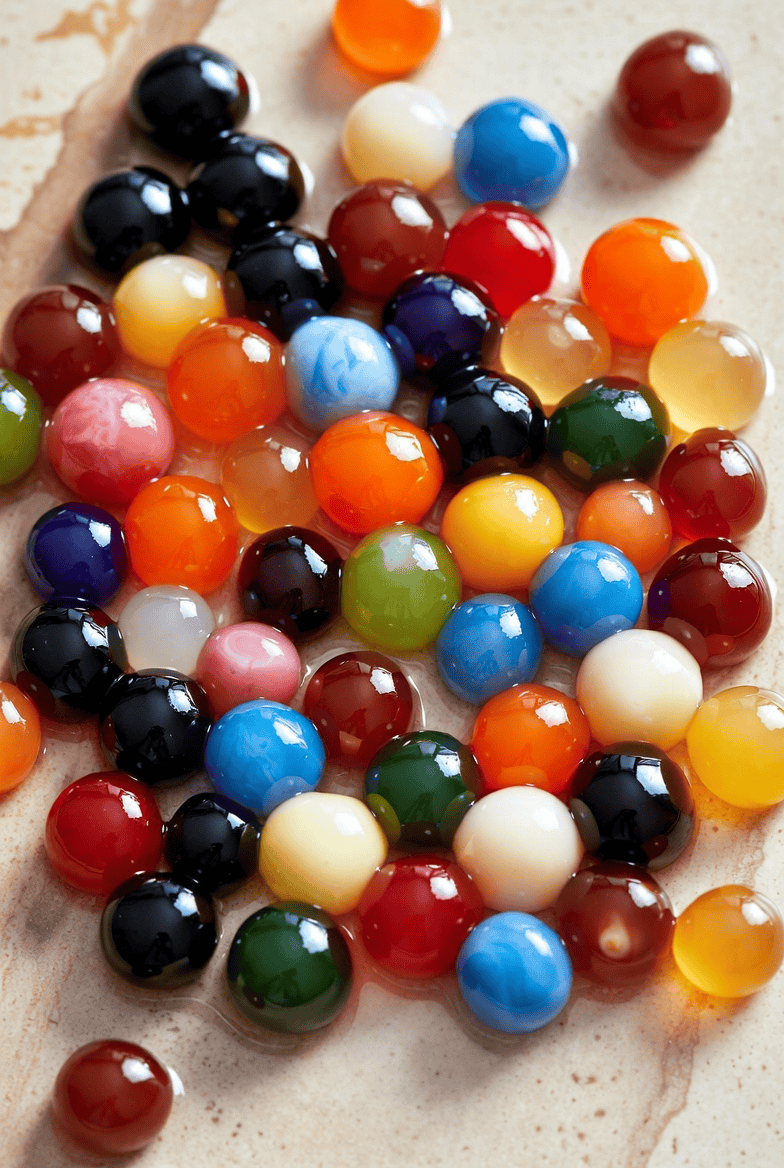
فما هو بالضبط بوبا المنفجرة؟ يُطلق عليها أيضًا كرات العصير، بوبا الانفجارية، أو اللؤلؤ المنفجر، فهي ابتكار غذائي خاص مصنوع من سائل منكه داخل قشرة رقيقة جدًا قابلة للأكل. عند الضغط الخفيف عنها عن طريق الشرب من خلال الشفاطة أو العض فيها، تتكسر هذه القشرة الرقيقة على الفور، مطلقة تدفقًا مركزًا من عصير الفاكهة. هذا "الفرقعة" هو ما يجعلها مميزة ومختلفة عن جميع إضافات المشروبات الأخرى. بينما يعطيك البوبا العادي (لؤلؤ التابيوكا) قوامًا مطاطيًا، فإن بوبا المنفجرة تقدم انفجارًا من النكهة يمكن أن يتطابق أو يتناقض مع مشروبك، مما يخلق تجربة طعم أكثر إثارة وتعددًا في الطبقات.
ببساطة، بوبا المنفوخة لها بعض الميزات الرئيسية:
- النواة: المركز سائل، عادةً عصير بنكهة الفاكهة، شراب، أو هريس فاكهة.
- الصدفة: الخارج عبارة عن قشرة رقيقة جدًا وهشة مصنوعة من مستخلص الأعشاب البحرية. لا تحتوي على نكهة خاصة بها – فهي فقط تحتفظ بالعصير داخلها.
- الخبرة: الميزة الرئيسية هي الصوت الواضح "بوب" الذي يصدر عند ضغط خفيف، والذي يملأ فمك على الفور بالنكهة.
- النكهة: تأتي بعدة نكهات فواكه، من الفراولة والمانجو إلى خيارات أكثر غرابة مثل الليتشي والمانجو، مما يمنحك خيارات لا حصر لها.
علم البوب
السحر وراء بوبا الانفجار ليس سحراً حقاً – إنه استخدام ذكي لعلم الأغذية يُسمى التشكيل العكسي للكرات. هذه التقنية، التي اشتهر بها الطهاة في الطهي الجزيئي، تتيح إنشاء كرات مملوءة بالسائل تكون مستقرة ولكن تنفجر بسهولة. فهم هذه العملية يساعدك على تقدير كل لؤلؤة في كوبك. تعتمد التفاعل بالكامل على مكونين رئيسيين يعملان معاً: الصوديوم ألجينات، وهو ملح مصنوع من الطحالب البنية، وملح الكالسيوم، عادة كلوريد الكالسيوم.
إليك العملية خطوة بخطوة لكيفية صنع هذه الكرات اللذيذة:
- الجوهر ذو النكهة الغنية: تبدأ العملية بالسوائل التي ستصبح مركز اللؤلؤة. عادةً ما يكون عصير فواكه أو هريس مخلوطًا بكمية دقيقة من الصوديوم ألجينات. يذوب الصوديوم ألجينات في خليط العصير، لكنه لا يسبب أي تماسك في هذه المرحلة. ببساطة، يُعد السائل للتفاعل القادم.
- حمام الكالسيوم: يُحضّر بشكل منفصل محلول من الماء وكلوريد الكالسيوم. يُسمى هذا "حمام التصلب" أو "حمام الكالسيوم". هذا المحلول واضح ويشبه الماء تمامًا، لكنه المفتاح لتشكيل الجلد الرقيق للبوبا.
- اللحظة السحرية: باستخدام القطارات أو الحقن أو معدات خاصة، قطرات صغيرة من مزيج الصودا الجلاتينية-الملح الصوديوم يتم قطر العصير بعناية في حمام كلوريد الكالسيوم. في اللحظة التي تلامس فيها السائل الغني بالألجينات الماء الغني بالكالسيوم، يحدث تفاعل كيميائي. تتسبب أيونات الكالسيوم في ربط سلاسل جزيئات الألجينات الطويلة معًا وتشكيل هلام، مما يخلق قشرة رقيقة جدًا حول قطرة العصير. تحدث هذه العملية من الخارج إلى الداخل، محاصرة النواة السائلة.
- شطف وتخزين: تُترك اللآلئ التي تكونت حديثًا في حمام الكالسيوم لمدة دقيقة تقريبًا - مدة كافية لتشكيل قشرة مستقرة ولكن ليست طويلة لدرجة أن يتحول اللؤلؤ بالكامل إلى هلام. ثم تُرفع بلطف باستخدام مصفاة وتُنقل فورًا إلى حمام ماء نظيف. يوقف هذا الشطف عملية التجلط، مما يضمن بقاء النواة سائلة. أخيرًا، يُخزن البوبا المنفجرة النهائي في شراب خفيف أو بعض عصير الفاكهة الأصلي للحفاظ على نضارتها وفصلها ونكهتها حتى تكون جاهزة للتقديم.
مقارنة مباشرة بين الاثنين
في عالم إضافات المشروبات المزدحم، من السهل أن تشتت الانتباه. على الرغم من أنها قد تشترك في اسم “البوبا” وتظهر غالبًا في نفس المشروبات، إلا أن البوبا المنفجرة، واللآلئ التابيوكا التقليدية، والكرستال بوبا هي مكونات مختلفة تمامًا. كل منها يقدم إضافة فريدة للمشروب من حيث الملمس، والنكهة، والجاذبية البصرية. فهم هذه الاختلافات هو المفتاح لإنشاء مشروبك المثالي. توفر البوبا المنفجرة انفجارًا، وتوفر التابيوكا مضغًا، وتوفر الكرستال بوبا قرمشة. ولجعل الاختيار أوضح، قمنا بتفصيل خصائصها في مقارنة مباشرة.
مقارنة الإضافات: فرقعة بوبا مقارنة بين اللآلئ التابيوكا والكرستال بوبا
| الميزة | فرقعة بوبا | اللآلئ التابيوكا التقليدية | Crystal Boba (Agar Boba) |
| المكون الأساسي | مستخلص الأعشاب البحرية (صودا الجلاتين) | نشا الكسافا | نبات الكونجاك (آجار) |
| الملمس | قشرة رقيقة، انفجار سائل | مضغ، لزج، مرن | ثابت، يشبه الهلام، قرمشة خفيفة |
| النكهة | عصير فاكهة مستقل بذاته | حلو بشكل معتدل (من السكر البني) | محايد أو حلو بشكل خفيف |
| التحضير | جاهز للتقديم | يتطلب الطهي/الغليان | جاهز للتقديم |
| المظهر | كرات شفافة وملونة | غير شفافة، عادة سوداء أو بنية داكنة | شفاف، غالبًا ما يكون شكله مثل جوهرة أو قطرة مطر |
| الأفضل لـ | إضافة انفجار من النكهة المتباينة | إضافة قوام مطاطي كلاسيكي | إضافة قوام هلامي منخفض السعرات الحرارية |
الفرق الأكبر يكمن في كيفية الشعور والطعم. اللؤلؤة التابيوكا التقليدية تتمحور حول المضغ المريح والمرن، وتمتص نكهة المشروب والشراب الذي تنقع فيه. بوبا المنفجر, على العكس، لا تمتص النكهة؛ بل تضيفها. كل لؤلؤة هي قنبلة نكهة مستقلة، تخلق مفاجأة ممتعة مع كل رشفة. البوبا الكريستالية تقدم خيارًا ثالثًا، بقوام هلامي ثابت، يكاد يكون مقرمشًا، أقل عن النكهة وأكثر عن إضافة إحساس فريد.
عالم من النكهات
واحدة من أفضل مميزات بوبا المنفجر هي تنوعها الكبير. عملية التشكيل الكروي تعمل مع تقريبًا أي سائل، مما يؤدي إلى عالم من النكهات لا نهاية له. الخيارات الأكثر شيوعًا في المقاهي هي نكهات فواكه، تتراوح بين المفضلات المعروفة مثل الفراولة، المانجو، والتوت الأزرق إلى أطباق استوائية مثل الليتشي، فاكهة العاطفة، والرمان. بعض العلامات التجارية المغامرة تقدم نكهات مثل الكيوي، الزبادي، الكرز، والخوخ.
فن استخدام بوبا المنفجر بشكل جيد يكمن في توافق النكهات. يمكن أن يحول الجمع الصحيح بين النكهات المشروب البسيط إلى إبداع ذواقة، بينما يمكن أن يكون الجمع السيئ مزعجًا أو متصادمًا. الهدف هو إما تكملة أو خلق تباين ممتع. على سبيل المثال، إضافة بوبا فاكهة العاطفة الحامضة إلى شاي المانجو الحلو يخلق نكهة استوائية متوازنة ومعقدة. إضافة بوبا الفراولة الحلو إلى ليموناضة حامضة يوفر انفجارًا من الحلاوة لموازنة الحموضة. لمساعدتك على أن تصبح خبيرًا في التوافق، أنشأنا دليلًا لبعض التركيبات الكلاسيكية.
دليل توافق نكهات بوبا المنفجر
| نكهة بوبا المنفجر | يتوافق جيدًا مع (الشاي) | يتوافق جيدًا مع (مشروبات أخرى) | نصيحة محترف |
| مانجو | شاي أخضر، شاي الياسمين، شاي فاكهة العاطفة | زبادي عادي، حليب جوز الهند، ليموناضة | يخلق أجواء استوائية كلاسيكية. |
| فراولة | شاي أسود، شاي أخضر، شاي كركديه | ميلك شيكس، مياه غازية، سموزي | نكة متعددة الاستخدامات تتناسب مع قواعد كريمية أو حامضة. |
| ليتشي | شاي أولونج، شاي ورد، شاي أبيض | ماء جوز الهند، جن و تونيك | يضيف لمسة أنيقة وزهرية وغريبة. |
| فاكهة العاطفة | شاي أسود، شاي أخضر | عصير برتقال، شاي مثلج | حموضته تقطع الحلاوة بشكل جميل. |
| رمان | شاي كركديه، شاي أخضر | شمبانيا، روزيه غازي، جنزبيل أيل | يضيف انفجارًا أنيقًا وحامضًا قليلاً يشبه الجوهرة. |
الوصفة النهائية للديي واي واي
صنع بوبا منبثق في مطبخك الخاص أمر مجزٍ بشكل لا يصدق ومفاجئ ممكن. إنه يشبه تجربة علم ممتعة ويؤدي إلى علاج لذيذ يمكنك استخدامه بطرق لا حصر لها. مع بعض المكونات الخاصة والصبر، يمكنك إتقان فن التصلب العكسي في المنزل. لقد وجدنا أن المفتاح هو الدقة في القياسات وامتلاك يد لطيفة أثناء عملية الإسقاط.
المكونات والمعدات
- كوب واحد من عصير الفاكهة المفضل لديك (بدون لب يفضل)
- 2 جرام من صودا الصوديوم الغذائية الجودة
- 5 غرامات من كلوريد الكالسيوم الغذائي
- 4 أكواب من الماء المقطر البارد (للحمام الكالسيوم)
- ماء إضافي للشطف
- خلاط أو خلاط غمر
- ميزان طعام مع قياسات بالجرام
- عدة صحون
- قطارة، حقنة، أو زجاجة ضغط
- منخل شبكي صغير
Step-by-Step Instructions
- تحضير قاعدة العصير: صب كوب واحد من عصير الفاكهة في الخلاط. أضف 2 غرام من الصوديم ألغينات. امزج لمدة 30-60 ثانية تقريبًا، أو حتى يذوب المسحوق تمامًا ويثخن المزيج قليلاً. خطأ شائع هو عدم الخلط لفترة كافية، مما يترك كتلًا. اترك هذا المزيج لي rests لمدة لا تقل عن 30 دقيقة، أو حتى عدة ساعات، للسماح بزوال فقاعات الهواء. هذا ضروري لإنشاء لآلئ واضحة ومستديرة.
- إعداد حمام الكالسيوم: في وعاء واسع منفصل، امزج 4 أكواب من الماء المقطر البارد و5 غرامات من كلوريد الكالسيوم. حرك حتى يذوب كلوريد الكالسيوم تمامًا.
- تشكيل اللآلئ: املأ قطارتك أو حقنتك بمزيج العصير المستريح. للحصول على الكرة المثالية، امسك القطارة على ارتفاع حوالي إنش فوق سطح حمام الكالسيوم. اضغط برفق وثبات على قطرات مزيج العصير في الحمام. لا تسقطها من ارتفاع كبير، أو ستصبح مسطحة أو تتشكل ذيول. اعمل بكميات صغيرة لتجنب تكتل اللآلئ معًا.
- دعها 'تطبخ': مع تكوين اللآلئ، سترى أنها تغوص ثم غالبًا تطفو. اتركها في حمام الكالسيوم لمدة حوالي 60-90 ثانية. حرك الحمام برفق لضمان تعرض جميع جوانب اللآلئ للكالسيوم. كلما طالت مدة بقائها، زادت سماكة القشرة الخارجية.
- اشطف وخزن: باستخدام منخلك الشبكي، أزل اللآلئ بعناية من حمام الكالسيوم. انقلها فورًا إلى وعاء ماء نظيف لشطف أي فائض من كلوريد الكالسيوم وإيقاف عملية التجلد. بعد شطف سريع، صفها مرة أخرى وخزنها في قليل من عصير الفاكهة أو شراب بسيط لمنع تكتلها. يُفضل تناولها طازجة خلال يوم أو يومين.
مشاكل في البوبا
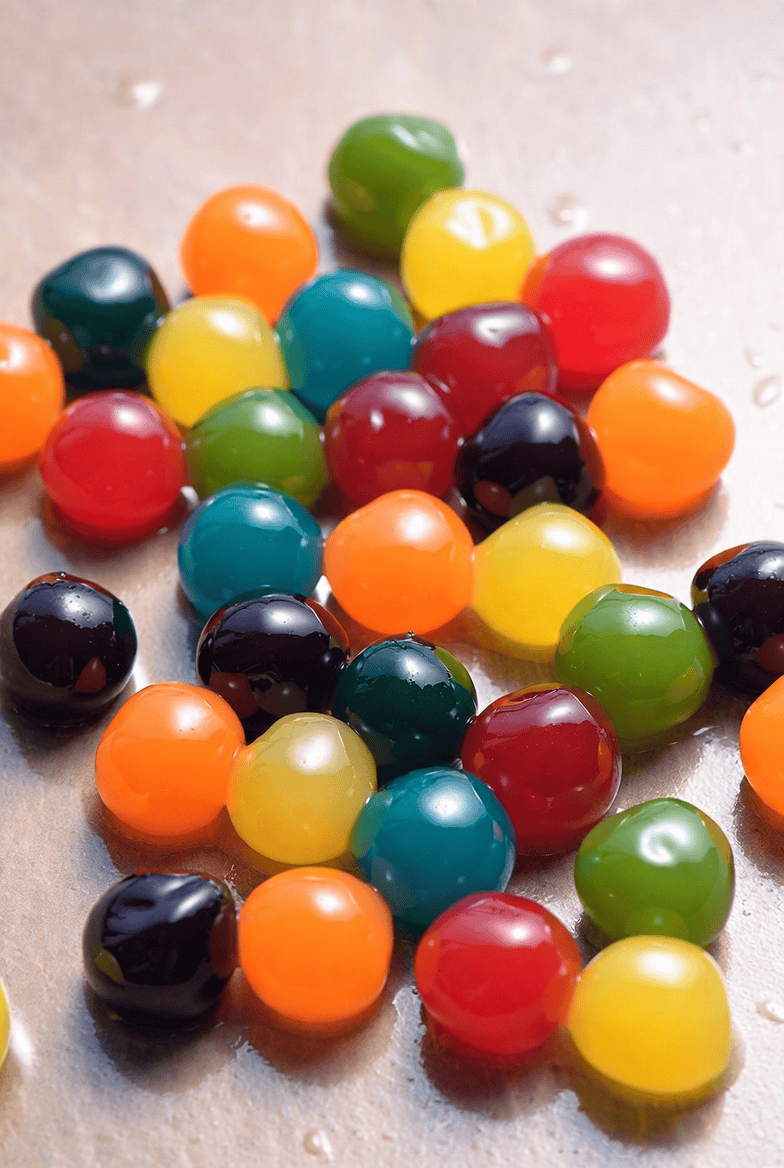
علمية المطبخ يمكن أن تكون أحيانًا صعبة، لكن لا تيأس! معظم المشاكل التي تظهر عند صنع بوبا الانفجار شائعة ولها حلول بسيطة. تتناول هذه الجدول أكثر المشاكل تكرارًا التي يواجهها الطهاة المنزليون.
دليل استكشاف أخطاء بوبا الانفجار اليدوي
| المشكلة | السبب المحتمل | الحل |
| اللآلئ لا تتكون، والعصير يذوب فقط. | حمام الكالسيوم ضعيف جدًا، أو لا يوجد ما يكفي من الصوديم ألغينات في العصير. | تحقق من قياساتك مرة أخرى. حاول إضافة المزيد من كلوريد الكالسيوم إلى الحمام. تأكد من أن الصوديم ألغينات ذاب تمامًا في العصير. |
| اللآلئ لديها 'ذيول' أو ليست كروية. | سقوط العصير من ارتفاع عالٍ جدًا أو بسرعة كبيرة. | امسك القطارة/الحقنة أقرب إلى سطح حمام الكالسيوم وطبق ضغطًا لطيفًا ومتساويًا. يمكن أن يساعد قاعدة العصير الأسمك أيضًا في الحفاظ على شكل كروي. |
| البشرة سميكة جدًا أو صلبة. | تم ترك اللآلئ في حمام الكالسيوم لفترة طويلة جدًا. | قلل من وقت "الطبخ". لللؤلؤ الصغيرة، عادةً ما يكفي 50-60 ثانية. اعمل على دفعات صغيرة حتى تتمكن من إزالتها بسرعة. |
| اللآلئ تتكتل معًا. | حمام الكالسيوم لا يُحرك، أو يوجد الكثير من يتم صنع اللؤلؤ مرّة واحدة. | حرك الحمام برفق أثناء إضافة العصير. لا تملأ الوعاء بشكل زائد؛ امنح كل لؤلؤة مساحة لتتشكل. |

تطبيقات الصناعة
صعود فرقعة بوبا كان له تأثير تحويلي على صناعة الطعام والمشروبات. كان التأثير الرئيسي والأكثر وضوحًا له على سوق شاي الفقاعات العالمي، الذي قدر بأكثر من 2.4 مليار دولار في عام 2022 ويستمر في إظهار نمو قوي. بالنسبة لمالكي المقاهي، فإن بوبا الفقاعات المنفجرة تقدم فوائد كبيرة على التابيوكا التقليدية. فهي جاهزة للتقديم، مما يلغي عملية الطهي والتبريد والتحلية التي تستغرق وقتًا. العملية المطلوبة لكرات التابيوكاهذا يحسن بشكل كبير كفاءة سير العمل خلال فترات الذروة. علاوة على ذلك، فإن مدة صلاحيته الطويلة تقلل من الفاقد، وألوانه الزاهية تخلق مشروبات ذات طابع "مناسب للإنستغرام" التي تعمل كوسيلة تسويق مجانية.
لكن تأثير بوبا الانفجارية يتجاوز بكثير متجر الشاي الفقاعي. لقد جعلت خصائصها الفريدة منها مكونًا متعدد الاستخدامات في قطاعات الطعام المختلفة.
- صناعة المشروبات: بخلاف شاي الفقاعات، البوبا المنفجرة أصبحت الآن إضافة شهيرة للكوكتيلات والمشروبات غير الكحولية، حيث تضيف انفجارًا من النكهة وعنصرًا بصريًا أنيقًا. تستخدمها الحانات واللاونجات لابتكار مشروبات توقيع تقدم تجربة لا تُنسى. كما توجد في العصائر المثلجة بالفواكه، والسموذي، وحتى الليمونادات المنكهة.
- الحلويات المجمدة: كانت صناعة الزبادي المجمد من أوائل المستخدمين. أصبحت حبات البوبا المنفجرة من الإضافات الأساسية، حيث تقدم تباينًا عصيريًا ومنفجرًا مع الزبادي الكريمي والبارد. توسع هذا الاتجاه ليشمل محلات الآيس كريم والمتاجر التي تبيع الثلج المبشور، حيث تضيف اللؤلؤات اللون والنكهة ومفاجأة ممتعة في القوام.
- علم الطهي الجزيئي: على الجانب العالي من طيف الطهي، يستخدم الطهاة في مطاعم الطعام الفاخر والمطاعم التي تقدم الطهي الجزيئي تقنية التشكيل الكروي لإنشاء "لآلئ" مالحة. تخيل سلطة الكابري مع لآلئ خل البلسميك التي تنفجر في فمك، أو طبق من المحار يُقدم مع كرات صغيرة من الليمون وصلصة المينيونيت. يبرز هذا التطبيق إمكانيات التقنية في تقديم نكهة مركزة بشكل غير متوقع وأنيق.
المستقبل يتقافز
البوبا المنفجرة ليست مجرد اتجاه عابر؛ إنها منصة مكونات تتطور باستمرار. مع تغير أذواق المستهلكين وتقدم تكنولوجيا الطعام، نرى تطورات مثيرة تشير إلى مستقبل مشرق لهذه اللآلئ المتفجرة. الابتكار يتجاوز مجرد نكهات الفواكه الجديدة ويدخل فئات جديدة تمامًا من الطعم والصحة والتطبيق. استنادًا إلى ملاحظات الصناعة، يمكننا توقع عدة اتجاهات رئيسية تشكل عالم البوبا المنفجرة.
إليك ما قد يحمله المستقبل على الأرجح:
- تركيبات صحية الوعي: أكبر تحول هو نحو "ملصق نظيف" وخيارات أكثر صحة. توقع رؤية المزيد من بوبا المفرقعة المصنوعة من عصير فواكه حقيقي 100%، والألوان الطبيعية من مصادر مثل الشمندر والكركم، وإصدارات منخفضة السكر أو خالية من السكر مُحلاة ببدائل طبيعية مثل ستيفيا أو فاكهة الراهب. يتماشى ذلك مع الطلب الأوسع للمستهلكين على الحلويات الصحية.
- نكهات مالحة ومعقدة: التقنية تتجاوز حدودها الفاكهية. بدأنا نرى ظهور ملفات نكهة أكثر تعقيدًا ومالحة مصممة للتطبيقات الطهوية والمستهلكين المغامرين. تخيل لؤلؤات بنكهة القهوة تتفجر في لاتيه مثلج، أو لؤلؤات منقوعة بالشاي (مثل إيرل جراي أو ماتشا) التي تكثف نكهة الشاي بالحليب، أو حتى لؤلؤات مالحة مثل الطماطم، زيت الزيتون، أو صلصة الصويا للاستخدام في مقبلات وأطباق فنية.
- اللؤلؤ المملوء بالكحول: عالم الميكولوجيا يتبنى بحماس بوبا المنفجرة. اتجاه متزايد هو إنشاء لؤلؤ مملوء بالكحول للبالغين. يمكن ملء هذه "البوبا الكحولية" بالليكيور، المشروبات الروحية، أو مكونات الكوكتيل، مما يخلق طريقة فريدة لتجربة المشروب. جين وتونيك مع لؤلؤة ليكيور زهر العسل المنفجرة هو واحد من العديد من الاحتمالات.
- مجموعات الأدوات المنزلية والنمو في البيع بالتجزئة: مع اكتشاف المزيد من الأشخاص متعة الصنع فرقعة بوبا في المنزل، سيتوسع سوق مجموعات الأدوات عالية الجودة للمشاريع التي يمكنك صنعها بنفسك. هذه المجموعات، المجهزة بالمكونات المقاسة مسبقًا والتعليمات الواضحة، تجعل علم التشكيل الكروي متاحًا للجميع، وستصبح أكثر انتشارًا على رفوف التجزئة وعبر الإنترنت.
الجاذبية المستمرة
من ارتفاع مفاجئ في مشروب صيفي إلى تزيين أنيق على طبق فاخر، أصبح بوبا المنفجر يثبت مكانته كمعجزة طهي حديثة. لقد رأينا أنه أكثر من مجرد إضافة أخرى؛ إنه شهادة على عبقرية اللعب في علم الطعام، المولودة من تقنية التماثل العكسي. رحلته من مطابخ المطاعم الراقية إلى محلات الشاي بالفقاعات السائدة تبرز مرونته الهائلة وجاذبيته الواسعة. سواء كنت من محبي الطعام الفضوليين تستمتع بأول تذوق، أو طاهٍ منزلي يبدأ مشروعًا ممتعًا من صنع يدك، أو صاحب مقهى يسعى لتجديد قائمته، فإن بوبا المنفجر يوفر تجربة فريدة. جاذبيته الدائمة تكمن في تلك اللحظة البسيطة والمفرحة من المفاجأة—الفرقعة المثالية والمُرضية التي تطلق انفجارًا من النكهة الخالصة وتحول العادي إلى شيء مميز حقًا.
الأسئلة الشائعة
هل بوبا المنفجرة نباتي؟
نعم، في معظم الحالات. البشرة مصنوعة من صودا الجلوتين، مستخلص من الأعشاب البحرية، ولا تحتوي على جيلاتين أو منتجات حيوانية أخرىالحشوة عادةً تكون عصير فواكه. ومع ذلك، من الحكمة دائمًا التحقق من قائمة المكونات، حيث قد تستخدم بعض العلامات التجارية ملونات أو نكهات غير نباتية، على الرغم من أن ذلك غير شائع.
هل لبوبا الفقاعات تحتوي على الكافيين؟
اللؤلؤ نفسه خالي من الكافيين. المكونات هي عصير، ماء، سكر، صودا الجلاتين، وكلوريد الكالسيوم. ومع ذلك، ستحتوي المشروب النهائي على الكافيين إذا أضفت البوبا المنفجرة إلى مشروب يحتوي على الكافيين مثل الشاي الأسود، الشاي الأخضر، أو القهوة.
كم مدة بوبا الفقاعات تدوم؟
حاويات البوبا المنفجرة غير المفتوحة والمُنتجة تجاريًا لها عمر افتراضي طويل، غالبًا ما يستمر من عدة أشهر حتى سنة. بمجرد فتح الحاوية، يجب حفظها في الثلاجة ويُفضل استهلاكها خلال أسبوع إلى أسبوعين للحصول على أفضل نكهة وملمس.
هل البوبا المنفجرة صحية؟
بوبا المنفوخ يُعتبر أفضل كحلوى، مشابهًا لبقية إضافات الحلوى. عادةً ما يكون أقل سعرات حرارية وسكرًا من لؤلؤ التابيوكا التقليدي، لكنه لا يزال يحتوي على سكر من عصير الفاكهة والشراب الذي يُخزن فيه غالبًا. للحصول على خيار أكثر صحة، ابحث عن علامات تجارية تستخدم عصير الفاكهة 100% بدون سكر مضاف.
هل يمكنك الاختناق عند تناول بوبا المنفجر؟
خطر الاختناق عند تناول بوبا المنفجرة أقل بكثير من حبات التابيوكا المطاطية. الجلد الرقيق مصمم للانفجار تحت ضغط بسيط، مثل من اللسان أو الأسنان، مما يطلق السائل من الداخل. لا يتطلب المضغ العنيف الذي تتطلبه التابيوكا. ومع ذلك، كما هو الحال مع أي طعام صغير، يجب توخي الحذر دائمًا، خاصة عند تقديمها للأطفال الصغار جدًا.
مقالات ذات صلة
- وصفة بوبا المنفجرة: الدليل الكامل لصنع اللؤلؤ المتفجر في المنزل وعلى نطاق واسع
- كيف أختار ماكينة تصنيع العلكة المناسبة لعملي؟
- ما هي الأحجام المختلفة التي يمكن أن تنتجها ماكينة إنتاج علكة الدببة الصمغية؟
- ما هي التكاليف التشغيلية المرتبطة بماكينة صنع حلوى الجيلي؟
- خط إنتاج البوبا المتفجرة
- آلة صنع لؤلؤ الكنوجياك
- كيف يتم صنع سكايتلز؟ العملية الكاملة للمصنع