What Are Gummies Made Of? Ingredients, Process & Commercial Secrets
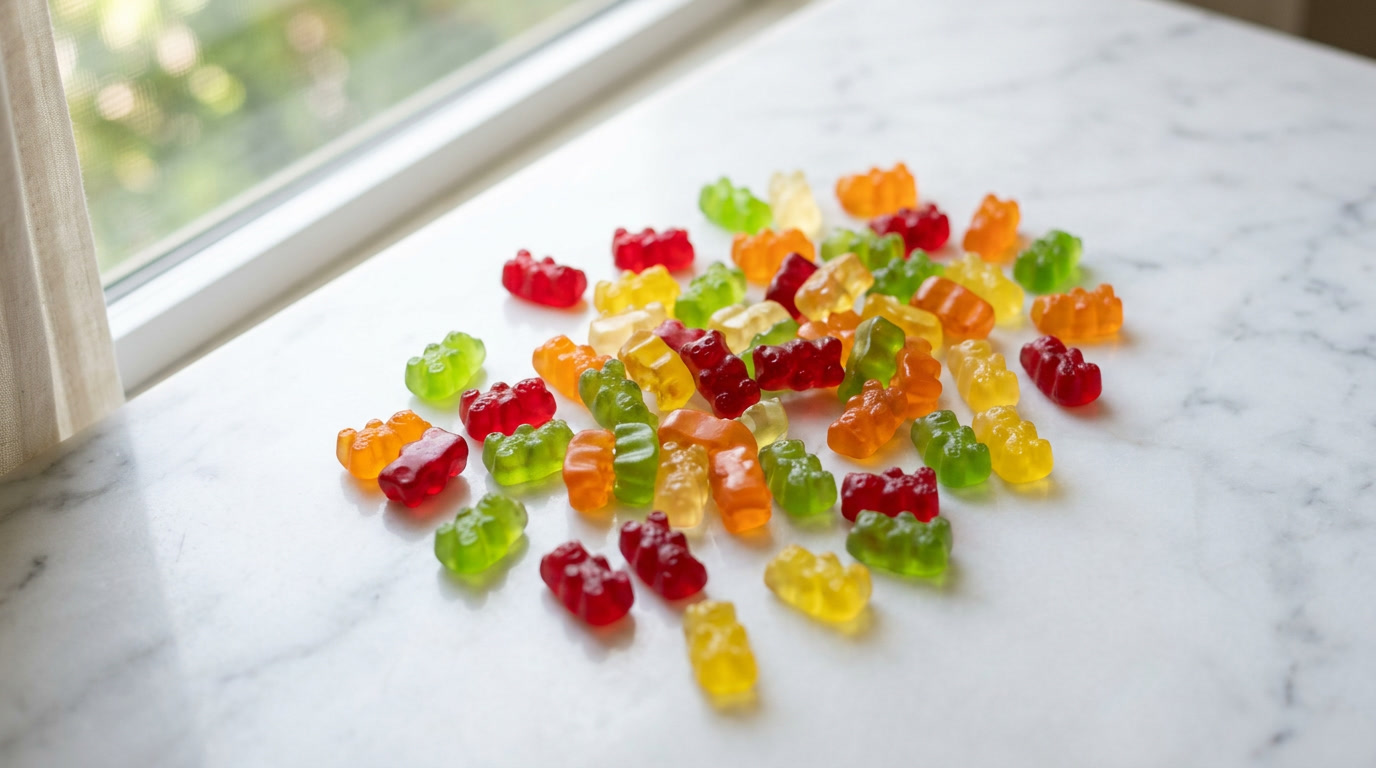
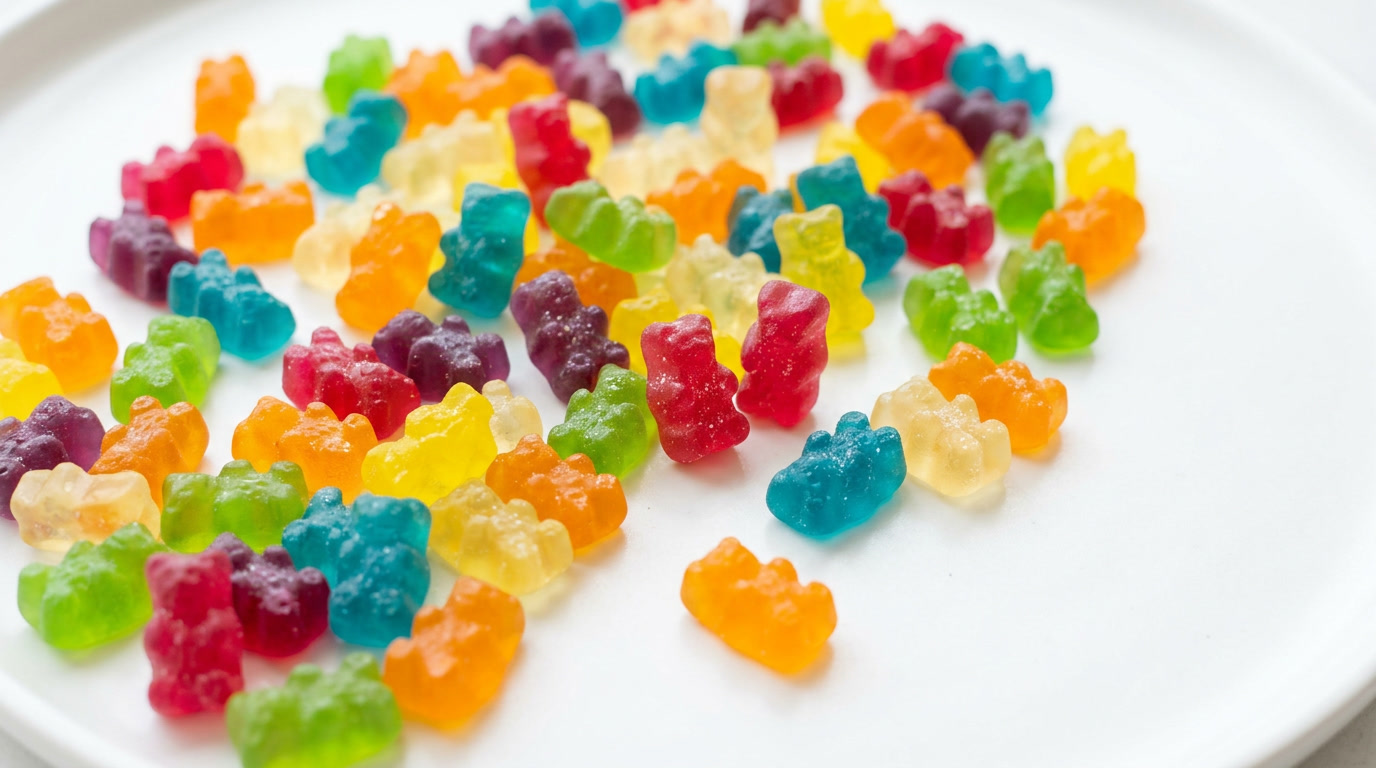
Gummies are made of gelatin (or pectin), corn syrup, sugar, water, citric acid, natural flavorings, and food colorings — combined, cooked, molded, and cured to create their signature chewy texture.
Walk into any candy aisle and the gummy section has quietly taken over. From classic bears and worms to functional vitamin gummies and CBD chews, gummies are now a multi-billion-dollar confectionery category. But what are gummies made of, exactly? And what separates a mass-market gummy that lasts 18 months on a shelf from one that turns sticky after a week?
The answers lie in ingredients, formulation chemistry, and the commercial manufacturing process — all three working together. Whether you’re a brand owner building a gummy product, a food entrepreneur sourcing equipment, or simply someone who’s curious what goes into the candy you’ve been eating since childhood, this guide covers it all.
What Are Gummies Made Of? The Core Ingredients
Gummies require six ingredient categories: a gelling agent, a sweetener system, water, acidulants, flavorings, and colorings. Every commercial formulation balances these six — adjust one and the texture, shelf life, or appearance shifts.
According to Gummy candy — Wikipedia, the base formula is “corn syrup, sucrose, gelatin, starch and water” with coloring agents and flavorings added for variety. That’s the simplified version. The commercial reality is more nuanced.
Gelling Agent: Gelatin vs. Pectin vs. Agar
The gelling agent is the single most important ingredient in any gummy. It determines texture, melt profile, and whether the product is suitable for vegetarians or vegans.
Gelatin is derived from collagen in animal bones and hides — typically porcine (pig) or bovine (cattle). It produces gummies with a soft, bouncy, slightly translucent texture that consumers associate with classic gummy bears. Gelatin melts at body temperature (37°C), which gives gummies that slow-dissolve mouthfeel. Most commercial candy gummies — Haribo, Black Forest, Albanese — use pork gelatin at concentrations between 6–10% of the total formula weight.
Pectin is a plant-based polysaccharide extracted from apple or citrus peel. Pectin-based gummies have a slightly firmer, less elastic bite — think fruit snacks or jellies. They’re the go-to for vegan and halal products. The tradeoff: pectin requires higher sugar concentrations to gel properly, and the resulting gummy tends to be less stable at elevated temperatures.
Agar agar is a seaweed-derived alternative popular in Asian confectionery markets. It gels at a lower temperature than gelatin, sets firmer, and produces a more brittle texture. Premium Japanese gummies frequently use agar for their clean-break texture.
Carrageenan (another seaweed extract) and konjac are also used in specialty formulations, particularly for functional gummies targeting specific texture profiles.
In practice, most high-volume commercial gummy operations choose gelatin when possible — it’s more forgiving in the cooking and depositing process, with a wider processing temperature window than pectin or agar.
Sweetener System: More Than Just Sugar
Most consumers assume gummies are made with sugar. The reality is that most commercial gummies use a blend of sweeteners to balance cost, texture, and shelf life.
Glucose syrup (corn syrup in the US, glucose syrup elsewhere) is typically the dominant sweetener by volume — often 40–60% of the formula. It’s a humectant, which means it retains moisture and prevents the gummy from drying out or crystallizing. Without it, a gummy would turn grainy within days.
Sucrose (table sugar) provides sweetness intensity and contributes to the gummy’s firm structure. Together with glucose syrup, it forms the classic dual-sweetener system.
Dextrose is sometimes added to lower water activity, improve shelf stability, and give a light coating crystallization effect on finished gummies.
For sugar-free gummies, the formulation shifts to polyols: isomalt, maltitol, sorbitol, or erythritol. These behave differently in processing — many require modified depositing temperatures and longer drying times. Sorbitol in particular acts as a humectant and is often added even in sugar-containing formulas at low concentrations for texture benefits.
| Sweetener | Function | Concentration (typical) |
|---|---|---|
| Glucose syrup | Humectancy, crystal prevention | 40–60% of formula |
| Sucrose | Sweetness, structure | 20–35% of formula |
| Dextrose | Shelf stability, surface effect | 3–8% of formula |
| Sorbitol | Texture, moisture retention | 1–5% of formula |
| Isomalt / Maltitol | Sugar-free replacement | 50–70% of formula (SF) |
Acidulants: Citric Acid and Friends
That mouth-puckering sourness in sour gummies? That’s citric acid, the most widely used acidulant in gummy production. Added at 0.5–2% of formula weight, citric acid also serves as a mild preservative by lowering the pH and creating a less hospitable environment for microbial growth.
Malic acid produces a longer-lasting sour note than citric acid and is common in sour belts and extreme sour products. Tartaric acid and lactic acid appear in specialty formulations.
One critical formulation point: acidulants must be added at the right stage. Adding citric acid while the gelatin slurry is still hot can break down the gel structure. In commercial production, acid is typically added after cooling to 60–70°C — just before depositing.
Water Activity and Moisture
Water makes up roughly 15–25% of the initial gummy cooking formula, but much of it is driven off during the drying/curing phase. The final water activity (Aw) of a shelf-stable gummy is typically 0.55–0.65 — low enough to inhibit mold and bacteria, but high enough to maintain the soft, pliable texture.
Achieving the correct Aw requires precise cooking temperatures (typically 105–115°C for the syrup), controlled drying time, and consistent humidity in the production environment. This is where commercial manufacturing equipment makes a critical difference over artisanal production.
Natural vs. Artificial Flavorings
Flavor is the defining sensory experience of a gummy. Commercial producers use either natural flavorings (extracted from real fruit, botanical sources, or fermentation) or artificial flavorings (synthesized chemical compounds that mimic natural profiles).
Natural flavorings have become the market preference. According to data from Washington State University’s Ask Dr. Universe, food scientists design gummy flavors to work with — not against — the slightly meaty, neutral base that gelatin contributes. This is why fruit punch or tropical flavors dominate; they have high-impact volatiles that cut through the background.
Flavor is typically added at 0.1–1% of formula weight, often as an oil-based compound that disperses readily in the warm slurry.
Colorings: Natural and Synthetic
Gummies are as much a visual experience as a flavor one. Commercial colorings fall into two categories:
Synthetic colorings (FD&C Red 40, Yellow 5, Blue 1, etc.) provide intense, consistent color at very low concentrations (0.001–0.01% of formula). They’re cost-effective and heat-stable, making them the default in most mass-market products.
Natural colorings are increasingly demanded by better-for-you brands: anthocyanins (purple/red from berries), turmeric (yellow), spirulina (blue-green), beet powder (red/pink), and beta-carotene (orange/yellow). Natural colors are less heat-stable and more pH-sensitive — a formulation challenge that requires careful cooking temperature control.
Types of Gummies and Their Formulation Differences
Different gummy formats require distinct formulations, mold designs, and processing parameters. The ingredient category might be the same, but the ratios and production settings shift significantly across formats.

Classic Confectionery Gummies
The original gummy bear (Gummibär), developed by Hans Riegel Sr. at Haribo in the early 1920s, set the template for modern gummy candy. Today’s commercial confectionery gummies use a gelatin base at 6–9% concentration with a high glucose syrup load for softness and shine.
Key production parameter: these gummies are typically deposited into starch mogul molds (trays of compacted starch with impressions of the desired shape). After depositing, the trays sit in conditioning rooms for 12–48 hours while the gummy sets and loses moisture to the surrounding starch. The starch is then recovered and recycled.
Vitamin and Supplement Gummies
Supplement gummies — multivitamins, melatonin, vitamin D3, elderberry — have become the dominant functional format. The US gummy supplement market surpassed $5.7 billion in 2023 and continues growing.
These require a different formulation approach. Vitamins are heat-sensitive: vitamin C oxidizes, B vitamins degrade above 70°C, and fat-soluble vitamins (A, D, E, K) require microencapsulation to survive the cooking process. Manufacturers often use pectin rather than gelatin for supplement gummies because pectin’s lower cooking temperature reduces vitamin degradation.
The gel strength of vitamin gummies is also higher (firmer bite) because the molds are typically silicone or metal rather than starch — so the gummy needs enough body to release cleanly without the starch’s drying assistance.
CBD and Functional Gummies
CBD gummies follow supplement gummy formulations but add the challenge of incorporating a lipophilic (fat-loving) active ingredient into a mostly water-based matrix. CBD oil must be emulsified — typically using sunflower lecithin or a similar emulsifier — before being added to the gummy base.
Consistent dosing is a critical quality control requirement: each gummy must contain exactly the labeled milligrams of CBD, with minimal batch-to-batch variation. This demands precision depositing equipment and rigorous in-process testing.
Gummy Coatings
Many commercial gummies receive a post-production coating for texture, appearance, and shelf stability:
- Oil coating (coconut oil, mineral oil): reduces stickiness and gives gummies a slight sheen
- Wax coating (beeswax, carnauba wax): provides the characteristic glossy finish on premium gummies
- Sugar coating: sour sugar (citric acid + fine sugar) on sour gummies; regular sugar on others
- Pectin coating: a thin outer pectin layer reduces moisture migration and stickiness in warm climates
| Gummy Type | Gelling Agent | Key Formulation Difference |
|---|---|---|
| Classic candy gummies | Gelatin (6–9%) | Starch mogul molded, high glucose syrup |
| Supplement/vitamin gummies | Pectin or gelatin | Lower cook temp for vitamin stability, silicone molds |
| Vegan gummies | Pectin or agar | Higher sugar concentration to compensate |
| CBD/functional gummies | Pectin or gelatin | Emulsified active ingredient, precision depositing |
| Sour gummies | Gelatin + citric acid coat | Acid dusting applied post-curing |
How Gummies Are Made: The Commercial Manufacturing Process
Commercial gummy production follows a five-stage process: cooking the base syrup, adding functional ingredients, depositing into molds, curing, and finishing. Each stage requires specific equipment and process controls.
This is where the quality gap between artisan and industrial gummies becomes clear. A home cook can make gummy bears with gelatin packets and silicone molds. A factory producing 5,000 kg per shift operates on fundamentally different physics.
Stage 1: Cooking the Gummy Base
The process starts with dissolving sugars into water and cooking the syrup to a target temperature — typically 105–115°C for standard gummies. This removes excess water, reaches the correct Brix (sugar concentration) level, and prepares the matrix to receive the gelling agent.
Gelatin is pre-hydrated separately: dry gelatin powder is bloomed in cold water (ratio typically 1:4) until it forms a gel, then gently heated to liquify. It’s never added to the boiling sugar syrup directly, as this causes foaming and partial breakdown of the gel network.
The hydrated gelatin is combined with the cooked sugar syrup at a controlled temperature (around 80–90°C) in mixing vessels, followed by the addition of colorings, flavorings, and acidulants.
Stage 2: Depositing
Depositing is the precision step that defines gummy shape consistency. Commercial systems use servo-driven piston depositors that fill molds with ±0.5% weight accuracy per unit.
There are two main mold systems:
Starch mogul systems are the industry workhorse for traditional candy gummies. A mogul machine (also called a Mogul candy forming system) prepares starch-filled trays, stamps the impressions, receives the deposited gummy mass, and stacks trays for conditioning. Major machinery manufacturers offer fully automated mogul lines producing 500–3,000 kg/hour.
Silicone or metal mold systems are used for supplement and functional gummies. These produce gummies with cleaner edges, no starch residue, and are preferred for GMP-compliant pharmaceutical-grade facilities. The trade-off is a longer in-mold cooling cycle compared to starch mogul lines.
Stage 3: Curing and Conditioning
After depositing, gummies must cure to reach target moisture content and texture. In starch mogul systems, trays are stacked in conditioning rooms at 20–25°C with controlled relative humidity (25–40%) for 12–48 hours. The starch draws moisture from the gummy surface, accelerating drying.
In silicone mold systems, gummies are demolded after initial setting (30–60 minutes in cooling tunnels) and then pass through drying tunnels or conditioning rooms. Extended conditioning — sometimes 24–72 hours — is required to reach the target water activity.
Manufacturers use water activity meters to verify each batch before packaging. A batch with Aw above 0.65 risks mold growth; below 0.50 the gummy becomes too hard.
Stage 4: Finishing
After curing, gummies go through:
- De-powdering (for starch mogul products): excess starch is removed by brushing and air jets
- Coating application: oil, wax, or sugar coatings applied in rotating drums
- Optical inspection: cameras detect broken, misshapen, or color-deviant pieces
- Metal detection: mandatory food safety step before packaging
- Weighing and packaging: gummies are counted/weighed and sealed in bags, bottles, or pouches
Stage 5: Quality Control Checkpoints
Commercial gummy production maintains quality through in-process testing at each stage:
| Checkpoint | Test | Specification |
|---|---|---|
| Cooked syrup | Brix (refractometer) | 78–82° Brix |
| Cooked syrup | Temperature | 105–115°C |
| Deposited gummy (warm) | Weight per piece | ±0.5g of target |
| Cured gummy | Water activity | 0.55–0.65 Aw |
| Cured gummy | Texture (texture analyzer) | X grams force to compress 50% |
| Finished product | Microbial testing | <100 CFU/g total plate count |

Industry Applications: Where Gummies Are Used Beyond Candy
Gummies have expanded far beyond confectionery into pharmaceutical, nutraceutical, and veterinary markets, each with distinct formulation and regulatory requirements.
Nutraceutical and Supplement Gummies
The nutraceutical sector is the fastest-growing gummy application. Brands sell gummy vitamins, collagen supplements, probiotic gummies, omega-3 gummies, and sleep aids. The category appeals to consumers who struggle to swallow capsules or tablets — a critical compliance driver.
Nutraceutical gummies must comply with GMP regulations (FDA 21 CFR Part 111 in the US), which require documented formulation controls, in-process testing, and traceability for every batch. This drives demand for automated, data-logging production equipment.
Pharmaceutical Gummies
Pharmaceutical gummies carry active drug ingredients (antihistamines, melatonin at prescription doses, certain vitamins at therapeutic levels). These require full pharmaceutical GMP compliance (21 CFR Part 210/211), validated cleaning procedures, and product stability data.
The precision requirements are far higher than nutraceuticals — active content uniformity must typically fall within ±5% of labeled dose.
Veterinary Gummies
Pet supplements in gummy or soft-chew format have seen explosive growth. Dog CBD chews, joint-support soft chews, and dental gummies are now mainstream. These use gelatin or pectin bases modified for palatability — adding meat-based flavors (chicken, beef, bacon) rather than fruit flavors.
Cosmetic and Beauty Gummies
Collagen gummies, biotin gummies, and beauty supplements in gummy form target skin, hair, and nail health. These require specific active ingredient stability testing, since collagen peptides and biotin degrade under high-temperature processing.
How to Choose Between Gelatin, Pectin, and Other Gelling Agents
The right gelling agent depends on your target market, production scale, and regulatory requirements — not just texture preference.
Here’s the practical framework:
Choose gelatin when:
- You’re producing traditional candy gummies where texture authenticity matters
- Your target market accepts animal-derived ingredients (non-vegan, non-halal)
- You’re using a starch mogul production system
- Cost is a primary constraint (gelatin is typically 30–50% cheaper than pectin per kg)
Choose pectin when:
- Your product needs to be vegan, vegetarian, or halal-certified
- You’re producing supplement gummies where lower processing temperatures protect heat-sensitive actives
- Your export markets require plant-based certification
- You’re targeting health-conscious consumers willing to pay a premium
Choose agar when:
- You’re targeting Asian markets where agar-based confectionery is culturally familiar
- You want a firmer, cleaner bite profile
- Vegan compliance is required but pectin’s fruit sourcing is a supply chain concern
When in doubt, run a pilot batch. Texture preference is surprisingly regional and category-specific — what works in the US gummy vitamin market doesn’t always translate to European candy standards or Asian gift confectionery.
Future Trends in Gummy Manufacturing (2026 and Beyond)
The gummy industry is shifting toward cleaner labels, functional ingredients, and sustainable production practices — all requiring updated formulation and equipment capabilities.
Trend 1: Clean Label and Short Ingredient Lists
Consumer demand for recognizable ingredients is reshaping gummy formulations. Brands are moving away from “glucose-fructose syrup” toward “organic cane sugar,” from synthetic FD&C dyes toward fruit and vegetable concentrates.
The technical challenge: natural alternatives are harder to work with. Natural colors fade with heat. Organic sugars behave differently at high Brix concentrations. Clean-label formulations often require process adjustments that legacy production lines weren’t designed for.
Trend 2: Functional Actives and Fortification
Gummies are increasingly positioned as delivery vehicles for functional ingredients: adaptogens (ashwagandha, lion’s mane), probiotics, collagen peptides, nootropics, and cannabinoids. Each brings formulation complexity — heat sensitivity, water activity interactions, flavor masking challenges.
According to Fermentis Life’s 2026 gummy manufacturing report, the global functional gummy market is projected to reach $22.6 billion by 2028, driven by India, the US, and European nutraceutical markets.
Trend 3: Reduced Sugar and Better-for-You Formats
The war on sugar is driving reformulation across the gummy category. Sugar-free gummies using isomalt, allulose, or erythritol are growing in share. Each polyol behaves differently — some crystallize on gummy surfaces, others cause laxative effects at high consumption, and most require modified depositing temperatures.
Allulose in particular has gained attention as a “rare sugar” with minimal glycemic impact. It’s 70% as sweet as sucrose, behaves similarly in cooking, and doesn’t cause the digestive discomfort of other polyols at moderate doses.
Trend 4: Precision Dosing Equipment
As regulatory scrutiny of supplement gummies increases, precision depositing — and the ability to document it — becomes a competitive advantage. Modern gummy depositing systems connect to MES (Manufacturing Execution Systems) that log every deposited piece’s weight, temperature, and timestamp.
This real-time data capture isn’t just compliance theater. It enables faster root-cause analysis when batches drift, reduces waste from out-of-spec production, and supports the certificate-of-analysis documentation that retail buyers and regulatory agencies require.
FAQ: What Are Gummies Made Of?
Q1: What are gummies made of at a basic level? Gummies are made of gelatin (or pectin), sweeteners (corn syrup and sugar), water, flavoring, food coloring, and citric acid. These six ingredient categories are combined, cooked, molded, and cured to create the chewy, bouncy texture consumers expect.
Q2: Are gummies made from pork? Most conventional gummies use pork-derived gelatin. Haribo, for example, uses pork gelatin in most of their products. Halal and kosher versions use bovine (beef) gelatin. Vegan gummies use pectin or agar instead — no animal-derived gelatin at all.
Q3: What makes gummies chewy? The chewiness comes from gelatin’s protein network. When gelatin is dissolved in hot liquid and then cooled, the protein chains form a three-dimensional mesh that traps water and creates elasticity. The gelatin concentration (6–10%) and the sugar-to-water ratio both control how firm or soft the final chew is.
Q4: What are vegan gummies made of? Vegan gummies substitute gelatin with pectin (from apple or citrus peel) or agar (from seaweed). Both produce a gummy texture, though pectin gummies tend to be slightly firmer and less elastic than gelatin-based versions. Natural plant-based colors and flavorings complete the vegan formulation.
Q5: How long does it take to make commercial gummies? A commercial gummy production run — from cooking the syrup to finished, packaged product — typically takes 24–72 hours. The majority of that time is the curing/conditioning phase, where gummies lose moisture in temperature-controlled rooms. The actual cooking and depositing happens in 1–2 hours per batch.
Q6: What equipment is needed to make gummies commercially? Commercial gummy production requires: a cooking kettle or continuous cooker for the syrup, a mixing system for gelatin incorporation, a depositing machine (starch mogul or silicone mold line), conditioning/drying rooms or tunnels, a coating drum, an optical sorter, and a packaging line. Entry-level semi-automatic lines start around 200–500 kg/hour capacity; fully automated industrial lines reach 3,000+ kg/hour.
Q7: What is the hardest part of making gummies commercially? Consistent water activity control is the single biggest production challenge. Every batch must hit the same Aw target (typically 0.55–0.65) for shelf stability and texture. Factors affecting Aw — ambient humidity, cook temperature variation, gelatin bloom strength, conditioning room conditions — all create batch-to-batch variability that must be actively managed.

Conclusion
Gummies look simple — chewy, sweet, fruit-flavored shapes. But what are gummies made of, when you pull back the curtain? A precisely engineered system of gelling agents, sweetener blends, acidulants, flavorings, and colorings, processed through a controlled multi-stage manufacturing sequence that turns raw ingredients into a shelf-stable, consistent product.
The same principles apply whether you’re making 10 kg of artisan gummies in a small-batch facility or 10,000 kg per shift on a fully automated line. Understand your gelling agent’s behavior, control your water activity, manage your acid addition timing, and choose your sweetener system for the texture and shelf life you need.
For brands and entrepreneurs building gummy products at commercial scale, the formulation knowledge above is the starting point. The next step is matching that formulation to the right production equipment — because even a perfect recipe fails if the depositing system can’t hold temperature, or the conditioning rooms lack humidity control. Equipment selection is where ingredient theory meets manufacturing reality.