Você se aprofundou em uma toca de coelho de dramas coreanos, pediu sua primeira caixa de snacks coreanos ou passeou pelo corredor de um supermercado asiático olhando embalagens que você não consegue ler — e agora quer saber: como é realmente o doce coreano, o que vale a pena experimentar primeiro e como a Coreia do Sul se tornou um dos mercados de doces mais criativos do mundo?
Aqui está a resposta rápida: os doces coreanos abrangem tudo, desde confeitos reais de mel com 400 anos até palitos de pretzel mergulhados em chocolate que agora vendem globalmente. O mercado foi avaliado em aproximadamente USD 231 bilhões em 2024 e deve atingir USD 319 bilhões até 2033. Isso não é uma categoria de nicho. É uma cultura de doces em escala total — e é uma que recompensa quem dedica tempo para entendê-la, em vez de simplesmente pegar o que parece familiar.linkedin+1
Uma Breve História do Doce Coreano (Vai Mais Longe do que Você Imagina)
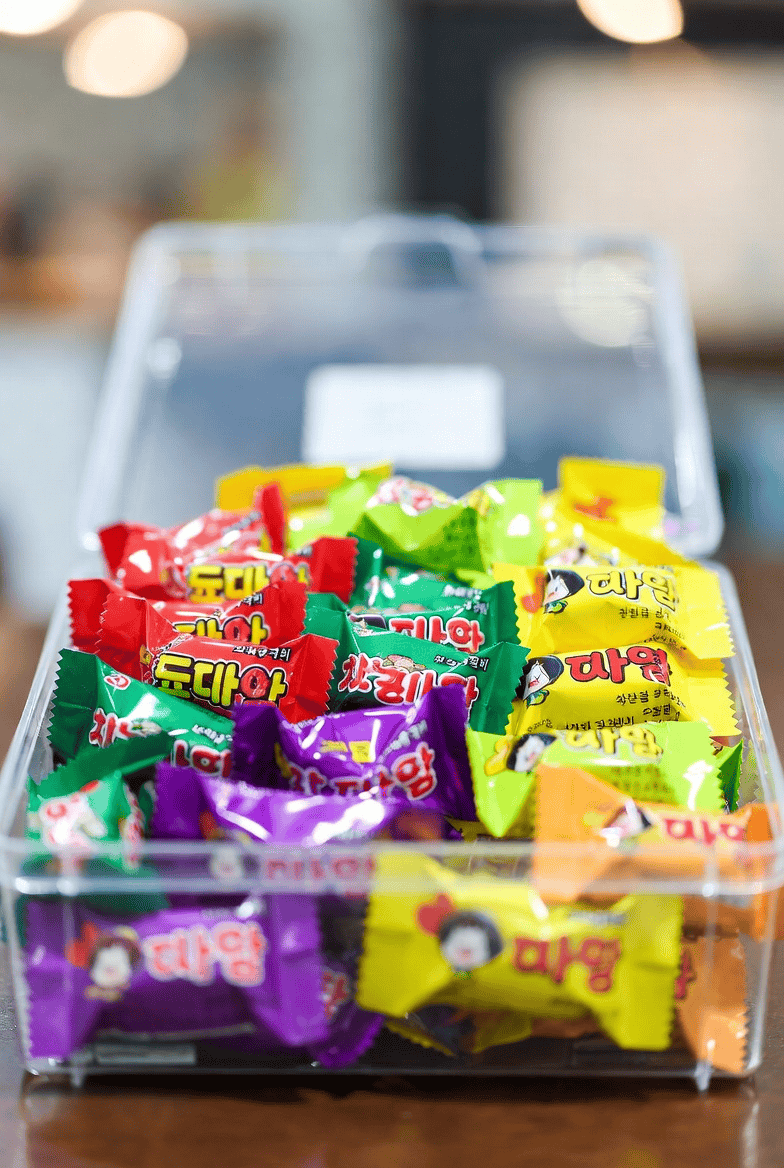
O doce coreano não começa com Lotte ou Pepero. Começa na Dinastia Goryeo, com uma confeitaria chamada Yumilkwa — um pastel de óleo e mel mencionado em textos históricos como um petisco medieval popular. Doces à base de mel eram uma pedra angular da confeitaria coreana antiga, e permaneceram centrais nas celebrações até a Dinastia Joseon, quando hangwa (confeitaria tradicional coreana) era servido em banquetes reais, celebrações do Ano Novo Lunar e casamentos.flipkorea+1
A indústria moderna de doces coreanos, como entendemos hoje, começou em 1945 com forte influência das forças dos EUA após a libertação. Haitai Confectionery — ainda um dos nomes mais reconhecidos em doces coreanos — foi um dos primeiros produtores, com um produto chamado Yeon yang gang como uma das primeiras confeitos comerciais. Durante as décadas de 1970 e 1980, à medida que a economia mais ampla do país crescia rapidamente, o setor de confeitaria também crescia. Muitos produtos lançados nesse período ainda são vendidos hoje.[koreascience]
Essa continuidade é parte do que torna o doce coreano interessante: não é um mercado que abandonou suas raízes. Formatos tradicionais como yakgwa, yut e gangjeong coexistem com linhas modernas de chocolate, tiras de gelatina e edições limitadas com marca de K-pop — muitas vezes da mesma empresa.
Doce Coreano Tradicional: Os Clássicos Que Ainda Importam
O doce coreano tradicional — amplamente chamado de hangwa (한과) — cobre uma ampla variedade de texturas e ingredientes. A maioria usa combinações de farinha de grãos, mel, óleo de gergelim, açúcar de malte ou grãos inflados. Esses não são “antiquados” no sentido empoeirado; eles passaram por uma verdadeira revitalização culinária ligada ao crescente interesse da Coreia por sua herança alimentar. Aqui estão os que valem a pena conhecer:[flipkorea]
Yakgwa (약과)
Um biscoito de mel feito com farinha de trigo, mel, óleo de gergelim e suco de gengibre, depois frito em óleo e mergulhado em xarope de mel. Denso, levemente mastigável, aromático — tradicionalmente servido no Chuseok (festival da colheita) e em casamentos. Yakgwa recentemente viralizou como lanche de rua e item de cardápio de cafés entre os jovens coreanos.[flipkorea]
Yut (엿)
Um tipo de caramelo coreano feito de açúcar de malte, frequentemente esticado e puxado até ficar dourado e desenvolver um sabor ligeiramente de nozes e melaço intenso. A palavra yut significa literalmente “doce” no uso coreano antigo. É uma das formas mais antigas de doce coreano ainda em produção comercial.
Kkul-Tarae (꿀타래)
Finos fios de mel e açúcar de malte puxados à mão, enrolados em torno de um recheio — tipicamente nozes mistas. Historicamente, era um deleite real; hoje é principalmente uma comida de rua vendida em áreas de mercado tradicionais como Insadong em Seul. A técnica envolve puxar os fios de açúcar centenas de vezes para criar fios finos, semelhantes à seda.[facebook]
Gangjeong (강정)
Arroz tufado ou grãos tufados cobertos com xarope de malte e moldados em barras ou bolinhas. Leve, crocante, naturalmente doce. Popular durante o Ano Novo Lunar, e crescentemente encontrando um mercado como um lanche de “rótulo limpo” devido aos seus ingredientes simples.[flipkorea]
Dasik (다식)
Doces prensados feitos de farinha de arroz, sementes de gergelim ou pólen de pinho, moldados em intrincados moldes de madeira. Mais artesanal do que produzido em massa — estes são os doces coreanos que parecem pertencer a um museu e têm um sabor que combina com uma cerimônia do chá.[flipkorea]
Doces Coreanos Tradicionais em Destaque
| Nome | Ingredientes principais | Textura | Ocasião / contexto | Disponibilidade moderna |
|---|---|---|---|---|
| Yakgwa | Farinha de trigo, mel, óleo de gergelim, gengibre | Denso, mastigável, perfumado | Chuseok, casamentos, cafés | Amplamente disponível; em alta em padarias |
| Yut | Açúcar de malte | Macio, semelhante a caramelos de goma | Lanche o ano todo, Ano Novo | Supermercados, mercados tradicionais |
| Kkul-Tarae | Mel, açúcar de malte, nozes | Delicado, fibroso, leve | Comida de rua | Mercados de Insadong; lojas especializadas |
| Gangjeong | Grãos inflados, xarope de malte | Crocrante, arejado | Ano Novo Lunar, lanche diário | Supermercados, online |
| Dasik | Farinha de arroz, gergelim, pólen de pinheiro | Firme, quebradiço | Cerimônias do chá, presentes | Produtores artesanais, lojas especializadas |
Doces Coreanos Modernos: As Marcas Que Construíram o Mercado
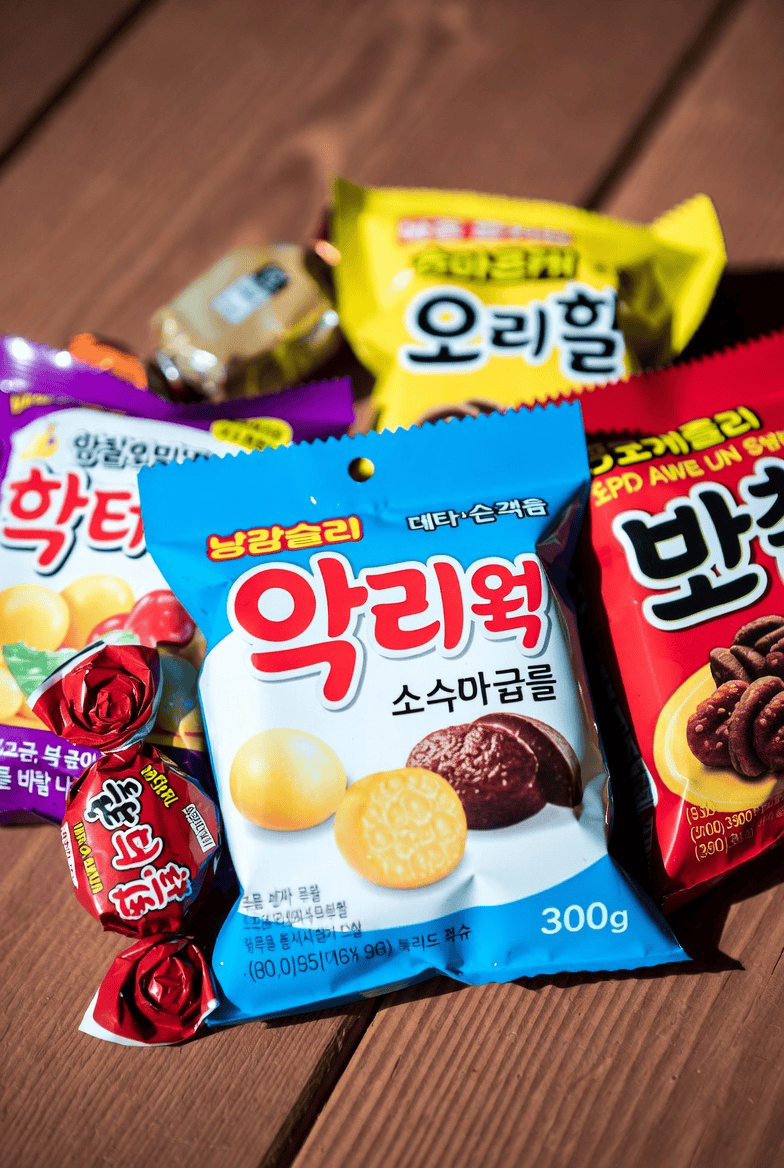
Os doces coreanos modernos são dominados por um punhado de conglomerados cujos produtos se tornaram nomes conhecidos — não apenas na Coreia, mas cada vez mais em toda a Ásia, América do Norte e Europa. Compreender as marcas ajuda ao navegar por um corredor desconhecido.[historiadodoce]
Lotte Confectionery
Lotte é o maior nome em doces coreanos e uma das marcas de confeitaria asiáticas mais reconhecidas globalmente. Os principais produtos incluem:[historiadodoce]
-
Lotte Choco Pie — Um bolo de esponja coberto com chocolate e recheio de marshmallow, vendido pela primeira vez em 1979. Tem um forte significado cultural; durante o início dos anos 2000, os Choco Pies foram famosamente usados como forma de moeda em fábricas norte-coreanas onde foram introduzidos por empresas sul-coreanas.[bokksumarket]
-
Pepero — Palitos de pretzel banhados em chocolate, lançados em 1983. O Dia do Pepero (11 de novembro, escrito como 11/11 devido ao formato de palito) é um feriado comercial legítimo na Coreia do Sul.[bokksumarket]
-
Dream Cacao — Uma linha de chocolate amargo posicionada para consumidores preocupados com a saúde.
-
White Grape Cheongpodo Doce — Um doce duro com sabor de fruta amado por sua doçura limpa e incomum.[historiadodoce]
Orion Confectionery
O produto mais icônico da Orion é o Orion Choco Pie, que na verdade antecede a versão da Lotte e foi lançado nos anos 1970. Além disso, a Orion é notável por sua forte presença internacional — seus lanches são amplamente distribuídos na China, Rússia e Vietnã. Em abril de 2025, a Orion anunciou um investimento de US$ 580 milhões ao longo de três anos para expandir sua capacidade de fabricação.90daykorean+1
Haitai Confeitaria
Haitai é especializada em gelatina e balas de goma e é a empresa responsável por Haitai Bala de Gelatina de Uva e a Jadu linha — balas duras de ameixa que são produzidas há quase 50 anos. Jadu conquistou um tipo de status de “balas coreanas clássicas” semelhante ao que as Jolly Ranchers têm no mercado dos EUA — sabor polarizador, seguidores extremamente fiéis.[inspirado em seoul]
Confeitaria Crown
Crown é conhecida por inovação no espaço de doces coreanos. Seus My Chew balas de frutas mastigáveis têm sido um sucesso constante desde o início dos anos 2000. Crown também produz Kancho biscoitos — pequenos crackers recheados com chocolate que cruzam a linha entre bala e biscoito de forma extremamente satisfatória.[historiadodoce]
Doces coreanos por Textura: Como Encontrar o Que Você Realmente Gosta
Uma das formas mais úteis de navegar pelos doces coreanos — especialmente para compradores de primeira viagem — é por textura, pois a confeitaria coreana tem uma verdadeira obsessão por variedade de texturas que os mercados de doces ocidentais não replicaram na mesma medida.[chowhound]
Doce coreano por perfil de textura
| Textura | O que experimentar | Por que funciona | Para quem é indicado |
|---|---|---|---|
| Mole / semelhante a caramelos de goma | Yut, Meu Chiclete, Pepero | Puxada satisfatória; frequentemente com sabor de fruta ou leite | Qualquer pessoa que gosta de doces estilo starburst |
| Crocante / crocante | Gangjeong, Kancho, Kkokkalcorn | mordida leve; funciona para combinações salgadas e doces | Lanchadores que não gostam de doces pegajosos |
| Balas duras | Doce de ameixa Jadu, doce de uva branca | Sabor duradouro; frequentemente perfis de frutas incomuns | Pessoas que gostam de sabor lento e evolutivo |
| Recheado com chocolate | Pepero, Orion Choco Pie, chocolate Ghana | Formato familiar, proporções de sabor distintamente coreanas | Ótimo ponto de entrada para compradores de primeira viagem |
| Com base em mel/grãos | Yakgwa, Dasik, Gangjeong | Denso, aromático, menos doce do que os equivalentes ocidentais | Pessoas que desejam algo genuinamente diferente |
Aplicações na Indústria: Onde o Doce Coreano Aparece Além da Seção de Doces
O doce coreano não é apenas uma história de bens de consumo embalados. Ele aparece — e desempenha — em vários outros contextos comerciais que valem a pena entender se você estiver adquirindo, vendendo ou criando conteúdo sobre ele.
Caixas de presente de cultura K e serviços de assinatura
A Onda Coreana (Hallyu) criou um mercado de exportação para doces coreanos que é amplamente impulsionado pelo interesse cultural, e não pela distribuição tradicional em supermercados. Caixas de assinatura como a Bokksu tornaram os doces coreanos acessíveis aos consumidores em mercados onde lojas de produtos coreanos são raras, e documentaram quais produtos geram mais engajamento — palitos cobertos de chocolate e formatos de novidade consistentemente superam balas duras simples em mercados estrangeiros.[agoda]
Varejo de viagem e duty-free
O doce coreano é uma das categorias de souvenirs mais compradas por turistas que visitam o Brasil. Itens como Pepero, variedades de Choco Pie e yakgwa premium embalados em caixas de presente tradicionais são produzidos especificamente para o mercado de duty-free e presentes para turistas.[agoda]
Cultura de lojas de conveniência (편의점)
O Brasil possui uma das maiores densidades de lojas de conveniência do mundo, e os doces coreanos movimentam-se significativamente por esse canal. GS25, CU e 7-Eleven Brasil frequentemente lançam colaborações limitadas de doces coreanos com IPs de entretenimento (grupos de K-pop, webtoons, jogos), o que impulsiona compras por impulso e mercados secundários de revenda.[90daykorean]
Expansão do mercado Halal
A indústria de confeitaria coreana tem desenvolvido ativamente produtos certificados Halal desde meados dos anos 2010, visando mercados na Ásia do Sudeste e no Oriente Médio. Haitai e Lotte possuem linhas de doces coreanos certificados Halal. Este é um segmento de crescimento que foi especificamente identificado em pesquisas do setor como um “mercado pouco desenvolvido” com potencial de crescimento significativo.[koreascience]
Presentes premium (선물세트)
No Brasil, conjuntos de doces de confeitaria — belamente embalados coleções de doces e chocolates premium — são uma parte padrão de grandes feriados como Chuseok e Seollal (Ano Novo Lunar). Essa cultura de “conjunto de presentes” significa que o mercado de doces coreanos possui um nível verdadeiramente premium que funciona de forma bastante separada das compras diárias de snacks.[flipkorea]
Doces Coreanos e o Mercado de Chocolate: O Que os Números Dizem
O mercado de chocolate sul-coreano — um subconjunto significativo da categoria mais ampla de doces coreanos — valia US$ 732 milhões em 2026 e deve atingir US$ 824 milhões até 2031, com um CAGR de 2,41%. Os principais participantes são Lotte Wellfood, Orion Confectionery, Crown Confectionery, Ferrero e Mars.[mordorintelligence]
Alguns dados que revelam para onde o mercado está realmente se movendo:
-
Chocolate ao leite e branco dominam atualmente com 63,12% de participação de mercado em 2025.
-
Chocolate escuro é o segmento de crescimento mais rápido, com um CAGR projetado de 3,60% até 2031, impulsionado por compras de consumidores conscientes da saúde.[mordorintelligence]
-
Doces coreanos sem açúcar as linhas estão avançando a um CAGR de 3,44% — ainda não dominante, mas crescendo mais rápido que a categoria geral.
-
O nível de luxo/artesanal está se expandindo a um CAGR de 3,62%, superando o crescimento do mercado de massa.[mordorintelligence]
-
O mercado geral de doces e salgadinhos da Coreia do Sul está projetado em aproximadamente ₩12,94 trilhões em 2025.[sweetsandsnacks]
A tendência viral do “chocolate de Dubai” — barras de chocolate recheadas com creme de pistache e kadaif — chegou à Coreia do Sul em 2024 e acelerou a abertura do consumidor a sabores e texturas inesperadas no espaço de doces coreanos.[mordorintelligence]
Erros Comuns ao Comprar Doces Coreanos (Especialmente Online)
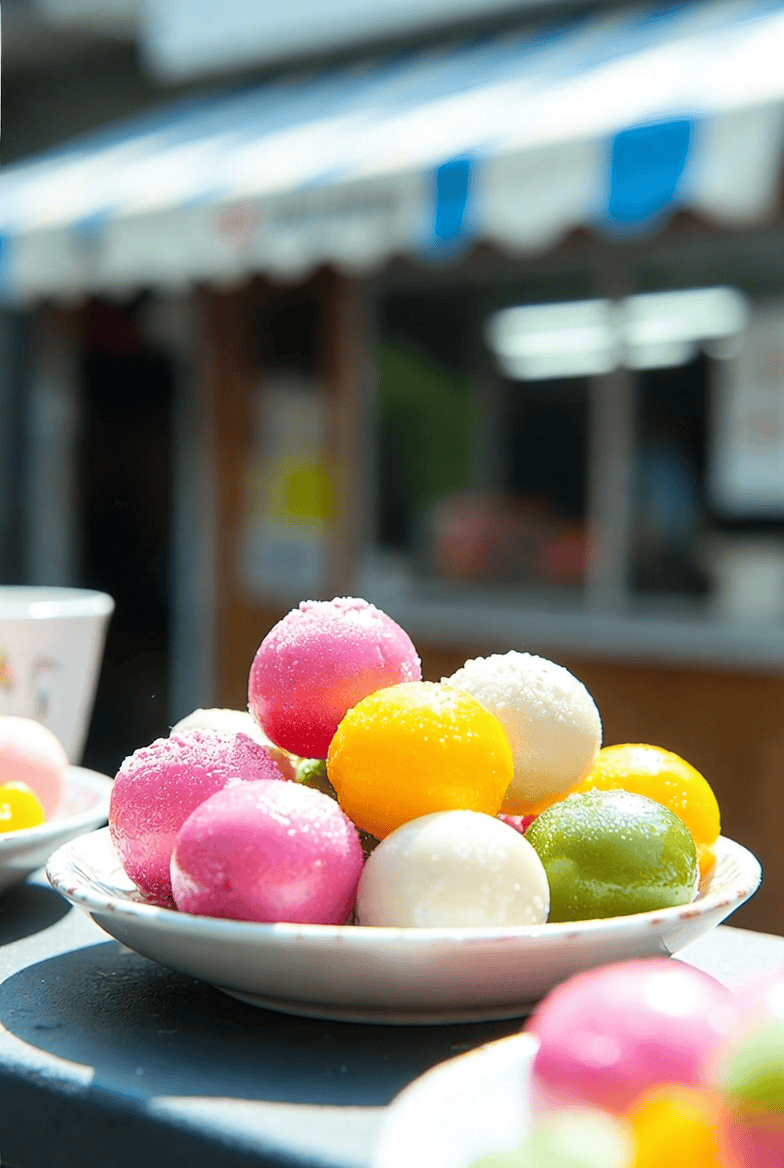
Esses erros aparecem repetidamente entre compradores de primeira viagem e pequenos varejistas:
Confundir doces coreanos com doces japoneses
Eles compartilham espaço nas prateleiras de seções de mercearias asiáticas e se sobrepõem em alguns sabores (ambos os mercados adoram leite, feijão vermelho e matcha). Mas os perfis de sabor, os níveis de doçura e os formatos são distintos. Doces coreanos tendem a ser menos sutilmente doces e muitas vezes mais ousados em sabor de frutas em comparação com a tradição wagashi japonesa mais contida.
Comprar novidade em vez de repetibilidade
A embalagem de doces coreanos da marca K-pop é projetada para chamar a atenção. Esse é o seu trabalho. O doce real dentro é frequentemente um formato padrão (geralmente um barra de chocolate ou goma). Se você está construindo uma linha de produtos de compra repetida, priorize primeiro o sabor e a textura.
Ignorando os produtos exclusivos de lojas de conveniência regionais
Alguns dos lançamentos de doces coreanos mais interessantes nunca chegam aos mercados de exportação — eles ficam nas lojas de conveniência coreanas por 8 a 12 semanas e desaparecem. Se você está procurando por um canal de análise ou caixa de presente, os produtos exclusivos de lojas de conveniência coreanas exigem um contato local ou um agente de importação especializado.
Armazenando doces coreanos incorretamente
Doces coreanos cobertos de chocolate (Pepero, Choco Pie) florescem rapidamente em climas quentes. Doces mastigáveis como My Chew endurecem em condições frias e secas. Hangwa tradicional como yakgwa tem uma vida útil curta sem conservantes. As condições de armazenamento importam mais do que a maioria dos compradores considera.
Tendências Futuras: Para Onde o Doce Coreano Está Indo em 2026 e Além
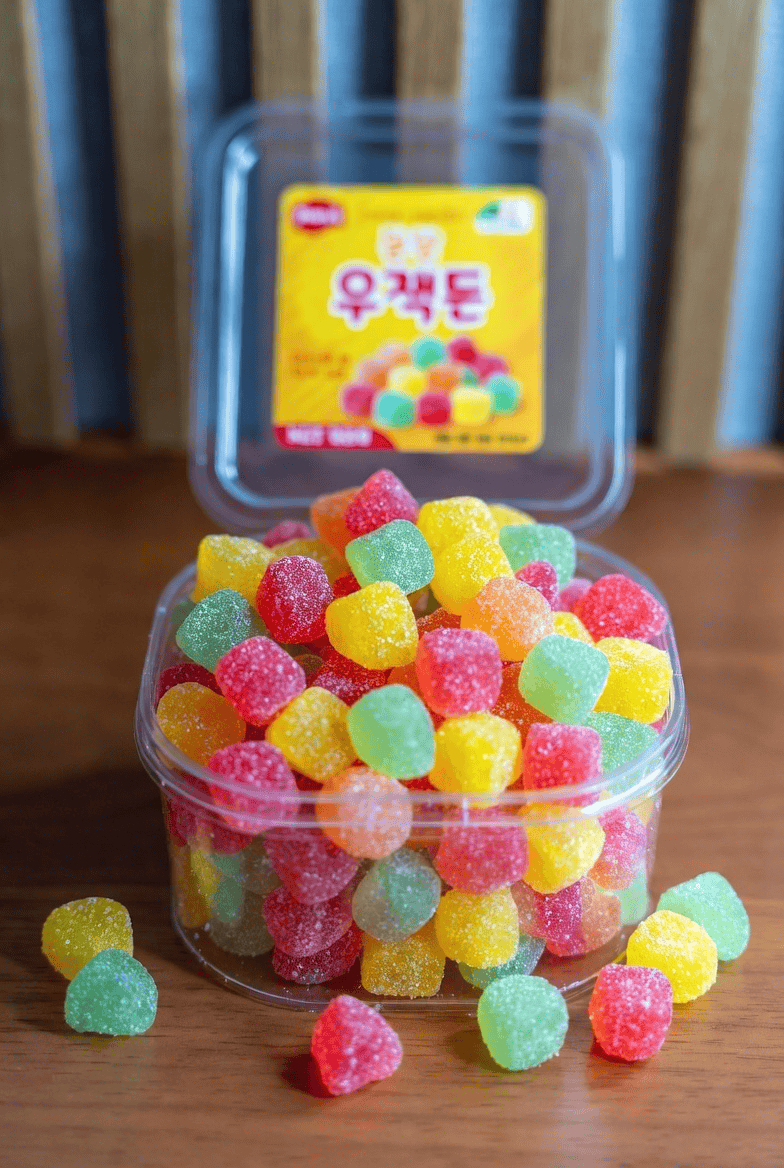
A categoria de doces coreanos não é estática. Várias trajetórias claras já estão em andamento:
Reformulação com foco na saúde
Doces coreanos sem açúcar, com calorias reduzidas e funcionais estão todos em desenvolvimento ativo. O mercado de doces coreanos sem açúcar está crescendo a um CAGR de 3,44% — pequeno agora, mas é para lá que está indo o investimento em expansão da categoria. Espere que mais doces coreanos contenham fibra, proteína ou adaptógenos como adições posicionadas, em vez de apenas alegações de novidade.[mordorintelligence]
Revitalização do hangwa tradicional como produto premium
O Yakgwa já passou por uma revitalização impulsionada pelas redes sociais entre os jovens coreanos. A categoria mais ampla de hangwa — dasik, gangjeong, yut tradicional — está seguindo o mesmo padrão. Hangwa premium embalado em caixas de presente com design inovador é uma oportunidade de exportação emergente.[flipkorea]
Colaboração global de IP
As marcas de doces coreanos estão cada vez mais fazendo parcerias com IPs de entretenimento não apenas domesticamente, mas para mercados internacionais. O status do Pepero como um “presente da cultura K” foi cultivado deliberadamente por meio de parcerias com gravadoras de K-pop. Espere que isso se aprofunde à medida que as bases de fãs de K-drama e K-pop continuam a se expandir na América do Norte, Sudeste Asiático e Europa.
Extravasamento do chocolate de Dubai para formatos coreanos
A tendência viral do chocolate de Dubai introduziu os consumidores coreanos a novas expectativas de textura — especificamente, a combinação de crocância, cremosidade e recheios incomuns de pasta de nozes. As marcas de doces coreanos provavelmente incorporarão esses perfis de textura em novas linhas de produtos nos próximos 12 a 18 meses.[mordorintelligence]
Certificação Halal como estratégia de abertura de mercado
Com o crescimento do mercado doméstico de doces coreanos desacelerando devido à saturação, os mercados internacionais — especialmente o Sudeste Asiático e o Oriente Médio — representam a pista de crescimento mais clara. Doces coreanos com certificação Halal já estão em produção na Lotte e Haitai; a expansão dessa categoria é uma prioridade estratégica.[koreascience]
Perguntas frequentes
Qual é o doce coreano mais popular internacionalmente?
Pepero é consistentemente citado como o doce coreano mais reconhecido fora da Coreia, seguido por Orion e Lotte Choco Pie. O reconhecimento do Pepero vem em parte de sua simplicidade (chocolate + palito de pretzel), em parte da visibilidade cultural do “Dia do Pepero” e em parte de sua ampla distribuição em mercearias asiáticas globalmente.[bokksumarket]
O doce coreano é diferente do doce japonês?
Sim, de forma significativa. Os doces coreanos tendem a apresentar sabores de frutas mais audaciosos, texturas mais firmes e níveis de doçura mais elevados do que os doces japoneses, que muitas vezes enfatizam perfis umami-adjacentes ou sutilmente doces. A estética das embalagens e do marketing também é distinta, com os doces coreanos apostando em branding brilhante e de alto contraste, enquanto os doces japoneses frequentemente preferem designs pastéis e minimalistas.
Qual doce tradicional coreano alguém deve experimentar primeiro?
Yakgwa é o ponto de entrada mais acessível para os doces tradicionais coreanos. É amplamente disponível, combina bem com café e chá, e seu sabor — mel, gergelim, gengibre sutil — é realmente diferente de qualquer coisa na confeitaria ocidental. Kkul-Tarae é um segundo colocado próximo se você estiver em uma cidade ou visitando um mercado tradicional.[flipkorea]
Onde posso comprar doces coreanos fora da Coreia?
Redes de supermercados asiáticos (H Mart, Lotte Mart em várias regiões), caixas de assinatura coreanas (Bokksu, Snack Fever) e seções coreanas na Amazon oferecem uma variedade de doces coreanos. Para hangwa tradicional, varejistas especializados em alimentos coreanos online e serviços de envio direto da Coreia são as fontes mais confiáveis.
Os doces coreanos são veganos?
Hangwa tradicional (gangjeong, dasik, yakgwa) costuma ser naturalmente à base de plantas — principalmente farinha de grãos, mel e óleo de gergelim. No entanto, o conteúdo de mel torna a classificação estrita como vegano complicada. Produtos modernos de doces coreanos como Pepero, Choco Pie e a maioria das linhas de chocolate contêm derivados do leite. Sempre verifique a lista de ingredientes de cada produto.[flipkorea]
-
13 Doces Coreanos que Você Precisa Experimentar Pelo Menos Uma Vez — Chowhound
https://www.chowhound.com/1865865/korean-candies-to-try/[chowhound] -
Explorando o Legado da Lotte: Uma Jornada por Snacks e Bebidas Coreanas — Bokksu
https://bokksumarket.com/blogs/magazine/exploring-lottes-legacy-a-journey-through-korean-snacks-and-drinks[bokksumarket] -
Snacks Coreanos: 24 Guloseimas Tradicionais e Modernas Populares — 90 Day Korean
https://www.90daykorean.com/korean-snacks/[90daykorean] -
Mercado de Chocolate da Coreia do Sul – Tamanho, Participação e Tendências — Mordor Intelligence
https://www.mordorintelligence.com/industry-reports/south-korea-chocolate-market[mordorintelligence] -
História da Indústria de Confeitaria Coreana — Korea Science
https://koreascience.kr/article/JAKO202027265524307.page[koreascience]