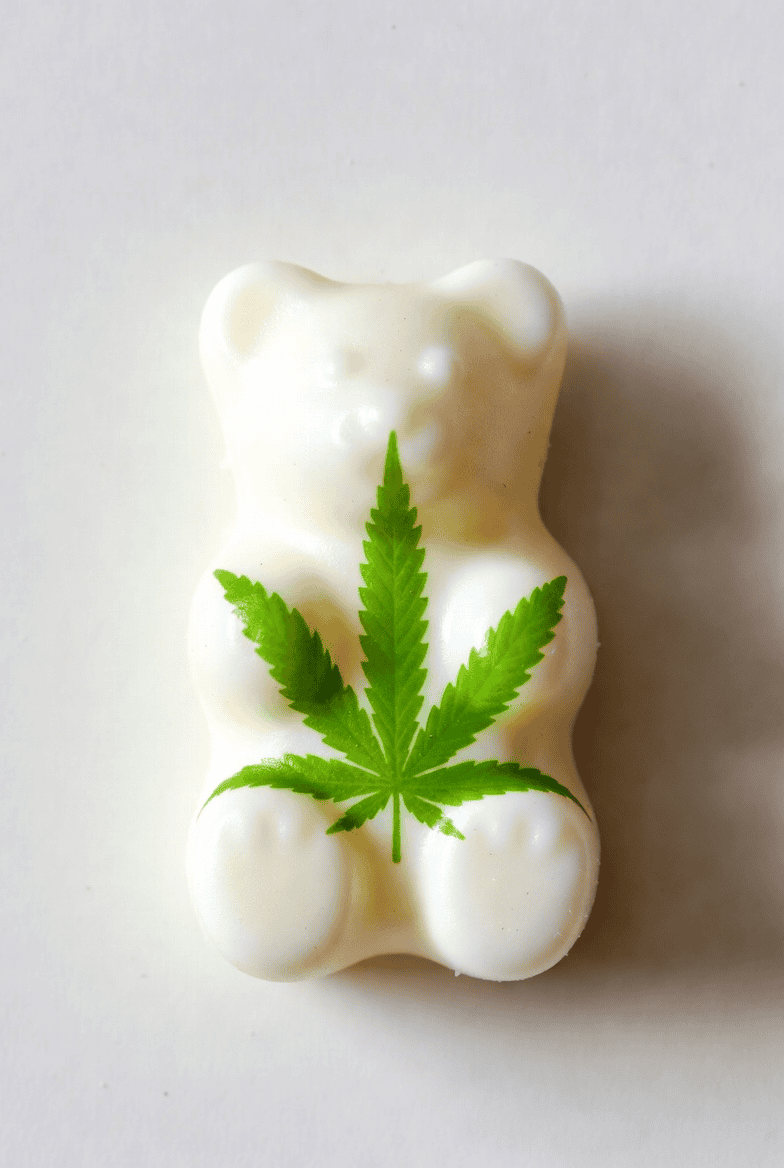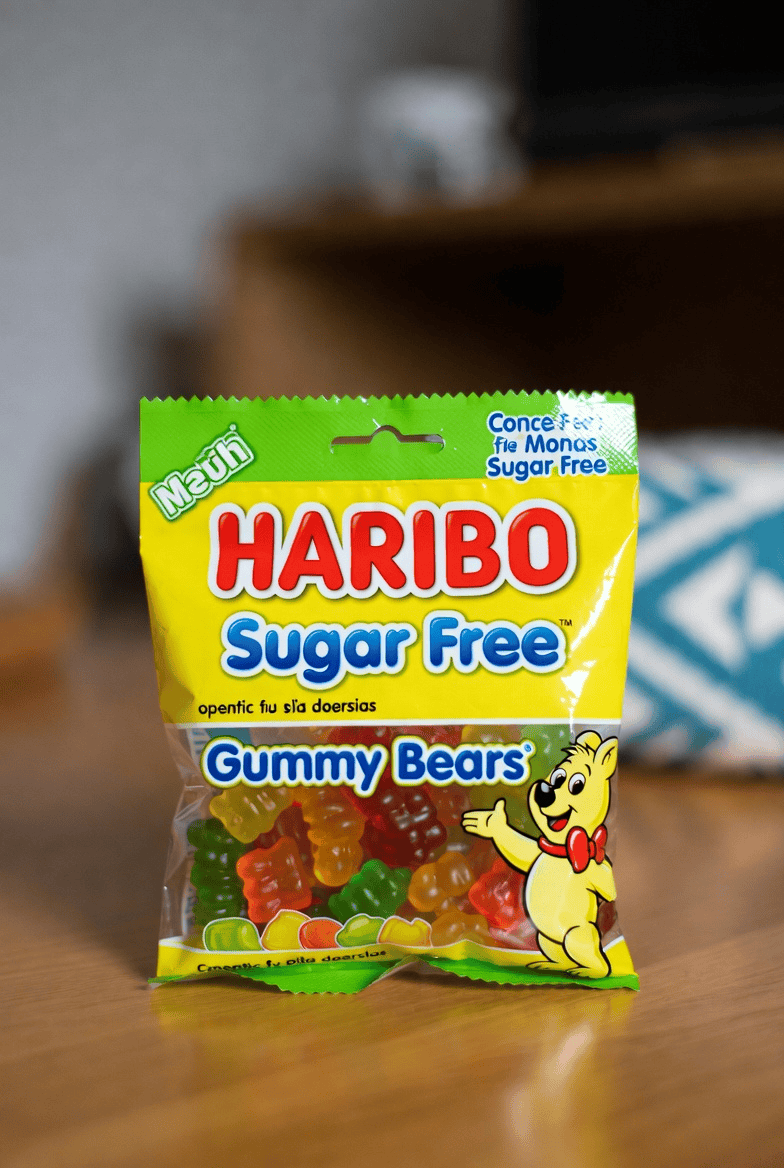
Step 1: Foundational Formulation – The Science of the Jelly Base

Before a single tube is extruded or a crystal of sour sugar is applied, the heart of the sour tube candy must be conceived. This is the jelly base, the very foundation upon which all subsequent layers of flavor, texture, and sensation are built. To the consumer, it is a simple, chewy delight. To the confectioner, it is a complex colloidal system, a carefully balanced interplay of water, sugars, and long-chain polymers known as gelling agents or hydrocolloids. Achieving the perfect jelly base is not an act of guesswork; it is an exercise in applied food science. The final product’s chewiness, its clarity, its ability to hold a shape, plus its capacity to carry flavor are all predetermined here, in the cooking kettle. This initial stage requires a deep appreciation for the molecular behavior of your ingredients. Misunderstanding these fundamentals can lead to a cascade of problems downstream, from a product that is too tough or too soft, to one that weeps moisture and has a drastically shortened shelf life. Let us, therefore, approach this foundational step with the care and precision of a chemist, exploring the critical components that form the soul of our candy.
Choosing Your Gelling Agent: Gelatin, Pectin, or Starch?
The defining characteristic of any jelly candy is its texture, and the primary architect of that texture is the gelling agent. These are substances that, when hydrated, form a three-dimensional network capable of trapping water, creating a semi-solid structure we perceive as a gel. The three most common gelling agents in confectionery are gelatin, pectin, and starch. Each brings a unique personality to the final product, and the choice among them is one of the most significant decisions a product developer will make. It is not merely a question of availability or cost; it is a question of identity. Do you envision a candy with a slow, satisfying melt and a tender, elastic chew? Or perhaps a formulation with a short, clean bite and a quick flavor release? Your answer will point you toward a specific hydrocolloid. Let’s examine the unique capabilities and limitations of each candidate.
Gelatin, a protein derived from animal collagen, is perhaps the most classic choice for gummy and jelly candies. Its signature is an elastic, tender chew that is beloved by consumers. A gelatin gel is thermoreversible, meaning it melts at a temperature close to that of the human body. This property is responsible for its exceptional flavor release; as the candy melts in the mouth, it floods the palate with its intended taste. The texture can be precisely controlled by adjusting the gelatin’s “bloom strength,” a measure of its gelling power. A higher bloom strength gelatin will produce a firmer, more resilient gel at a lower concentration. However, gelatin is not without its considerations. Its animal origin makes it unsuitable for vegetarian, vegan, halal, or kosher certifications, which can be a significant market limitation. It is also sensitive to certain enzymes, like the bromelain found in fresh pineapple, which can break down the protein network and prevent a gel from forming.
Pectin, in contrast, is a plant-based polysaccharide extracted primarily from citrus peels and apple pomace. This makes it an excellent choice for vegan and vegetarian-friendly products. Pectin creates a gel with a distinctly different texture from gelatin. It has a “shorter” bite, meaning it breaks cleanly when chewed rather than stretching. The flavor release is often perceived as quicker and brighter. Pectins are categorized based on their “degree of esterification” into high-methoxyl (HM) and low-methoxyl (LM) types. HM pectins, the more common type in confectionery, require a high concentration of sugar (typically >55% soluble solids) and a low pH (around 3.0-3.5) to form a gel. This makes them naturally well-suited for sour candy production, where both high sugar content and acidity are inherent. LM pectins, on the other hand, gel in the presence of calcium ions and are less dependent on sugar or acid, offering a different set of formulation possibilities.
Modified food starch is another plant-based alternative, usually derived from corn, tapioca, or potato. Starches produce an opaque or cloudy gel, unlike the clear gels typically formed by gelatin or pectin. The texture is often described as a “long” or stringy chew, which can be desirable in certain types of licorice-style tube candies. Starch-based jellies are generally less sensitive to pH than pectin, offering more flexibility in formulation. They are also quite economical. The gelling process for starch, known as gelatinization, requires heating the starch in water to a specific temperature, where the granules swell and burst, releasing long polymer chains that form the gel network upon cooling. The final texture is highly dependent on the type of starch used (e.g., acid-thinned starch, high-amylose starch) and the processing conditions.
The selection is a balancing act, weighing textural goals against market positioning, cost, and processing capabilities. For a classic chewy sour tube candy, gelatin might be the first thought. For a vegan product with a clean bite, pectin is the superior choice. For an opaque, licorice-style product, starch is the frontrunner.
| Kenmerk | Gelatine | Pectin (High-Methoxyl) | Modified Starch |
|---|---|---|---|
| Origin | Animal (Collagen) | Plant (Citrus/Apple) | Plant (Corn/Tapioca/Potato) |
| Textuurprofiel | Elastic, tender, chewy | Short, clean bite, brittle | Long, chewy, sometimes stringy |
| Mondgevoel | Slow melt-in-the-mouth | Quick, clean break | Dense, slower to dissolve |
| Clarity | Excellent (very clear) | Good (clear to slightly hazy) | Poor (opaque) |
| Setting Conditions | Temperature-dependent | Requires high sugar (>55%) and low pH (3.0-3.5) | Requires heat (gelatinization) and cooling |
| Melting Behavior | Thermoreversible (melts near body temp) | Thermostable (does not melt in mouth) | cURL Too many subrequests. |
| cURL Too many subrequests. | cURL Too many subrequests. | cURL Too many subrequests. | cURL Too many subrequests. |
| cURL Too many subrequests. | cURL Too many subrequests. | cURL Too many subrequests. | cURL Too many subrequests. |
| cURL Too many subrequests. | cURL Too many subrequests. | cURL Too many subrequests. | cURL Too many subrequests. |
cURL Too many subrequests.
cURL Too many subrequests.
cURL Too many subrequests.
cURL Too many subrequests. sour tube candy, cURL Too many subrequests.
cURL Too many subrequests.
cURL Too many subrequests.
cURL Too many subrequests.
cURL Too many subrequests.
cURL Too many subrequests.
cURL Too many subrequests.
cURL Too many subrequests. cURL Too many subrequests. cURL Too many subrequests.
cURL Too many subrequests.
cURL Too many subrequests.
cURL Too many subrequests.
cURL Too many subrequests.
cURL Too many subrequests.
cURL Too many subrequests.
cURL Too many subrequests.
cURL Too many subrequests.
cURL Too many subrequests.
cURL Too many subrequests.
cURL Too many subrequests.
cURL Too many subrequests.
cURL Too many subrequests.
cURL Too many subrequests.
cURL Too many subrequests.
cURL Too many subrequests.
The operator of the extrusion line is constantly balancing these forces. They will adjust the screw speed to control the flow rate (output) of the candy. They will adjust the temperature zones in the barrel to fine-tune the viscosity of the mass. The goal is a steady, stable state where the pressure gauge is constant, and the candy ropes emerge from the die smoothly and uniformly. This requires not only a well-designed machine but also a deep understanding of the specific rheology—the flow behavior—of the candy formulation being run.
Die Design: From Simple Tubes to Filled Cores
The die is the final gatekeeper of the candy’s form. In its simplest incarnation for a sour tube candy, it is a thick metal plate drilled with a pattern of circular holes. The diameter of these holes, along with a phenomenon known as “die swell” (the tendency of the extruded material to expand slightly after exiting the die), determines the final diameter of the candy tube.
However, die design can be far more sophisticated, opening up a world of product innovation. One of the most popular variations for tube candies is co-extrusion, the process of extruding two or more different materials simultaneously to create a single, multi-component product. This is how filled sour tube candies are made.
A co-extrusion die for a filled tube is a marvel of engineering. It consists of two concentric openings. The outer, ring-shaped opening forms the outer jelly tube, while the inner, circular opening simultaneously extrudes a different material into the center. This center-fill material is typically a soft, un-gelled paste or a low-viscosity liquid. It could be a sweet fruit jam, a contrasting sour paste, or a creamy filling.
The challenge of co-extrusion is one of rheological compatibility. The outer jelly mass and the inner filling must have compatible flow properties at the extrusion temperature. If the filling is too fluid compared to the outer jelly, it will burst through the wall. If it is too viscous, it will fail to flow properly, leaving voids in the center. The pressures of the two material streams must be carefully balanced. This often requires two separate extruders or a specialized dual-port extruder feeding the single co-extrusion die. Companies specializing in confectionery machinery offer these advanced systems, enabling brands to create exciting new textures and flavor combinations, like a strawberry jelly tube with a super-sour lime-flavored center. The possibilities are limited only by the formulator’s imagination and their understanding of fluid dynamics.
Cooling Tunnels: Setting the Structure Post-Extrusion
As the glistening ropes of hot jelly candy emerge from the extruder, they are still fragile. Their structure is not yet fully set. The final step in the shaping process is to cool them down in a controlled manner, allowing the gelling agent’s network to form completely and lock the shape in place. This is accomplished in a cooling tunnel.
A cooling tunnel is essentially a long, enclosed conveyor belt that transports the candy ropes through a refrigerated environment. The design of these tunnels is critical for producing a high-quality product. The cooling cannot be too aggressive. If the surface of the candy rope is shock-cooled too quickly, it can create a hard, rubbery “skin” while the inside remains molten. This can lead to stress within the candy, causing it to crack or deform later. It can also trap moisture, leading to stability issues.
Therefore, modern cooling tunnels utilize zoned cooling. The initial zone might have gentle, ambient air circulation to allow the ropes to stabilize slightly. Subsequent zones will then gradually decrease the temperature, perhaps using chilled air that is carefully controlled for both its temperature and humidity. The speed of the conveyor belt is precisely calibrated to ensure the candy ropes have sufficient residence time in the tunnel to be fully set by the time they exit. The length of the tunnel can be substantial, often many meters long, to accommodate the required cooling time for a high-speed production line.
By the time the candy ropes emerge from the far end of the cooling tunnel, they are firm, cool to the touch, and stable enough to be handled by the next stage of the process: cutting and sour sanding. The smooth, continuous operation from the hot, liquid state in the cooker, through the high-pressure shaping in the extruder, to the final, solid form from the cooling tunnel is a testament to the precision of modern candy production. It is a seamless flow that transforms a simple mixture of sugar and water into a perfectly formed confection, ready for its signature sour coating.
Step 3: Mastering the Sour Sensation – Acid Application
We now arrive at the step that gives our candy its name and its defining characteristic: the sourness. The application of acid is what elevates a simple jelly tube into a thrilling sour tube candy. This is where the candy gains its personality, its punch, its ability to make you wince and smile at the same time. This process, however, is fraught with chemical and physical challenges. The acids used are highly hygroscopic, meaning they have a powerful attraction to water. If not handled correctly, they can pull moisture from the air or from the candy itself, turning a beautifully sanded product into a sticky, weeping mess. Mastering this stage is the difference between a successful, shelf-stable product and a costly failure. It requires a knowledge of chemistry, an understanding of physical processing, and a respect for the power of humidity.
The Chemistry of Sour: Citric, Malic, Tartaric, and Fumaric Acids
The sensation of “sour” is our tongue’s way of detecting acidity, specifically the presence of hydrogen ions (H+). In food production, we use weak organic acids to provide this sensation. While all acids are sour, they are not created equal. Each has a unique flavor profile, a different intensity, and distinct physical properties that make it more or less suitable for a particular application. The art of the sour candy formulator is to select and blend these acids to create a specific sour experience.
Citric acid is the workhorse of the sour candy world. It is naturally found in citrus fruits and provides a bright, sharp, and immediate sour burst. It is highly soluble in water, which contributes to its fast flavor release. However, it is also quite hygroscopic, making it prone to causing stickiness if not used carefully.
Malic acid, found naturally in apples and other fruits, offers a different kind of sourness. It is often described as a smoother, more persistent, or lingering sour taste that builds more slowly than citric acid. Many formulators find that malic acid provides a more “natural” fruit flavor profile. Blending citric acid with malic acid is a very common technique. The citric acid provides the initial “zing,” while the malic acid carries the sour sensation through the chew.
Tartaric acid, primarily associated with grapes, delivers a very strong, sharp, almost metallic sour taste. It is more intensely sour than citric or malic acid. It is often used in smaller quantities in blends to add an extra layer of intensity and complexity to the sour profile.
Fumaric acid is the most intensely sour of the common food acids, but it has a major drawback: very low solubility in water. This means its sourness is very slow to release, as it has to dissolve in saliva first. However, its major advantage is that it is the least hygroscopic of all the food acids. This property makes it incredibly useful in sour sanding applications. While it may not be the primary source of sourness due to its slow release, adding a small amount of fumaric acid to a sanding sugar blend can significantly improve the product’s stability and resistance to moisture absorption.
The choice of acid is a strategic one. For a sour tube candy, a blend is almost always superior to a single acid. A common starting point might be a 50/50 blend of citric and malic acid to get both an initial impact and a lingering sourness that complements fruit flavors. The ratio can then be tweaked to achieve the exact profile desired.
| Acid Name | Relative Sourness | Smaakprofiel | cURL Too many subrequests. | Common Use in Sour Sanding |
|---|---|---|---|---|
| cURL Too many subrequests. | 100 (Baseline) | Bright, sharp, immediate burst | High solubility; very hygroscopic | The most common acid for initial sour impact. |
| Malic Acid | 120 | Smooth, lingering, “juicy” sour | Good solubility; hygroscopic | Blended with citric acid to prolong the sour sensation. |
| Tartaric Acid | 130 | Very strong, sharp, slightly metallic | Moderate solubility; hygroscopic | Used in small amounts to add intensity and complexity. |
| Fumaric Acid | 150-180 | Very strong, but slow release | Very low solubility; non-hygroscopic | Added to blends to improve stability and prevent stickiness. |
cURL Too many subrequests.
cURL Too many subrequests.
cURL Too many subrequests.
cURL Too many subrequests.
cURL Too many subrequests. cURL Too many subrequests..
cURL Too many subrequests.
cURL Too many subrequests.
cURL Too many subrequests.
cURL Too many subrequests.
cURL Too many subrequests.
cURL Too many subrequests.
cURL Too many subrequests.
cURL Too many subrequests.
cURL Too many subrequests.
cURL Too many subrequests.
cURL Too many subrequests.
cURL Too many subrequests.
cURL Too many subrequests.
cURL Too many subrequests.
cURL Too many subrequests.
cURL Too many subrequests.
cURL Too many subrequests.
cURL Too many subrequests.
cURL Too many subrequests.
cURL Too many subrequests.
cURL Too many subrequests.
cURL Too many subrequests.
cURL Too many subrequests.
cURL Too many subrequests.
cURL Too many subrequests. cURL Too many subrequests. cURL Too many subrequests.
cURL Too many subrequests.
cURL Too many subrequests.
cURL Too many subrequests.
cURL Too many subrequests.
cURL Too many subrequests.
cURL Too many subrequests.
cURL Too many subrequests.
cURL Too many subrequests.
cURL Too many subrequests.
Conditioning takes place in a dedicated curing room, which is essentially a large, climate-controlled chamber. After sanding, the sour tube candy pieces are spread out in thin layers on shallow trays, and these trays are stacked on rolling racks. The racks are then moved into the curing room, where they will rest for a period that can range from 24 hours to several days.
The conditions in this room are meticulously controlled. The temperature is typically kept moderately warm, perhaps around 25-30°C (77-86°F), to facilitate the maturation of the gel network. Even more important is the relative humidity, which is kept very low, often between 30-40%. This low-humidity environment serves two purposes. First, it allows a very small amount of excess moisture to gently evaporate from the surface of the candy, helping to “set” the sour sanding and firm up the candy’s exterior. This is a delicate drying process, not an aggressive one. Second, and crucially, the low humidity prevents the hygroscopic sour coating from absorbing any moisture from the air during the curing period.
What is happening inside the candy during this time? For a starch-based candy, the process of starch retrogradation is occurring. The long amylose and amylopectin molecules that were dispersed during cooking are slowly re-associating into a more ordered, crystalline structure. This is what transforms the initial soft, pasty texture into the firm, characteristic chew of a finished starch jelly. For a gelatin-based candy, the protein network is continuing to strengthen and stabilize. In all cases, moisture within the candy is equilibrating, moving from areas of higher concentration to lower concentration until it is evenly distributed throughout the piece. This patient waiting period is absolutely essential for achieving the final, optimal eating quality. Rushing the candy directly from the sanding drum to the packaging machine is a recipe for a product with a sub-par, underdeveloped texture.
Selecting the Right Packaging Film to Block Moisture
 Once the sour tube candy has been fully conditioned, it must be protected. The primary goal of the packaging is to act as a barrier, isolating the candy from the ambient environment. The most critical function of this barrier is to prevent the transmission of water vapor. If moisture from the outside air can penetrate the package, the sour sanding will inevitably become sticky and dissolve, leading to the “sweating” we discussed earlier.
The choice of packaging material is therefore a technical decision of the highest order. The key property to look for is a low Water Vapor Transmission Rate (WVTR). WVTR is a measure of how much water vapor can pass through a given area of film over a specific period. For a hygroscopic product like sour tube candy, the lower the WVTR, the better.
The materials used for modern flexible packaging are typically multi-layer laminates, where each layer contributes a specific property. A common structure for a candy bag might include:
- An outer layer of Oriented Polypropylene (OPP) or Polyester (PET). This layer is chosen for its excellent printability, allowing for high-quality graphics and branding. It also provides stiffness and strength.
- A middle layer of metallized film (Metallized PET or OPP) or a foil layer. This is the primary moisture barrier. The ultra-thin layer of deposited aluminum is extremely effective at blocking the passage of water vapor, as well as oxygen and light, which can also degrade the product over time. This metallized layer is what gives the inside of many snack bags their silvery appearance.
- An inner sealant layer, typically made of Polyethylene (PE) or Cast Polypropylene (CPP). This layer’s function is to be able to melt at a lower temperature than the other layers, allowing the package to be heat-sealed to form a strong, airtight closure.
The specific combination and thickness of these layers will be chosen by a packaging engineer to meet the required shelf life and cost targets. For a product sold in a very humid region like South America, a higher-barrier, more expensive film might be necessary than for a product sold in a dry climate. Skimping on the packaging material is a false economy; any cost savings are quickly erased by product spoilage and customer complaints.
Automation in Packaging: From Counting to Sealing
In a modern, high-volume candy factory, the packaging process is almost entirely automated. The speed and efficiency of this automation are crucial for keeping production costs low and meeting market demand. The process typically begins after the candy is discharged from the curing room.
The candy pieces are transported via a conveyor belt to a multi-head weigher. This is a highly sophisticated piece of equipment that looks like a carousel of small buckets. The candy is fed into the center and distributed among the buckets. A computer then calculates the perfect combination of buckets to empty to achieve the exact target weight for one bag of candy (e.g., 150 grams). This method is incredibly fast and accurate, minimizing “giveaway” (overfilling bags) while ensuring each package meets its labeled weight.
Below the weigher is a Vertical Form Fill Seal (VFFS) machine. This machine does three things in a continuous, high-speed motion. It takes a flat roll of the packaging film we just discussed (the “film web”), forms it into a tube around a forming collar (“Form”), fills it with the precisely weighed portion of candy dropped from the weigher (“Fill”), and then uses heated jaws to create the top seal of one bag and the bottom seal of the next before a knife cuts them apart (“Seal”). This process can happen at speeds of over 100 bags per minute. The precision of the heat, pressure, and time of the sealing jaws is critical to creating a perfect, hermetic seal that will protect the product.
Quality Control Checkpoints Before Shipping
Quality control is not a single step but a continuous process woven throughout production. However, there are several critical checkpoints in the final stages before a product is approved for shipping.
After the bags are sealed, they typically pass through several automated inspection systems. A checkweigher is used to confirm that each individual bag is within the acceptable weight tolerance. Any bags that are over or under the limit are automatically rejected.
Next, the bags often pass through a metal detector. This is a vital food safety step. Despite all precautions, there is a minute risk of a small metal fragment (from a broken machine part, for example) contaminating the product. The metal detector will identify any such contamination and reject the affected bag, preventing a potential disaster and recall. Some facilities may use X-ray inspection systems, which can detect not only metal but also other foreign contaminants like glass or dense plastic.
Finally, visual inspection and laboratory testing are performed on samples from each production run. A quality control technician will visually inspect the finished packages for print quality, proper sealing, and correct date coding. They will also open packages to inspect the candy itself. Does it have the correct color and shape? Is the sour sanding dry and evenly applied? They will taste the product to ensure it meets the target flavor profile. In the lab, a sample might be tested for its water activity and moisture content to confirm it meets the specification. These final checks are the last line of defense, ensuring that only products that meet the company’s high standards are sent out to distributors and, ultimately, to consumers. This rigorous commitment to quality is what builds a brand’s reputation for excellence.
Frequently Asked Questions (FAQ)
What is the main cause of sour tube candy becoming sticky?
The primary cause of stickiness is moisture absorption by the sour coating. The food acids (like citric and malic acid) and sugar used in the sanding are hygroscopic, meaning they attract water from the atmosphere. If the candy is exposed to air with high relative humidity during production, packaging, or after the bag is opened, this coating will dissolve, creating a wet, sticky syrup on the surface. This can be prevented through formulation (using less hygroscopic acids like fumaric acid), strict environmental control (low humidity in the factory), and high-barrier packaging.
How can I create a liquid-filled sour tube candy?
Liquid-filled sour tube candy is made using a process called co-extrusion. This requires specialized equipment where two different materials are forced through a concentric die at the same time. One extruder pushes the outer jelly mass through an outer, ring-shaped opening, while a second pump or extruder pushes the liquid or paste filling through a central opening. The key is to ensure the viscosity and pressure of the outer jelly and the inner filling are perfectly matched at the point of extrusion to prevent the filling from bursting out or leaving voids.
What’s the difference between sour sanding and a sour slurry?
Sour sanding is a dry application process. Candy pieces are tumbled in a mixture of crystalline sugar and powdered food acids, creating a dry, crunchy, crystalline coating. A sour slurry, on the other hand, is a wet application process. Candy pieces are coated with a thick, low-moisture, high-acid syrup. This results in a smooth, glossy sour coating rather than a crystalline one. Sanding is more common and is often considered a more stable process, while a slurry can provide a different texture and appearance but requires very careful drying and formulation.
How do I ensure my natural colors don’t fade in a high-acid candy?
Preventing natural colors from fading in an acidic environment is a significant challenge. The strategy involves several key actions. First, select the most acid-stable natural colors available; work closely with your color supplier to choose options specifically designed for low-pH applications (e.g., certain carotenoids or specialized anthocyanin preparations). Second, use buffering agents like sodium citrate to stabilize the pH and prevent it from dropping too low. Third, add the color as late as possible in the process, such as with in-line injection, to minimize its exposure to heat. Finally, use packaging with an excellent light barrier (like metallized film), as light exposure can also cause many natural colors to fade over time.
What is the typical shelf life of sour tube candy?
When produced and packaged correctly, a sour tube candy can have a shelf life of 12 to 18 months. The limiting factor is almost always moisture migration. The low water activity of the candy itself prevents microbial growth, but the quality degrades when the sour sanding becomes sticky or the jelly’s texture changes. Achieving a long shelf life depends entirely on a correct formulation (balanced water activity), a stable sour sanding application, and packaging the product in a high-moisture-barrier film.
Can I use sugar-free sweeteners for sour tube candy?
Yes, it is possible to make sugar-free sour tube candy, but it presents significant formulation challenges. You would replace the sucrose and glucose syrup with polyols (sugar alcohols) like maltitol, sorbitol, or isomalt. These provide bulk and sweetness but have different properties from sugar. They often require different gelling agents or concentrations. The biggest challenge is controlling water activity and preventing stickiness, as many polyols are even more hygroscopic than sugar. Additionally, excessive consumption of polyols can have a laxative effect, which often requires a warning on the package.
Why is a cooling tunnel necessary after extrusion?
The cooling tunnel is essential for setting the candy’s shape and texture. When the jelly ropes exit the hot extruder, the gelling agent’s network is not yet fully formed, and the candy is soft and fragile. The cooling tunnel transports the ropes through a refrigerated environment in a controlled manner. This gradual cooling allows the gel (whether gelatin, pectin, or starch) to set completely and uniformly from the inside out. This process locks in the tube shape and develops the initial firmness needed for the candy to be cut and handled in the subsequent sanding stage.
Conclusie
The creation of a successful sour tube candy is a testament to the elegant fusion of culinary art with rigorous science. As we have journeyed through the five critical stages—from the molecular dance of hydrocolloids and sugars in the formulation, through the precise mechanics of extrusion, to the delicate chemistry of sour sanding and the final fortification in conditioning and packaging—a clear principle emerges: control is paramount. Each step presents its own set of variables that must be understood and mastered. The texture of the chew, the intensity of the sour burst, the vibrancy of the color, and the stability of the final product are not happy accidents; they are the direct results of deliberate, well-informed decisions.
For manufacturers in 2026, navigating the competitive landscapes of the Americas and Europe requires more than just a good recipe. It demands a commitment to quality that is embedded in every part of the production process. It requires an investment in equipment that offers the precision and control necessary to execute these complex processes with consistency, batch after batch. The consumer’s fleeting moment of sour-induced delight is the culmination of a long and carefully orchestrated process. Success in this market belongs to those who respect the complexity of that process and dedicate themselves to perfecting every single note in this sensory symphony.
Referenties
Brummer, Y., & Cui, S. W. (2005). Understanding carbohydrate analysis. In S. W. Cui (Ed.), cURL Too many subrequests. cURL Too many subrequests.
Hartel, R. W., von Elbe, J. H., & Hofberger, R. (2018). Snoepwetenschap en technologie. Springer.
cURL Too many subrequests. cURL Too many subrequests.cURL Too many subrequests.
cURL Too many subrequests. cURL Too many subrequests. cURL Too many subrequests.
cURL Too many subrequests. cURL Too many subrequests., 67, 216-226.
cURL Too many subrequests. cURL Too many subrequests., 72cURL Too many subrequests. https://doi.org/10.1111/j.1750-3841.2007.00301.x
Saha, D., & Bhattacharya, S. (2010). Hydrocolloïden als verdikkings- en gelvormingsmiddelen in voedsel: Een kritische beoordeling. Journal of Food Science and Technology, 47(6), 587–597.
cURL Too many subrequests. Over onscURL Too many subrequests.
cURL Too many subrequests. cURL Too many subrequests.cURL Too many subrequests.
cURL Too many subrequests. cURL Too many subrequests., 104cURL Too many subrequests.