The Engineer’s Guide to Heat Sealing in Candy Packaging: A Technical Analysis

Heat sealing is more than just applying heat and pressure to plastic films. In candy production, it is a precision-controlled process rooted in polymer physics, thermodynamics, and material science. The objective is creating airtight, molecularly fused seals that protect freshness, ensure safety, and maintain product appeal.
This guide provides a deep technical framework for packaging engineers, food scientists, and quality professionals. We break down candy heat sealing into its core principles, waardoor material selection, process optimization, and troubleshooting on production lines.
From Adhesion to Molecular Fusion in Candy Packaging
Heat sealing in candy wraps is not surface-level adhesion. It involves polymer chain interdiffusion at the molecular level. Understanding this process transforms sealing from a “black-box” art into predictable engineering science.
What This Guide Covers:
-
The physics: heat transfer and thermodynamic principles.
-
The material science: polymer properties enabling heat sealability.
-
The process trinity: temperature, pressure, and dwell time.
-
Technology comparison: hot bar, induction, ultrasonic, and hot air sealing.
-
Troubleshooting and defect analysis for candy lines.
The Fundamental Physics
Heat Transfer in Candy Packaging
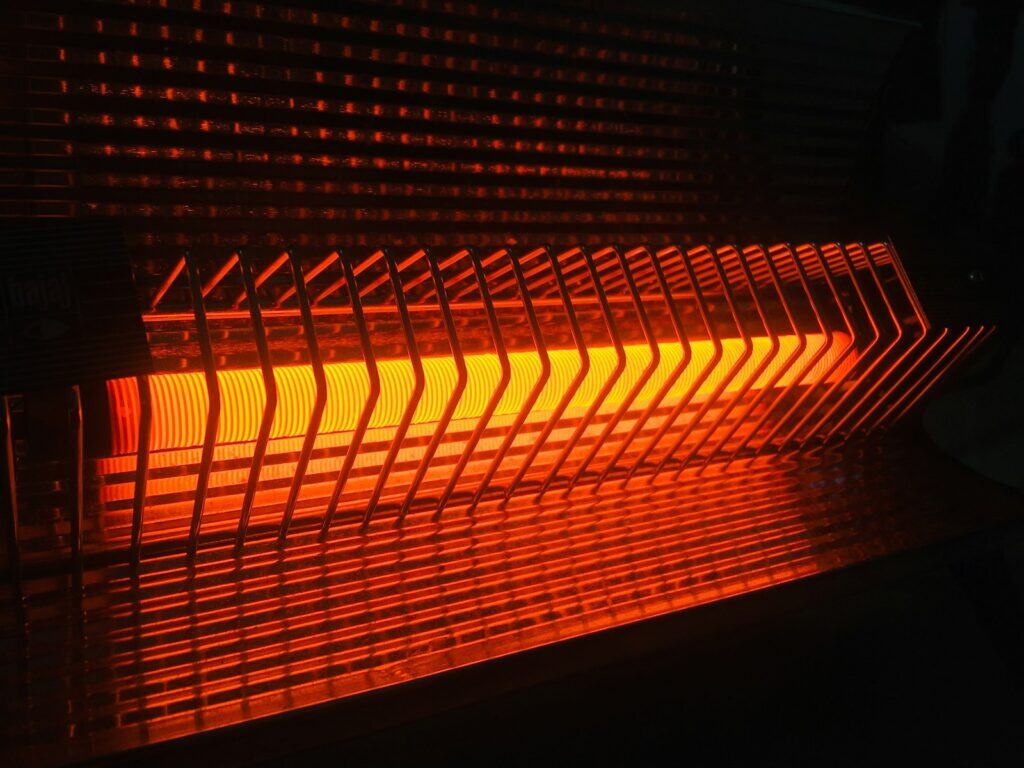
Conduction is the most common energy transfer mode in candy heat sealing. Heated jaws or bars contact film layers directly, transferring energy to the sealant.
Other methods include:
-
Hot air sealing: convective heat transfer via heated air jets.
-
Induction: electromagnetic fields heat conductive foil layers inside candy wrappers.
-
Ultrasonic sealing: high-frequency vibrations generate localized frictional heat.
Conduction remains the industry standard for cURL Too many subrequests. cURL Too many subrequests. cURL Too many subrequests.
cURL Too many subrequests.
cURL Too many subrequests.
-
cURL Too many subrequests. cURL Too many subrequests.
-
cURL Too many subrequests. cURL Too many subrequests. cURL Too many subrequests..
cURL Too many subrequests. cURL Too many subrequests. cURL Too many subrequests.
cURL Too many subrequests.
cURL Too many subrequests.
-
cURL Too many subrequests. cURL Too many subrequests. cURL Too many subrequests.
-
cURL Too many subrequests. cURL Too many subrequests.cURL Too many subrequests.
-
cURL Too many subrequests. cURL Too many subrequests.cURL Too many subrequests.
cURL Too many subrequests.
cURL Too many subrequests.
cURL Too many subrequests.
cURL Too many subrequests. cURL Too many subrequests.cURL Too many subrequests.
cURL Too many subrequests.
| Polymer | cURL Too many subrequests. | cURL Too many subrequests. | Clarity | cURL Too many subrequests. |
|---|---|---|---|---|
| cURL Too many subrequests. | cURL Too many subrequests. | Goed | Goed | cURL Too many subrequests. |
| cURL Too many subrequests. | cURL Too many subrequests. | Excellent | Goed | cURL Too many subrequests. |
| PP | cURL Too many subrequests. | Goed | Excellent | cURL Too many subrequests. |
| PET | 240–260 | Poor (sealant layer required) | Excellent | Structural outer layer for laminated candy films |
| PVC | 120–180 | Moderate | Excellent | Declining use; sometimes for novelty candy wraps |
| Ionomer (Surlyn®) | 90–130 | Excellent | Excellent | Heat seals through contamination, high-quality chocolate packs |
Multi-Layer Film Architecture
Candy packaging often uses co-extruded or laminated films to combine properties:
-
Print Layer: High-quality graphics.
-
Barrier Layer: EVOH or metallized films to prevent oxygen, moisture, or light ingress.
-
Bulk/Strength Layer: Nylon or PET for puncture resistance.
-
Tie Layer: Bonds incompatible polymers.
-
Sealant Layer: Low-melting-point polymer like LLDPE or ionomer for optimal heat sealing.
The Process Trinity: Temperature, Pressure, Dwell Time

Seal quality depends on three interdependent variables:
-
cURL Too many subrequests. Activates polymer chain mobility. Must stay within the sealing window.
-
Druk: Ensures intimate contact, removes trapped air, and promotes interdiffusion.
-
Dwell Time: Duration of heat and pressure application; allows full chain entanglement.
Adjusting one parameter requires compensatory changes in others. For example, faster candy line speeds shorten dwell time, necessitating higher sealing temperatures.
Heat Sealing Technologies in Candy Lines
| cURL Too many subrequests. | Principe | Suitable Materials | Snelheid | Kapitaalkosten | Candy Line Use |
|---|---|---|---|---|---|
| Hot Bar / Direct Contact | Conduction | Most thermoplastics | Laag–Medium | Laag | cURL Too many subrequests. |
| Induction | cURL Too many subrequests. | cURL Too many subrequests. | Hoog | Medium | cURL Too many subrequests. |
| Ultrasoon | cURL Too many subrequests. | cURL Too many subrequests. | Zeer Hoog | Hoog | cURL Too many subrequests. |
| cURL Too many subrequests. | Convection | Most thermoplastics | Medium–Hoog | Medium | cURL Too many subrequests. |
cURL Too many subrequests.
cURL Too many subrequests.
-
cURL Too many subrequests. cURL Too many subrequests. cURL Too many subrequests.
-
cURL Too many subrequests. cURL Too many subrequests.
-
cURL Too many subrequests. cURL Too many subrequests.
-
cURL Too many subrequests. cURL Too many subrequests.
cURL Too many subrequests.
| Defect | cURL Too many subrequests. | cURL Too many subrequests. | Oplossingen |
|---|---|---|---|
| cURL Too many subrequests. | cURL Too many subrequests. | cURL Too many subrequests. | cURL Too many subrequests. |
| cURL Too many subrequests. | cURL Too many subrequests. | cURL Too many subrequests. | cURL Too many subrequests. |
| cURL Too many subrequests. | cURL Too many subrequests. | cURL Too many subrequests. | cURL Too many subrequests. |
| cURL Too many subrequests. | cURL Too many subrequests. | cURL Too many subrequests. | cURL Too many subrequests. |
| cURL Too many subrequests. | cURL Too many subrequests. | cURL Too many subrequests. | Align jaws, balance film tension |
Conclusion: A Principle-First Approach
Mastering heat sealing in candy production requires understanding the science behind the process. By integrating polymer physics, heat transfer, and the process trinity, engineers can:
-
Predict seal performance
-
Reduce defects and material waste
-
Ensure consistent, hermetic seals for safety and quality
A principle-first approach transforms heat sealing from guesswork into a reliable, efficient, and scientifically controlled process for modern candy production.
- ASTM F88 – Seal Strength Test Method for Flexible Barrier Materials https://store.astm.org/f0088_f0088m-21.html
- ASTM Packaging Standards – Paper and Packaging https://store.astm.org/products-services/standards-and-publications/standards/paper-standards-and-packaging-standards.html
- FDA Voedingsmiddelen en Verpakkingen https://www.fda.gov/food/food-ingredients-packaging
- FDA Packaging & Food Contact Substances (FCS) https://www.fda.gov/food/food-ingredients-packaging/packaging-food-contact-substances-fcs
- Wiley Online Library – Seal Materials in Flexible Plastic Food Packaging https://onlinelibrary.wiley.com/doi/full/10.1002/pts.2732
- ScienceDirect – Heat Sealing of Polyolefin Films Research https://www.sciencedirect.com/science/article/abs/pii/S0142941812001092
- BioResources – Heat Sealing Evaluation in VFFS Packaging https://bioresources.cnr.ncsu.edu/resources/heat-sealing-evaluation-and-runnability-issues-of-flexible-paper-materials-in-a-vertical-form-fill-seal-packaging-machine/
- Wiley Online Library – Heat Sealing Process Characterization https://onlinelibrary.wiley.com/doi/full/10.1002/app.53094
- ISO Packaging Standards (ISO/TC 122) https://www.iso.org/committee/52040.html
- 21 CFR Part 211 – Pharmaceutical Packaging Guidelines https://www.thefdagroup.com/blog/2015/01/overview-of-packaging-guidelines/