The Science of Sweetness: A Technical Analysis of Sugar Melting and Caramelization
Inleiding
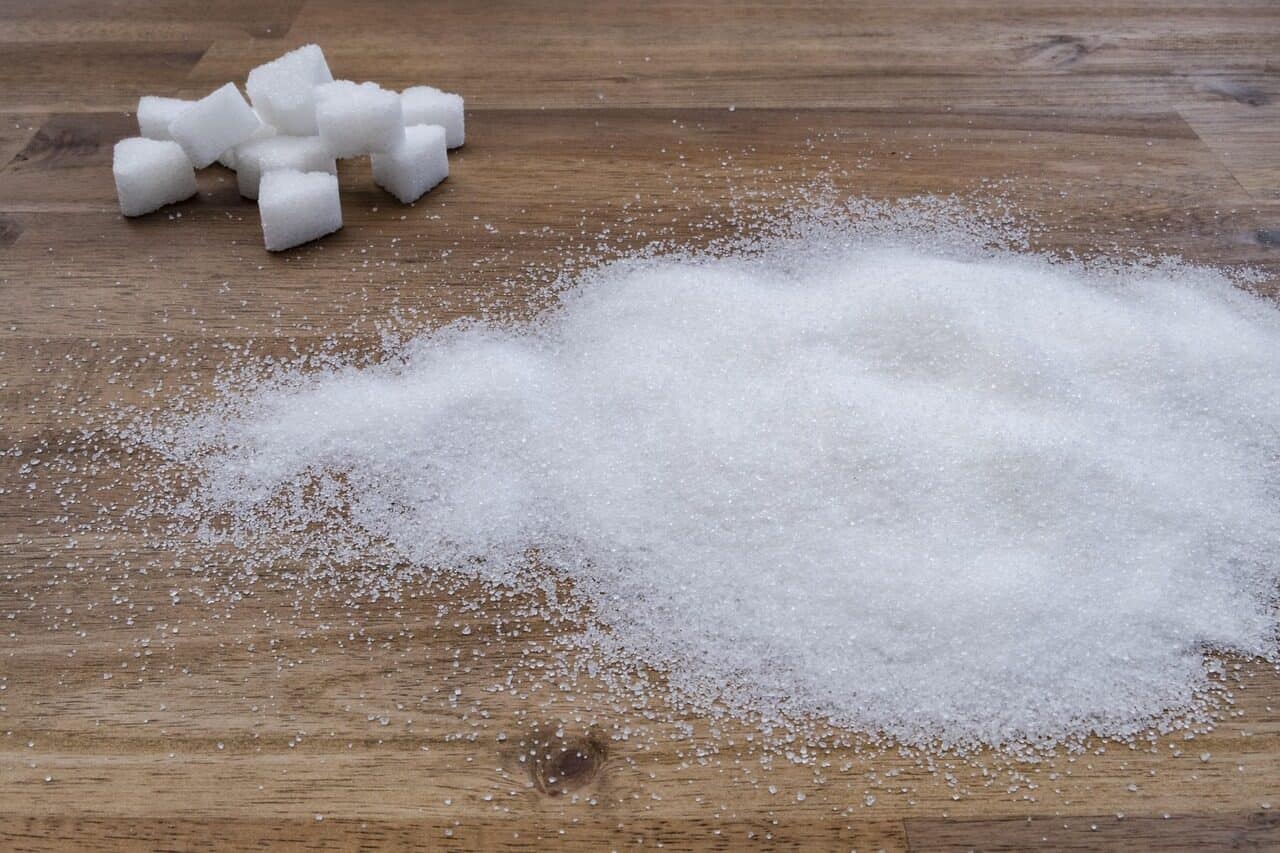
Turning simple sugar crystals into liquid amber is a basic cooking skill. It looks easy, but this process is actually one of the most complex and interesting things that happens in food science. When you understand what happens to sugar when it melts, you’re really understanding a whole chain of physical changes and chemical reactions.
This isn’t like ice melting into water. For sucrose—regular table sugar—the process is a complicated dance of melting and breaking down at the same time. It’s a journey that takes one sweet compound and turns it into hundreds of new molecules. Each one adds to a complex
mix of flavor, smell, and color.
This article gives you a complete technical breakdown of how sugar melting works. We’ll explore the important difference between true melting and thermal breakdown. We’ll look at how different sugars behave. And we’ll dive deep into the chemistry of caramelization. Our goal is to go beyond recipes and give you the scientific knowledge to control, change, and
perfect the art of working with sugar.
A Physicochemical Perspective
To master sugar, we need to define our terms with scientific precision. People commonly use the word “melting,” but with sucrose, it’s actually much more complex. This section gives you the basic science you need to understand the whole process.
Melting vs. Decomposition
True melting is when something changes from solid to liquid without changing its chemical makeup. Ice (solid H₂O) melting into water (liquid H₂O) is a perfect example. You can reverse this process—the water can freeze back into ice.
Thermal decomposition is different. It’s an irreversible chemical change. When you heat wood, it doesn’t melt—it burns. It breaks down into ash, smoke, and gases. Its chemical structure changes permanently.
Sugar melting sits somewhere between these two definitions. It involves a physical change but is immediately followed by chemical breakdown. This makes it irreversible.
The Case of Sucrose
Sucrose—the two-part sugar we know as table sugar—technically starts to break down as it reaches its melting point. This is crucial for anyone working with sugar. The heat energy isn’t just breaking bonds between sugar molecules (melting). It’s also starting to break the bonds within the sucrose molecules themselves.
Pure sucrose melts at about 186°C (367°F). But this is often given as a range because the breakdown starts before you get a clear liquid. This simultaneous breakdown is the first step toward caramelization. It explains why “melted” sugar can never be cooled back into its original crystal form.
Comparative Sugar Analysis
All sugars aren’t the same. They behave very differently under heat based on their chemical structure. Professionals need to understand these differences to pick the right sugar for specific jobs—whether it’s for a clear sugar sculpture or a quickly browning sauce.
We’ll compare the most common
sugars used in cooking and candy making. We’ll classify them by structure first. Disaccharides, like sucrose, are made of two simpler sugar units. Monosaccharides, like glucose and fructose, are single-unit sugars. This structural difference determines how they melt and caramelize.
Sucrose (Table Sugar)
Sucrose is the industry standard. As a two-part sugar made of one glucose and one fructose unit linked together, its melting involves the breakdown we’ve discussed. It tends to crystallize but forms the classic amber caramel that sets the standard for flavor and color.
Glucose (Dextrose)
Glucose behaves differently. It’s a single-unit sugar with a lower melting point than sucrose. It melts more cleanly before significant browning happens. Its main value in candy making is its powerful ability to stop sucrose from crystallizing, making it an essential “interfering agent.”
Fructose (Fruit Sugar)
Fructose is another single-unit sugar with the lowest melting point of common sugars. It’s highly reactive and caramelizes very quickly at much lower temperatures than sucrose. This makes it perfect when you want rapid browning, but it also requires careful temperature control to prevent burning.
Lactose (Milk Sugar)
Lactose is the two-part sugar found in milk. It has a high melting point and is less sweet than sucrose. Its caramelization is key to flavor development in products like dulce de leche, where it browns slowly over long cooking in the presence of milk proteins.
Table 1: Comparative Properties of Common Sugars
Sugar Type | Chemical Class | Approx. Melting Point (°C / °F) | Melting & Caramelization Behavior | Common Applications |
Sucrose | Disaccharide | 186°C / 367°F | cURL Too many subrequests. | cURL Too many subrequests. |
cURL Too many subrequests. | cURL Too many subrequests. | cURL Too many subrequests. | cURL Too many subrequests. | cURL Too many subrequests. |
cURL Too many subrequests. | cURL Too many subrequests. | cURL Too many subrequests. | cURL Too many subrequests. | cURL Too many subrequests. |
cURL Too many subrequests. | cURL Too many subrequests. | cURL Too many subrequests. | cURL Too many subrequests. | cURL Too many subrequests. |
cURL Too many subrequests.
cURL Too many subrequests.
cURL Too many subrequests.
cURL Too many subrequests.
cURL Too many subrequests.
cURL Too many subrequests.
cURL Too many subrequests.
cURL Too many subrequests.
cURL Too many subrequests.
cURL Too many subrequests.
cURL Too many subrequests.
cURL Too many subrequests.
cURL Too many subrequests.
cURL Too many subrequests.
cURL Too many subrequests.
cURL Too many subrequests.
Fase Naam | cURL Too many subrequests. | cURL Too many subrequests. | cURL Too many subrequests. |
cURL Too many subrequests. | cURL Too many subrequests. | cURL Too many subrequests. | cURL Too many subrequests. |
cURL Too many subrequests. | cURL Too many subrequests. | cURL Too many subrequests. | Initial buttery, slightly fruity notes (Diacetyl, Esters). |
Medium Amber | 171-177°C / 340-350°F | A clear, rich amber/copper color develops. | Rich caramel, nutty, toasty notes (Maltol, Furans). The “classic” caramel flavor. |
Dark Amber | 178-185°C / 352-365°F | Deep brown color, syrup begins to thicken and smoke slightly. | Deeper, more complex, slightly bitter notes emerge. |
Black / Burnt | >190°C / >375°F | Opaque, dark black, and smoking significantly. Viscosity decreases then thickens to a hard solid. | Acrid, bitter, carbonized. Unpalatable. |
Controlling the Process
Understanding the science of sugar melting and caramelization is key to mastering it. By controlling key variables, you can steer the reactions toward your desired outcome. You can achieve consistent results for any application, from a delicate sauce to hard candy.
Temperature and Heating Rate
Temperature is the most critical variable. Control over temperature is control over the final product. A reliable candy thermometer isn’t a suggestion—it’s essential scientific equipment.
Slow heating is crucial for control. It promotes even melting across the entire mass of sugar, preventing hot spots where sugar can burn before the rest has melted. This gives you a wider window of time to observe color and aroma changes and stop cooking at the precise moment.
Rapid heating dramatically increases the risk of failure. It can cause sugar at the bottom of the pan to burn before sugar on top is liquid. This results in an uneven, bitter product.
The Impact of Water
The choice between a “wet” or “dry” caramel method significantly impacts control and final texture.
The dry method involves heating sugar crystals directly in a pan. It’s faster because there’s no water to evaporate. However, it carries much higher risk of uneven heating, scorching, and premature crystallization. It requires constant attention.
The wet method involves dissolving sugar in water before heating. This process is slower, as all water must boil off before sugar temperature can rise above 100°C (212°F) and begin to caramelize. The benefit is superior control. The sugar solution heats evenly, drastically reducing scorching risk and providing a larger margin for error.
The Influence of Additives
Additives aren’t just flavorings—they’re chemical agents used to control the caramelization process. Understanding their function allows precise control over texture and stability.
Acids, such as a few drops of lemon juice or a small amount of cream of tartar, are powerful interfering agents. They work by promoting sucrose inversion—splitting sucrose into glucose and fructose—at the beginning of cooking. This resulting mixture of three different sugars has much lower tendency to crystallize than sucrose alone. This leads to smoother, more stable syrup.
Bases, like baking soda, have dramatic effects. When added to hot, acidic caramel, baking soda decomposes and releases carbon dioxide gas. This reaction is the science behind honeycomb or cinder toffee, where gas creates a light, airy, and brittle foam structure as caramel rapidly cools and hardens.
Fats, such as butter and cream, are added to create classic
caramel sauces and soft caramels. They serve multiple purposes: they enrich flavor and create smooth mouthfeel. Their high water content and lower temperature immediately halt cooking by rapidly dropping sugar temperature, preventing burning.
A Technical Troubleshooting Guide
Even with firm grasp of theory, practical challenges are inevitable when working with sugar. High temperatures and rapid chemical changes create a process with little room for error. This section serves as a diagnostic tool, identifying common problems, explaining their scientific causes, and providing effective solutions.
Table 3: Troubleshooting Guide for Sugar Melting & Caramelization
Probleem | Scientific Cause(s) | Prevention & Solution |
Unwanted Crystallization | – Agitation introducing “seed” crystals.<br>- Impurities (dust, undissolved sugar) on the pan.<br>- Sucrose’s natural tendency to reform its crystal lattice. | – Use the “wet method” to ensure all sugar is opgelost.<br>- Voeg een interferentie middel toe zoals maïsstroop of een zuur (citroensap).<br>- Vermijd roeren; draai de pan voorzichtig rond.<br>- Gebruik een schone banketborstel gedoopt in water om kristallen van de zijkanten van de pan af te vegen. |
Burnt, Bitter Taste | – The temperature exceeded the ideal caramelization range (~185°C / 365°F).<br>- The formation of bitter-tasting polymers and carbon. | – Use a reliable candy thermometer.<br>- Use a heavy-bottomed pan for even heat distribution.<br>- Pay close attention to visual and aromatic cues.<br>- To stop the cooking, plunge the bottom of the pan in an ice bath or add a liquid like cream (if the recipe allows). |
Uneven Melting / Scorching | – Uneven heat distribution from the pan or burner.<br>- Hot spots in the sugar mass. | – Gebruik een hoogwaardig, zwaar bodem pan met lichte kleur.<br>- Verhit de suiker langzaam en gelijkmatig.<br>- Draai de pan voorzichtig om de smeltende suiker te herverdelen. Roer niet in een droge karamel. |
Caramel is Too Hard / Too Soft | – The final cooking temperature was incorrect for the desired application (higher temp = harder set).<br>- Incorrect ratio of sugar to liquid. | – Gebruik een suikerthermometer om de precieze temperatuur voor jouw doel te bereiken (bijvoorbeeld zachtbal, hard-crack).<br>- Begrijp de temperatuurstadia en hun bijbehorende texturen bij afkoeling.<br>- Als het te hard is, kan het mogelijk zijn om voorzichtig opnieuw op te warmen met een kleine hoeveelheid water om op te lossen en opnieuw te koken. |
Conclusie
cURL Too many subrequests.
cURL Too many subrequests.
cURL Too many subrequests.