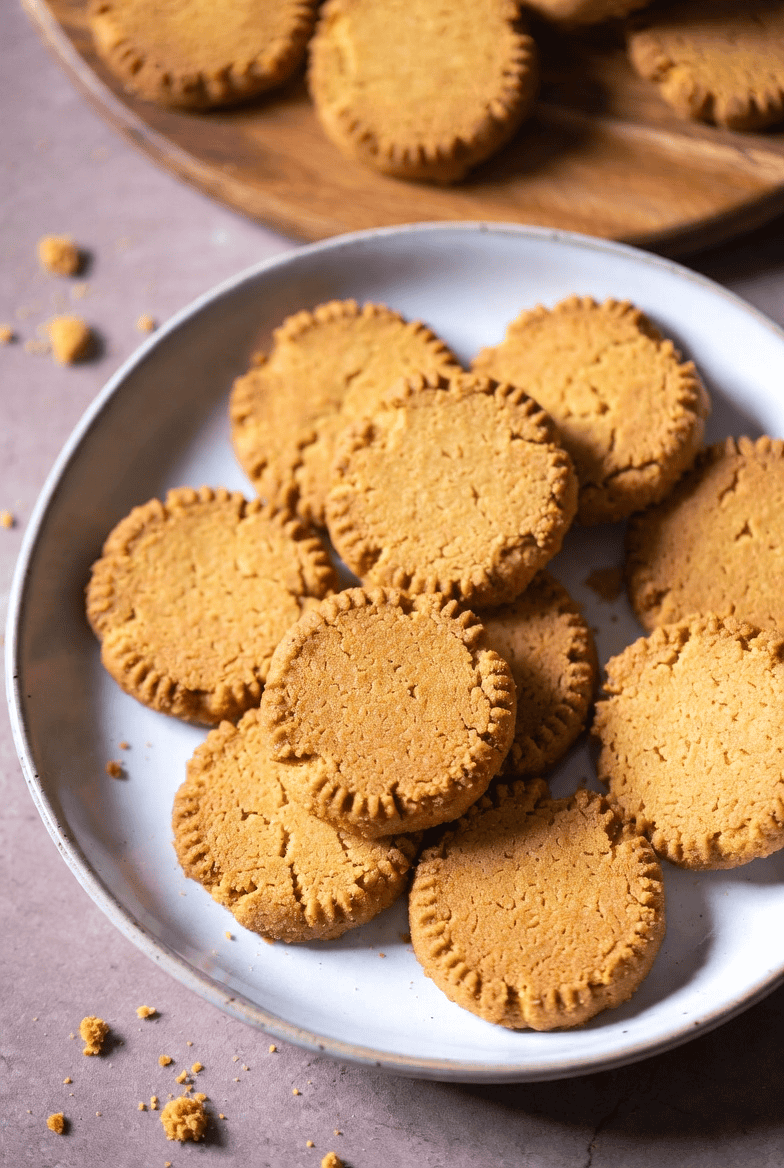
Biscuit Machinery Production: A Professional Manufacturer’s Guide
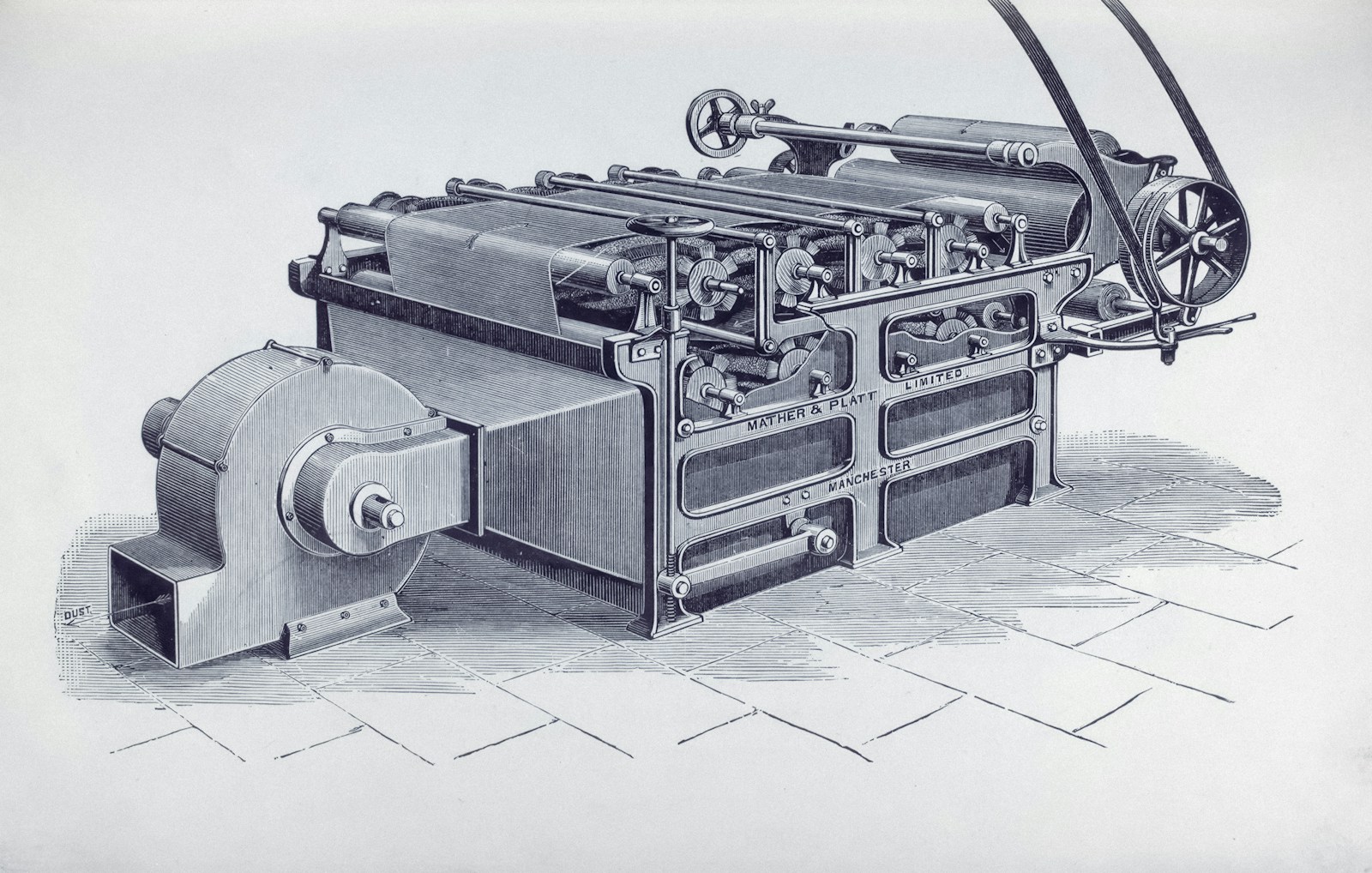
서론
Are you ready to turn your favorite biscuit recipe from a small kitchen project into a big commercial success? The path from your kitchen to the market involves many important decisions, and choosing the right production equipment is the most crucial one. Growing your production isn’t just about making more biscuits; it’s about making them better, more consistently, and more efficiently. The machinery you choose will become the center of your business, determining your product’s quality, how much you can produce, and ultimately, how much profit you make.
This guide will be your partner on that journey. As experienced manufacturers of biscuit machinery, we will take you through every step: from understanding the basic types of machinery to designing your production line, making a smart investment, and preparing for the future of biscuit production. We want to make the process clear and simple, giving you the understanding and confidence you need to build a successful biscuit business from scratch.
Understanding Biscuit Types
It Starts with Product
Before you consider any piece of equipment, the first and most important decision is defining your product. The characteristics of your biscuit—its texture, fat and sugar content, shape, and size—are the main factors that will drive all your machinery decisions. A crisp, hard cracker needs a completely different process than a soft, chewy cookie. Clarifying your product range from the beginning prevents expensive mistakes and ensures that your investment perfectly matches your vision. This initial step is the foundation on which your entire production line will be built.
Major Biscuit Categories
To select the right biscuit machinery, you must first understand the main categories of biscuits and their basic processing needs. While there are countless variations, most commercial biscuits fall into one of these groups.
- Hard Biscuits & Crackers: These products, like Marie biscuits or saltine crackers, have a strong, elastic dough with relatively low fat and sugar content. The production process focuses on developing a gluten network. This requires sturdy machinery, including a sheeting line with multiple gauge rolls to gradually reduce the dough sheet thickness without damaging it. Layering is often needed for crackers to create their signature layered texture. Baking is typically done in a long, direct-gas fired (DGF) tunnel oven, which provides the intense, dry heat needed for a crisp finish and low moisture content.
- Soft Dough Biscuits & Cookies: This category includes products with high amounts of fat and sugar, such as chocolate chip cookies, shortbread, and deposited biscuits. The dough is short, meaning it has low gluten development, resulting in a tender, crumbly, or chewy texture. The key forming machines here are rotary molders for embossed biscuits or, more commonly, wire-cut machines and depositors that handle the sticky, less cohesive dough. Baking is often performed in an indirect convection or hybrid oven, which provides gentle, even heat to maintain some moisture and prevent excessive browning.
- Wafers (Flat and Hollow): Wafers are unique because they start from a liquid batter, not a dough. This requires a completely different front end of the production line, beginning with high-speed batter mixers and depositors. The core of a wafer line is the specialized wafer oven, which consists of numerous pairs of engraved baking plates (tongs) that clamp together to bake thin, precise sheets. After baking, these sheets pass through a cooling arch before being layered with cream on a creaming machine and cut into final products.
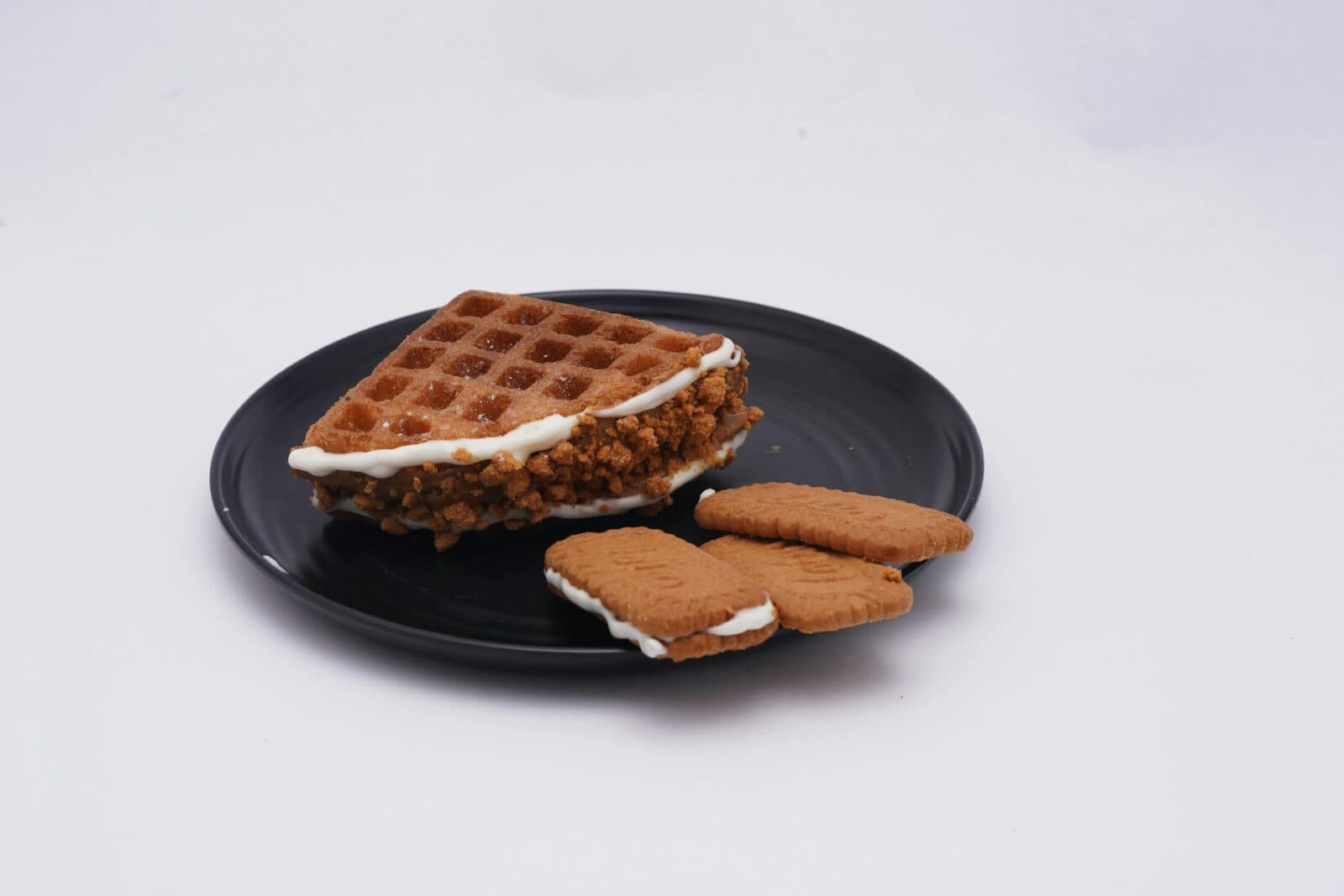
- Filled & Sandwich Biscuits: This is not a primary biscuit type but rather a value-added category. Any base biscuit, whether hard or soft, can be made into a sandwich biscuit. This process happens after baking and cooling. It requires dedicated post-baking machinery, such as a biscuit sandwiching machine. This machine uses stencils to apply a precise amount of cream filling onto one biscuit before capping it with another. Multiplying conveyors are often used to handle the high-speed output and align the biscuits perfectly.
A Production Line Anatomy
From Raw to Ready
While every biscuit production line is customized to the specific product and capacity requirements, the overall process follows a universal, step-by-step flow. Understanding this flow is essential for visualizing how individual machines connect to form a unified, efficient system. We can break down this journey from raw ingredients to packaged product into seven key stages. Each stage is handled by a specific piece of biscuit machinery designed for a precise function.
The Seven Key Stages
- Stage 1: Dough Mixing & Fermentation
The process begins here. The primary machine is the dough mixer, responsible for evenly combining flour, sugar, fat, water, and other ingredients into a consistent dough. For hard biscuits, a horizontal dough mixer is standard, as its powerful sigma-shaped arms can develop the strong gluten structure required. For soft doughs, a vertical or planetary mixer is often preferred for its gentler blending action that avoids over-developing the gluten. In some cases, such as for soda crackers, this stage also includes a period of fermentation in temperature-controlled containers.
- Stage 2: Dough Forming & Shaping
This is where the dough takes its final shape. The choice of machine is determined entirely by the dough type. For hard doughs, a sheeting line consisting of gauge rolls and a rotary cutter is used. The dough is passed through a series of rollers to achieve a precise thickness before the rotary cutter cuts out the biscuit shapes and pokes holes in the dough. For soft doughs, a rotary molder presses the dough into engravings on a roller, or a wire-cut machine pushes out a log of dough and a wire cuts off individual pieces. Depositors are used for very soft, almost batter-like cookie doughs.
- Stage 3: Baking
The tunnel oven is the heart of the production line and the most significant investment in terms of both cost and physical space. The type of oven directly impacts the final product’s color, texture, moisture, and shelf life.
- Direct Gas Fired (DGF) Ovens: Flames heat the baking chamber directly. Ideal for crackers and hard biscuits, providing high heat for rapid water removal and a crisp texture.
- Indirect Convection Ovens: A heat exchanger separates the combustion products from the baking chamber air, which is then circulated by fans. This provides a gentler, more even bake, perfect for soft biscuits, cookies, and cakes, preserving moisture and color.
- Hybrid Ovens: These combine different heating zones (e.g., DGF for the initial “oven spring” followed by convection for finishing) to offer the best of both worlds, providing maximum flexibility.
- Stage 4: Cooling
After exiting the oven at high temperatures, biscuits are fragile and must be cooled gradually. This is done on long, open-mesh cooling conveyors. The length is calculated to allow the biscuits to reach room temperature slowly. Rapid cooling can cause “checking”—the formation of fine cracks—which compromises the biscuit’s structural integrity and shelf life. Proper cooling ensures the biscuit is stable enough for stacking and packaging.
- Stage 5: Post-Baking Processing (Optional)
This stage adds value and variety. Machines here include oil sprayers, which add a shine and flavor to crackers immediately after baking. Sugar or salt toppers can also be used. For sandwich biscuits, this is where the biscuit sandwiching machine is located, applying cream and creating the final product.
- Stage 6: Stacking & Feeding
Before packaging, the stream of biscuits coming off the cooling conveyor must be organized. This is the job of the stacking machine. Star wheel or “penny” stackers receive the biscuits and arrange them into neat, counted lanes or stacks, ready to be fed directly into the packaging machine. This automates what would otherwise be a highly labor-intensive process.
- Stage 7: Packaging
The final stage is to wrap the biscuits to preserve freshness, protect them during transport, and present them attractively to the consumer. The most common machine is a horizontal flow wrapper, which creates “pile packs” or “slug packs.” These wrapped packs may then be fed into a cartoning machine, which builds, fills, and seals cardboard boxes for retail sale.
Choosing Right Machinery
cURL Too many subrequests.
cURL Too many subrequests.
cURL Too many subrequests.
cURL Too many subrequests.
| Criteria | cURL Too many subrequests. | cURL Too many subrequests. | cURL Too many subrequests. |
| 생산 능력 | cURL Too many subrequests. | cURL Too many subrequests. | cURL Too many subrequests. |
| cURL Too many subrequests. | cURL Too many subrequests. | cURL Too many subrequests. | cURL Too many subrequests. |
| cURL Too many subrequests. | cURL Too many subrequests. | cURL Too many subrequests. | cURL Too many subrequests. |
| cURL Too many subrequests. | cURL Too many subrequests. | cURL Too many subrequests. | cURL Too many subrequests. |
| cURL Too many subrequests. | cURL Too many subrequests. | cURL Too many subrequests. | cURL Too many subrequests. |
| cURL Too many subrequests. | cURL Too many subrequests. | cURL Too many subrequests. | cURL Too many subrequests. |
cURL Too many subrequests.
cURL Too many subrequests.
cURL Too many subrequests.
cURL Too many subrequests.
cURL Too many subrequests.
| cURL Too many subrequests. | cURL Too many subrequests. | cURL Too many subrequests. | cURL Too many subrequests. |
| cURL Too many subrequests. | cURL Too many subrequests. | cURL Too many subrequests. | Long Tunnel Oven (Direct Gas Fired) |
| Chocolate Chip Cookies | Soft, high-fat, high-sugar, short dough | Wire-Cut Machine or Depositor | Indirect Convection or Hybrid Oven |
| Soda Crackers | Layered, fermented, layered dough | Laminator, Sheeting Line, Rotary Cutter | Direct Gas Fired Oven, Post-Bake Oil Sprayer |
| Sandwich Creams (e.g., Oreos) | Any base biscuit (typically hard, embossed) | (As per base biscuit, e.g., Rotary Molder) | Biscuit Sandwiching Machine with a cream pump |
| Wafer Crisps | Liquid, low-viscosity batter | Wafer Batter Mixer & Depositor | Wafer Plate Oven, Cream Spreader, Cutting Unit |
Installation and Operation
Partnership Beyond Delivery
Our relationship with a client does not end when the machinery is shipped. In fact, a crucial phase is just beginning. The successful installation, commissioning, and long-term operation of a 비스킷 생산 라인 depend on a close partnership between the user and the manufacturer. We view ourselves as your technical partners, committed to ensuring your investment performs optimally from day one and for decades to come. This post-purchase support is what separates a mere equipment supplier from a true solution provider.
A Smooth Installation
A successful launch starts long before the machines arrive.
The Pre-Installation Checklist: We work with clients to ensure total site readiness. This involves verifying that the factory floor is perfectly level—we often see clients underestimate how a slight incline can cause tracking issues with a 30-meter oven belt. It also includes confirming that all utility connections—electrical power, gas lines, and compressed air—are in place and meet the specified capacities.
On-Site Commissioning & Training: Our technicians do more than just assemble the line. During commissioning, they systematically test every component, fine-tuning the system with your actual ingredients to achieve the desired product. Crucially, this period is also for intensive training. We train your operators on the day-to-day running of the line and your maintenance staff on safety protocols, troubleshooting, and preventive care. A common mistake is not dedicating key personnel to this training, which can lead to preventable downtime later.
The Secret to Longevity
A biscuit machinery line is a significant asset designed for a long service life. The secret to maximizing that lifespan and ensuring consistent performance is moving from a reactive (“fix it when it breaks”) to a proactive maintenance culture. Preventive maintenance is a schedule of regular checks, cleaning, lubrication, and parts replacement that prevents major failures before they happen. Our most successful clients rigorously follow a maintenance schedule.
| Frequency | 부품 | Maintenance Task | 목적 |
| Daily | Conveyor Belts | Check tracking & tension. Clean product debris from the belt and rollers. | Prevents belt damage, product jams, and hygiene issues. |
| Weekly | 반죽 믹서기 | Inspect mixer shaft seals and bearings. Lubricate drive chains and gears. | Prevents ingredient leakage, contamination, and mechanical failure. |
| Monthly | Oven Burners/Elements | cURL Too many subrequests. | cURL Too many subrequests. |
| cURL Too many subrequests. | cURL Too many subrequests. | cURL Too many subrequests. | cURL Too many subrequests. |
| cURL Too many subrequests. | cURL Too many subrequests. | cURL Too many subrequests. | cURL Too many subrequests. |
생산의 미래
cURL Too many subrequests.
cURL Too many subrequests.
- cURL Too many subrequests.
- cURL Too many subrequests.
- cURL Too many subrequests.
- cURL Too many subrequests.
cURL Too many subrequests.
결론
cURL Too many subrequests.
cURL Too many subrequests. cURL Too many subrequests. cURL Too many subrequests.
자주 묻는 질문
cURL Too many subrequests.
cURL Too many subrequests. cURL Too many subrequests. cURL Too many subrequests.
cURL Too many subrequests.
cURL Too many subrequests.
cURL Too many subrequests.
cURL Too many subrequests.
참고 링크:
cURL Too many subrequests. https://www.bema.org/
한국제과제빵협회 https://asbe.org/
한국제빵협회 https://americanbakers.org/
cURL Too many subrequests. https://www.readingbakery.com/
cURL Too many subrequests. https://www.bakingexpo.com/
제빵 비즈니스 매거진 https://www.bakingbusiness.com/
cURL Too many subrequests. https://commercialbaking.com/
cURL Too many subrequests. https://www.aibinternational.com/
스낵 식품 및 도매 제과점 매거진 https://www.snackandbakery.com/
cURL Too many subrequests. https://www.retailbakersofamerica.org/