Haribo Recalls Sweets: IDoes Gummy Candy Go Bad? A Simple Guide to Freshness & Safety

The Forgotten Bag Mystery
We’ve all found ourselves in this situation. You’re looking through your pantry and find an old bag of gummy bears you forgot about. You feel happy remembering when you bought them, but then you worry. They look fine, but the “Best By” date was six months ago. You stop and think, “Can I still eat these safely?”
This question comes up with many foods that last a long time. It becomes more important when we hear worrying news, like a potential `haribo recalls sweets` event or similar stories about food safety. These events remind us that knowing about our food, including how it changes over time, helps us make better choices. This isn’t meant to scare you; it’s about helping you feel confident as a shopper. This article will help you understand this topic. We will explain the dates on packages, look at how gummies change as they get older, give you ways to check if they’re still fresh, and share expert tips on storing them. By the end, you’ll know exactly how to answer that important question.
“Best By” vs. Expiration
To answer our main question, we first need to understand what the dates on packages mean. The dates printed on your candy don’t all mean the same thing, and for sugary products like gummies, knowing the difference is very important.
Understanding the Dates
- “Best By” / “Best Before”: This is the most common date you’ll see on gummy candy. It only tells you about *best quality*. The company promises that before this date, the candy will taste its best, have the right soft and chewy feel, and keep its bright color. It is not about safety.
- “Use By”: This date is stricter and usually relates to food safety. You’ll see it on foods that spoil quickly like meat, dairy, and fresh salads. You almost never find a “Use By” date on long-lasting candies like gummies because they don’t grow harmful bacteria the same way.
- “Sell By”: This date helps stores, not customers. It helps shops manage their products and make sure they rotate stock properly. It doesn’t affect the safety or quality of the candy once it’s in your home.
Why Gummies Are Special
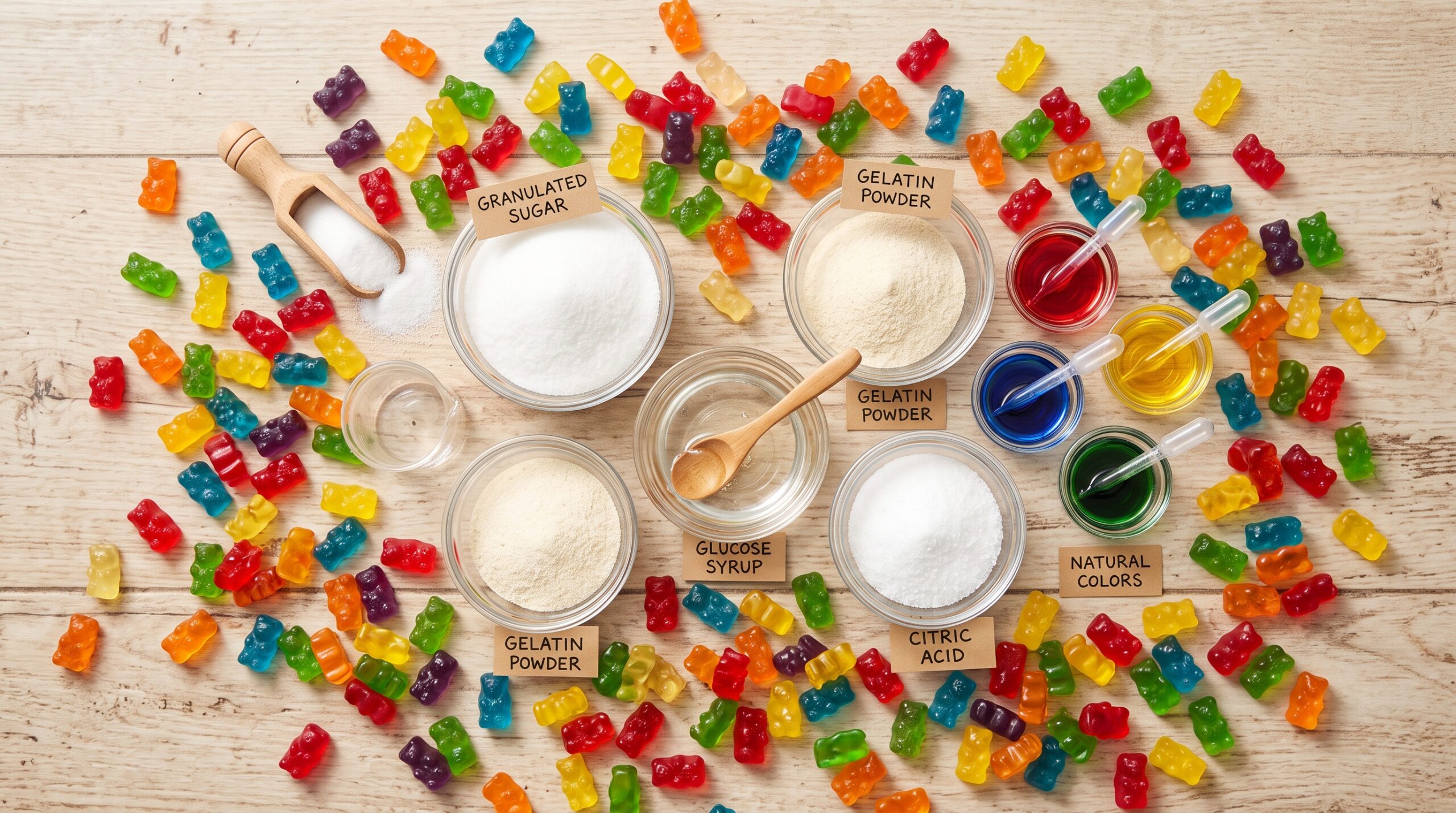
Gummy candies last a very long time, and the science behind this is interesting. The key idea is called “water activity.” While gummies contain water, most of it is chemically stuck to sugar molecules (like regular sugar and corn syrup) and gelatin or pectin. This leaves very little “free” water for tiny organisms like bacteria, mold, and yeast to use for growth.
According to food science rules recognized by organizations like the FDA, foods with low water activity naturally resist spoiling. Think about how honey, which is almost all sugar, can last for hundreds of years. Gummy candy works the same way, just not as extremely. The high amount of sugar acts like a natural preservative, effectively drying out any harmful cells that try to form. This is why a properly sealed bag of gummies can stay safe long after its “Best By” date has passed. The problem isn’t safety, but that the quality gets worse.
How Gummies Change Over Time
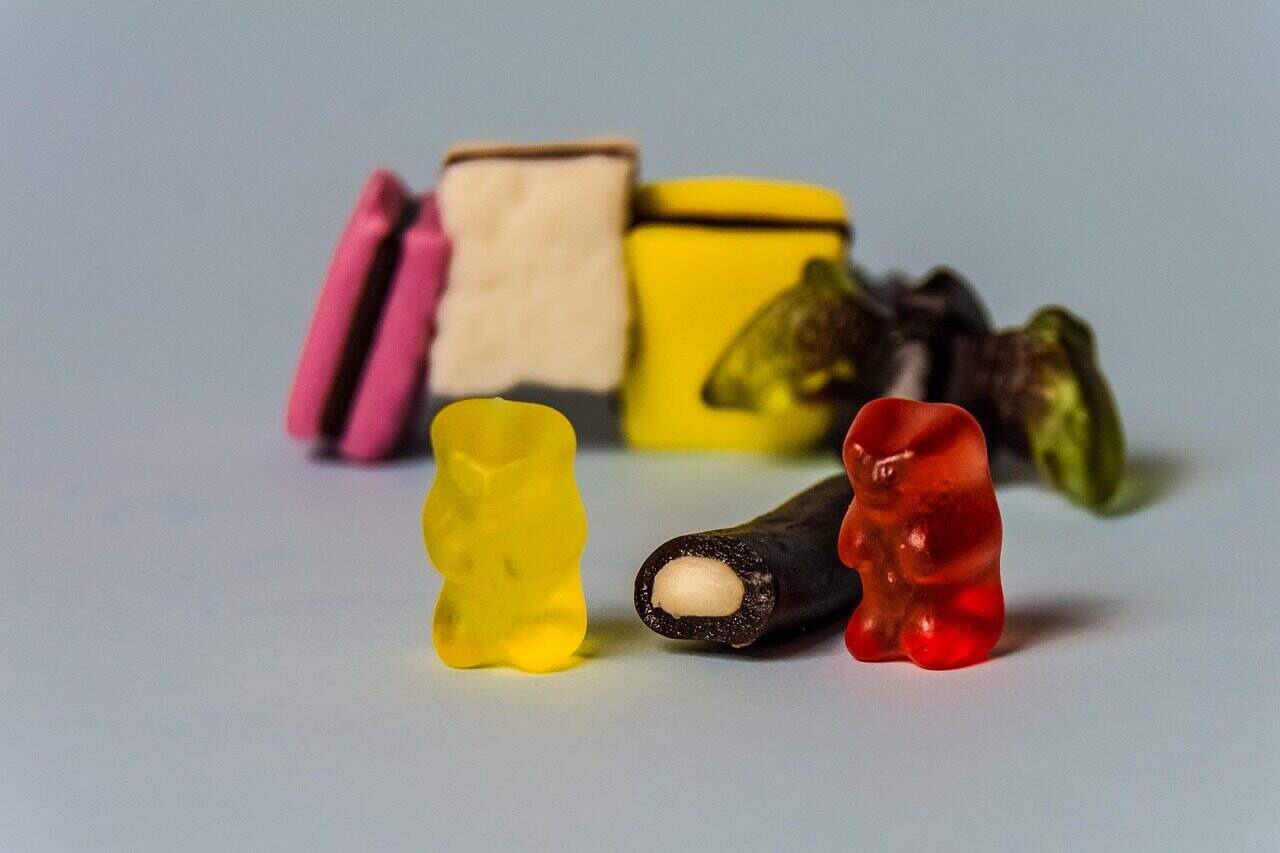
So, if gummies don’t usually “spoil” in a dangerous way, what actually happens to them as time passes? The changes you see come from slow, predictable physical and chemical processes. Understanding these helps explain why that old gummy bear feels more like a rock than a chewy treat.
Losing Moisture
The main reason a gummy becomes stale is losing moisture. The gelatin or pectin structure that holds the gummy together isn’t a perfect seal. Over time, water molecules will slowly evaporate from the candy and escape into the air around it, especially if the packaging isn’t completely airtight. This process, called staling or dehydration, makes the gummy lose its bendability. The structure becomes more rigid and dense, creating that classic hard, tough, and unpleasantly difficult-to-chew texture.
Sugar Changes
Have you ever seen a fine, white, crystal-like coating on old candy? This isn’t mold. It’s sugar crystallization. Over long periods or with temperature changes, the sugar molecules dissolved in the gummy can decide to regroup. They move to the surface and form organized crystal structures. This creates a gritty or crunchy texture that disrupts the smooth chew you expect. While perfectly safe to eat, it’s a clear sign that the gummy is past its best.
Fading Flavors and Smells
The bright, fruity flavors and smells of gummy candy come from volatile compounds. As the name suggests, “volatile” means these molecules can easily evaporate and disappear over time. The longer a gummy is stored, the more of these flavor and smell compounds are lost to the air. The result is candy that tastes bland, weak, or “stale.” The flavor becomes flat and boring, a weak version of its former fruity self.
The Rare Case: Going Rancid
This is less common in standard gummy bears but can happen in gummies that contain fats or oils, such as those coated with certain waxes or those containing specific flavor mixtures. Fats and oils can undergo a process called oxidation when exposed to air, leading to rancidity. A rancid gummy will have a distinct and unpleasant bad smell, often described as smelling like old crayons, oil paint, or stale nuts. The flavor will be similarly sour or bitter.
Your Checking Toolkit
While the date on the bag is a starting point, your own senses are the most reliable tools for checking the quality of your gummy candy. By doing a simple four-step inspection, you can confidently decide if a gummy is still a delightful treat or if it should go in the trash.
The Four-Step Inspection
Before you put a questionable gummy in your mouth, take a moment to be a detective. This careful check will tell you everything you need to know.
Table 1: Gummy Candy Spoilage Detection Guide
| Check Method | Signs of Freshness | Signs of Getting Old (Stale but Likely Safe) | Warning Signs (Throw Away Immediately) |
| cURL Too many subrequests. | cURL Too many subrequests. | cURL Too many subrequests. | cURL Too many subrequests. |
| cURL Too many subrequests. | cURL Too many subrequests. | cURL Too many subrequests. | cURL Too many subrequests. |
| cURL Too many subrequests. | cURL Too many subrequests. | cURL Too many subrequests. | cURL Too many subrequests. |
| cURL Too many subrequests. | cURL Too many subrequests. | cURL Too many subrequests. | cURL Too many subrequests. cURL Too many subrequests. |
cURL Too many subrequests.
cURL Too many subrequests.
cURL Too many subrequests.
cURL Too many subrequests.
cURL Too many subrequests.
cURL Too many subrequests.
cURL Too many subrequests.
cURL Too many subrequests.
cURL Too many subrequests.
cURL Too many subrequests.
cURL Too many subrequests.
cURL Too many subrequests.
- cURL Too many subrequests. cURL Too many subrequests.
- cURL Too many subrequests. cURL Too many subrequests.
- cURL Too many subrequests. cURL Too many subrequests.
cURL Too many subrequests.
- cURL Too many subrequests. cURL Too many subrequests.
- cURL Too many subrequests. cURL Too many subrequests.
- cURL Too many subrequests. cURL Too many subrequests.
Not All Gummies Are the Same
Different gummy types have slightly different storage needs and shelf lives. Understanding these differences shows a deeper level of candy care.
Table 2: How Long Different Gummy Candies Last
| Gummy Type | Key Ingredients | Typical Unopened Shelf Life | After Opening Best Practice | Note |
| Gelatin-Based (e.g., Haribo Goldbears) | Gelatin, Sugar, Corn Syrup | 12-18 months | Eat within 3-6 months in an airtight container. | Very stable but will become hard with air exposure. The classic, firm chew. |
| Pectin-Based (e.g., many “fruit snacks”) | Pectin, Sugar | 9-12 months | Eat within 2-4 months. | Softer, more jelly-like texture. Can become sticky or “weep” more easily if exposed to heat. |
| Sugar-Free (with Sugar Alcohols) | Sorbitol, Maltitol, Gelatin | 6-9 months | Eat within 1-3 months. | Shorter shelf life. Sugar alcohols can be more likely to crystallize and change texture. |
| Homemade Gummies | Gelatin, Juice/Puree | 1-2 weeks (refrigerated) | Keep refrigerated in an airtight container. | The lack of commercial preservatives and precise water activity control greatly shortens shelf life. Treat as a perishable item. |
How Companies Make Gummies Last
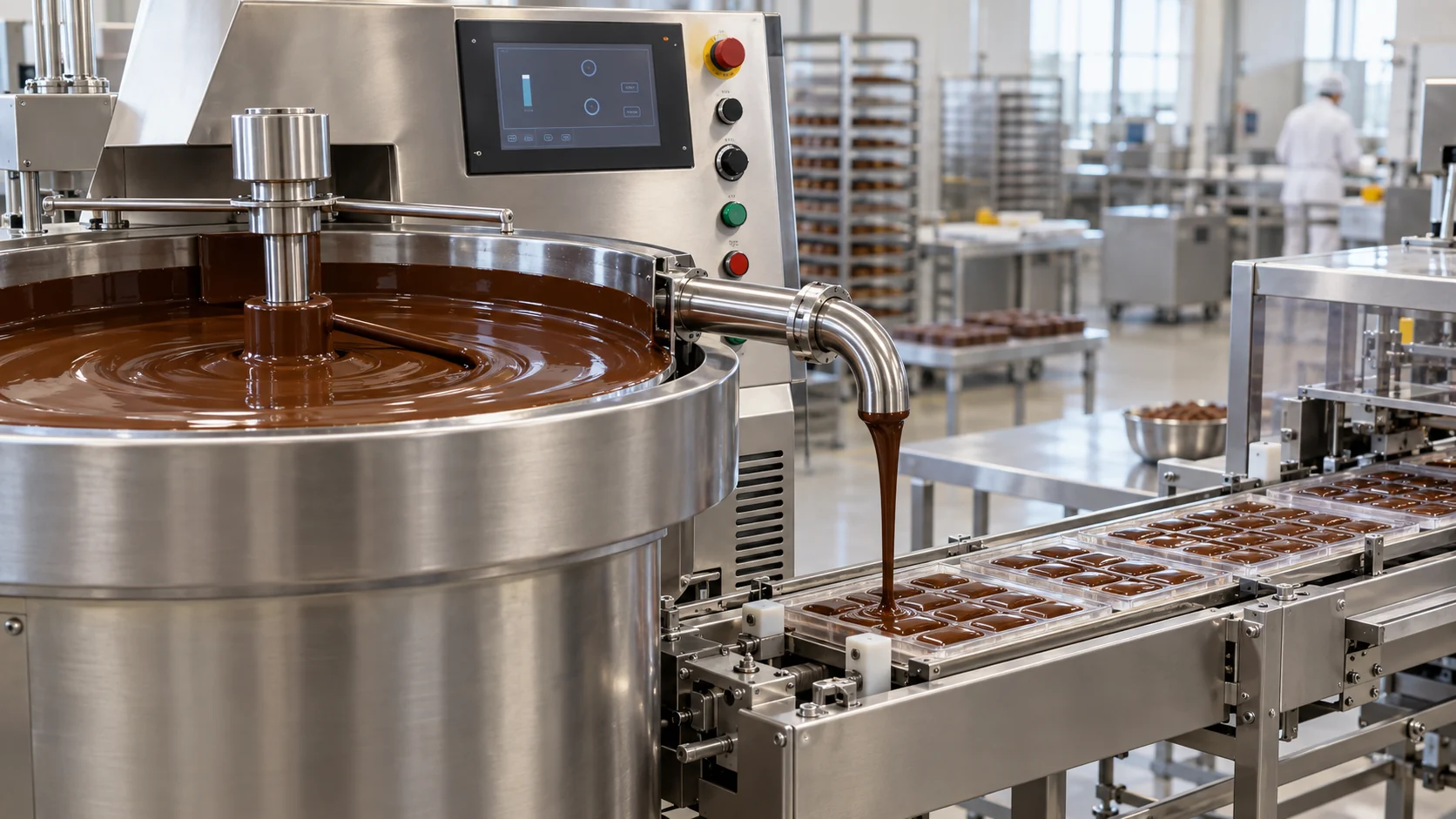
The long shelf life of a commercial gummy candy is no accident. It is the result of careful food science and a multi-layered quality control process that begins long before the candy is bagged. For major brands, ensuring stability and safety is very important.
From Recipe to Store
A commitment to quality is built into the very formula of the candy. Manufacturers don’t just mix sugar and gelatin; they create a carefully designed system made for longevity. The goal is to produce a consistent product that can withstand the journey from the factory to your pantry while maintaining its intended quality for many months.
Quality Control Methods
Manufacturers use several key methods to extend shelf life and ensure safety. These systems also allow for rapid response in the rare event of a problem.
Table 3: Quality Control in Commercial Gummy Production
| Phase | cURL Too many subrequests. | cURL Too many subrequests. |
| cURL Too many subrequests. | cURL Too many subrequests. | cURL Too many subrequests. |
| cURL Too many subrequests. | cURL Too many subrequests. | cURL Too many subrequests. |
| cURL Too many subrequests. | cURL Too many subrequests. | cURL Too many subrequests. |
| cURL Too many subrequests. | cURL Too many subrequests. | cURL Too many subrequests. |
| cURL Too many subrequests. | cURL Too many subrequests. | cURL Too many subrequests. cURL Too many subrequests. cURL Too many subrequests. |
cURL Too many subrequests.
cURL Too many subrequests.
cURL Too many subrequests.
cURL Too many subrequests.
cURL Too many subrequests.
cURL Too many subrequests.
cURL Too many subrequests.
cURL Too many subrequests. cURL Too many subrequests. cURL Too many subrequests.
cURL Too many subrequests.
cURL Too many subrequests.
cURL Too many subrequests.
cURL Too many subrequests.
- cURL Too many subrequests. cURL Too many subrequests.
- cURL Too many subrequests. cURL Too many subrequests.
- cURL Too many subrequests. cURL Too many subrequests.
- cURL Too many subrequests. cURL Too many subrequests.
cURL Too many subrequests.
Domande frequenti
cURL Too many subrequests.
While you can freeze gummies, it’s generally not recommended. Freezing can make gelatin-based gummies extremely hard and brittle. When they thaw, condensation can form, making them wet and sticky. For long-term storage, a cool, dark, airtight environment is better.
Why did my gummies get wet and sticky in the bag?
This phenomenon, often called “sweating,” usually happens when gummies are exposed to heat or big temperature changes. The heat can cause the gel structure to weaken slightly, releasing a syrupy liquid to the surface. While they are still safe to eat, the texture becomes unpleasantly sticky.
Are sugar-free gummies different when it comes to expiration?
Yes, they can be. As noted in our comparison table, gummies made with sugar alcohols like sorbitol and maltitol tend to have a shorter shelf life. They are more likely to dry out and to sugar alcohol crystallization, which creates a gritty texture. It’s best to eat them closer to their “Best By” date.
What is the white, powdery stuff on my old gummies?
In 99% of cases, this is not mold. It is a fine, crystal layer of sugar that has moved to the surface. It’s a clear sign of aging and sugar crystallization, which affects the texture by making it slightly gritty. It is completely harmless. Mold, by contrast, will appear as distinct fuzzy spots and will often be accompanied by a bad smell.
Articoli Correlati
- Recensione delle Gummy Bears senza zucchero Haribo: La dolce verità dietro le caramelle più famose di internet
- Caramelle gommose Haribo senza zucchero: ingredienti, effetti e cosa è realmente accaduto
- Caramelle gommose sfogliabili: Tipi, ingredienti e guida alla produzione
- Caramelle a Calorie più Basse: La Guida Completa al 2026 ai Dolci Senza Sensi di Colpa
- Linea di Produzione di Caramelle Gommose
- Macchina depositrice di gummy senza amido
- Skittles sono senza glutine? Guida completa 2026