Can Dogs Have Gummy Bears? The Complete Safety Guide for Pet Owners
No — gummy bears are unsafe for dogs due to xylitol, high sugar, and choking risk.
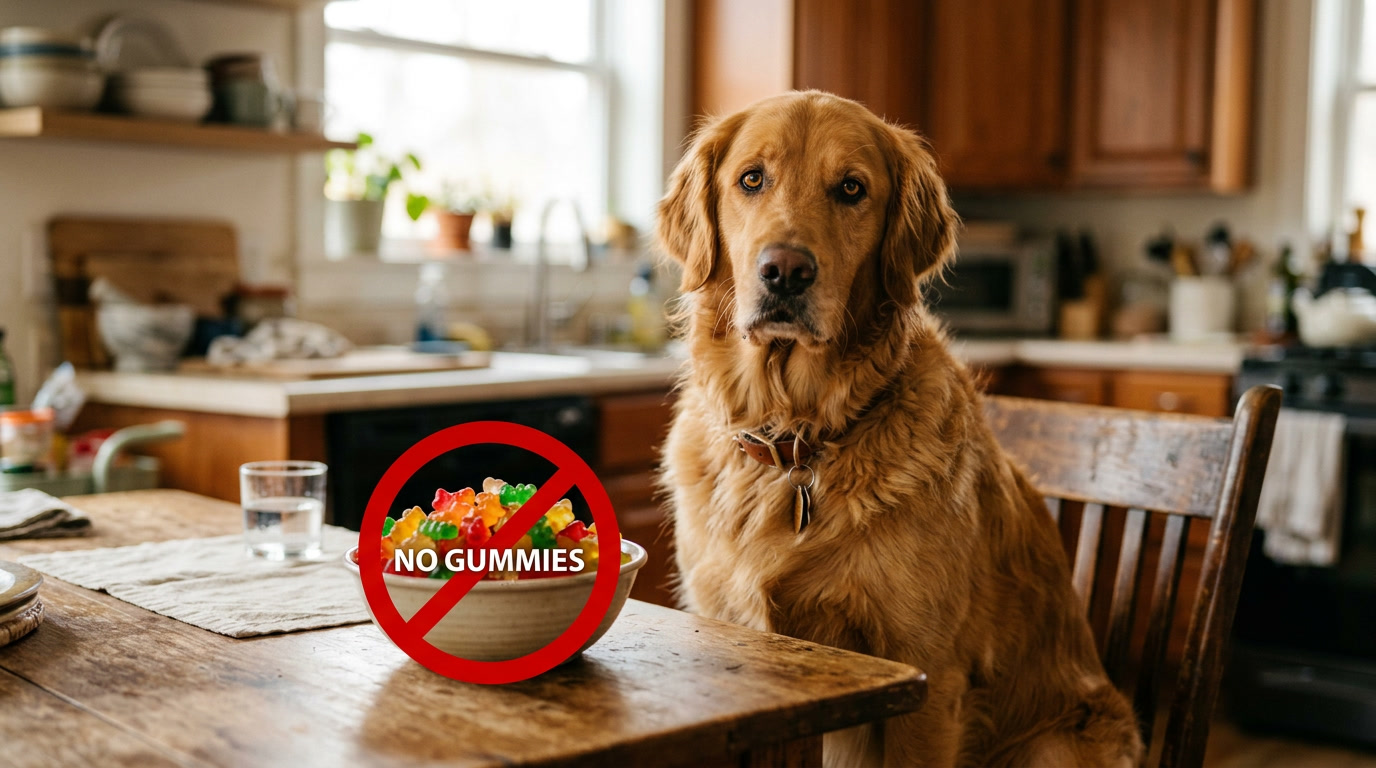
No. Dogs should not eat gummy bears. Most contain xylitol (an artificial sweetener toxic to dogs), excessive sugar, and pose a choking hazard — even one or two pieces can trigger a veterinary emergency.
Every summer, backyard BBQs and movie nights leave colorful gummy bears within paw’s reach. Your dog gives you those eyes. You wonder: can dogs have gummy bears — just one? Understanding exactly why these chewy candies are dangerous is the difference between a happy evening and an emergency vet visit at midnight.
This guide breaks down every ingredient in a gummy bear that harms dogs, compares the risk levels across popular brands, explains what to do if your dog already ate some, and gives you genuinely dog-safe alternatives. We also cover what gummy bear manufacturing tells us about ingredient transparency — useful if you want to read candy labels like a pro.
What’s Actually Inside a Gummy Bear?
Gummy bears are not safe for dogs because of several key ingredients — not just one. Understanding each component helps you evaluate any candy, not just gummy bears.
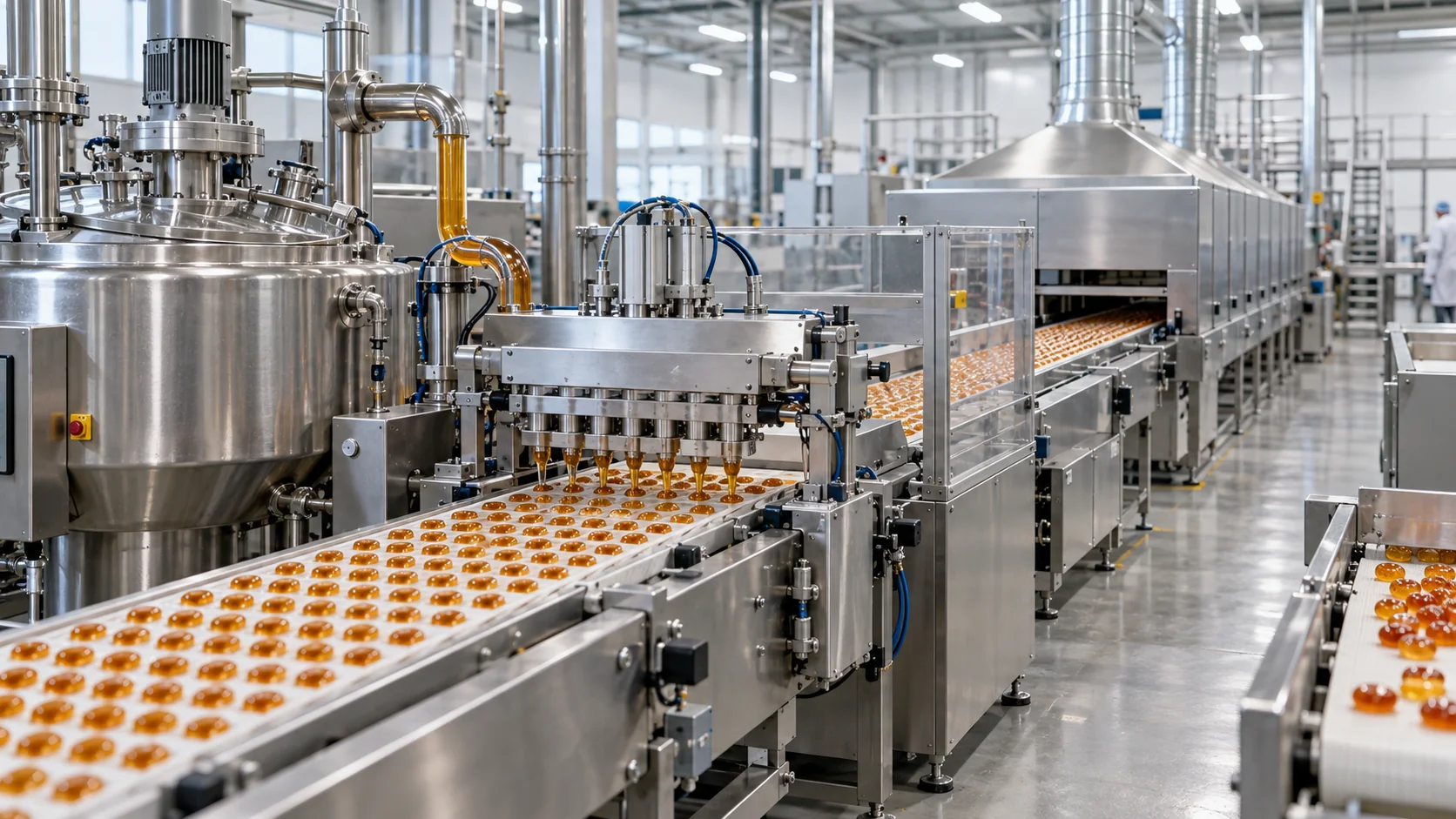
Modern gummy bears are produced on high-precision depositing lines — candy machinery injects a hot liquid mixture of sugars, gelatin, flavorings, and colorings into molds, which then pass through a cooling tunnel before demoulding. That process concentrates multiple problematic ingredients into each tiny piece.
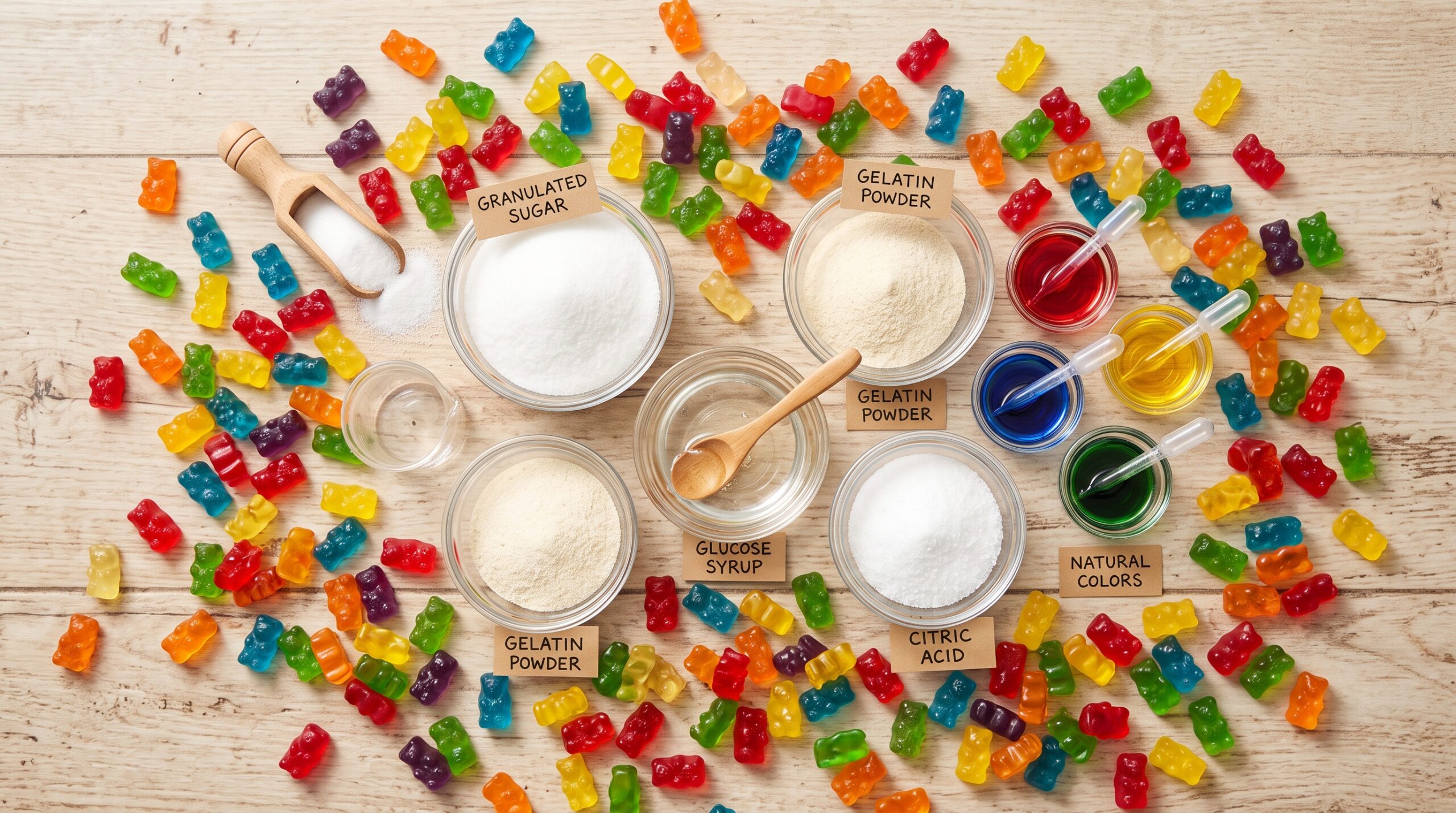
The core ingredient stack:
| Ingredient | Purpose in Candy | Risk to Dogs |
|---|---|---|
| Sugar (sucrose/glucose syrup) | Sweetness, texture | Obesity, diabetes, dental disease |
| Xylitol / sorbitol / maltitol | Sugar-free sweetener | Xylitol = highly toxic; others = GI upset |
| Gelatin | Chewy texture | Low direct toxicity; choking hazard |
| Citric acid | Tartness, preservative | GI irritation at high doses |
| Artificial colors (Red 40, Yellow 5) | Appearance | Potential allergic reactions |
| Fruit juice concentrates | Flavor | Added sugar load |
| Carnauba wax | Surface shine | Minimally absorbed; low concern |
The single most dangerous ingredient is xylitol. According to ASPCA Poison Control, xylitol causes the pancreas to release a massive surge of insulin in dogs — a response that doesn’t occur in humans. That insulin flood drops blood glucose dangerously fast, sometimes within 30 minutes of ingestion.
Why Xylitol Is So Dangerous for Dogs
Xylitol is safe for humans, which is why it appears in sugar-free gummy bears, chewing gum, and many “diabetic-friendly” products. In dogs, the biology is completely different.
The mechanism, as documented by VCA Animal Hospitals, works like this:
- Dog ingests xylitol
- Xylitol stimulates the beta cells of the pancreas directly
- The pancreas releases a large, uncontrolled insulin spike
- Blood glucose crashes — hypoglycemia sets in within 10–60 minutes
- At higher doses (more than 0.5 g/kg body weight), xylitol also causes acute hepatic necrosis — liver failure that may not be apparent for 48–72 hours
Xylitol dose thresholds in dogs:
| Dog Weight | Hypoglycemia threshold | Liver failure threshold |
|---|---|---|
| 5 lbs (2.3 kg) | ~0.1 g xylitol | ~1.1 g xylitol |
| 20 lbs (9 kg) | ~0.45 g xylitol | ~4.5 g xylitol |
| 50 lbs (22.7 kg) | ~1.1 g xylitol | ~11.4 g xylitol |
A single sugar-free gummy bear contains roughly 0.3–1.0 g of xylitol depending on brand. That means even one sugar-free gummy bear can cause hypoglycemia in a 5-pound dog.
The AKC’s veterinary advisory reports that xylitol poisoning calls to pet helplines in 2024 were nearly 75% higher than in 2020 — largely because xylitol has spread into more products. Gummy bears, mints, peanut butter, and even some vitamins now contain it.
Practical note: Sugar-free labeled gummy bears are not the only risk. Some manufacturers use xylitol as a partial sweetener in “regular” gummy bears too. Always read the full ingredients list — not just the nutrition label.
Can Dogs Have Regular (Non-Sugar-Free) Gummy Bears?
Regular gummy bears — like classic Haribo Goldbären — do not contain xylitol. Does that make them safe? Not quite.
Regular gummy bears still cause problems through:
Sugar overload. Haribo Goldbären contain about 16 g of sugar per 10 pieces. A dog’s liver and pancreas are not designed to process that kind of sugar spike. Regular consumption leads to weight gain, insulin resistance, and eventually diabetes mellitus in dogs — the same metabolic cascade humans face, just accelerated.
GI upset. Corn syrup and citric acid in gummy bears irritate the dog’s GI tract. Diarrhea and vomiting within 2–4 hours are the most common outcomes after a dog eats regular gummy bears.
Choking hazard. Dogs rarely chew gummy bears properly. The sticky, elastic texture means a gummy bear can lodge in the pharynx or compress into a plug that obstructs the airway — especially in small breeds and puppies.
Artificial dyes. Red 40, Yellow 5, and Blue 1 have been associated with hypersensitivity reactions in sensitive dogs. These are low-probability risks, but a dog already predisposed to allergies may react.
Bottom line on regular gummy bears: They probably won’t send your dog to the emergency vet after one accidental piece. But “not immediately fatal” is a long way from “safe.” There is no nutritional benefit, and the cumulative risk with repeat exposure is real.
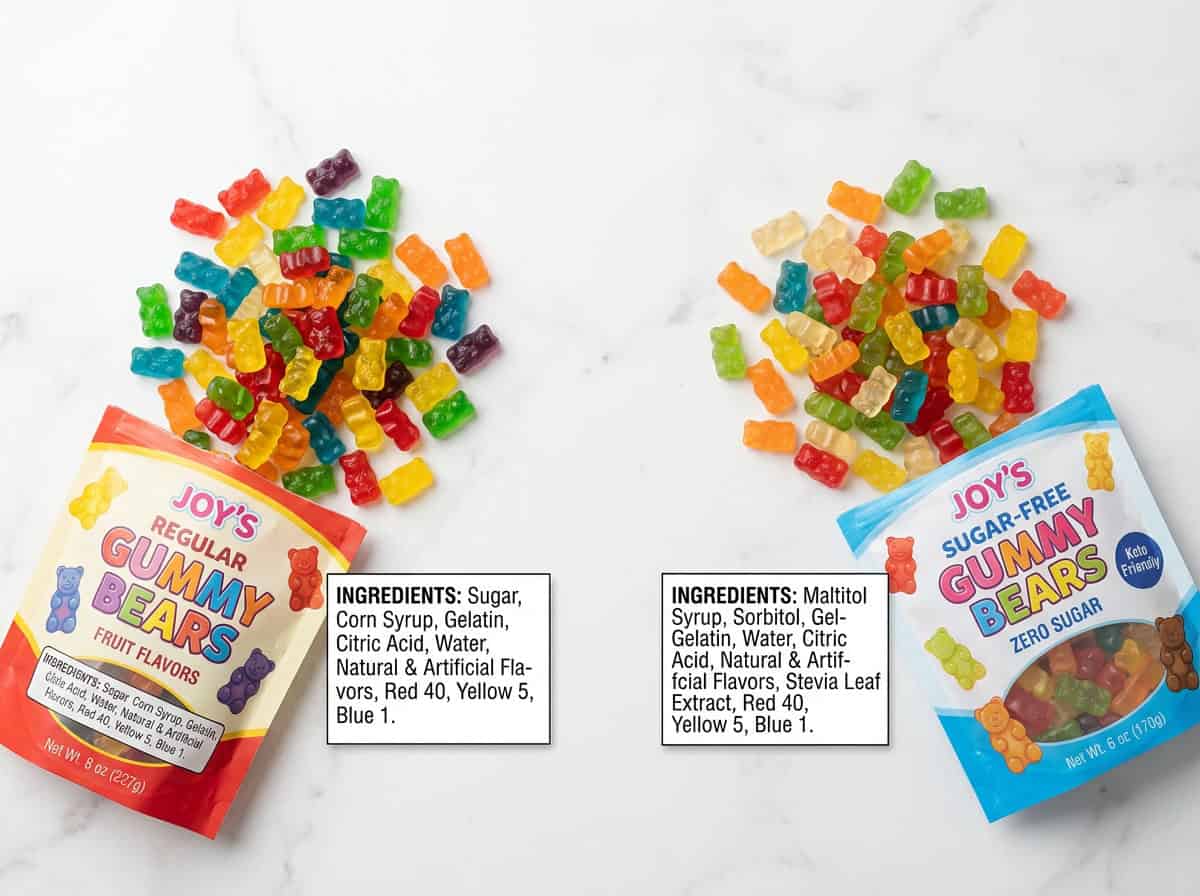
Brand-by-Brand Risk Comparison
Not all gummy bears are equal. Here’s how the most popular brands compare:
| Brand | Xylitol? | Total Sugar (per 10 pieces) | Risk Level | Notes |
|---|---|---|---|---|
| Haribo Goldbären (Original) | No | ~16 g | Moderate | Sugar + choking risk; no xylitol |
| Haribo Sugar-Free | Yes | 0 g | CRITICAL | Caused mass consumer GI incidents in humans too |
| Albanese Gummy Bears | No | ~18 g | Moderate | Some flavors use beeswax; gelatin-based |
| Trolli Sour Brite Crawlers | No | ~19 g | Moderate | High citric acid; strong GI irritant |
| Smart Sweets Gummy Bears | Allulose + Soluble Corn Fiber | ~3 g | Low-Moderate | No xylitol, but fiber may cause loose stools |
| Black Forest Gummies | No | ~17 g | Moderate | Real fruit juice; still high sugar |
| CBD Gummy Bears | Varies | Varies | Variable | Check ingredients; THC-containing = toxic to dogs |
Key takeaway: Sugar-free is the highest danger. But even brands without xylitol should not be given to dogs intentionally.
What to Do if Your Dog Ate Gummy Bears
Act fast. Time matters — especially with xylitol. The difference between “fine” and “in the ICU” can be 30–60 minutes.

Step-by-step emergency response:
- Identify the brand and product immediately. Check the packaging or recall what brand was in the bag. Look specifically for xylitol, sorbitol, or “sugar alcohols” in the ingredients.
- Check how much was eaten. Estimate the number of pieces and the weight of your dog. Use the thresholds in the table above to assess urgency.
- Call ASPCA Animal Poison Control or your vet right now. According to PetMD’s emergency protocol, the ASPCA Poison Control hotline (888-426-4435) operates 24/7. There is a consultation fee, but they will give you a real-time risk assessment based on the actual product and your dog’s weight.
- Do NOT induce vomiting unless a vet instructs you to. The old folk advice to give hydrogen peroxide is outdated and can cause severe esophageal burns in dogs. A vet may induce vomiting under controlled conditions if ingestion was very recent (under 2 hours) — but that decision belongs with the professional.
- Watch for symptoms. In xylitol cases: weakness, wobbling, vomiting, seizures, collapse. These can appear in as little as 10 minutes. For regular gummy bears: GI upset (diarrhea, vomiting) typically within 2–4 hours.
- Do not “wait and see” with xylitol. Dogs who look fine after xylitol ingestion can develop liver failure 2–3 days later. Always consult a vet even if your dog seems normal.
If your dog ate Haribo sugar-free gummy bears specifically — get to an emergency vet without delay. Haribo’s sugar-free formula uses significant levels of maltitol and lycasin (hydrogenated starch hydrolysate), which can also cause GI distress. Some users have reported xylitol-like incidents; ingredient formulas can vary by production batch.
Why “Just One” Is Still a Problem
We hear this reasoning constantly: “It’s just one gummy bear — it won’t hurt.” That reasoning misunderstands cumulative toxicity and sets a behavioral precedent.
Cumulative toxicity: One regular gummy bear probably won’t hospitalize a 60-lb Labrador. But if gummy bears become a frequent “treat,” the sugar load accumulates. Canine diabetes mellitus takes months to develop — it rarely announces itself until the damage is done.
Behavioral reinforcement: Dogs who receive human food as rewards beg more persistently and are statistically more likely to steal food when owners aren’t watching. A dog who has learned that gummy bears are sometimes okay will eventually eat an entire bag — including the sugar-free variety.
Unknown ingredients: In the US, candy manufacturers can reformulate without changing the external packaging immediately. A bag of “regular” gummy bears you’ve given your dog safely before might now contain a partial xylitol substitution. You can’t know without reading the current label.
Safe Alternatives to Gummy Bears for Dogs
If you want to give your dog a chewy, fruity treat, there are genuinely good options — and they don’t require sacrificing flavor or fun.
Dog-safe chewy treats that satisfy the same urge:
- Freeze-dried strawberries or blueberries — naturally sweet, no added ingredients, small pieces reduce choking risk. Antioxidant bonus.
- Dehydrated mango or papaya — chewy texture similar to gummy candy. Papaya contains bromelain, a digestive enzyme that actually benefits dogs.
- Commercial dog gummies (vet-formulated) — brands like Zesty Paws and Nutramax produce gummy-format supplements with omega-3s, probiotics, and hip support — designed specifically for canine metabolism.
- Plain pumpkin bites — freeze-dried pumpkin has natural sweetness and is high in soluble fiber, which supports GI health rather than disrupting it.
- Watermelon chunks (seedless, no rind) — dogs love the sweet hydration. Remove seeds to avoid any cyanide precursor concern.
What NOT to substitute: Gummy vitamins designed for children. Most contain xylitol or sorbitol and high sugar levels that are still dangerous. “Kids vitamins” ≠ “safe for dogs.”
Gummy Bear Manufacturing and Ingredient Transparency
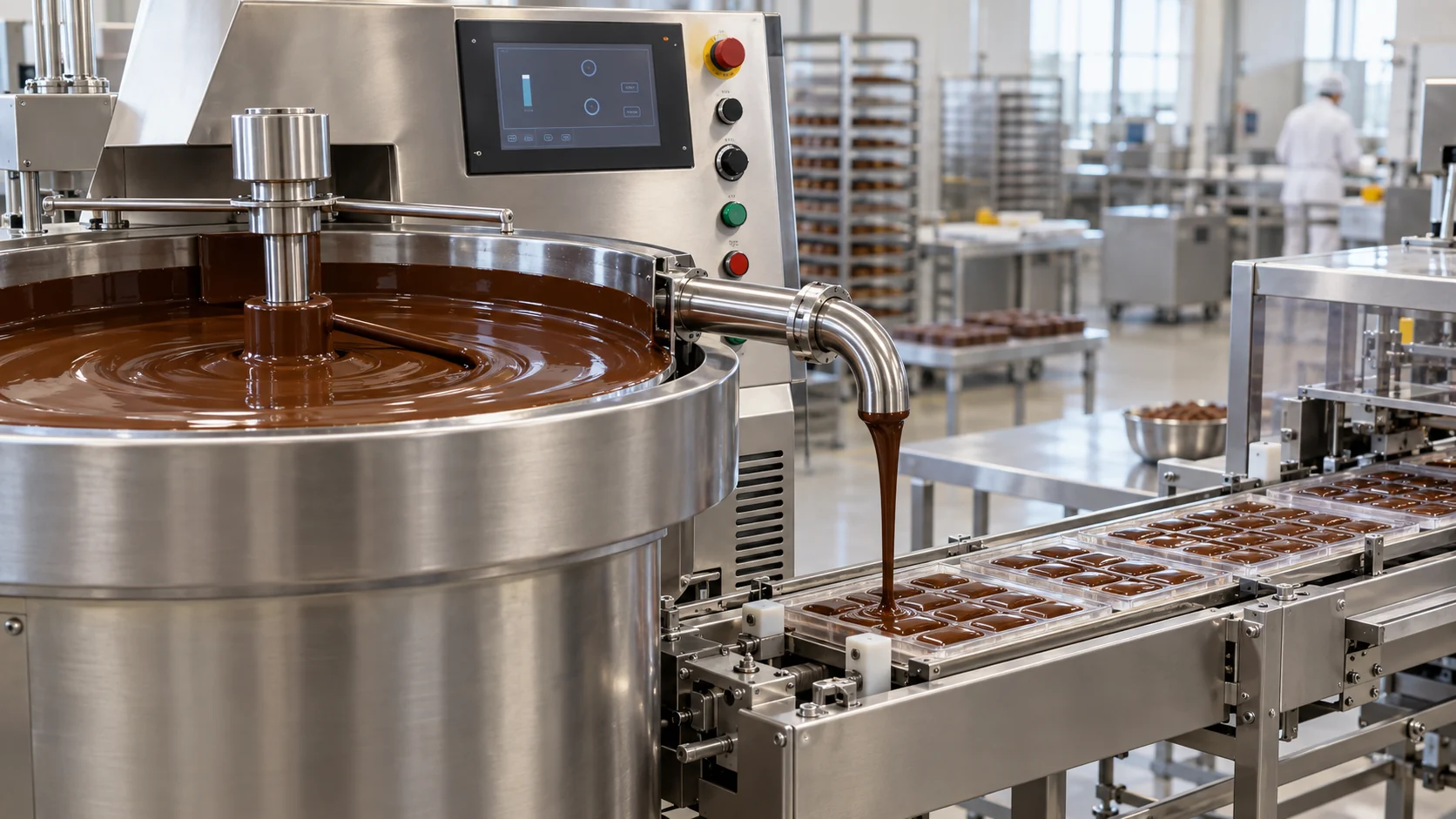
Understanding how gummy bears are made helps you read labels more critically. Modern gummy bear production uses automated depositing machinery that handles high-volume, precision confectionery manufacturing. In a typical facility:
- A hot liquid slurry of sugars, gelatin, and flavorings is mixed in large heated tanks
- The slurry is pumped to depositing heads that fill starch or silicone molds with exact gram-weight portions
- Cooling tunnels set the gelatin structure over 20–40 minutes
- Finished gummies are tumbled in a coating drum with oils and waxes (carnauba wax, beeswax) for shine
The key point for dog owners: each batch can vary by supplier. If a manufacturer substitutes a sweetener to cut costs or meet a sugar reduction target, the change may not be prominent on the front label. Always read the full ingredient list on every new bag, even if it’s a brand you’ve bought before.
From a manufacturing perspective, one of the hardest substitutions to detect is partial xylitol replacement — where a product is labeled “reduced sugar” but still contains sucrose plus a small percentage of xylitol. Those partial-xylitol formulas can be just as dangerous to small dogs as full xylitol products.
Future Trends: Gummy Candy Formulations and Pet Safety (2026+)
The confectionery industry is moving fast toward “better for you” formulations — and that trend creates new hazards for pets.
Key trends to watch:
- Expansion of sugar alcohols. Erythritol, sorbitol, maltitol, and xylitol are all being adopted more widely as sugar substitutes. Of these, erythritol appears relatively low-risk for dogs (the body excretes it rapidly), while xylitol remains the most dangerous. The ASPCA has issued updated warnings specifically because xylitol now appears in product categories where consumers don’t expect it.
- Plant-based gelatin substitutes. Vegan gummy bears use agar-agar or pectin instead of gelatin. These are generally safer for dogs than gelatin-based gummies, but the sugar and sweetener risks remain identical.
- Functional gummies (adaptogens, CBD, melatonin). This growing category is particularly dangerous to dogs. CBD derived from hemp may contain trace THC, which is toxic to dogs. Melatonin gummies often contain xylitol as a binding agent. Any supplement gummy designed for humans should be treated as a poison risk for dogs.
- Increased label complexity. As formulas become more sophisticated, ingredient lists grow longer and more technical. “Hydrogenated starch hydrolysate,” “lycasin,” and “isomalt” are all sugar alcohol derivatives that can cause GI distress in dogs. Knowing the class of ingredient (sugar alcohol) is more useful than memorizing brand names.
What this means practically: The rule “always read the label” will become more important, not less, as candy formulations grow more complex over the next 5 years.
Frequently Asked Questions
Can dogs have one gummy bear?
One regular (non-sugar-free) gummy bear is unlikely to cause a serious emergency in a medium or large dog — but it provides zero nutritional benefit, reinforces food-begging behavior, and creates risk if the bag is ever accidentally accessible. One sugar-free gummy bear can cause hypoglycemia in a small dog. The answer to “can dogs have gummy bears” in any quantity is no.
What happens if a dog eats gummy bears with xylitol?
Xylitol triggers a massive insulin release in dogs within 10–60 minutes, causing blood sugar to crash dangerously (hypoglycemia). Symptoms include weakness, wobbling, vomiting, and seizures. At higher doses, liver failure can develop 48–72 hours later, even in dogs that initially appeared fine. Contact ASPCA Poison Control (888-426-4435) immediately.
Are Haribo gummy bears safe for dogs?
Original Haribo Goldbären do not contain xylitol, but they are high in sugar and not a safe treat for dogs. Haribo Sugar-Free gummy bears have caused significant GI distress even in humans due to their high sugar alcohol content — they are inappropriate for dogs. If your dog ate Haribo sugar-free, contact your vet.
Can dogs eat gummy bears made with fruit juice?
No. Even gummies made with real fruit juice — like Black Forest brand — contain the same high sugar levels, choking hazard, and GI irritants as conventional gummy bears. “Natural ingredients” doesn’t mean “safe for dogs.”
My dog ate an entire bag of gummy bears — what do I do?
Call ASPCA Animal Poison Control (888-426-4435) or your nearest emergency veterinarian immediately. Bring the packaging. If the bears were sugar-free, this is a potential life-threatening emergency regardless of your dog’s current behavior. Do not wait for symptoms to appear.
Are CBD gummy bears safe for dogs?
No. CBD gummies designed for human consumption often contain xylitol, and many contain trace levels of THC (tetrahydrocannabinol), which is toxic to dogs. Use only vet-formulated CBD products designed specifically for dogs if you want to explore CBD supplementation for your pet.
What safe chewy treats can I give my dog instead of gummy bears?
Freeze-dried fruit treats, dehydrated mango, seedless watermelon chunks, and vet-formulated dog gummies (omega-3 or probiotic format) are all good alternatives. They provide the chewy texture and natural sweetness dogs enjoy without the xylitol, excess sugar, or artificial dye risks.
How do I know if a gummy bear contains xylitol?
Read the full ingredients list on the packaging — not just the nutrition facts panel. Look for: xylitol, birch sugar, birch syrup, E967, or the broader category “sugar alcohols.” Note that partial xylitol formulations exist where xylitol is blended with other sweeteners and may be listed further down the ingredient list. When in doubt, do not share the candy.
Conclusion
Can dogs have gummy bears? The answer is a firm no — and the stakes are high enough to take seriously. Regular gummy bears carry sugar overload, choking risk, and GI disruption. Sugar-free varieties add the critical xylitol threat: a compound that can cause liver failure in your dog from a single piece. The candy industry’s ongoing shift toward sugar-alcohol and functional-ingredient formulations only amplifies the risk as these compounds appear in more products.
The practical action is simple: keep gummy bears — all varieties — completely away from dogs. When your dog wants a sweet, chewy treat, reach for freeze-dried fruit, dehydrated mango, or a vet-formulated dog gummy designed for their biology. Your dog will be just as happy, and you’ll both sleep better.
If your dog already ate gummy bears, don’t wait. Call ASPCA Poison Control at 888-426-4435 or head to the nearest emergency vet with the packaging in hand.
Related Articles
- Can Dogs Eat Gummy Bears? The Complete Safety Guide Every Dog Owner Needs
- Sugar Free Haribo Gummy Bears: Ingredients, Effects, and What Actually Happened
- How Do You Make Gummy Bears? From Home Kitchen to Commercial Production
- Haribo Gummy Bears Ingredients: Complete Breakdown & Manufacturing Guide
- Gummy Candy Production Line
- Starch-Free Gummy Depositing Machine
- Are Skittles Gluten Free? Complete Guide 2026