Strawberry gummies are soft, chewy candies made from gelatin or pectin, strawberry flavoring, sugar, and citric acid, shaped in molds — available as consumer snacks, bulk wholesale products, and private-label confectionery.
Walk into any candy aisle, scroll through any confectionery wholesale catalog, or browse any snack brand’s portfolio — strawberry gummies are always there. They outsell most other gummy flavors, they scale efficiently in production, and they carry the kind of nostalgic flavor identity that drives repeat purchases. Whether you’re a candy manufacturer evaluating a new product line, a confectionery buyer sourcing bulk stock, or a brand exploring private-label options, understanding strawberry gummies at a technical and commercial level gives you a real edge.
This guide covers everything: core ingredients, texture science, production machinery, regulatory compliance, market trends, and the most common production mistakes that erode margin. We’ve also included a manufacturer’s perspective on choosing the right gummy production equipment — because getting the formula right is only half the battle.
What Are Strawberry Gummies?
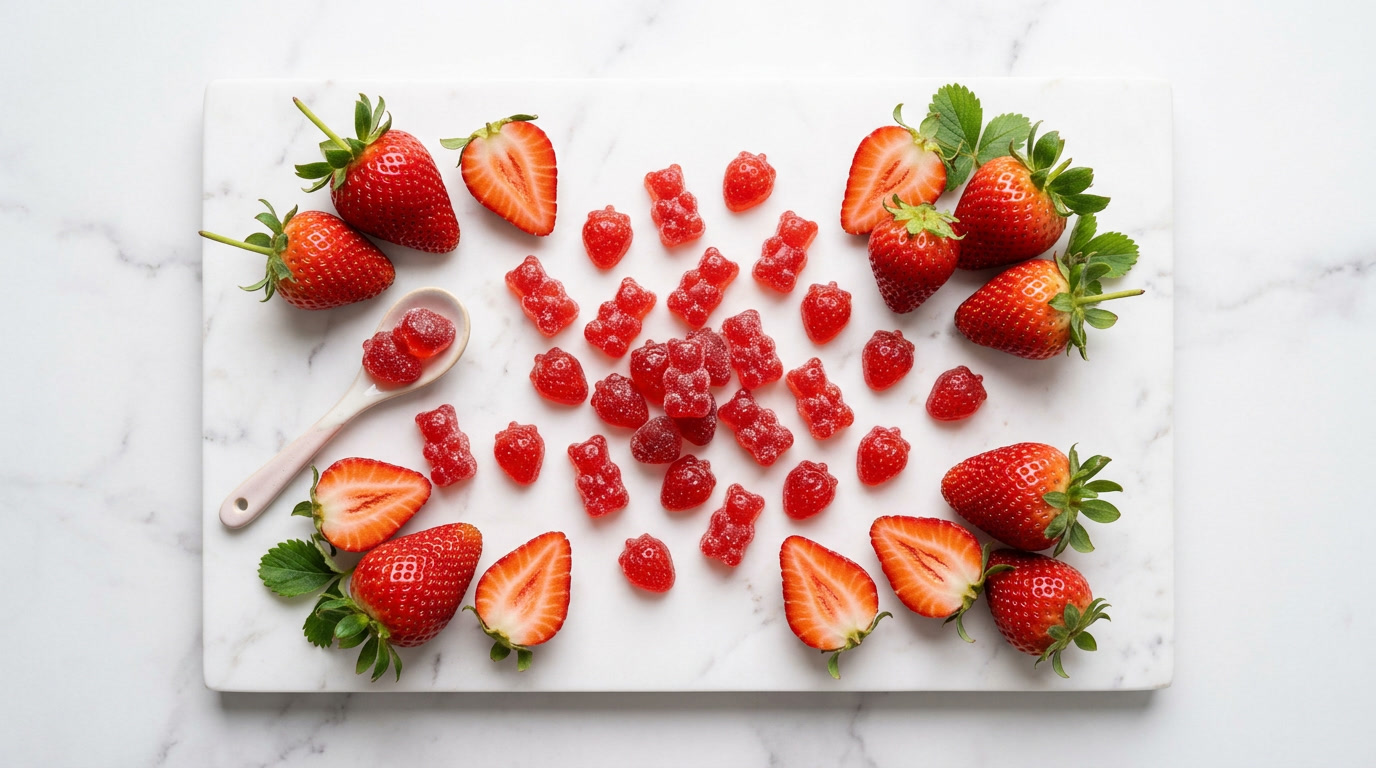
Strawberry gummies are gelatin- or pectin-based soft candies flavored with strawberry, sweetened with sugar or glucose syrup, and acidified with citric acid to achieve the characteristic tangy finish.
The category “gummy candy” covers a wide range of textures and formats, but strawberry gummies occupy a specific and extremely popular niche: moderately firm chew, bright red or pink color, and a flavor profile that balances sweet fruit with a mild tartness. That balance is the reason strawberry consistently ranks as the #1 or #2 gummy flavor in retail markets globally.
At a technical level, strawberry gummies are a colloid gel: a network of protein (gelatin) or polysaccharide (pectin, agar, carrageenan) chains that trap water and sugar syrup, creating the elastic, cohesive texture consumers expect. The gelling agent you choose fundamentally determines the texture, production process, setting speed, and whether the product is suitable for halal, vegan, or kosher markets.
Core Ingredient Categories
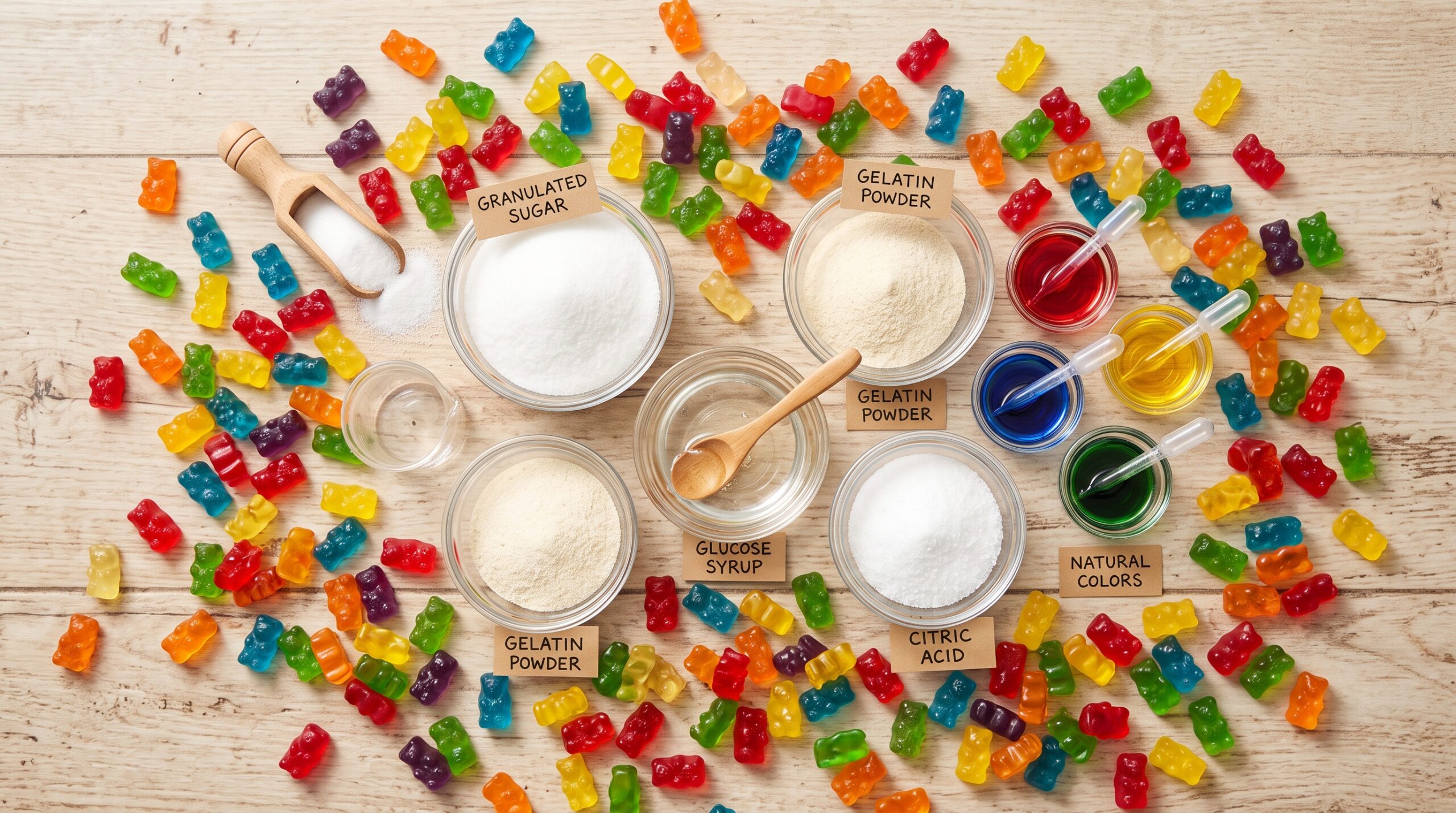
Every strawberry gummy formulation includes ingredients from five functional groups:
| Functional Group | Common Ingredients | Role |
|---|---|---|
| Gelling agent | Gelatin (pork/beef/fish), pectin, agar, carrageenan | Creates the gel matrix; determines texture and melt profile |
| Sweeteners | Sucrose, glucose syrup, fructose, maltitol (sugar-free) | Provides sweetness; glucose syrup controls crystallization |
| Flavorings | Strawberry natural/artificial flavor, strawberry juice concentrate | Delivers the signature flavor identity |
| Acidulants | Citric acid, malic acid, tartaric acid | Adds tartness; preserves color; improves flavor brightness |
| Colorants | Red 40, carmine, anthocyanins, beet juice extract | Achieves the expected red/pink visual |
Gelatin vs. Pectin: The Fundamental Formulation Choice
This is the most consequential decision in strawberry gummy development. Gelatin — typically derived from pork or beef collagen — creates the classic chewy, bouncy texture that most consumers grew up with. It melts slightly at body temperature, which gives that “melt-in-mouth” finish. Gelatin-based strawberry gummies are easier to process (wider temperature tolerance), cheaper per kg, and more stable in humidity.
Pectin, extracted from citrus peel or apple pomace, creates a firmer, more “set” texture that holds its shape better at room temperature but doesn’t have gelatin’s characteristic bounce. Pectin strawberry gummies are suitable for vegan and kosher-certified products and are increasingly popular as plant-based confectionery demand grows. According to market research from the global confectionery sector via Statista, plant-based candy is one of the fastest-growing subcategories in confectionery, expanding at over 8% annually.
The choice between gelatin and pectin is never purely about formula preference — it immediately affects your target market, equipment parameters, production temperature, and packaging requirements.
Types of Strawberry Gummies
There are five main commercial formats of strawberry gummies, each targeting different channels, price points, and consumer segments.
Understanding these formats matters because each one requires different equipment configurations, packaging, and margin structures. What works profitably at retail scale may require a fundamentally different production setup than what works for bulk foodservice or private-label export.
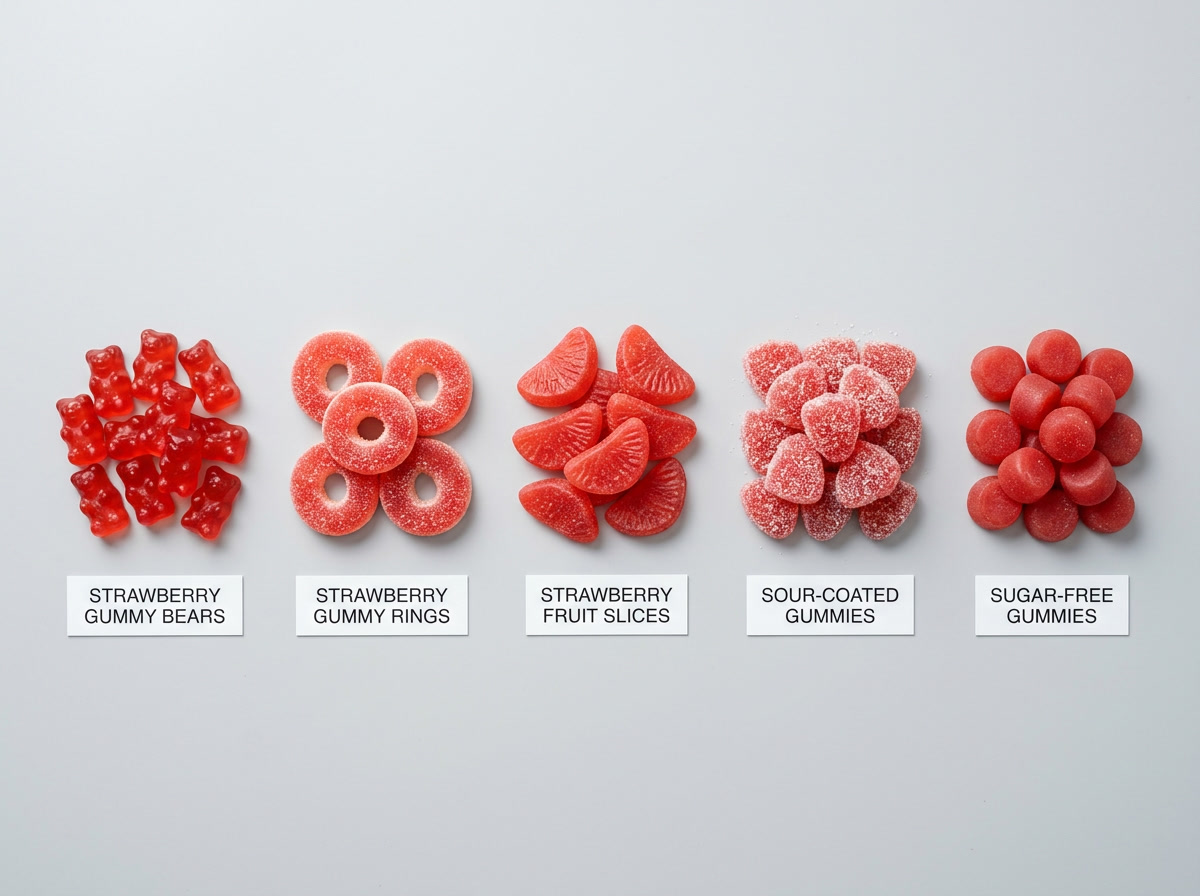
1. Strawberry Gummy Bears
The original and still the best-selling format. The gummy bear mold — approximately 2 cm tall, roughly 3–4 g per piece — is the most widely recognized candy shape in the world. Strawberry gummy bears are produced in bear-shaped starch mogul molds or silicone cavity molds at industrial scale. They’re sold in single-serve packets, sharing bags, and bulk 1 kg or 5 kg bags.
At industrial production volumes (500 kg+ per hour), a strawberry gummy bear line requires a continuous depositing system, starch mogul tunnel, and climate-controlled drying chambers. Drying time is 12–48 hours depending on target moisture content and final Aw (water activity) specification — typically Aw 0.55–0.65 for shelf stability without preservatives.
2. Strawberry Gummy Rings and Worms
Larger format, higher sugar load, and a distinct dual-layer aesthetic (red and white or red and yellow). Rings and worms are typically produced on extruder-based lines rather than depositing lines — the continuous extrusion allows the layered cross-section to be created efficiently. These formats carry a higher selling price per kg and often appear in confectionery bulk bins, movie theater concessions, and candy subscription boxes.
3. Strawberry Gummy Slices (Flat Slices / Fruit Slices)
Flattened, round slices with a powdered sugar or sour coating. These are produced with depositing equipment into flat-cavity molds, then coated in a rotating pan with sugar and citric acid. The sour coating dramatically increases flavor intensity and is a key differentiation point. Strawberry slices tend to skew older demographic compared to gummy bears — they’re more popular in European candy traditions.
4. Sour Strawberry Gummies
Any of the above formats can be given a sour coating. The coating formula is typically a blend of citric acid (30–50%), malic acid (10–20%), and fine-grain sugar or dextrose. Sour strawberry gummies outsell non-sour variants in the 18–35 demographic segment and command a 15–25% price premium in most retail channels.
5. Sugar-Free Strawberry Gummies
Replacing sucrose and glucose syrup with polyols (maltitol, sorbitol, isomalt, erythritol) creates a sugar-free format that qualifies for diabetic-friendly and keto-adjacent positioning. The formulation challenge is avoiding excessive laxative effect — sorbitol and maltitol have known digestive impacts above 20 g per serving. Erythritol-based formulas avoid this but cost significantly more. Sugar-free strawberry gummies are the fastest-growing segment in pharmacy and health retail channels.
| Format | Target Channel | Price Premium vs. Standard | Key Production Requirement |
|---|---|---|---|
| Gummy bears | Mass retail, convenience | Baseline | Starch mogul or depositing line |
| Rings/worms | Bulk candy, online | +10–20% | Extrusion line |
| Fruit slices | Specialty, European market | +5–15% | Flat mold + coating pan |
| Sour coated | Impulse, youth-oriented | +15–25% | Coating drum after molding |
| Sugar-free | Health/pharmacy retail | +30–60% | Standard line + polyol handling |
Strawberry Gummies in Industry: Applications and Markets
Strawberry gummies serve retail, foodservice, private-label, and nutraceutical channels — each with distinct volume, compliance, and margin requirements.
Retail Consumer Packaged Goods (CPG)
The largest volume channel. Major CPG brands (Haribo, Albanese, Trolli, Black Forest, Maynards) produce strawberry gummies at multi-thousand-ton annual volumes. For smaller and mid-size manufacturers entering retail, the challenge is not production capacity — it’s retailer compliance requirements (specific packaging sizes, UPC placement, FSMA or HACCP certification) and the buyer’s minimum volume thresholds per SKU.
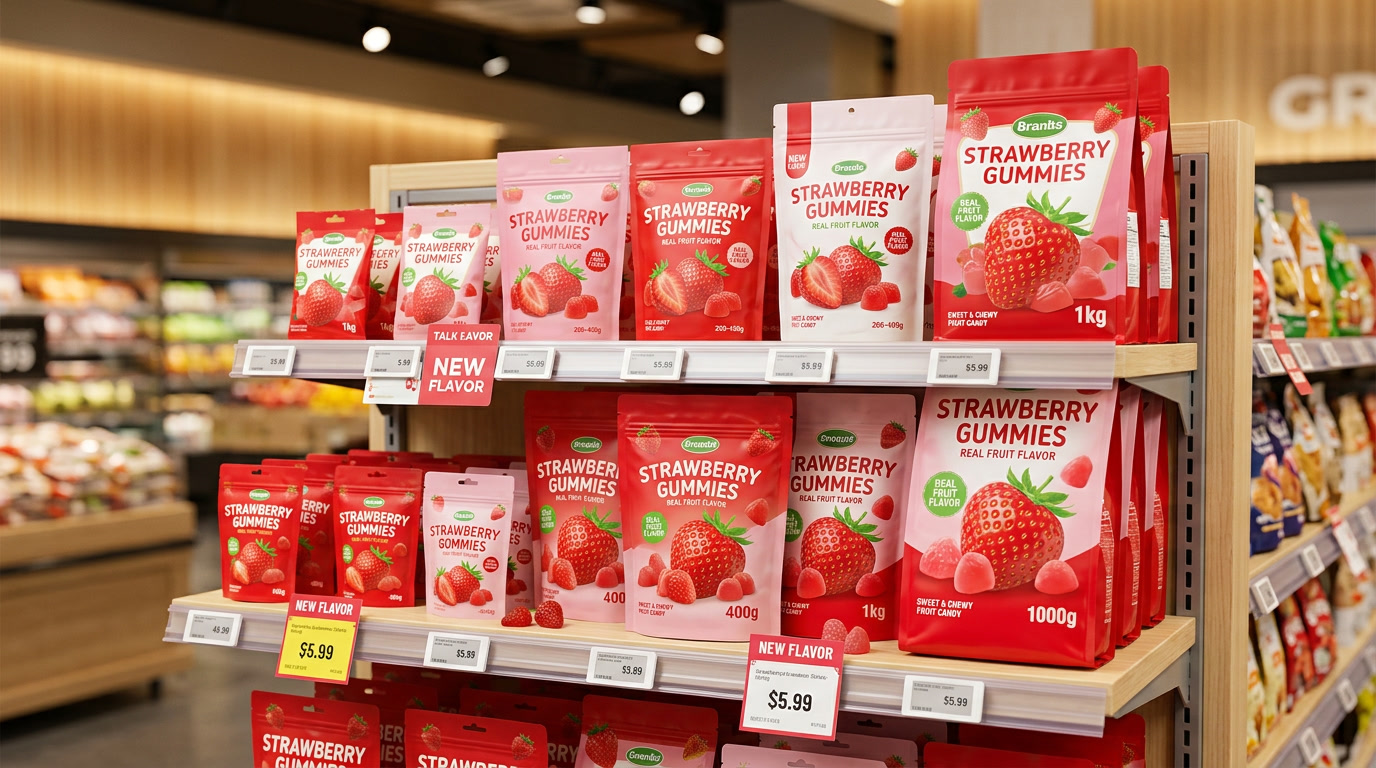
Strawberry gummies in retail are typically sold in 80–200g single-serve bags or 500g–1 kg sharing bags. Shelf life is 12–18 months for gelatin-based and 9–12 months for pectin-based formulas at ambient temperature (below 25°C, below 65% RH).
Bulk Wholesale and Foodservice
Bulk strawberry gummies are sold by weight to candy shops, movie theaters, event caterers, and food manufacturers using gummies as toppings or mix-ins (ice cream parlors, yogurt bars, bakeries). The specification here is looser — appearance imperfections are acceptable, weight-per-piece tolerance is wider — which means this channel is ideal for absorbing production seconds and overruns.
Bulk pricing for standard strawberry gummies ranges from $2.50–$5.00/kg at import scale depending on gelling agent, flavor source (natural vs. artificial), and certification requirements. Organic-certified strawberry gummies command 2–3× the standard commodity price.
Private Label and Contract Manufacturing
One of the highest-margin applications. Brands across food, supplement, and wellness categories commission contract manufacturers to produce strawberry gummies under their own brand. The growth of DTC (direct-to-consumer) health brands has dramatically expanded this market — many supplement companies now offer strawberry gummy multivitamins, CBD gummies, collagen gummies, and melatonin gummies as product extensions.
Contract manufacturers for strawberry gummies need to demonstrate GMP (Good Manufacturing Practice) compliance, typically FDA registration (for US market), BRCGS or IFS certification (for European retail), and the ability to formulate with functional ingredients (vitamins, minerals, adaptogens) without degrading the gummy matrix.
Nutraceutical Gummies
The highest-growth segment: vitamin gummies, probiotic gummies, omega-3 gummies — all available in strawberry flavor because it effectively masks bitter or fishy off-notes from active ingredients. According to FDA guidelines on dietary supplements, gummy delivery formats for supplements must meet the same labeling and safety standards as other supplement forms.
The technical challenge in nutraceutical strawberry gummies is that many active ingredients are heat-sensitive — some vitamins degrade above 70°C. This requires either cold-process formulation or post-deposit addition, both of which demand specialized equipment.
How to Choose and Produce Strawberry Gummies: Step-by-Step Manufacturing
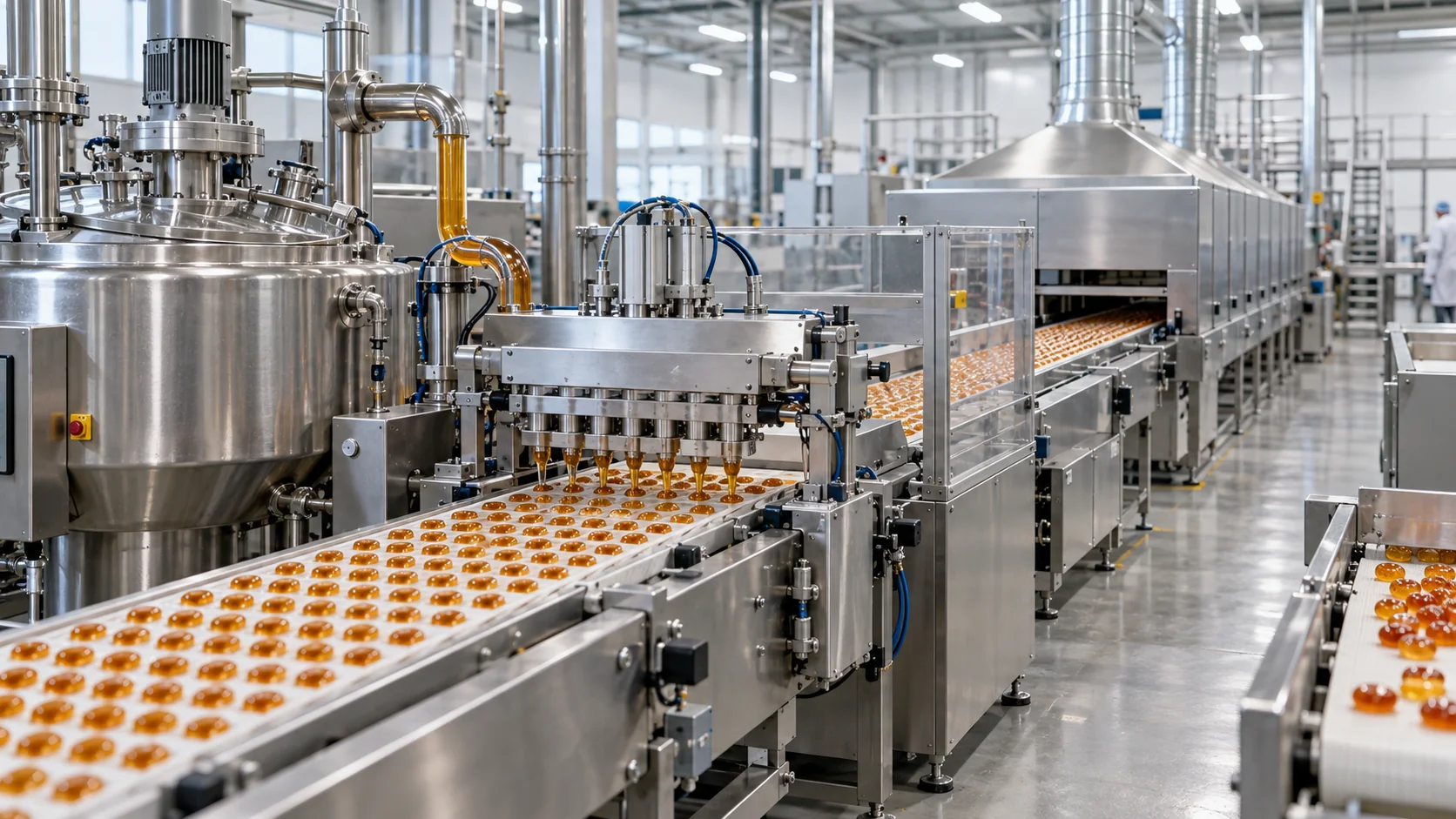
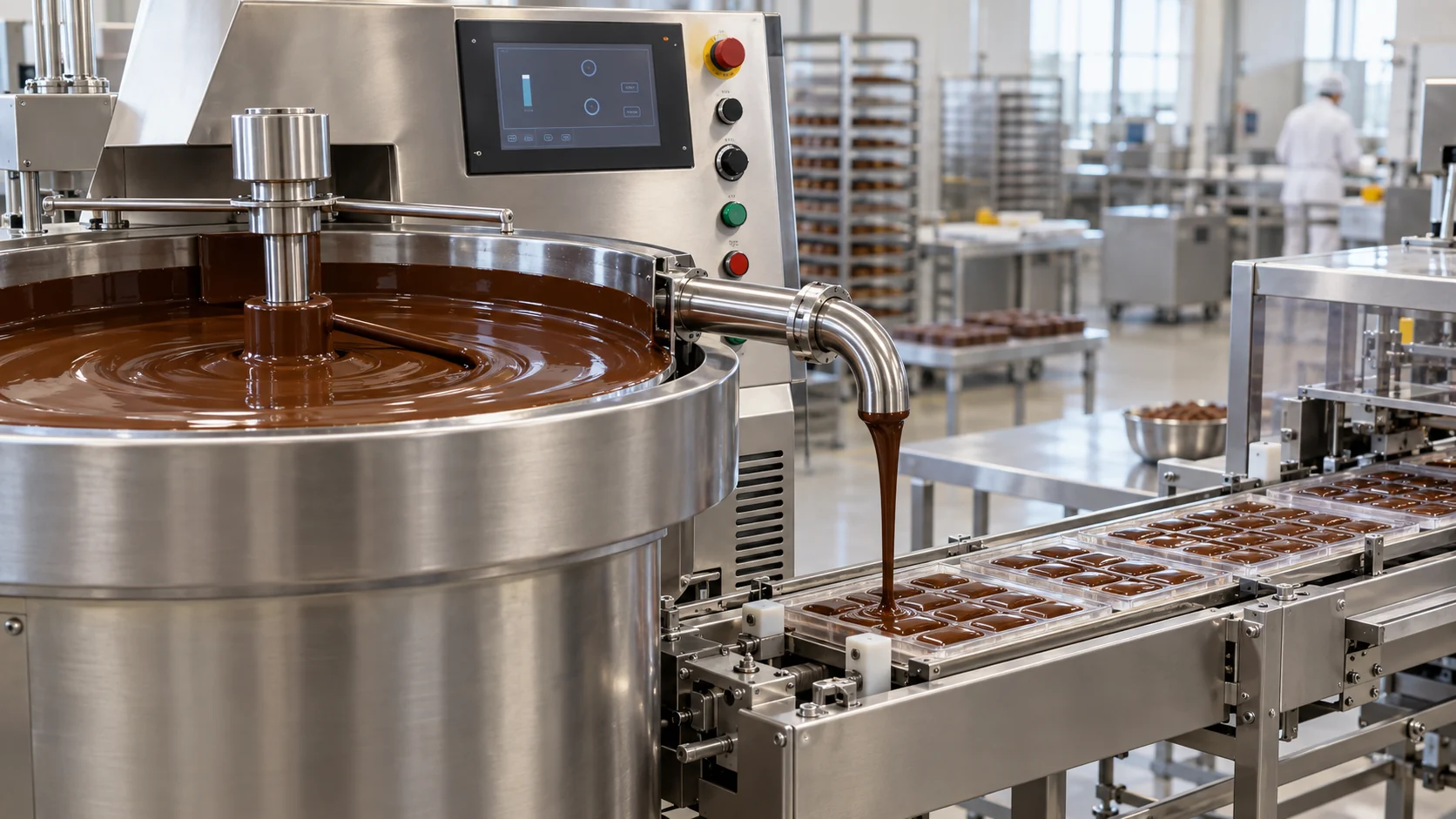
Producing strawberry gummies at commercial scale requires five sequential process stages: cooking, depositing, setting/drying, coating, and packaging — with critical temperature and timing controls at each stage.
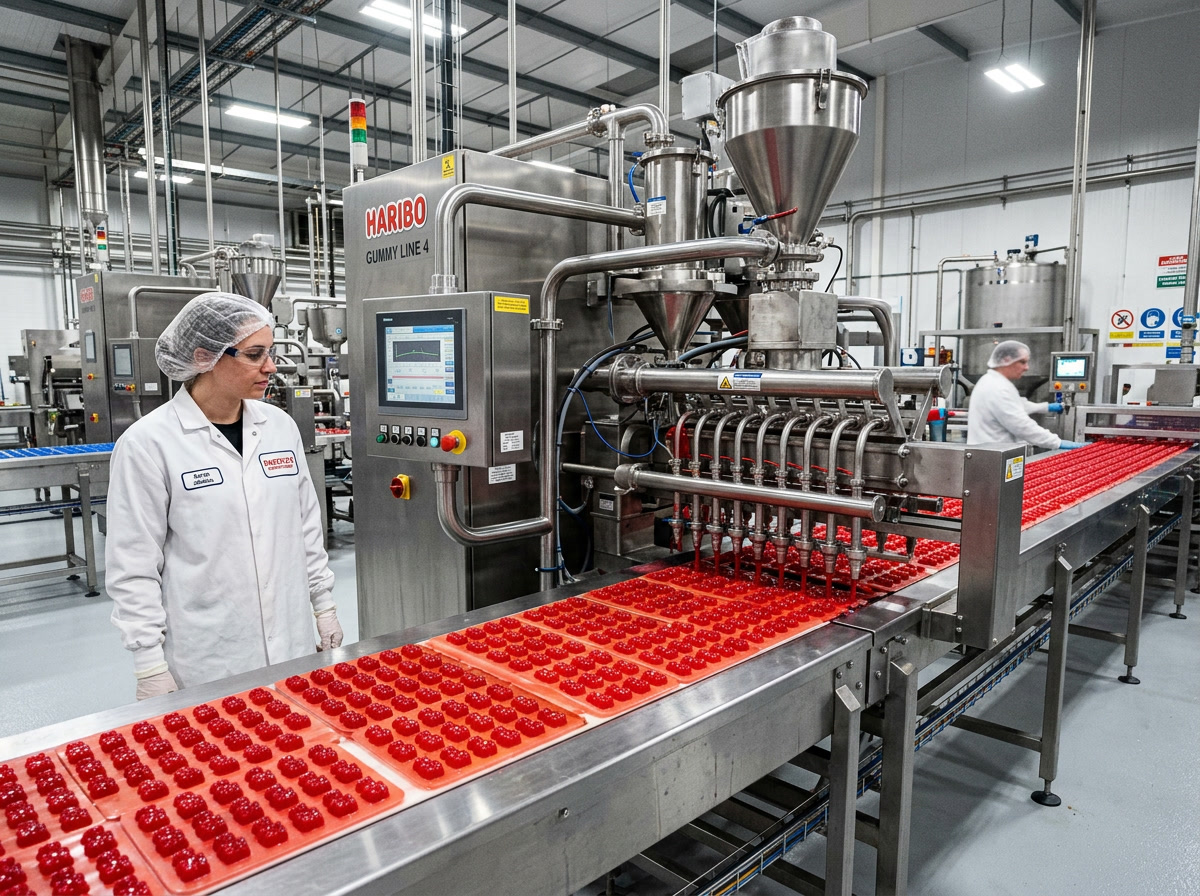
Stage 1: Formula Development and Syrup Cooking
Start with a target formulation. A standard gelatin-based strawberry gummy formula runs approximately:
- 40–45% glucose syrup
- 30–35% sucrose
- 6–10% gelatin (200–250 bloom)
- 0.3–0.8% citric acid
- 0.1–0.3% strawberry flavor
- 0.01–0.05% Red 40 or natural colorant
- Balance: water
The sweetener slurry (glucose + sucrose + water) is cooked to 107–115°C to achieve the correct Brix (typically 75–80°). Separately, gelatin is bloomed in cold water for 30–45 minutes then dissolved. The cooked syrup is cooled to 85–90°C before combining with the gelatin solution — above 95°C, gelatin degrades; below 75°C, the mass becomes too viscous to deposit cleanly.
Flavor, acid, and color are added at the lowest practical temperature (70–80°C) to minimize volatilization of flavor compounds and degradation of heat-sensitive colorants.
Stage 2: Depositing
The tempered gummy mass is deposited into molds. Two main systems are used at industrial scale:
Starch mogul (Mogul machine): The gummy mass is deposited into impressions formed in a shallow tray of powdered starch (corn starch). The starch absorbs surface moisture and allows clean demolding after the setting period. Starch mogul is the dominant technology for strawberry gummy bear production at high volume. High-speed mogul lines are capable of 800–1200 kg/hour.
Silicone/PTFE mold depositing: For smaller runs, specialty shapes, or layered products, flexible mold systems are used. These are faster to changeover and easier to clean, but slower in throughput and more expensive per mold.
The choice of depositing system directly determines which strawberry gummy product formats you can make and at what throughput. This is one of the most important equipment decisions a gummy manufacturer makes. According to USDA National Organic Program guidelines, even equipment must meet specific standards if you’re targeting organic certification.
Stage 3: Setting and Drying
After depositing, strawberry gummies need time to set (gel network formation) and dry to target moisture. For gelatin gummies, initial setting takes 20–30 minutes at 15–18°C. After demolding, gummies go into drying tunnels or drying rooms at 18–22°C, 30–40% relative humidity, for 12–48 hours.
Under-drying produces strawberry gummies that are too soft, stick together in packaging, and have shortened shelf life. Over-drying produces gummies that are brittle, crack, and have poor mouthfeel. Target moisture is typically 15–20% for consumer products; 12–15% for export with longer transit times.
Stage 4: Oiling and Coating
Most commercial strawberry gummies receive a light oil coating (carnauba wax or vegetable oil) to prevent sticking between pieces, improve surface appearance (shine), and act as a barrier to moisture migration. Sour strawberry gummies receive an additional coating of the acid-sugar blend in a rotating drum coater. The acid must be applied at the right drum loading, rotation speed, and residence time — uneven acid coating produces a sour candy that tastes inconsistent piece-to-piece.
Stage 5: Packaging
Strawberry gummies are extremely sensitive to moisture and temperature during packaging and storage. Packaging lines must maintain controlled-environment conditions (below 22°C, below 60% RH) to prevent pieces from sticking together before sealing. For retail: flow-wrap or vertical form-fill-seal (VFFS) in BOPP or nylon-PE laminate film with good moisture vapor transmission rate (MVTR). For bulk: PE-lined cartons or multi-wall paper sacks with sealed poly inner bags.
| Stage | Critical Parameter | Out-of-Spec Consequence |
|---|---|---|
| Syrup cooking | Brix 75–80°, cook temp 107–115°C | Under-cook: gummy too soft, short shelf life |
| Depositing | Mass temp 75–85°C | Too hot: color/flavor loss; too cold: deposition failure |
| Drying | 12–48h at 18–22°C, 30–40% RH | Under-dry: sticky; over-dry: brittle/cracked |
| Coating | Oil: 0.2–0.5% w/w of product weight | Too much oil: greasy; too little: sticking |
| Packaging | Below 22°C, below 60% RH | Clumping, reduced shelf life |
Future Trends in Strawberry Gummies (2026 and Beyond)
Three macro-trends are reshaping the strawberry gummy market: plant-based formulations, functional fortification, and sustainable packaging — with the fastest growth in the health and wellness segment.
Plant-Based and Vegan Strawberry Gummies
The global vegan confectionery market is expanding rapidly. According to Food Navigator market analysis, new vegan confectionery launches grew by over 50% between 2020 and 2024, driven by consumer demand in Western Europe, North America, and parts of Asia.
For strawberry gummy manufacturers, this means pressure to offer pectin-based or agar-based alternatives alongside traditional gelatin lines. The production challenge is non-trivial: pectin gummies require different cooking temperatures (higher), different mold release behavior (pectin sticks more), and different drying profiles. Manufacturers investing in flexible equipment that can switch between gelatin and pectin formulations without full line changeover will have a significant competitive advantage through 2026–2028.
Functional and Fortified Strawberry Gummies
The crossover between confectionery and supplements is accelerating. Strawberry-flavored functional gummies now include multivitamins and mineral blends, collagen peptides (beauty/anti-aging positioning), probiotic cultures (gut health), melatonin (sleep support), and ashwagandha and adaptogenic herbs.
This requires strawberry gummy manufacturers to obtain GMP certification, invest in analytical testing infrastructure, and navigate labeling regulations for claims. The margin uplift is substantial — a functional strawberry gummy can retail for $0.30–$0.60 per piece versus $0.05–$0.10 for a standard commodity gummy.
Sustainable Packaging and Clean Label
Consumers — particularly in the 25–40 demographic — are reading ingredient labels and packaging claims. “No artificial colors,” “organic strawberry flavor,” “compostable packaging,” and “free from” claims are table stakes in premium segments. Clean-label strawberry gummies using anthocyanin-based colorants (from radish, red cabbage, or black carrot) rather than Red 40 are gaining retail placement in natural grocery channels. The color stability challenge is real — anthocyanins fade in light exposure and with pH changes — but formulation advances from ingredient suppliers have improved practical stability to 12+ months.
FAQ: Strawberry Gummies
What ingredients are in strawberry gummies?
Standard strawberry gummies contain gelatin (or pectin), sucrose, glucose syrup, citric acid, strawberry flavoring, and red colorant. Premium or organic versions substitute natural colorants and flavors; sugar-free versions use polyols. The exact formulation is proprietary to each manufacturer, but the functional categories are consistent across the industry.
Are strawberry gummies vegan?
Most mainstream strawberry gummies are NOT vegan — they contain gelatin, which is derived from animal collagen. Vegan strawberry gummies exist but must specifically use pectin, agar, or carrageenan as the gelling agent. Look for “vegan certified” or “plant-based” labeling and verify the gelling agent in the ingredient list.
How are strawberry gummies made commercially?
Commercial production involves cooking a sweetener syrup to 107–115°C, combining with a pre-bloomed gelatin solution, adding flavor and color at lower temperatures, depositing into molds, allowing 12–48 hours of setting and drying, then applying an oil coating and packaging under controlled humidity. High-volume lines can produce 500–1500 kg per hour.
What is the shelf life of strawberry gummies?
Gelatin-based strawberry gummies: 12–18 months stored below 25°C and 65% relative humidity. Pectin-based: 9–12 months. Sugar-free (polyol-based): 12–18 months. Shelf life shortens significantly in warm, humid environments — tropical markets require modified packaging and lower target moisture content.
What equipment is needed to produce strawberry gummies?
A complete industrial strawberry gummy production line includes: cooking/dissolving vessel, vacuum cooker (optional), gummy depositing machine (mogul or mold-based), drying tunnel or room, oil coating drum, sour coating drum (for sour variants), and packaging line. Capacity ranges from 50 kg/hour for small-batch production to 1500+ kg/hour for large-scale industrial lines.
What certifications are required to export strawberry gummies?
For US market: FDA food facility registration, FSMA compliance. For EU market: BRCGS (AA grade for major retailers) or IFS Food. Halal and kosher certification require gelatin sourced from halal-slaughtered or plant-based alternatives. Organic certification requires USDA NOP (US) or EU Organic compliance.
What is the minimum order quantity (MOQ) for wholesale strawberry gummies?
Standard gelatin strawberry gummies from Chinese or Eastern European manufacturers typically start at 500 kg–1 MT per flavor/format. Custom formula or private label typically requires 1–5 MT minimum per SKU. For branded retail-ready products with specific packaging specs, 3–10 MT MOQs are common from major contract manufacturers.
Getting Strawberry Gummy Production Right
Strawberry gummies are simultaneously one of the most accessible and most technically demanding products in the confectionery category. The consumer expectation — that unmistakable bouncy chew, bright strawberry flavor, clean sweet-tart finish — is so well-established that any deviation from that benchmark is immediately noticed and rejected.
The manufacturers and brands that consistently win in this category share three traits: they invest in formula precision (hitting the right gelatin bloom, the right Brix, the right acid balance), they run their production lines at conditions that protect flavor and color integrity, and they understand that the real competitive moat is operational consistency — producing the same strawberry gummy at 100 kg and at 10,000 kg per batch.
If you’re evaluating strawberry gummy production equipment, private-label suppliers, or formulation support for a new product line, the key is finding partners who can demonstrate not just capability but documented process control. Line speed and capacity are easy to claim — verified Aw data, sensory panel records, and BRCGS audit reports are what actually differentiate serious suppliers from commodity players.
The strawberry gummies market will continue growing through 2026 and beyond, driven by plant-based formulation expansion, functional gummy crossover, and the enduring consumer love for the flavor itself. Getting into this category — or getting better at it — rewards investment in the right technology, the right formula, and the right production controls.
For information about industrial gummy candy production equipment, depositing lines, drying systems, and complete gummy manufacturing solutions, explore our product range at jymachinetech.com.
Related Articles
- What Is Popping Boba Made Of? Ingredients, Science & Manufacturing Explained
- Coca Cola Gummies: The Complete Guide to Flavors, Ingredients & Production
- Vegan Jelly Bears: Complete Guide to Ingredients, Production & Market Trends
- Strawberry Bubble Tea: Complete Guide to Ingredients, Recipes & Commercial Production
- Gummy Candy Production Line
- Starch-Free Gummy Depositing Machine
- Are Skittles Gluten Free? Complete Guide 2026