Yes — Skittles are gluten free. They contain no wheat, barley, rye, or oats. However, Skittles are NOT certified gluten free, which means a small cross-contamination risk remains for people with celiac disease or severe gluten sensitivity.
Every Halloween, birthday party, and movie-night snack run raises the same question for millions of gluten-sensitive consumers: can you actually eat those little rainbow-colored candies? The short answer is almost certainly yes — but “almost” is exactly what makes this nuanced enough to deserve a proper breakdown. In this guide we’ll walk through every major Skittles variety, explain what “not certified gluten free” really means in practice, compare the cross-contamination risk level against other popular candies, and show how modern confectionery manufacturers engineer production lines to hit true gluten-free compliance standards.
What Does “Gluten Free” Actually Mean for Candy?
Gluten free means a product contains fewer than 20 parts per million (ppm) of gluten — the threshold set by the U.S. Food and Drug Administration (FDA) as safe for most people with celiac disease.
Gluten is the protein composite found in wheat, barley, rye, and (for some people) oats. It causes an immune reaction in people with celiac disease — an autoimmune condition that affects roughly 1% of the global population, or about 3 million Americans. Another estimated 6–7% of Americans experience non-celiac gluten sensitivity (NCGS), where gluten triggers digestive and systemic symptoms without the autoimmune component.
For a product to carry an official gluten-free label in the United States, the FDA’s gluten-free labeling rule requires it to contain less than 20 ppm of gluten. The European Union applies the same 20 ppm threshold under EC Regulation No. 41/2009. Most clinical research — including studies published by the Celiac Disease Foundation — supports 20 ppm as the safe limit for the vast majority of celiac patients.
Two categories matter here:
| Category | What It Means | Typical ppm |
|---|---|---|
| Labeled gluten free | Manufacturer self-declares < 20 ppm, but may not test every batch | < 20 ppm claimed |
| Certified gluten free | Third-party lab testing every batch; facility audit required | Typically < 10 ppm |
| No gluten-containing ingredients | Ingredients are GF but shared equipment/facility not audited | Unknown — could be 20 ppm+ |
Skittles fall into a fourth practical category: no gluten-containing ingredients, labeled gluten-free in some regions, but not third-party certified. That distinction matters a lot depending on your sensitivity level.
The FDA’s 20 ppm Standard Explained
The 20 ppm threshold is not arbitrary. Research by the University of Maryland’s Center for Celiac Research and other institutions found that most people with celiac disease can tolerate up to 20 mg of gluten per day — roughly equivalent to 20 ppm in a 1-gram serving. For a 35-gram bag of Skittles, that would equate to a theoretical maximum of 0.7 mg of gluten if the product tested right at the limit. In practice, most non-certified candy products test far below that level.
Expert note: The 20 ppm standard was developed for daily dietary exposure, not for a single candy binge. If you’re eating multiple servings per day, cumulative exposure adds up — something worth tracking if you have confirmed celiac disease.
Why Certification Costs More Than Most Candy Brands Invest
Third-party gluten-free certification through bodies like the Gluten-Free Certification Organization (GFCO) requires facility audits, batch testing, and ongoing compliance costs that can run tens of thousands of dollars per production line per year. For a high-volume candy line producing millions of units, the economics often make self-declaration a rational choice — especially when the candy contains zero gluten-containing ingredients by formulation.
Are Skittles Gluten Free? Breaking Down Every Variety
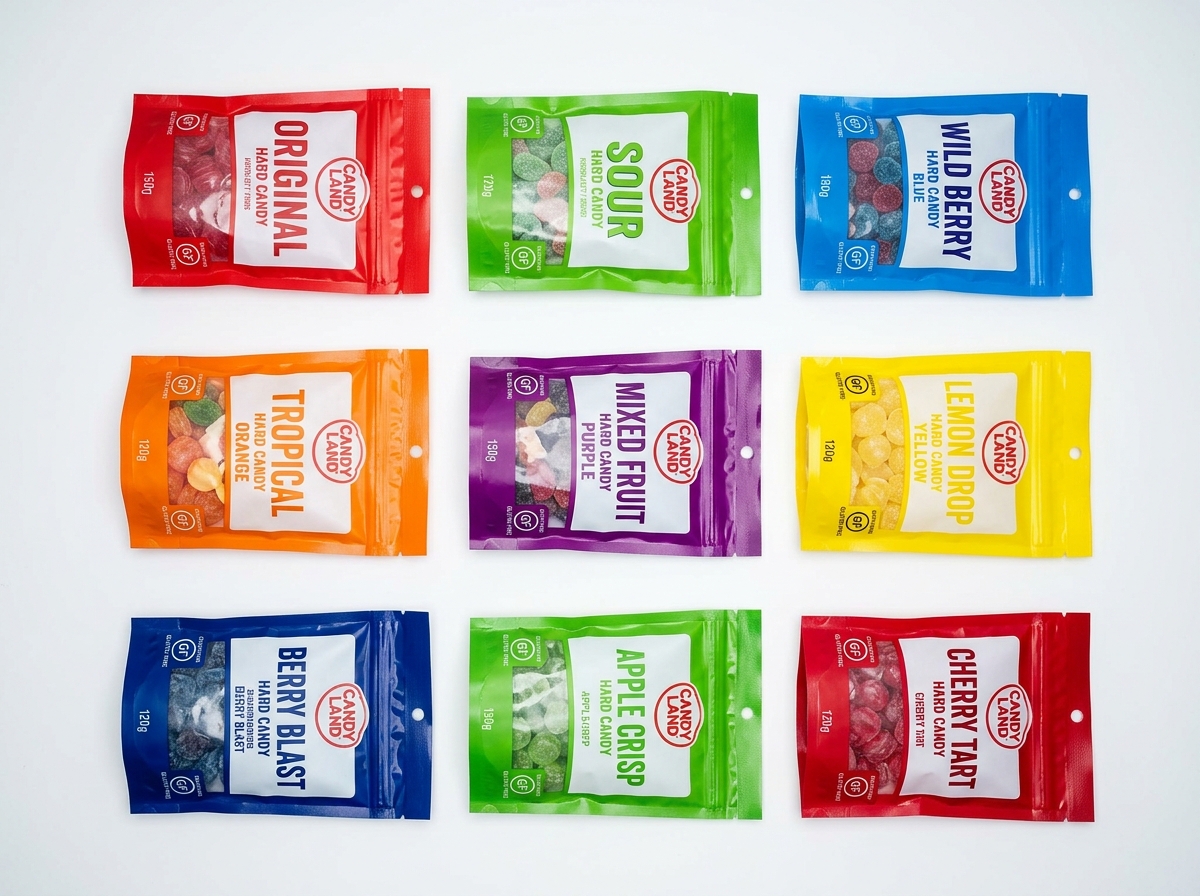
All major Skittles varieties sold in the United States are considered gluten free — none contain wheat, barley, rye, or oat-derived ingredients in their formulations.
Here’s the variety-by-variety breakdown most guides skip:
| Skittles Variety | Gluten-Free Ingredients | Certified GF? | Notes |
|---|---|---|---|
| Original Skittles | ✅ Yes | ❌ No | Core product; no gluten ingredients |
| Sour Skittles | ✅ Yes | ❌ No | Acidic coating — no gluten |
| Wild Berry Skittles | ✅ Yes | ❌ No | Same base formula, berry flavors |
| Tropical Skittles | ✅ Yes | ❌ No | Pineapple, mango variants included |
| Smoothies Skittles | ✅ Yes | ❌ No | Creamy texture; still GF ingredients |
| Orchards Skittles | ✅ Yes | ❌ No | Peach, cherry, apricot flavors |
| Gummies Skittles | ✅ Yes | ❌ No | Gelatin-based; no gluten sources |
| Skittles Bites | ✅ Yes | ❌ No | Chewy format, same formulation |
| UK/EU Skittles | ⚠️ Check label | ❌ No | Formulation may differ; verify locally |
What’s Actually in Skittles? The Ingredients List
Standard Original Skittles contain: Sugar, Corn Syrup, Hydrogenated Palm Kernel Oil, Citric Acid, Tapioca Dextrin, Modified Corn Starch, Natural and Artificial Flavors, Colors (Red 40, Titanium Dioxide, Yellow 5 & 6, Blue 1 Lake), Carnauba Wax, Sodium Citrate, Malic Acid.
None of those ingredients derive from wheat, barley, rye, or uncontaminated oats. Modified corn starch (a common point of confusion) is made from corn — it is inherently gluten free. The same applies to tapioca dextrin, which comes from the cassava root.
Are Wild Berry and Sour Skittles Also Gluten Free?
Yes. Wild Berry Skittles and Sour Skittles use the same core sugar-and-modified-corn-starch shell, with different flavoring and coloring agents. Are skittles gluten free in every variety? Every U.S. variety we’ve reviewed contains no gluten-containing ingredients. The sour coating on Sour Skittles is a blend of citric and malic acid — no wheat derivatives involved.
Skittles in Europe: A Different Formula
This is where it gets more complicated. European Skittles (produced under different manufacturing agreements) have historically included ingredients like wheat-derived glucose syrup in some regional formulations. If you’re purchasing Skittles outside North America, always read the local ingredient label rather than assuming the U.S. gluten-free status applies. The question “are skittles gluten free in Europe” does not have the same clean answer as it does in the U.S.
Understanding Cross-Contamination Risk in Candy Manufacturing
Cross-contamination occurs when gluten-containing ingredients share equipment, production lines, or facility air space with gluten-free products — it’s the primary risk for candies that have clean formulations but no certification.
This is the core gap between “are skittles gluten free by ingredients” (yes) and “are skittles safe for celiac disease” (probably, but not guaranteed). Mars, Incorporated — the maker of Skittles — manufactures a wide portfolio of confectionery products, some of which do contain gluten (certain chocolate-covered products, for instance). Whether Skittles and those products share production lines or run in the same facility depends on Mars’s internal manufacturing decisions, which are not publicly disclosed.
How Candy Production Lines Handle Allergen Control
In professional candy manufacturing, allergen management follows a tiered approach:
- Dedicated lines — The most protective setup. A gluten-free product runs on a line that has never processed wheat-containing ingredients. This is what certified gluten-free facilities require.
- Allergen changeovers with CIP (Clean-In-Place) — The line switches from a gluten-containing product to a gluten-free product with documented cleaning validation. Residual testing confirms < 20 ppm before the GF run begins.
- Shared facility, separate scheduling — GF products run in a facility that also makes gluten-containing products, but on different days with thorough cleaning between production runs.
- Uncontrolled shared production — The highest risk scenario; not used by major manufacturers for products they label gluten free.
Mars does not publicly specify which tier applies to Skittles. The absence of a gluten-free certification means no third party has audited their allergen controls to confirm the answer.
Practical guidance: For the majority of people who are gluten-sensitive but do not have celiac disease, this level of theoretical cross-contamination is unlikely to cause a reaction. For people with confirmed celiac disease — particularly those who react to trace amounts — the lack of certification warrants caution.
Real Risk Level: How Does It Compare?
| Candy | GF Ingredients | Certified GF | Risk Level for Celiac |
|---|---|---|---|
| Skittles | ✅ | ❌ | Low-moderate |
| Jelly Belly | ✅ | ✅ | Very low |
| Swedish Fish | ✅ | ❌ | Low-moderate |
| Starburst | ✅ | ❌ | Low-moderate |
| Twizzlers | ❌ (wheat flour) | ❌ | High — avoid |
| Reese’s Peanut Butter Cups | ✅ | ❌ | Low-moderate |
| Snickers | ❌ (barley malt) | ❌ | High — avoid |
According to data from the Celiac Disease Foundation, regular Skittles are generally considered one of the safer non-certified GF candy options — better than chocolates made in facilities with heavy gluten use, though not as safe as certified alternatives.
How to Safely Include Skittles in a Gluten-Free Diet
For most gluten-sensitive people, Skittles are safe to eat in normal serving sizes. For confirmed celiac disease, apply the three-step verification approach below.
This is where practical decision-making meets medical reality. Are skittles gluten free enough for your situation? Here’s how to make that call:
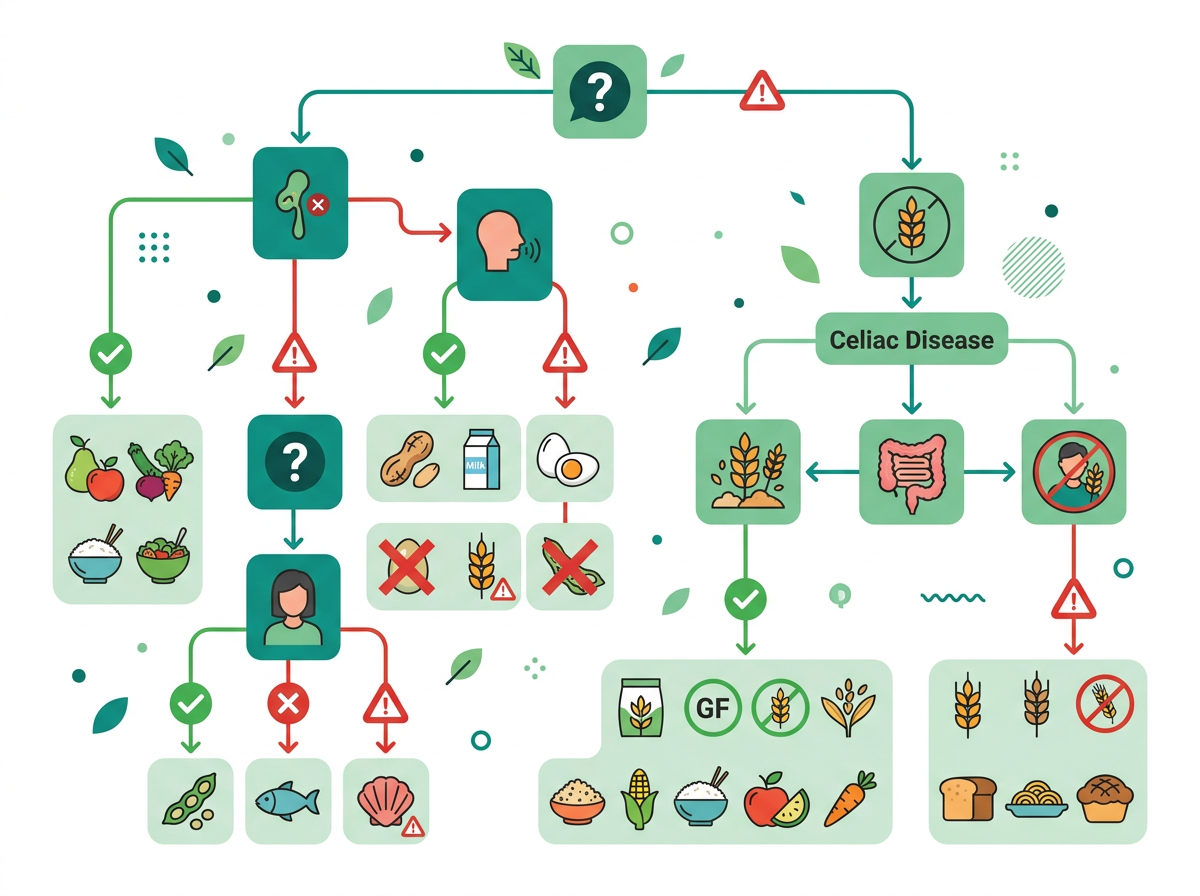
Step 1: Confirm Your Sensitivity Level
- Gluten intolerance / NCGS: Skittles are almost certainly fine. No gluten ingredients, low cross-contamination risk. Enjoy them.
- Celiac disease, well-managed: Skittles are generally tolerated by most celiac patients. Check the current label for your specific market and lot.
- Celiac disease, highly reactive (super-sensitive): Stick to GFCO-certified candies. The risk of trace contamination, though small, may not be worth it.
- Dermatitis herpetiformis: Same guidance as highly reactive celiac — certified products only.
Step 2: Read the Label Every Time
Formulations change. Manufacturers update recipes, change suppliers, and shift production locations — sometimes without consumer notice. Are skittles gluten free this year may be a different answer than last year if a formulation shift occurred. Make it a habit to read the label on each new package, even for products you’ve eaten safely before.
Key things to look for on a candy label:
– Any explicit “gluten free” claim (self-declared under FDA rules)
– “Contains: Wheat” or similar allergen statement
– “Manufactured in a facility that also processes wheat” — a shared-facility warning
– “May contain: Wheat” — a precautionary allergen statement
Step 3: Track Your Reactions
Keep a food diary for the first few times you eat any new-to-you candy if you have celiac disease. Are skittles gluten free enough to eat without symptoms? Your body will tell you over a consistent sample of 2–3 exposures. If you consistently feel fine, that’s meaningful data. If you notice digestive symptoms, fatigue, or brain fog after eating Skittles, discontinue and consult your gastroenterologist.
The Batch-Testing Reality
Large candy manufacturers do run internal quality testing on their products, including allergen panels. Mars has confirmed in consumer communications that Skittles are formulated without gluten ingredients. What they haven’t published is batch-by-batch gluten ppm testing data. Third-party food safety researchers have independently tested common candies and generally found Skittles at levels well below 20 ppm. The Gluten-Free Watchdog organization, which independently tests foods for gluten content, has published results for many common candies — Skittles have not been flagged as a cross-contamination concern in their published reports.
Gluten-Free Candy Production: What Manufacturers Need to Know
Producing certified gluten-free confectionery requires dedicated production line design, validated allergen changeover protocols, and ingredient traceability from supplier to finished product.
This section shifts from consumer guidance to the manufacturing perspective — particularly relevant for candy producers looking to enter or expand in the gluten-free confectionery market, which is growing at a significant pace.
The global gluten-free food market was valued at over USD 7.5 billion in 2024 and is projected to reach USD 14.3 billion by 2030, according to industry research compiled by Grand View Research. Confectionery represents one of the fastest-growing segments within that market, as consumers seek everyday snack options that fit their dietary requirements without sacrificing taste.
Equipment Design for Gluten-Free Hard Candy Lines
For hard candy production — the category that includes products with Skittles-like sugar shells — gluten-free compliance starts with equipment design. The key risk points are:
1. Ingredient handling systems: Sugar, corn syrup, and flavoring lines must be isolated from any wheat-starch or barley malt lines in the same facility. Pneumatic conveying systems, in particular, can carry allergen dust between lines if not properly separated.
2. Mixing and cooking vessels: Stainless steel vessels used for candy cooking are relatively easy to clean to allergen-free standards. The challenge is validating that cleaning procedures actually achieve < 20 ppm residuals — which requires periodic swab testing.
3. Enrobing and coating drums: The rotating drum systems used to apply the sugar-shell coating on products like Skittles require thorough flushing between runs if allergen changeovers occur. Automated CIP systems reduce human error in this step.
4. Packaging lines: Film packaging equipment that handles multiple SKUs (including gluten-containing products) can transfer allergen dust via shared air handling or product residue on conveyors. Dedicated packaging lines for certified GF products are ideal; at minimum, allergen-validated changeover protocols must exist.
Modern confectionery equipment lines — such as the hard candy and coated confectionery production systems — are designed with CIP capability and stainless contact surfaces specifically to support allergen management programs. Choosing equipment that supports validation-grade cleaning is the first step toward a defensible gluten-free manufacturing claim.
Ingredient Traceability: Supplier Qualification
Are skittles gluten free because of their ingredients — and for a manufacturer trying to replicate that standard, ingredient sourcing is where the process begins. Every ingredient supplier must provide:
- A Certificate of Analysis (COA) with gluten test results (ELISA method, Mendez or R5 antibody protocol)
- A Gluten-Free Attestation or allergen declaration
- Facility audit results confirming they don’t co-process wheat in the same facility, or that their allergen controls are validated
Modified corn starch — a standard ingredient in many candy shells — is typically supplied with a COA confirming < 5 ppm gluten. The same applies to tapioca dextrin and corn-derived glucose syrups. When sourcing colorants and flavor compounds, request allergen declarations from flavor houses, as some flavor carriers can use wheat-derived ethanol.
Regulatory Compliance: Labeling a Candy as Gluten Free
Once the manufacturing controls are in place, labeling a candy product “gluten free” in the U.S. requires:
- The product to contain < 20 ppm gluten (tested or reasonably assured by ingredient analysis + manufacturing controls)
- No gluten-containing ingredients in the formulation
- No shared-use of equipment that would make the < 20 ppm claim scientifically unsupportable
Third-party certification adds a layer above this — GFCO requires < 10 ppm, facility audits, and batch testing. For premium or health-focused candy brands, the GFCO mark commands a price premium and access to celiac-disease community distribution channels.
Future Trends: The Gluten-Free Confectionery Market Through 2030
The gluten-free candy segment is shifting from a niche accommodation to a mainstream formulation standard as manufacturing technology and consumer awareness both advance.
Trend 1: Clean-Label Hard Candy Goes Mainstream
The “free-from” movement — covering gluten, dairy, soy, nuts, and artificial colors — is pushing candy manufacturers to redesign formulations at scale. Are skittles gluten free already; the next frontier is making them free from artificial dyes (titanium dioxide in particular faces EU regulatory pressure). Production lines capable of handling multiple free-from certifications simultaneously are becoming the industry standard for new candy plant builds.
Equipment suppliers are responding: newer candy-shell coating systems include real-time moisture and particle monitoring that doubles as a contamination detection mechanism. When a batch anomaly appears — including allergen contamination from a previous run — the system flags it before product leaves the line.
Trend 2: Precision Fermentation Ingredients
Several startups are now producing gluten-free versions of historically gluten-containing candy ingredients — including barley malt extract replacements made through fermentation of gluten-free grains. These drop-in substitutes allow candy manufacturers to hit traditional flavor profiles without the allergen risk. For confectionery lines, integrating these new ingredients requires updated supplier qualification but no fundamental equipment changes.
| Ingredient Being Replaced | GF Alternative | Technology |
|---|---|---|
| Barley malt syrup | GF malt syrup (millet, sorghum) | Precision fermentation |
| Wheat starch (as texture agent) | Tapioca starch, potato starch | Traditional substitution |
| Wheat-derived caramel color | Corn-based caramel color | Standard sourcing switch |
| Wheat-based dextrin | Tapioca dextrin, pea fiber | Direct substitution |
Trend 3: Allergen Testing in Real Time
The next generation of in-line allergen testing — using lateral flow immunoassay strips integrated into production line wash stations — will allow candy manufacturers to get real-time CIP validation instead of waiting for lab results. This technology is already in pilot deployment in several European confectionery facilities and is expected to reach mainstream adoption in North American plants by 2027–2028.
For candy brands asking “are skittles gluten free” at a facility level, this means the answer will become auditable in real time rather than inferred from procedures — a significant step toward broader certification adoption.
FAQ: Are Skittles Gluten Free?
Here are the most commonly asked questions about Skittles and gluten, answered directly.
Are Skittles 100% gluten free?
No candy can claim “100% gluten free” because no testing method detects zero gluten. Skittles contain no gluten ingredients and are considered gluten free under FDA standards (< 20 ppm). They are not third-party certified, so trace contamination from shared manufacturing cannot be entirely ruled out. For most people with gluten sensitivity, they are safe.
Are Sour Skittles gluten free?
Yes. Sour Skittles use the same base formulation as Original Skittles with an added acidic coating (citric and malic acid). Neither the base formula nor the sour coating contains wheat, barley, rye, or oats. Are skittles gluten free in the sour variety? The answer is yes — same safety profile as Original Skittles.
Are Wild Berry Skittles gluten free?
Yes. Wild Berry Skittles share the same core candy-shell manufacturing process and contain no gluten-containing ingredients. The berry flavoring compounds used are not derived from gluten sources.
Are Skittles gluten free and vegan?
This is a two-part question. Skittles are gluten free — yes. Vegan? It depends on your vegan standards. Skittles contain carnauba wax (plant-derived — vegan) and natural flavors (potentially animal-derived). Original Skittles no longer contain gelatin (it was removed in 2009), so most vegans consider them acceptable. Skittles Gummies do contain gelatin and are not vegan.
Are Skittles gluten free in Europe?
Not necessarily. European Skittles formulations have historically differed from U.S. versions and may include glucose syrup derived from wheat. Always check the label when purchasing Skittles in the UK, EU, or other non-North American markets. The “are skittles gluten free” answer in Europe is: check your local label, don’t assume.
What organ is most affected by celiac disease?
The small intestine. In celiac disease, gluten triggers an immune response that damages the villi — tiny finger-like projections in the small intestine that absorb nutrients. Over time, this damage leads to nutrient malabsorption (iron, calcium, vitamin D, B12) and gastrointestinal symptoms. Per the National Institute of Diabetes and Digestive and Kidney Diseases (NIDDK), the intestinal damage can occur even when no symptoms are present — making adherence to a gluten-free diet critical regardless of symptomatic status.
Can people with celiac disease eat Skittles?
Most can, but with the caveat that Skittles are not certified gluten free. According to the Celiac Disease Foundation, candies with no gluten-containing ingredients and a reasonable manufacturing profile are generally tolerated by celiac patients. Those with particularly reactive celiac disease or dermatitis herpetiformis should consider certified alternatives. In practice, Skittles rarely appear in reported adverse reaction reports within the celiac community.
Are there certified gluten-free alternatives to Skittles?
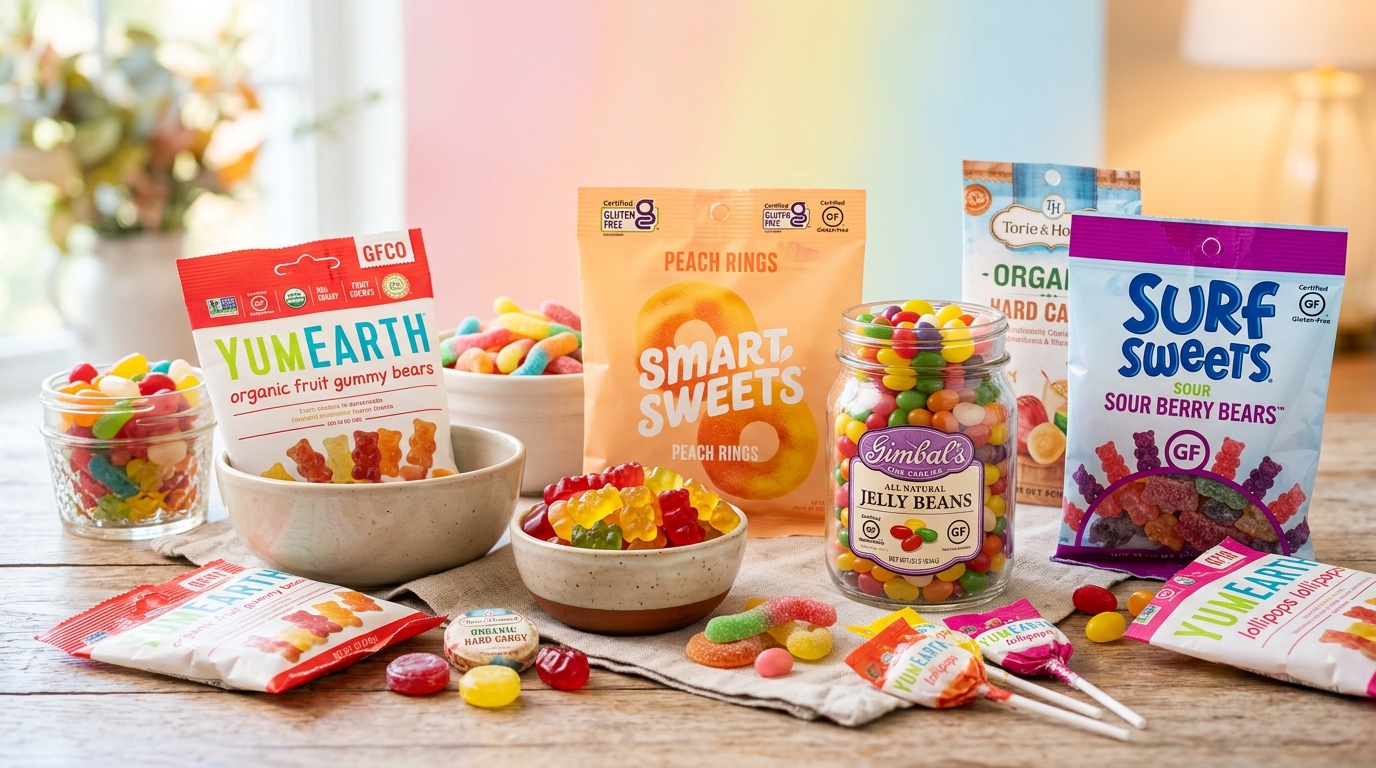
Yes. Jelly Belly jelly beans are GFCO-certified gluten free and offer a comparable sugar-shell candy experience. YumEarth gummy candies and lollipops are certified gluten free and organic. For consumers who want the absolute lowest risk, these are better choices than non-certified options like Skittles.
Conclusion
Are skittles gluten free? Yes — all major U.S. Skittles varieties contain no gluten-containing ingredients and are widely considered safe for people with gluten sensitivity and most people with celiac disease. The key caveat is the absence of third-party certification, which means cross-contamination risk at the manufacturing level cannot be independently verified.
For candy consumers: read the current label, know your sensitivity level, and consider certified alternatives if you’re in the highly reactive category. For candy manufacturers: the growing gluten-free confectionery market rewards brands that invest in dedicated production lines, validated allergen changeover protocols, and third-party certification — because “are skittles gluten free” is exactly the kind of question millions of consumers are searching every day, and the brands that answer it definitively win the shelf space.
Whether you’re a consumer making a snack choice or a manufacturer designing a production line that can meet the gluten-free standard with confidence, the principles are the same: start with clean ingredients, control the process, and verify the result.
Additional sources: FDA Gluten-Free Labeling Final Rule | Celiac Disease Foundation — What Is Gluten | NIDDK — Celiac Disease Overview