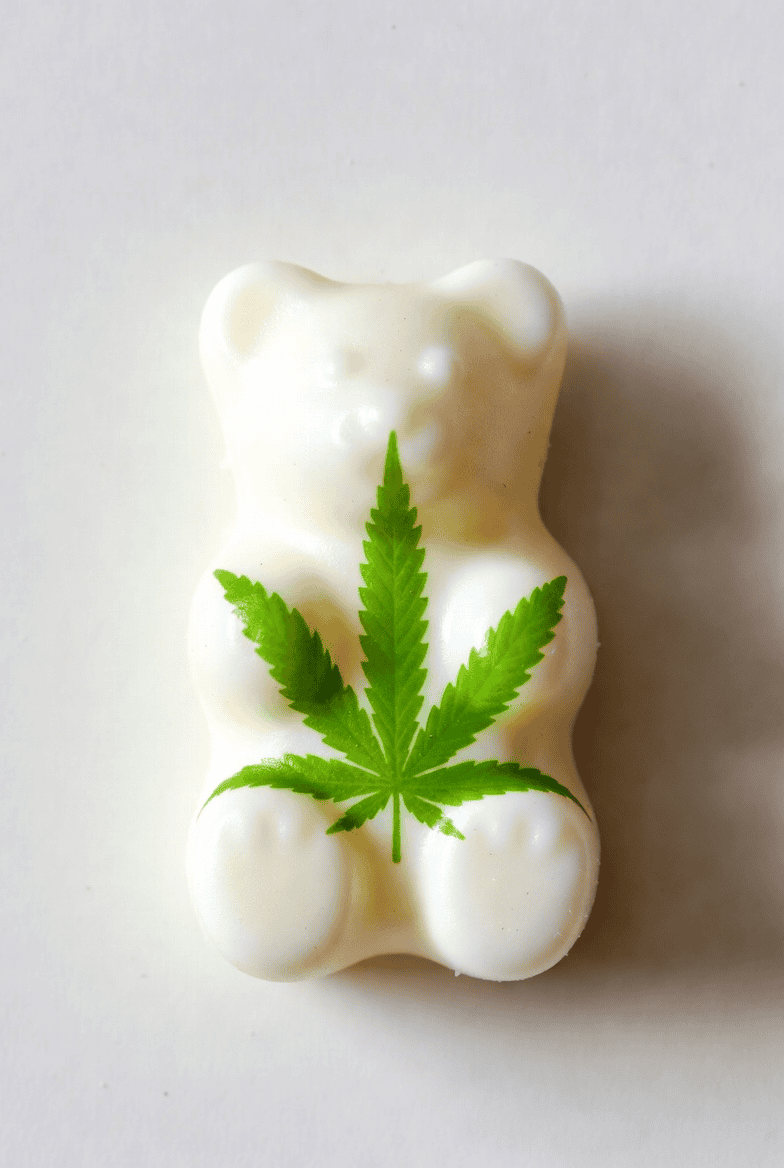
A maioria das pessoas acredita que fazer ursinhos de goma em casa — ou em escala comercial — é algo incrivelmente simples ou impossivelmente técnico. A verdade fica em algum lugar no meio, e uma vez que você entende por que cada etapa importa, todo o processo faz sentido. Seja você experimentando na sua cozinha com uma forma de silicone, ou avaliando uma configuração de produção para o seu negócio de confeitaria, este guia explica tudo o que você precisa saber sobre como fazer ursinhos de goma: os ingredientes certos, o processo preciso, a ciência por trás daquela mastigação característica e o que está mudando a indústria neste momento.
O que faz de um ursinho de goma um ursinho de goma?

Antes de aprender como fazer ursinhos de goma, é útil entender o que realmente os define. Os ursinhos de goma não são apenas doces em forma de como ursinhos — eles são uma classe específica de confeitaria baseada em um sistema de gelificação, geralmente gelatina ou pectina, combinada com açúcar, um adoçante líquido, aromatizante e cor.[morgridge]
A mágica acontece no nível molecular. Gelatina — derivada do colágeno de peles ou cascos de animais — forma uma rede de proteínas quando dissolvida em líquido quente e resfriada. Essa rede prende a água e cria a textura elástica e borbulhante que define um ursinho de goma adequado. Remova a gelatina (ou gerencie mal as temperaturas), e o que você obtém é ou uma poça pegajosa ou um pedaço de borracha — nenhum dos quais é o que você deseja.[morgridge]
Três coisas diferenciam um ótimo ursinho de goma de um medíocre:
-
A qualidade e a força de floração do agente gelificante
-
A precisão das temperaturas de cozimento
-
O tempo de resfriamento controlado e cura[summitrxusa]
Ingredientes principais: O que você realmente precisa
Ajustar a proporção dos ingredientes é onde a maioria das tentativas caseiras falha. Aqui está uma análise dos componentes principais e o que cada um realmente faz na receita.
| Ingrediente | Papel | Faixa Típica (por lote) |
|---|---|---|
| Gelatina (bloom 225) | Agente gelificante primário; cria mastigabilidade e elasticidade | 50g / ~6 pacotes [sugargeekshow] |
| Açúcar | Doçura + atua como conservante natural ao reduzir a atividade da água | 160g [sugargeekshow] |
| Xarope de milho / xarope de glicose | Previne a cristalização; adiciona corpo e brilho | 200g [sugargeekshow] |
| Água ou suco de fruta | Hidrata a gelatina; carrega o sabor | 225g [sugargeekshow] |
| Ácido cítrico | Adiciona acidez; ajuda na conservação | 10g [sugargeekshow] |
| Aromatizante de bala / extrato natural | Identidade do sabor | 10–20 gotas |
| Corante alimentício | cURL Too many subrequests. | 1–3 gotas |
Algumas coisas que vale a pena notar com base na experiência: a força de bloom importa mais do que as pessoas percebem. Uma gelatina com 225 de bloom fornece um ursinho de goma firme, estável na prateleira e com mordida real. Bloom mais baixo produz resultados mais macios e frágeis — ótimo para consumo refrigerado, mas não ideal se você quer gomas que resistam à temperatura ambiente.[saintyco]
Se você for vegano ou baseado em plantas, cURL Too many subrequests. substitui a gelatina. As gomas de pectina são mais macias e endurecem mais rápido, mas requerem um ácido (geralmente ácido cítrico) e concentrações precisas de açúcar para gelificar corretamente. Elas também têm melhor resistência ao calor — uma vantagem significativa em climas quentes ou ambientes de varejo não refrigerados.[sinofudetechnology]
Como Fazer Gomas de Ursinho: Passo a Passo
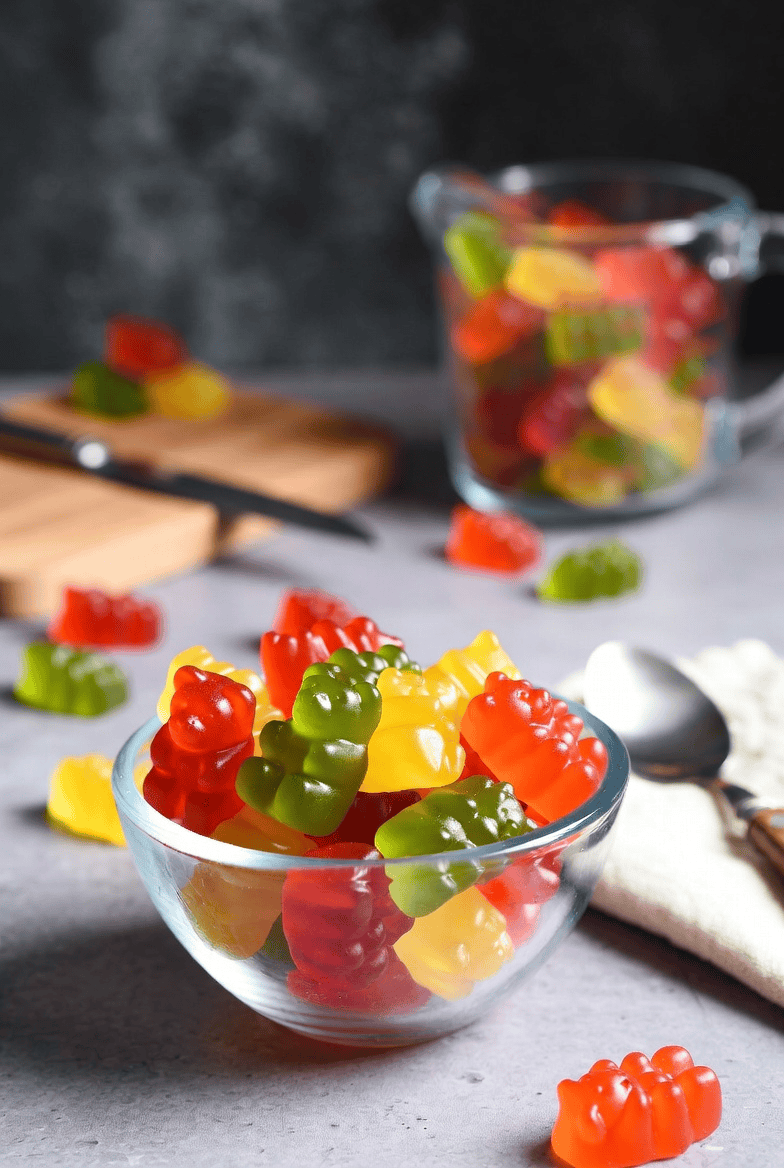
Esta é a parte em que desaceleramos e passamos por cada etapa com detalhes suficientes para realmente ser útil. Os passos abaixo são projetados para um ambiente doméstico ou de produção em pequena escala. A produção comercial segue a mesma lógica — apenas em escala maior.
Passo 1 — Hidrate a Gelatina
Despeje seu líquido (água ou suco de fruta) em uma tigela resistente ao calor ou panela pequena. Adicione o pó de gelatina e mexa suavemente para distribuir. Deixe descansar sem mexer por 5 minutos.[sugargeekshow]
Esta etapa de “florescimento” é inegociável. A gelatina precisa de tempo para absorver o líquido antes que o calor seja aplicado. Pular essa etapa fará com que a gelatina não hidrate completamente — resultando em uma textura granulada ou irregular. Use líquido frio, nunca quente.
Passo 2 — Cozinhe a Calda de Açúcar
Em uma panela separada, combine xarope de milho, açúcar e uma pequena quantidade de água. Leve ao fogo médio até atingir a fervura e a mistura atingir cURL Too many subrequests.. Este é o estágio de ponto de bola mole — a temperatura na qual evapora-se quantidade suficiente de umidade para dar às suas gomas estabilidade e mastigabilidade sem torná-las quebradiças.[sugargeekshow]
Não mexa agressivamente assim que a mistura começar a ferver. Deixe o termômetro fazer o trabalho.
Passo 3 — Combine e Clarifique
Adicione a gelatina hidratada à calda quente em pedaços, mexendo até dissolver completamente. Depois adicione o ácido cítrico e o aromatizante de bala. Neste ponto, a mistura parecerá levemente espumosa na superfície.
Deixe descansar por 10 minutos. A espuma sobe e se consolida. Remova-a cuidadosamente antes de despejar — a espuma presa no molde cria bolsas de ar na goma finalizada.[sugargeekshow]
Passo 4 — Encha os Moldes
Transfira o líquido para um funil ou conta-gotas — o controle é importante aqui. Preencha cuidadosamente cada cavidade do ursinho de goma. Encher demais cria ursinhos achatados e malformados. Encher de menos faz com que os ursinhos saiam do molde e pareçam incompletos.
Moldes de silicone para ursinho de goma (50 cavidades) são os mais práticos para uso doméstico. Para operações comerciais, sistemas de estearina criam centenas de impressões por bandeja em amido de milho de grau alimentício — um método completamente diferente, mas com o mesmo princípio fundamental.[sinofudetechnology]
Passo 5 — Refrigere, Cure e Desmolde
Refrigere o molde preenchido por pelo menos 6 horas, idealmente 24 horas. A diferença é perceptível. Um gummy de 6 horas está firme, mas ainda levemente delicado. Um gummy de 24 horas endureceu e desenvolveu melhor mastigabilidade e estrutura.[sugargeekshow]
Após desenformar, polvilhe levemente com amido de milho se os ursinhos parecerem pegajosos. Isso evita que grudem e prolonga a vida útil deles em temperatura ambiente. Para resultados totalmente estáveis, deixe-os secar ao ar por mais 24–48 horas após desenformar.[summitrxusa]
Gelatina vs. Pectina: Qual Você Deve Usar?
Essa dúvida surge constantemente, e a resposta honesta é: depende do que você está fazendo com eles.
| Recurso | Ursinhos de Gelatina | Ursinhos de Pectina |
|---|---|---|
| Textura | Firme, elástico, mastigação clássica | Mais macio, semelhante a gelatina |
| Resistência ao calor | Derrete a ~35°C (temperatura corporal) | Mais estável em temperaturas mais altas |
| Apto para veganos | Não (derivado de animais) | Sim (derivado de plantas) |
| Velocidade de endurecimento | 6–24 horas | Endurece mais rápido com ácido |
| Clareza do sabor | Base limpa e neutra | Linha de base levemente frutada |
| Uso comercial | Dominante na confeitaria | Crescendo em gomas de suplemento |
cURL Too many subrequests.+1
Para produção tradicional de doces — pense em ursinhos de goma estilo Haribo — a gelatina permanece o padrão da indústria devido à sua facilidade de uso, fornecimento consistente e à textura mastigável inconfundível que proporciona. Mas a mudança para formulações veganas é real. À medida que mais consumidores procuram opções à base de plantas, alternativas à base de pectina e amido estão sendo aprimoradas para fechar a lacuna na textura.cURL Too many subrequests.+1
Você pode ler mais sobre a ciência dos agentes de gelificação na confeitaria neste recurso autorizado de Supply Side Journal sobre gelatina vs. pectina para gomas.[cURL Too many subrequests.]
Como os Ursinhos de Goma São Feitos em Escala Industrial
Quando uma fábrica produz milhões de ursinhos de goma por dia, a química central é idêntica — mas o equipamento e a precisão estão em um nível completamente diferente. Entender esse processo é útil mesmo que você não administre uma fábrica, porque revela por que que o método caseiro funciona do jeito que funciona.
A sequência industrial geralmente segue este caminho:sinofudetechnology+1
-
Formulação e pesagem — Todos os ingredientes são medidos com precisão em grande quantidade. Operações comerciais usam sistemas de dosagem computadorizados para manter a consistência do lote.
-
Mistura e cozimento — Os ingredientes são combinados em grandes tanques aquecidos. A gelatina é dissolvida em temperaturas controladas (geralmente 115°C) para ativá-la sem degradar a estrutura da proteína.
-
Depositando — Uma máquina chamada “depositadora” despeja a mistura líquida quente em moldes pré-formados em alta velocidade. Em sistemas de mogul de amido, cavidades são pressionadas em bandejas de amido de milho de grau alimentício que absorvem a umidade superficial durante o resfriamento.[youtube]
-
Túnel de resfriamento — Moldes passam por um túnel refrigerado operando em 10–15°C por 30 minutos a 1 hora, dependendo do tamanho da goma.[sinofudetechnology]
-
Desmoldagem e acabamento — Gomas são removidas dos moldes, depois roladas com cera, óleo ou revestimento de açúcar para textura e aparência.
-
Inspeção de qualidade e embalagem — Câmeras de alta resolução e sensores verificam cada peça quanto à forma, tamanho e consistência de cor antes da embalagem.[sinofudetechnology]
A principal diferença entre um lote de fábrica bom e um ruim não é a receita — é o controle de temperatura em cada etapa e a consistência do processo de resfriamento. Mesmo uma variação de 5°C na etapa de deposição pode alterar significativamente a textura final.
Aplicações industriais: Onde a fabricação de ursinhos de goma vai além do doce
Aqui é onde fica realmente interessante. O formato de ursinho de goma — aquela combinação de portabilidade, palatabilidade e entrega de dose precisa — expandiu-se muito além do corredor de doces.[summitrxusa]
Nutracêuticos e suplementos alimentares representam o segmento de crescimento mais rápido. Vitamina C, D3, zinco, ômega-3, melatonina, colágeno — todos esses agora são entregues em formato de goma porque os consumidores (particularmente crianças e adultos que têm dificuldades com comprimidos) os acham muito mais acessíveis. O mercado global de suplementos de goma deve crescer de $13,33 bilhões em 2026 para $35,56 bilhões até 2034, com uma CAGR de 13,16%. O desafio aqui é a fidelidade na fabricação: ingredientes ativos como vitamina C são sensíveis ao calor, portanto as temperaturas de cozimento devem ser cuidadosamente gerenciadas para preservar a potência.fortunebusinessinsights+1
Produtos farmacêuticos e de saúde funcional são outra aplicação emergente. Gomas de CBD, gomas de reposição de nicotina e gomas probióticas utilizam a mesma metodologia de produção base. A matriz de gelatina ou pectina é usada para encapsular compostos ativos e controlar o tempo de liberação.
Sports nutrition marcas usam formatos de goma para carregamento de carboidratos pré-treino e suplementos de recuperação — o componente de xarope de glicose os torna de digestão rápida, o que na verdade é uma vantagem e não uma falha neste contexto.
Vitaminas e suplementos para crianças permanecem como um motor central de crescimento de mercado. O formato resolve um problema real: fazer as crianças consumirem vitaminas de forma consistente. Os fabricantes aqui devem atender a padrões regulatórios mais rígidos para precisão de dosagem e rotulagem de alérgenos.
Para uma análise mais aprofundada sobre inovação em gomas funcionais, este artigo de pesquisa da MDPI vale a pena ler: Inovações Atuais no Desenvolvimento de Balas de Goma Funcionais.[cURL Too many subrequests.]
Erros Comuns (E Como Corrigi-los)
Mesmo pessoas que já fizeram ursos de goma antes encontram o mesmo conjunto de problemas repetidamente. Aqui está o que realmente dá errado — e a verdadeira causa por trás de cada problema.
| Problema | Como Parece | Causa Raiz & Correção |
|---|---|---|
| Gomas não endurecem | Ainda líquido após mais de 6 horas na geladeira | Gelatina não foi totalmente hidratada, ou líquido demais — verifique as proporções |
| Textura arenosa | Sensação na boca cristalizada, arenosa | Xarope de açúcar cozido além da temperatura alvo, ou mexido durante a fervura — use termômetro |
| Espuma / bolhas na goma | Bolhas de ar visíveis por dentro | Não retirou a espuma ou deixou a mistura descansar — espere 10 minutos e retire a espuma antes de despejar |
| Gomas muito macias | Não mantêm a forma em temperatura ambiente | Proporção de gelatina muito baixa ou força de hidratação fraca — use gelatina com 225 de hidratação |
| Superfície pegajosa | Urso permanece junto após desenformar | Não polvilhou com amido de milho nem permitiu tempo adequado de secagem ao ar |
| Urso achatado | Forma perdida após desenformar | Cavidades subpreenchidas ou molde removido muito cedo — aguarde 24 horas completas |
O erro mais comum? Pular o termômetro. “Levar para ferver” não é uma instrução precisa para confeitaria. Temperatura é tudo. Invista em um termômetro de doces confiável e use-o sempre.
Tendências Futuras: Para onde está indo a produção de Ursos de Gelatina
O mercado de gomas não é estático. Uma série de tendências significativas estão remodelando tanto como os ursinhos de goma são feitos quanto quem os compra.
Formulações à base de plantas estão ganhando força real. À medida que o veganismo e dietas flexitarianas se expandem globalmente, a pressão sobre os fabricantes para desenvolver alternativas à base de pectina e amido com textura semelhante à gelatina está se intensificando. Empresas que investem em P&D de agentes de gelificação agora estarão melhor posicionadas à medida que a demografia dos consumidores muda.[cURL Too many subrequests.]
Ingredientes funcionais e personalização são, provavelmente, a maior mudança estrutural no mercado. Os consumidores não querem apenas doces — eles querem doces que façam algo: melhorar o sono, reduzir o estresse, apoiar a imunidade ou fornecer um nutriente direcionado. O mercado global de gomas deve crescer de USD 30,4 bilhões em 2025 para USD 92,7 bilhões até 2035, impulsionado principalmente por esse segmento de suplementos funcionais.[futuremarketinsights]
Urso de goma com menos açúcar e sem açúcar são outra área de desenvolvimento importante, especialmente à medida que crescem as preocupações com a saúde metabólica. Os fabricantes estão explorando estévia, alulose e outros adoçantes alternativos — embora replicar a textura e a função de preservação do açúcar continue sendo um desafio técnico.[pmc.ncbi.nlm.nih]
Impressão 3D de gomas é uma tecnologia emergente que permite extrusão e camadas precisas para criar formas personalizadas complexas — indo além do formato padrão de urso completamente. Embora ainda esteja em estágio inicial, representa uma oportunidade significativa para segmentos de confeitaria premium e sob medida.[sinofudetechnology]
Sustentabilidade na obtenção de matérias-primas também está entrando na conversa. A obtenção de gelatina, cadeias de suprimento de açúcar e materiais de embalagem estão sob escrutínio de reguladores e consumidores. Fabricantes que podem demonstrar uma origem rastreável e responsável terão uma vantagem competitiva.
Para uma visão mais ampla da trajetória do mercado e do cenário competitivo, o relatório de mercado de gomas da Grand View Research fornece dados de referência sólidos.[grandviewresearch]
Leitura Recomendada e Fontes de Autoridade
Para quem leva a sério aprofundar — seja como confeiteiro doméstico, empreendedor de alimentos ou desenvolvedor de produtos — esses recursos de alta autoridade valem a pena marcar como favoritos:
-
Instituto Morgridge: Como é feito um urso de gelatina? — Explicação limpa, baseada em ciência, da química da gelatina e do açúcar por trás dos ursinhos de goma. [morgridge]
-
Revista Supply Side: Como fazer uma goma melhor com gelatina ou pectina — Orientação técnica voltada para a indústria sobre a seleção e processamento de agentes gelificantes. Altamente prático para fabricantes. [cURL Too many subrequests.]
-
cURL Too many subrequests. — Pesquisa revisada por pares sobre formulações funcionais de gomas, ingredientes naturais e tendências emergentes. [cURL Too many subrequests.]
-
Grand View Research: Relatório de Tamanho, Participação e Tendências do Mercado de Gomas — Análise de mercado do setor com projeções de crescimento, segmentações e dados do cenário competitivo. [grandviewresearch]
-
Summit Rx: 7 Passos — Como as Gomas são Fabricadas como Nutraceuticos — Descrição prática da produção de gomas de grau farmacêutico, incluindo controle de temperatura para preservação do ingrediente ativo. [summitrxusa]
Para equipamentos de produção de gomas em escala comercial, incluindo linhas de produção totalmente automatizadas que lidam com mistura, deposição, resfriamento e embalagem em um sistema integrado, explore o cURL Too many subrequests. — uma solução completa para fabricantes que escalonam de pequenos lotes para produção industrial de alto volume.