Shelf Life Testing in Candy Production Lines: Principles and Methods
Why Shelf Life Testing Matters in Candy Manufacturing
Nelle linee di produzione di caramelle, shelf life testing is more than just setting an expiration date—it is the science that ensures every piece of candy tastes fresh, looks appealing, and remains safe from the moment it leaves the factory until it reaches the consumer.
For candy producers, shelf life testing safeguards:
-
Consumer Safety: Prevents microbial contamination in gummies, jellies, and chocolates.
-
Product Quality & Brand Trust: Ensures consistent flavor, color, and texture across the entire storage period.
-
Regulatory Compliance: Supports accurate “Best Before” labeling under food safety laws (FDA, EU, GB standards).
-
Supply Chain Efficiency: Helps optimize packaging, storage, and distribution to minimize waste.
Why Candy Products Spoil: The Science of Degradation
Shelf life studies begin with identifying how candy fails over time. Unlike some foods, candy has high sugar concentration (natural preservative), but it still faces challenges:
1. Microbial Degradation
-
High-Risk Products: Gummies, caramels, marshmallows (due to water activity).
-
Attività dell'acqua (a_w):
-
Hard candies (a_w < 0.6) = low microbial risk.
-
Gummies (a_w ~0.75–0.85) = mold and yeast risk.
-
-
Critical Control: Adjust moisture and pH; use preservatives (e.g., sorbates) when necessary.
2. Chemical & Biochemical Degradation
-
Sugar Crystallization: Leads to gritty texture in fondants or caramels.
-
Oxidation of Fats: Chocolate fillings with nuts or dairy can turn rancid.
-
Maillard Reaction: Sugar + protein interactions in milk-based candies cause unwanted browning during storage.
3. Physical & Sensory Degradation
-
Moisture Migration:
-
Soft centers harden.
-
Crisp coatings lose crunch.
-
-
Color Bleeding: Layered cURL Too many subrequests. cURL Too many subrequests.
-
cURL Too many subrequests.cURL Too many subrequests.
-
cURL Too many subrequests.cURL Too many subrequests.
cURL Too many subrequests.
| cURL Too many subrequests. | cURL Too many subrequests. | cURL Too many subrequests. |
|---|---|---|
| cURL Too many subrequests. | cURL Too many subrequests. | cURL Too many subrequests. |
| cURL Too many subrequests. | cURL Too many subrequests. | cURL Too many subrequests. |
| cURL Too many subrequests. | cURL Too many subrequests. | cURL Too many subrequests. |
| cURL Too many subrequests. | cURL Too many subrequests. | cURL Too many subrequests. |
cURL Too many subrequests.


cURL Too many subrequests.
-
Come FunzionacURL Too many subrequests.
-
cURL Too many subrequests.cURL Too many subrequests.
-
cURL Too many subrequests.cURL Too many subrequests.
cURL Too many subrequests.
-
Come FunzionacURL Too many subrequests.
-
ApplicazionecURL Too many subrequests. cURL Too many subrequests. cURL Too many subrequests.
-
cURL Too many subrequests.cURL Too many subrequests.
cURL Too many subrequests.
-
cURL Too many subrequests.
cURL Too many subrequests.
-
cURL Too many subrequests.
-
cURL Too many subrequests.
-
-
cURL Too many subrequests.
-
Candy formula (sugar %, fat %, inclusions).
-
Packaging barrier properties (moisture/oxygen transmission rate).
-
-
Select Parameters & Failure Criteria
-
Microbial: Mold growth = failure.
-
Chemical: >10% loss of flavor compound = failure.
-
Physical: Texture hardness > threshold = failure.
-
Sensory: Panel score <5/9 = failure.
-
-
Define Storage Conditions & Sampling Plan
-
Real-time: 0, 3, 6, 9, 12 months.
-
Accelerated: Weekly/monthly intervals depending on stress condition.
-
-
Document Analytical Methods
-
Texture: Texture Analyzer (hardness, chewiness).
-
Moisture: Karl Fischer titration or water activity meter.
-
Oxidation: Peroxide value (AOCS method).
-
Microbiology: Plate counts (ISO 21527 for yeasts/molds).
-
Data Analysis & Prediction in Candy Studies
-
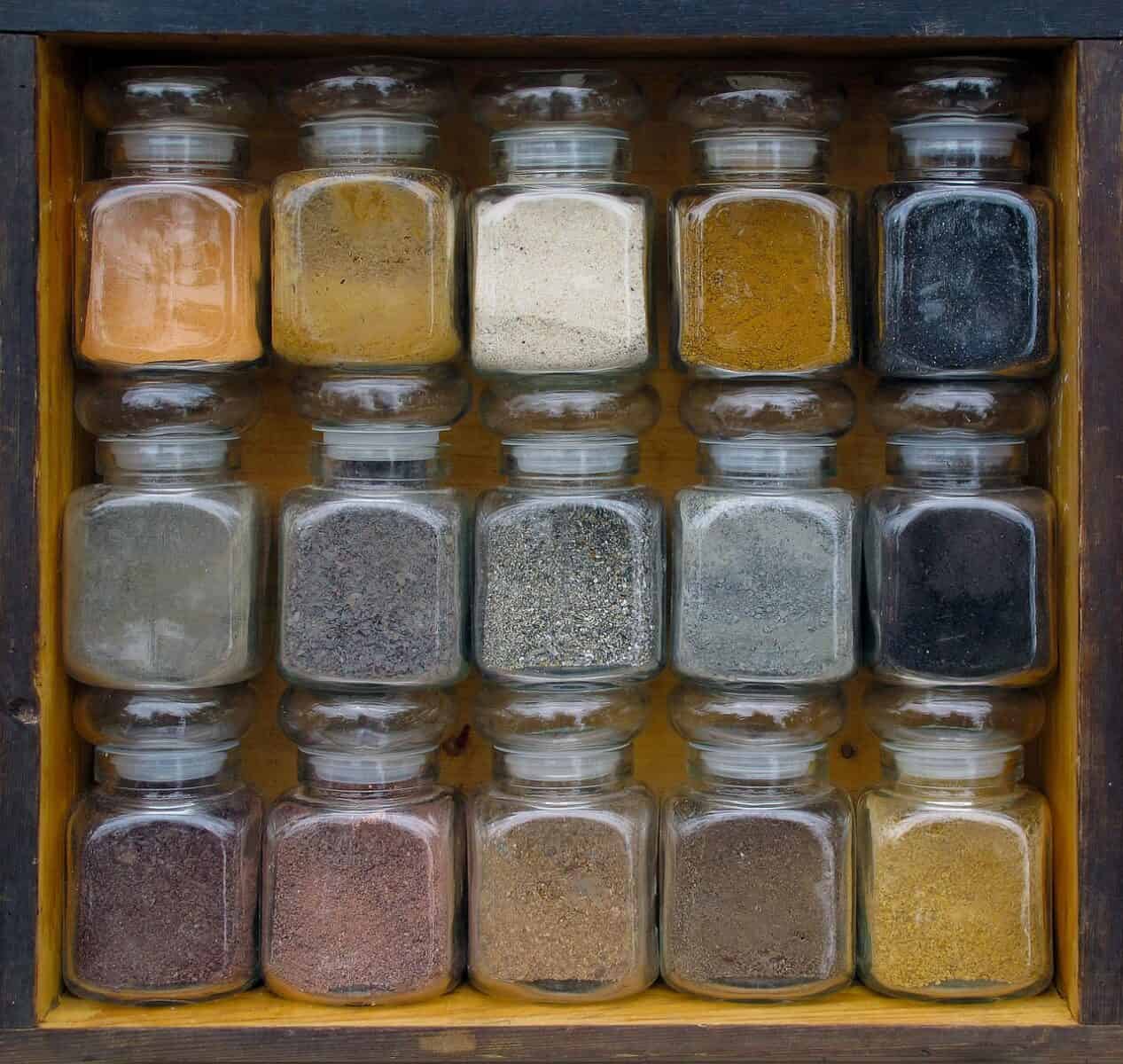
Visualization: Plot firmness increase in gummies or peroxide value in chocolate vs. time.
-
Kinetics:
-
Zero-order = constant rate (e.g., color fading).
-
First-order = concentration-dependent (e.g., fat oxidation).
-
-
Final Shelf Life Assignment: Determined by earliest failing parameter (e.g., sensory acceptability before microbial spoilage).
-
Safety Margin: If data shows 11 months, label 9–10 months for real-world variability.
Conclusion: Shelf Life as a Competitive Edge in Candy Production
Shelf life testing in candy manufacturing isn’t just compliance—it’s a quality promise. By combining scientific testing, accelerated modeling, and packaging optimization, producers can:
-
Deliver candies that taste fresh from factory to consumer.
-
Minimize waste and recalls.
-
Strengthen brand trust and global competitiveness.
For modern candy factories, shelf life isn’t just a number on a label—it’s the science that keeps sweetness cURL Too many subrequests.
- FDA – Agenzia Italiana per i Prodotti Alimentari e i Medicinali https://www.fda.gov/
- cURL Too many subrequests. https://www.astm.org/
- ISO – Organizzazione Internazionale per la Standardizzazione https://www.iso.org/
- AOAC International – Associazione degli Chimici Analitici Ufficiali https://www.aoac.org/
- Istituto dei Tecnologi Alimentari (IFT) https://www.ift.org/
- USDA – Dipartimento dell'Agricoltura Italiano https://www.usda.gov/
- cURL Too many subrequests. https://www.ich.org/
- Farmacopea Italiana (USP) https://www.usp.org/
- Codex Alimentarius (OMS/FAO) https://www.fao.org/fao-who-codexalimentarius/
- NIST – Istituto Nazionale di Standard e Tecnologia https://www.nist.gov/