How Top Cookie Companies Make Their Supply Chains Work Better: From Flour to Your Store
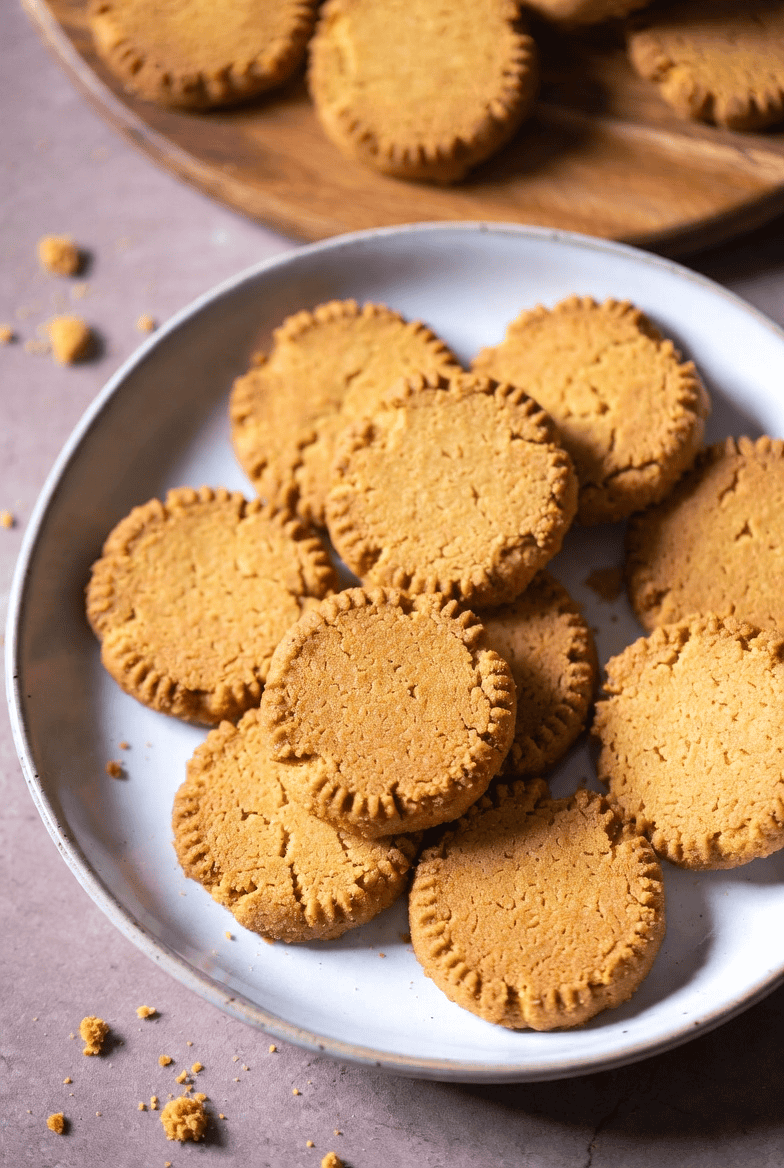
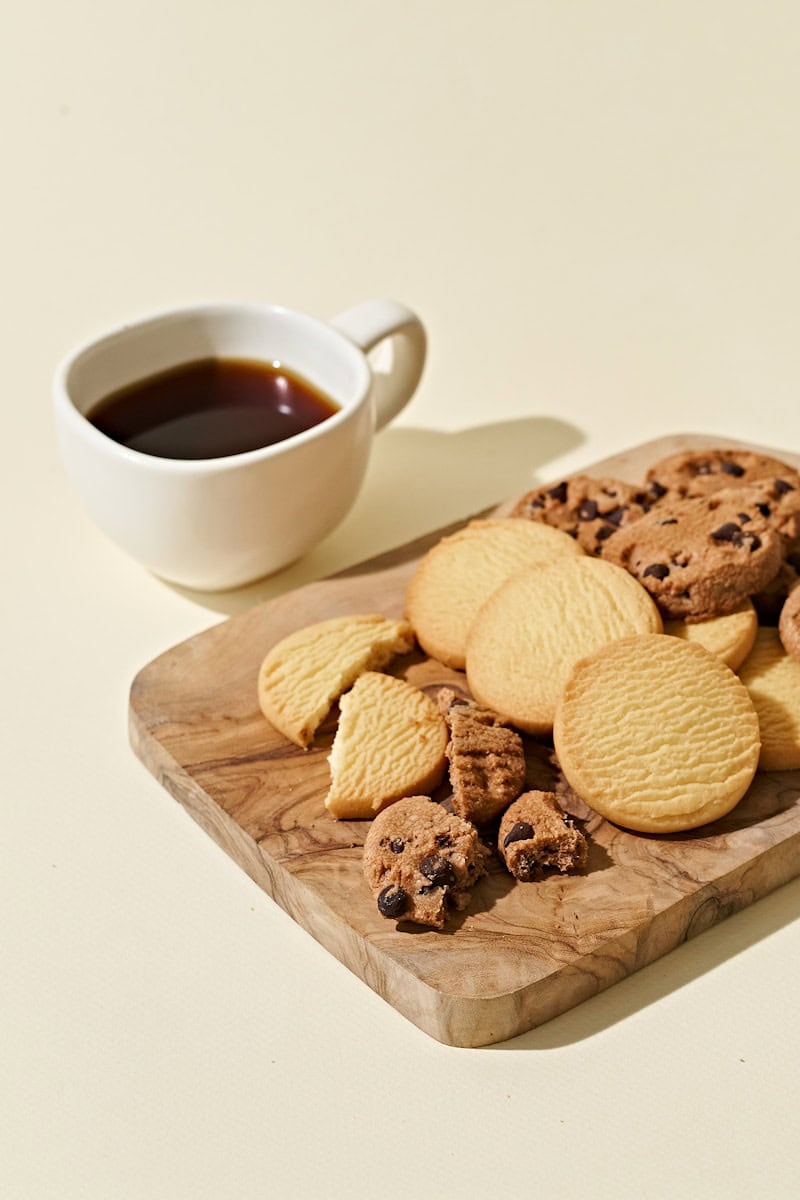
Ever wonder about the long journey your favorite chocolate chip cookie takes before it gets to your kitchen? That simple, tasty crunch is the final result of a worldwide, high-tech, and carefully planned process. The difference between a popular brand and one people forget often comes down to more than just the recipe – it’s about how well they manage their supply chain.
Top brands handle this complexity through a smart mix of working closely with partners, using advanced technology, and making decisions based on data. This isn’t just about moving ingredients and finished cookies around – it’s about creating a system that can respond quickly, work efficiently, and bounce back from problems. The heart of this success rests on three main areas we will look at closely: working deeply with suppliers, using comprehensive food automation logistics, and smart distribution methods.
This article gives you an expert look inside how this system works. We will follow each step of the modern biscuit supply chain, from getting raw materials to putting the final package on a store shelf. We will break down the strategies and technologies that make operations excellent and separate the best companies from the rest.

How Modern Supply Chains Are Built
A modern biscuit supply chain is not a simple, straight line but a highly connected and changing system. Each step is linked to others, with information flowing in all directions to help make decisions, predict problems, and make performance better. Understanding these main steps and their built-in challenges is the first step toward understanding how sophisticated the whole operation really is.
The Main Steps
- Getting Raw Materials
The process starts with finding high-quality ingredients like flour, sugar, oils, cocoa, and special flavorings, plus all the packaging materials needed. The main goal is to get consistent quality at a stable price. The key challenge is dealing with the natural price changes of farm products and making sure every batch meets strict quality and safety rules.
- Getting Materials to the Factory
Once bought, these raw materials must be moved to manufacturing plants and stored properly. This means managing truck fleets, scheduling deliveries, and keeping proper storage conditions. The main challenge is handling ingredients that can spoil and using just-in-time inventory systems to reduce storage costs and waste without risking production shutdowns.
- Manufacturing and Production
This is the heart of the operation where raw materials get changed into cookies. Processes include precise mixing, shaping, baking, cooling, and adding toppings or fillings. The main challenge is keeping absolute consistency in taste, texture, and appearance across millions of units while maximizing output and minimizing costly equipment breakdowns.
- cURL Too many subrequests.
After cooling, cookies are packaged. This includes primary packaging (the individual wrappers that touch the product) and secondary packaging (boxes, cartons, and cases for shipping). Speed, accuracy, and cleanliness are most important. A big and growing challenge is balancing packaging’s protective job with the increasing demand for sustainable materials and reduced environmental impact.
- Warehousing and Shipping Out
Finished goods are stored in warehouses before being shipped to customers. This step includes inventory management, order fulfillment, and preparing shipments. The main challenges are making the best use of warehouse space, increasing the speed and accuracy of the pick-and-pack process, and managing many different types of products (SKUs).
- Distribution and Retail
The final part of the journey involves moving finished products from warehouses to regional distribution centers and, finally, to retail stores. The goal is to get the right product to the right place at the right time. Key challenges include complex route planning to save fuel and time, and carefully managing the “freshness window” to make sure consumers get the product at its best.

Pillar 1: Smart Sourcing
Top brands gain a competitive advantage long before the first batch of dough is mixed. They do this through smart sourcing and deep supplier partnerships. This approach changes the buying process from a series of simple purchases into a working partnership focused on shared success. True supply chain integration is about creating a smooth flow of information and materials between the manufacturer and its suppliers.
This deep teamwork is a powerful tool for reducing risks. By working closely with suppliers, manufacturers can get better visibility into potential problems, such as poor harvests or shipping bottlenecks, and plan accordingly. It also helps protect against the extreme price spikes common in commodity markets. Technology is the main enabler of this integration, with shared data platforms allowing for real-time communication on inventory levels, demand forecasts, and quality control numbers. For example, strong tracking systems, often powered by blockchain, can reduce the scope of a food safety recall by up to 95%, greatly limiting financial and brand damage by pinpointing the exact source of a problem in minutes rather than days.
Key Upstream Strategies
- Long-Term Partnership Agreements
Market leaders move beyond the uncertainty of the spot market. They make multi-year contracts with key agricultural producers and material suppliers. These agreements provide price stability for the manufacturer and a guaranteed market for the supplier, creating an environment of trust and long-term investment in quality and sustainable practices.
- Data-Driven Demand Forecasting
One of the biggest challenges in any supply chain is the “bullwhip effect,” where small changes in consumer demand get bigger as they move up the chain, leading to massive over-or-under-stocking. Leading companies reduce this by sharing their sales data and demand forecasts directly with their main suppliers. This openness allows suppliers to align their own production and raw material purchasing, creating a much more stable and efficient end-to-end system.
- Tracking and Transparency
In the food industry, safety cannot be compromised. Top-tier cookie manufacturers put in place strict tracking systems. This can involve QR codes on sacks of flour or blockchain-based records for cocoa beans, allowing every single ingredient to be traced back to where it came from. This not only provides an unmatched level of food safety assurance but also serves as a powerful marketing tool for consumers who demand to know where their food comes from.
- Ethical and Sustainable Sourcing
Today’s consumers increasingly make buying decisions based on a brand’s values. Recognizing this, leading companies have built ethical and sustainable sourcing into their core strategy. This includes commitments to using 100% sustainably sourced palm oil, fair-trade cocoa, or locally sourced wheat where possible. This is not just a corporate social responsibility initiative; it’s a critical risk management tool that protects the brand’s reputation and ensures a long-term, resilient supply of key ingredients.
Pillar 2: The Manufacturing Heart
The factory floor is the nerve center of the biscuit supply chain, where smart sourcing converts into real products. Here, efficiency, consistency, and speed are most important. The key to achieving this at scale is the deep implementation of food automation logistics. This concept goes beyond simple production machinery; it refers to the automated, intelligent movement and handling of all materials—from raw ingredients to finished pallets—within the four walls of the plant. It’s about creating a synchronized, robotic dance that minimizes human error, maximizes output, and ensures uncompromising quality.
Modern cookie facilities are amazing examples of engineering, where every step is optimized. Automated systems measure ingredients with gram-level precision, something impossible to copy manually at speed. Ovens have sensors that adjust temperature and humidity in real-time for the perfect bake. The true revolution of in-plant food automation logistics, however, is seen in the connections between these processes. Instead of manual labor pushing carts, self-driving vehicles carry out these tasks, operating 24/7 with perfect precision and creating a continuous, unbroken flow of production.
Key Automation Technologies
- Automated Ingredient Handling
Production begins with large-scale storage containers for core ingredients like flour and sugar. These are connected to automated measuring systems that weigh and deliver the precise amount of each ingredient required by the recipe directly to the industrial mixers. This eliminates manual measuring errors, reduces dust and potential contamination, and ensures absolute recipe consistency from the first cookie to the millionth.
- Robotic Process Automation in Production
In the mixing, forming, and baking stages, robotics and automation are essential. Robots perform heavy lifting and repetitive tasks, such as loading pans onto conveyor belts. Within the ovens, advanced sensor arrays monitor the baking process, ensuring each cookie achieves the target color, moisture content, and texture. This level of control is critical for maintaining brand standards.
- cURL Too many subrequests.
cURL Too many subrequests.
- cURL Too many subrequests.
cURL Too many subrequests.
- cURL Too many subrequests.
cURL Too many subrequests.
cURL Too many subrequests.
| cURL Too many subrequests. | cURL Too many subrequests. | cURL Too many subrequests. | cURL Too many subrequests. |
| cURL Too many subrequests. | cURL Too many subrequests. | cURL Too many subrequests. | cURL Too many subrequests. |
| cURL Too many subrequests. | cURL Too many subrequests. | cURL Too many subrequests. | cURL Too many subrequests. |
| cURL Too many subrequests. | cURL Too many subrequests. | cURL Too many subrequests. | cURL Too many subrequests. |
| cURL Too many subrequests. | cURL Too many subrequests. | cURL Too many subrequests. | cURL Too many subrequests. |
cURL Too many subrequests.
cURL Too many subrequests.
cURL Too many subrequests.
cURL Too many subrequests.
- cURL Too many subrequests.
cURL Too many subrequests.
- cURL Too many subrequests.
cURL Too many subrequests.
- cURL Too many subrequests.
cURL Too many subrequests.
cURL Too many subrequests.
- cURL Too many subrequests.
cURL Too many subrequests.
- cURL Too many subrequests.
cURL Too many subrequests.
- Data-Driven Inventory Placement
Why ship a product across the country if you don’t have to? By analyzing point-of-sale data from retailers, companies can predict regional demand with high accuracy. This allows them to strategically place high-volume products in their distribution network, storing them in regional centers closer to the areas of highest demand. This strategy shortens delivery times, reduces transportation costs, and improves on-shelf availability.
Biscuit Supply Chain: Challenges & Solutions
| Supply Chain Stage | Sfida principale | Technology-Driven Solution | Impact/Benefit |
| Procurement | Ingredient price volatility & supply uncertainty | Long-term contracts & shared demand forecasting platforms | Cost stability, reduced bullwhip effect, stronger supplier relations |
| Manufacturing | Production line downtime & quality inconsistency | IoT sensors for predictive maintenance & vision systems | Increased Overall Equipment Effectiveness (OEE), near-zero defects |
| Distribution | Inefficient delivery routes & high fuel costs | AI-powered route optimization software | Reduced fuel consumption, shorter delivery times, lower carbon footprint |
Case Study: The GlobalBake Playbook
To see how these pillars come together, let’s look at the operations of a hypothetical industry leader, “GlobalBake Corp.,” famous for its “CrunchJoy” cookies. Viewing their process through the lens of a Supply Chain Director provides a practical blueprint for excellence. At GlobalBake, we don’t see the supply chain as a cost center; we see it as our primary competitive weapon.
Our journey begins with deep supply chain integration. We don’t just buy cocoa; we partner with farming cooperatives in key regions. Our shared data platform provides them with our two-year demand forecast, allowing them to plan their planting cycles. In return, we get real-time data on crop health and projected yields. This transparency was critical last year when an unexpected drought threatened a major harvest. Our system flagged the potential shortfall six months in advance, giving us plenty of time to secure volume from a partner in another region, completely avoiding a production disruption.
The implementation of food automation logistics inside our plants has solved three major bottlenecks for us: changeover times, quality control, and end-of-line packing. The “lights-out” module in our newest facility is a testament to this philosophy. In this section, AGVs deliver cooled cookies to a series of 30 robotic packaging cells. Each cell can be reprogrammed in under five minutes to handle a different cookie shape or package size. This flexibility, combined with our vision systems that reject one imperfect cookie in 50,000, is something manual operations could never achieve.
The GlobalBake Playbook
- From Farm to Factory
Our partnership with wheat suppliers goes beyond simple purchasing. We provide them with access to our quality control data, showing them exactly how their crop’s protein levels affect the final bake of our CrunchJoy cookies. This feedback loop has helped them refine their farming practices, leading to a 10% improvement in ingredient consistency over three years.
- The “Lights-Out” Production Module
The most advanced section of our flagship plant runs almost entirely without human intervention from post-baking to stacking on pallets. This module, focused on our highest-volume products, operates with an Overall Equipment Effectiveness (OEE) of over 90%, compared to an industry average closer to 70%. This is the pinnacle of food automation logistics.
- Winning the Shelf-Space Battle
The final piece of the puzzle is our responsive distribution network. Our WMS is connected directly with the inventory systems of our largest retail partners. When stock of CrunchJoy cookies at a specific distribution center drops below a set level, our system automatically triggers a replenishment order from the nearest plant. This proactive approach is why our on-shelf availability is consistently above 99%, ensuring a customer looking for CrunchJoy always finds it.
Measuring Success: KPIs at GlobalBake
| KPI (Key Performance Indicator) | What It Measures | GlobalBake’s Target | Why It’s Crucial |
| Order Fill Rate | Percentage of customer orders shipped completely on the first shipment | >99.5% | cURL Too many subrequests. |
| cURL Too many subrequests. | cURL Too many subrequests. | cURL Too many subrequests. | cURL Too many subrequests. |
| cURL Too many subrequests. | cURL Too many subrequests. | cURL Too many subrequests. | cURL Too many subrequests. |
| cURL Too many subrequests. | cURL Too many subrequests. | cURL Too many subrequests. | cURL Too many subrequests. |
cURL Too many subrequests.
cURL Too many subrequests.
cURL Too many subrequests.
cURL Too many subrequests.
- cURL Too many subrequests.
cURL Too many subrequests.
- cURL Too many subrequests.
cURL Too many subrequests.
- cURL Too many subrequests.
cURL Too many subrequests.
- cURL Too many subrequests.
cURL Too many subrequests.

cURL Too many subrequests.
cURL Too many subrequests.
cURL Too many subrequests.
Domande Frequenti (FAQ)
cURL Too many subrequests.
Il cURL Too many subrequests. cURL Too many subrequests.
cURL Too many subrequests.
- cURL Too many subrequests. cURL Too many subrequests.
- cURL Too many subrequests. cURL Too many subrequests.
- cURL Too many subrequests. cURL Too many subrequests.
- cURL Too many subrequests. cURL Too many subrequests.
cURL Too many subrequests.
cURL Too many subrequests.
Food automation logistics goes beyond just automating individual production machines. It refers to the complete, intelligent automation of material flow throughout the entire facility—from raw ingredient storage to finished pallet staging.
Key differences:
- Traditional automation: Individual machines (mixers, ovens, wrappers) operate automatically
- Food automation logistics: The entire material transport system is automated and coordinated
Components include:
- Automated ingredient dosing and delivery systems
- AGVs (Automated Guided Vehicles) for internal transport
- Robotic pick-and-place systems
- AI-powered vision inspection
- Integrated warehouse management systems
The result is a continuous, 24/7 flow with minimal human intervention and maximum consistency.
Q3: How do cookie companies ensure ingredient traceability from farm to finished product?
Modern traceability systems use a combination of technologies:
At the supplier level:
- Lot coding and batch numbers on all incoming ingredients
- Certificates of Analysis (COA) with every shipment
- QR codes or RFID tags on packaging (flour bags, chocolate shipments)
- Blockchain technology for high-value ingredients like cocoa
During manufacturing:
- ERP systems that record which ingredient lots went into which production batches
- Real-time data capture at every process step
- Retention samples stored for every production run
Result: If a contamination issue arises, companies can trace the exact source in minutes instead of days, potentially reducing recall scope by 95% and saving millions in costs and brand damage.
Q4: What is an AS/RS system and why do cookie companies use them?
AS/RS (Automated Storage and Retrieval System) is a warehouse technology featuring:
- Towering rack structures up to 100+ feet high
- cURL Too many subrequests. cURL Too many subrequests.
- cURL Too many subrequests. cURL Too many subrequests.
cURL Too many subrequests.
- cURL Too many subrequests.cURL Too many subrequests.
- cURL Too many subrequests.cURL Too many subrequests.
- cURL Too many subrequests.cURL Too many subrequests.
- cURL Too many subrequests.cURL Too many subrequests.
- cURL Too many subrequests.cURL Too many subrequests.
cURL Too many subrequests.
cURL Too many subrequests.
cURL Too many subrequests. cURL Too many subrequests.
cURL Too many subrequests.
- cURL Too many subrequests.
- cURL Too many subrequests.
- cURL Too many subrequests.
- cURL Too many subrequests.
- cURL Too many subrequests.
cURL Too many subrequests.
- cURL Too many subrequests. cURL Too many subrequests.
- cURL Too many subrequests. cURL Too many subrequests.
- cURL Too many subrequests. cURL Too many subrequests.
- cURL Too many subrequests. cURL Too many subrequests.
cURL Too many subrequests. cURL Too many subrequests.
cURL Too many subrequests.
cURL Too many subrequests. cURL Too many subrequests.
cURL Too many subrequests.
- cURL Too many subrequests.
- cURL Too many subrequests.
- Less risk of ingredient spoilage
- Improved cash flow
Risks (exposed by recent disruptions):
- No buffer stock for supply interruptions
- Vulnerable to shipping delays (port congestion, weather, strikes)
- Single-source dependencies create major vulnerabilities
- Cannot respond quickly to unexpected demand spikes
Modern approach: Leading companies now balance JIT efficiency with strategic safety stock of critical ingredients (like flour, sugar) while maintaining JIT for perishables and specialty items. This “just-in-case” hybrid model provides resilience without excessive costs.
Q7: How do cookie companies use predictive analytics to anticipate supply chain problems?
Predictive analytics uses AI and machine learning to forecast issues before they occur:
Data sources analyzed:
- Weather patterns in agricultural regions (flour, cocoa supply)
- Satellite imagery of crop health
- Shipping lane congestion reports
- Social media sentiment trends
- Historical seasonal demand patterns
- Commodity price movements
Predictive capabilities:
- Crop yield predictions 6 months in advance
- Port congestion forecasts allowing route changes
- Demand surge predictions from social media trends
- Equipment failure predictions from sensor data (vibration, temperature)
Example: A predictive system might detect unusual weather patterns in wheat-growing regions 4 months before harvest, allowing the company to lock in alternative supply contracts before prices spike or shortages occur.
Q8: What does “near-shoring” mean and why are cookie companies doing it?
Near-shoring cURL Too many subrequests.
cURL Too many subrequests. cURL Too many subrequests. cURL Too many subrequests. cURL Too many subrequests.
cURL Too many subrequests.
- cURL Too many subrequests.cURL Too many subrequests.
- cURL Too many subrequests.cURL Too many subrequests.
- cURL Too many subrequests.cURL Too many subrequests.
- cURL Too many subrequests.cURL Too many subrequests.
- cURL Too many subrequests.cURL Too many subrequests.
- SostenibilitàcURL Too many subrequests.
cURL Too many subrequests. cURL Too many subrequests.
cURL Too many subrequests.
cURL Too many subrequests.
cURL Too many subrequests.
- cURL Too many subrequests.
- cURL Too many subrequests.
- cURL Too many subrequests.
cURL Too many subrequests.
- cURL Too many subrequests.
- cURL Too many subrequests.
- cURL Too many subrequests.
cURL Too many subrequests.
- cURL Too many subrequests.
- cURL Too many subrequests.
- cURL Too many subrequests.
- cURL Too many subrequests.
cURL Too many subrequests.
- cURL Too many subrequests.
- cURL Too many subrequests.
- cURL Too many subrequests.
cURL Too many subrequests.
- cURL Too many subrequests.
- cURL Too many subrequests.
cURL Too many subrequests.
Blockchain creates an immutable, shared digital ledger that records every transaction and movement in the supply chain:
How it works:
- Farmer/Producer records harvest data and creates a digital certificate
- Each handler (processor, transporter, manufacturer) adds their transaction to the chain
- Data cannot be altered retroactively—blockchain ensures integrity
- All authorized parties can view the complete history in real-time
Benefits for cookie manufacturers:
- Instant traceability: Track flour back to specific farm in seconds vs. days
- Recall precision: Identify exactly which finished products contain contaminated ingredients
- Fraud prevention: Verify authenticity of premium ingredients (organic, fair-trade)
- Regulatory compliance: Automatic documentation for food safety audits
- Consumer transparency: QR codes on packages link to full ingredient history
Example scenario: If Salmonella is detected in a flour shipment, blockchain instantly identifies which specific batches used that flour, limiting the recall to thousands of packages instead of millions—potentially saving $10M+ in recall costs.
- Supply chain management – Wikipedia https://en.wikipedia.org/wiki/Supply_chain_management
- Food Supply Chain Management Guide – GEP Blog https://www.gep.com/blog/strategy/food-supply-chain-stages-models-challenges-best-practices
- Transforming Food Supply Chain Management Through Automation – Food Logistics https://www.foodlogistics.com/software-technology/automation/article/22891670/loftware-inc-transforming-food-supply-chain-management-through-automation
- Supply Chain Management in the Food Industry – Centric Software https://www.centricsoftware.com/blog/supply-chain-management-in-the-food-industry/
- Food supply chain: a comprehensive guide – DNV https://www.dnv.com/assurance/food-and-beverage/food-supply-chain-stages-models-and-practices/
- Automated Guided Vehicle – Wikipedia https://en.wikipedia.org/wiki/Automated_guided_vehicle
- AGV and Industry 4.0 in warehouses – Springer https://link.springer.com/article/10.1007/s00170-024-14127-0
- Warehouse management system – Wikipedia https://en.wikipedia.org/wiki/Warehouse_management_system
- Restaurant Supply Chain Automation and Digitization – Deloitte https://www.deloitte.com/us/en/Industries/consumer/articles/restaurant-supply-chain-automation.html
- Automated Storage and Retrieval System (AS/RS) – Dematic https://www.dematic.com/en-us/products/storage-retrieval/automated-storage-and-retrieval-system/