If you’re sourcing halal candy for the first time and think “no pork = halal,” stop right there. That’s the single most expensive mistake manufacturers and buyers make in this category. The real question isn’t just what the candy avoids — it’s whether every ingredient in the supply chain has been traced back to a certified halal source, and whether the production facility has a Zero Cross-Contamination Protocol in place. Get both right, and you have a product you can sell globally. Miss either one, and you’ll find yourself pulling a certified product off shelves in Malaysia or losing a major retail contract. We’ve seen it happen. Here’s how to do it correctly the first time.
What Halal Candy Actually Means (and Where Confusion Starts)
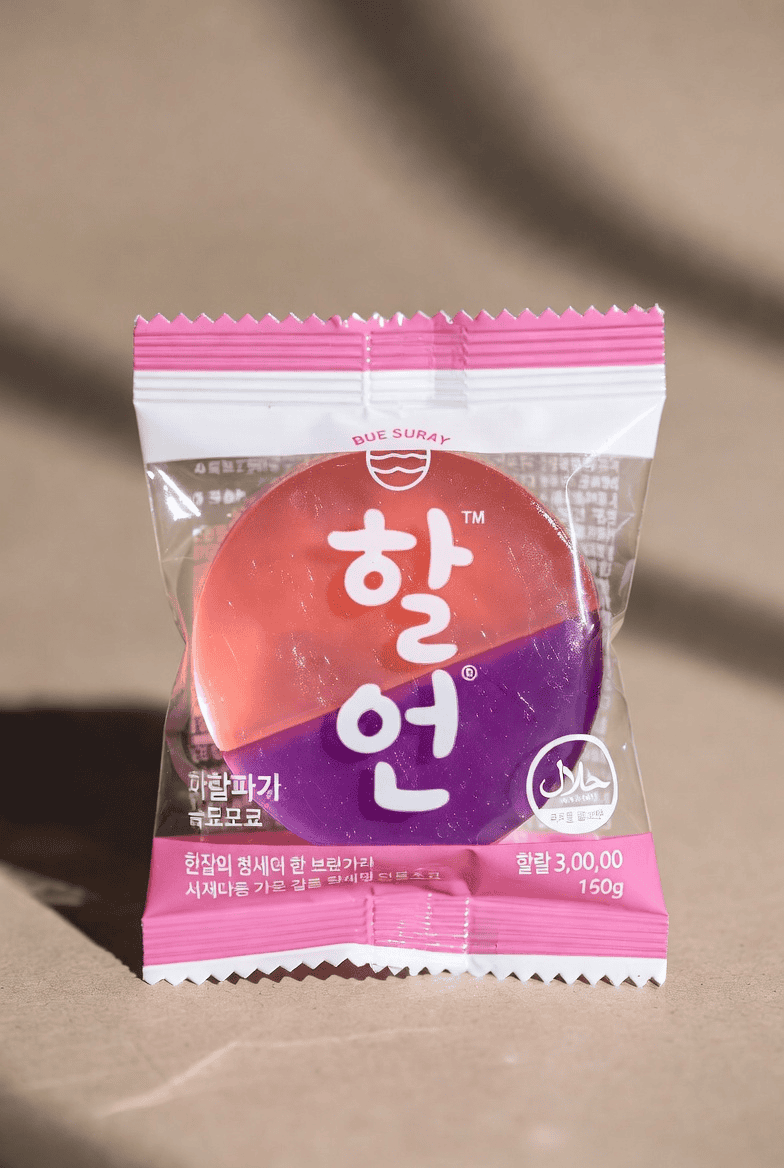
Halal, in Arabic, means “permissible.” For candy, this definition cascades down through every single touchpoint: raw material sourcing, processing aids, equipment cleaning agents, packaging adhesives, and finally, distribution.[storethecandy]
The confusion almost always starts at one place: gelatin. Most consumers assume that if a product doesn’t say “pork” on the label, the gelatin inside is fine. It isn’t. As Halal Foundation explains, gelatin from cattle can only be considered halal if the animals were slaughtered strictly according to Islamic law — and without verifiable documentation from the supplier, that claim is impossible to confirm.[halalfoundation]
Common ingredients people assume are halal but are often not:
-
Gelatina — may be derived from pork, non-zabiha beef, or undisclosed mixed sources
-
Carmine / Cochineal (E120) — a red dye made from crushed insects, widely used in red and pink candy
-
Natural flavors — can include alcohol-based carrier solvents
-
Glycerin / Glycerol (E422) — can be animal-derived, used as a humectant in soft gummies and chews
-
Shellac (E904) — a glaze derived from the lac insect, used to coat hard candies and confectionsretailjourney+1
The safest posture for any manufacturer is to treat all ambiguous ingredients as “mashbooh” (doubtful) until the supplier provides traceable halal certification documentation for that specific ingredient lot.
The Anatomy of Halal Candy Ingredients
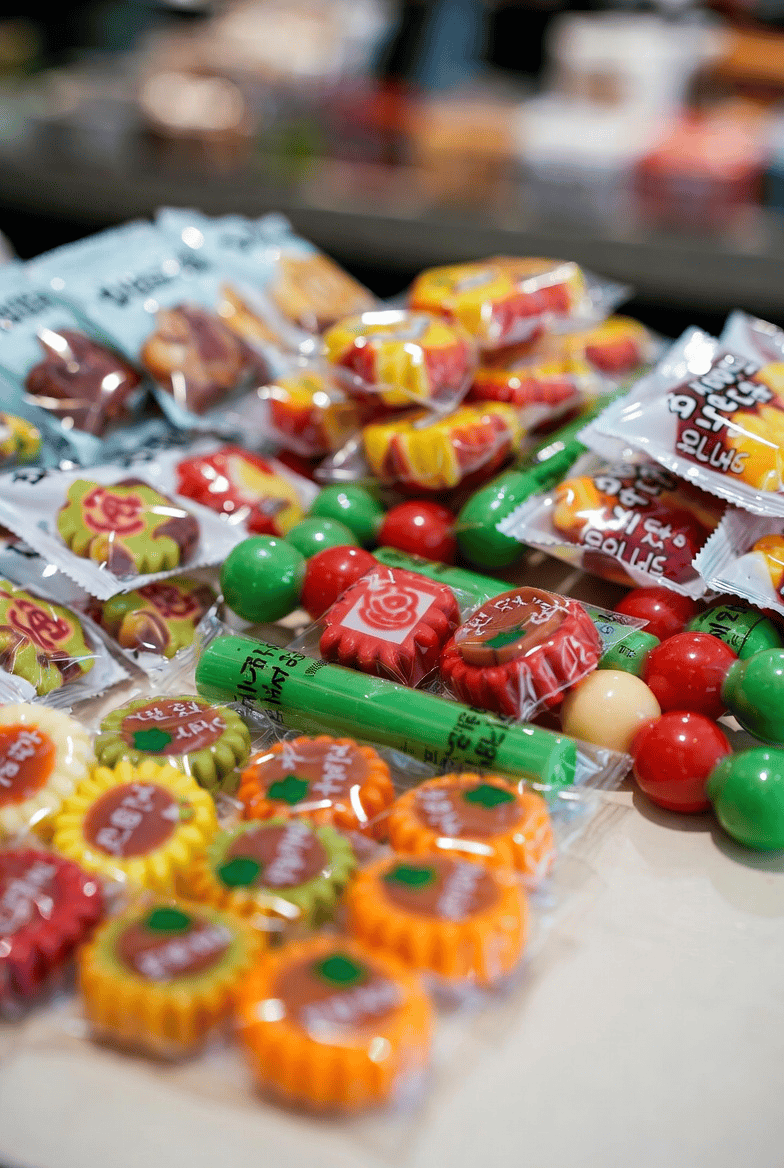
Understanding what goes into halal candy at a formulation level is genuinely important — not just for compliance, but for making better products. The gelling agent you choose, for example, doesn’t just affect your halal status; it also determines your texture, your melting point, and your shelf life. These decisions are inseparable.
Table 1: Halal Candy Ingredient Risk Matrix
| Ingredient Category | Common Source | Halal Risk Level | Compliant Alternative |
|---|---|---|---|
| Gelatin (gelling agent) | Porcine or bovine collagen | ⚠️ HIGH — requires verified zabiha sourcing or full replacement | Pectin (citrus/apple), Agar-agar, Carrageenan |
| Colorants | Cochineal (E120), synthetic azo dyes | ⚠️ MEDIUM — cochineal is insect-derived and widely considered haram | Plant-based colors (beet, turmeric, spirulina) |
| Natural flavors | Alcohol-based carrier solvents (ethanol) | cURL Too many subrequests. | cURL Too many subrequests. |
| cURL Too many subrequests. | cURL Too many subrequests. | cURL Too many subrequests. | cURL Too many subrequests. |
| cURL Too many subrequests. | cURL Too many subrequests. | cURL Too many subrequests. | cURL Too many subrequests. |
| cURL Too many subrequests. | cURL Too many subrequests. | cURL Too many subrequests. | cURL Too many subrequests. |
cURL Too many subrequests. cURL Too many subrequests.cURL Too many subrequests.[pmc.ncbi.nlm.nih]
cURL Too many subrequests. cURL Too many subrequests. cURL Too many subrequests. cURL Too many subrequests. cURL Too many subrequests.[pmc.ncbi.nlm.nih]
cURL Too many subrequests.
cURL Too many subrequests.
cURL Too many subrequests.
cURL Too many subrequests.
| cURL Too many subrequests. | Nome completo | cURL Too many subrequests. | cURL Too many subrequests. | cURL Too many subrequests. |
|---|---|---|---|---|
| cURL Too many subrequests. | cURL Too many subrequests. | cURL Too many subrequests. | cURL Too many subrequests. | cURL Too many subrequests. |
| cURL Too many subrequests. | cURL Too many subrequests. | cURL Too many subrequests. | cURL Too many subrequests. | cURL Too many subrequests. |
| cURL Too many subrequests. | cURL Too many subrequests. | USA, Canada, GCC, parts of Europe | 2–4 months | Yes — batch-specific available |
| AHF | American Halal Foundation | USA, with growing GCC recognition | 6–12 weeks | Yes — batch certification process [halalfoundation] |
The practical advice: if you are exporting to Southeast Asia, do not skip MUI and JAKIM. They are non-negotiable for retail shelf entry in Indonesia and Malaysia. If your priority is North America or Europe, IFANCA or AHF will move faster and their batch certification process offers traceability that premium retailers increasingly demand.ingreland+1
One underrated point: the Halal Foundation emphasizes that halal certification is not a one-time audit — it requires ongoing ingredient monitoring, especially when suppliers change formulations or switch sub-ingredient vendors. Many manufacturers are blindsided by this during renewal.[halalfoundation]
Step-by-Step: How to Audit Your Production Line for Halal Compliance
Here’s the uncomfortable reality: We once reviewed a facility that had held halal certification for three years. During a standard audit prep, we discovered that a shared polishing drum — used for both conventional toffees and their halal-certified gummies — was being cleaned with a caustic agent that contained an undisclosed ethanol-based rinse aid. The entire halal line failed re-certification. Three months of production was at risk. This is not a hypothetical scenario.
The root of the problem is that most production teams understand what goes into the candy, but not what the candy touches during production. Here is the full Halal Control Point (HCP) audit path:
Stage 1: Raw Material Receiving
-
Require supplier-level halal certificates (not just ingredient spec sheets) for every lot of gelatin, flavors, colors, and glycerol. Photocopies of generic halal certificates are insufficient — request the certificate number and verify its validity directly with the issuing body.
-
Cross-reference against an approved ingredient list maintained by your certification body.
Stage 2: Storage and Segregation
-
Halal-designated raw materials must be physically segregated from any non-halal or “doubtful” items. Shared storage racks are a common audit failure point.
-
All storage containers touching halal ingredients must be dedicated-use only, or cleaned according to the Islamic purification protocol (Sertu or equivalent) when transitioning from non-halal use.
Stage 3: Production Equipment and Processing
-
Identify every piece of equipment that contacts the product: mixing tanks, depositors, cooling belts, polishing drums, coating pans.
-
If any equipment is shared between halal and non-halal production runs, a full washdown protocol — approved by your certification body — must be documented and timestamped for every changeover.[journal.uinsgd.ac]
-
Common failure point: flavor dosing pumps. If a pump was previously used with an alcohol-based flavor carrier and is then used in a halal run without documented cleaning, the batch is compromised.
Stage 4: Packaging and Outbound Logistics
-
Packaging adhesives and inks can contain animal-derived components. Verify with your packaging supplier.
-
During transit, halal candy must not share containers with non-halal meat products or alcohol-containing goods.
cURL Too many subrequests. Many manufacturers believe that switching to plant-based gelatin automatically grants halal status without any other changes. In reality, if the manufacturing facility still processes pork-derived gelatin products cURL Too many subrequests.[journal.uinsgd.ac]
cURL Too many subrequests.
cURL Too many subrequests.cURL Too many subrequests.+1
cURL Too many subrequests.
-
cURL Too many subrequests. cURL Too many subrequests.
-
cURL Too many subrequests. cURL Too many subrequests.
-
cURL Too many subrequests. cURL Too many subrequests.
cURL Too many subrequests.pmc.ncbi.nlm.nih+1
cURL Too many subrequests.[cURL Too many subrequests.]
cURL Too many subrequests.
cURL Too many subrequests.
cURL Too many subrequests.
| Tendenza | cURL Too many subrequests. | cURL Too many subrequests. | Azione consigliata |
|---|---|---|---|
| cURL Too many subrequests. | cURL Too many subrequests. | cURL Too many subrequests. | cURL Too many subrequests. |
| cURL Too many subrequests. | cURL Too many subrequests. | cURL Too many subrequests. | cURL Too many subrequests. |
| cURL Too many subrequests. | cURL Too many subrequests. | cURL Too many subrequests. | cURL Too many subrequests. |
| cURL Too many subrequests. | cURL Too many subrequests. | cURL Too many subrequests. | cURL Too many subrequests. [halalfoundation] |
cURL Too many subrequests. cURL Too many subrequests.cURL Too many subrequests.
-
cURL Too many subrequests.
https://halalfoundation.org/is-gelatin-halal/ -
cURL Too many subrequests.
https://storethecandy.com/what-is-halal-candy-a-complete-guide-to-ingredients-certification-and-where-to-buy/ -
cURL Too many subrequests.
https://pmc.ncbi.nlm.nih.gov/articles/PMC10778822/ -
cURL Too many subrequests.
https://halalworldinstitute.org/en/news/institute-news/item/162-halal-food-market-size,-share-and-trends-2025-to-2034.html -
Halal Certification Requirements for Nutraceuticals — American Halal Foundation
https://halalfoundation.org/halal-certification-requirements-for-nutraceuticals/