Struggling with sticky, weeping cactus candy that simply won’t hold its shape on the retail shelf? You aren’t alone. Achieving the perfect gel structure using natural prickly pear juice requires pinpoint pH control and the precise hydration of citrus pectin, not just mindlessly boiling fruit syrup and sugar. If your batches are failing, the solution is almost always adjusting your final cook temperature to 225°F and lowering your pH to exactly 3.2 before depositing. We’ve ruined enough batches to know exactly what works; here is the definitive, step-by-step guide to stabilizing your recipe and scaling your cactus candy production efficiently.
The Reality of Cactus Candy Production
We remember our first commercial batch. It was an absolute disaster. Despite meticulously following a traditional recipe passed down from a local confectioner, the high ambient humidity of our facility interacted with the un-buffered prickly pear juice. The result? Three hundred pounds of unusable, sticky syrup that stubbornly refused to set into the firm, sugary cubes we needed.
Making cactus candy involves a lot more than just mixing sugar and cactus juice. Because the natural acidity and water content of the Opuntia fruit fluctuate wildly depending on the harvest season, treating every batch the exact same way is a recipe for inconsistency. By actively measuring the Brix (sugar content) and titratable acidity before cooking, we transformed our rejection rate from a frustrating 18% down to near zero. If you plan to manufacture cactus candy for profit, treating the process as a precise chemical reaction rather than a casual kitchen experiment is your first major hurdle.
The Anatomy of a Desert Confection: Ingredients that Matter
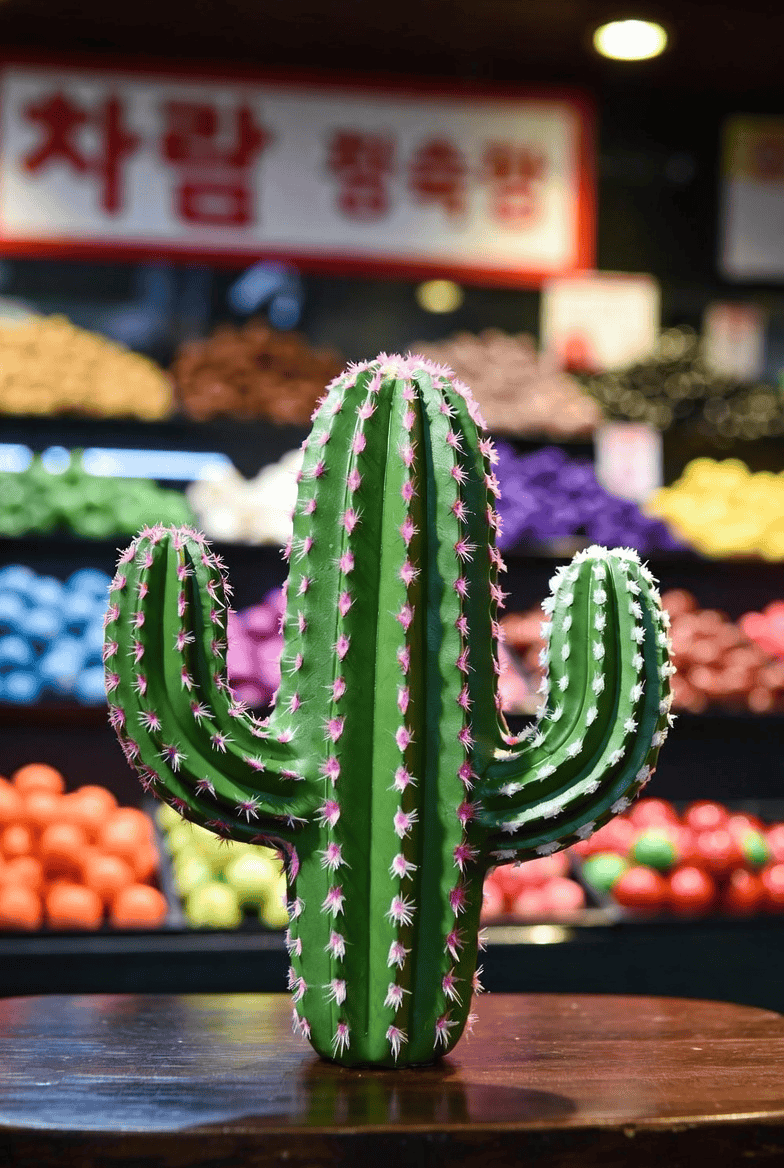
To truly control your cactus candy, you have to break down its anatomical structure. Authentic cactus candy heavily relies on the vibrant, magenta juice extracted from the prickly pear cactus fruit. But this juice alone cannot form a stable confectionery product.
According to a deep dive into historical confectioneries by Atlas Obscura, commercial operations have been turning these desert fruits into jellied treats for decades, often relying on a highly specific blend of ingredients to maintain that iconic chew. The fruit itself brings more to the table than just flavor and color. The base ingredient, Opuntia fruit, is widely recognized for its phytochemical profile. In fact, Dr. Axe notes its rich supply of antioxidants that help defend against oxidative stress, giving the candy a unique “functional” halo in the modern market.
Below is a breakdown of the core ingredients and their exact functions in commercial cactus candy:
Table 1: Core Components of Cactus Candy
| Ingredient Category | Primary Example | Function in the Candy Matrix |
|---|---|---|
| Flavor & Color Base | Prickly Pear (Opuntia) Juice | Provides the signature watermelon-bubblegum flavor profile and bright magenta color. |
| Structural Agent | HM (High Methoxyl) Citrus Pectin | Creates the rigid, jellied structure. Requires high sugar and low pH to set properly. |
| Dolcificanti | Cane Sugar & Corn Syrup (43 DE) | Prevents sugar crystallization. Balances the sweetness and controls water activity (Aw). |
| Acidulant | Citric Acid Solution (50/50) | Drops the pH to the critical 3.2 – 3.4 range, triggering the pectin to gel immediately. |
| Coating | Sanding Sugar | Prevents the finished cubes from sticking together in packaging and provides a satisfying crunch. |
Understanding this matrix is non-negotiable. Swap corn syrup for pure cane sugar, and your cactus candy will crystallize within weeks. Use gelatin instead of pectin, and you completely lose the traditional tender “short bite” that consumers expect from a premium southwestern treat.
Step-by-Step: Solving the “Weeping” Cactus Candy Problem
The Problem: Your cactus candy “weeps” moisture inside the bag, dissolving the sanding sugar and turning into an unappealing, sticky block.
cURL Too many subrequests. cURL Too many subrequests.
cURL Too many subrequests.
cURL Too many subrequests.
cURL Too many subrequests.
cURL Too many subrequests.
cURL Too many subrequests.
cURL Too many subrequests.
cURL Too many subrequests. cURL Too many subrequests. cURL Too many subrequests. cURL Too many subrequests. cURL Too many subrequests.
cURL Too many subrequests.
cURL Too many subrequests.
cURL Too many subrequests. cURL Too many subrequests.
cURL Too many subrequests.
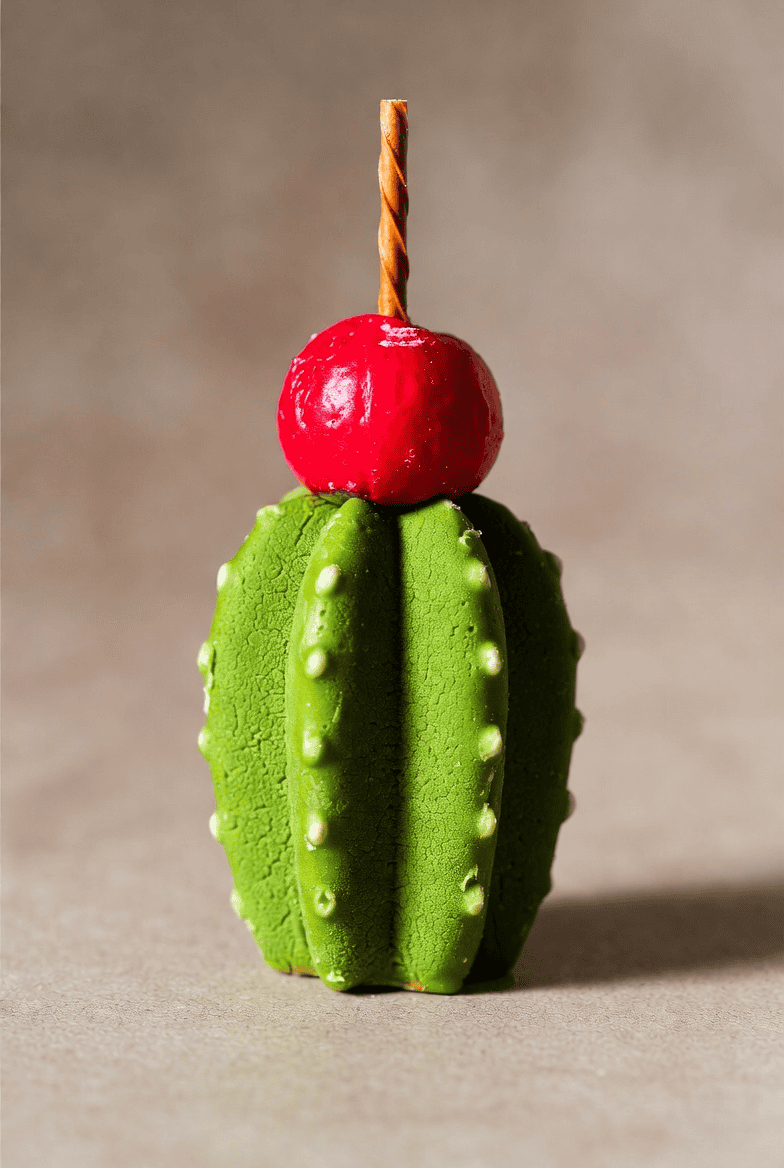
cURL Too many subrequests.
cURL Too many subrequests.
cURL Too many subrequests.
cURL Too many subrequests.
cURL Too many subrequests. cURL Too many subrequests..
cURL Too many subrequests.
| Indicatore | cURL Too many subrequests. | cURL Too many subrequests. |
|---|---|---|
| Initial Investment | cURL Too many subrequests. | cURL Too many subrequests. |
| cURL Too many subrequests. | cURL Too many subrequests. | cURL Too many subrequests. |
| cURL Too many subrequests. | cURL Too many subrequests. | cURL Too many subrequests. |
| cURL Too many subrequests. | cURL Too many subrequests. | cURL Too many subrequests. |
| cURL Too many subrequests. | cURL Too many subrequests. | cURL Too many subrequests. |
cURL Too many subrequests.
cURL Too many subrequests.
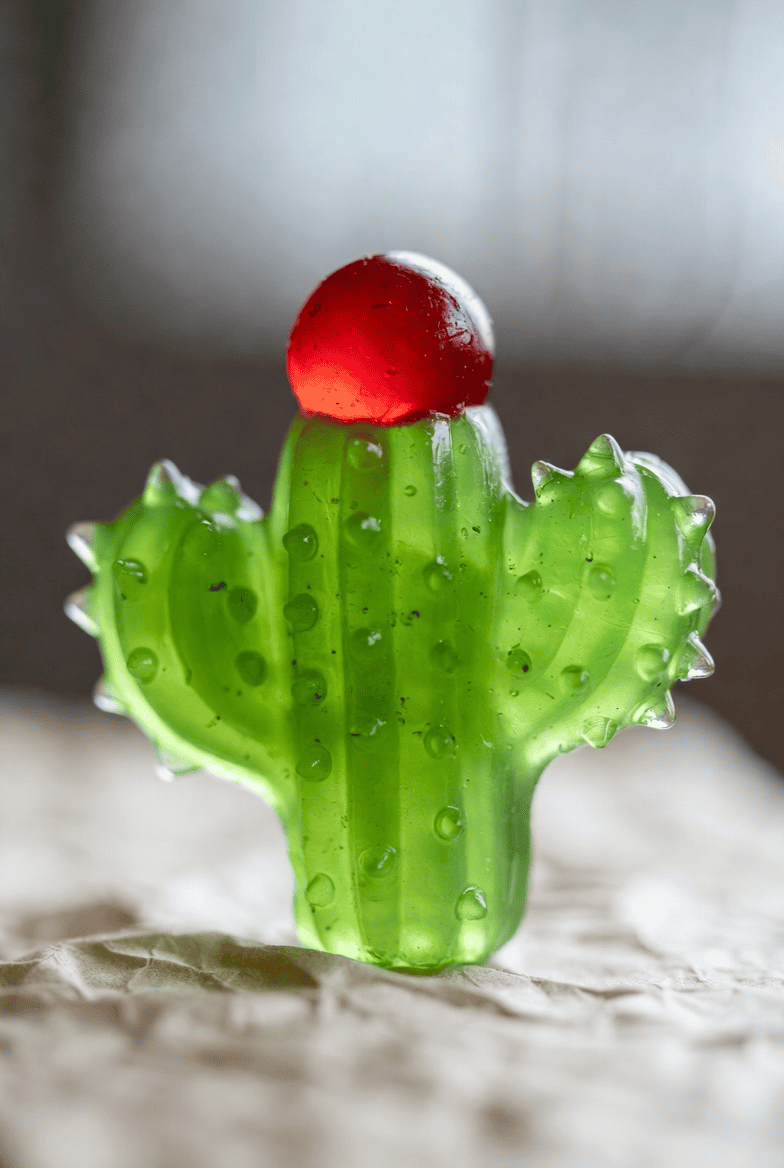
Historically, cactus candy was primarily a novelty item found in Arizona roadside stops. Today, the applications have expanded dramatically into the broader food and wellness industries.
Because cactus candy utilizes pectin rather than animal-derived gelatin, it naturally qualifies as a vegan confection. This has opened doors for manufacturers to position it within the rapidly growing plant-based market. Furthermore, consumers are increasingly seeking out snacks with perceived health benefits. Regional health systems like Mosaic Life Care highlight that prickly pear extract possesses strong anti-inflammatory properties. Functional beverage and food brands such as Caliwater have also pointed out that the fruit’s betalains and polyphenols can actively soothe joint pain.
By leveraging these functional properties, modern manufacturers aren’t just making traditional cactus candy cubes. They are creating prickly pear gummy vitamins, pre-workout chews, and hybrid nutraceuticals. Recent agricultural assessments on food formulation, such as those published by MDPI, demonstrate that incorporating cactus parts into confections and baked goods significantly boosts their overall market value and nutraceutical potential.
Future Trends in Cactus Candy Manufacturing
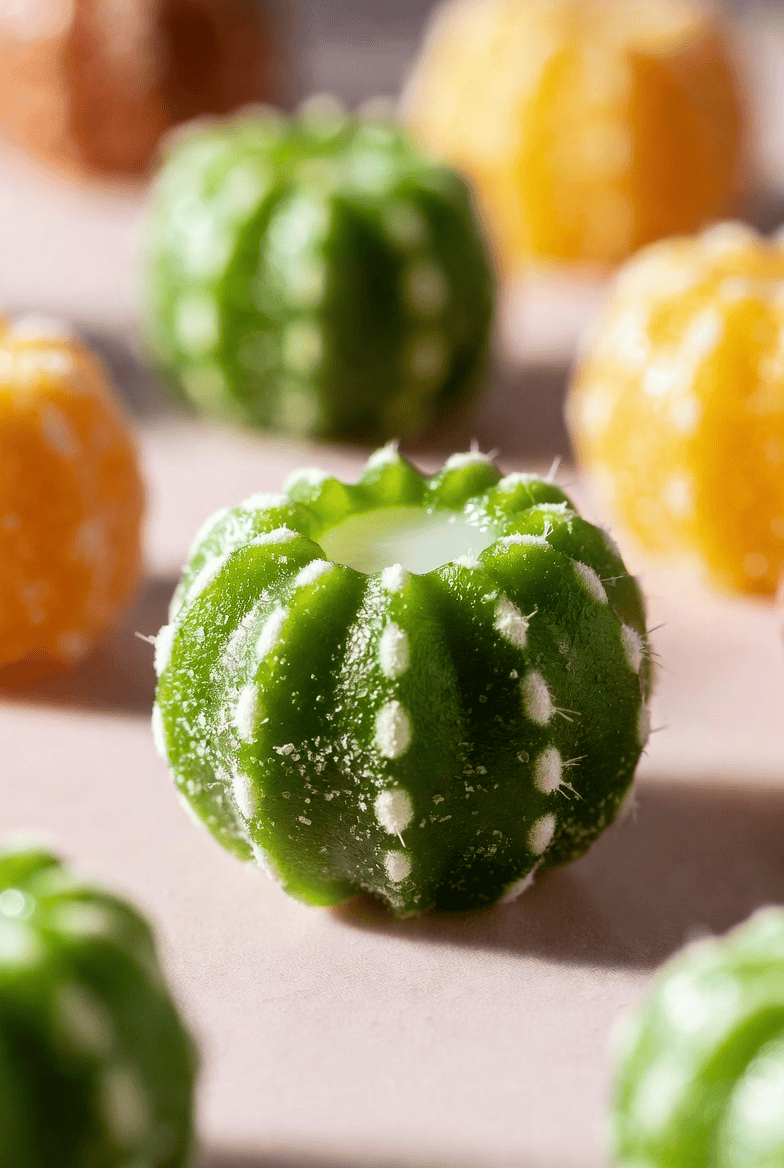
As the confectionery industry evolves, so does the methodology behind cactus candy. The traditional sugar-dusted cube will always have its place, but the manufacturing floor of tomorrow looks very different.
Consumers are demanding cleaner labels. We are seeing a massive shift away from artificial dyes (like Red 40) used to enhance the natural pink of the cactus juice, moving instead toward stabilizing the fruit’s natural betalain pigments through cold-press extraction.
Table 3: Future Trends and Market Impact
| Emerging Trend | Industry Impact | Actionable Advice for Manufacturers |
|---|---|---|
| Low-Sugar Formulations | Opens the diabetic and keto-friendly markets. | Replace standard corn syrup with allulose or tapioca fiber to maintain the candy’s structural integrity. |
| Cold-Press Juice Extraction | Preserves delicate flavor notes destroyed by boiling. | Invest in high-pressure processing (HPP) equipment to secure a premium “fresh taste” positioning. |
| Clean-Label Coloring | Meets stringent EU and modern US retail standards. | Avoid synthetic dyes; rely strictly on the natural pigmentation of high-grade red Opuntia cultivars. |
| Automated Sanding Drums | Drastically reduces labor bottlenecks in finishing. | Integrate a continuous tumble-sander at the end of your depositor line for hands-free coating. |
Mastering cactus candy production is a journey of precision. Whether you are boiling a 10-pound batch in a copper kettle or overseeing a massive automated line, respecting the chemistry of the ingredients—specifically the interplay between pectin, sugar, and the natural acidity of the prickly pear—is the only way to guarantee a perfect product every single time. Stop treating it like magic, start treating it like science, and watch your margins grow.