Pernahkah Anda berdiri di konter bubble tea, terkesima oleh bola-bola bening berkilau berlabel 'crystal boba' dan bertanya-tanya apa bedanya dengan mutiara tapioka kenyal klasik yang Anda kenal dan sukai? Anda tidak sendiri. Dunia bubble tea terus berkembang, dan dengan itu, variasi toppingnya. Pilihan antara yang baru, berkilau crystal boba dan mutiara tapioka gelap tradisional telah menjadi pertanyaan kunci bagi para penggemar dan pendatang baru. Salah satunya adalah pilihan modern yang ringan, sementara yang lain adalah klasik yang dikenal dan menenangkan. Ini panduan adalah sumber daya lengkap Anda untuk menangani keputusan lezat ini. Kami akan menguraikan setiap bagian—mulai dari bahan dan tekstur hingga nutrisi dan kombinasi terbaik—untuk membantu Anda menemukan pasangan sempurna Anda dan memesan bubble tea berikutnya dengan keyakinan ahli. Selamat datang di pertarungan pamungkas.
Perbandingan Singkat
Bagi yang terburu-buru, mari langsung ke intinya. Pertanyaan utama bagi kebanyakan orang sederhana: apa perbedaan utamanya? Meskipun kedua topping mengubah minuman dari sekadar minuman menjadi sebuah pengalaman, pada dasarnya keduanya berbeda dalam hampir setiap aspek. Crystal boba, juga dikenal sebagai agar boba, dan mutiara tapioka tradisional berasal dari tumbuhan yang berbeda, menawarkan pengalaman yang kontras bagi indra Anda, dan memiliki tujuan yang berbeda dalam minuman. Untuk memuaskan rasa ingin tahu Anda, kami telah merangkum perbedaan paling penting dalam format yang jelas dan mudah dipindai. Tabel ini berfungsi sebagai panduan referensi cepat, memberikan Anda informasi penting yang Anda butuhkan untuk membuat keputusan cepat di konter. Anggap ini sebagai contekan Anda untuk dunia topping boba.
| Fitur | Crystal Boba (Agar Boba) | Mutiara Tapioka Klasik (Boba) |
| Bahan Utama | Tanaman konjak (glukomanan) | Pati singkong (tapioka) |
| Penampilan | Tembus pandang, bening atau putih | Padat, biasanya hitam atau cokelat gelap |
| Tekstur | Kenyal, dengan sedikit patahan; seperti jeli | Lembut, sangat kenyal, lengket |
| Rasa | Netral atau sedikit manis | Sedikit manis, sering dicampur dengan gula merah atau madu |
| Persiapan | Siap saji, tidak perlu dimasak | Membutuhkan perebusan dan pemanis |
| Kalori (kira-kira) | Lebih rendah (kira-kira 70-100 kkal per porsi) | Lebih tinggi (kira-kira 150-200+ kkal per porsi) |
| Paling Cocok dengan | Teh buah, teh susu yang lebih ringan, minuman bunga | Teh susu kaya, minuman gula merah, rasa klasik |
Asal dan Bahan
Untuk benar-benar memahami perbedaannya, kita harus kembali ke sumbernya. Komposisi setiap topping mengontrol tekstur, rasa, dan kandungan nutrisinya. Mereka bukan hanya versi berbeda dari hal yang sama; mereka adalah kreasi yang sama sekali terpisah yang terbuat dari asal tumbuhan yang unik. Salah satunya adalah kreasi modern yang lahir dari tren sadar kesehatan, sementara yang lain adalah makanan pokok budaya dengan akar yang dalam. Memahami apa yang Anda minum memberi Anda apresiasi yang lebih kaya terhadap kerajinan dan membantu Anda membuat pilihan yang sesuai dengan selera dan kebutuhan diet Anda. Mari kita jelajahi kisah di balik setiap bola yang dicintai ini.
Kisah Crystal Boba
Crystal boba adalah tambahan yang lebih baru, kreasi abad ke-21 di dunia bubble tea. Peningkatannya terkait dengan meningkatnya permintaan akan pilihan topping yang lebih ringan dan beragam. Bahan utamanya adalah tanaman konjak, sayuran akar asli Asia Timur. Selama berabad-abad, konjak telah menjadi makanan pokok dalam masakan Jepang dan Tiongkok, paling terkenal digunakan untuk membuat mi shirataki dan jeli konnyaku. Komponen kunci yang diambil dari akar konjak adalah serat makanan larut yang disebut glukomanan.
Untuk membuat crystal boba, bubuk konjak ini dicampur dengan air dan agen pembentuk gel, seperti kalsium laktat, yang mengentalkan campuran menjadi bentuk bola khasnya. Proses tidak memerlukan pemasakan dengan cara yang sama seperti tapioka. Sebaliknya, bola-bola dibentuk dan dikemas dalam sirup, membuatnya siap saji. Kenyamanan ini merupakan keuntungan besar bagi toko komersial dan penggemar rumahan. Hasilnya adalah mutiara yang indah, tembus pandang yang memiliki rasa bersih dan lembut.
Kisah Mutiara Tapioka
Mutiara boba klasik adalah jantung dari bubble tea tradisional. Kisahnya dimulai dengan akar singkong, umbi bertepung yang merupakan sumber makanan dasar bagi jutaan orang di daerah tropis di seluruh Afrika, Asia, dan Amerika Latin. Pati yang diambil dari akar ini disebut pati tapioka. Ini adalah bahan dasar untuk mutiara kenyal yang memulai tren bubble tea global.
Proses pembuatannya lebih padat karya. Pati tapioka dicampur dengan air panas dan, biasanya, gula merah, yang memberikan warna gelap khas pada mutiara dan rasa manis awal. Campuran ini diuleni menjadi adonan, digulung, dan dipotong menjadi potongan-potongan kecil yang kemudian dibentuk menjadi bola. Mutiara mentah ini keras dan padat. Untuk menjadi permata lembut dan kenyal yang kita cintai, mereka harus direbus untuk jangka waktu yang signifikan—seringkali 30 menit atau lebih—dan kemudian direndam dalam sirup manis, biasanya terbuat dari gula merah atau madu. Proses perendaman ini tidak hanya memaniskan mutiara tetapi juga memungkinkan mereka menyerap air sepenuhnya dan mengembangkan tekstur “QQ” atau kenyal ikonik mereka.
Pertarungan Sensorik
Di luar bahan-bahan, faktor terpenting dalam memilih topping adalah pengalaman sensorik. Bagaimana rasanya, teksturnya, dan penampilannya di dalam cangkir Anda? Di sinilah crystal boba dan mutiara tapioka paling berbeda secara dramatis. Masing-masing menawarkan perjalanan tekstur dan rasa yang benar-benar unik yang mengubah minuman dengan cara yang berbeda. Yang satu memberikan kontras yang halus dan renyah, sementara yang lain memberikan rasa manis yang kaya, kenyal, dan mendalam. Menggambarkan sensasi ini melampaui kata-kata sederhana seperti “kenyal” atau “jeli.” Ini tentang kualitas gigitan yang spesifik, cara rasa berinteraksi dengan teh, dan kenikmatan visual yang ditambahkannya ke cangkir Anda. Kami telah mencicipi versi yang tak terhitung jumlahnya dari keduanya untuk memberi Anda rincian langsung dan mendetail tentang pertarungan sensorik ini.
Tekstur: Kenyal vs. Renyah
Tekstur, atau “sensasi di mulut,” bisa dibilang merupakan karakteristik yang paling menentukan. Bagi banyak orang, itulah seluruh tujuan menambahkan topping.
Mutiara tapioka terkenal dengan tekstur “QQ” mereka, sebuah istilah yang digunakan di Taiwan untuk menggambarkan kekenyalan yang sempurna, lembut, dan kunyahan yang memuaskan. Pengalamannya bertahap. Gigitan awal lembut, kemudian diikuti oleh bagian tengah yang padat dan kenyal yang membutuhkan kunyahan yang memuaskan dan berkepanjangan. Ini adalah tekstur yang substansial, hampir menenangkan yang membuat minuman terasa lebih seperti camilan. Kunyahan mutiara tapioka adalah perjalanan yang lambat dan memuaskan, kehadiran yang melekat di setiap tegukan.
Sebaliknya, crystal boba menawarkan *kriuk* yang bersih. Teksturnya padat namun lentur, lebih seperti yang diatur dengan sempurna gelatin atau anggur renyah daripada permen kenyal. Saat Anda menggigit, ada sensasi letupan yang jelas dan ringan. Ia tidak memiliki kunyahan panjang yang melekat seperti tapioka. Sebaliknya, ia memberikan ledakan tekstur yang menyenangkan yang menyegarkan dan tidak membuat Anda kenyang dengan cara yang sama. Ini bukan perjalanan mengunyah melainkan aksen tekstur yang renyah dalam minuman.
Rasa: Pembawa vs. Dasar
Profil rasa dari topping itu sendiri memainkan peran besar dalam rasa keseluruhan minuman.
Mutiara tapioka adalah penyerap rasa. Meskipun pati tapioka itu sendiri relatif netral, proses persiapannya menjadikannya komponen rasa utama. Selama proses perebusan dan, yang lebih penting, perendaman, mereka menyerap nada karamel yang kaya dari sirup gula merah atau madu. Setiap mutiara menjadi ledakan kecil rasa manis yang dilepaskan saat Anda mengunyah. Ini berarti mutiara itu sendiri adalah bagian aktif dan menonjol dari profil rasa manis minuman.
Boba kristal, di sisi lain, dirancang untuk menjadi dasar yang lebih netral. Mutiara itu sendiri memiliki rasa manis yang sangat ringan, hampir tidak terdeteksi, seringkali hanya dari sirup ringan tempat mereka diawetkan. Kehalusan ini disengaja. Tujuannya bukan untuk menambahkan rasanya sendiri tetapi untuk memberikan tekstur sambil membiarkan rasa murni dan yang dimaksudkan dari teh atau jus buah menjadi bintang pertunjukan. Ini melengkapi minuman tanpa bersaing dengannya, menjadikannya pilihan ideal untuk profil rasa yang lembut atau kompleks.
Penampilan: Klasik vs. Permata
Kita minum dengan mata kita terlebih dahulu, dan daya tarik visual dari topping ini tidak dapat disangkal.
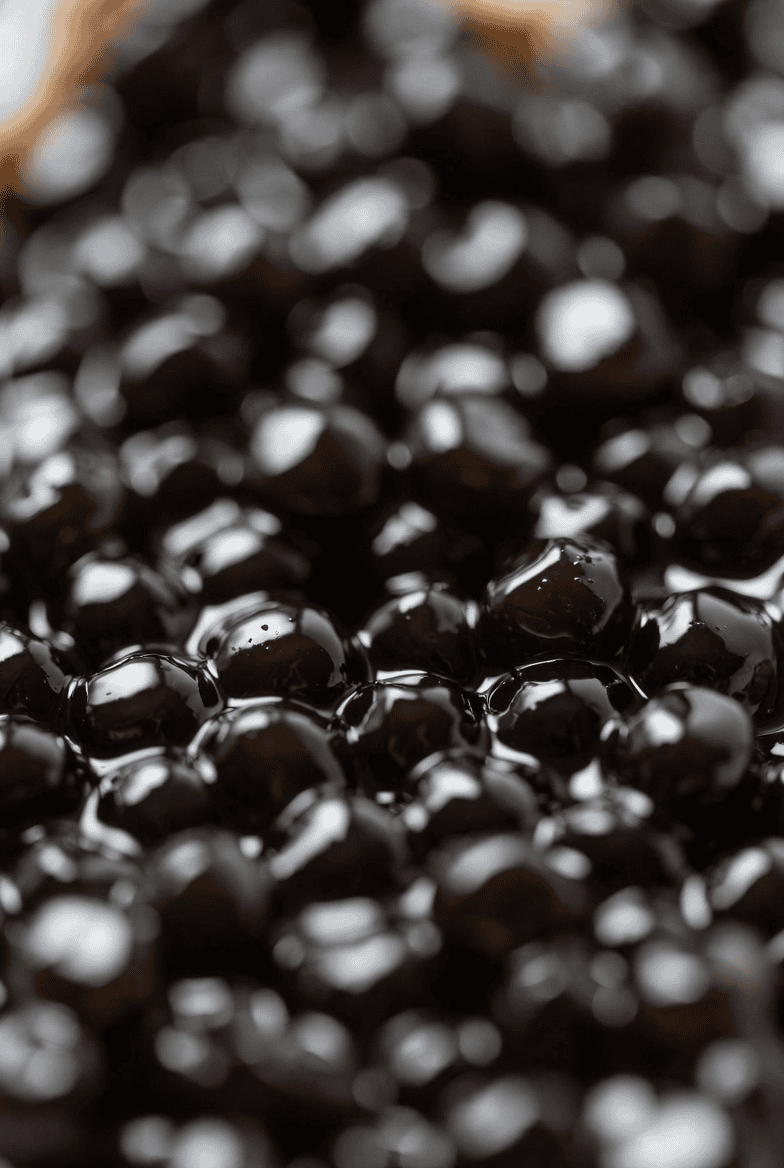
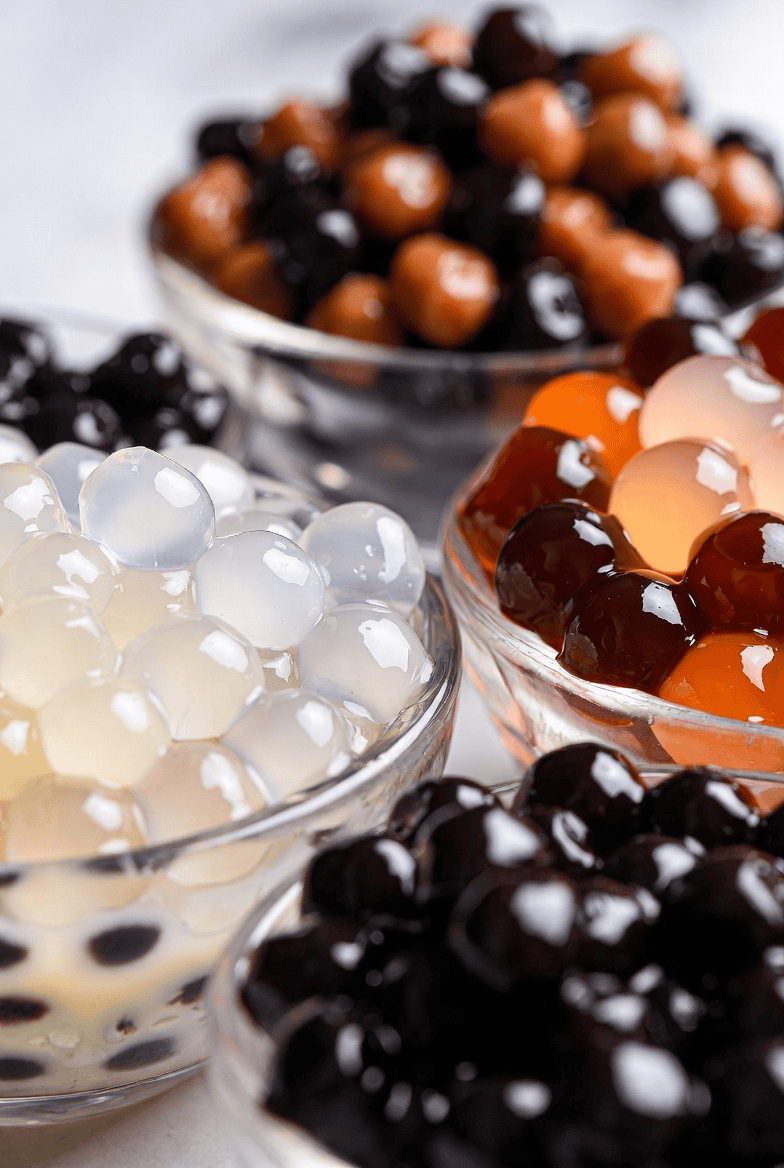
Mutiara tapioka menyajikan tampilan bubble tea klasik yang ikonik. Mereka adalah bola padat, hitam pekat atau cokelat tua yang tenggelam ke dasar cangkir, menciptakan kontras yang dramatis dan akrab dengan warna yang lebih terang teh atau susu. Tampilan gelap dan misterius inilah yang dibayangkan kebanyakan orang ketika mereka memikirkan “boba.”
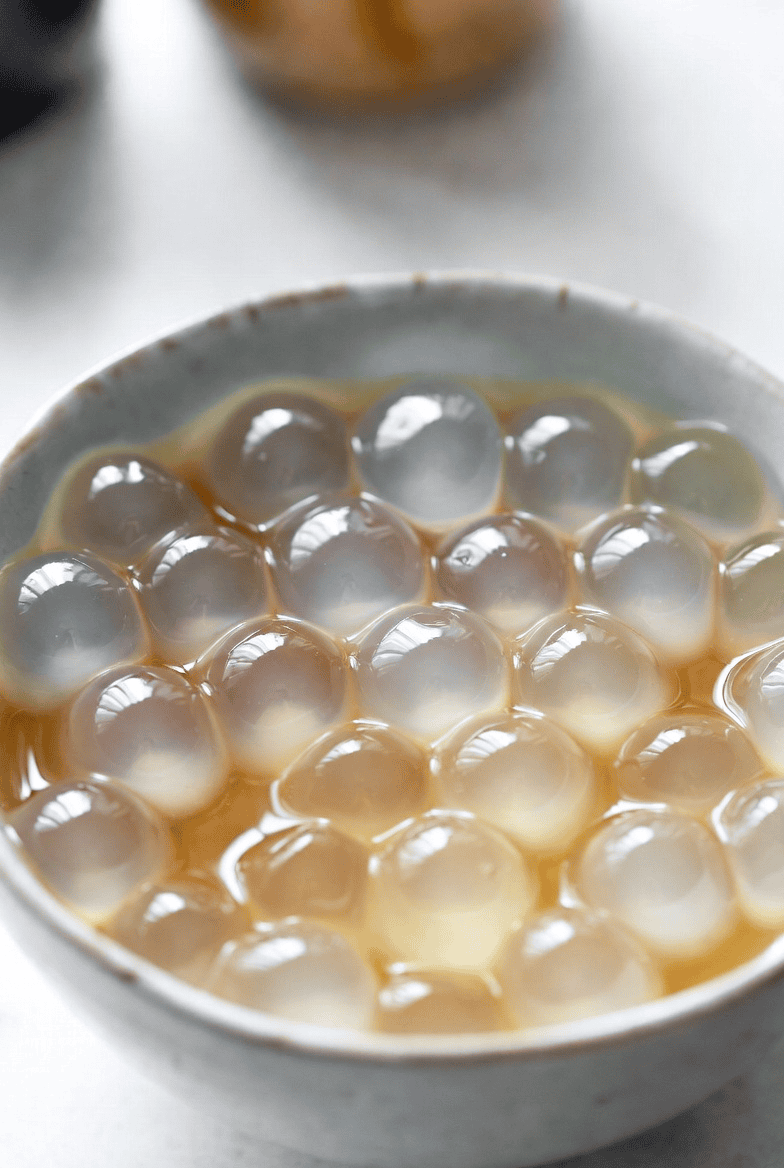
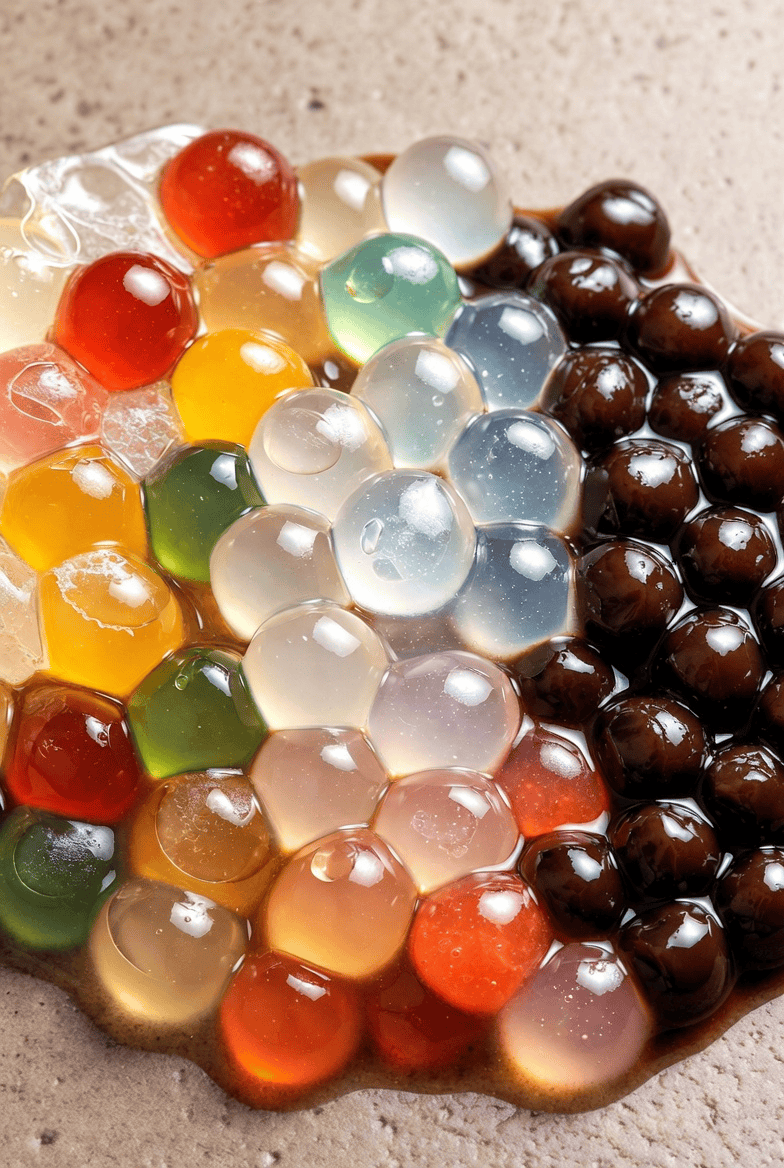
Boba kristal menawarkan tampilan yang sama sekali berbeda. Fitur yang paling mencolok adalah transparansinya. Mutiara bisa benar-benar bening, putih susu, atau bahkan datang dalam berbagai varietas pra-warna atau beraroma yang menambahkan kualitas seperti permata yang cerah pada minuman. Mereka berkilau dan menangkap cahaya, membuat minuman terlihat lebih ringan, lebih menyegarkan, dan hampir futuristik. Penampilan berkilau ini adalah bagian penting dari daya tarik modernnya.
Seiring konsumen menjadi lebih sadar kesehatan, pertanyaan “mana yang lebih sehat?” semakin umum. Meskipun bubble tea umumnya dianggap sebagai camilan yang memanjakan, pilihan topping dapat membuat perbedaan yang signifikan dalam kandungan nutrisi keseluruhan, terutama dalam hal kalori dan gula. Penting untuk dicatat bahwa nilai gizi akhir minuman Anda sangat bergantung pada dasar teh, pilihan susu, dan tingkat gula keseluruhan yang Anda pilih. Namun, ketika membandingkan topping secara terpisah, ada perbedaan yang jelas. Data berikut didasarkan pada nilai tipikal untuk porsi seperempat cangkir standar, tetapi dapat sedikit bervariasi tergantung merek dan metode persiapan.
| Nutrisi | Crystal Boba | Mutiara Tapioka (dimasak & dimaniskan) |
| Kalori | ~70-100 kcal | ~150-200 kcal |
| Karbohidrat | ~20 g | ~40-50 g |
| Gula | ~18 g (kebanyakan dari sirup) | ~20-30 g (dari tepung dan sirup) |
| Serat Pangan | ~1 g (dari konjac) | < 1 g |
| Lemak | 0 g | 0 g |
| Pertimbangan Utama | Lebih rendah kalori dan karbohidrat, mengandung serat larut. | Terutama sumber karbohidrat sederhana dan gula. |
Dari perbandingan ini, crystal boba umumnya muncul sebagai pilihan yang lebih ringan. Mengandung kalori dan karbohidrat yang jauh lebih sedikit dibandingkan dengan porsi bola tapioka manis yang sepadan. Ini karena bahan utamanya adalah air dan konjac serat, sedangkan tapioka hampir murni tepung beras, yaitu karbohidrat. Selain itu, konjac dalam crystal boba menyediakan sedikit serat pangan, yang tidak ada pada tapioka. Bagi siapa saja yang ingin mengurangi asupan kalori atau gula tanpa menghilangkan topping sama sekali, crystal boba sering menjadi pilihan yang lebih disukai.
Pasangan Sempurna
Mengetahui karakteristik setiap topping adalah satu hal; mengetahui cara menggunakannya adalah hal lain. Seni dari bubble tea yang bagus terletak pada harmoni antara minuman dan topping-nya. Pasangan yang sempurna meningkatkan kedua elemen, sementara yang buruk dapat menciptakan benturan rasa atau tekstur. Pilihan ini tidak hanya tentang preferensi pribadi tetapi juga tentang bekerja sama dengan baik. Di sini, kami menawarkan rekomendasi ahli tentang kapan harus memilih setiap topping, dengan pasangan minuman tertentu dan alasan mengapa mereka bekerja sangat baik bersama.
Memilih Crystal Boba
Crystal boba adalah pendamping yang ideal untuk minuman yang ringan, menyegarkan, dan memiliki profil rasa yang halus atau kompleks. Rasa netral dan tekstur renyahnya memastikan bahwa rasa utama dari minuman tetap menjadi fokus.
- Pasangan Sempurna:
- Teh Hijau Markisa: Rasa asam dan tropis dari markisa sangat cerah dan menyegarkan. Gigitan boba kristal yang kenyal menambah kontras tekstur yang luar biasa tanpa rasa manisnya mengalahkan buah. Akhiran boba yang bersih memungkinkan rasa bersahaja teh hijau yang halus muncul.
- Jeli Ai-Yu Jeruk Bali atau Lemon: Di sini, tekstur adalah kuncinya. Menggabungkan kekenyalan boba kristal yang padat dengan jeli Ai-Yu yang lembut dan licin menciptakan pengalaman jeli berlapis-lapis yang menyenangkan dan harmonis. Kenetralan boba memungkinkan rasa jeruk yang cerah bersinar.
- Teh Oolong Mawar: Teh bunga sangat menonjolkan aroma dan nada halus. Kunyahan tapioka yang berat dan manis dapat dengan mudah mengalahkan minuman seperti ini. Namun, profil boba kristal yang bersih dan halus memberikan tekstur yang menyenangkan sambil memungkinkan aroma mawar dan oolong yang harum dan bernuansa untuk sepenuhnya dinikmati.
Tetap dengan Tapioka Klasik
Mutiara tapioka klasik paling cocok untuk minuman yang kaya, lembut, dan dekaden. Kunyahan yang substansial dan rasa manis bawaannya dapat menahan dan melengkapi rasa yang kuat, menciptakan pengalaman yang sangat memuaskan dan kohesif.
- Pasangan Sempurna:
- Teh Susu Gula Merah Klasik: Ini adalah pasangan klasik, pasangan yang serasi. Mutiara tapioka sering dimasak dan direndam dalam sirup gula merah yang melapisi cangkir, menciptakan rasa karamel yang dalam, menyatu, dan intens di seluruh minuman. Tekstur kenyal adalah pasangan yang sempurna untuk susu kental.
- Teh Susu Talas: Profil teh susu talas yang bersahaja, lembut, dan sedikit bertepung sangat cocok dengan kunyahan tapioka yang substansial. Teksturnya saling melengkapi, membuat minuman terasa lebih seperti hidangan penutup cair. Rasa manis mutiara meningkatkan rasa manis halus dari akar talas.
- Teh Susu Thailand: Teh Thailand memiliki profil rasa yang kuat dan khas yang ditandai oleh rempah-rempah seperti adas bintang dan kapulaga. Rasa yang kuat ini membutuhkan topping yang tidak akan hilang. Mutiara tapioka yang manis dan kenyal memberikan keseimbangan sempurna, melembutkan rempah-rempah dan menambahkan elemen tekstur klasik pada minuman yang kuat ini.
Aplikasi Bisnis Boba
Bagi pemilik toko bubble tea dan calon pengusaha, pilihan antara boba kristal dan mutiara tapioka melampaui rasa dan masuk ke ranah operasional, biaya, dan permintaan pelanggan. Setiap topping menyajikan serangkaian tantangan dan keuntungan yang berbeda dari perspektif bisnis. Sebagai orang dalam industri, kami telah melihat bagaimana faktor-faktor ini dapat memengaruhi alur kerja toko, profitabilitas, dan strategi menu. Memahami perbedaan operasional ini sangat penting untuk membuat keputusan inventaris dan persiapan yang tepat.
| Faktor | Crystal Boba | Mutiara Tapioka |
| Waktu Persiapan | Minimal (siap pakai) | Signifikan (membutuhkan 30-60 menit perebusan + perendaman) |
| Masa Simpan (Disiapkan) | Lebih Lama (bisa bertahan sehari penuh) | Lebih Pendek (terbaik dalam 4-6 jam) |
| Biaya Per Porsi | Secara umum lebih tinggi | Umumnya lebih rendah |
| Konsistensi | Produk yang sangat konsisten | Dapat bervariasi tergantung pada metode dan waktu memasak |
| Manajemen Inventaris | Lebih sederhana (kemasan kedap udara tahan lama) | Lebih kompleks (mutiara mentah + gula/sirup) |
| Permintaan Pelanggan | Meningkat, dianggap sebagai pilihan yang “lebih sehat” atau “modern” | Standar yang sudah mapan, permintaan tinggi |
Dari sudut pandang operasional, crystal boba jauh lebih mudah ditangani. Ini menghilangkan proses memasak tapioca yang memakan waktu dan bergantung pada keahlian, yang memerlukan pengaturan waktu yang cermat untuk mencapai tekstur kenyal yang sempurna. Umur simpan crystal boba yang panjang juga mengurangi pemborosan makanan, yang menjadi perhatian utama bagi kedai kopi mana pun. Namun, kenyamanan ini datang dengan biaya per porsi yang lebih tinggi.
Mutiar tapioca, meskipun lebih murah dalam bentuk mentah, membutuhkan investasi tenaga kerja yang signifikan. Mereka harus dimasak segar, sering beberapa kali sehari, untuk mempertahankan tekstur idealnya. Jika dibiarkan terlalu lama, mereka bisa menjadi keras atau lembek, yang menyebabkan kualitas tidak konsisten dan potensi pemborosan. Meski demikian, permintaan pelanggan terhadap tapioca klasik tetap tinggi secara konsisten, menjadikannya item menu yang penting untuk kedai bubble tea yang serius. Sebagian besar bisnis yang sukses menawarkan keduanya, melayani tradisionalis dan modernis sekaligus.
Tren Topping Masa Depan
Industri bubble tea sama sekali tidak statis. Ini adalah ruang yang dinamis dan inovatif, dengan tren baru yang terus muncul. Kebangkitan crystal boba sendiri adalah bukti evolusi ini. Melihat ke depan, dunia topping akan menjadi semakin beragam dan menarik, didorong oleh permintaan konsumen akan inovasi, kustomisasi, dan opsi “lebih baik untuk kesehatan”. Pasar bubble tea global diperkirakan akan terus tumbuh secara mengesankan, dan inovasi topping menjadi mesin utama dari ekspansi tersebut. Berikut beberapa tren utama yang kami amati.
- Crystal Boba Beraroma: Sementara crystal boba asli dikenal karena netralitasnya, gelombang berikutnya melibatkan infus rasa. Merek-merek sudah memperkenalkan crystal boba beraroma buah, seperti mangga, lychee, dan stroberi. Ini menawarkan jalan tengah antara netralitas crystal boba polos dan rasa manis tapioca, menambahkan ledakan rasa buah dengan tekstur yang renyah.
- Tekstur Baru: Pencarian untuk “QQ” berikutnya selalu berlangsung. Ini termasuk popularitas terus-menerus dari popping boba (bola yang meletus dengan jus), pengenalan berbagai bentuk dan rasa jelly (seperti kopi atau jelly herbal), dan bahkan eksperimen dengan topping gurih yang bisa dipadukan dengan busa keju atau tutup susu asin.
- Fokus Keberlanjutan: Seiring dengan meningkatnya kesadaran lingkungan di kalangan konsumen, sumber bahan akan mendapatkan perhatian lebih besar. Kami mengharapkan lebih banyak merek menyoroti sumber bahan yang berkelanjutan dan etis untuk singkong dan konjac mereka. Ini bisa menjadi pembeda pemasaran utama, menarik bagi generasi pelanggan yang peduli lingkungan.
- Kits DIY Rumah: Pandemi mempercepat tren pengalaman makanan di rumah. Kit bubble tea DIY berkualitas tinggi menjadi semakin canggih dan mudah diakses. Kit ini semakin lengkap dengan berbagai topping selain tapioca standar, dengan crystal boba siap pakai sebagai pilihan yang populer dan praktis untuk pembuat bubble tea di rumah.
Keputusan Akhir
Setelah mengeksplorasi asal-usul, profil sensorik, data nutrisi, dan penggunaan ideal, pertanyaan utama tetap: mana yang lebih baik? Sebenarnya, tidak ada pemenang tunggal dalam pertarungan antara crystal boba dan mutiara tapioca. Topping “lebih baik” sepenuhnya tergantung pada preferensi pribadi dan konteks. Pilihan ada di tangan Anda, dan sepenuhnya bergantung pada apa yang Anda cari dalam minuman Anda.
Jika Anda menginginkan minuman ringan, menyegarkan di mana rasa lembut teh dapat bersinar, dipadukan dengan tekstur renyah seperti jeli, maka crystal boba adalah pilihan yang sempurna. Ini adalah pilihan modern dengan kalori lebih rendah untuk pengalaman yang bersih dan halus.
Jika Anda mengidamkan camilan yang kaya, mewah, dan menghibur dengan kunyahan yang lembut dan tahan lama, serta menyukai rasa manis karamel yang dalam, maka Anda harus tetap memilih mutiara tapioca klasik. Ini adalah yang asli, ikon, dan inti dari bubble tea tradisional.
Saran terakhir kami sederhana: jadilah berani mencoba. Jangan merasa harus memilih satu pihak. Cobalah minuman yang sudah dikenal dengan topping baru, atau minuman baru dengan topping yang sudah dikenal. Keindahan bubble tea adalah kemampuannya untuk disesuaikan tanpa batas. Bereksperimen, jelajahi, dan temukan apa yang paling membawa kebahagiaan dalam setiap tegukan.
Pertanyaan yang Sering Diajukan
Apakah crystal boba vegan dan bebas gluten?
Ya, dalam bentuk murninya, crystal boba adalah vegan dan bebas gluten. Terbuat dari tanaman konjac, air, dan agen pengental, yang semuanya tidak berasal dari produk hewani atau biji-bijian yang mengandung gluten. Namun, selalu disarankan untuk memeriksa daftar bahan dari merek tertentu, karena sirup yang digunakan untuk pengawetan bisa saja mengandung bahan tambahan lain.
Bisakah Anda membuat crystal boba di rumah?
Meskipun secara teknis memungkinkan untuk membuat crystal boba dari awal menggunakan bubuk konjac dan proses yang disebut spherifikasi, ini cukup rumit dan membutuhkan pengukuran yang tepat serta bahan khusus. Untuk penggunaan di rumah, jauh lebih umum, praktis, dan dapat diandalkan untuk membeli crystal boba siap pakai secara online atau dari toko kelontong Asia.
Apakah crystal boba perlu dimasak?
Tidak, dan ini adalah salah satu keunggulan utamanya, terutama untuk pengguna rumahan dan kedai kopi yang sibuk. Crystal boba sudah dibuat sebelumnya dan dikemas dalam sirup ringan. Anda cukup membuka kemasan, mengalirkan cairannya, dan siap langsung ditambahkan ke minuman dingin Anda. Tidak perlu merebus atau merendam.
Boba mana yang lebih sehat?
Secara umum, crystal boba dianggap sebagai pilihan yang lebih 'sehat' jika dibandingkan dengan mutiara tapioca tradisional. Kandungannya jauh lebih rendah kalori dan karbohidrat untuk ukuran porsi yang sama. Selain itu, mengandung sedikit serat diet larut dari tanaman konjac. Sebaliknya, mutiara tapioca sebagian besar terdiri dari pati dan direndam dalam gula, sehingga lebih tinggi kalori dan gula.
Artikel Terkait
- Berapa Kalori dalam Teh Boba? Ukuran Gelas, Gula, dan Topping
- Berapa Kalori dalam Boba? Panduan Minuman dan Topping Lengkap
- Coffee Boba: Panduan Utama untuk Bubble Coffee
- Bubble Tea Stroberi: Panduan Lengkap Bahan, Resep & Produksi Komersial
- Lini Produksi Popping Boba
- Mesin Pembuat Pearl Konjac
- Bagaimana Cara Pembuatan Skittles? Proses Pabrik Secara Lengkap