Les gens demandent généralement “de quoi sont faites les boules de boba” parce qu’ils veulent connaître les véritables ingrédients derrière cette texture moelleuse — et si c’est de la gélatine, du plastique ou quelque chose de mystérieux (ce n’est pas le cas). La plupart des boules de boba classiques sont des perles de tapioca : des sphères comestibles faites à partir de fécule de tapioca (issue de la racine de manioc), plus de l’eau et un édulcorant comme du sucre.semanticscholar+1
De quoi sont faites les boules de boba (réponse rapide)
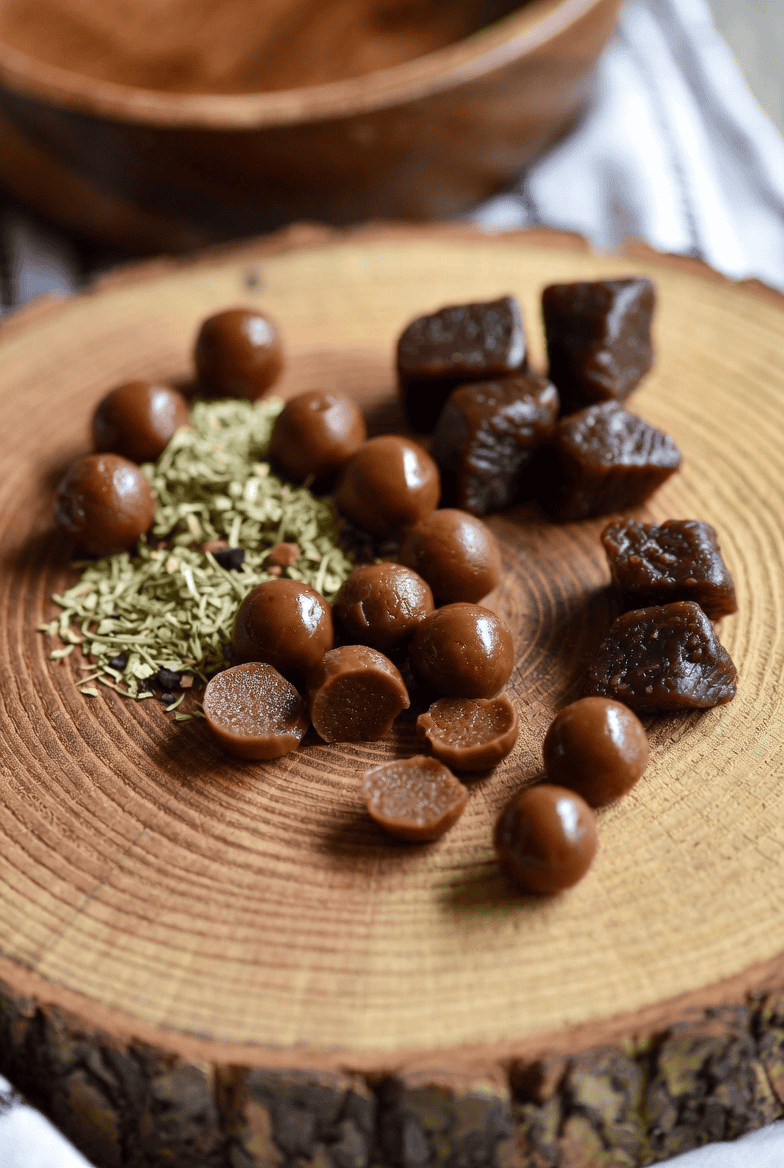
Lorsque quelqu’un demande de quoi sont faites les boules de boba, la réponse « classique » est : fécule de tapioca (fécule de manioc), eau et sucre — puis les perles sont cuites et généralement trempées dans un sirop pour rester sucrées et moelleuses.mdpi+1
Une perle de tapioca est littéralement définie comme une sphère comestible produite à partir de tapioca (une fécule issue de la racine de manioc), et en bubble tea elle est communément appelée « boba ».[mdpi]
Donc, si votre objectif est d’expliquer de quoi sont faites les boules de boba aux clients en une ligne : « perles de fécule à base de manioc + eau + sucre ».mdpi+1
De quoi sont faites les boules de boba : l’« anatomie » de l’ingrédient
Pour répondre de quoi sont faites les boules de boba d’une manière utile (pas seulement « tapioca »), il est utile de décomposer la boba comme une liste de pièces : fécule de base, liquide, édulcorant, et ajouts optionnels qui changent la couleur, la saveur et la durée de conservation.mdpi+1
Le tapioca est le nom donné à la fécule extraite de la racine de manioc, et elle peut être transformée en textures comme des perles, des flocons ou des farines.[semanticscholar]
Dans des recettes de style maison, les perles de boba peuvent être faites avec seulement du sucre, de la fécule de tapioca et de l’eau.[mdpi]
Ingrédients de base (les « indispensables »)
Fécule de tapioca (fécule de manioc) : C'est l'épine dorsale du boba classique et la raison pour laquelle les perles deviennent moelleuses après la cuisson.mdpi+1
Eau : Utilisée pour former la pâte et plus tard pour faire bouillir les perles ; sans chaleur et hydratation appropriées, la fécule de tapioca ne se comportera pas comme une pâte de blé.[mdpi]
Sucre (ou un autre édulcorant) : Souvent cuit avec de l'eau pour faire la base du sirop et/ou utilisé pour sucrer les perles après la cuisson.mdpi+1
Ingrédients optionnels courants (les « dépend du menu »)
Certaines versions ajoutent des ingrédients pour la couleur/la saveur — comme la poudre de cacao pour des perles plus foncées ou le matcha pour des perles vertes — tout en conservant la même base de fécule.[mdpi]
Les perles commerciales peuvent également inclure des ajouts qui aident les perles à garder leur forme et à durer plus longtemps en rayon par rapport à une approche « 3 ingrédients ».[mdpi]
Si vous vous posez encore la question de quoi sont faites les boules de boba dans un contexte acheté en magasin, la réponse courte est : toujours à base de fécule, mais l’étiquette peut inclure des stabilisants, des colorants ou des édulcorants selon la marque et le style.mdpi+1
Ingrédients & fonction (tableau)
Ci-dessous, une manière pratique d’expliquer de quoi sont faites les boules de boba sans se perdre dans le jargon de la science alimentaire.
| Ingrédient / composant | Ce que c'est | Ce qu’il fait dans les boules de boba |
|---|---|---|
| Fécule de tapioca (fécule de manioc) | Fécule extraite de la racine de manioc [semanticscholar] | Crée la structure de la perle et la mâche caractéristique après la cuisson mdpi+1 |
| Eau | Eau simple [mdpi] | Hydrate la fécule ; avec la chaleur, aide à former une pâte/une pâte à travailler [mdpi] |
| Sucre (brun ou blanc) | Édulcorant mdpi+1 | Ajoute de la douceur ; devient souvent un sirop qui enrobe/conserve l'humidité mdpi+1 |
| Poudres de cacao / matcha / arômes naturels (optionnel) | Ingrédients ajoutés pour la saveur / la couleur [mdpi] | Change la couleur et le goût tout en conservant la base d'amidon [mdpi] |
| Trempage dans le sirop (après cuisson) | Solution de sucre utilisée après la cuisson [mdpi] | Aide les perles à rester sucrées / moelleuses et réduit leur adhérence [mdpi] |
De quoi sont faites les boules de boba : comment elles sont fabriquées
Si vous demandez de quoi sont faites les boules de boba parce que vous souhaitez reproduire la texture, le « comment » compte autant que le « quoi ».[mdpi]
Une méthode courante consiste à mélanger la farine / l'amidon de tapioca avec de l'eau bouillante jusqu'à obtenir une pâte pétrissable, puis à couper / rouler en sphères.[mdpi]
Cette étape de chaleur est cruciale car le processus implique la gélatinisation — l'eau chaude et l'amidon de tapioca forment un gel / une pâte de départ qui peut devenir de la pâte à pain.[mdpi]
Le flux de production (adapté à la boutique)
Préparer une base de sirop chaud (eau + sucre), puis ajouter de l'amidon pour former une pâte / une pâte de départ (variable selon la recette et l'équipement).[mdpi]
Ajouter le reste de l'amidon de tapioca et pétrir pendant que c'est chaud, car la texture de la pâte change en refroidissant.[mdpi]
Façonner en boules, les saupoudrer légèrement d'amidon pour réduire l'adhérence, puis cuire dans de l'eau bouillante jusqu'à obtenir la texture souhaitée pour votre boisson.[mdpi]
Après la cuisson, de nombreuses opérations trempent les perles dans un sirop de sucre pour qu'elles restent sucrées et ne collent pas aussi rapidement.mdpi+1
« Limites de jugement » (quand cette méthode ne sera pas efficace)
Si vous faites des recherches de quoi sont faites les boules de boba parce que vous souhaitez « popping boba », cette méthode à base de pâte d'amidon est une fausse piste ; le popping boba est un produit différent catégorie (plus comme des sphères remplies) même si elle se trouve à côté des perles de tapioca sur le menu.[mdpi]
Si vous visez la texture douce que les clients attendent, le temps de cuisson, la taille des perles et la conservation après cuisson comptent autant que la liste des ingrédients.mdpi+1
De quoi sont faites les boules de boba selon les types + utilisations industrielles
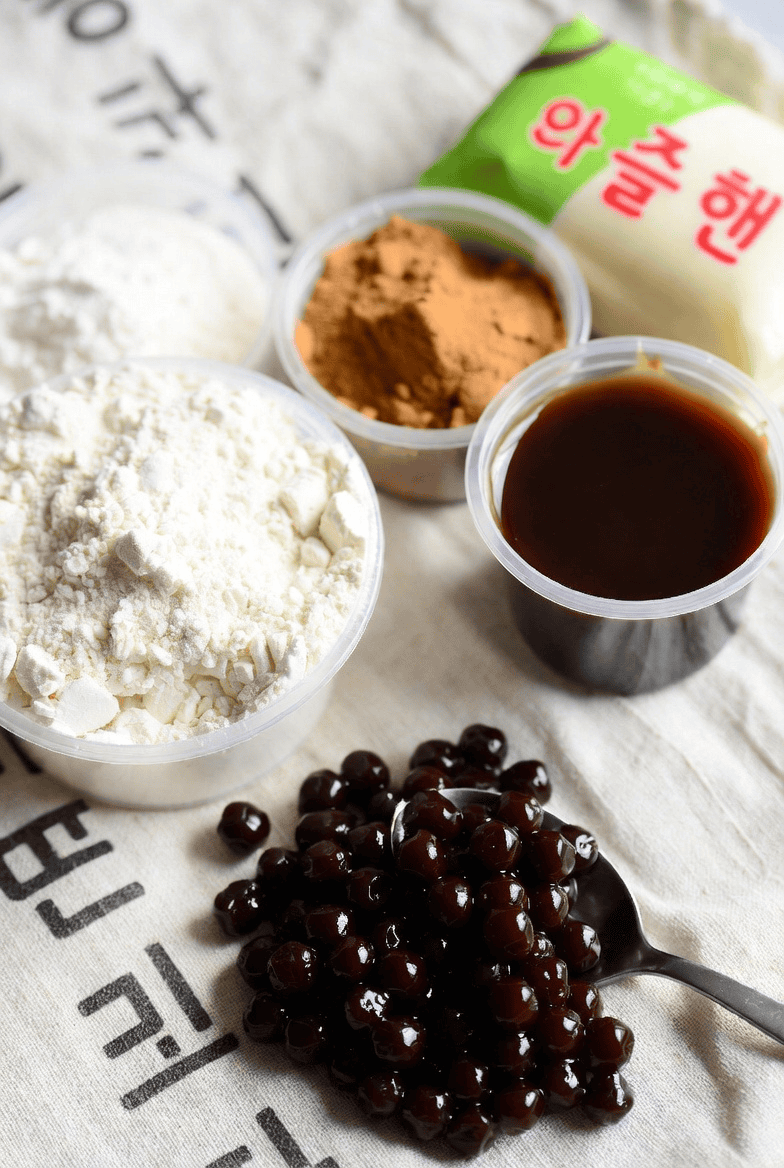
Dans les menus réels, de quoi sont faites les boules de boba cela dépend de quel « boba » vous parlez : perles de tapioca classiques, mini perles, perles transparentes/cristal, ou alternatives au popping boba.[mdpi]
Les perles de tapioca ont de nombreuses formes (noir, aromatisé, mini, transparent), et la couleur/la texture peuvent changer en ajoutant des ingrédients comme l'eau et le sucre ou d'autres édulcorants.[mdpi]
De plus, le tapioca (sous forme de perles) est couramment utilisé dans le bubble tea ; c’est pourquoi la chaîne d’approvisionnement des perles est souvent traitée comme un ingrédient de base de la boisson, et non comme une garniture.[semanticscholar]
Types & de quoi ils sont faits (tableau)
Utilisez ce tableau lorsque les clients (ou votre équipe) posent constamment des questions de quoi sont faites les boules de boba et que vous avez besoin d'une explication rapide et précise.
| Type (nom sur le menu) | De quoi sont faites les boules de boba (en pratique) | Attente de texture | Cas d’utilisation idéal |
|---|---|---|---|
| Perles de tapioca classiques (« boba noir ») | Perles de tapioca à base d'amidon de tapioca ; souvent sucrées/trempées dans du sirop mdpi+1 | Mordantes, élastiques ; la douceur provient principalement du sirop [mdpi] | Thé au lait, boissons au sucre brun, coupes de dessert |
| Perles transparentes / « blanches » | Même base d'amidon ; la couleur dépend du sucre et des ingrédients ajoutés mdpi+1 | Mâche similaire, apparence plus claire | Thés aux fruits, boissons de couleur plus claire |
| Mini perles | Perles de tapioca de taille plus petite (même concept) [mdpi] | Cuisiner/mâcher plus rapidement | Service à haut débit, garnitures mixtes |
| Perles aromatisées / colorées | Base d'amidon + ingrédients de saveur / couleur (par exemple, cacao / matcha dans certaines recettes) [mdpi] | Mâche + arôme ajouté | Menus saisonniers, boissons signatures |
| « Boba » comme étiquette générale | Dans le contexte du thé à bulles, « boba / perles » désigne généralement des perles de tapioca [mdpi] | Varie selon le type | Utiliser une dénomination claire sur les menus pour éviter les confusions |
Applications industrielles (au-delà d'une seule boisson)
Si vous faites des recherches de quoi sont faites les boules de boba Pour des raisons commerciales, voici où les perles apparaissent commercialement — souvent avec des contraintes opérationnelles différentes de celles d'une seule boisson en café :semanticscholar+1
Bulle thé & lait chaînes de thé : perles comme composant de texture principal ; la cohérence et le temps de maintien deviennent des KPI (gaspillage, rapidité, retours clients).[mdpi]
Boissons prêtes à boire / emballées : les perles doivent survivre au transport, au refroidissement et au temps de conservation, ce qui pousse les marques vers des formats stabilisés ou transformés plutôt que « frais-cuisiné uniquement ».mdpi+1
Desserts : les perles de tapioca sont également utilisées dans des douceurs comme la pudding de tapioca, renforçant l'idée que les perles sont un ingrédient de dessert à base d'amidon, et non de la gélatine.semanticscholar+1
Fabrication d'ingrédients : les perles de tapioca peuvent être produites à partir de routes de transformation de l'amidon/de la farine de manioc, et la formation de perles fait partie de l'écosystème plus large des produits à base de tapioca.[semanticscholar]
De quoi sont faites les boules de boba : durée de conservation, sécurité, tendances
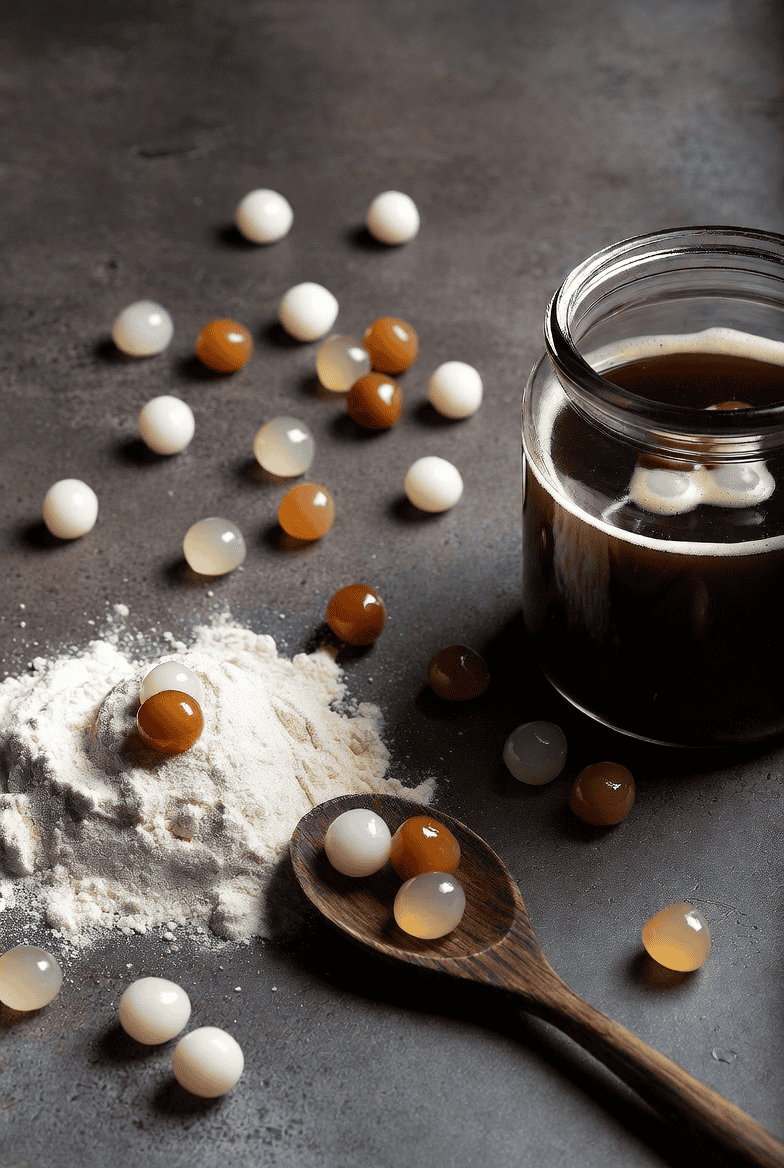
Une grande raison pour laquelle les gens posent encore la question de quoi sont faites les boules de boba c'est la sécurité et le stockage : « Combien de temps se conservent-elles, et qu'y a-t-il dedans qui leur permet de durer ? »mdpi+1
Wikipedia note que les perles de tapioca cuites sont généralement conservées seulement environ 4 à 6 heures, et distingue également les différences de durée de conservation pour les perles crues versus partiellement cuites.[mdpi]
Par ailleurs, la transformation commerciale du tapioca souligne que les produits à base de manioc sont toxiques s'ils sont consommés crus et doivent être correctement transformés (d'où l'importance d'une source fiable).[semanticscholar]
Réalité du maintien & stockage (tableau)
Ce tableau aide les équipes à répondre de quoi sont faites les boules de boba en plus de la question opérationnelle, « Comment les conserver sans ruiner la texture ? »
| Format | De quoi sont faites les boules de boba (de base) | Note opérationnelle typique |
|---|---|---|
| Perles fraîchement cuites (servies chaudes) | Perles de tapioca (amidon de manioc) + trempage dans un sirop de sucre [mdpi] | La texture diminue en refroidissant ; généralement traitées comme un produit de même équipe [mdpi] |
| Perles crues (sèches) | Perles de tapioca (boules à base d'amidon) [mdpi] | Stockage plus long, mais nécessite un temps de cuisson complet avant service [mdpi] |
| Perles partiellement cuites | Perles de tapioca pré-traitées [mdpi] | Temps de cuisson/finition plus court par rapport au cru ; utilisé pour équilibrer rapidité et texture [mdpi] |
Tendances futures (ce qui change)
Le cœur de l'ingrédient derrière de quoi sont faites les boules de boba restera probablement basé sur l'amidon, mais la pression du marché pousse à des changements dans la charge en sucre, les attentes en étiquettes propres, et la cohérence entre les canaux.semanticscholar+1
Le tapioca est commercialement positionné comme sans gluten et utilisé largement comme texturisant, ce qui s'aligne avec le développement continu de produits offrant une meilleure sensation en bouche et une stabilité pour de nouveaux formats de boissons.[semanticscholar]
En même temps, davantage de marques se différencieront par la « clarté du type » (perles vs autres sphères) car les consommateurs se soucient de plus en plus de ce qu'ils mâchent — et pourquoi.[mdpi]
Perle de tapioca — Wikipédia
https://en.wikipedia.org/wiki/Tapioca_pearl[mdpi]
Découvrez la polyvalence du tapioca — Ingredion
https://www.ingredion.com/na/en-us/ingredients/ingredient-types/tapioca[semanticscholar]
Comment faire des perles de Boba (perles de tapioca) — The Flavor Bender
https://www.theflavorbender.com/how-to-make-boba-pearls-tapioca-pearls/[mdpi]
Qu'est-ce que le tapioca et à quoi sert-il ? — Healthline
https://www.healthline.com/nutrition/tapioca[healthline]
Préparation de la boule de « Boba » à l'orange en thé au lait et sa durée de conservation — Sciences appliquées (MDPI)
https://www.mdpi.com/2076-3417/11/1/200/pdf[mdpi]
Articles Connexes
- Recette de Boba Popping : Guide complet pour faire des perles éclatantes à la maison et à grande échelle
- De quoi est fait le popping boba ? Ingrédients, science et fabrication expliqués
- Combien de calories dans le bubble tea ? Taille du verre, sucre et garnitures
- Combien de calories dans le boba ? Guide complet des boissons et des garnitures
- Ligne de production de Boba éclatant
- Machine de fabrication de perles de konjac
- Comment sont fabriqués les Skittles ? Le processus complet en usine