How Starch Molding Systems Work: A Technical Guide
Starch molding systems form the industrial backbone for mass-producing gelled candy. This includes gummies, jellies, fondants, and licorice. The process runs on a production line called a “Mogul.” It’s essential for making consistent products at large scale.
This analysis goes deeper than basic overviews. We aim to examine the engineering, chemical, and physical principles that control starch molding.
We’ll break down the system’s main parts. We’ll explore how the starch bed works as a material. We’ll analyze the precise mechanics of depositing candy mixture. We’ll detail the heat science of drying. Finally, we’ll provide a framework for controlling the process and fixing problems. This guide targets technical professionals.
Anatomy of a Modern System
A starch molding system isn’t one machine. It’s a sophisticated chain of automated sub-systems working together. Each part has a specific job, moving the product from liquid to finished solid.
Understanding the process flow is your first step to mastering the system. It maps the product’s journey from empty tray to packaged bonbons.
Le déroulement du processus
The sequence stays standardized across most modern systems. This ensures repeatable, controlled manufacturing.
- Tray Handling & Filling: Empty starch trays automatically enter the line’s beginning.
- Printing/Impression: Shaped molds press into leveled, conditioned starch beds.
- Dépôt : Liquid candy mixture gets deposited accurately into each starch impression.
- Stacking: Filled trays stack onto large pallets for curing preparation.
- Stoving (Curing): Pallets move into climate-controlled chambers for predetermined drying.
- Destacking: Cured trays return from stoving rooms to the Mogul line.
- Demolding & Cleaning: Finished products separate from starch. Any remaining starch gets cleaned from surfaces.
- Conditionnement de l'amidon : Used starch gets sieved, dried, and cooled for system reuse.
Key Sub-systems
Each flow step uses specialized equipment. The engineering behind each sub-system determines the line’s overall efficiency and quality.
Composant | Fonction technique principale | Key Engineering Principle(s) |
Starch Buck | Fills trays with conditioned starch and levels it. | Gravity feed, mechanical vibration for uniform density, blade leveling. |
Printer Board | Creates impressions (molds) in the starch bed. | Mechanical pressing, positive displacement. Design of molds (plaster, metal, plastic) dictates shape. |
Déposant | Injects a precise volume of liquid mass into each impression. | Volumetric displacement (piston or rotary pumps), servo-motor control for accuracy, fluid dynamics. |
Stacker/Loader | Places filled trays onto pallets for transport to curing. | cURL Too many subrequests. |
cURL Too many subrequests. | cURL Too many subrequests. | cURL Too many subrequests. |
cURL Too many subrequests. | cURL Too many subrequests. | cURL Too many subrequests. |
cURL Too many subrequests. | cURL Too many subrequests. | cURL Too many subrequests. |
cURL Too many subrequests.
cURL Too many subrequests.
cURL Too many subrequests. cURL Too many subrequests. cURL Too many subrequests.
cURL Too many subrequests.
cURL Too many subrequests.
cURL Too many subrequests.
cURL Too many subrequests.
cURL Too many subrequests.
cURL Too many subrequests.
cURL Too many subrequests.
cURL Too many subrequests.
- cURL Too many subrequests. cURL Too many subrequests.
- cURL Too many subrequests. cURL Too many subrequests.
- cURL Too many subrequests. cURL Too many subrequests.
- Température : cURL Too many subrequests.
cURL Too many subrequests.
cURL Too many subrequests.
cURL Too many subrequests. | Caractéristiques principales | cURL Too many subrequests. | cURL Too many subrequests. |
cURL Too many subrequests. | cURL Too many subrequests. | cURL Too many subrequests. | cURL Too many subrequests. |
cURL Too many subrequests. | cURL Too many subrequests. | cURL Too many subrequests. | Less common due to gluten (allergen) and processing challenges. |
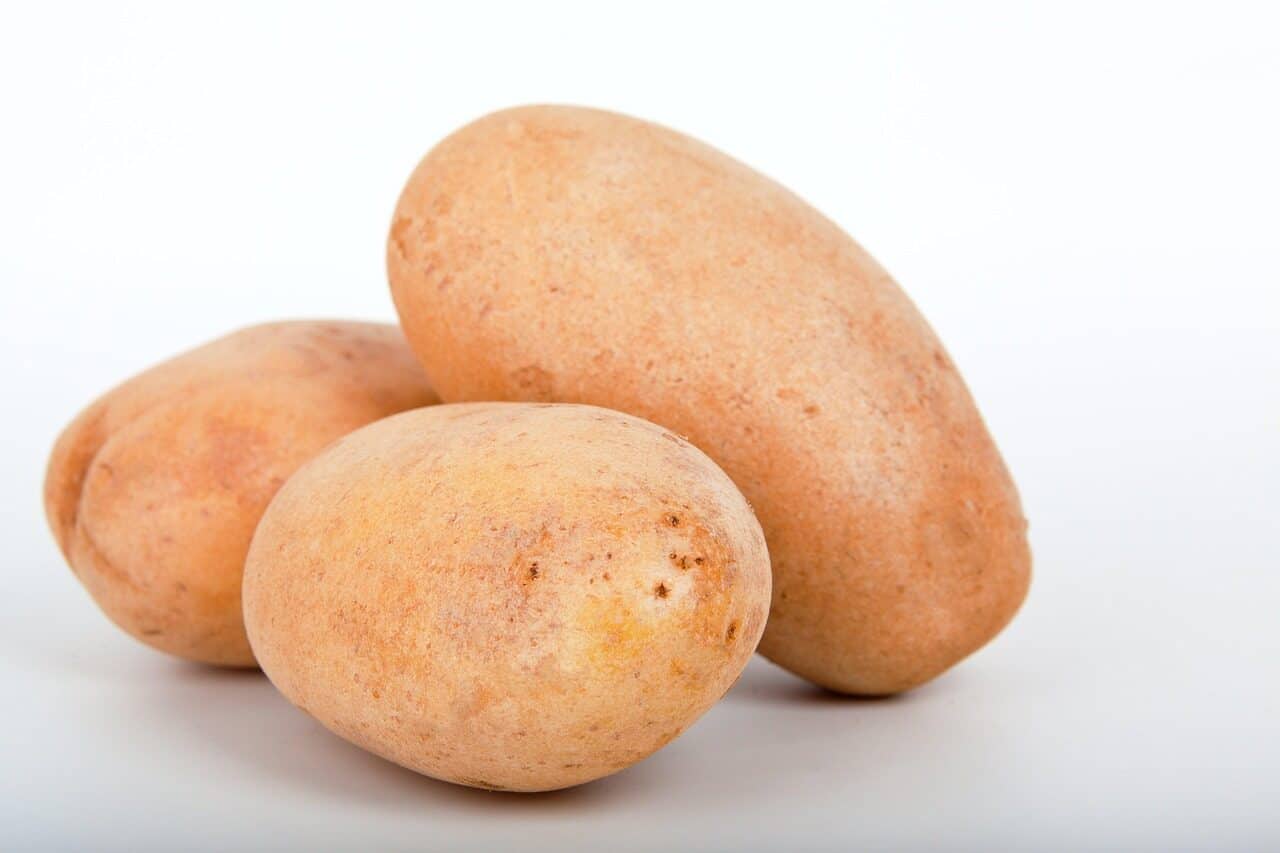
Potato Starch | Large, oval granules. High viscosity when heated. | Can provide very smooth product surfaces but may not hold fine details as well. | Niche applications where a very smooth texture is desired. |
Tapioca Starch | Spherical, truncated granules. Low gelatinization temperature. | Good for smooth impressions but can be more fragile. | Used in some specialty or “clean label” formulations. |
The Deposition Process
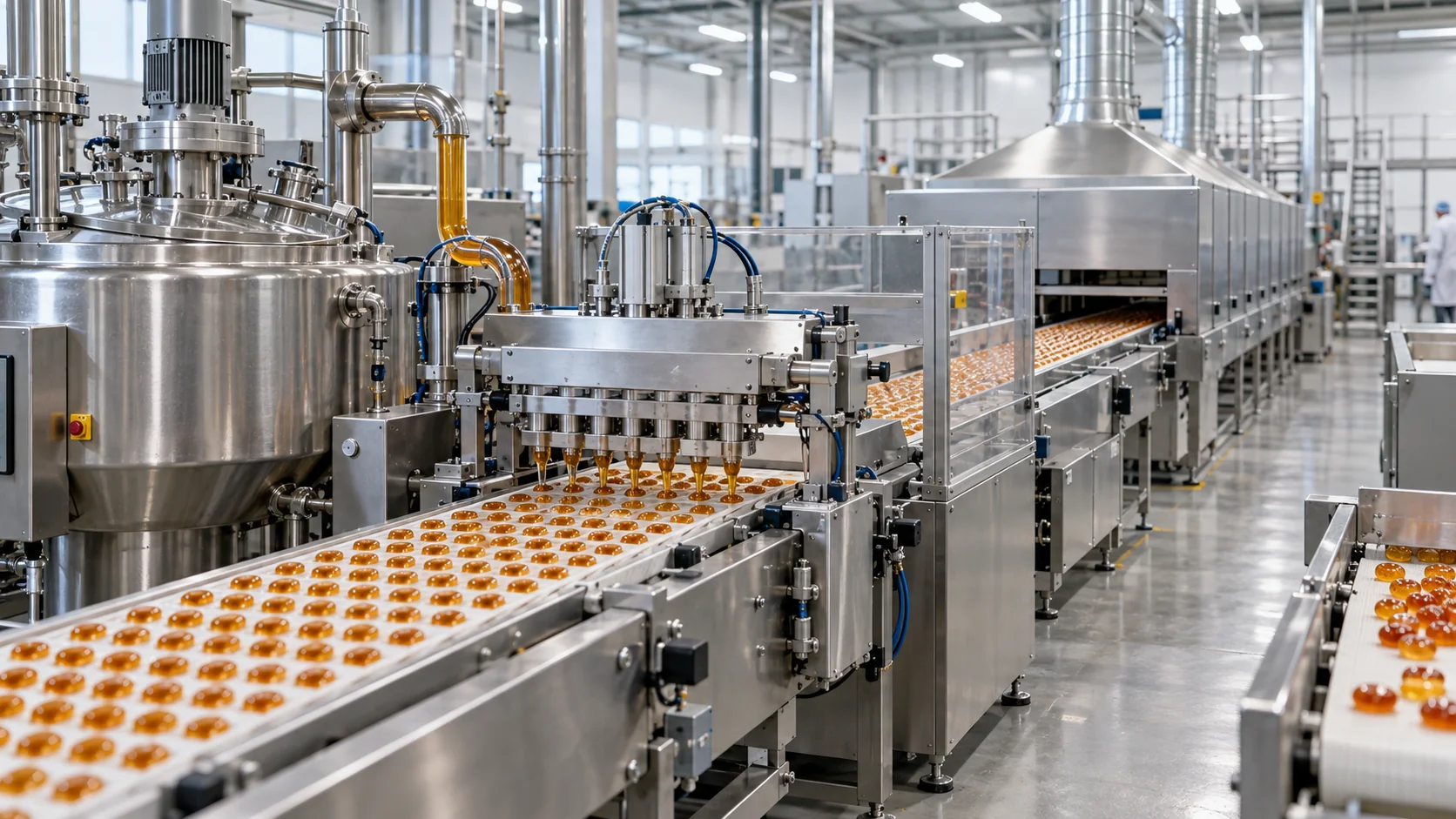
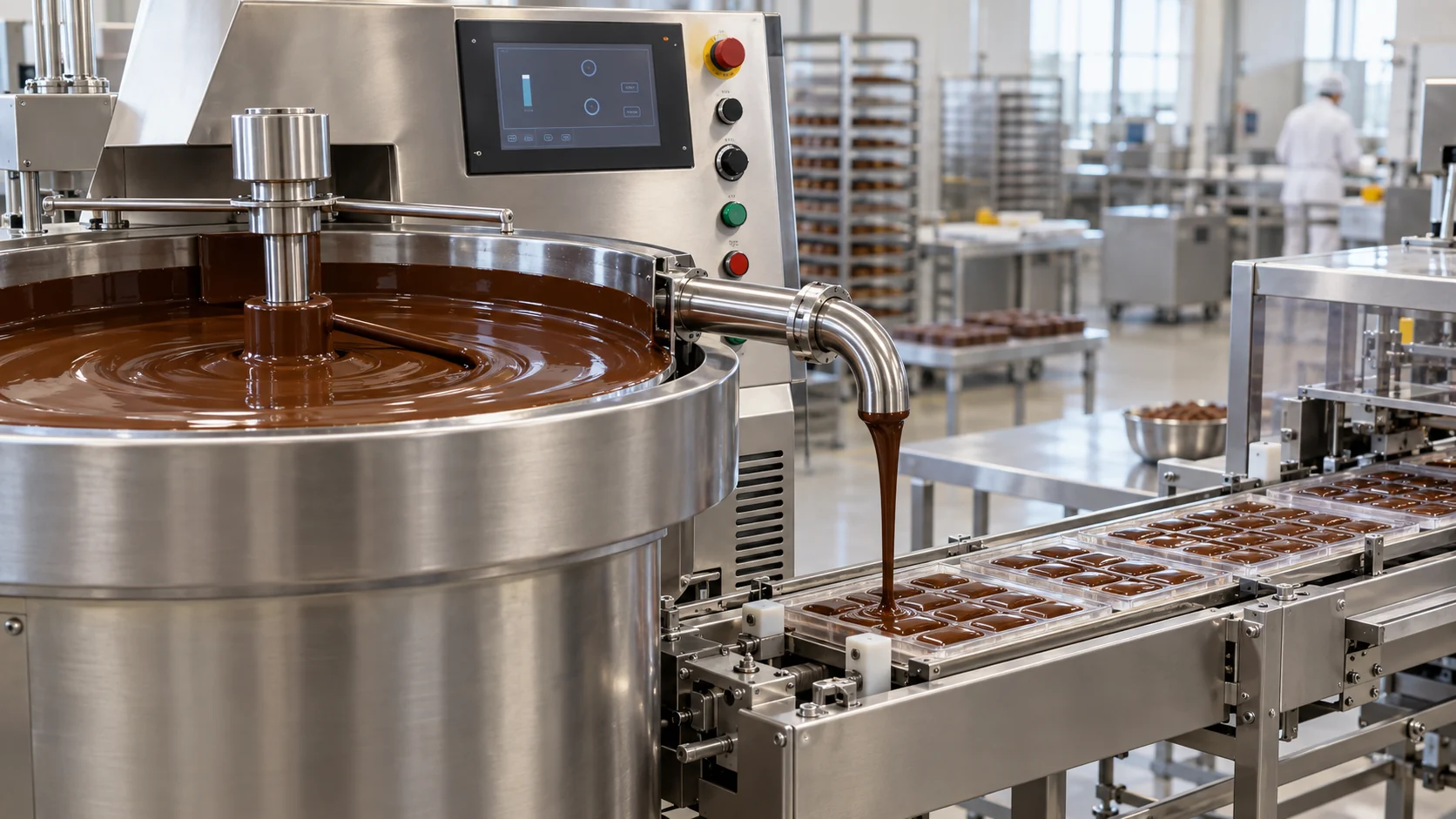
The depositor is the starch molding system’s heart. Here, liquid candy mixture transforms into discrete units with precise weight and shape. This stage combines mechanical engineering and fluid dynamics in complex ways.
Depositor accuracy and repeatability directly determine final product weight consistency. This is a critical quality and cost control parameter.
Depositor Pump Technologies
Modern depositors use highly accurate pump technologies for volumetric precision.
Piston pump depositors are most common. The mechanism involves a piston drawing precisely controlled liquid volume into a cylinder on the upstroke. It then expels liquid through a nozzle into the starch impression on the downstroke. This volumetric displacement method is extremely accurate. It adapts to wide ranges of product viscosities.
Rotary valve depositors are another technology. These systems use rotating valves containing cavities that pick up liquid from a hopper and transfer it to nozzles. This design often handles continuous depositing operations. It also works for specific mass types not well-suited for piston pumps.
Fluid Dynamics of the Mass
The liquid mass’s physical properties are as critical as the depositor’s mechanical precision.
- Viscosity: This is the most important fluid property. Viscosity must stay within narrow ranges. Too high viscosity makes the mass difficult to pump. This leads to inaccurate weights and excessive machinery strain. Too low viscosity causes deposited liquid to spread in the mold, losing intended shape.
- Température : Temperature directly impacts viscosity significantly. It must be precisely controlled throughout the hopper and depositing head. Even minor temperature fluctuations cause viscosity changes, leading to inconsistent deposit weights.
- Solids Content (Brix): Dissolved solids concentration influences both viscosity and required stoving time. Higher Brix levels generally mean higher viscosity and shorter drying cycles.
- “Tailing”: Le présent common production issue involves thin product strings remaining attached to nozzles after deposit completion. It mars product appearance. Causes typically include incorrect viscosity, improper nozzle design, or depositor shut-off speeds not optimized for the fluid properties.
Process Control and Troubleshooting
Achieving high efficiency and consistent quality in starch molding systems requires rigorous process control. This involves identifying critical parameters, monitoring them closely, and understanding how to troubleshoot deviations.
This section provides a practical framework for optimizing the process. It translates technical theory into actionable solutions for common production challenges.
Points de contrôle critiques
Effective process management focuses on key variables with the greatest final product impact.
- Starch Condition: Moisture content and temperature of starch entering the Starch Buck.
- Dépôt : Temperature, viscosity, and weight accuracy of deposited mass.
- Stoving Environment: Temperature and relative humidity profiles within curing chambers over entire stoving duration.
- Final Product: Final water activity (a_w) and textural properties of demolded product.
Parameter Optimization Guide
cURL Too many subrequests.
Paramètres | cURL Too many subrequests. | cURL Too many subrequests. | cURL Too many subrequests. |
cURL Too many subrequests. | 6 – 9% | cURL Too many subrequests. | cURL Too many subrequests. |
cURL Too many subrequests. | cURL Too many subrequests. | cURL Too many subrequests. | cURL Too many subrequests. |
cURL Too many subrequests. | cURL Too many subrequests. | cURL Too many subrequests. | cURL Too many subrequests. |
cURL Too many subrequests. | cURL Too many subrequests. | cURL Too many subrequests. | cURL Too many subrequests. |
cURL Too many subrequests. | cURL Too many subrequests. | cURL Too many subrequests. | cURL Too many subrequests. |
Dépannage technique
cURL Too many subrequests.
- Problème : cURL Too many subrequests.
- cURL Too many subrequests. cURL Too many subrequests.
- Solution : cURL Too many subrequests.
- Problème : cURL Too many subrequests.
- cURL Too many subrequests. cURL Too many subrequests.
- Solution : cURL Too many subrequests.
- Problème : cURL Too many subrequests.
- cURL Too many subrequests. cURL Too many subrequests.
- Solution : cURL Too many subrequests.

cURL Too many subrequests.
cURL Too many subrequests.
cURL Too many subrequests.
cURL Too many subrequests.
cURL Too many subrequests.
cURL Too many subrequests.
cURL Too many subrequests.
cURL Too many subrequests.
- Sieving: Starch from the demolder passes through multi-deck sieves. These screens remove small product fragments, tails, or large starch agglomerates. This ensures only clean starch proceeds to the next step.
- Drying/Cooling: Sieved starch then moves to a starch dryer or conditioner. This unit uses controlled heat (often fluidized bed or rotary drum) to reduce starch moisture content back to target operational range (e.g., 6-9%). Subsequently, it’s cooled to proper temperature before transport back to the Starch Buck to begin the cycle again.
- Hygiene: This conditioning step isn’t just for process control. It’s a critical food safety measure. Properly drying starch prevents potential microbial growth within circulating starch. This maintains the entire system’s hygienic integrity.
Conclusion: Synthesis and Outlook
The starch molding system demonstrates precision engineering where multiple scientific disciplines converge. Successful operation hinges on mastering three core principles.
First, the starch bed must be treated as an engineered material. Its physicochemical properties like moisture content and particle size need rigorous control. Second, the depositor is a precision mechanical system where fluid dynamics and volumetric accuracy intersect to define the product. Third, the stoving process is complex thermodynamics and mass transfer application, dictating the confection’s final texture and stability.
While fundamental starch molding principles have been established for over a century, technology continues evolving. We’re seeing clear trajectory towards greater control, efficiency, and data integration.
- Future Trends in Molding Technology:
- Automatisation avancée : PLC and SCADA system integration is becoming standard. This allows centralized control, monitoring, and data logging of all critical control points in real-time.
- Sensor Technology: Development of robust, in-line sensors for continuously monitoring variables like starch moisture and product water activity will move quality control from intermittent checks to continuous processes.
- Robotics: Robotics use for tray handling, palletizing, and even system cleaning is increasing. This improves operational efficiency, reduces manual labor, and enhances overall plant hygiene.
- Alternative Molding Media: Significant R&D focuses on starchless molding. This involves using reusable plastic or silicone molds. This eliminates starch conditioning complexities, removes a potential allergen, and can offer faster setting times for certain product formulations.
- Starch Mogul | Wikipedia https://en.wikipedia.org/wiki/Starch_mogul
- Hydrocolloids as Thickening and Gelling Agents | PMC – NIH https://www.ncbi.nlm.nih.gov/pmc/articles/PMC3551143/
- Food Hydrocolloids: Structure, Properties, and Applications | PMC – NIH https://pmc.ncbi.nlm.nih.gov/articles/PMC11011930/
- Starch Gel Structure Enhancement Techniques | PMC – NIH https://pmc.ncbi.nlm.nih.gov/articles/PMC11650135/
- Gelatinization and Spray Drying of Rice Starch with Hydrocolloids | ScienceDirect https://www.sciencedirect.com/science/article/abs/pii/S0144861719311531
- Rheological Properties of Food Hydrocolloids | ScienceDirect https://www.sciencedirect.com/science/article/abs/pii/S0963996901000916
- Pectin Effects on Corn Starch Gelatinization | PubMed – NIH https://pubmed.ncbi.nlm.nih.gov/29853405/
- Starch/Non-Starch Hydrocolloid Blending Review | ResearchGate https://www.researchgate.net/publication/317151710_A_review_Interaction_of_starchnon-starch_hydrocolloid_blending_and_the_recent_food_applications
- How Gummy Candy Is Made | Made How https://www.madehow.com/Volume-3/Gummy-Candy.html
- Gelatin, Starch, Pectin Influence on Flavor Release | ScienceDirect https://www.sciencedirect.com/science/article/abs/pii/S0308814603004801
Articles Connexes
- Systèmes de contrôle du poids : Guide de l'ingénieur pour la précision industrielle 2025
- Systèmes d'inspection de la couleur 2025 : Guide des principes fondamentaux à l'intention des ingénieurs
- Guide d'ingénierie de l'encaissage : Systèmes techniques et optimisation 2025
- Guide des systèmes d'emballage pondéral : Analyse technique et technologie moderne 2025
- Ligne de production de bonbons gélifiés
- Ligne de production de biscuits
- Les Skittles sont-ils sans gluten ? Guide complet 2026