Las mañanas pueden ser caóticas. La alarma no sonó, los niños llegan tarde al colegio, y el desayuno? Eso suele ser la primera víctima. Pero, ¿y si pudieras sacar algo caliente, hojaldrado y realmente delicioso del horno en solo 15 minutos? Exactamente ahí las galletas enlatadas se convierten en un cambio radical. No estamos hablando de atajos con sabor a cartón aquí—cuando eliges la marca adecuada y conoces algunos trucos, estos tubos de masa refrigerada ofrecen resultados sorprendentemente impresionantes que harán que tu familia piense que pasaste una hora en la cocina.
En los últimos dos años, hemos probado más de 13 marcas diferentes de galletas enlatadas en varios escenarios: desayunos rápidos entre semana, experimentos de brunch dominical, e incluso cenas de Acción de Gracias donde necesitábamos un acompañamiento confiable sin estrés. Algunas superaron las expectativas con sus capas mantecosas y su levado perfecto. ¿Otras? Bueno, digamos que todavía están en la parte trasera de nuestro frigorífico como recordatorio de lo que no hay que comprar. La verdad es que, las galletas enlatadas no todas son iguales, y saber cuáles elegir—y cómo usarlas correctamente—marca la diferencia entre “meh, es comestible” y “¿No las hiciste desde cero?”
Esta guía te acompañará en todo: qué son realmente las galletas enlatadas, qué marcas ofrecen la mejor relación calidad-precio, cómo evitar los errores más comunes (sí, congelarlas es uno de ellos), y formas creativas de usarlas más allá de simplemente untarles mantequilla. Ya seas un padre ocupado, un estudiante universitario que apenas puede hervir agua, o alguien que simplemente valora la conveniencia sin sacrificar el sabor, encontrarás ideas prácticas que realmente funcionan.
¿Qué son las galletas enlatadas? Por qué se han convertido en un básico de la cocina española
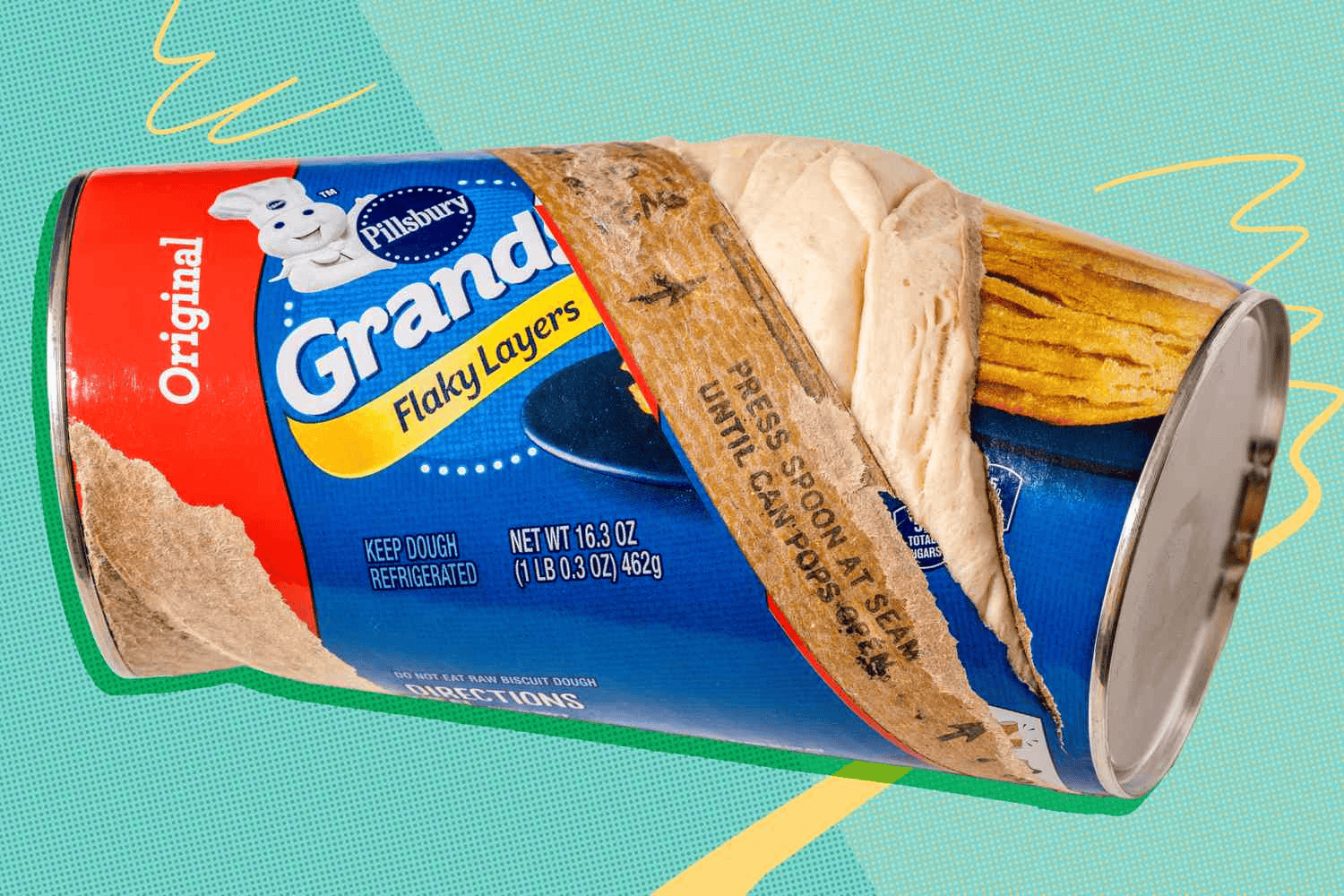
Antes de sumergirnos en comparaciones de marcas y recetas, establezcamos qué estamos tratando aquí. Si estás fuera de España o eres nuevo en esta categoría de productos, el término “galletas enlatadas” puede sonar confuso—después de todo, en la mayoría del mundo, “galletas” significa cookies. Pero en la gastronomía española, las galletas son panes suaves y esponjosos similares a los scones británicos, y las galletas enlatadas son masas prehechas en tubos de cartón presurizados que se colocan en la sección de lácteos de tu frigorífico.
La definición básica y el formato del producto
Aquí tienes lo que hace únicas a las galletas enlatadas:
-
Embalaje presurizado: La masa está sellada en un tubo de cartón o compuesto bajo ligera presión. Cuando retiras la etiqueta y presionas con una cuchara contra la costura, se abre con un sonido satisfactorio de “pop”—uno de esos momentos terapéuticos en la cocina.
-
Rondas preporcionadas: Dentro, encontrarás de 5 a 10 bolas de masa individuales (dependiendo del tamaño), ya formadas y listas para usar. Sin medir, sin cortar, sin rodillos necesarios.
-
Refrigerado, no congelado: A diferencia de los productos de masa congelada, los bizcochos enlatados viven en tu nevera a 1-4°C. Esto mantiene la masa estable mientras conserva la potencia de los agentes leudantes.
-
levadura química: La mayoría usan polvo de hornear o bicarbonato en lugar de levadura, lo que significa que suben rápidamente en el horno sin necesidad de tiempo de fermentación.
-
Estructura en capas: Las mejores marcas crean capas crujientes y distintas al doblar mantequilla o manteca en la masa—similar a la masa de hojaldre pero con una textura más suave.
La primera vez que abres una lata, notarás que la masa se siente fresca y ligeramente pegajosa, pero no pegajosa. Las de buena calidad se separan limpiamente en bolas individuales; las versiones más baratas pueden agruparse un poco. El olor es sutilmente mantecoso con un toque de ese aroma distintivo de polvo de hornear. Cuando las colocas en una bandeja para hornear, parecen discretas—discos pálidos y cortos que no prometen mucho. Pero ¿12-15 minutos en un horno a 190°C? Ahí es cuando sucede la magia. Se inflan casi al doble de su altura, desarrollan una parte superior dorada y liberan ese aroma irresistible a recién horneado que hace que todos aparezcan de repente en la cocina.
Por qué los bizcochos enlatados se convirtieron en un elemento esencial en la cocina española
La historia comienza en los años 30 cuando Pillsbury introdujo los primeros productos de masa refrigerada, revolucionando la repostería casera. Antes de esto, hacer bizcochos desde cero significaba medir harina, cortar mantequilla fría, añadir suero de leche, amasar (¡pero no demasiado!), estirar, cortar y esperar que la técnica fuera suficiente para que subieran correctamente. Requería habilidad, tiempo y generaba un desastre.
Los bizcochos enlatados cambiaron completamente la situación:
-
Años 30-50: La adopción temprana se centró en la conveniencia. Después de la Segunda Guerra Mundial, a medida que más mujeres entraron en el mercado laboral, los productos que reducían el tiempo en la cocina sin parecer que “no cocinaban” se volvieron cada vez más valiosos.
-
Años 60-80: Mejoras en la calidad los hicieron más aceptables. Las marcas introdujeron versiones con suero de leche, capas crujientes y diferentes tamaños. El estigma de “no hecho en casa” comenzó a desaparecer, incluso los cocineros más expertos admitían que eran soluciones prácticas.
-
Años 90-2000: Expansión hacia opciones orgánicas, integrales y dietas especiales. El mercado reconoció que “conveniente” y “de calidad” no tenían por qué ser mutuamente excluyentes.
-
2010s-PresenteLas aplicaciones creativas de recetas explotaron en línea. Las galletas enlatadas se convirtieron en la base para todo, desde pan de mono hasta coberturas para pastel de cazuela, haciéndolas más versátiles que nunca.
Según análisis de mercado recientes, el mercado de galletas en España alcanzó los $28.4 mil millones en 2025 y se proyecta que crezca a una tasa compuesta anual del 4.2% hasta 2030. Los productos de masa refrigerada, incluyendo las galletas enlatadas, representan una parte significativa de este crecimiento, impulsados por estilos de vida ocupados y la creciente calidad de los productos de conveniencia. Pillsbury domina con una participación estimada del 60-70% en la categoría de galletas refrigeradas, pero marcas desafiantes como Immaculate Baking y Annie’s Homegrown han creado nichos sustanciales al dirigirse a consumidores conscientes de la salud dispuestos a pagar un 30-50% más por opciones orgánicas o de etiqueta limpia.
¿La verdadera razón por la que persisten las galletas enlatadas? Ofrecen resultados consistentes con un mínimo de habilidad requerida. Las galletas de su abuela hechas con suero de leche podrían ser trascendentales, pero también requieren técnica transmitida de generación en generación. Una lata de Pillsbury Grands! solo requiere que enciendas el horno y pongas un temporizador. Para la mayoría de nosotros que lidiamos con trabajos, niños y las millones de otras cosas que la vida nos lanza, eso no es pereza—eso es supervivencia.
Principales tipos y comparación de marcas de galletas enlatadas
Entra en cualquier sección de lácteos de un supermercado español, y te enfrentarás a una pared de tubos cilíndricos que todos parecen vagamente similares. Pero pasa 20 minutos comparando etiquetas, precios y letra pequeña, y te darás cuenta de que hay una sorprendente variedad oculta en esos paquetes de cartón. Nosotros hemos hecho el trabajo pesado—literalmente comprando y horneando más de dos docenas de productos diferentes—para ayudarte a aclarar la confusión.
Tipos de galletas enlatadas por sabor y textura
No todas las galletas enlatadas cumplen la misma función. Algunas funcionan perfectamente como acompañamiento en la cena, mientras que otras son más adecuadas para sándwiches de desayuno o aplicaciones dulces. Así se dividen las categorías principales:
| Tipo | Características de textura | Definición de capas | Mejores usos | Precios | Escenarios recomendados |
|---|---|---|---|---|---|
| Galletas de suero de leche | Suaves, tiernas con un ligero sabor ácido | Medio | Desayuno clásico, acompañamiento de salsa | $2.00-$3.00 | Comidas familiares diarias |
| Capas hojaldradas | Exterior crujiente, capas distintas | Alta | Brunch, relleno, guarniciones de alta gama | $3.00-$4.00 | Entretenimiento de fin de semana |
| Sabor a mantequilla | Miga rica y húmeda | Medio | Maridaje de sopa, platos reconfortantes | $3.00-$4.00 | Acompañamiento para la cena |
| Estilo sureño | Textura densa y sustanciosa | Bajo | Comidas tradicionales del sur | $2.50-$3.50 | Reuniones festivas |
| ¡Grandes! (De tamaño sobredimensionado) | Grande, esponjoso, aireado | Alta | Sándwiches, hamburguesas | $3.50-$5.00 | Fiestas, picnics |
| Orgánico/Sin gluten | Varía según la marca | Medio-bajo | Necesidades dietéticas especiales | $4.00-$6.00 | Hogares conscientes de la salud |

Bizcochos de suero de leche son la base—lo que la mayoría de la gente piensa cuando escucha “bizcocho”. El suero de leche (o polvo de suero de leche) añade una sutil acidez que equilibra la riqueza y ayuda a crear una miga tierna. Estos sirven para prácticamente todo y no ofenden a nadie, pero tampoco van a impresionar a los invitados en una cena.
Variedades de capas hojaldradas son donde las cosas se vuelven interesantes. Estas están diseñadas con múltiples pliegues de mantequilla o manteca, creando capas horizontales distintas que se separan al hornear. Cuando las deshaces, puedes ver la estratificación. La textura se acerca a lo que esperarías de un buen bizcocho hecho en casa—crujiente por arriba y abajo, tierno y con capas en el interior. Hemos descubierto que estas son la opción más “aptas para Instagram” si eso te importa.
Sabor a mantequilla las versiones aumentan el contenido de grasa y añaden sabor a mantequilla (a veces mantequilla real, a veces artificial—revisa la etiqueta). Son notablemente más ricos y combinan excepcionalmente bien con aplicaciones saladas. La grasa extra también significa que permanecen más suaves por más tiempo, lo cual es útil si las preparas con antelación.
Estilo sureño los bizcochos son más densos y menos con capas, imitando intencionadamente los bizcochos tradicionales de vertido comunes en la cocina del sur. Son más rústicos, menos refinados y especialmente buenos para absorber salsa o estofado. Algunas personas los encuentran demasiado pesados; otros argumentan que esto es lo que un “bizcocho real” debería ser.
los productos Grands! son simplemente más grandes—generalmente el doble de diámetro y altura que los bizcochos normales. Están diseñados para sándwiches o como piezas llamativas en un plato. El tamaño mayor significa tiempos de horneado ligeramente más largos, pero la altura impresionante cuando están listos hace que valga la pena para ocasiones especiales.
Opciones de dietas especiales han explotado en los últimos años. Las versiones orgánicas usan listas de ingredientes más sencillas y harina no transgénica. Las versiones sin gluten reemplazan el trigo por arroz o harina de almendra, aunque seremos honestos: la textura nunca iguala exactamente a la de los bizcochos tradicionales. Tienden a ser más secos y a desmenuzarse más fácilmente, pero para personas con enfermedad celíaca o sensibilidad al gluten, son una opción conveniente legítima.
Comparación en profundidad de marcas: Pillsbury, Immaculate, Annie’s y más
Probamos ocho marcas principales en condiciones idénticas: mismo horno (convencional, no de convección), misma temperatura (375°F), misma bandeja de hornear (aluminio sin engrasar) y misma posición (rejilla central). Medimos la altura horneada con una regla, evaluamos la definición de las capas al separarlas, notamos el aroma a mantequilla y, lo más importante, las probamos tanto solas como con diversos acompañamientos.
| Marca | Calificación de sabor | Calidad de las capas | Aroma a mantequilla | Altura horneada | Precio (por lata) | Calificación de valor | Recomendación |
|---|---|---|---|---|---|---|---|
| Bizcochos Grands! de capas hojaldradas | ⭐⭐⭐⭐⭐ | Excelente | Rico | 2.2-2.4 pulgadas | $3.49 | ⭐⭐⭐⭐ | Mejor en general |
| Horneado Impecable Orgánico | ⭐⭐⭐⭐ | Bien | Moderado | 1.8-2.0 pulgadas | $4.99 | ⭐⭐⭐ | Mejor Orgánico |
| Casa de Annie | ⭐⭐⭐⭐ | Bien | Natural | 1.6-1.8 pulgadas | $4.49 | ⭐⭐⭐ | Opción Consciente de la Salud |
| Mason Dixie | ⭐⭐⭐⭐⭐ | Sobresaliente | Excepcional | 2.4-2.6 pulgadas | $5.99 | ⭐⭐⭐ | Elección Premium |
| Gran Valor (Walmart) | ⭐⭐⭐ | Justo | Suave | 1.5-1.7 pulgadas | $1.98 | ⭐⭐⭐⭐⭐ | Campeón de presupuesto |
| Signature Select (Safeway) | ⭐⭐⭐ | Moderado | Adecuado | 1.7-1.9 pulgadas | $2.79 | ⭐⭐⭐⭐ | Punto medio aceptable |
| 365 Whole Foods | ⭐⭐⭐⭐ | Bien | Sutil | 1.8-2.0 pulgadas | $3.99 | ⭐⭐⭐⭐ | Opción orgánica sólida |
| Marca Kroger | ⭐⭐⭐ | Justo | Ligero | 1.6-1.8 pulgadas | $2.49 | ⭐⭐⭐⭐ | Compra económica decente |
Bizcochos Grands! de capas hojaldradas consistentemente encabezó nuestras clasificaciones. En el momento en que abres la puerta del horno, ese olor a mantequilla llena la cocina. Crecen de manera impresionante—medimos alturas que van desde 2.2 hasta 2.4 pulgadas, lo cual es sustancial. Cuando los desmenuzas, puedes contar 5-6 capas distintas que se separan limpiamente. La parte superior se dora hermosamente sin necesidad de un lavado de huevo, y la parte inferior desarrolla la firmeza suficiente para evitar que se empapen cuando añades salsa o mantequilla. El sabor es inconfundablemente mantecoso pero no grasoso, con una miga tierna que no se vuelve gomosa al enfriarse. Por $3.49, no son los más baratos, pero para uso regular, ofrecen el mejor equilibrio entre calidad y conveniencia.
Mason Dixie en realidad superaron a Pillsbury en sabor y textura pura, lo cual nos sorprendió. Técnicamente son congelados en lugar de enlatados (vienen en una bolsa reutilizable), pero los incluimos porque llenan el mismo nicho de bizcochos rápidos. Tienen una calidad claramente artesanal—formas irregulares, apariencia rústica y un perfil de sabor que sabe a mantequilla real y suero de leche fresco. La altura fue la más impresionante, de 2.4-2.6 pulgadas. ¿La desventaja? Por $5.99 por solo cuatro grandes bizcochos, estás pagando precios gourmet. Reservaríamos estos para cuando quieras impresionar o realmente no puedas hacer bizcochos desde cero para una ocasión especial.
Horneado Impecable Orgánico apela al público que cuida su alimentación. La lista de ingredientes es refrescantemente corta: harina orgánica, aceite de palma orgánico, suero de leche orgánico, polvo de hornear, sal marina. Eso es básicamente todo. Sin nada artificial. Se hornean con un sabor a mantequilla natural y agradable, aunque ligeramente menos rico que Pillsbury. Las capas están presentes pero menos dramáticas. Por $4.99, estás pagando una prima por la certificación orgánica, lo cual importa a algunos hogares y a otros no en absoluto. Si eres del tipo que revisa las etiquetas, estos no te decepcionarán.
Casa de Annie ocupa un espacio similar en conciencia de salud. Son ligeramente más pequeños que los bizcochos estándar y no crecen tanto (1.6-1.8 pulgadas), pero el sabor es limpio y directo. Notamos que estos saben especialmente bien con miel o mermelada, donde el perfil de sabor más simple no compite. Los niños que son comedores quisquillosos en realidad prefirieron estos a opciones más ricas, curiosamente.
Great Value (marca de la casa de Walmart) es la opción pragmática. No pretendamos que sean increíbles—no lo son. Las capas son mínimas, el crecimiento es modesto y el sabor a mantequilla apenas se detecta. Pero por $1.98 por ocho bizcochos, puedes alimentar a una familia en el desayuno por menos de $2. Si vas a hacer bizcochos con salsa donde estarán empapados en salsa de salchicha, o usarlos como base para recetas creativas donde estarán cubiertos de azúcar con canela, gastar entre $5-6 por lata no tiene sentido económico. Estos cumplen con su función, y a veces eso es suficiente.
Signature Select y Kroger Las marcas de tienda están en el medio—no emocionantes, pero tampoco terribles. Son lo que coges cuando tu marca preferida está agotada o cuando compras en una tienda que no tiene las opciones premium. No te arrepentirás de comprarlas, pero probablemente tampoco las recordarás.
Un descubrimiento interesante de nuestras pruebas: el tipo de horno importa más de lo que la mayoría piensa. En un horno de convección, incluso las marcas mediocres mejoran notablemente—el aire circulante crea un mejor dorado y un aumento más uniforme. Si tienes convección, probablemente puedas usar marcas más baratas. Si usas un horno eléctrico estándar (especialmente uno antiguo con calentamiento desigual), invertir en una mejor galleta enlatada marca una diferencia tangible.
Cómo Elegir las Galletas enlatadas Adecuadas según tu Situación
Aquí es donde la teoría se encuentra con la vida real. Estás en la sección de refrigerados a las 7 de la tarde un martes, tratando de decidir qué tubo coger. Olvida la publicidad—esto es lo que realmente importa:
Escenario 1: Prisa en la Mañana de Día Laboral
Necesitas el desayuno en la mesa en 15 minutos. Los niños hacen ruido. El café aún no ha hecho efecto.
Elige: Buttermilk de Great Value o Marca Kroger (económico) O Pillsbury Grands! Original (si te importa la consistencia).
Por qué: La rapidez y la sencillez importan más que la perfección. Si solo vas a poner mantequilla y mermelada, ahorra tu dinero. Pero si quieres resultados garantizados sin estar revisándolas constantemente, la consistencia de Pillsbury significa menos vigilancia.
Escenario 2: Brunch de Fin de Semana con Amigos
Vas a preparar huevos Benedict o un buen desayuno. La presentación importa. Tienes tiempo para hacerlo bien.
Elige: Pillsbury Grands! Capas Crujientes o Mason Dixie.
Por qué: Estos lucen impresionantes en el plato. La altura y las capas distintas sugieren esfuerzo, aunque en realidad no hiciste mucho. Tus amigos comentarán sobre ellas, lo cual se siente bien.
Escenario 3: Cena de Acción de Gracias o Festiva
La familia viene. El estrés es alto. Necesitas guarniciones confiables que no causen drama.
Elige: Mason Dixie (para reuniones más pequeñas) o Pillsbury Grands! Estilo Sureño (para grupos más grandes).
Por qué: Mason Dixie se siente lo suficientemente "casero" como para que los familiares exigentes probablemente no se den cuenta. Los bizcochos al estilo sureño tienen esa cualidad tradicional y nostálgica que funciona con las comidas festivas. Evita algo demasiado experimental—quédate con sabores familiares.
Escenario 4: Comida compartida en la escuela o evento infantil
Otros padres verán esto. Algunos de ellos son críticos. El presupuesto es limitado.
Elige: Annie’s Homegrown o 365 Whole Foods.
Por qué: La etiqueta orgánica hace que la percepción funcione a tu favor. Incluso si saben solo ligeramente mejor, el embalaje indica "Me importa la nutrición de mi hijo". Es tonto pero efectivo.
Escenario 5: Proyecto de cocina creativa (Pan de mono, Coberturas para pastel de pollo, etc.)
Los bizcochos se están transformando en algo completamente diferente.
Elige: Great Value o Kroger Brand—literalmente la opción más barata disponible.
Por qué: Vas a desgarrar estos, cubrirlos con azúcar de canela y mantequilla, o hornearlos en una cazuela. Las diferencias sutiles entre marcas desaparecen por completo una vez que añades otros ingredientes. Invierte tu dinero en buena mantequilla y mezclas de calidad en su lugar.
Cuándo NO usar bizcochos enlatados:
-
Cenas formales donde el pan es el centro de atención (invierte en buenos panes de panadería)
-
Eventos a gran escala para más de 50 personas (la repostería casera a granel o el catering profesional son más rentables)
-
Cuando tienes necesidades dietéticas específicas no cubiertas por las marcas disponibles (alergias severas, requisitos de textura específicos)
-
Si realmente disfrutas hornear y tienes tiempo (bizcochos caseros, cuando se hacen bien, saben mejor—no vamos a mentir sobre eso)
La clave aquí: ajusta la calidad del producto al contexto. Usar bizcochos premium $6 para un desayuno entre semana donde todos comen en siete minutos planos tiene tanto sentido como servir bizcochos Great Value en una cena cuidadosamente planificada. El contexto importa.
Métodos adecuados de uso y errores comunes con bizcochos enlatados
Aquí es donde entramos en los detalles que separan resultados mediocres de resultados realmente buenos. Las instrucciones en la lata son técnicamente correctas pero incompletas. Te dicen qué hacer pero no por qué, lo que significa que no puedes solucionar problemas cuando algo sale mal ni optimizar para obtener mejores resultados.
Proceso completo paso a paso desde abrir hasta hornear
Paso 1: Abrir la lata (de la manera correcta)
Las instrucciones dicen “quitar la etiqueta, presionar la cuchara en la costura hasta que explote”. Bastante simple, ¿verdad? Aquí está lo que no te dicen: donde presionar importa. Encuentra la costura en espiral que corre a lo largo del tubo. Presiona firmemente con tu cuchara (o un cuchillo de mantequilla) contra el centro de la costura mientras sostienes el tubo con la otra mano. El tubo debería abrirse con una separación limpia.
Lo que aprendimos a la mala: si presionas demasiado cerca del extremo, la masa puede explotar hacia afuera de manera desordenada. Si presionas demasiado suavemente, no pasa nada, lo que te lleva a presionar cada vez más fuerte hasta que de repente ¡POP! con suficiente fuerza para asustar a las mascotas y a los niños pequeños. Presión firme y constante en el centro, esa es la zona ideal.
Paso 2: Separar la masa
Una vez abierto, los bizcochos suelen estar apilados o enrollados juntos. Gira suavemente y sepáralos en las perforaciones. Evita estirar o tirar agresivamente—esto comprime las capas y reduce el levado. Si están pegados, usa las yemas de los dedos para trabajar suavemente en separarlos en lugar de tirar de ellos.
Notamos que las marcas más baratas a veces carecen de perforaciones claras, lo que hace que este paso sea frustrante. Si te encuentras con esto, usa un cuchillo de mantequilla para cortar suavemente la masa en lugar de rasgarla.
Paso 3: Colocar en la bandeja de hornear (la separación importa)
Coloca los bizcochos en una bandeja de hornear sin engrasar con una separación de 2-3 centímetros entre cada uno. ¿Por qué sin engrasar? La masa contiene suficiente grasa para que no se peguen, y engrasar la bandeja puede hacer que las bases se doren demasiado o incluso tengan un sabor ligeramente frito.
La separación es más importante de lo que la gente piensa. Muy juntos (menos de 2 centímetros), y se hornearán juntos, creando bizcochos siameses incómodos. Muy separados (más de 7 centímetros), y pueden extenderse hacia afuera en lugar de levantarse hacia arriba. El rango de 2 a 3 centímetros les da espacio para expandirse sin estar tan aislados que no tengan estructura cercana para ayudarlos a subir verticalmente.
Paso 4: Precalentar el horno (sin atajos)
Aquí es donde muchas personas fallan. El horno DEBE estar completamente precalentado a la temperatura especificada en la lata—generalmente 350-375°F dependiendo de la marca. No te apresures con esto.
Por qué importa: Las galletas saladas dependen del calor rápido para activar el levado y crear vapor, que es lo que produce el aumento y las capas hojaldradas. Si las pones en un horno frío o apenas tibio, la mantequilla se derrite y se acumula antes de que la estructura se fije, resultando en discos planos y grasosos en lugar de galletas esponjosas. Probamos esto colocando galletas iguales en un horno precalentado vs. frío. La diferencia fue dramática: 5.6 cm vs. 3.3 cm de altura, y la versión en horno frío tenía una textura más densa y gomosa.
La mayoría de los hornos tardan entre 15 y 20 minutos en precalentarse completamente. Usa ese tiempo para preparar el café o poner la mesa. Si tu horno funciona caliente o frío (muchos lo hacen), invierte en un termómetro para horno—son muy útiles y realmente necesarios.
Paso 5: Tiempo de horneado y ajuste de temperatura
Sigue el tiempo recomendado en la lata (generalmente 12-16 minutos para galletas estándar, 18-22 para las Grandes!), pero conoce las peculiaridades de tu horno.
-
Hornos convencionales: Usa la rejilla del medio, tiempo estándar. Gira la bandeja a la mitad si tu horno tiene puntos calientes.
-
Hornos de convección: Reduce la temperatura en 25°F O reduce el tiempo en 2-3 minutos. El ventilador crea una transferencia de calor más eficiente, por lo que los ajustes estándar las sobre dorarán.
-
Bandejas de hornear oscuras: Absorben más calor y pueden dorar demasiado la parte inferior. Reduce la temperatura en 25°F o usa papel de horno como amortiguador.
-
Recipientes de vidrio para hornear: Retienen el calor por más tiempo. Reduce la temperatura en 25°F y vigila cuidadosamente en los últimos minutos.
Paso 6: Determinar si están listos
La lata generalmente dice “hornear hasta que estén doradas”, lo cual es vago. Esto es lo que realmente debes buscar:
-
Superficie superior: Debe estar dorada, no pálida amarilla ni oscura. Piensa en el color del “pan ligeramente tostado”.
-
Lados: Deberían haberse separado de las galletas vecinas y estar firmes, no aún con aspecto de masa cruda.
-
Prueba de toque: Golpea suavemente la parte superior con el dedo; debe sentirse firme y rebotar ligeramente, con un sonido hueco. Si se siente blando o hace un golpe sordo, déjalo otros 2-3 minutos.
-
Temperatura interna: Si quieres ser preciso, la temperatura interna debe alcanzar los 90-93°C. Pero, honestamente, las señales visuales son suficientes para la mayoría de las personas.
Paso 7: Manejo después del horno
Retira la bandeja de hornear y deja que las galletas descansen durante 2-3 minutos antes de servir. Continúan cocinándose ligeramente por el calor residual, y este período de reposo permite que la estructura interna se fije. Si las rompes inmediatamente, el centro aún podría estar ligeramente gomoso.
Dicho esto, las galletas son mejor servidas calientes. Todavía están buenas a temperatura ambiente, pero pierden algo. Si necesitas mantenerlas por más de 30 minutos, cúbrelas ligeramente con papel aluminio para evitar que se sequen, pero no las selles herméticamente o se cocinarán al vapor y se pondrán blandas.
Ocho errores más comunes y cómo evitarlos
Después de probar docenas de lotes y cometer errores deliberadamente para ver qué sucede, hemos identificado los errores que más afectan a los cocineros caseros:
1. Congelar en lugar de refrigerar
El error: Almacenar las galletas enlatadas en el congelador para “extender su vida útil”.
Lo que sucede: La lata presurizada puede explotar o gotear. Incluso si no, la textura de la masa se degrada: la grasa cristaliza, la estructura de gluten se descompone y los agentes leudantes pierden potencia. Terminas con galletas planas, densas y de textura extraña.
✅ Enfoque correcto: Siempre guárdalo en el refrigerador a 35-40°F. Durarán hasta la fecha de caducidad impresa (generalmente 2-3 meses). Si has abierto la lata y te quedan sobras, PUEDES congelar galletas crudas individuales: colócalas en una bandeja forrada con papel de horno, congélalas rápidamente hasta que estén sólidas (aproximadamente 2 horas), luego transfiérelas a una bolsa de congelación. Hornea desde congelado, añadiendo de 3 a 5 minutos al tiempo de cocción.
2. Dejar la masa reposar demasiado tiempo a temperatura ambiente
El error: Abrir la lata, distraerse y dejar la masa fuera durante 30 minutos o más.
Lo que sucede: La mantequilla o la manteca se ablandan, perdiendo las capas distintas. La masa se vuelve pegajosa y más difícil de manejar. El levado es menos dramático porque los agentes leudantes comienzan a activarse prematuramente.
✅ Enfoque correcto: Trabaja rápidamente. Desde la lata al horno no debería tomar más de 5-10 minutos. Si necesitas preparar otras cosas primero, hazlo ANTES de abrir la lata.
3. Manipular o amasar demasiado la masa
El error: Intentar dar forma a las galletas que parecen irregulares, o presionarlas y moldearlas como plastilina.
Lo que sucede: Las galletas se vuelven duras y pierden su textura tierna. Las capas colapsan.
✅ Enfoque correcto: Manipula mínimamente. Colócalas en la bandeja tal como salen de la lata. Si alguna se ve rara, simplemente acéptalo—rústico está bien. La perfección no es el objetivo aquí.
4. Saltarse el precalentamiento del horno
El error: Poner las galletas en un horno frío o apenas caliente para “ahorrar tiempo”.
Lo que sucede: Como se explicó antes, mal levado, textura grasosa, resultados decepcionantes.
✅ Enfoque correcto: Precalienta completamente. Usa ese tiempo de manera productiva. Son 15 minutos—responde correos, prepara café, supervisa tareas. No lo ignores.
5. Colocar las galletas demasiado juntas
El error: Acomodar todas las galletas en una bandeja pequeña para reducir la cantidad de utensilios.
Lo que sucede: Se hornean unas sobre otras, creando resultados deformes y cocidas al vapor en lugar de doradas donde se tocan.
✅ Enfoque correcto: Dales espacio. Usa dos bandejas si es necesario. El espacio adecuado mejora tanto la apariencia como la textura.
6. Hornear a una temperatura demasiado alta o demasiado baja
El error: Pensar “más caliente = más rápido” o no ajustar según el tipo de horno.
Lo que sucede: Demasiado alto (425°F o más) dora por fuera mientras deja el centro poco cocido. Demasiado bajo (325°F o menos) los seca sin un buen levado.
✅ Enfoque correcto: Sigue la temperatura en la lata, ajustándola a las características de tu horno. Cuando tengas dudas, 375°F funciona para la mayoría de las marcas.
7. Uso de productos caducados
El error: Encontrar una lata empujada en la parte trasera de la nevera, pasada la fecha de caducidad por 2-3 meses, y usarla de todos modos.
Lo que sucede: Los agentes leudantes se degradan con el tiempo, resultando en un levado mínimo. La masa también puede desarrollar sabores extraños.
✅ Enfoque correcto: Revisa las fechas al comprar y usar. Si te das cuenta de que está caducada, aún puedes intentar hornearla—no te hará daño, pero probablemente no suba bien. Considera usarla en aplicaciones donde la altura no importe (como desmenuzarla para cazuelas).
8. Dejar latas abiertas en la nevera durante demasiado tiempo
El error: Abrir una lata, usar unas galletas y dejar el resto expuesto en la nevera durante días.
Lo que sucede: La masa expuesta se seca, forma una piel y no horneará correctamente.
✅ Enfoque correcto: Si debes guardar masa abierta, envuelve individualmente las galletas crudas con plástico de cocina y úsalas en 1-2 días. Mejor aún, hornea todas a la vez—las galletas horneadas sobrantes se recalientan bien (20 segundos en el microondas o 5 minutos en un horno a 300°F).
Consejos de almacenamiento: prolongar la vida útil de las galletas en lata
Almacenamiento sin abrir:
-
Guarda en el compartimento principal de la nevera, no en la puerta (la temperatura fluctúa demasiado con abrir y cerrar).
-
Guarda en la parte trasera donde hace más frío y es más estable.
-
No apiles objetos pesados encima—las latas pueden romperse por la presión.
-
Temperatura ideal: 35-40°F.
Después de abrir:
Si realmente no puedes usar todas las galletas en una sola sesión de horneado (aunque cuestionaríamos por qué abriste una lata pequeña si no las necesitabas todas), aquí tienes el mejor método que hemos encontrado:
-
Separa las galletas no usadas individualmente.
-
Colócalas en una bandeja de horno forrada con papel de horno, sin que se toquen.
-
Congélalas sin cubrir durante 1-2 horas hasta que estén sólidas (esto se llama “congelación rápida”).
-
Transfiera las galletas congeladas a una bolsa para congelador, saque el aire y cierre.
-
Almacene en el congelador hasta por 2 meses.
-
Hornee directamente desde congelado—no es necesario descongelar. Añada de 3 a 5 minutos al tiempo de horneado estándar.
Este método preserva mejor la textura que intentar volver a cerrar la lata o envolverlas mientras aún están blandas.
Identificación de deterioro:
Las galletas enlatadas rara vez “se estropean” en el sentido de volverse inseguras, pero sí se degradan. Signos para desechar:
-
Lata hinchada o abultada: La tapa ha fallado. No usar.
-
Olor desagradable o agrio al abrir: Algo ha crecido que no debería.
-
Masa decolorada: Manchas grises o verdes indican moho.
-
La lata tiene más de 3 meses de vencida: Técnicamente puede estar segura, pero la calidad está demasiado comprometida como para valer la pena.
En caso de duda, hágale olfato. Tu nariz sabe. La masa de galletas fresca huele ligeramente a levadura, harina y un toque de mantequilla. Si huele mal, confía en ese instinto.
Recetas creativas y escenarios de aplicación para galletas enlatadas
Aquí es donde las galletas enlatadas pasan de ser un “artículo de desayuno conveniente” a un “ingrediente sorprendentemente versátil”. Vamos a mostrarte aplicaciones que las hacen realmente divertidas de cocinar, no solo atajos tolerables.
Aplicaciones clásicas para el desayuno: de lo básico a lo avanzado
Enfoques básicos:
-
Tradicional con salsa: Partir las galletas horneadas por la mitad, verter salsa de salchicha o de champiñones vegetarianos por encima. Esto es comida reconfortante del sur 101. La galleta absorbe la salsa mientras mantiene suficiente estructura para no deshacerse en puré.
-
Montaje de sándwich de desayuno: Hornear las galletas un poco más tiempo para una textura más firme (añadir 2-3 minutos). Partirlas horizontalmente, rellenar con huevos revueltos, queso y tocino o salchicha. Las variedades grandes de Grands! son perfectas para esto—su diámetro mayor permite mejores rellenos.
-
Mantequilla y miel simples: A veces, el mejor enfoque es el más simple. Galleta caliente, mantequilla real (no margarina), buena miel o mermelada. Dejar que la calidad de la galleta hable por sí misma.
Ideas avanzadas para el desayuno:
Horno de galletas con salchicha, huevo y queso (Para 6-8 personas)
Tomar 2 latas de galletas Grands!, cortarlas en cuartos. Dorar 1 libra de salchicha para desayuno, escurrir el exceso de grasa. Batir 8 huevos, 1 taza de leche, 1 taza de queso cheddar rallado, sal y pimienta. Mezclar los trozos de galleta, la salchicha y la mezcla de huevo en una bandeja engrasada de 23x33 cm. Hornear a 180°C durante 35-40 minutos hasta que esté cuajado y dorado. Esto transforma las galletas individuales en una cazuela para compartir que se mantiene caliente para un desayuno estilo bufé.
Variación de Benedict con galleta
Reemplazar los muffins ingleses por galletas horneadas (las variedades con capas hojaldradas funcionan mejor). Cubrir con tocino canadiense o salmón ahumado, huevos escalfados y salsa holandesa. La riqueza mantequillosa de la galleta combina sorprendentemente bien con la holandesa—mejor de lo que esperarías. La clave es elegir una variedad hojaldrada, no demasiado densa, para que no se sienta pesada.
Galletas de cheddar y hierbas (Imitación de Red Lobster)
Antes de hornear, pintar cada galleta con mantequilla derretida mezclada con polvo de ajo, perejil seco y una pizca de cayena. Espolvorear con queso cheddar fuerte rallado. Hornear según las instrucciones. El resultado sabe notablemente similar a las famosas Galletas Cheddar Bay de Red Lobster por una fracción del esfuerzo.
El tiempo de preparación para estas recetas avanzadas varía de 20 a 45 minutos—aún mucho más rápido que cocinar desde cero, ofreciendo resultados impresionantes.
Innovaciones en cenas y guarniciones: Más allá de las expectativas tradicionales
Cobertura para pastel de pollo (Esto nos sorprendió incluso a nosotros por lo bien que funciona)
Hacer pastel de pollo desde cero es un proyecto de fin de semana que implica masa de hojaldre, horneado a ciegas y estrés. ¿Usar galletas enlatadas como cobertura? Un cambio radical. Prepara el relleno del pastel (pollo, verduras, salsa de crema) en una sartén apta para horno o en un molde para tartas profundo. Coloca las galletas encima, ligeramente superpuestas. Pincela con mantequilla derretida y espolvorea con hierbas. Hornea a 190°C durante 25-30 minutos. Las galletas se hornean en dumplings dorados que absorben sabor mientras permanecen distintas.
Cazuela de pollo y galletas
Capas de pollo cocido y desmenuzado mezclado con sopa de pollo y verduras en una fuente para horno. Cubre con trozos de galleta (cada galleta cortada en 4-6 trozos). Rocía con mantequilla derretida. Hornea a 180°C durante 30-35 minutos. Es comida reconfortante que parece casera pero requiere habilidades mínimas de cocina.
Tazas de chili con galletas
Presiona la masa de galletas refrigeradas en moldes para magdalenas engrasados, creando pequeños cuencos. Rellena con chili (casero o enlatado), cubre con queso rallado. Hornea a 190°C durante 15-18 minutos hasta que las galletas estén doradas y el queso se derrita. La galleta forma un cuenco comestible—a los niños especialmente les encantan porque son fáciles de manejar y divertidas.
Galletas de hierbas y ajo para la cena
Mezcla 3 cucharadas de mantequilla derretida con 2 dientes de ajo picados, 1 cucharadita de romero o tomillo secos, y una pizca de sal. Pincela esto sobre las galletas antes de hornear y espolvorea con queso parmesano rallado. Funcionan junto con pasta, pollo asado o filetes. Huelen increíble al salir del horno.
Aquí tienes una guía práctica de maridaje que desarrollamos después de probar varios platos principales:
| Tipo de plato principal | Estilo de galleta recomendado | Técnica de maridaje | Tiempo de preparación |
|---|---|---|---|
| Estofado de carne | Yogur o estilo sureño | Servir junto para mojar; pincelar con mantequilla | 15 minutos |
| Pollo frito | Capas hojaldradas | Contrastar texturas; servir con mantequilla de miel | 20 minutos |
| Sopa de tomate | Sabor a mantequilla | Combinación rica; espolvorea parmesano por encima | 12 minutos |
| Chile | Estilo del Sur (robusto) | Debe resistir la humedad; considera hornear en moldes | 18 minutos |
| Sopa de Mariscos | Variedades sazonadas con hierbas | Ligero, complementario; evita dominar el pescado | 15 minutos |
| Cerdo Asado | Suero de leche con mantequilla de salvia | Combinación tradicional; añade hierbas frescas | 16 minutos |
| Curry Vegetariano | Suero de leche simple | Base neutra; no competirá con las especias | 12 minutos |
Dulces y Transformaciones de Snacks: Sorprendentemente Deliciosos
Esta categoría es donde las galletas enlatadas realmente brillan creativamente. La masa base neutra y ligeramente dulce se adapta perfectamente a aplicaciones de postres.
Pan de Mono (El Clásico)
Corta 2 latas de bizcochos en cuartos. Mezcla los trozos en una mezcla de canela y azúcar. Coloca en un molde para bundt engrasado. Derrite 1/2 taza de mantequilla con 1 taza de azúcar moreno y vierte sobre los trozos de bizcocho. Hornea a 180°C durante 35-40 minutos. Da la vuelta sobre un plato de servir aún caliente. Los trozos de bizcocho se hornean en racimos pegajosos y para partir, cubiertos de azúcar de canela caramelizada. Esto es ridículamente fácil y siempre recibe excelentes críticas.
Donas de bizcocho con azúcar de canela
Hornea los bizcochos según las instrucciones, deja enfriar 5 minutos. Mientras aún estén calientes, unta con mantequilla derretida y pásalos por la mezcla de azúcar y canela. El resultado no es idéntico a las donas fritas, pero es notablemente bueno y mucho menos desordenado. A los niños les encantan como golosinas de fin de semana.
Empanadas de frutas o manzana
Aplane ligeramente cada bizcocho con la palma de la mano. Coloca una cucharada de relleno de tarta (cereza enlatada, manzana o arándanos funciona muy bien) en el centro. Dobla y aprieta los bordes para sellar, formando una media luna. Hornea a 190°C durante 14-16 minutos hasta que estén dorados. Rocía con glaseado simple (azúcar en polvo + leche). Parecen de panadería con un esfuerzo mínimo.
Bocaditos de pizza con bizcocho
Presiona los bizcochos para que queden planos, coloca encima salsa de pizza, mozzarella rallada y toppings (pepperoni, verduras, etc.). Hornea a 190°C durante 12-15 minutos. Funcionan perfectamente como meriendas después del colegio o aperitivos para fiestas. Puedes hacer de 40 a 50 piezas en el tiempo que tarda en llegar una pizza a domicilio.
Bizcochos de fresa con nata
Hornea los bizcochos un poco más tiempo para una textura más firme. Partelos por la mitad, coloca en capas con fresas frescas en rodajas (maceradas en azúcar durante 30 minutos) y crema batida. El sabor mantecoso del bizcocho combina perfectamente con las frutas. Es un postre poco valorado que parece más sofisticado de lo que su sencillez sugiere.
Inversión de tiempo para aplicaciones dulces: 15-30 minutos de principio a fin, haciendo que sean postres realistas para entre semana en lugar de proyectos de fin de semana.
Contenido nutricional y consideraciones de salud para bizcochos enlatados
Vamos a abordar el elefante en la habitación: los bizcochos enlatados no son comida saludable. Pero tampoco son desastres nutricionales si entiendes lo que estás comiendo y cómo encajan en tu dieta general.
Perfil nutricional estándar de los bizcochos enlatados típicos
Basado en análisis de las principales marcas, esto es lo que típicamente contiene un bizcocho de tamaño estándar (aproximadamente 65-75 gramos):
-
Calorías: 170-200
-
Grasas totales: 6-8g (grasas saturadas: 2-3g, grasas trans: 0-0.5g)
-
Sodio: 400-600mg (17-251% de la ingesta diaria recomendada)
-
Carbohidratos Totales: 25-30g (principalmente harina refinada)
-
Fibra dietética: 0-1g (mínimo)
-
Azúcares: 2-4g
-
Proteínas: 4-5g
-
Vitaminas/minerales clave: Cantidades pequeñas de calcio (4-6% DV) y hierro (6-8% DV); la mayoría de las marcas no están fortificadas
Lo que esto significa en términos prácticos:
Dos galletas para el desayuno aportan aproximadamente 350-400 calorías, lo cual es razonable para un componente del desayuno si se combina con proteína (huevos, yogur) y fruta. Sin embargo, el contenido de sodio es la principal preocupación—dos galletas pueden aportar el 35-50% de la ingesta diaria recomendada de sodio (2.300 mg para la mayoría de los adultos).
Comparación con galletas caseras:
Las galletas hechas a mano con harina, mantequilla, suero de leche, polvo de hornear y sal contienen calorías y grasas similares, pero generalmente tienen 30-40% menos de sodio porque tú controlas la cantidad de sal. También tienden a tener un poco más de proteína si usas suero de leche o leche entera. La principal ventaja de las caseras es el control sobre los ingredientes—sabes exactamente qué se está poniendo.
Aditivos comunes en galletas enlatadas:
-
Conservantes: Sorbato de potasio, benzoato de sodio (para mantener la frescura)
-
Aditivos para la masa: DATEM, monoglicéridos (para textura y estabilidad)
-
Aceites hidrogenados: Algunas marcas más económicas todavía los usan, lo que puede contener trazas de grasas trans
-
Aromas artificiales: Las variedades con sabor a “mantequilla” pueden usar saborizantes artificiales de mantequilla
Ninguno de estos es inmediatamente dañino en consumo moderado, pero si buscas minimizar los aditivos en alimentos procesados, vale la pena tenerlo en cuenta.
Alternativas más saludables: Opciones orgánicas, bajas en sodio y sin gluten
Galletas enlatadas orgánicas:
Horneado Impecable Orgánico y Casa de Annie lideran esta categoría. Sus listas de ingredientes son notablemente más simples:
-
Harina de trigo orgánica
-
Aceite de palma orgánico o mantequilla orgánica
-
Polvo de suero de leche orgánico
-
Polvo de hornear
-
Sal marina
Sin conservantes artificiales, sin acondicionadores de masa, sin aceites hidrogenados. Pagas entre 4,49 y 4,99 euros por lata (en comparación con 2-3 euros para las convencionales), aproximadamente un 50-80% de prima. ¿Vale la pena?
Si tú:
-
Prioritizas ingredientes orgánicos por motivos ambientales o de salud
-
Estás alimentando a niños pequeños y quieres minimizar la exposición a aditivos
-
Simplemente prefieres listas de ingredientes más sencillas
Entonces sí, merece la pena el coste adicional. La diferencia de sabor es sutil—ligeramente menos intenso, pero con un sabor más “real” si eso tiene sentido.
Opciones sin gluten:
Esta es una categoría más complicada. Varias marcas ahora ofrecen galletas refrigeradas sin gluten:
-
Inmaculate Sin Gluten
-
Pillsbury Sin Gluten (mercados selectos)
-
Varias marcas de tienda
Evaluación honesta: Ninguna de ellas replica perfectamente la textura de la galleta tradicional. Tienden a ser:
-
Más densas y más desmenuzables
-
Ligeramente arenosas por la harina de arroz o almendra
-
Menos levado y escamosas
-
Más caras ($5-7 por lata)
Sin embargo, para personas con enfermedad celíaca o sensibilidad al gluten, son una opción conveniente legítima. La alternativa es hacer galletas sin gluten desde cero, lo cual es notoriamente difícil porque la harina sin gluten se comporta de manera diferente y requiere aditivos aglutinantes (goma xantana, etc.).
Nuestra recomendación: Si necesitas sin gluten, ajusta tus expectativas en consecuencia. Estas no impresionarán a nadie, pero son aceptables y convenientes.
Variedades bajas en sodio:
Desafortunadamente, esta es la única área en la que el mercado ha fallado. Encontramos casi ninguna galleta enlatada realmente baja en sodio. Algunas marcas tienen versiones de “reducido en sodio” con 300-350 mg por galleta frente a 500-600 mg, pero eso todavía no es bajo.
Si la ingesta de sodio es una preocupación médica, tus mejores opciones son:
-
Hacer bizcochos desde cero usando polvo de hornear bajo en sodio y controlando la sal
-
Limitar el consumo de variedades enlatadas a un uso ocasional
-
Equilibrar con comidas muy bajas en sodio en otras partes del día
Equilibrando conveniencia y nutrición:
La realidad es que los bizcochos enlatados son un producto de conveniencia primero, nunca un alimento saludable. Pero pueden encajar en una dieta equilibrada si tú:
-
Combínalos con alimentos ricos en nutrientes: Huevos, verduras, proteínas magras, fruta
-
Vigila las porciones: Un bizcocho como parte de una comida, no tres bizcochos como toda la comida
-
No los uses a diario: Reservarlos para mañanas ocupadas, no como desayuno predeterminado todos los días
-
Elige marcas mejores cuando sea posible: Orgánicas o con listas de ingredientes más sencillas si el presupuesto lo permite
Usamos bizcochos enlatados 2-3 veces al mes en nuestro hogar—suficiente para apreciar la conveniencia pero no tan a menudo que el sodio o los ingredientes procesados sean preocupantes.
Bizcochos enlatados en diferentes industrias: Aplicaciones comerciales
Mientras que la mayoría piensa en los bizcochos enlatados como productos de cocina casera, tienen aplicaciones comerciales significativas en varias industrias. Entender esto puede dar a los cocineros caseros ideas sobre el uso profesional y estrategias de compra al por mayor.
Aplicaciones en servicios de alimentación y la industria de restaurantes
Restaurantes de comida rápida:
Cadenas principales como McDonald’s no usan bizcochos enlatados directamente (tienen sistemas propietarios de masa congelada), pero cadenas regionales más pequeñas y franquicias sí lo hacen. El atractivo es sencillo:
-
Coherencia: Cada galleta es idéntica en tamaño y peso, crucial para la gestión del coste de los alimentos
-
Velocidad: Desde el frigorífico hasta el cliente servido en menos de 20 minutos, incluido el tiempo de horneado
-
Formación mínima requerida: Cualquier empleado puede hornearlas con éxito
-
Control de costes: La tarifa por volumen reduce el coste por galleta a $0.15-$0.30, frente a $0.40-$0.60 para galletas hechas desde cero al tener en cuenta la mano de obra
Restaurantes de comida informal:
Marcas como Cracker Barrel se enorgullecen de hornear desde cero, pero los restaurantes de nivel medio suelen usar masa refrigerada por eficiencia. Pueden mejorarlas (pintarlas con mantequilla de miel, añadir hierbas, servirlas calientes con mermelada) para crear valor percibido.
Servicios de catering:
Para grandes eventos (desayunos corporativos, bodas, conferencias), las galletas enlatadas resuelven el problema del “servicio de pan caliente”. Los caterings pueden hornear en lotes durante el servicio, asegurando galletas frescas y calientes sin la intensidad laboral de hornear desde cero para 200 personas.
Comparación de costes para 100 porciones:
-
Galletas enlatadas: 13 latas a $2.50 cada una (tarifa por volumen) = $32.50 + mano de obra mínima
-
Galletas hechas desde cero: $15-20 en ingredientes + 3-4 horas de mano de obra especializada a $15-20/hora = $60-100 coste total
-
Prehorneadas congeladas: $50-70 + tiempo de recalentamiento, pero la calidad a menudo decepciona
Para operaciones con presupuesto ajustado, las enlatadas ofrecen el mejor equilibrio.
Instituciones educativas y centros sanitarios
Comedores escolares:
Las galletas enlatadas cumplen con varios requisitos críticos para el servicio de comida escolar:
-
Cumplimiento del patrón de comidas del USDA: Cuenta como porciones de cereal
-
Etiquetado de alérgenos: Listas de ingredientes claras y consistentes
-
Estabilidad en estantería: Larga vida útil en refrigeración reduce el desperdicio
-
Apto para niños: Familiar, aceptado por la mayoría de los estudiantes
Muchos distritos escolares compran latas de tamaño institucional (más grandes que las versiones minoristas) directamente a Pillsbury o distribuidores regionales a $1.50-2.00 por lata.
Comidas para pacientes hospitalarios:
Las galletas son ideales para pacientes que necesitan alimentos suaves y fáciles de masticar, pero desean algo más atractivo que el pan hospitalario estándar. Pueden ser:
-
Servidas con salsa para pacientes que necesitan una ingesta calórica mayor
-
Humedecidas con mantequilla para pacientes con dificultades para tragar
-
Desmenuzadas en sopas para variar la textura
La miga suave y tierna (especialmente en variedades de suero de leche) las hace adecuadas para muchas texturas dietéticas (suave mecánica, dieta blanda, etc.).
Centros de vida para personas mayores:
Beneficios similares a los hospitales, además del factor de comida reconfortante. Muchos residentes mayores tienen asociaciones positivas con las galletas de su infancia, haciendo las comidas más atractivas.
Consideraciones de cumplimiento en estos sectores:
Todo servicio de comida comercial e institucional debe rastrear alérgenos, información nutricional y manejar los perecederos de manera segura. Las galletas enlatadas simplifican esto: la etiqueta nutricional está estandarizada, la información de alérgenos está claramente impresa y el embalaje sellado reduce el riesgo de contaminación hasta su uso.
Canales de distribución minorista y comercio electrónico
Canales minoristas principales:
-
Secciones de refrigerados en supermercados: 75% de volumen de ventas
-
Clubes de almacén (Costco, Sam’s Club): 15% (paquetes al por mayor con descuento)
-
Tiendas de conveniencia: 5% (selección limitada, precios más altos)
-
Compra de alimentos en línea: 5% (en crecimiento pero requiere logística de cadena de frío)
Patrones de precios específicos por canal:
Los supermercados tradicionales fijan el precio de las galletas enlatadas en $2.49-$4.99 por lata estándar, con promociones frecuentes (10 por $10, compra uno y lleva otro gratis, etc.). La estrategia de productos de pérdida es común—atraer a los clientes con galletas baratas, obtener beneficios en otros artículos que compran.
Los clubes de almacén venden paquetes múltiples (3-4 latas) en $8-12, reduciendo el coste por lata a $2-3. Sin embargo, debes usarlas o congelarlas antes de la fecha de caducidad, lo cual no todos los hogares pueden hacer.
La entrega de alimentos en línea (Instacart, Amazon Fresh, etc.) añade un recargo de $0.50-1.00 por lata para cubrir la logística de cadena de frío. Enviar galletas directamente a los consumidores requiere:
-
Camiones refrigerados
-
Embalaje aislante
-
Entrega exprés (no se puede dejar en un camión caliente todo el día)
-
Cantidad mínima de pedido para que la logística sea rentable
Esto hace que la compra en línea sea menos competitiva para compras de una sola lata, pero razonable para pedidos de stock de 6 o más latas.
Recomendaciones para compras al por mayor:
Si tienes espacio en el congelador y usas galletas regularmente (semanal o más), comprar paquetes múltiples en clubes de almacén ahorra un 25-35%. Congela rápidamente las latas no utilizadas (retíralas del tubo de cartón primero, envuélvelas bien) hasta por 3 meses. Hornea directamente desde congelado, añadiendo de 5 a 8 minutos al tiempo de cocción.
Si las usas ocasionalmente (mensualmente o menos), compra latas individuales en tu supermercado habitual y estate atento a las ofertas. Acumular no vale el riesgo de expiración o quemaduras por congelación.
Tendencias del mercado y desarrollo futuro de las galletas enlatadas
Comprender hacia dónde se dirige esta categoría de productos ayuda a los consumidores a anticipar nuevas opciones y tomar decisiones informadas sobre productos emergentes.
Tendencias en innovación centrada en la salud y funcionalidad
El movimiento de alimentación saludable del sector alimentario en general está impactando las galletas enlatadas, aunque el cambio llega lentamente en los productos de conveniencia de larga duración en estantería.
Movimiento de Etiqueta Limpia:
Los consumidores demandan cada vez más ingredientes que reconozcan. Para 2026, aproximadamente 43% de los consumidores revisan activamente las listas de ingredientes antes de comprar alimentos procesados, según encuestas del sector alimentario. Las marcas están respondiendo:
-
Reducción de ingredientes: Apuntando a 8-10 ingredientes frente a 15-20 en formulaciones más antiguas
-
Reclamaciones de “libre de”: Sin sabores artificiales, colores, conservantes
-
Nombres más simples: Reemplazando “mono-gliceridos” por “lecitina de girasol” (ambos son emulsionantes, pero uno suena más aterrador)
Proteínas de origen vegetal y alternativas:
Mientras que la mayoría de las galletas enlatadas ya son vegetarianas (usando manteca en lugar de manteca de cerdo), están surgiendo versiones veganas que eliminan el suero de leche y usan leche vegetal. Annie’s e Immaculate han lanzado variedades completamente veganas dirigidas a consumidores flexitarianos.
Más intrigante: galletas enriquecidas con proteínas usando proteína de guisante o harina de almendra para aumentar la proteína de 4 g a 7-8 g por porción. Estos están dirigidos a consumidores conscientes de su forma física que desean opciones convenientes que apoyen sus macros.
Ingredientes funcionales:
Espere ver galletas con ingredientes añadidos:
-
Fibra: Fibra de raíz de achicoria o fibra de avena para alcanzar 3-5 g por porción
-
Probióticos: Cepas probióticas estables en estantería (aunque la eficacia después de hornear es cuestionable)
-
Granos antiguos: Harina de espelta, quinoa o amaranto para diversidad nutricional
-
Omega-3: Semillas de lino o chía incorporadas
Datos de proyección de mercado:
El mercado de galletas alcanzó $28,4 mil millones en 2025 y se proyecta que crezca hasta aproximadamente $35 mil millones para 2030, representando una tasa de crecimiento anual compuesta del 4,2%. Dentro de esto, los productos “libres de” y posicionados en salud están creciendo a 6.28% de CAGR, casi 50% más rápido que las variedades convencionales. Esto indica a los fabricantes dónde invertir en I+D.
Sin embargo, es recomendable ser escéptico. Añadir fibra o proteína a las galletas no las convierte mágicamente en alimentos saludables. Son mejoras marginales, no transformadoras. El marketing a menudo supera el beneficio nutricional real.
Mejoras en sostenibilidad y embalaje
Las preocupaciones medioambientales están impulsando la innovación en envases, aunque el progreso es más lento de lo que muchos consumidores desearían.
Problemas actuales de embalaje:
-
Tubos compuestos (cartón + aluminio + revestimiento plástico) son difíciles de reciclar
-
La mayoría de los sistemas de reciclaje municipales no los aceptan
-
Terminan en vertederos a pesar de ser materiales parcialmente reciclables
Innovaciones en desarrollo:
-
Tubos de material único: Tubos de papel con recubrimientos bio-basados delgados (en lugar de revestimiento plástico). Estos podrían ir en los flujos de reciclaje de papel.
-
Sistemas de presión compostables: Utilizando CO2 para la presión en lugar de gases de leudado químicos, lo que potencialmente permite envases compostables.
-
Envases retornables: Programas piloto donde los consumidores devuelven los tubos vacíos a las tiendas para su reutilización. Aún en una etapa muy inicial.
Demanda del consumidor:
Una encuesta de 2025 encontró 67% de consumidores estarían dispuestos a pagar entre 10-15% más por envases ecológicos en productos alimenticios, pero solo 22% los buscan activamente al hacer compras. Existe una brecha entre las preferencias declaradas y el comportamiento real que las marcas están intentando cerrar.
Compromisos ESG corporativos:
General Mills (empresa matriz de Pillsbury) se ha comprometido a:
-
Envases reciclables o reutilizables 100% para 2030
-
Reducción del uso de plástico virgen en 30% para 2030
-
Mayor contenido reciclado post-consumo
Queda por ver si se cumplen estos objetivos, pero la presión de los inversores y las regulaciones (especialmente en Cataluña y en las comunidades autónomas del norte) está acelerando el cambio.
Integración digital y personalización
La tecnología está transformando incluso productos básicos como las galletas en lata, aunque de forma sutil.
Oportunidades de venta directa al consumidor (DTC):
Las pequeñas marcas artesanales utilizan modelos DTC para ofrecer:
-
Sabores regionales especializados: Tubos congelados en lugar de refrigerados (producto diferente pero con conveniencia similar)
-
Cajas de suscripción: Entregas mensuales de galletas con tarjetas de recetas
-
Formulaciones personalizadas: Versiones bajas en sodio, aptas para keto o libres de alérgenos no disponibles en tiendas
Estas sirven a mercados nicho dispuestos a pagar precios premium ($8-12 por cantidad equivalente de lata) para necesidades específicas.
Integración en cocinas inteligentes:
Hornos de gama alta de marcas como June o Brava tienen configuraciones de “masa refrigerada” que automáticamente:
-
Ajustan el tiempo y la temperatura mediante escaneo de código de barras del producto
-
Utilizan cámaras para monitorear el dorado y detenerse cuando alcanza el punto óptimo
-
Enviar notificaciones por teléfono cuando esté listo
Esto sigue siendo solo mercado de lujo (los hornos cuestan más de $1,000), pero la tecnología eventualmente llegará a todos.
Recomendaciones impulsadas por IA:
Las plataformas de compras en línea están comenzando a usar el historial de compras y preferencias dietéticas para recomendar variedades específicas de galletas:
-
“Basado en tus compras orgánicas, prueba las galletas de Annie’s”
-
“Los clientes que compraron este estofado también compraron galletas de suero de leche Grands!”
Aunque esto parece obvio, los motores de recomendación sofisticados mejoran las tasas de conversión en un 15-25%, haciendo que valga la pena la inversión para los minoristas.
Visión futura (5-10 años):
Imagina escanear el código QR de una lata y acceder a:
-
Tutoriales en video paso a paso para un horneado óptimo
-
Integración de seguimiento nutricional (registrado automáticamente en tu aplicación de calorías)
-
Sugerencias de recetas basadas en otros artículos en tu carrito de compras
-
Transparencia en el origen (orígenes de la granja del trigo, información de la planta de producción)
Algunas de estas funciones ya existen en formas fragmentadas. La tendencia es hacia la integración y la fluidez.
Guía de compra: Cómo elegir las mejores galletas enlatadas para tus necesidades
Hemos cubierto mucho terreno; ahora vamos a destilarlo en un marco de decisión práctico que puedas usar mientras estás frente al mostrador refrigerado.
Lista de factores clave de evaluación
1. Precio (consideración presupuestaria) – Importancia: ALTA para usuarios frecuentes
-
Nivel de presupuesto: $1.98-$2.49 (Gran valor, marcas de tienda)
-
Gama media: $2.50-$3.50 (variedades estándar de Pillsbury)
-
Premium: $4.00-$6.00 (marcas orgánicas, dietas especiales, artesanales congeladas)
Regla de decisión: Si se usa semanalmente, la gama media ofrece la mejor relación calidad-precio. Si es ocasional, opta por premium. Si se alimenta a grandes grupos donde las galletas son secundarias (cubiertas con salsa, usadas en cazuelas), elige la opción económica.
2. Indicadores de calidad – Importancia: MEDIA a ALTA
Busca estos marcadores de mejor calidad:
-
Definición de capa: “Capas hojaldradas” en la etiqueta generalmente cumplen
-
Fuente de grasa: “Hecho con mantequilla” > “suero de leche” > “margarina” genérica
-
Tamaño de lata vs. cantidad de galletas: 8 galletas grandes > 10 pequeñas en la misma lata (sugiere menos aire, más masa)
Estándar de juicio: Lee reseñas si compras una marca nueva. Verifica la afirmación de altura horneada (algunas exageran). Confía en marcas establecidas sobre marcas desconocidas de tienda hasta que se demuestre lo contrario.
3. Ingredientes y Aditivos – Importancia: VARÍA (alta para algunos, insignificante para otros)
-
Preocupaciones por alérgenos: Etiquetado claro. La mayoría contienen trigo, leche, soja. Ninguno debe contener nueces a menos que esté específicamente etiquetado.
-
Certificación orgánica: Sello USDA Orgánico = verificado por terceros
-
Etiqueta limpia: Lista corta de ingredientes (menos de 12 elementos) con nombres reconocibles
Opción recomendada: Si esto te importa, gasta los $2 extra en Immaculate o Annie’s. Si no, no te preocupes—las marcas convencionales son seguras y tienen buen sabor.
4. Confianza y reputación de la marca – Importancia: MEDIA
-
Marcas establecidas (Pillsbury): Calidad consistente, ampliamente disponibles, confiables
-
Marcas enfocadas en la salud (Annie’s, Immaculate): Mejores ingredientes, compromisos ambientales, buena calidad
-
Marcas de tienda: A veces sí, a veces no. Safeway/Kroger son decentes; las cadenas de descuento son más variables
Señales de confianza: Años en el mercado, información de contacto clara, atención al cliente receptiva. Si una marca lleva décadas, está haciendo algo bien.
5. Vida útil y frecuencia de uso – Importancia: MEDIA
-
Vida útil típica: 60-90 días en refrigeración desde la compra
-
Si usas semanalmente: Compra paquetes múltiples para ahorrar
-
Si usas mensualmente o menos: Latas individuales para evitar desperdicio
Consejo de planificación: Verifique la fecha en la compra. Tome del fondo del estante para mayor duración (los minoristas almacenan los más nuevos detrás de los más antiguos).
6. Necesidades dietéticas especiales – Importancia: ALTA si aplica, cero en caso contrario
-
Sin gluten: Opciones limitadas, textura comprometida, solo vale la pena si es médicamente necesario
-
Vegano: Annie’s, Immaculate tienen opciones; revise la etiqueta cuidadosamente ya que la mayoría contienen suero de leche
-
Bajo en sodio: Esencialmente no existe; prepare desde cero si esto es crítico
-
Orgánico: Varias buenas opciones a un precio razonable con recargo
Si tiene restricciones dietéticas, espere pagar entre 50 y 100% más y ajuste las expectativas de calidad en consecuencia. El mercado está mejorando pero aún es limitado.
Estrategias principales para comprar en supermercados
Walmart (marca Great Value):
-
Lo mejor para: Compra económica, alimentación de multitudes
-
Producto insignia: Galletas de suero de leche Great Value por $1.98
-
Consejo profesionalLa calidad es aceptable; no esperes milagros. Abastecerse durante los periodos de rebajas (a menudo con un 10% de descuento adicional).
Costco (Kirkland Signature):
-
Lo mejor paraCompra a granel, almacenamiento en congelador
-
Producto insignia¡4 paquetes de Buttermilk Grands! por $8-9 (esencialmente $2-2.25 por lata)
-
Consejo profesionalCompra solo si lo usarás o congelarás en 60 días. Los ahorros desaparecen si la mitad expira sin usar.
Whole Foods (marca 365):
-
Lo mejor paraSelección orgánica, ingredientes limpios
-
Producto insigniaGalletas de suero de leche orgánico 365 a $3.99
-
Consejo profesionalAtento a las ofertas semanales (25-30% de descuento). Se aplican descuentos para miembros Prime. La calidad rivaliza con marcas orgánicas nacionales a menor precio.
Kroger (marca Signature Select):
-
Lo mejor paraOpción intermedia, amplia disponibilidad
-
Producto insigniaButtermilk Signature Select a $2.79
-
Consejo profesionalA menudo disponibles cupones digitales (cargar a la tarjeta de fidelidad). Las promociones de compra múltiple (compra 5 artículos participantes, obtén $5 de descuento) pueden reducir el precio efectivo a $2.29.
Target (marca Good & Gather):
-
Lo mejor paraOpciones convencionales saludables (sin ingredientes artificiales)
-
Producto insigniaGalletas de suero de leche Good & Gather a $2.99
-
Consejo profesionalLos titulares de RedCard obtienen un descuento automático del 5%. La calidad es consistentemente buena—esta es una opción subestimada.
Estrategias para ahorrar dinero en todos los minoristas:
-
Comprar miércoles/juevesLa mayoría de los supermercados rotan las ofertas a mitad de semana
-
Ver precios por unidad: Compara el coste por galleta, no por lata (el número de galletas varía)
-
Acumula cupones: Cupones del fabricante + cupón digital de la tienda + descuento por fidelidad pueden acumularse en muchas tiendas
-
Ofertas de temporada: Abastecerse antes de las principales festividades (Acción de Gracias, Navidad) cuando las galletas son productos de ganancia mínima
-
Congela las extras: Si encuentras una oferta excepcional, compra varias latas y congélalas (bien envueltas)
Cuando la calidad premium merece la pena:
Si sirves las galletas como plato principal (brunch dominical, cena festiva, impresionando a alguien), la mejora a marcas premium con la opción $2-3 vale la pena por la diferencia de calidad notable. Si son un vehículo para la salsa o se cubren con otros ingredientes, ahorra tu dinero.
Conclusión: Las galletas enlatadas hacen la vida más conveniente
Después de dos años probando marcas, experimentando con recetas y, sí, cometiendo muchos errores (el incidente de la explosión de la lata congelada en 2024 nos enseñó una lección valiosa), hemos llegado a una conclusión clara: las galletas enlatadas son uno de los productos de conveniencia más subestimados en la cocina moderna. No pretenden ser las galletas de su abuela hechas a mano con suero de leche, y eso está perfectamente bien. Lo que ofrecen es resultados consistentes, rápidos y realmente buenos que encajan en la vida real.
La clave es abordarlas con la mentalidad adecuada. La conveniencia no requiere sacrificar calidad—solo necesitas saber qué marcas cumplen, cómo usarlas correctamente y cuándo son la herramienta adecuada para el trabajo. ¿Una mañana de martes cuando todos van con retraso? Absolutamente. ¿Cena de Acción de Gracias donde tus galletas son el centro de atención? Quizá reconsideres esa opción, o al menos mejora a las marcas premium y añádelas mantequilla y hierbas.
Te animamos a experimentar. Comienza con lo básico: hornea una lata de Pillsbury Grands! Capas crujientes según las instrucciones del paquete y mira qué te parecen. Una vez domines el método estándar, prueba algunas aplicaciones creativas: el Pan Mono es realmente impresionante por lo poco que requiere de esfuerzo, y usar las galletas como cobertura para pastel de carne cambiará tu forma de cenar entre semana.
Recuerda los límites: Las galletas enlatadas son excelentes para facilitarte la vida sin que tu comida empeore notablemente. Fallan cuando esperas que reemplacen la repostería especializada o sirvan como la pieza central de una comida donde la calidad del pan importa profundamente. Conoce la diferencia, y te encontrarás usando ese tubo de cartón familiar más a menudo de lo que esperarías, y sintiéndote bien por ello.