Gummy Bear Manufacturer Production: A Professional Manufacturer’s Guide

Do you want to turn your product idea into a best-selling gummy? The journey from concept to store shelves involves food science, careful engineering, and smart partnerships. The worldwide gummy market is growing incredibly fast, moving beyond simple candy into the multi-billion dollar health supplement space. To succeed, you need more than just a great idea; you need to understand how production works and how to choose the right gummy bear manufacturer. This guide is your complete roadmap, using our real industry experience to explain the entire manufacturing process, from creating the recipe to final packaging.
The Modern Gummy Industry
Before looking at how production works, it’s important to understand the market. The gummy market isn’t just part of the candy section anymore; it’s a major force in both candy and health and wellness areas. This creates huge opportunities for new business owners and existing brands.
The Growing Business
Have you ever wondered how the simple gummy bear grew from basic candy into a billion-dollar industry that includes everything from kids’ treats to powerful health supplements? The answer is what customers want. Gummies offer a tasty, easy, and fun way to take vitamins, minerals, and other helpful ingredients.
Market numbers support this trend. According to a recent report by Grand View Research, the global gummy vitamins market was worth over 7.3 billion dollars and is expected to grow at nearly 10% per year over the next ten years. This growth comes from people focusing more on staying healthy, wanting plant-based and clean products, and constant innovation in flavors and benefits. For anyone looking to become or work with a gummy bear manufacturer, this data shows a big and lasting business opportunity. This guide will show you how to get a piece of it.
Der Herstellungsprozess
Commercial gummy production is a science that requires precision, consistency, and large-scale operations. What you can do in a kitchen with a pot and mold becomes a highly controlled, multi-step process in a factory. Here we break down the seven main steps of professional gummy manufacturing.
Step 1: Mixing and Cooking
This is where the foundation of the gummy is built. The process starts by mixing the main ingredients in large, heated containers. The base is usually a combination of water, sweeteners, and a gelling agent. Sweeteners like corn syrup, which stops sugar from forming crystals, and regular sugar are carefully measured. These ingredients are then cooked to an exact temperature, often over 115°C (240°F), for a specific time. The goal is to reach an exact Brix level—a measure of sugar content in the solution—which determines the final water activity and shelf life of the gummy. This liquid base is called the slurry.
Step 2: Adding Active Ingredients and Flavors
Once the slurry reaches the target temperature and thickness, it’s cooled slightly before the most important additions are made. This is when a simple candy base becomes a functional product. Here, we mix in active ingredients (like vitamins, minerals, or plant extracts), food-safe colors, and flavors. This step requires expertise, as many active ingredients, such as certain probiotics and vitamins, are sensitive to heat. The slurry must be cool enough to protect these ingredients but warm enough to stay liquid for the next stage.
Step 3: Putting Into Molds
This is where gummies get their famous shape. The hot, liquid slurry is moved to a depositor machine. This machine is amazingly precise, with nozzles that put an exact amount of slurry into thousands of molds at the same time. From our experience, this stage creates a sensory experience: the steady, automated sound of the depositor, the warm, fruity smell that fills the production area, and the amazing sight of endless rows of perfect, shiny gummies being made. Early methods used starch mogul lines, where molds are pressed into trays of cornstarch. Today, many manufacturers, including us, prefer starchless molds made from silicone or metal for better cleanliness, faster changes, and sharper details.
Step 4: Cooling and Setting
The newly made gummies aren’t ready yet. They are moved from the depositor into long cooling tunnels or special setting rooms. These environments are strictly controlled for both temperature and humidity. This step isn’t just about cooling; it’s a critical setting process where the gelling agent, whether gelatin or pectin, hardens and forms its final structure. This process can take 24 to 48 hours and directly affects the final texture of the gummy, from very soft to the firm, satisfying bite that customers expect.
Step 5: Removing from Molds and Finishing
After setting, the gummies have reached their solid form and are ready to be taken out of their molds. In a starch mogul system, the entire tray is flipped over, and the gummies are separated from the starch using vibration and air jets. With starchless molds, gummies are often pushed out automatically. Once removed, the gummies are “raw.” They are sticky and will stick together. To prevent this, they go into a finishing tumbler where they get a light coating. This could be a thin layer of food-safe oil for a shiny finish or a tumble in sugar or sour-acid crystals for a textured surface.
Step 6: Quality Control
Before any product leaves the production line, it goes through strict quality control. This is a multi-part process. It includes visual inspection for problems, passing through metal detectors to make sure no foreign materials are present, and regular sample testing in an in-house or outside lab. We test for gummy weight, texture, water activity, and most importantly, the strength of the active ingredients to make sure what’s on the label is in the gummy.
Step 7: Packaging
The final step is packaging. Finished and approved gummies are fed into automated bottling or bagging lines. High-speed counters and weighers make sure each bottle or bag has the right number of gummies. The containers are then sealed, labeled, lot-coded for tracking, and packed into master boxes for shipping. This can range from bulk packaging for other businesses to retail-ready, shelf-stable consumer products.
Essential Manufacturing Equipment
Moving from a small test batch to full-scale production requires a big investment in specialized industrial equipment. The right machinery is essential for ensuring product safety, consistency, and the efficiency needed to be profitable.
Kitchen to Factory Floor
While a small startup might begin with stovetop pots and silicone molds, a professional gummy bear manufacturer operates on a completely different level. Industrial-grade equipment is designed for high-volume output, precise control over every variable, and compliance with food safety standards like cGMP (Current Good Manufacturing Practices).
Core Machinery Breakdown
Choosing the right equipment is a strategic decision that impacts production capacity, product quality, and operational flexibility. Below is a breakdown of the core machinery that forms the backbone of a modern gummy production line.
| Ausrüstung | Hauptfunktion | Key Consideration for a Manufacturer |
| Industrial Cooker / Jet Cooker | cURL Too many subrequests. | cURL Too many subrequests. |
| cURL Too many subrequests. | cURL Too many subrequests. | cURL Too many subrequests. |
| cURL Too many subrequests. | cURL Too many subrequests. | cURL Too many subrequests. |
| Stärkemogullinie cURL Too many subrequests. | cURL Too many subrequests. | cURL Too many subrequests. |
| cURL Too many subrequests. | cURL Too many subrequests. | cURL Too many subrequests. |
| cURL Too many subrequests. | cURL Too many subrequests. | cURL Too many subrequests. |
| cURL Too many subrequests. | cURL Too many subrequests. | cURL Too many subrequests. |
cURL Too many subrequests.
cURL Too many subrequests.
cURL Too many subrequests.
cURL Too many subrequests.
cURL Too many subrequests.
cURL Too many subrequests.
| Geliermittel | Quelle | Wichtige Eigenschaften | Am besten geeignet für |
| Gelatine | cURL Too many subrequests. | cURL Too many subrequests. | cURL Too many subrequests. |
| Pektin | cURL Too many subrequests. | cURL Too many subrequests. | cURL Too many subrequests. |
| cURL Too many subrequests. | Algen | cURL Too many subrequests. | cURL Too many subrequests. |
| Agar-Agar | Algen | cURL Too many subrequests. | cURL Too many subrequests. |
cURL Too many subrequests.
cURL Too many subrequests.
cURL Too many subrequests.
cURL Too many subrequests.
cURL Too many subrequests.
Before you even start requesting quotes, you need to define your project’s parameters. Key factors include:
- Minimum Order Quantities (MOQs): This is the smallest production run a manufacturer will agree to. It can range from 100,000 to over 500,000 gummies. Make sure your sales projections align with a partner’s MOQ.
- Turnkey Solutions vs. Co-Packing: A turnkey manufacturer handles everything from recipe creation and sourcing to production and packaging. A co-packer produces a formula that you provide. Most new brands benefit from a turnkey partner’s expertise.
- Geographic Location: A domestic manufacturer may offer faster lead times and easier communication, while an overseas partner might offer lower costs, but with added complexity in logistics and oversight.
The Vetting Process Matrix
Getting quotes is easy; comparing partners objectively is hard. We recommend using a decision matrix to score potential manufacturers across a range of critical criteria. This structured approach moves beyond a simple price comparison and helps you identify the best long-term partner. Assign a score from 1 (poor) to 5 (excellent) for each category to see how they stack up.
| Evaluation Criteria | Manufacturer A | Manufacturer B | Manufacturer C |
| Certifications (GMP, NSF, Organic, etc.) | Score (1-5) | Score (1-5) | Score (1-5) |
| R&D and Formulation Capabilities | Score (1-5) | Score (1-5) | Score (1-5) |
| MOQ Flexibility | Score (1-5) | Score (1-5) | Score (1-5) |
| Pricing and Cost Structure | Score (1-5) | Score (1-5) | Score (1-5) |
| Communication and Support | Score (1-5) | Score (1-5) | Score (1-5) |
| Lead Times and Production Capacity | Score (1-5) | Score (1-5) | Score (1-5) |
| Ingredient Sourcing and Transparency | Score (1-5) | Score (1-5) | Score (1-5) |
| Total Score |
Red Flags to Watch For
During your evaluation, be careful about potential warning signs. Red flags include a lack of openness about their production processes, unwillingness to provide copies of their quality certifications, poor or slow communication, and inflexibility in discussing recipe creation or ingredient sourcing. A great partner will be open, communicative, and act as an expert advisor.
Branchenanwendungen
The versatility of the gummy delivery system has led to an explosion of applications across numerous industries. The modern gummy is far more than just a sweet treat; it’s a functional product platform.
The Expanding Gummy Universe
Innovative brands are constantly finding new ways to leverage the consumer appeal of gummies. The opportunities are vast and continue to grow.
- Vitamins and Dietary Supplements (VMS): This remains the largest and most established segment. It includes everything from children’s multivitamins and adult Vitamin C immunity gummies to beauty-focused Biotin and hair health formulas, as well as Omega-3 gummies.
- Functional and Brain Health Gummies: This fast-growing category targets specific health outcomes. Popular products include sleep gummies with melatonin and L-theanine, focus gummies with brain-boosting ingredients, and energy gummies containing caffeine and B-vitamins.
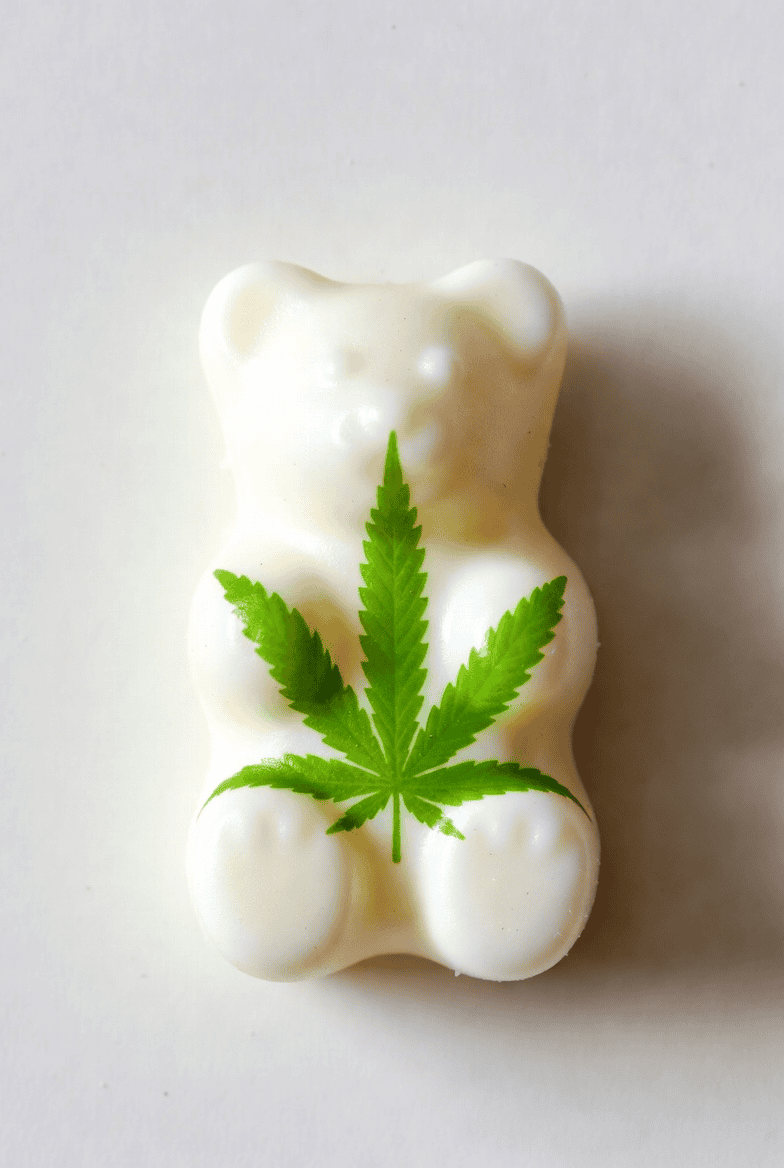
- Cannabinoid Gummies: The wellness market has embraced cannabinoid-infused products. CBD gummies are widely used for relaxation, stress relief, and pain management, creating a massive sub-market.
- Athletic and Sports Nutrition: Athletes are turning to gummies for convenient fuel. This includes pre-workout gummies with creatine and beta-alanine, electrolyte gummies for hydration, and post-workout recovery formulas.
- Gourmet Confectionery: On the candy side, there is a rising trend of premium, gourmet gummies. These products feature unique, all-natural flavors, sophisticated branding, and artisanal production values that command a higher price point.
The Future of Gummies
The gummy industry is not static. As a leading gummy bear manufacturer, we are constantly innovating to meet the next wave of consumer demands and technological possibilities. Staying ahead of these trends is key to long-term success.
Innovation in Recipe Creation
The future of the product itself lies in greater personalization and healthier profiles. Key trends include:
- Personalization: Imagine receiving a monthly supply of gummies created specifically for your unique nutritional needs, based on a health assessment or test. This level of customization is the next frontier.
- Plant-Based and “Clean Label”: The demand for vegan, non-GMO, and organic products is non-negotiable for a growing consumer segment. The focus is on perfecting pectin-based formulas and using only natural colors and flavors, creating a “clean label” with easily recognizable ingredients.
- Sugar Reduction: The biggest challenge and opportunity is creating delicious gummies with little or no sugar. The industry is in a race to perfect the use of natural, low-glycemic sweeteners like allulose, monk fruit, and stevia without compromising on taste or texture.
Technological Advancements
The factory floor is also evolving. New technologies are making production faster, more flexible, and more efficient.
- cURL Too many subrequests.
- cURL Too many subrequests.
- cURL Too many subrequests.
cURL Too many subrequests.
cURL Too many subrequests.
Häufig gestellte Fragen
cURL Too many subrequests.
cURL Too many subrequests.
cURL Too many subrequests.
cURL Too many subrequests.
cURL Too many subrequests.
cURL Too many subrequests.
cURL Too many subrequests.
cURL Too many subrequests.
cURL Too many subrequests.
cURL Too many subrequests. https://www.fda.gov/food/dietary-supplements
cURL Too many subrequests. https://www.crnusa.org/
cURL Too many subrequests. https://candyusa.com/
cURL Too many subrequests. https://www.usp.org/
cURL Too many subrequests. https://www.nsf.org/
cURL Too many subrequests. https://www.ift.org/
cURL Too many subrequests. https://www.npanational.org/
cURL Too many subrequests. https://www.sciencedirect.com/topics/food-science/gummy
cURL Too many subrequests. https://pmca.com/
cURL Too many subrequests. https://www.ahpa.org/