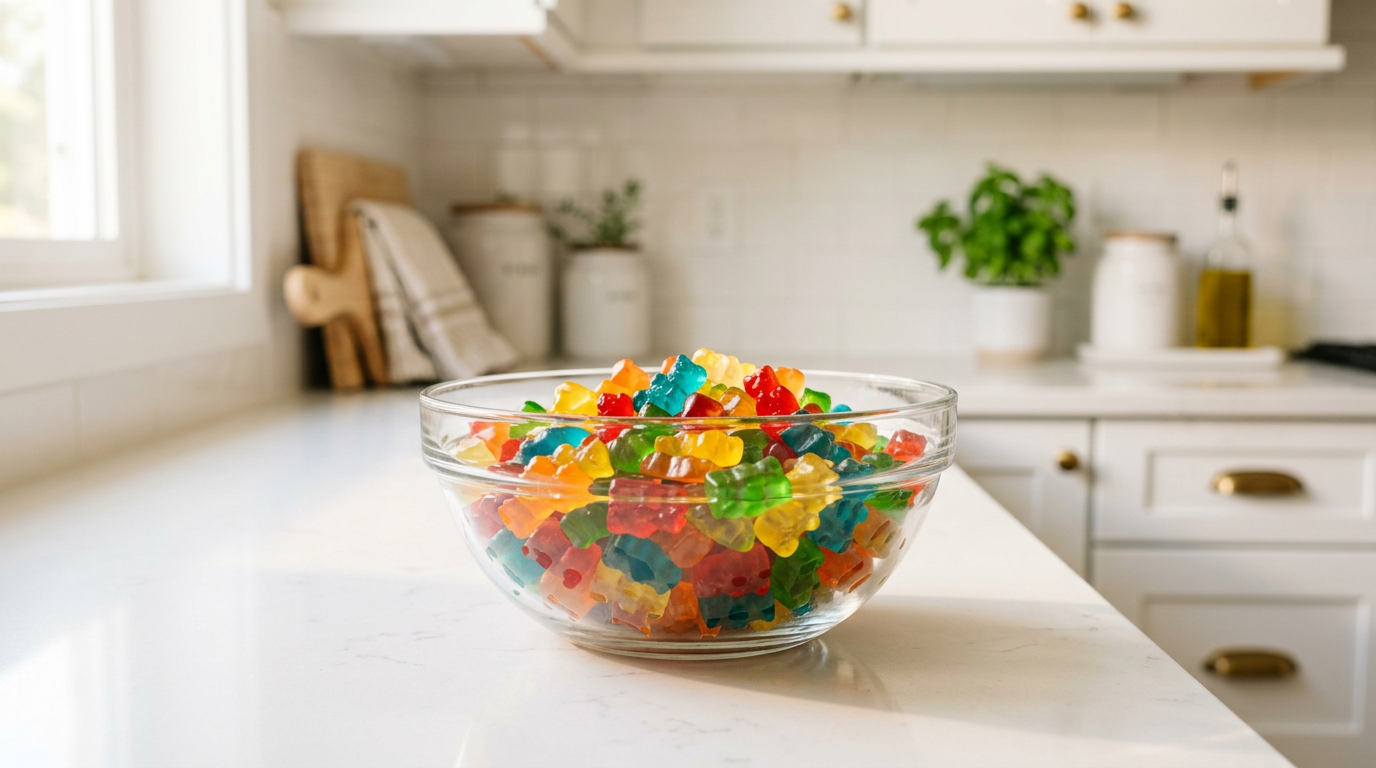
You’ve been down a K-drama rabbit hole, ordered your first Korean snack box, or wandered through an Asian grocery aisle staring at packaging you can’t read — and now you want to know: what is Korean candy actually like, what’s worth trying first, and how did South Korea become one of the world’s most creative candy markets?
Here’s the short answer: Korean candy spans everything from 400-year-old royal honey confections to chocolate-dipped pretzel sticks that now sell globally. The market was valued at approximately USD 231 billion in 2024 and is projected to reach USD 319 billion by 2033. That’s not a niche category. That’s a full-scale candy culture — and it’s one that rewards people who take the time to understand it rather than just grab whatever looks familiar.cURL Too many subrequests.+1
A Brief History of Korean Candy (It Goes Back Further Than You Think)
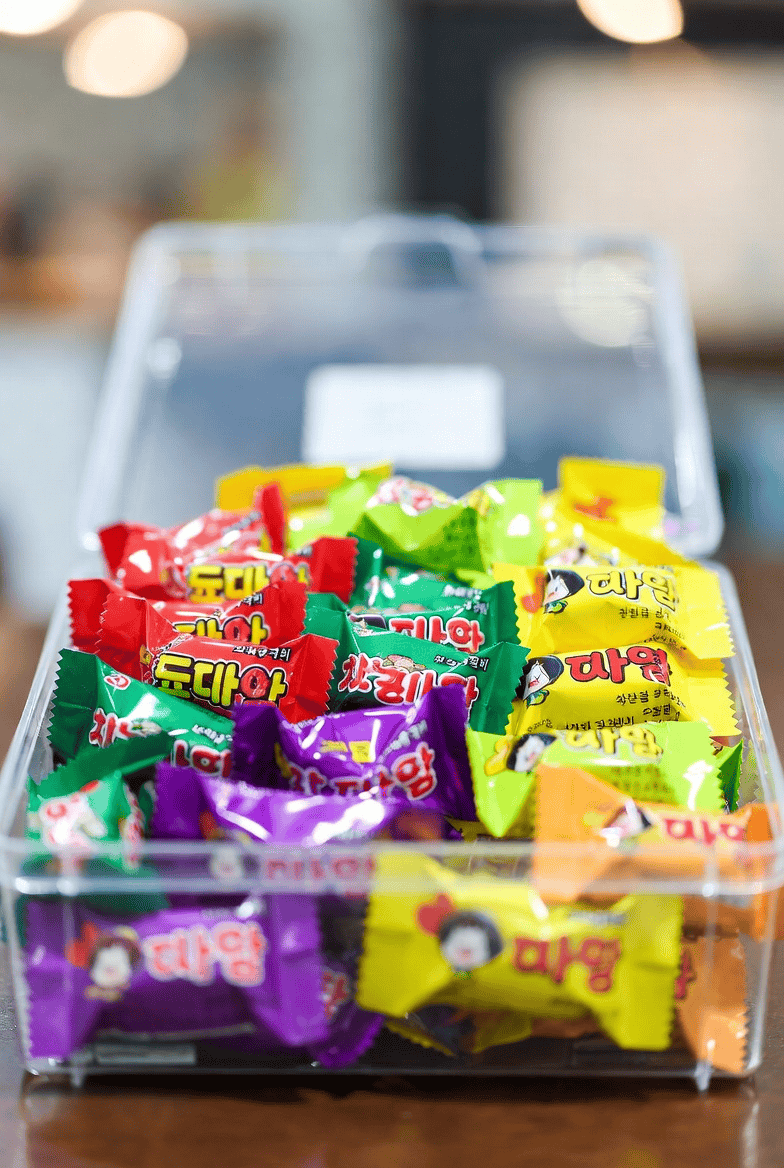
Korean candy doesn’t start with Lotte or Pepero. It starts in the Goryeo Dynasty, with a confection called Yumilkwa — an oil-and-honey pastry referenced in historical texts as a popular medieval treat. Honey-based sweets were a cornerstone of early Korean confectionery, and they remained central to celebration food through to the Joseon Dynasty, when hangwa (traditional Korean confectionery) was served at royal banquets, Lunar New Year celebrations, and weddings.flipkorea+1
The modern Korean candy industry, as we understand it today, began in 1945 with significant influence from U.S. forces following liberation. Haitai Confectionery — still one of the most recognized names in Korean candy — was among the first producers, with a product called Yeon yang gang as one of the earliest commercial confections. Through the 1970s and 1980s, as South Korea’s broader economy expanded rapidly, the confectionery sector grew with it. Many products launched during that period are still sold today.[koreascience]
That continuity is part of what makes Korean candy interesting: it’s not a market that abandoned its roots. Traditional formats like yakgwa, yut, and gangjeong exist alongside modern chocolate lines, jelly strips, and K-pop branded limited editions — often from the same company.
Traditional Korean Candy: The Classics That Still Matter
Traditional Korean candy — broadly called hangwa (한과) — covers a wide range of textures and ingredients. Most use combinations of grain flour, honey, sesame oil, malt sugar, or puffed grains. These aren’t “old-fashioned” in a dusty sense; they’ve experienced a genuine culinary revival tied to Korea’s growing interest in food heritage. Here are the ones worth knowing:[flipkorea]
Yakgwa (약과)
A honey cookie made from wheat flour, honey, sesame oil, and ginger juice, then deep-fried and soaked in honey syrup. Dense, slightly chewy, fragrant — traditionally served at Chuseok (harvest festival) and weddings. Yakgwa has recently gone viral as a street snack and café menu item among younger Koreans.[flipkorea]
Yut (엿)
A type of Korean taffy made from malt sugar, often stretched and pulled until it turns golden and develops a slightly nutty, deep-molasses flavor. The word yut literally means “candy” in older Korean usage. It’s one of the oldest forms of Korean candy still in commercial production.
Kkul-Tarae (꿀타래)
Thin, hand-pulled strands of honey and malt sugar wrapped around a filling — typically mixed nuts. It was historically a royal treat; today it’s primarily a street food sold in traditional market areas like Insadong in Seoul. The technique involves pulling the sugar threads hundreds of times to create fine, silk-like strands.[facebook]
Gangjeong (강정)
Puffed rice or puffed grains coated in malt syrup and shaped into bars or balls. Light, crunchy, naturally sweet. Popular during Lunar New Year, and increasingly finding a market as a “clean label” snack due to its simple ingredients.[flipkorea]
Dasik (다식)
Pressed confections made from rice flour, sesame seeds, or pine pollen, shaped in intricate wooden molds. More artisan than mass-market — these are the Korean candy that looks like it belongs in a museum and tastes like it belongs at a tea ceremony.[flipkorea]
Traditional Korean Candy at a Glance
| নাম | Main ingredients | টেক্সচার | Occasion / context | Modern availability |
|---|---|---|---|---|
| Yakgwa | Wheat flour, honey, sesame oil, ginger | Dense, chewy, fragrant | Chuseok, weddings, cafés | Widely available; trending in bakeries |
| cURL Too many subrequests. | cURL Too many subrequests. | cURL Too many subrequests. | cURL Too many subrequests. | cURL Too many subrequests. |
| cURL Too many subrequests. | cURL Too many subrequests. | cURL Too many subrequests. | cURL Too many subrequests. | cURL Too many subrequests. |
| cURL Too many subrequests. | cURL Too many subrequests. | cURL Too many subrequests. | cURL Too many subrequests. | cURL Too many subrequests. |
| cURL Too many subrequests. | cURL Too many subrequests. | cURL Too many subrequests. | cURL Too many subrequests. | cURL Too many subrequests. |
cURL Too many subrequests.
cURL Too many subrequests.[cURL Too many subrequests.]
cURL Too many subrequests.
cURL Too many subrequests.[cURL Too many subrequests.]
cURL Too many subrequests. cURL Too many subrequests.[cURL Too many subrequests.]
cURL Too many subrequests. cURL Too many subrequests.[cURL Too many subrequests.]
cURL Too many subrequests. cURL Too many subrequests.
cURL Too many subrequests. cURL Too many subrequests. cURL Too many subrequests.[cURL Too many subrequests.]
cURL Too many subrequests.
cURL Too many subrequests. cURL Too many subrequests.cURL Too many subrequests.cURL Too many subrequests.+1
cURL Too many subrequests.
cURL Too many subrequests. jelly and gummy candy and is the company behind Haitai Grape Jelly Candy and the Jadu range — plum hard candies that have been produced for nearly 50 years. Jadu has earned a kind of “classic Korean candy” status similar to what Jolly Ranchers carry in the US — polarizing flavor, extremely loyal following.[seoulinspired]
Crown Confectionery
Crown is known for innovation within the Korean candy space. Their My Chew chewy fruit candies have been a steady seller since the early 2000s. Crown also produces Kancho biscuit snacks — small hollow chocolate-filled crackers that cross the line between candy and biscuit in the most satisfying way.[cURL Too many subrequests.]
Korean Candy by Texture: How to Find What You’ll Actually Like
One of the most useful ways to navigate Korean candy — especially for first-time buyers — is by texture, because Korean confectionery has a genuine obsession with texture variety that Western candy markets haven’t replicated to the same degree.[chowhound]
Korean Candy by Texture Profile
| টেক্সচার | What to try | Why it works | Who it’s for |
|---|---|---|---|
| Chewy / taffy-like | Yut, My Chew, Pepero | Satisfying pull; often fruit or milk flavored | Anyone who likes starburst-style candy |
| Crunchy / crisp | Gangjeong, Kancho, Kkokkalcorn | Light bite; works for savory-sweet combinations | Snackers who dislike sticky sweets |
| হার্ড ক্যান্ডি | Jadu Plum Candy, White Grape candy | Long-lasting flavor; often unusual fruit profiles | People who like slow, evolving taste |
| Chocolate-coated | Pepero, Orion Choco Pie, Ghana chocolate | Familiar format, distinctly Korean flavor ratios | Great entry point for first-time buyers |
| Honey/grain-based | cURL Too many subrequests. | cURL Too many subrequests. | cURL Too many subrequests. |
cURL Too many subrequests.
cURL Too many subrequests.
cURL Too many subrequests.
cURL Too many subrequests.[cURL Too many subrequests.]
cURL Too many subrequests.
cURL Too many subrequests.[cURL Too many subrequests.]
cURL Too many subrequests.
cURL Too many subrequests.[cURL Too many subrequests.]
cURL Too many subrequests.
cURL Too many subrequests. cURL Too many subrequests. cURL Too many subrequests.[koreascience]
cURL Too many subrequests.
cURL Too many subrequests. cURL Too many subrequests. cURL Too many subrequests.[flipkorea]
cURL Too many subrequests.
cURL Too many subrequests.[mordorintelligence]
cURL Too many subrequests.
cURL Too many subrequests. cURL Too many subrequests.
cURL Too many subrequests. cURL Too many subrequests.[mordorintelligence]
cURL Too many subrequests. cURL Too many subrequests.
ক্যান্ডি চেকওয়াইয়ার্সের cURL Too many subrequests. cURL Too many subrequests.[mordorintelligence]
cURL Too many subrequests.[cURL Too many subrequests.]
cURL Too many subrequests.[mordorintelligence]
cURL Too many subrequests.
cURL Too many subrequests.
cURL Too many subrequests.
cURL Too many subrequests.
cURL Too many subrequests.
cURL Too many subrequests. চকলেট বার বা গামিcURL Too many subrequests.
cURL Too many subrequests.
Some of the most interesting Korean candy releases never hit export markets — they live in Korean convenience stores for 8–12 weeks and disappear. If you’re sourcing for a review channel or gift box, Korean convenience store exclusives require a local contact or a specialized import agent.
Storing Korean candy incorrectly
Chocolate-coated Korean candy (Pepero, Choco Pie) blooms quickly in warm climates. Chewy candies like My Chew harden in cold, dry conditions. Traditional hangwa like yakgwa has a short shelf life without preservatives. Storage conditions matter more than most buyers account for.
Future Trends: Where Korean Candy Is Going in 2026 and Beyond
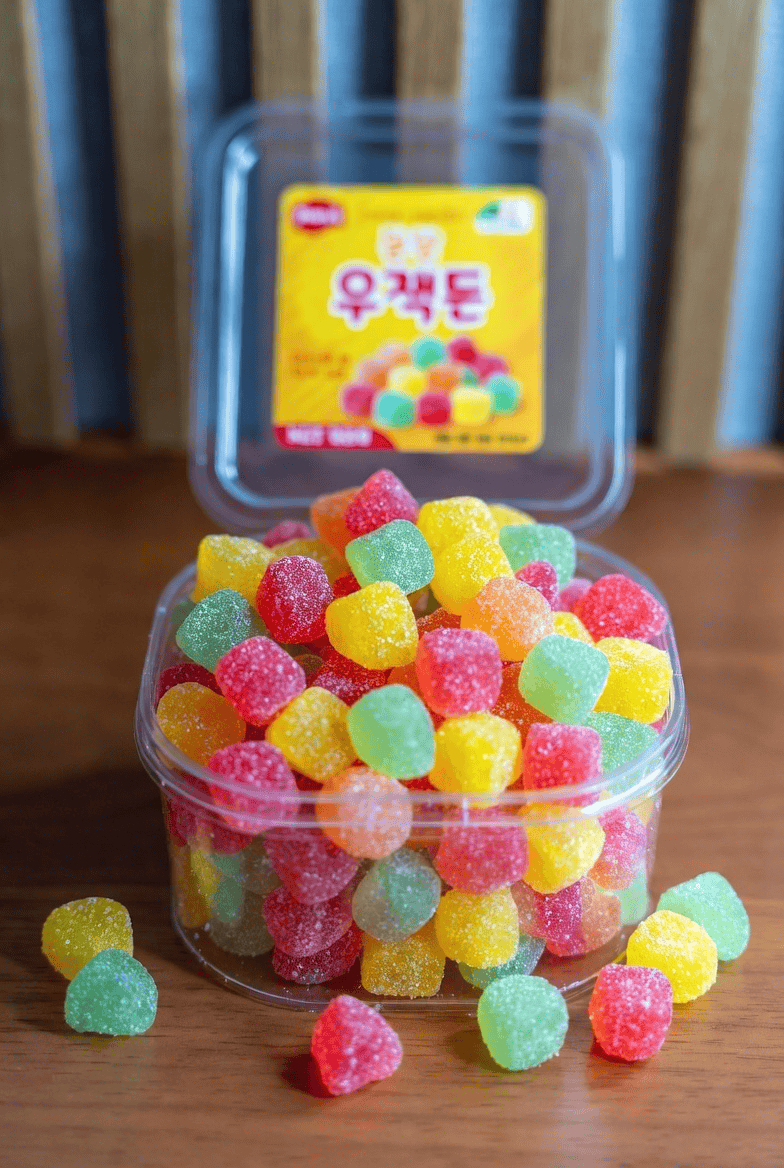
The Korean candy category is not static. Several clear trajectories are already underway:
Health-forward reformulation
Sugar-free, reduced-calorie, and functional Korean candy are all in active development. The market for sugar-free Korean candy is growing at 3.44% CAGR — small now, but that’s where category expansion investment is going. Expect more Korean candy to carry fiber, protein, or adaptogens as positioned additions rather than just novelty claims.[mordorintelligence]
Traditional hangwa revival as premium product
Yakgwa has already gone through a social-media-driven revival among younger Koreans. The broader hangwa category — dasik, gangjeong, traditional yut — is following the same pattern. Premium hangwa packaged in design-forward gift boxes is an emerging export opportunity.[flipkorea]
Global IP collaboration
Korean candy brands are increasingly partnering with entertainment IP not just domestically but for international markets. Pepero’s status as a “K-culture gift” has been deliberately cultivated through partnerships with K-pop labels. Expect this to deepen as K-drama and K-pop fanbases continue expanding in North America, Southeast Asia, and Europe.
Dubai chocolate spillover into Korean formats
The viral Dubai chocolate trend introduced Korean consumers to new texture expectations — specifically, the combination of crunch, creaminess, and unusual nut-paste fillings. Korean candy brands will likely incorporate these texture profiles into new product lines over the next 12–18 months.[mordorintelligence]
Halal certification as a market-opening strategy
With domestic Korean candy market growth slowing due to saturation, international markets — especially Southeast Asia and the Middle East — represent the clearest growth runway. Halal-certified Korean candy is already in production at Lotte and Haitai; the scaling of that category is a strategic priority.[koreascience]
প্রশ্নোত্তর
What is the most popular Korean candy internationally?
Pepero is consistently cited as the most recognized Korean candy outside of Korea, followed by Orion and Lotte Choco Pie. Pepero’s recognition comes partly from its simplicity (chocolate + pretzel stick), partly from “Pepero Day” cultural visibility, and partly from its wide distribution through Asian grocery stores globally.[cURL Too many subrequests.]
Is Korean candy different from Japanese candy?
Yes, meaningfully. Korean candy tends toward bolder fruit flavors, firmer textures, and higher sweetness levels than Japanese candy, which more often emphasizes umami-adjacent or subtly sweet profiles. The packaging and marketing aesthetics are also distinct, with Korean candy leaning into bright, high-contrast branding while Japanese candy often favors pastel and minimalist designs.
What traditional Korean candy should someone try first?
Yakgwa is the most accessible entry point into traditional Korean candy. It’s widely available, pairs well with both coffee and tea, and its flavor — honey, sesame, subtle ginger — is genuinely unlike anything in Western confectionery. Kkul-Tarae is a close second if you’re in Seoul or visiting a traditional market.[flipkorea]
Where can I buy Korean candy outside of Korea?
Asian grocery chains (H Mart, Lotte Mart locations in the US), Korean subscription boxes (Bokksu, Snack Fever), and Korean sections on Amazon all carry a range of Korean candy. For traditional hangwa, specialty Korean food online retailers and direct-from-Korea shipping services are the most reliable sources.
Is Korean candy vegan-friendly?
Traditional hangwa (gangjeong, dasik, yakgwa) is often naturally plant-based — primarily grain flour, honey, and sesame oil. However, the honey content makes strict vegan classification complicated. Modern Korean candy products like Pepero, Choco Pie, and most chocolate lines contain milk derivatives. Always check the ingredient list on individual products.[flipkorea]
13 Korean Candies You Need To Try At Least Once — Chowhound
https://www.chowhound.com/1865865/korean-candies-to-try/[chowhound]Exploring Lotte’s Legacy: A Journey Through Korean Snacks and Drinks — Bokksu
https://bokksumarket.com/blogs/magazine/exploring-lottes-legacy-a-journey-through-korean-snacks-and-drinks[cURL Too many subrequests.]Korean Snacks: 24 Popular Traditional and Modern Treats — 90 Day Korean
https://www.90daykorean.com/korean-snacks/[cURL Too many subrequests.]South Korea Chocolate Market – Size, Share & Trends — Mordor Intelligence
https://www.mordorintelligence.com/industry-reports/south-korea-chocolate-market[mordorintelligence]History of the Korean Confectionery Industry — Korea Science
https://koreascience.kr/article/JAKO202027265524307.page[koreascience]
সম্পর্কিত প্রবন্ধসমূহ
- সর্বনিম্ন ক্যালোরি ক্যান্ডি: দোষমুক্ত মিষ্টির জন্য সম্পূর্ণ ২০২৬ গাইড
- হারিবো মিষ্টি প্রত্যাহার করছে: আপনার পুরোনো গামি ক্যান্ডি কি এখনও খাওয়ার জন্য নিরাপদ?
- চীনা ক্যান্ডি উৎপাদনের চূড়ান্ত গাইড: ঐতিহ্য থেকে আধুনিক উৎপাদন
- আপনার ব্যবসার জন্য সেরা জেলি ক্যান্ডি মেশিন কেনার ৮টি টিপস ২০২৪
- গামি ক্যান্ডি উৎপাদন লাইন
- বিস্কুট উৎপাদন লাইন
- স্কিটলস কি গ্লুটেন মুক্ত? সম্পূর্ণ গাইড ২০২৬