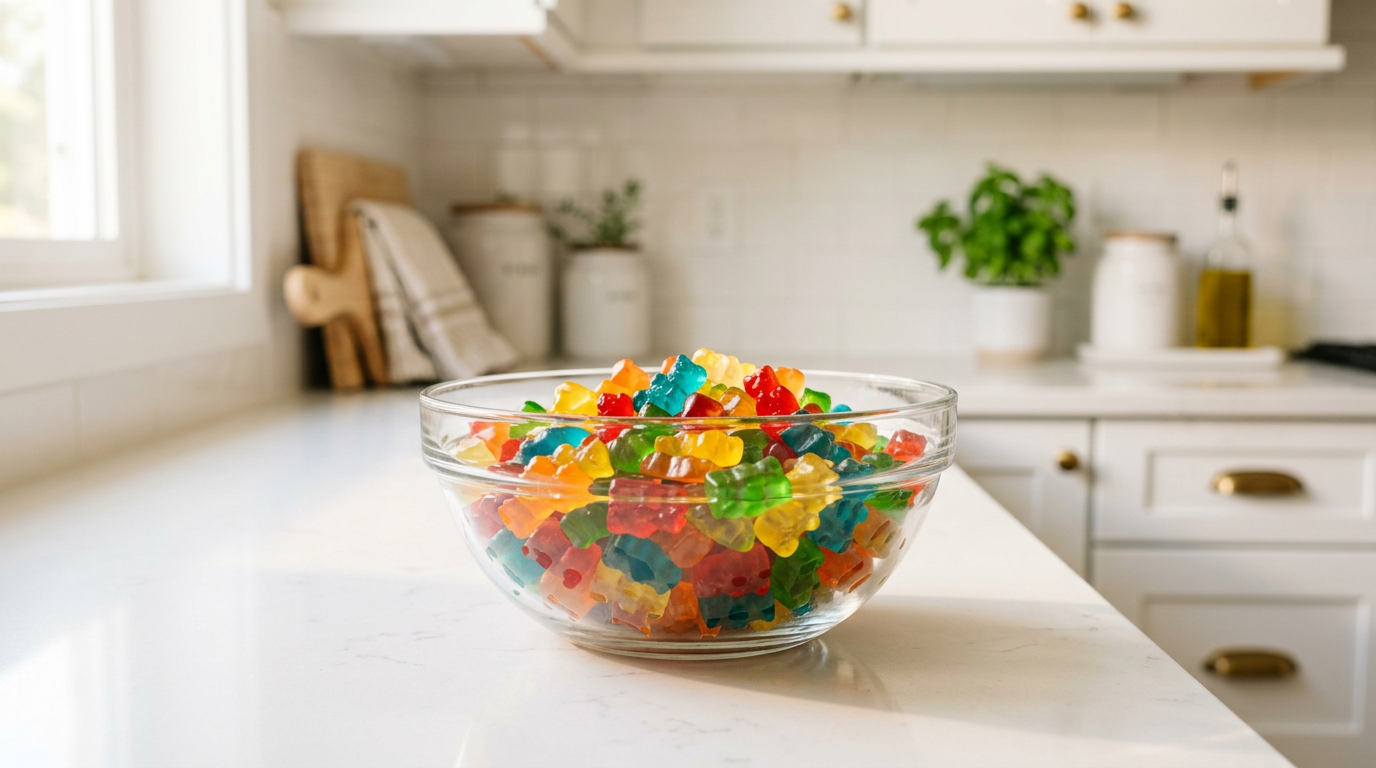
The Sweet Science: A Technical Analysis of Professional Candy Casting
Introduction: Art and Science
Candy casting goes beyond following recipes. It’s a discipline rooted in applied science. The process transforms simple sugar into stunning, glass-like creations through precise manipulation of its physical and chemical properties. This guide moves past basic instructions. Instead, it explores the core technical principles that govern this transformation.
We’ll answer one fundamental question: “What are the technical principles of professional candy casting?”
A Scientific Definition
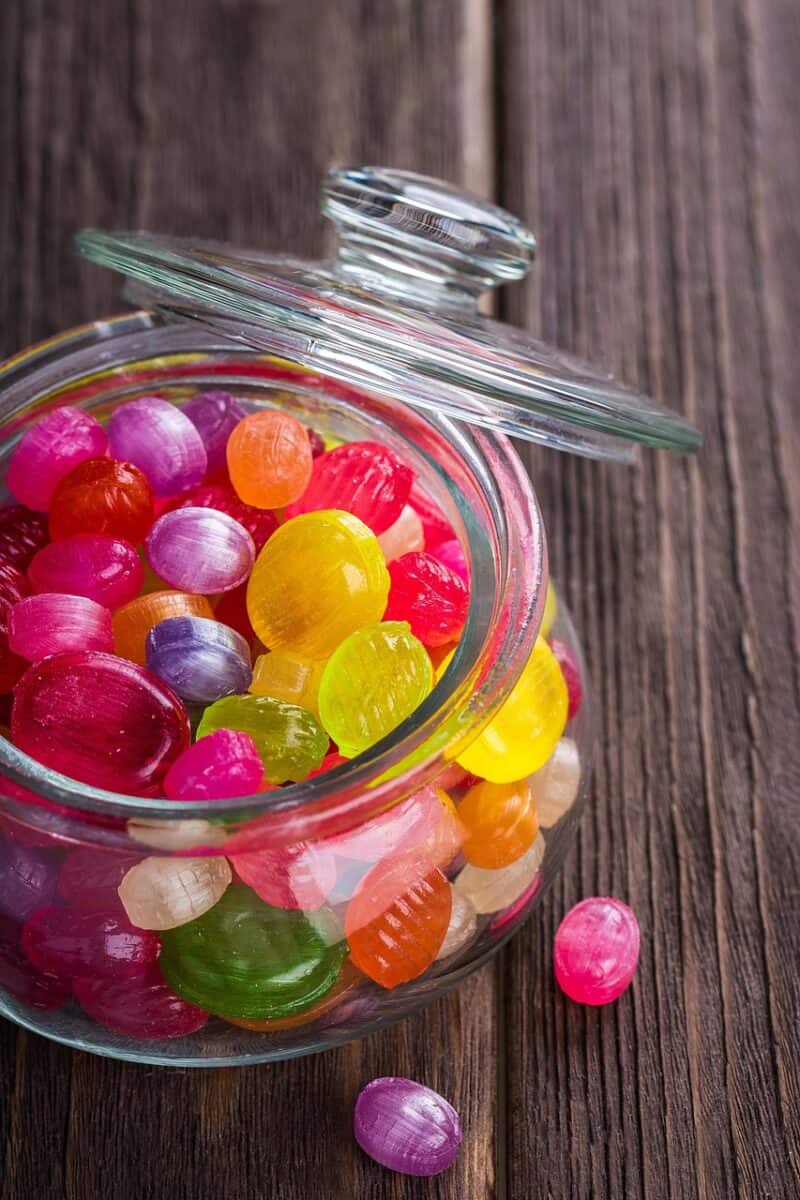
Candy casting creates solid, stable shapes from a super-saturated sugar solution. The primary goal? Form an amorphous solid. This is also known as sugar glass.
The process rests on three technical pillars. These are crystallography, thermal dynamics, and material science. Understanding these pillars is the key to mastering the craft.
Why Technique Matters
A technical approach separates hobbyists from professionals. Understanding the “why” behind each step grants you absolute control. It ensures consistent results. It also provides knowledge to troubleshoot failures and innovate new forms.
This is an expert-level guide. It’s for those who seek to command the medium of sugar, not just follow its whims.

Understanding Sugar Crystallography
The most critical concept in candy casting is controlling sugar crystallization. This molecular-level understanding forms the foundation of all successful hard candy.
Failure to manage crystallization causes common defects. These include grainy or cloudy candy.
স্ফটিক বনাম নিরাকার
Sucrose, or common table sugar, naturally organizes itself into a highly ordered, stable molecular structure. This is a crystalline state. Rock candy exemplifies this.
For most candy casting, the goal is the opposite. We want an amorphous, non-crystalline glass structure. Imagine a neat stack of bricks representing a crystal. An amorphous state is like that same pile of bricks after being dropped from a truck—completely disordered. This disordered state gives hard candy its characteristic clarity and snap.
Role of Interfering Agents
To achieve a stable amorphous glass, we must actively prevent sucrose molecules from aligning into crystals. We accomplish this using interfering agents.
These aren’t just flavor enhancers. They’re functional ingredients that work on a molecular level.
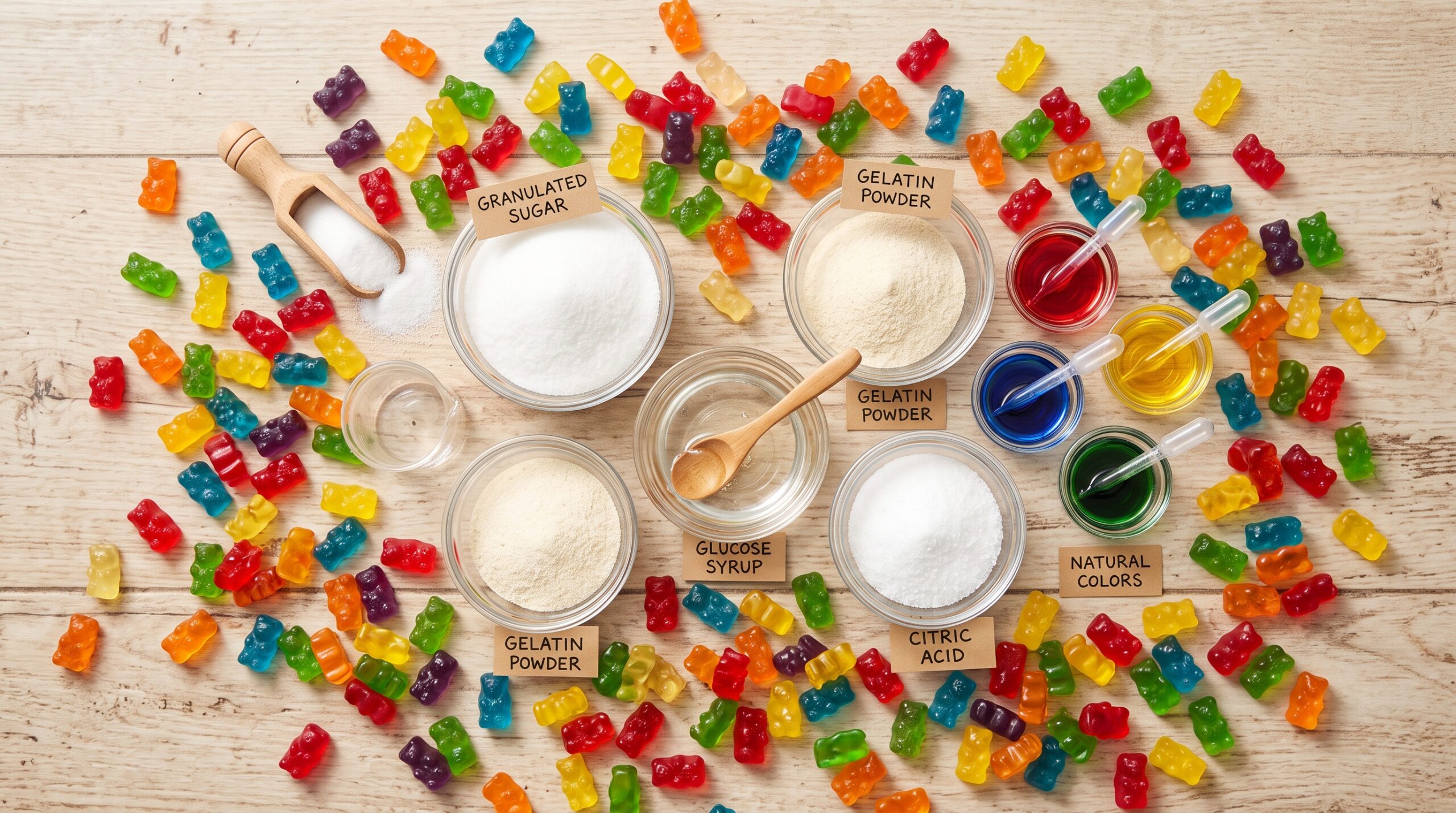
Glucose syrup and corn syrup contain long-chain sugars. These larger molecules physically obstruct the smaller sucrose molecules. This makes it difficult for them to find each other and form an orderly crystal lattice.
Acids রাসায়নিক প্রক্রিয়ার মাধ্যমে কাজ করে called inversion. Examples include cream of tartar (potassium bitartrate) or citric acid. When heated with sucrose and water, the acid breaks down a portion of the sucrose into its two component sugars: fructose and glucose. This new mixture of three different sugar types (sucrose, fructose, glucose) inherently resists crystallization. The differently shaped molecules don’t fit together easily.
Controlling Unwanted Nucleation
Crystallization requires a starting point. This is known as a nucleation point. This can be any microscopic impurity or imperfection where the first few molecules can begin to align.
Common nucleation points include undissolved sugar crystals, specks of dust from the air, or agitation caused by excessive stirring.
Technical best practices are non-negotiable for preventing unwanted nucleation. Always use scrupulously clean pots, spoons, and thermometers.
Before the syrup reaches a full boil, use a pastry brush dipped in clean water. Wash down any sugar crystals clinging to the sides of the pot. Once the sugar is fully dissolved and the syrup is boiling, minimize all agitation. Don’t stir the mixture. This introduces air bubbles and creates countless new nucleation points.
Mastering Thermal Dynamics
Temperature is the primary control lever in candy casting. It directly dictates the sugar concentration of the syrup. Therefore, it determines the final texture and structural properties of the finished product.
Mastering thermal dynamics means understanding not just what temperature to reach, but why that temperature produces a specific result.
The Science of Sugar Stages
As a sugar syrup boils, water evaporates. The concentration of sugar increases. The temperature of the syrup is a direct and reliable indicator of this concentration.
Each “stage” of sugar cooking corresponds to a specific temperature range and resulting sugar concentration. This defines its physical characteristics when cooled.
Table 1: Technical Guide to Sugar Stages in Candy Casting
পর্যায়ের নাম | তাপমাত্রার পরিসর (°F / °C) | চিনি কনসেন্ট্রেশন | Technical Characteristics & Primary Use in Casting |
সফট-বল | 235-245°F / 112-116°C | ~85% | cURL Too many subrequests. |
ফার্ম-বল | 245-250°F / 118-120°C | ~87% | cURL Too many subrequests. |
হার্ড-বল | ২৫০-২৬৫°F / ১২১-১২৯°C | ~92% | cURL Too many subrequests. |
সফট-ক্র্যাক | ২৭০-২৯০°F / ১৩২-১৪৩°C | ~95% | cURL Too many subrequests. |
হার্ড-ক্র্যাক | ৩০০-৩১০°F / ১৪৯-১৫৪°C | ~99% | cURL Too many subrequests. cURL Too many subrequests. cURL Too many subrequests. |
কারামেল | cURL Too many subrequests. | cURL Too many subrequests. | cURL Too many subrequests. |
cURL Too many subrequests.
cURL Too many subrequests.
cURL Too many subrequests.
cURL Too many subrequests.
cURL Too many subrequests.
cURL Too many subrequests.
cURL Too many subrequests.
cURL Too many subrequests.
cURL Too many subrequests.
cURL Too many subrequests.
cURL Too many subrequests.
cURL Too many subrequests.
cURL Too many subrequests.
cURL Too many subrequests.
cURL Too many subrequests.
cURL Too many subrequests.
cURL Too many subrequests.
cURL Too many subrequests.
cURL Too many subrequests.
cURL Too many subrequests.
উপাদান | cURL Too many subrequests. | cURL Too many subrequests. | cURL Too many subrequests. |
অন্তরায়কারী এজেন্ট | cURL Too many subrequests. | cURL Too many subrequests. | cURL Too many subrequests. |
অ্যাসিডুলান্ট | cURL Too many subrequests. | cURL Too many subrequests. | cURL Too many subrequests. |
cURL Too many subrequests. | cURL Too many subrequests. | cURL Too many subrequests. | Provides visual appeal. Must be heat-stable. Gels and powders are preferred for their low water content. |
স্বাদ | Oil-based or Water-based Extracts | Aromatic compounds | Provides taste. Oil-based flavors are more heat-stable and should be added last to prevent evaporation. |
Stabilizers | Gum Arabic, Gelatin | Hydrocolloids | Increases viscosity, can add chewiness, or help emulsify fats (not typical in basic hard candy). |
Choosing the right additive is a technical decision. Gel or powdered colors are preferred over liquid water-based colors. They introduce minimal extra water, which would otherwise need to be boiled off. Oil-based flavorings are more volatile. They should be added at the very end of the cooking process, off the heat, to prevent the flavor from evaporating.
The Casting Process
This is the practical application of the principles we’ve discussed. Each step is a deliberate action with a specific scientific purpose. It’s designed to guide the sugar from a simple solution to a perfect amorphous solid.
A technical workflow eliminates guesswork. It ensures a repeatable, high-quality outcome.
Step 1: Mise en Place
This French term for “everything in its place” is a scientific necessity in candy casting. Prepare your workspace with absolute precision before you begin cooking.
The science of clean is paramount. Any stray particle of dust, flour, or old sugar on your equipment can act as a nucleation site. This can ruin the entire batch. Ensure your pot, thermometer, and utensils are spotless.
Prepare your molds. If using molds that require it, apply a thin, even coat of a neutral mold release spray. This spray acts as a surfactant. It reduces the surface tension between the hot syrup and the mold, which facilitates a clean release later.
Step 2: The Cook
This phase is about managing the transformation of the sugar solution through the controlled application of heat.
Begin with the dissolution phase. Combine sugar, water, and corn syrup in a heavy-bottomed saucepan. Stir gently over medium heat only until every single sugar crystal has completely dissolved. You must not allow the mixture to boil before all crystals are gone.
Once dissolved, bring the syrup to a boil. This is the start of the boiling phase. Don’t stir from this point forward. Stirring introduces air, which creates bubbles, and agitation, which encourages crystallization. Use a wet pastry brush to wash down the sides of the pot to remove any stray crystals.
Add color and flavor at the correct time. Heat-stable gel or powder colors can be added during the boil. Volatile flavorings must be added after the pot is removed from the heat. This prevents the aromatic compounds from degrading or evaporating. It preserves the full taste profile.
Step 3: The Pour
This step involves managing the fluid dynamics of the hot, viscous syrup. A controlled pour is essential for a flawless final product.
Allow the syrup to rest for 30-60 seconds after removing it from the heat. This allows some of the largest bubbles to rise and pop. The syrup’s viscosity is directly related to its temperature. As it cools slightly, it becomes thicker and easier to control.
Pour slowly and steadily from a low height. Pouring from high above the mold will incorporate air. This creates bubbles that become trapped as the candy sets. A deliberate, close pour minimizes this effect.
Step 4: Demolding and Curing
The final step is to release the candy and prepare it for storage. This requires an understanding of its final physical state.
The candy is fully set and ready for demolding only when it has cooled completely. It must be well below its glass transition temperature. It should be hard and no longer tacky to the touch.
Immediately address the science of hygroscopicity. Hard candy is essentially dehydrated sugar. It will aggressively try to rehydrate itself by pulling moisture from the air. This makes the surface sticky. To prevent this, store finished pieces immediately in airtight containers. Preferably with food-safe desiccant packets to absorb any residual moisture.
উন্নত সমস্যা সমাধান
Even with precise technique, problems can arise. A true expert can diagnose the cause of a failure based on observable symptoms. They can apply a scientific solution.
This section provides a causal analysis of the most common defects in candy casting. It turns problems into learning opportunities.
Causal Defect Analysis
Troubleshooting shouldn’t be a guessing game. By framing defects as the result of a specific technical cause, we can systematically identify and correct the root of the problem.
This diagnostic approach is far more effective than a random list of tips. It will empower you to solve any issue you encounter.
Table 3: Technical Troubleshooting Guide for Candy Casting
Problem/Defect | Observable Symptom(s) | cURL Too many subrequests. | cURL Too many subrequests. |
cURL Too many subrequests. | cURL Too many subrequests. | cURL Too many subrequests. | cURL Too many subrequests. |
cURL Too many subrequests. | cURL Too many subrequests. | cURL Too many subrequests. | cURL Too many subrequests. |
cURL Too many subrequests. | cURL Too many subrequests. | cURL Too many subrequests. | cURL Too many subrequests. |
cURL Too many subrequests. | cURL Too many subrequests. | cURL Too many subrequests. | cURL Too many subrequests. |
cURL Too many subrequests. | cURL Too many subrequests. | cURL Too many subrequests. | cURL Too many subrequests. |
cURL Too many subrequests.
cURL Too many subrequests.
cURL Too many subrequests.
cURL Too many subrequests.
cURL Too many subrequests.
- cURL Too many subrequests.
- cURL Too many subrequests.
- cURL Too many subrequests.
- cURL Too many subrequests.
cURL Too many subrequests.
cURL Too many subrequests.
cURL Too many subrequests.
- cURL Too many subrequests. https://www.ciachef.edu/
- cURL Too many subrequests. https://www.ice.edu/
- মিষ্টি তৈরি ও কনফেকশনারি – উইকিপিডিয়া https://en.wikipedia.org/wiki/Candy_making
- cURL Too many subrequests. https://www.ift.org/
- উন্নত প্যাস্ট্রি কৌশল – দ্য ফরাসি প্যাস্ট্রি স্কুল https://www.frenchpastryschool.com/
- cURL Too many subrequests. https://www.kingarthurbaking.com/
- cURL Too many subrequests. https://www.acfchefs.org/
- রান্নার কৌশল এবং বিজ্ঞান – সিরিয়াস ইটস https://www.seriouseats.com/
- খাদ্য রসায়ন এবং কার্বোহাইড্রেট – সায়েন্সডিরেক্ট https://www.sciencedirect.com/topics/food-science/sugar
- cURL Too many subrequests. https://www.seas.harvard.edu/cooking
সম্পর্কিত প্রবন্ধসমূহ
- How to Make Gummy Bears: The Complete Guide to Chewy, Professional-Quality Candy
- ক্যান্ডি ঢালাই বিজ্ঞান: পারফেক্ট ফলাফলের জন্য পেশাদার প্রযুক্তি মাস্টার করুন
- কী করে টক ক্যান্ডি টক হয়? অ্যাসিড, রসায়ন, এবং উৎপাদন গোপনীয়তা
- সোয়ার টিউব ক্যান্ডি: এটি কী, স্বাদ, কিভাবে তৈরি হয় ও কেন আপনি বন্ধ করতে পারবেন না
- গামি ক্যান্ডি উৎপাদন লাইন
- বিস্কুট উৎপাদন লাইন
- স্কিটলস কি গ্লুটেন মুক্ত? সম্পূর্ণ গাইড ২০২৬