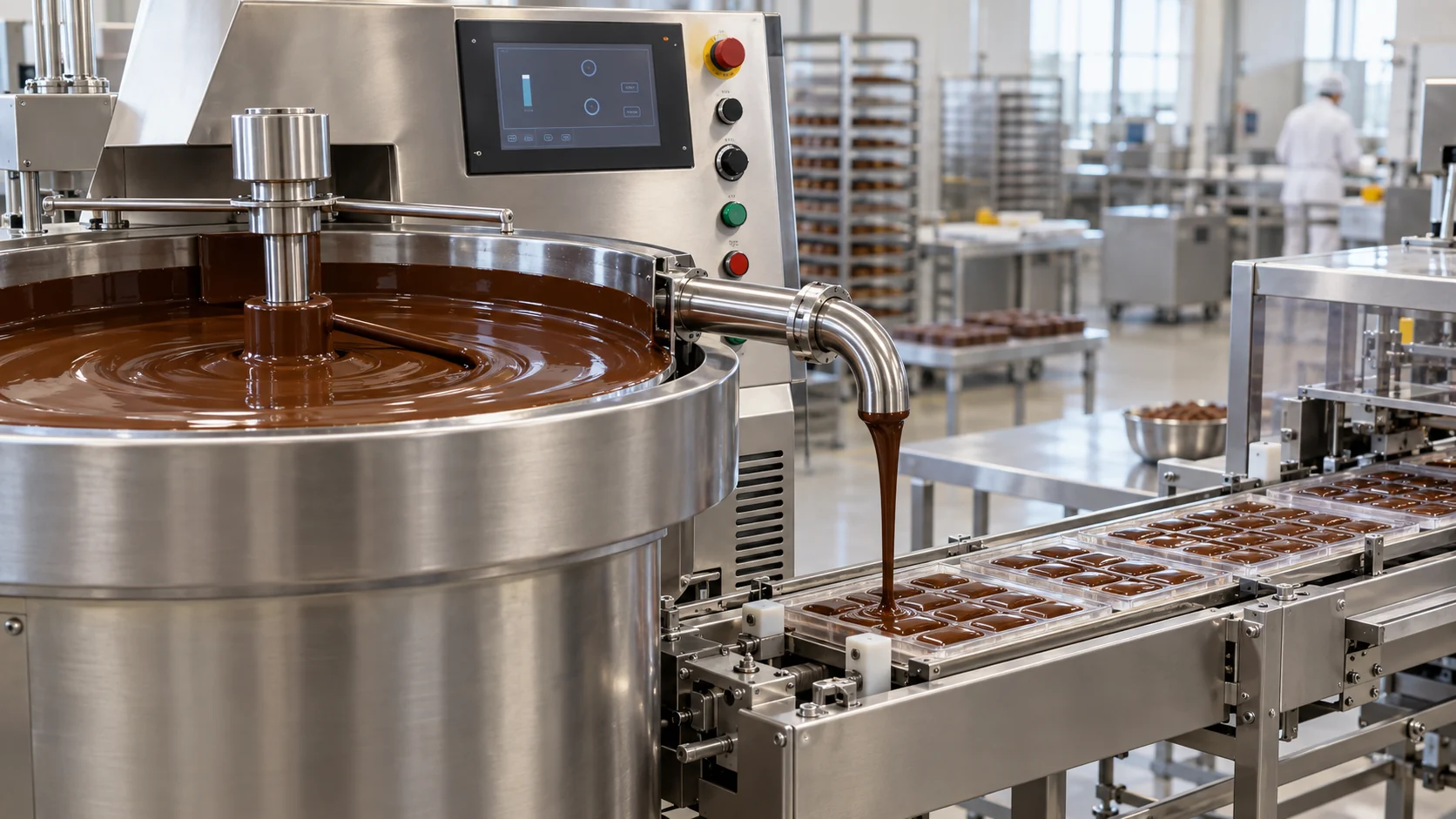
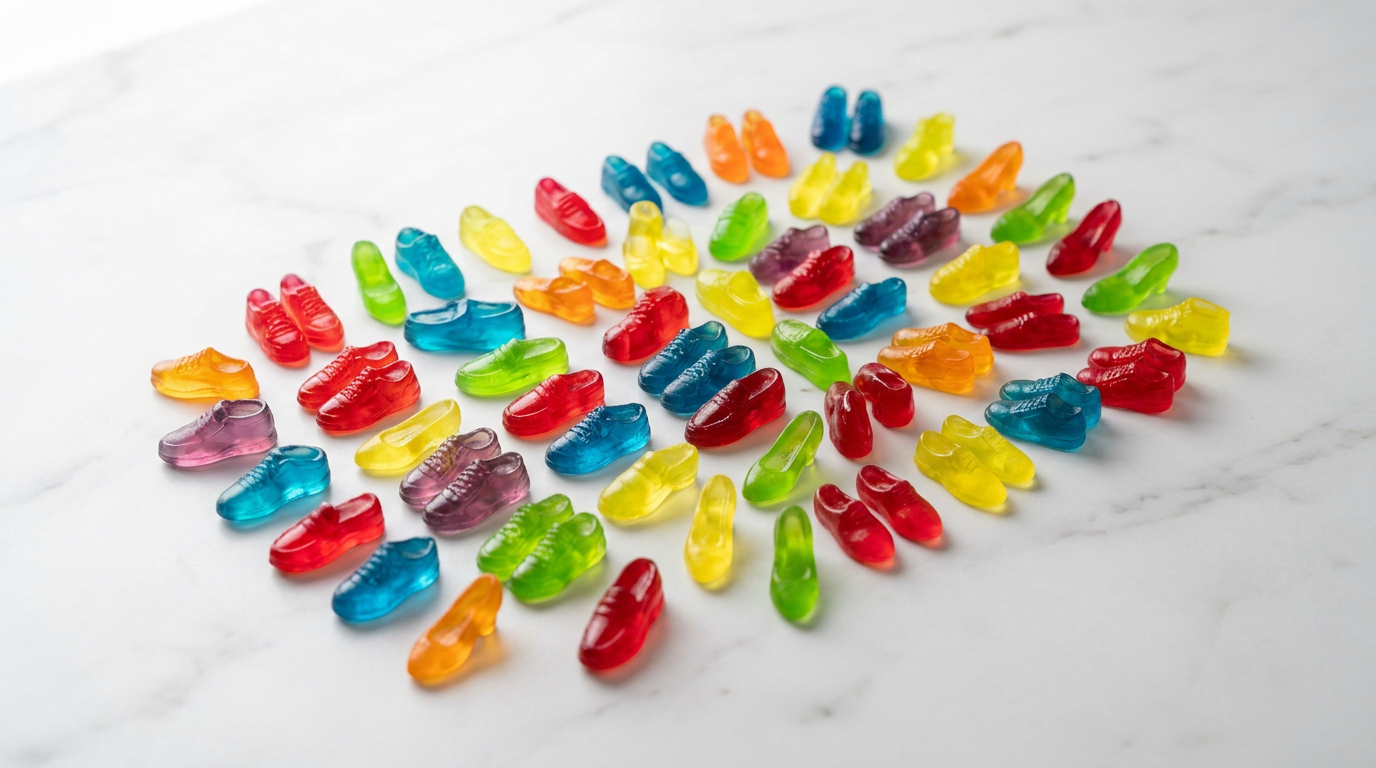
Shoe gummi is a novelty gummy candy molded into the shape of a shoe, made from gelatin or pectin using specialized confectionery depositing equipment and custom shoe-shaped molds.
Picture opening a bag of colorful, translucent candies and finding tiny little sneakers, high heels, and rain boots staring back at you. That’s the magic of shoe gummi candy — a playful twist on one of the world’s most beloved confections. Whether you’re a candy retailer looking to diversify your product line, a confectionery manufacturer exploring novelty formats, or simply a gummy enthusiast curious about how these delightful treats come to life, this guide covers everything you need to know about shoe gummi from formulation to large-scale industrial production.
What Is Shoe Gummi Candy?
Shoe gummi is a type of novelty gummy candy produced in shoe-shaped molds, combining the classic elasticity of gelatin or pectin candy with a fun, recognizable form factor that appeals to children and adults alike. The “gummi” spelling (from the German word Gummi, meaning rubber) dates back to the original Haribo gummy bear invented in 1922 by Hans Riegel — and shoe gummi follows the same core formulation principles, just in a very different shape.
The appeal is straightforward: novelty shapes sell. Candy in familiar, recognizable forms drives impulse purchases and creates memorable unboxing moments. Shoe gummi exploits the same psychology behind dinosaur-shaped nuggets and star-shaped crackers — when food looks like something fun, people want to eat it.
Core Ingredients in Shoe Gummi Formulation
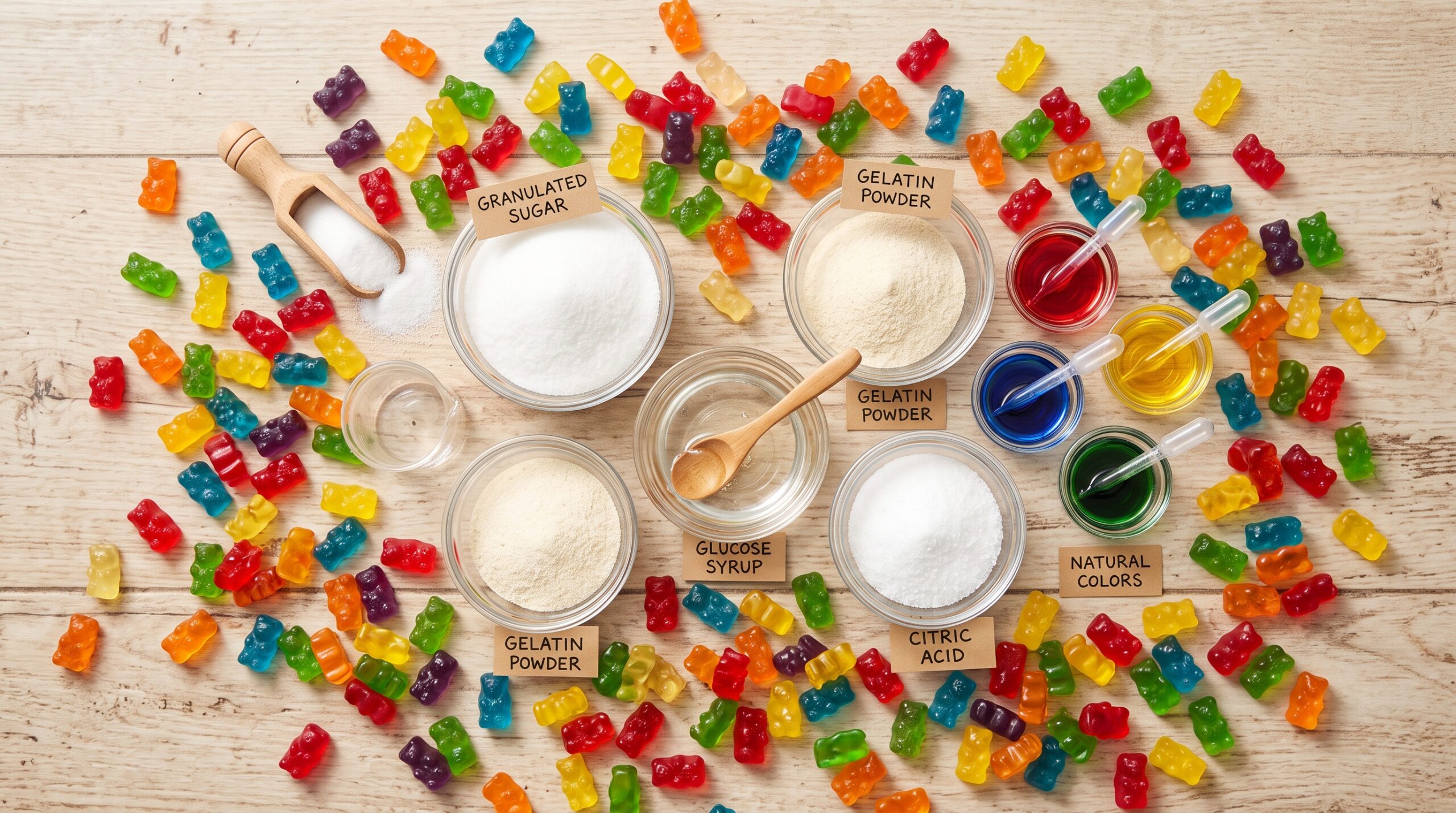
A standard gelatin-based shoe gummi uses four primary components:
- Gelatin (6–10% by weight): The structural backbone. Bloom strength of 200–250 is typical, sourced from porcine or bovine hide. According to Wikipedia’s entry on gummy candy, gelatin provides the distinctive chew and elasticity that defines the gummy texture.
- Sugar and glucose syrup: Together these account for 60–75% of the formula. The ratio affects sweetness, body, and shelf life — higher glucose reduces crystallization.
- Acidulants (citric acid, malic acid): Deliver tartness and help preserve color brightness. Sour shoe gummies use 0.8–1.5% citric acid.
- Natural or artificial colors and flavors: Shoe-shaped molds accommodate single-color fills cleanly. Multi-layer shoe gummies (a harder sole with a softer upper, for example) require sequential depositing.
For vegan and halal formulations, gelatin is replaced by pectin or starch, which changes the mouthfeel significantly — pectin gummies are firmer and less elastic, while starch-based gummies are softer and more marshmallow-like.
Why Shoe Shapes Resonate With Consumers
Novelty gummies command a 15–30% retail price premium over standard shapes. Shoe gummi taps into several market segments simultaneously:
– Gift and novelty candy buyers
– Fashion-themed events and parties (bridal showers, birthday parties)
– Children’s candy with collectible appeal
– Bulk vending and pick-and-mix confectionery
The shape also lends itself well to seasonal tie-ins: athletic shoes for back-to-school promotions, stilettos for Valentine’s Day, boots for Halloween.
TABLE 1: Shoe Gummi vs. Standard Gummy Bear — Key Differences
| Parameter | Shoe Gummi | Standard Gummy Bear |
|---|---|---|
| Mold complexity | High (3D undercut, multi-surface) | Low (simple dome shape) |
| Depositing method | Starch mogul or silicone mold | Starch mogul standard |
| Typical unit weight | 3–8 g | 1.8–2.5 g |
| Retail price premium | 15–30% above standard | Baseline |
| Color options per unit | 1–2 (single or bi-layer) | 1 |
| Production line speed | 80–120 kg/hr (standard lines) | 150–300 kg/hr |
| Setup changeover time | 45–90 min (mold swap) | 20–30 min |
Types and Varieties of Shoe Gummi Candy
Not all shoe gummis are created equal. The market segments by formulation, shape style, and flavor profile — each requiring slightly different production parameters.
Gelatin-Based Shoe Gummies (Classic Format)
This is the most common shoe gummi format globally. Gelatin-based shoe gummi has the translucent, jewel-like appearance consumers associate with premium gummy candy. The classic production window — cooking the mass to 107–110°C, depositing at 65–75°C into preformed starch or silicone molds — yields a final product with 15–20% residual moisture.
Key production consideration: shoe molds with sharp heel details or thin ankle sections require higher depositing temperatures (closer to 80°C) to ensure complete mold fill before the mass begins to set. Under-fill in the heel area is the most common defect on first-run shoe gummi production.
Pectin-Based and Vegan Shoe Gummies
The vegan confectionery market is expanding rapidly. The global vegan food market is projected to reach significant scale through 2030, and gummy candy is one of the fastest-converting categories, according to Statista’s confectionery market forecast.
Pectin shoe gummies require:
– Higher cooking temperatures (115–120°C) to fully activate the pectin
– Controlled pH (3.0–3.5) for proper gelation — acidulants must be added at the last stage of cooking to avoid premature setting
– Calcium salts (in some formulations) to improve gel strength
The resulting product is firmer and less stretchy than gelatin shoe gummi, which actually suits larger shoe shapes better since the candy holds edge definition more cleanly.
Sour, Filled, and Premium Variations
Beyond standard sweet shoe gummi, manufacturers are pushing into premium territory:
- Sour-coated shoe gummi: Deposited shoe gummi tumbled in citric acid/sugar blend immediately after demolding. Adds sourness without altering the base formulation.
- Filled shoe gummi: A liquid or soft-gel center (fruit puree, jam, or sour gel) deposited inside a partially-set outer shell using a dual-head depositor. More technically demanding but commands the highest retail margins.
- Yogurt-coated shoe gummi: Base shoe gummi enrobed in a yogurt compound coating — popular in European gift confectionery.
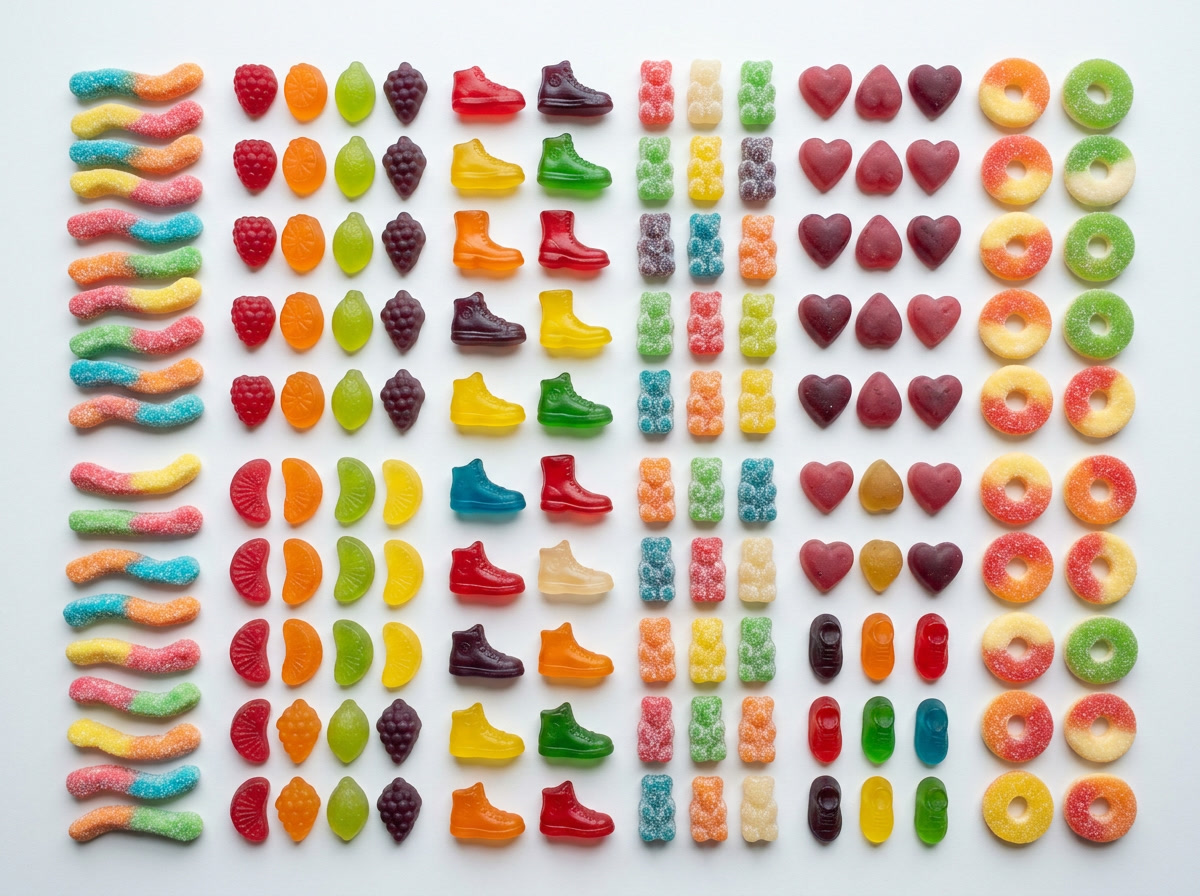
TABLE 2: Popular Shoe Gummi Formats and Production Requirements
| Format | Base Ingredient | Key Equipment Need | Retail Price Index | Primary Market |
|---|---|---|---|---|
| Classic sweet | Gelatin | Standard mogul line | 1.0x | Mass market |
| Sour-coated | Gelatin | Mogul + tumbler/coater | 1.2x | Children’s / impulse |
| Vegan pectin | Pectin | pH-controlled mogul | 1.4x | Health / specialty |
| Filled center | Gelatin | Dual-head depositor | 1.8x | Premium / gift |
| Yogurt-enrobed | Gelatin + coating | Mogul + enrober | 1.6x | European / gift |
| Giant shoe (10g+) | Gelatin or pectin | Large-cavity molds | 2.0x+ | Novelty / display |
Industrial Production of Shoe-Shaped Gummy Candy
Understanding how shoe gummi is made at scale separates hobbyist curiosity from commercial viability. The industrial process involves precise temperature control, specialized mold technology, and continuous-motion production lines capable of running 24/7.
The Starch Mogul System for Shoe Gummi
The starch mogul is the industry-standard system for depositing shaped gummy candy. A mogul line works by:
- Printing shoe-shaped impressions into trays of powdered starch (the “mold board”)
- Depositing liquid gummy mass into the starch impressions at 65–80°C
- Stacking and conditioning the filled trays in a humidity- and temperature-controlled drying room for 18–48 hours
- Demolding the set gummies, separating them from the starch
- Finishing — oiling (to prevent sticking), coating, or sour-dusting
For shoe gummi specifically, the starch mold board must be designed with sufficient undercut depth to capture the 3D shoe profile. Shallow impressions produce flat, undefined shapes — not the crisp heel-to-toe silhouette that makes shoe gummi recognizable.
A well-configured mogul line for shoe gummi can produce 80–120 kg of finished candy per hour, depending on unit weight and drying time. The National Confectioners Association reports that gummy candy remains one of the fastest-growing segments of the non-chocolate confectionery category in North America.
Silicone Mold Lines — The Alternative for Small Batches
For smaller production volumes or when manufacturers need faster changeovers between shapes, silicone mold depositing systems offer a compelling alternative to starch mogul. Instead of printing starch impressions, liquid gummy mass is deposited directly into reusable food-grade silicone molds mounted on a conveyor.
Advantages over starch mogul for shoe gummi:
– No starch handling, drying room, or starch recycling infrastructure needed
– Faster mold changeover (swap silicone inserts vs. rebuilding entire mold boards)
– Cleaner facility operation — no starch dust contamination risk
– Suitable for filled shoe gummi with co-depositing heads
The trade-off: silicone mold lines have lower output per hour and higher capital cost per cavity compared to equivalent mogul setups.
Quality Control in Shoe Gummi Production
Several defects are specific to complex 3D mold shapes like shoe gummi:
- Incomplete fill in heel/toe sections: Caused by mass that’s too viscous at depositing temperature. Fix: increase mass temperature by 3–5°C or reduce depositing speed.
- Air bubble voids: Common when mass is deposited too quickly into deep cavities. Fix: use a vacuum depositing head or slow the depositing stroke.
- Soft/sticky surface after conditioning: Indicates insufficient drying time or too-high humidity in the conditioning room. Most shoe gummi shapes need 24–36 hours at 20–22°C, 40–50% RH.
- Color bleeding in multi-layer shoe gummi: The first-deposited layer must be partially set (surface temperature below 40°C) before the second color is deposited.
Inline checkweighers and vision systems are standard on modern gummy lines. The FDA requires that all food contact materials — including starch mogul components and silicone molds — comply with relevant food additive regulations, which are detailed in the FDA’s food additive guidance.
How to Choose the Right Equipment for Shoe Gummi Production
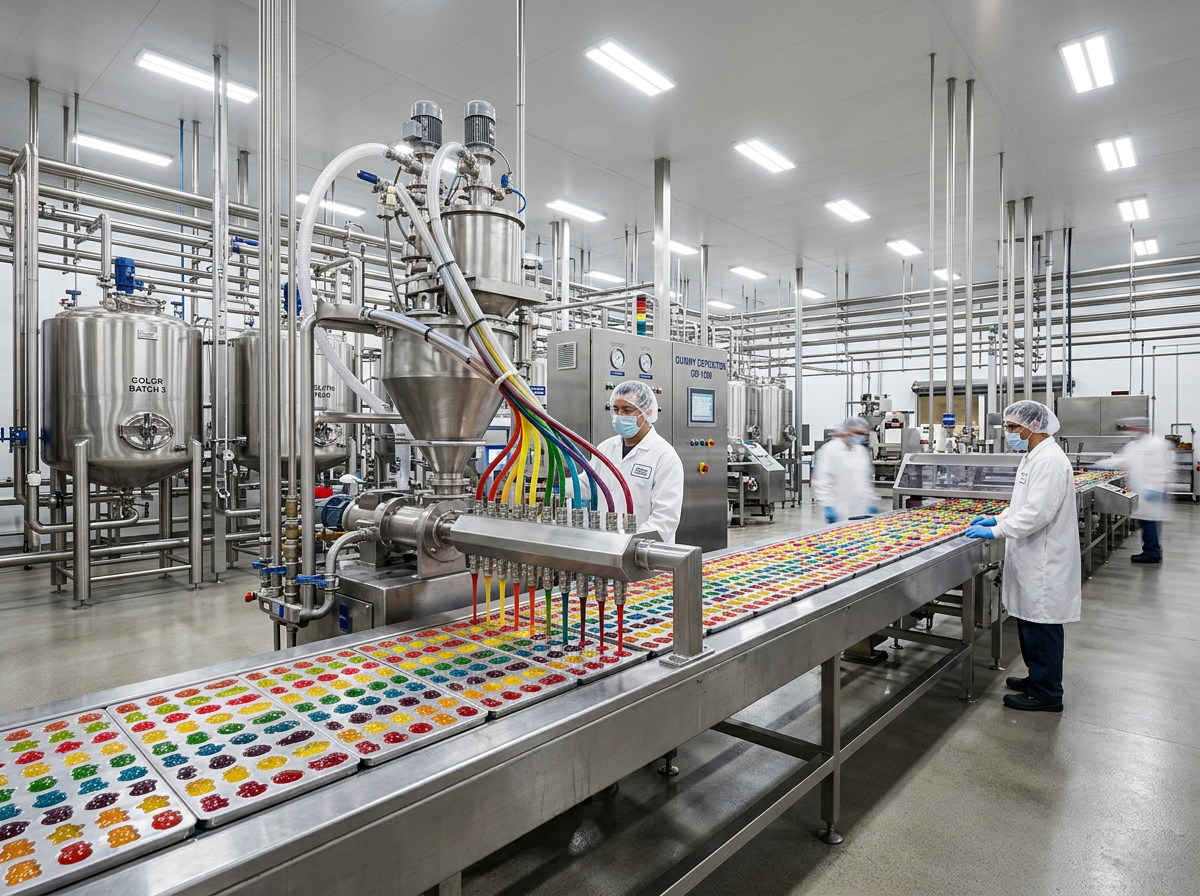
Choosing between a starch mogul system and a silicone depositing line — and sizing that equipment correctly — is the most consequential decision a shoe gummi producer makes. Get it right and your cost-per-kilogram stays competitive. Get it wrong and you’re running an underpowered line that can’t meet retail demand.
Key Factors: Scale, Flexibility, and SKU Count
For high-volume single-SKU production (>500 kg/day): A full starch mogul line with dedicated shoe-shaped mold boards is the right answer. The capital investment ($300,000–$800,000 USD for a complete line) pays back through low per-unit operating costs once throughput volume is achieved.
For flexible multi-SKU production (<300 kg/day): A silicone mold depositing line with interchangeable mold sets offers the flexibility to run shoe gummi on Monday, bear-shaped gummies on Tuesday, and ring-shaped candy on Wednesday — with 30-minute changeover times between runs.
For artisan or startup scale (<50 kg/day): Benchtop depositors and hand-poured silicone molds are the entry point. Output is limited but capital requirements are a fraction of industrial equipment.
Mold Design Considerations Specific to Shoe Shapes
Shoe-shaped molds present unique engineering challenges:
- Undercut geometry: The heel of a shoe overhangs the sole. In starch mogul, this means the impression must be cut at an angle so the candy can be demolded without breaking the heel. In silicone molds, the flexibility of the material handles undercuts easily.
- Surface detail depth: Consumers expect visible lace holes, sole treads, or strap details. These require precision CNC-machined mold masters and careful starch consolidation to transfer detail accurately.
- Cavity spacing: Shoe molds are directionally asymmetric. Left-foot and right-foot pairs are often mirrored on the same mold board, which doubles visual appeal and lets retailers market them as “pairs.”
Common Mistakes in First-Run Shoe Gummi Production
In practice, first-time shoe gummi producers consistently make these mistakes:
- Using a standard gummy formula without adjusting Bloom strength. Larger, heavier shoe gummi pieces need higher Bloom gelatin (220–250) to maintain shape during demolding.
- Underestimating drying time. Shoe shapes have more mass than bears — increase conditioning time by 20–30% compared to standard gummy bear runs.
- Skipping an oil tumbler step. Without a light coating of carnauba wax or vegetable oil, shoe gummis stick together in bulk packaging, creating clumps at retail.
- Designing molds without consulting production engineers. Beautiful mold artwork that can’t be demolded at speed will cost you far more than the mold redesign fee.
Market Trends for Shoe Gummi and Novelty Gummy Candy (2026 and Beyond)
The novelty gummy segment is growing faster than the broader confectionery category. Three macro trends are reshaping what shoe gummi looks like on shelves and how it’s produced.
Demand for Novelty and Licensed Shapes
Novelty candy — shapes tied to pop culture, fashion, sports, and seasonal themes — commands disproportionate shelf space in the impulse and gift segments. Shoe gummi benefits from fashion’s broad cultural reach: sneaker culture (a $79 billion global market as of 2024), designer footwear, and sports shoe collaborations all create natural tie-ins.
Licensed shoe-shaped gummies — imagine gummies shaped like a specific athlete’s signature sneaker — are emerging as a high-margin SKU for specialty retailers and online subscription boxes. Production requires certified food-safe molds built to IP-holder specifications, but the retail margins justify the investment.
Vegan and Clean-Label Expansion
The shift toward plant-based formulations is not slowing. Pectin-based shoe gummi is gaining shelf space in natural food retailers across Europe and North America, and halal-certified gelatin (bovine, certified by recognized Islamic authorities) is opening new distribution channels in Southeast Asia and the Middle East — markets where gummy candy consumption is growing rapidly.
Clean-label shoe gummi — no artificial colors, no HFCS, no synthetic preservatives — requires reformulation but unlocks premium price points. Natural colorants (spirulina for blue, paprika for red, turmeric for yellow) perform adequately in gummy mass when handled correctly.
Functional and Fortified Gummy Candy
The gummy vitamin market set a precedent that is now flowing into the candy category: functional shoe gummi with added vitamins, minerals, or adaptogens. Children’s multivitamin gummies already exceed $2 billion in annual global sales. Confectionery producers are beginning to add vitamin C, zinc, and even collagen to novelty gummy formats — shoe gummi included.
This trend complicates production (active ingredients can affect gelling behavior and shelf life) but creates new retail placement opportunities outside the candy aisle — in pharmacy, supplement, and sports nutrition sections.
TABLE 3: Global Gummy Candy Market — Key Projections 2024–2030
| Segment | 2024 Estimated Value | CAGR | 2030 Projected Value |
|---|---|---|---|
| Total gummy candy market | $8.3 billion | 6.1% | $11.9 billion |
| Novelty gummy (specialty shapes) | $1.2 billion | 8.4% | $1.94 billion |
| Vegan/pectin gummy | $680 million | 11.2% | $1.28 billion |
| Functional/fortified gummy | $2.1 billion | 9.8% | $3.72 billion |
| Asia-Pacific gummy market | $2.4 billion | 7.9% | $3.78 billion |
Sources: Confectionery industry research, Statista Confectionery Outlook
Frequently Asked Questions About Shoe Gummi
What exactly is shoe gummi candy?
Shoe gummi is novelty gummy candy shaped like miniature shoes. It follows the same basic formulation as traditional gummy bears — gelatin (or pectin), sugar, glucose syrup, colors, and flavors — but uses custom shoe-shaped molds instead of standard bear or worm molds. The result is a playful confectionery product popular in gift candy, party favors, and novelty retail.
How are shoe-shaped gummies made industrially?
Shoe gummi is produced using starch mogul lines or silicone depositing systems. In a mogul line, shoe-shaped impressions are pressed into starch trays, then liquid gummy mass is deposited and allowed to set for 18–48 hours. In silicone mold systems, the mass deposits directly into reusable flexible molds on a conveyor. Both methods require careful temperature control during depositing (65–80°C) and a controlled conditioning environment for proper gel formation.
What’s the difference between gelatin and pectin shoe gummies?
Gelatin shoe gummies are stretchy and translucent; pectin shoe gummies are firmer and suitable for vegan diets. Gelatin, derived from animal collagen, gives classic gummies their elastic chew. Pectin, a plant-derived polysaccharide extracted from citrus peel or apple pomace, produces a firmer set with less elasticity. Gummy candy on Wikipedia covers the full history of both formulations. Pectin gummies also tend to release flavor faster on the palate due to their firmer structure.
Can shoe gummi be produced at home?
Yes, but home production is limited to small batches using silicone baking molds. Food-grade silicone shoe molds are widely available online. A standard home batch uses unflavored gelatin (3–4 packets per 240ml liquid), fruit juice, sugar, and a small amount of corn syrup. Home-produced shoe gummi lacks the textural consistency of commercial products because domestic kitchens can’t control humidity and temperature during the critical conditioning phase. For commercial quantities, industrial equipment is necessary.
What machines are needed for shoe gummi candy production at scale?
A complete shoe gummi production line includes a cooking kettle, depositor, conditioning room, demolding system, and finishing equipment. The depositor (mogul or silicone mold system) is the central piece of equipment. Supporting equipment includes a vacuum cooking system or open kettle (for mass preparation), a starch conditioning unit (for mogul lines), a tumbling oiler or coater (for surface finishing), and packaging machinery. JY Machine offers complete gummy candy production lines configured specifically for novelty shapes including shoe gummi formats.
Are shoe gummies vegan?
Standard shoe gummies made with animal gelatin are not vegan; pectin-based versions are. Gelatin is derived from the collagen of animal bones and hides, making it unsuitable for vegan, vegetarian, and halal/kosher (porcine gelatin) consumers. Manufacturers targeting these segments use pectin, carrageenan, or agar as gelling agents. Vegan shoe gummi is commercially available from several specialty brands and is increasingly carried by mainstream retailers.
How long does shoe gummi candy last?
Properly stored shoe gummi has a shelf life of 12–18 months. Key factors affecting shelf life are moisture content (target 15–20% for gelatin gummies), water activity (aW should be below 0.65), packaging barrier properties, and storage temperature. Humidity is the main enemy — shoe gummi exposed to high humidity absorbs moisture, becomes sticky, and loses shape definition. Sealed flow-wrapped packaging or nitrogen-flushed bags are standard for commercial shoe gummi.
What gives shoe gummi its color?
Shoe gummi gets its color from natural or artificial food colorants added during mass preparation. Artificial FD&C dyes (Red 40, Yellow 5, Blue 1) are commonly used in mass-market formulations for their stability and cost. Natural alternatives — spirulina blue, beet red, turmeric yellow, butterfly pea flower blue — are used in clean-label and organic formulations. Color is added after cooking and just before depositing to minimize heat degradation of the pigments. Each color variant in a mixed shoe gummi assortment is batched separately.
Conclusion
Shoe gummi candy sits at the intersection of classic gummy candy technology and the booming novelty confectionery market. The formulation fundamentals — gelatin or pectin, sugar, glucose, colors, and flavors — are well understood. What separates a successful shoe gummi launch from a failed one is execution: the right mold geometry, the right depositing system, precise temperature and humidity control during conditioning, and proper surface finishing before packaging.
For brands looking to enter or expand in the novelty gummy segment, the investment case is strong. Novelty shapes command meaningful retail price premiums, the functional gummy trend is extending into novelty formats, and international markets in Asia and the Middle East are just beginning to absorb premium gummy candy at scale. Shoe gummi, with its broad fashion and lifestyle associations, is one of the more versatile shapes in the novelty candy portfolio.
Whether you’re scaling from home-batch production to a 100 kg/day silicone mold line, or evaluating a full starch mogul system for high-volume shoe gummi contract manufacturing, getting the equipment specification right from the start determines your cost structure for years to come. JY Machine’s gummy candy production lines are engineered for exactly this kind of complex-shape confectionery production — built for reliability, cleanability, and the flexibility to handle novelty formats like shoe gummi alongside standard gummy bear and worm production.
Related Articles
- Peelable Gummy Candy: Types, Ingredients, and Production Guide
- Top Gummy Candy Brands in 2026: The Complete Guide for Confectionery Professionals
- Sour Spaghetti Candy: The Complete Guide to This Tangy Gummy Treat
- Japanese Gummy Candy: Varieties, Manufacturing & Industry Guide
- Gummy Candy Production Line
- Starch-Free Gummy Depositing Machine
- Are Skittles Gluten Free? Complete Guide 2026