The Sweet Science of Gummy Butterflies
Making gummy butterflies involves much more than just mixing ingredients together. It’s a complex process that combines food science, chemistry, and engineering. Every step affects the final product. From the chewy texture to the bright colors, each element is carefully controlled. This article explores the technology that turns basic ingredients into stable, flavorful, and perfectly shaped gummy butterflies.
We’ll examine these important areas:
-
The science behind creating the perfect chewy texture.
-
How heat affects the cooking and setting stages.
-
The engineering methods used for shaping and molding.
-
The chemistry of adding flavors and colors successfully.
-
Important quality control steps and how long the product lasts.
The Gummy Matrix Breakdown
Every gummy starts with its recipe. When hydrocolloids, sugars, and acids mix together, they create a complex system called the gummy matrix. Each ingredient has a specific job. Understanding these roles is key to controlling how the final product turns out.
The Hydrocolloid Backbone
Gelatin is the main gelling agent in traditional gummy butterflies. This protein comes from collagen. Its unique triple-helix structure creates the classic gummy texture we know and love.
The most important feature of gelatin is its Bloom strength. This number tells us how firm and strong the gel will be. For gummy butterflies to have that perfect chewy, elastic feel, we use gelatin with a Bloom range of 220-250. Lower Bloom numbers make softer, weaker gels. Higher numbers can make the texture too tough and rubbery.
Quá trình process starts by mixing gelatin with water. This lets the protein chains unwind. When we heat the mixture during cooking, these chains spread completely into the sugar solution. As it cools down, the chains connect again and cross-link. They trap water and form a stable, three-dimensional gel network. This is what gives gummies their structure.
Gelatin is standard, but other options exist. Pectin creates a different texture. It makes a “shorter,” more tender bite that’s typical of fruit jellies rather than chewy gummies.
|
Attribute
|
Gelatin
|
Pectin
|
|
Nguồn
|
Thực vật (Collagen)
|
Plant (Primarily citrus peels, apples)
|
|
Kết cấu
|
Chewy, elastic, melts near body temp
|
Short, tender, brittle
|
|
Nhu cầu thiết lập
|
Sets upon cooling
|
Requires specific pH and high sugar content
|
|
Cảm giác trong miệng
|
Slow, lingering melt
|
Clean break, faster flavor release
|
The Science of Sugar
Sugar in gummy butterflies does much more than add sweetness. It’s crucial for texture and keeping the product stable.
Sucrose, or regular table sugar, gives the main clean, sweet taste. But using only sucrose would cause problems. Over time, it would make the product gritty and crystallized.
That’s why we add glucose syrup, also called corn syrup. This acts as a “doctoring agent.” Glucose syrup contains different-length sugar chains like dextrins, maltose, and glucose. These varied molecules get in the way of sucrose molecules trying to form orderly structures. This prevents crystallization and keeps the texture smooth and uniform.
We also often use invert sugar, which is a mix of glucose and fructose. This ingredient attracts and holds onto water very well. This property helps keep gummies soft and stops them from drying out. It makes the product last longer too.
The Function of Acid
Food-grade acids are essential in making gummies. We mainly use citric acid and malic acid. They serve three important purposes.
First, they add the tartness that balances out the intense sweetness from all that sugar. We often match the acid type with the flavor. Citric acid works well with citrus flavors. Malic acid gives the lasting tartness you find in apple or berry flavors.
Second, and most importantly, acid controls the pH of the gummy mixture. Gelatin needs a specific acidic environment to set properly and reach its best gel strength. For gelatin-based gummies, we target a pH between 3.4 and 3.6.
Finally, acid helps preserve the product. By lowering the pH and reducing available water, it contributes to overall stability against harmful microbes.
Quy trình sản xuất
Turning liquid ingredients into finished gummy butterflies involves multiple stages. Temperature, timing, and mechanics must be precisely controlled. Each step is critical and affects the final quality.
cURL Too many subrequests.
cURL Too many subrequests.
cURL Too many subrequests.
cURL Too many subrequests.
cURL Too many subrequests.
cURL Too many subrequests.
cURL Too many subrequests.
cURL Too many subrequests.
cURL Too many subrequests.
cURL Too many subrequests. cURL Too many subrequests.cURL Too many subrequests.
cURL Too many subrequests.
|
Yếu tố
|
cURL Too many subrequests.
|
cURL Too many subrequests.
|
|
cURL Too many subrequests.
|
cURL Too many subrequests.
|
cURL Too many subrequests.
|
|
cURL Too many subrequests.Thông lượng
|
cURL Too many subrequests.
|
cURL Too many subrequests.
|
|
Chi phí
|
cURL Too many subrequests.
|
cURL Too many subrequests.
|
|
cURL Too many subrequests.
|
cURL Too many subrequests.
|
cURL Too many subrequests.
|
|
cURL Too many subrequests.
|
cURL Too many subrequests.
|
cURL Too many subrequests.
|
Thiết lập và Sấy khô
cURL Too many subrequests.
cURL Too many subrequests.
cURL Too many subrequests.
cURL Too many subrequests.
cURL Too many subrequests.
cURL Too many subrequests.
cURL Too many subrequests.
cURL Too many subrequests.
cURL Too many subrequests.
cURL Too many subrequests.
cURL Too many subrequests.
cURL Too many subrequests.
cURL Too many subrequests.
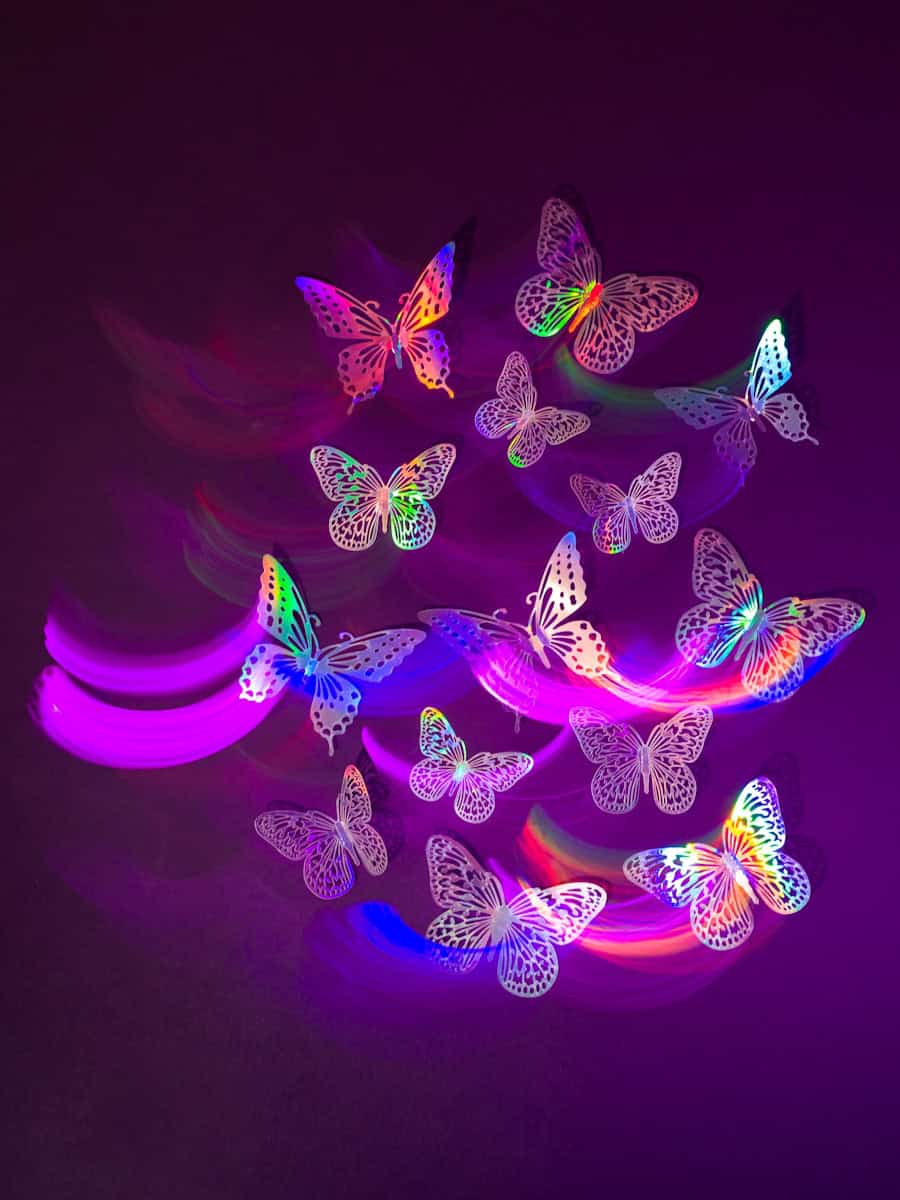
Creating the vibrant, multi-colored look of gummy butterflies requires deep knowledge of food colorants.
Like flavors, colors can be artificial (FD&C colors) or natural. Natural colorants come from sources like turmeric (yellow), beet juice (red), and spirulina extract (blue).
Natural colors present technical challenges. They’re often more sensitive to heat, light, and pH than artificial ones. For example, anthocyanins are pigments found in red cabbage or elderberry. They make excellent natural red/purple colorants. But their exact color can change dramatically based on the final pH of the gummy.
Getting even color distribution is another critical step. The colorant must be thoroughly mixed into the mixture. This prevents blotchy spots, streaking, or uneven coloring in the final product.
Quality and Stability
A successful gummy butterfly must be perfect when it’s made and stay that way throughout its shelf life. This requires strong quality control during production. The recipe must also be designed for long-term stability.
Điểm kiểm soát quan trọng
A quality assurance program for gummy production focuses on several key checkpoints. These ensure consistency.
-
Raw Material Inspection: We check incoming raw materials, especially the Bloom strength of gelatin and sugar purity. These directly impact the final texture.
-
In-Process Checks: During production, we constantly monitor mixture temperature and Brix levels. Any deviation can compromise the texture and stability of the entire batch.
-
Finished Product Testing: Finished gummies undergo multiple tests. A texture analyzer measures firmness and elasticity to ensure it meets standards. We also measure water activity (aW). This is the amount of “free” water available for harmful microbes to grow. We target water activity below 0.80 for a shelf-stable product. Finally, a trained taste panel evaluates the product for correct flavor, texture, and appearance.
Shelf Life Factors
How long gummy butterflies last depends on both the recipe and packaging. The low water activity, combined with the product’s acidity, creates an environment where most bacteria and mold can’t survive.
Packaging plays a final, crucial role. It must effectively block ambient moisture and oxygen. Poor packaging will cause gummies to either absorb moisture and become sticky or lose moisture and become hard and tough.
From experience, the most common texture problems are “sweating” (syneresis), where water leaks out due to improper acid balance or cooking process. The other issue is becoming too tough from excessive drying during curing or poor packaging.
An Engineered Treat
The gummy butterfly seems like a simple and fun treat. But it’s actually a testament to precise food science and process engineering. From molecular interactions in the initial mixture to temperature control in drying rooms, every step is carefully managed. The final product balances chemistry, physics, and sensory science. All of this is engineered to deliver a consistent and enjoyable experience. It’s remarkable food technology, shaped into a simple, sweet form.
Liên kết Tham khảo:
- Gelatin – Chủ đề ScienceDirect https://www.sciencedirect.com/topics/agricultural-and-biological-sciences/gelatin
- Bloom (test) – Wikipedia https://en.wikipedia.org/wiki/Bloom_(test)
- Long-term storage stability of type A and type B gelatin gels: The effect of Bloom strength and co-solutes – ScienceDirect https://www.sciencedirect.com/science/article/pii/S0268005X22000558
- Evaluation of gelatin bloom strength on gelatin methacryloyl hydrogel properties – ScienceDirect https://www.sciencedirect.com/science/article/abs/pii/S1751616124001413
- Moisture and shelf life in sugar confections – PubMed (NIH) https://pubmed.ncbi.nlm.nih.gov/20112158/
- Water Relations in Confections – Water Activity in Foods – Wiley Online Library https://onlinelibrary.wiley.com/doi/10.1002/9781118765982.ch20
- Water Activity And Quality In Confectionery – Asia Pacific Food Industry https://www.apfoodonline.com/industry/water-activity-and-quality-in-confectionery/
- Water activity, candy and confectionery: Maximize taste & texture – AQUALAB https://aqualab.com/en/knowledge-base/market-insights/water-activity-candy-and-confectionery
- Water activity | Barry Callebaut https://www.barry-callebaut.com/en/news-events/water-activity
- Shelf Life: Setting Goals and Evaluating Products – Chocolate Academy https://www.chocolate-academy.com/en-US/shelf-life-setting-goals-and-evaluating-products