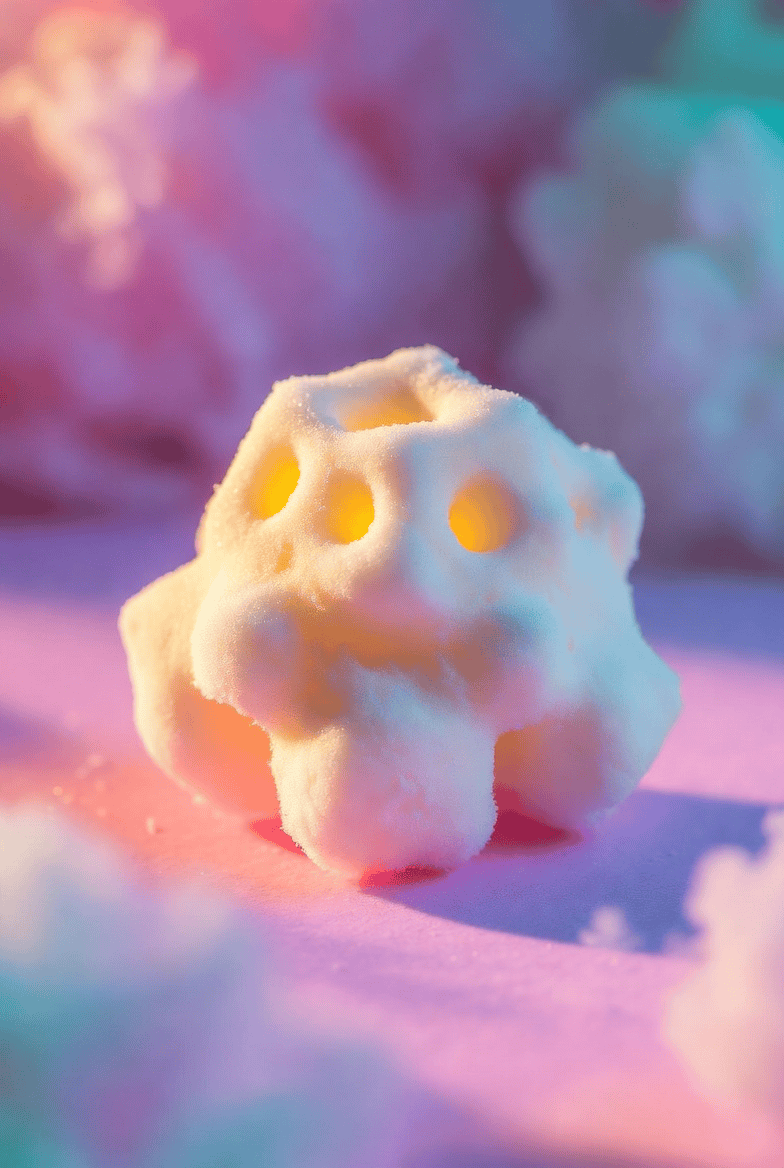
You've seen it in food videos — those glass-clear cubes that catch light like sea gems, crack when you bite into them, and reveal a soft jelly center that nobody expects. That's kohakutou. It looks absurdly hard to make. It's actually not. What is genuinely difficult about kohakutou is the part that most recipes gloss over: the drying process, which is where texture is born or lost entirely.
This guide covers the full picture — what kohakutou is, exactly what each ingredient does, a repeatable step-by-step method with the failure points named plainly, troubleshooting, commercial applications, and where the kohakutou category is heading in 2026. If your last batch came out sticky, murky, or completely flat-crunchy with no chew — we’ll fix that here.[omakase-tokyo]
What Is Kohakutou — and What Makes It Different
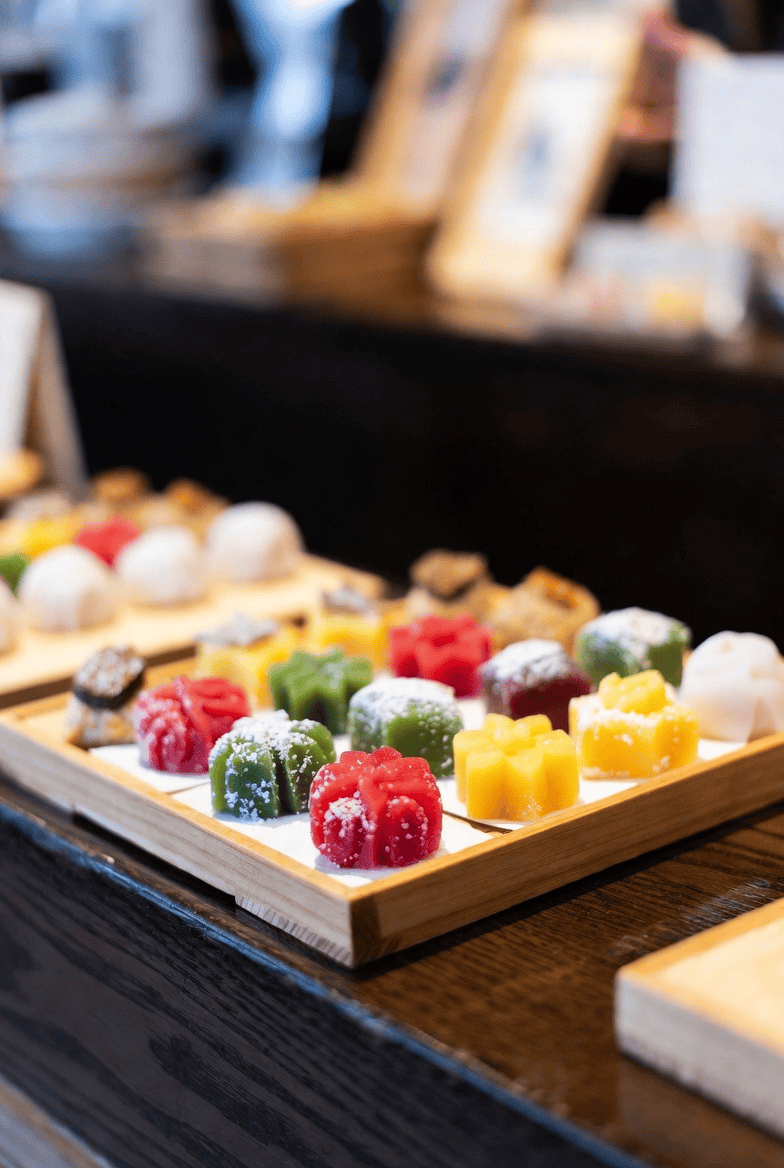
Kohakutou literally means “amber sugar” in Japanese. It’s a type of wagashi — traditional Japanese confectionery — that has been made for roughly 400 years, tracing back to the early Edo period. It’s frequently served during tea ceremonies and given as seasonal gifts, particularly in summer when the candy’s crystal-clear appearance evokes a cool, glass-like freshness.yunomi+1
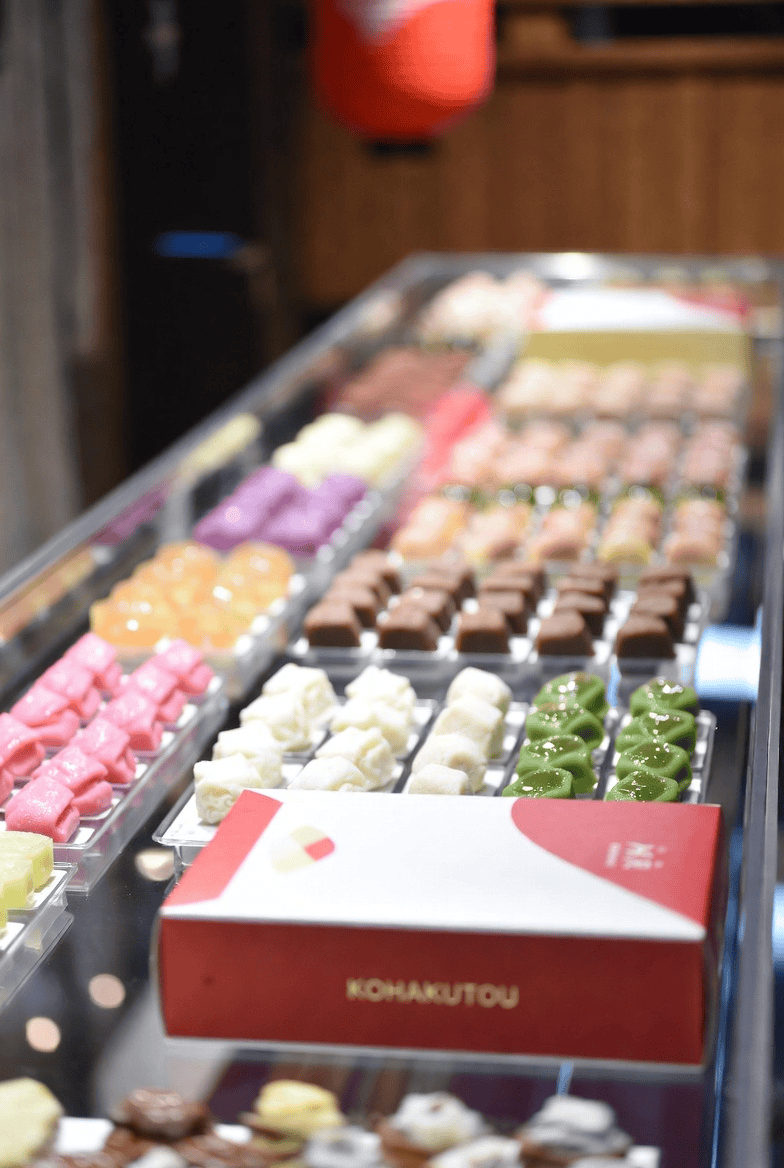
The signature texture is everything: crunchy, crystallized shell on the outside, soft jelly on the inside. That exterior crust is not frosting, not coating — it forms naturally as the cut pieces of agar-sugar jelly dry at room temperature over several days. Moisture migrates outward, sugar recrystallizes at the surface, and kohakutou earns its shell through patience, not any extra ingredient.[omakase-tokyo]
What separates kohakutou from a gummy candy or gelatin dessert:[công nghệ sinofudetechnology]
-
Gummy candies use gelatin, are typically fully chewy throughout, and don’t develop a crystalline shell.
-
Gelatin desserts are soft and fragile — wrong texture entirely for kohakutou.
-
Kohakutou uses agar (plant-based, firmer), is cut and dried, and only becomes the finished candy after the drying stage completes.
This is why so many first batches fail: people treat kohakutou as a gelatin dessert and skip or rush the drying. They get soft cubes. Nice-looking, technically edible — but not kohakutou.
Ingredients Explained: What Each One Actually Does
Kohakutou has a famously short ingredient list. That’s both the appeal and the trap — with fewer variables, each one carries more weight.[công nghệ sinofudetechnology]
Agar agar (kanten)
Agar is derived from seaweed and acts as a plant-based gelling agent. Unlike gelatin, agar requires near-boiling water to fully dissolve and sets more firmly at room temperature — which is why kohakutou holds clean, sharp edges when cut. The firm set is also what allows the exterior to dry into a shell without collapsing under its own weight.[britannica]
Different agar products vary in gel strength (measured in “bloom” or grams of force). Brands marketed specifically as kanten powder for wagashi tend to be consistent. Generic agar powder from grocery stores can work — but if your kohakutou sets soft or doesn’t set at all, swap brands before adjusting quantities.
Đường
Sugar does two jobs in kohakutou: sweetening, obviously, and building the crust. The high concentration of sugar in the cooked syrup is what allows sugar crystals to form at the surface as moisture evaporates during drying. Reducing the sugar too aggressively means a slow, weak crust — or no crust at all. Kohakutou is not the recipe to reduce sugar on your first attempt.[công nghệ sinofudetechnology]
Water (or a substitute liquid)
Water is the solvent that dissolves both agar and sugar. It can be partially or fully substituted with tea, brewed coffee, filtered juice, or even low-proof alcohol. Each swap adds flavor and color naturally, but introduces risks: juice adds acids that can interfere with gel strength; tea adds tannins and solids that can slightly cloud the candy. The rule is: filter your liquid thoroughly if you’re swapping, and keep total liquid volume consistent.[msshiandmrhe]
Do not use milk. Milk proteins interact with agar in ways that reduce set strength and cause the kohakutou to spoil significantly faster.[msshiandmrhe]
Optional: Citric acid (for sour flavor)
Citric acid brightens flavor, cuts flat sweetness, and can be added in small quantities to the syrup or dusted on dried kohakutou after the crust forms. Adding too much acid to the hot syrup can theoretically weaken gel strength at very high concentrations, so keep it light if you’re adding during cooking.
cURL Too many subrequests.
cURL Too many subrequests.[công nghệ sinofudetechnology]
cURL Too many subrequests.
| cURL Too many subrequests. | cURL Too many subrequests. | cURL Too many subrequests. | cURL Too many subrequests. | cURL Too many subrequests. |
|---|---|---|---|---|
| cURL Too many subrequests. | cURL Too many subrequests. | cURL Too many subrequests. | cURL Too many subrequests. | cURL Too many subrequests. |
| cURL Too many subrequests. | cURL Too many subrequests. | cURL Too many subrequests. | cURL Too many subrequests. | cURL Too many subrequests. |
| Fruit juice | cURL Too many subrequests. | cURL Too many subrequests. | cURL Too many subrequests. | cURL Too many subrequests. |
| cURL Too many subrequests. | cURL Too many subrequests. | cURL Too many subrequests. | cURL Too many subrequests. | cURL Too many subrequests. |
| cURL Too many subrequests. | Nước | cURL Too many subrequests. | cURL Too many subrequests. | cURL Too many subrequests. |
cURL Too many subrequests.
cURL Too many subrequests. cURL Too many subrequests. cURL Too many subrequests.[msshiandmrhe]
cURL Too many subrequests.
-
cURL Too many subrequests.
-
cURL Too many subrequests.
-
cURL Too many subrequests.
-
cURL Too many subrequests.
-
cURL Too many subrequests.
-
cURL Too many subrequests.
Step-by-step kohakutou recipe
Step 1 — Bloom the agar
Sprinkle agar powder over cold water in the saucepan. Stir gently and let it sit for about 5 minutes. This “blooming” step helps agar hydrate evenly and dissolve cleanly when heated.[jenhdao]
Step 2 — Dissolve agar over medium heat
Place the saucepan on medium heat. Stir steadily — not vigorously — as it warms. Bring to a simmer and cook until the mixture looks completely clear with no visible undissolved grains, usually 2–3 minutes at a low boil. If the mixture looks grainy after this, keep going — undermixed agar is the primary cause of weak kohakutou gels.[jenhdao]
Step 3 — Add sugar and cook the syrup
Pour in the sugar and stir until completely dissolved. Continue cooking at a moderate simmer for about 5–7 minutes until the syrup thickens slightly and takes on a faint yellow tint. This light color is normal and actually good — it signals the sugar has cooked to the right concentration.[msshiandmrhe]
Resist the urge to crank the heat. A rapid boil whips air into the syrup and creates foam that reduces clarity in the finished kohakutou.[công nghệ sinofudetechnology]
Step 4 — Flavor and color
Remove from heat. Add any flavoring (extracts, oils) and coloring at this point. Stir gently.
Step 5 — Strain and pour
Pour through a fine mesh strainer into the mold or container. Straining catches undissolved agar fragments and bursting bubbles, both of which create cloudiness in kohakutou.[yunomi]
Let the kohakutou mixture cool at room temperature until set (usually 1–2 hours). A brief chill in the refrigerator is fine to speed setting, but avoid leaving it there too long — chilling can cause condensation on the surface later, which slows drying.
Step 6 — Cut kohakutou
Once fully set, unmold and cut with a lightly oiled knife. Wipe the blade between cuts. Kohakutou can be cut into:
-
Clean 1-inch cubes (classic)
-
Elongated rectangles
-
Rough, irregular “crystal fracture” shapes — these hide minor clarity issues and look the most gem-like
Aim for pieces at least 1–1.5 cm thick. Thin kohakutou dries too fast, goes hard all the way through, and loses the contrasting chew inside.
Step 7 — Dry the kohakutou (the most important step)
Place cut kohakutou pieces on parchment paper with at least half an inch of space between each piece. Do not place them directly on a wire rack — the sugar will bond to metal wires and pieces will tear when you try to move them.[msshiandmrhe]
Leave kohakutou to dry at room temperature in a well-ventilated area. Turn pieces once or twice per day for even shell formation.[youtube]
-
After Day 2: Surface starts to feel less tacky; a faint crust begins to form
-
After Day 3–4: Clear kohakutou shell visible on most sides
-
After Day 5+: Shell thickens; crack on bite becomes more pronounced
The longer kohakutou dries, the crunchier the shell. The sweet spot for most people is Day 4–5: audible crack, still a soft pull at the center.[youtube]
Troubleshooting Kohakutou: Why It Went Wrong
Separate every problem into two categories before diagnosing: Did the gel fail? Or cURL Too many subrequests. cURL Too many subrequests.
cURL Too many subrequests.
| Triệu chứng | cURL Too many subrequests. | cURL Too many subrequests. |
|---|---|---|
| cURL Too many subrequests. | cURL Too many subrequests. | cURL Too many subrequests. |
| cURL Too many subrequests. | cURL Too many subrequests. | cURL Too many subrequests. |
| cURL Too many subrequests. | cURL Too many subrequests. | cURL Too many subrequests. |
| cURL Too many subrequests. | cURL Too many subrequests. | cURL Too many subrequests. |
| cURL Too many subrequests. | cURL Too many subrequests. | cURL Too many subrequests. |
| cURL Too many subrequests. | cURL Too many subrequests. | cURL Too many subrequests. |
| cURL Too many subrequests. | cURL Too many subrequests. | cURL Too many subrequests. |
cURL Too many subrequests. cURL Too many subrequests.
cURL Too many subrequests.
cURL Too many subrequests.[omakase-tokyo]
cURL Too many subrequests.
cURL Too many subrequests.
cURL Too many subrequests.
cURL Too many subrequests.
cURL Too many subrequests.
cURL Too many subrequests.
cURL Too many subrequests.
cURL Too many subrequests.
cURL Too many subrequests.
| cURL Too many subrequests. | cURL Too many subrequests. | Quality control focus | Packaging note |
|---|---|---|---|
| Home / artisan (1–4 trays) | Consistent recipe ratio and timing | Set strength; clean cuts; even drying | Breathable packaging only during drying; seal only after full crust |
| Small shop (5–20 trays per batch) | Dedicated drying space with airflow; batch logging | Crust uniformity; clarity standards; minimum drying days before sale | Individual paper-wrapped pieces or clear window boxes; moisture absorber sachet |
| Event/wholesale (20+ trays) | Process scheduling; humidity management; staff training | Standardized piece size; defined acceptance criteria for shell | Separate “display stock” from “transit stock”; prioritize rigid box formats to protect shell |
The most consistent operational bottleneck at any scale above home production: drying space equals production capacity. More saucepans don’t help if there’s no room to dry the output safely.
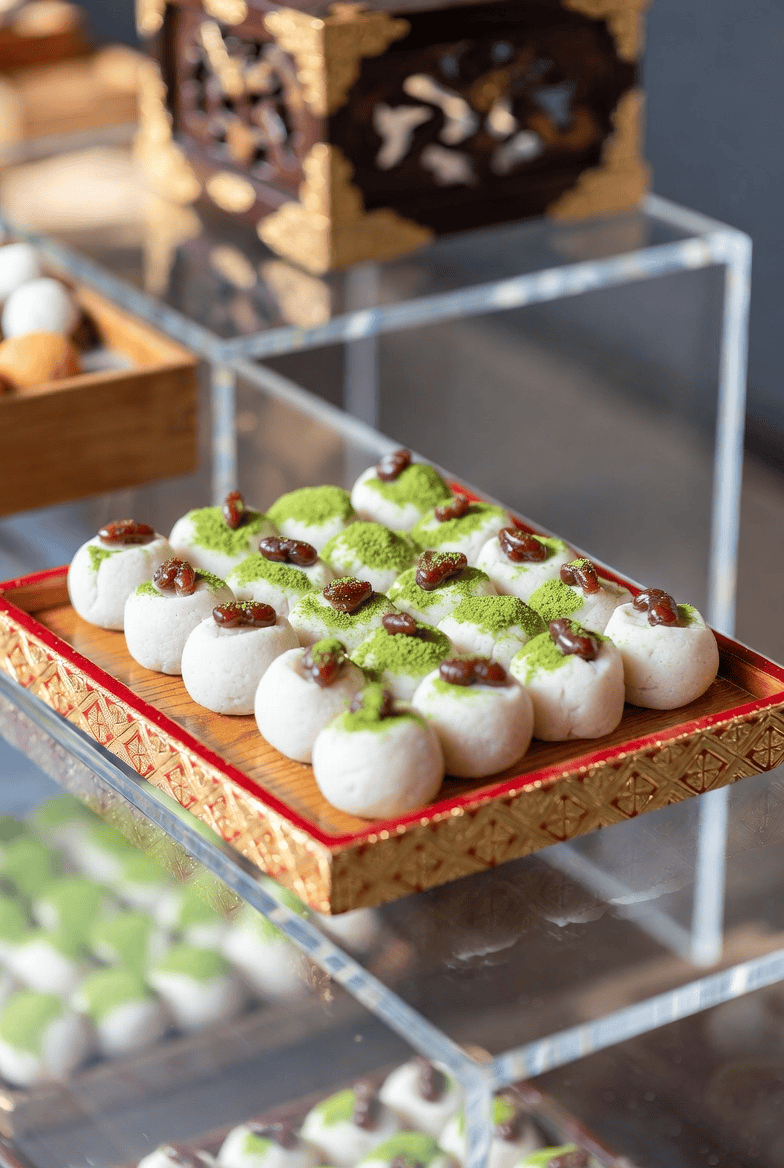
Kohakutou isn’t going away — but it is evolving. Here’s what’s worth watching:
Savory-adjacent and tea-forward flavors
The next wave of kohakutou isn’t neon-colored fruit punch. Hojicha, aged oolong, genmaicha, yuzu, and shiso are gaining traction because they sit comfortably within the wagashi tradition while offering something genuinely different from Western sweets.[yunomi]
“Gem aesthetic” minus the neon
Early social media kohakutou leaned heavily on vivid artificial colors. The current shift is toward natural dyes, muted tones, and gradients that look like actual mineral specimens — quartz, jade, labradorite. This moves kohakutou upmarket and makes it photograph better against neutral backgrounds.
Functional ingredient integration
Brands are experimenting with electrolytes, collagen-adjacent ingredients, and adaptogen powders added to the syrup. The practical challenge: most powders cloud the candy and may affect gel consistency. This space will take 1–2 more years to stabilize around formulas that actually work transparently.
Shelf-life and packaging engineering
The biggest commercial barrier for kohakutou is the shell-cracking problem in transit. Crunchy shells and plastic bags don’t mix — moisture from the air or from the jelly interior can soften the shell within days of sealing. Producers who solve this properly (food-safe desiccants, rigid inner trays, sealed conditions) will unlock national and international retail distribution that the category currently struggles with.
Industrial-scale agar gelatin alternatives
Research into modified agar blends that accelerate drying while retaining the chewy center could eventually reduce the 3–5 day drying window to 1–2 days — which matters significantly for high-volume commercial production.
Câu hỏi thường gặp
How long does kohakutou take to make?
The active cooking time is about 15–20 minutes. Setting takes 1–2 hours. But the drying stage — which is when kohakutou actually becomes kohakutou — takes 3–7 days at room temperature. Plan around the drying timeline, not the cooking time.[omakase-tokyo]
Why does my kohakutou stay sticky and never crust?
Almost always one of two causes: humidity in the drying environment, or sugar concentration too low. Moving pieces to a drier room with better airflow usually solves it within 24–48 hours. If the recipe used reduced sugar, that’s the structural issue and the batch may not fully crust regardless.[công nghệ sinofudetechnology]
Can kohakutou be made vegan?
Yes — it already is. Agar is derived from seaweed, not animal collagen. There are no animal products in the standard kohakutou recipe unless you add them yourself (honey, milk, gelatin). Kohakutou is naturally vegan and also gluten-free.[britannica]
How do you store kohakutou after it dries?
Store dried kohakutou in an airtight container at room temperature, away from direct sunlight and humidity. A small food-safe silica gel packet inside the container helps maintain crunch in humid climates. Shelf life is roughly 2–3 weeks at room temperature once the crust has fully formed.[công nghệ sinofudetechnology]
What’s the difference between kohakutou and regular agar jelly?
Regular agar jelly is served soft, often chilled, with no shell. Kohakutou begins as the same gel but is cut and left to dry at room temperature for days — allowing sugar to recrystallize at the surface and form a hard crust while the interior stays soft. The drying step is what makes it kohakutou.[omakase-tokyo]
Can kohakutou be made without food coloring?
Absolutely. Plain kohakutou made with just water, agar, and sugar develops a faint golden-amber hue naturally from cooking — which is actually how the traditional wagashi version looks. Coloring is for visual variety, not flavor or texture.[yunomi]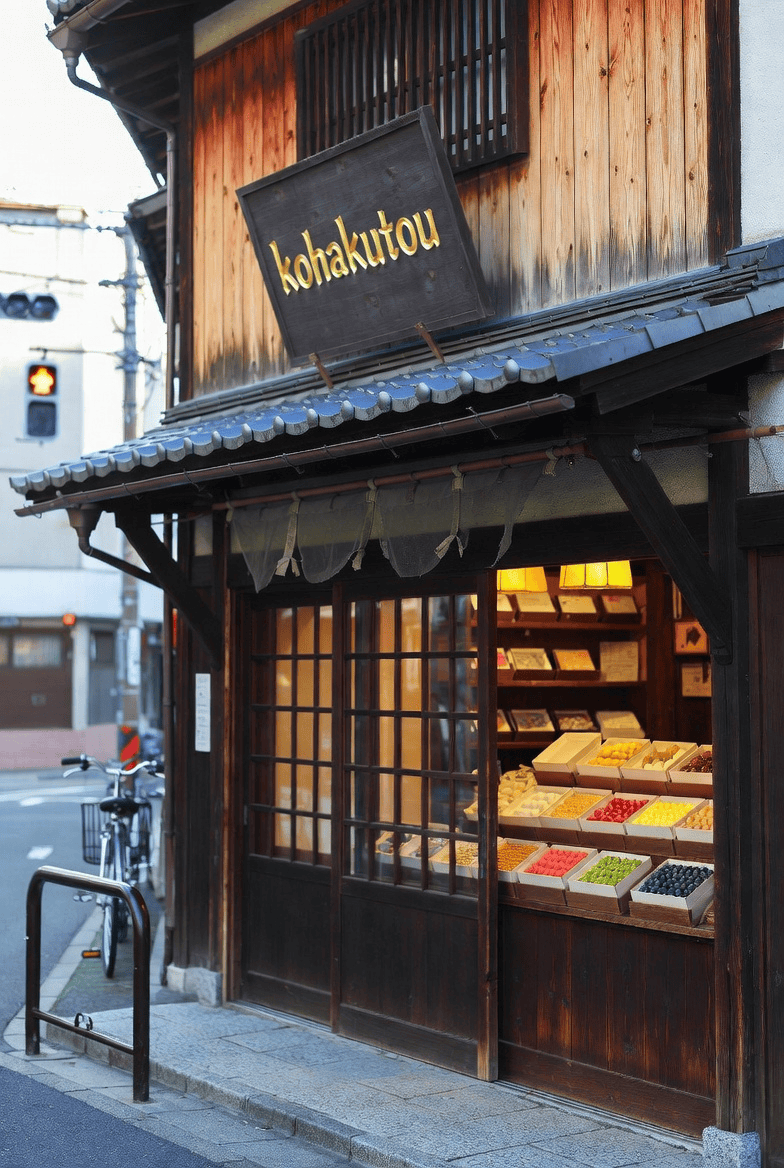
These sources are embedded throughout the article and recommended for further reading:
-
cURL Too many subrequests.
https://japannews.yomiuri.co.jp/features/delicious/20220705-42927/[cURL Too many subrequests.] -
cURL Too many subrequests.
https://www.britannica.com/topic/agar-seaweed-product[britannica] -
cURL Too many subrequests.
https://yunomi.life/blogs/recipes/traditional-japanese-candy-wagashi-sweets-recipe-kohakutou[yunomi] -
cURL Too many subrequests.
https://en.wikipedia.org/wiki/Wagashi[cURL Too many subrequests.] -
cURL Too many subrequests.
https://msshiandmrhe.com/kohakutou/[msshiandmrhe]