Hướng Dẫn của Kỹ Sư về Hàn Nhiệt trong Đóng Gói Kẹo: Phân Tích Kỹ Thuật

Hàn nhiệt không chỉ đơn thuần là áp dụng nhiệt và áp lực lên màng nhựa. Trong sản xuất kẹo, đó là một quá trình kiểm soát chính xác dựa trên vật lý polyme, nhiệt động lực học và khoa học vật liệu. Mục tiêu là tạo ra chất niêm phong kín khí, liên kết phân tử bảo vệ độ tươi, đảm bảo an toàn và duy trì sức hấp dẫn của sản phẩm.
Hướng dẫn này cung cấp một khung kỹ thuật sâu cho các kỹ sư đóng gói, nhà khoa học thực phẩm và chuyên gia chất lượng. Chúng tôi phân tích quá trình hàn nhiệt kẹo thành các nguyên tắc cốt lõi, cho phép lựa chọn vật liệu, tối ưu hóa quy trình và xử lý sự cố trên dây chuyền sản xuất.
Từ sự bám dính đến liên kết phân tử trong đóng gói kẹo
Hàn nhiệt trong bao bì kẹo không chỉ là sự bám dính bề mặt. Nó liên quan đến sự khuếch tán chuỗi polyme ở cấp độ phân tử. Hiểu rõ quá trình này biến quá trình niêm phong từ một nghệ thuật “hộp đen” thành khoa học kỹ thuật dự đoán được.
Những gì hướng dẫn này đề cập đến:
Vật lý: truyền nhiệt và nguyên lý nhiệt động lực học.
Khoa học vật liệu: đặc tính của polyme cho phép hàn nhiệt.
Quy trình tam giác: nhiệt độ, áp suất và thời gian giữ.
So sánh công nghệ: thanh nóng, cảm ứng, siêu âm và hàn khí nóng.
Xử lý sự cố và lỗi phân tích cho dây chuyền kẹo.
Vật lý cơ bản
Chuyển nhiệt trong đóng gói kẹo
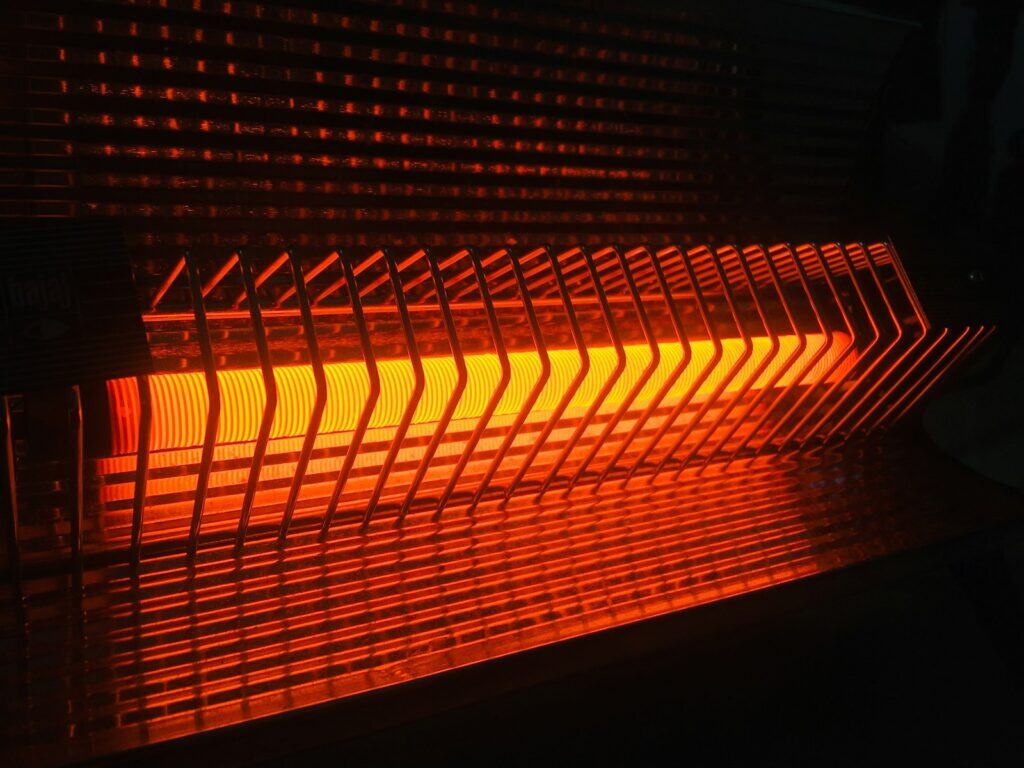
Chuyển nhiệt dẫn là phương thức truyền năng lượng phổ biến nhất trong hàn nhiệt kẹo. Hai hàm hoặc thanh nung nóng lớp phim tiếp xúc trực tiếp, truyền năng lượng đến chất hàn.
Các phương pháp khác bao gồm:
Hàn khí nóng: truyền nhiệt đối lưu qua tia khí nóng được nung nóng.
Cảm ứng: trường điện từ làm nóng các lớp lá kim loại dẫn nhiệt bên trong bao bì kẹo.
Hàn siêu âm: rung động tần số cao tạo ra nhiệt ma sát cục bộ.
Chuyển nhiệt dẫn vẫn là tiêu chuẩn trong ngành công nghiệp đóng gói kẹo linh hoạt do độ tin cậy và sự đơn giản.
Nguyên lý nhiệt động học
Hai nhiệt độ điều chỉnh hành vi của polymer:
Nhiệt độ chuyển đổi thủy tinh (Tg): Điểm mà các chuỗi polymer vô định hình trở nên linh hoạt hơn.
Nhiệt độ nóng chảy (Tm): Điểm mà các vùng kết tinh tan chảy thành trạng thái nhớt.
Đối với bao bì kẹo, giao diện niêm phong phải vượt quá Tg hoặc tiếp cận Tm để cho phép sự linh hoạt của chuỗi polymer và sự khuếch tán lẫn nhau.
Điệu nhảy phân tử
Ở nhiệt độ môi trường, các chuỗi polymer đứng yên. Khi được nung nóng:
Chuỗi giãn ra và di chuyển tại giao diện.
Các chuỗi từ các lớp đối diện khuếch tán lẫn nhau, tạo thành các mối rối.
Khi làm mát, các chuỗi kết vào một cấu trúc liền mạch, đồng nhất, tạo thành một lớp niêm phong chắc chắn, kín khí.
Trong các loại nhựa bán tinh thể, quá trình kết tinh lại càng làm tăng cường liên kết, đảm bảo độ tươi ngon và độ ổn định của kẹo trên kệ.
Khoa học vật liệu của màng kẹo
Điều gì làm cho một màng có thể niêm phong nhiệt?
Một màng có thể niêm phong nhiệt phải là dẻo nhiệt, mềm khi nung nóng và cứng lại khi nguội đi. Các loại nhựa nhiệt dẻo và đàn hồi không phù hợp.
Các loại nhựa phổ biến có thể niêm phong nhiệt trong bao bì kẹo
| cURL Too many subrequests. | Nhiệt độ niêm phong (°C) | Độ bền niêm phong | Trong suốt | Ứng dụng chính của kẹo |
|---|---|---|---|---|
| LDPE | 105–150 | Tốt | Tốt | Túi kẹo chung, bao bì linh hoạt |
| LLDPE | 115–160 | Xuất sắc | Tốt | Dây chuyền tốc độ cao, yêu cầu dán nóng |
| PP | 160–210 | Tốt | Xuất sắc | Túi kẹo cao cấp, bao bì cứng |
| cURL Too many subrequests. | 240–260 | Kém (cần lớp chất bịt kín) | Xuất sắc | Lớp ngoài cấu trúc cho phim kẹo dẻo laminate |
| PVC | 120–180 | Vừa phải | Xuất sắc | Sử dụng giảm dần; đôi khi dùng cho bao bì kẹo mới lạ |
| Ionomer (Surlyn®) | 90–130 | Xuất sắc | Xuất sắc | Hàn nhiệt qua ô nhiễm, bao bì socola chất lượng cao |
Kiến trúc phim nhiều lớp
Bao bì kẹo thường sử dụng phim đồng đùn hoặc laminate để kết hợp các đặc tính:
Lớp in: Đồ họa chất lượng cao.
Lớp chắn: Phim EVOH hoặc phim mạ kim loại để ngăn cản oxy, độ ẩm hoặc ánh sáng xâm nhập.
Lớp chịu lực / lớp chịu lực: Nylon hoặc PET để chống thủng.
Lớp liên kết: Liên kết các loại polymer không tương thích.
Lớp Chống Thấm: Polyme có điểm nóng chảy thấp như LLDPE hoặc ionomer để tối ưu hóa quá trình hàn nhiệt.
Ba yếu tố trong Quy trình: Nhiệt độ, Áp lực, Thời gian giữ

Chất lượng hàn phụ thuộc vào ba biến số liên kết:
Nhiệt độ: Kích hoạt chuỗi polyme độ linh hoạt. Phải duy trì trong phạm vi cửa sổ hàn.
cURL Too many subrequests. Đảm bảo tiếp xúc chặt chẽ, loại bỏ không khí bị mắc kẹt và thúc đẩy sự khuếch tán chéo.
Thời gian giữ: Thời gian áp dụng nhiệt và áp lực; cho phép chuỗi liên kết hoàn chỉnh.
Điều chỉnh một tham số đòi hỏi các thay đổi bù trừ ở các tham số khác. Ví dụ, tăng tốc độ dây chuyền kẹo rút ngắn thời gian giữ, yêu cầu nhiệt độ hàn cao hơn.
Công nghệ Hàn Nhiệt trong Dây Chuyền Kẹo
| Công nghệ | Nguyên lý | Vật liệu phù hợp | Tốc độ | Chi phí Vốn | Sử dụng Dây Chuyền Kẹo |
|---|---|---|---|---|---|
| Thanh Nhiệt / Tiếp xúc Trực tiếp | Dẫn nhiệt | Hầu hết các loại nhựa nhiệt dẻo | Thấp–Trung bình | Thấp | Thanh sô cô la, kẹo dẻo, túi nhỏ |
| Cảm ứng | Điện từ | Nắp kẹo cán màng nhôm | Cao | Trung bình | Hộp sô cô la kín, kẹo cao cấp |
| Siêu âm | Nhiệt ma sát | Nhựa nhiệt dẻo cứng/bán cứng | Rất cao | Cao | Vỉ nhựa, khay sô cô la |
| Khí nóng | Giao thoa | Hầu hết các loại nhựa nhiệt dẻo | Trung bình–Cao | Trung bình | Túi kẹo nhiều lớp, hình dạng đường viền |
Độ kín mối hàn & Khắc phục sự cố
Định nghĩa mối hàn tốt
Độ bền: Đo bằng thử nghiệm bóc tách (ASTM F88).
Độ kín hơi: Không thấm khí, ẩm hoặc vi khuẩn (ASTM F1140, F1929).
Khả năng bóc tách: Dễ dàng mở có kiểm soát cho người tiêu dùng.
Tính thẩm mỹ: Mối hàn sạch, đồng đều, không nhăn.
Các lỗi thường gặp trong bao bì kẹo
| Lỗi | Nguyên nhân quá trình | Nguyên nhân vật liệu | Giải pháp |
|---|---|---|---|
| Niêm phong không hoàn chỉnh / Rò rỉ kênh | Nhiệt độ quá thấp, thời gian lưu ngắn, áp suất không đều | Bề mặt bị ô nhiễm, chất keo không phù hợp | Tăng nhiệt độ/thời gian lưu, làm sạch hàm, chọn đúng vật liệu |
| Dễ bóc yếu | Nhiệt độ, áp suất, thời gian lưu không đủ | Polimer không tương thích | Điều chỉnh quy trình hoặc sử dụng chất keo phù hợp |
| Chảy qua / Co ngót | Nhiệt độ quá cao, áp suất quá lớn | Polimer có độ chịu nóng chảy thấp | Giảm nhiệt độ, giảm áp suất |
| Delamination của kín | Quá nhiệt lớp liên kết | Lamination kém, không tương thích mực in | Sử dụng lớp phù hợp, kiểm soát nhiệt độ |
| Nếp nhăn / nhăn nhúm | Căng thẳng phim không đều, hàm không căn chỉnh đúng | Không phù hợp về giãn nở nhiệt | Căn chỉnh hàm răng, cân bằng căng thẳng phim |
Kết luận: Phương pháp dựa trên nguyên tắc
Thành thạo hàn nhiệt trong sản xuất kẹo đòi hỏi hiểu biết về khoa học đằng sau quy trình. Bằng cách tích hợp vật lý polyme, truyền nhiệt và bộ ba quy trình, các kỹ sư có thể:
Dự đoán hiệu suất niêm phong
Giảm thiểu lỗi và lãng phí vật liệu
Đảm bảo các mối niêm phong kín, hermetic để an toàn và chất lượng
A phương pháp dựa trên nguyên tắc biến quá trình hàn nhiệt từ phỏng đoán thành một quy trình đáng tin cậy, hiệu quả và được kiểm soát khoa học cho sản xuất kẹo hiện đại.
- ASTM F88 – Phương pháp kiểm tra độ bền niêm phong cho vật liệu chống thấm linh hoạt https://store.astm.org/f0088_f0088m-21.html
- ASTM Packaging Standards – Paper and Packaging https://store.astm.org/products-services/standards-and-publications/standards/paper-standards-and-packaging-standards.html
- Quy định về Nguyên liệu Thực phẩm & Bao bì của FDA https://www.fda.gov/food/food-ingredients-packaging
- FDA Bao bì & Chất liên hệ thực phẩm (FCS) https://www.fda.gov/food/food-ingredients-packaging/packaging-food-contact-substances-fcs
- Thư viện trực tuyến Wiley – Vật liệu niêm phong trong bao bì thực phẩm nhựa linh hoạt https://onlinelibrary.wiley.com/doi/full/10.1002/pts.2732
- ScienceDirect – Nghiên cứu về Hàn nhiệt màng polyolefin https://www.sciencedirect.com/science/article/abs/pii/S0142941812001092
- BioResources – Đánh giá Hàn nhiệt trong đóng gói VFFS https://bioresources.cnr.ncsu.edu/resources/heat-sealing-evaluation-and-runnability-issues-of-flexible-paper-materials-in-a-vertical-form-fill-seal-packaging-machine/
- Thư viện Trực tuyến Wiley – Đặc điểm quá trình Hàn nhiệt https://onlinelibrary.wiley.com/doi/full/10.1002/app.53094
- Tiêu chuẩn đóng gói ISO (ISO/TC 122) https://www.iso.org/committee/52040.html
- 21 CFR Phần 211 – Hướng dẫn đóng gói dược phẩm https://www.thefdagroup.com/blog/2015/01/overview-of-packaging-guidelines/
Bài viết liên quan
- Phát hiện ô nhiễm: Nguyên tắc cốt lõi & Công nghệ cho năm 2025
- Hệ thống kiểm tra màu sắc 2025: Hướng dẫn của Kỹ sư về Nguyên tắc cốt lõi
- Hướng Dẫn của Kỹ Sư về Bao Bọc Chảy: Nguyên Tắc Kỹ Thuật Cốt Lõi
- Hướng Dẫn Kỹ Thuật Về Kỹ Thuật Truyền Nhiệt & Điều Khiển Quá Trình Trong Công Nghệ Nấu Kẹo
- Dây Chuyền Sản Xuất Kẹo Dẻo
- Dây chuyền sản xuất bánh quy
- Skittles Có Gluten Không? Hướng Dẫn Toàn Diện 2026