Advanced Biscuit Packaging Machines: How Automation Shapes Shelf Appeal
In the competitive baked goods market, the moment of truth happens on the store shelf. Your biscuit’s quality is most important, but it’s the packaging that creates the first connection with the customer. It’s what tells your brand’s story of freshness, quality, and value before the first bite is ever taken. The question for production managers and brand owners is no longer *if* packaging matters, but *how* to do it perfectly and efficiently on a large scale. The answer lies in advanced packaging automation. Investing in the right biscuit packaging machine is a smart move that directly affects shelf appeal, ensures brand consistency, and gives you a competitive advantage.
This article goes beyond basic specifications to provide a strategic guide for your next investment. We will explore how automation is not just about speed, but about improving your brand’s presence in a crowded marketplace. You will gain a clear understanding of:
- The strategic impact of automation on brand perception and profitability.
- The main types of biscuit packaging machines and their specific uses.
- The critical, often-overlooked connection between package design and machine capability.
- How to combine sustainability goals with high-speed automation.
- A practical guide for selecting the right machine and calculating your return on investment.

The Strategic Impact of Automation
The conversation around packaging automation often begins and ends with packs-per-minute. While speed is an important measure, its true value is revealed when viewed through a strategic lens. A modern biscuit packaging machine is a brand-building tool, a quality control guardian, and a gateway to market innovation. It’s about creating value far beyond the factory floor.
Perfect Presentation, Every Time
Manual or semi-automated packaging lines are prone to human inconsistency. A slightly misaligned label, an imperfectly folded wrap, or a weak seal can take away from a premium product. These minor flaws, when multiplied by thousands of units, create an inconsistent and unprofessional brand image on the shelf. Automation eliminates this variability. A servo-driven flow wrapper or cartoner executes every fold, cut, and seal with digital precision. This ensures that every single package that leaves your facility is a perfect representation of your brand’s quality standard, building consumer trust and perceived value.
Protecting Product, Protecting Profit
Biscuits are naturally fragile. Every fracture, crack, or crumb represents lost product and lost profit. Manual handling, with its inconsistent pressures and movements, is a significant source of product damage. Automated systems are designed for gentle handling. Custom-designed infeed systems, robotic pick-and-place arms, and synchronized conveyors move product smoothly and precisely, reducing shock and vibration. Industry analysis shows that well-implemented automated packaging lines can reduce product damage rates by up to 15% compared to manual processes. This reduction in waste flows directly to your bottom line while ensuring the customer receives the intact, high-quality product they expect.
Unlocking Design Potential
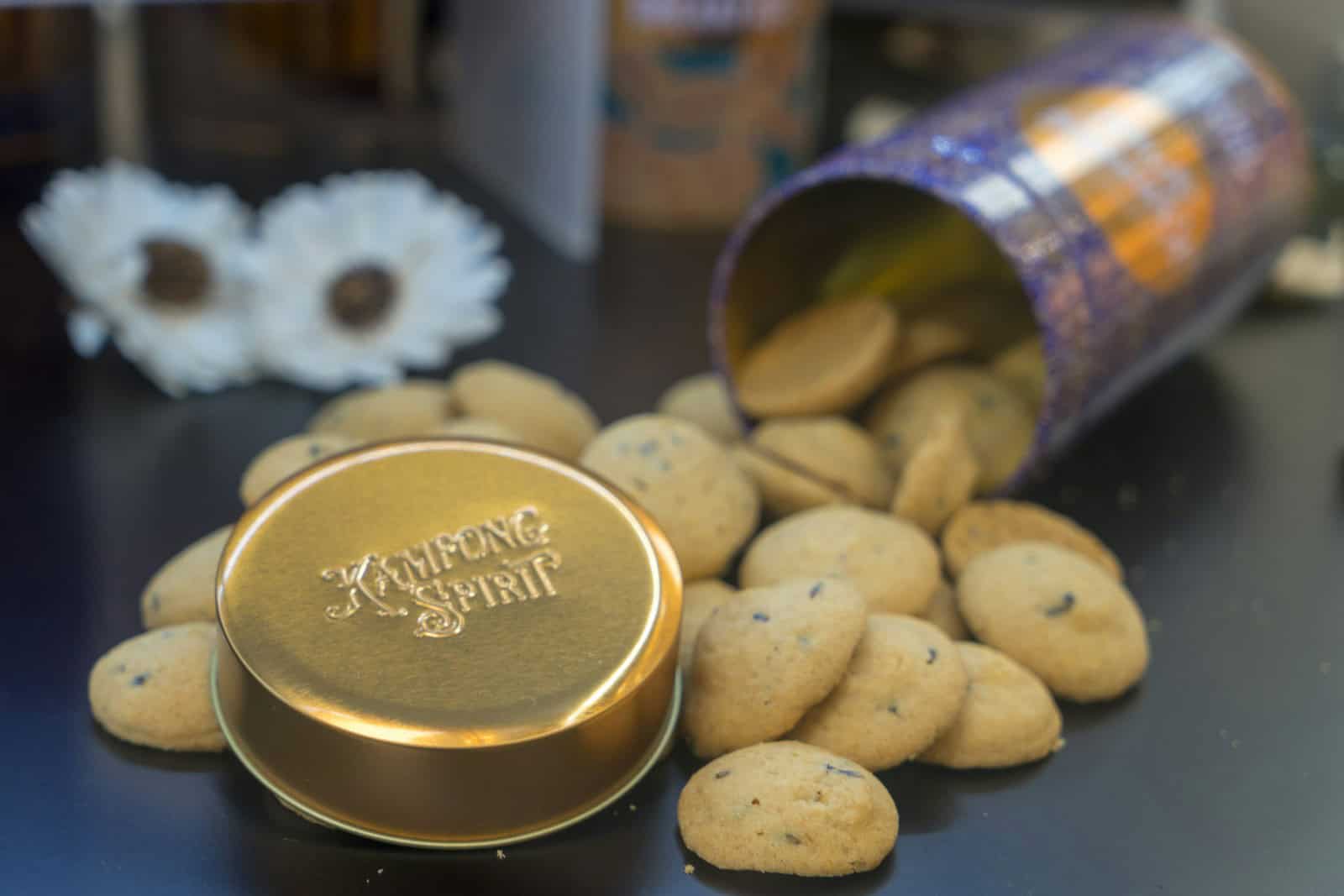
Your marketing team’s most creative packaging concepts are often limited by the constraints of manual assembly. Complex folds, multi-material packs, or premium trays with tight overwraps are either too slow or too costly to produce by hand at scale. Packaging automation breaks down these barriers. It provides the design flexibility to execute sophisticated packaging that captures attention. Whether it’s a gusseted bag with a tin-tie closure, a perfectly sealed slug of biscuits for on-the-go consumption, or a complex carton with an inner tray, automation makes premium packaging a scalable reality. This allows your brand to stand out, create a memorable unboxing experience, and command a higher price point.
A Guide to Machine Types
Choosing the right biscuit packaging machine requires a clear understanding of the available technologies and how they align with your product, packaging style, and production goals. The process is typically divided into stages: primary packaging (in direct contact with the biscuit), secondary packaging (grouping primary packs), and tertiary packaging (case packing for shipment). Here, we focus on the primary and secondary stages, where shelf appeal is born.

Understanding Your Options
The landscape of biscuit packaging machinery is diverse, with each system designed for a specific application. From high-speed flow wrappers creating simple pillow packs to sophisticated cartoners assembling premium boxes, the key is to match the machine’s capabilities to your product’s unique characteristics and your brand’s market positioning.
Comparing Core Technologies
| Makine Türü | Packaging Style | Best For (Biscuit Type) | Key Automation Advantage |
| Horizontal Flow Wrappers (HFFS) | Pillow packs, gusseted bags | cURL Too many subrequests. | cURL Too many subrequests. |
| cURL Too many subrequests. | cURL Too many subrequests. | cURL Too many subrequests. | cURL Too many subrequests. |
| cURL Too many subrequests. | cURL Too many subrequests. | cURL Too many subrequests. | cURL Too many subrequests. |
| cURL Too many subrequests. | cURL Too many subrequests. | cURL Too many subrequests. | cURL Too many subrequests. |
| cURL Too many subrequests. | cURL Too many subrequests. | cURL Too many subrequests. | cURL Too many subrequests. |
cURL Too many subrequests.
cURL Too many subrequests.
cURL Too many subrequests.
cURL Too many subrequests.
cURL Too many subrequests.
cURL Too many subrequests.

cURL Too many subrequests.
cURL Too many subrequests. cURL Too many subrequests. cURL Too many subrequests.
cURL Too many subrequests.
cURL Too many subrequests.
cURL Too many subrequests.
cURL Too many subrequests.
cURL Too many subrequests.
cURL Too many subrequests.
- cURL Too many subrequests.
- cURL Too many subrequests.
- cURL Too many subrequests.
- cURL Too many subrequests.
cURL Too many subrequests.
cURL Too many subrequests.
- cURL Too many subrequests.
- cURL Too many subrequests.
- Product Geometry: The shape and arrangement of your biscuits can dramatically influence the ease of automated collation and loading. Sometimes, a minor change in a biscuit’s dimensions or the count in a slug can lead to a major improvement in packaging line speed and reliability.
Future-Proofing with Sustainability
Today’s consumers, retailers, and regulators demand sustainable packaging. For manufacturers, this presents a significant challenge: how to adopt eco-friendly materials without compromising the speed, efficiency, and reliability of an automated packaging line. The key is to approach sustainability not as an obstacle, but as an engineering parameter to be solved through smart machine selection and adjustment.
The Green Challenge
The primary conflict is that many next-generation sustainable materials do not behave like the traditional multi-laminate plastics that packaging machines were originally designed for. Paper is more abrasive and less forgiving than plastic film. Recyclable mono-materials often have a narrower sealing temperature window. Compostable bioplastics like PLA can be brittle and sensitive to heat. Simply swapping materials on an existing machine without modification is a recipe for failure.
Sustainable Materials & Automation
| Material Type | Sustainability Benefit | Automation Challenge | Machine Adjustments/Solutions |
| Recyclable Mono-Material Films (e.g., PE, PP) | “Store drop-off” recyclable, supports circular economy. | Narrower heat-sealing window, potential for stretching. | Advanced temperature controls on sealing jaws, servo-driven film transport for precise tension control. |
| Paper-Based Wraps/Structures | Curbside recyclable, renewable resource, excellent consumer perception. | More abrasive, prone to tearing, difficult to seal hermetically with heat. | Specialized paper-compatible forming sets, cold-seal technology, or ultrasonic sealing; gentler handling. |
| Compostable/Bio-based Films (e.g., PLA) | Industrially compostable, derived from renewable resources. | Can be brittle, sensitive to temperature and humidity, lower barrier properties. | Climate-controlled storage, precise heat control, potential need for specialized sealing jaws or ultrasonic technology. |
Adjusting for New Materials
Successfully running sustainable materials requires a modern biscuit packaging machine with the flexibility to adapt. This may involve specific hardware and software adjustments. For paper-based wraps, traditional heat-sealing is often ineffective. Instead, machines can be equipped with cold-seal applicators (where a pre-applied adhesive is pressed together) or ultrasonic sealing heads that use high-frequency vibrations to bond fibers. For sensitive mono-materials, this means replacing old on/off heater cartridges with advanced PID temperature controllers that maintain the exact sealing temperature within a very tight range. Advanced sensors and servo controls also play a vital role, allowing the machine to manage film tension and transport with a new level of precision required for these less-forgiving materials.
The “Reduce” Principle
Beyond material choice, automation is a powerful tool for the “Reduce” pillar of sustainability. The precision of an automated line drastically minimizes waste. “No product, no bag” functionality prevents the machine from making an empty package if there is a gap in the product flow, saving film. Accurate cutting and sealing reduce the number of rejected packages. By optimizing efficiency and minimizing scrap, a well-run automated line contributes directly to your sustainability goals by using less material and energy per-unit produced, regardless of the substrate being used.
Making the Investment
An advanced biscuit packaging machine is a significant capital expenditure. Justifying this investment requires a clear-eyed assessment of its features and a comprehensive calculation of its return on investment (ROI). The business case must extend beyond simple labor savings to encompass gains in efficiency, quality, and market readiness.
Checklist of Must-Have Features
When evaluating a modern biscuit packaging machine, look for features that provide flexibility, reduce waste, and ensure quality. This checklist can guide your selection process:
- Quick, tool-less changeovers: The ability to switch between different biscuit sizes, counts, or packaging formats with minimal downtime is crucial for operational flexibility.
- “No product, no bag” function: This intelligent feature detects gaps in the product infeed and stops the film and end-seals from cycling, saving significant amounts of packaging material over time.
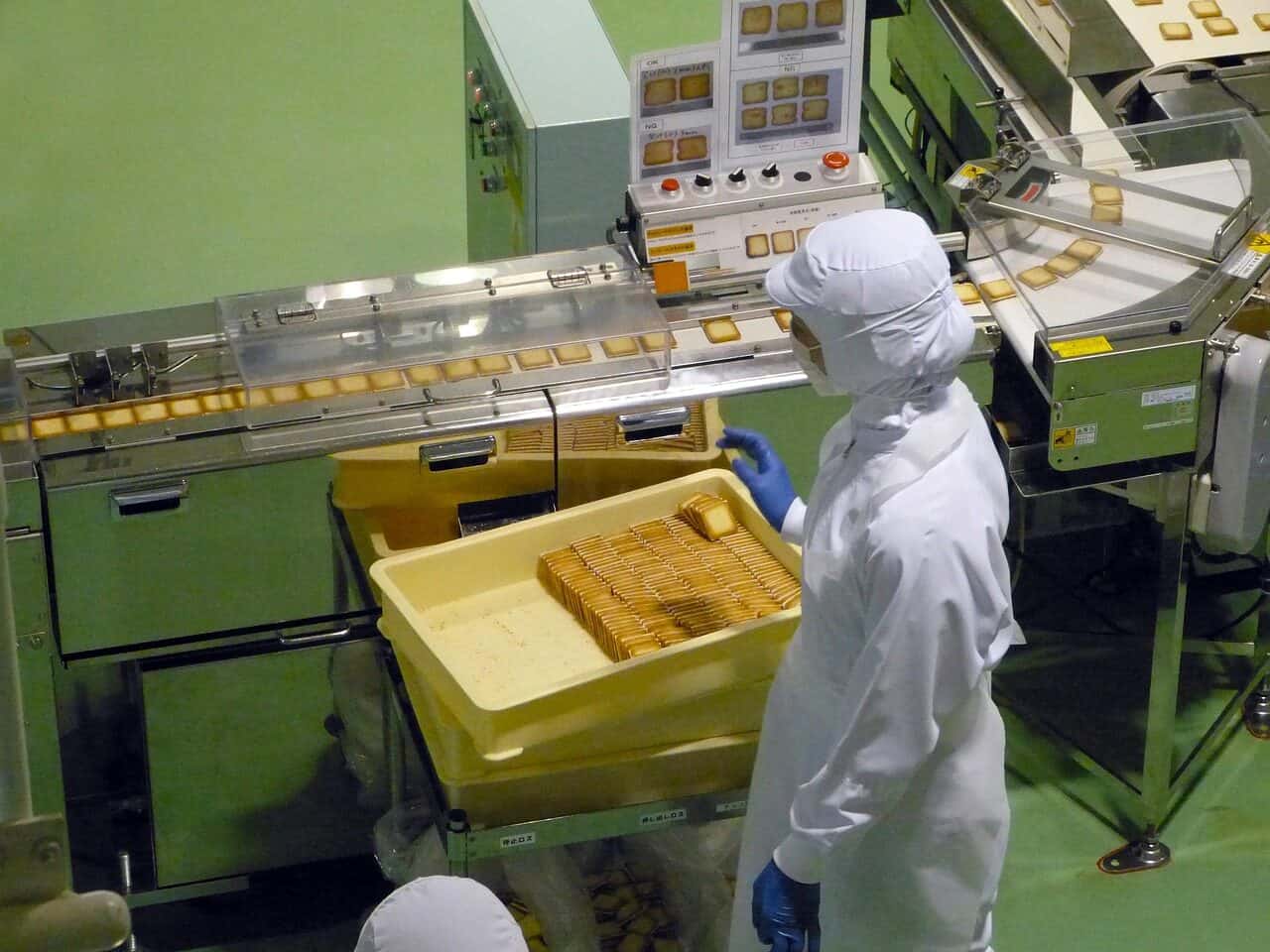
- Integrated quality control: Modern machines can be equipped with vision systems to verify date codes, check for proper label placement, and ensure seal integrity, automatically rejecting non-conforming packs.
- Intuitive HMI (Human-Machine Interface): A large, clear, touchscreen interface simplifies operation, fault-finding, and changeovers, reducing the need for highly specialized operators.
- Servo-driven motors: Compared to older mechanical or pneumatic systems, servo drives offer unparalleled precision, speed, reliability, and repeatability for all machine movements.
- Data feedback & IIoT readiness: The ability to connect the machine to your factory network for real-time performance monitoring (OEE), predictive maintenance alerts, and data logging is essential for a smart factory environment.
Justifying the Cost
A robust ROI calculation is the cornerstone of any capital expenditure request. It must capture all areas of financial impact, not just the obvious reduction in operator headcount. The framework below provides a simplified example of how to structure this analysis.
| Ölçüt | cURL Too many subrequests. | cURL Too many subrequests. | cURL Too many subrequests. |
| cURL Too many subrequests. | cURL Too many subrequests. | cURL Too many subrequests. | $140,000 |
| cURL Too many subrequests. | cURL Too many subrequests. | cURL Too many subrequests. | cURL Too many subrequests. |
| cURL Too many subrequests. | cURL Too many subrequests. | cURL Too many subrequests. | $35,000 |
| cURL Too many subrequests. | 70% | 90% | cURL Too many subrequests. |
| cURL Too many subrequests. | $175,000 | ||
| cURL Too many subrequests. | cURL Too many subrequests. | cURL Too many subrequests. |
cURL Too many subrequests.
Sonuç
cURL Too many subrequests.
cURL Too many subrequests.
- cURL Too many subrequests. https://en.wikipedia.org/wiki/Vertical_form_fill_sealing_machine
- cURL Too many subrequests. https://www.packaging-labelling.com/articles/an-outline-to-form-fill-seal-technology-machines
- cURL Too many subrequests. https://pmc.ncbi.nlm.nih.gov/articles/PMC10000825/
- cURL Too many subrequests. https://www.mdpi.com/2071-1050/16/13/5554
- cURL Too many subrequests. https://pmc.ncbi.nlm.nih.gov/articles/PMC9609329/
- cURL Too many subrequests. https://www.frontiersin.org/journals/sustainable-food-systems/articles/10.3389/fsufs.2023.1119052/full
- cURL Too many subrequests. https://en.wikipedia.org/wiki/Packaging_machinery
- cURL Too many subrequests. https://www.sciencedirect.com/topics/agricultural-and-biological-sciences/food-packaging
- cURL Too many subrequests. https://calrecycle.ca.gov/packaging/statefoodservice/
- cURL Too many subrequests. https://www.digicomply.com/blog/everything-you-need-to-know-about-sustainable-packaging