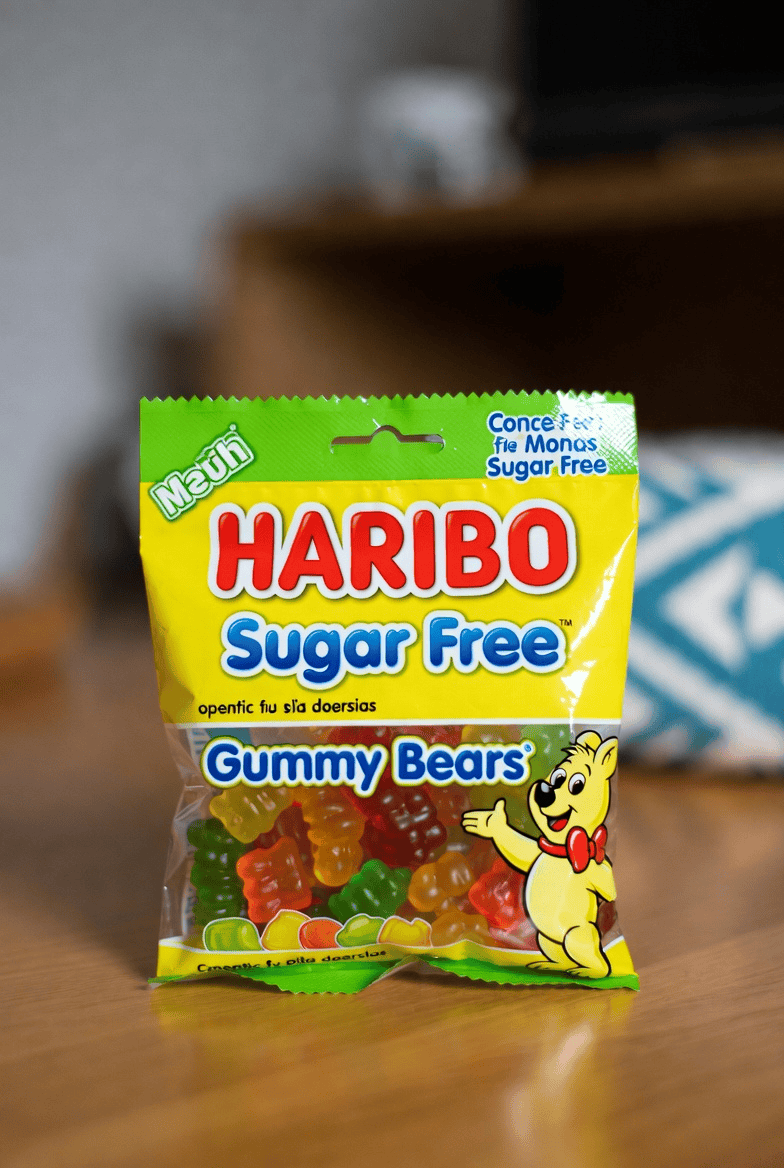
Global Cookie Industry Trends 2025: Market Growth, Consumer Preferences, biscuit market trends
Understanding the Changing Landscape
The global cookie market is a key part of the snack food industry and shows amazing strength and energy. It’s not a boring, unchanging category at all. Instead, it’s full of new ideas, always changing to meet what customers want and new technology advances. This report takes a detailed look at the important forces shaping where the industry is heading by 2025. We will break down how much the market is growing in numbers, explore the detailed changes in how consumers behave, and look at the technology changes that are reshaping the industry from making products to buying them. The main big trends defining this change are a major shift towards being health-conscious, the growth of premium and luxury products happening at the same time, and the widespread use of sustainable and clear practices throughout the business chain. Understanding these connected themes is important for any professional working in the future of the cookie industry.
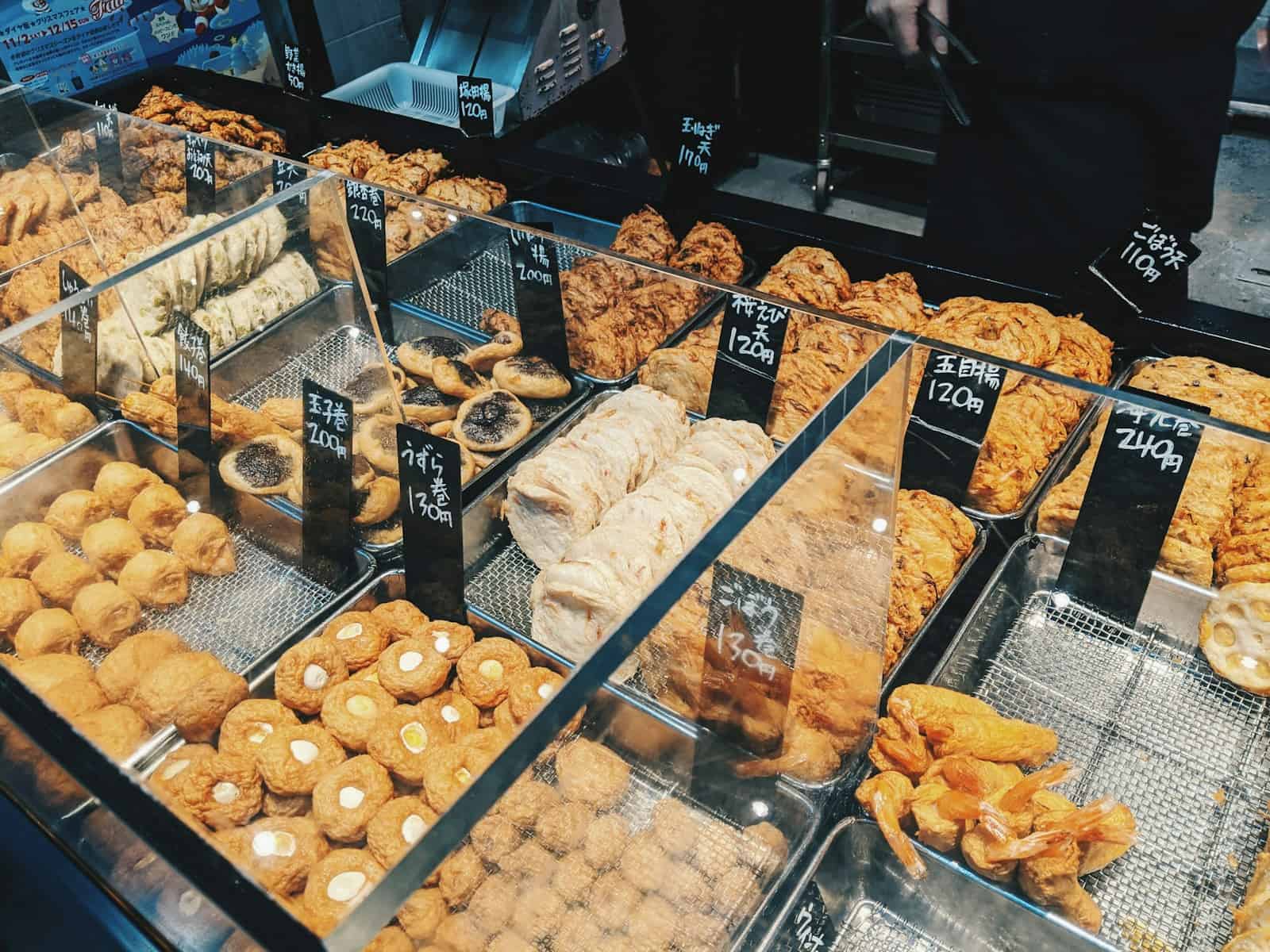
Global Market Overview 2024
Market Size and Future Predictions
To understand the future, we must first measure what’s happening now. As of 2024, the global cookie market is a strong player in the food and drink sector, worth about USD 120 billion. According to industry studies from sources like Mordor Intelligence and Statista, the market is ready for strong growth. Predictions show a Compound Annual Growth Rate (CAGR) between 4.5% and 5.5% for the 2024-2029 period, showing continued customer demand and big opportunities for growth.
This growth is not the same across all types. The market has different sections, with different performance in each area.
- By Product Type: The market is led by sweet cookies, which include cookies, filled cookies, and wafers. This section makes up over 60% of the total market share, driven by everyone’s love for treat foods. However, savory cookies, including crackers and crispbreads, are growing faster, helped by people seeing them as a healthier snacking choice and their ability to go with different foods.
- By Sales Channel: Supermarkets and large stores remain the main sales channel, using their wide reach and shelf space. Convenience stores capture the customers on-the-go, while specialty stores serve specific and premium groups. The most active change, however, is happening in online retail. E-commerce platforms and direct-to-consumer (D2C) models are showing the fastest growth, a trend boosted by the pandemic and now continued by changing consumer buying habits.
Growth Drivers and Challenges
The market’s path is shaped by a balance of powerful growth drivers and big challenges.
Growth Drivers
- Rising spending money, especially in developing economies across Asia-Pacific and Latin America, are expanding the customer base with the means to buy optional snack items.
- The global trend towards convenience and on-the-go snacking puts cookies as a perfect solution for busy lifestyles.
- Continuous product innovation in flavors, formats, and recipes keeps the category exciting and relevant to modern consumers.
- The expansion of organized retail and e-commerce infrastructure is improving access and availability worldwide.

cURL Too many subrequests.
- Intense competition from both established global players and flexible local brands creates significant pricing and profit pressure.
- Changes in the prices of key raw materials like wheat, sugar, and cocoa can directly impact production costs and profits.
- Growing consumer health concerns about high sugar, fat, and calorie content in traditional cookies pose a big challenge to older products.
- The increasing complexity of global supply chains makes the industry vulnerable to disruptions, from political events to climate-related farming impacts.
Table 1: Global Cookie Market Overview
This table brings together the key market numbers for a quick, at-a-glance understanding of the industry’s current state and near-term potential.
| Ölçüt | Data Point / Analysis | Source Year |
| Global Market Value | Approx. USD 120 Billion | 2024 |
| Projected CAGR | 4.5% – 5.5% (2024-2029) | 2024 |
| Largest Segment | Sweet Cookies – accounting for over 60% of the market share. | 2023 |
| Fastest Growing Channel | Online Retail – fueled by D2C models and e-commerce platform growth. | 2024 |
Changing Consumer Preferences
The modern consumer is the single most powerful force reshaping the cookie market. Their preferences, increasingly focused on health, wellness, and conscious consumption, are forcing manufacturers to completely rethink product recipes, ingredient sourcing, and brand positioning. This section looks into the specific behavior trends driving industry innovation.
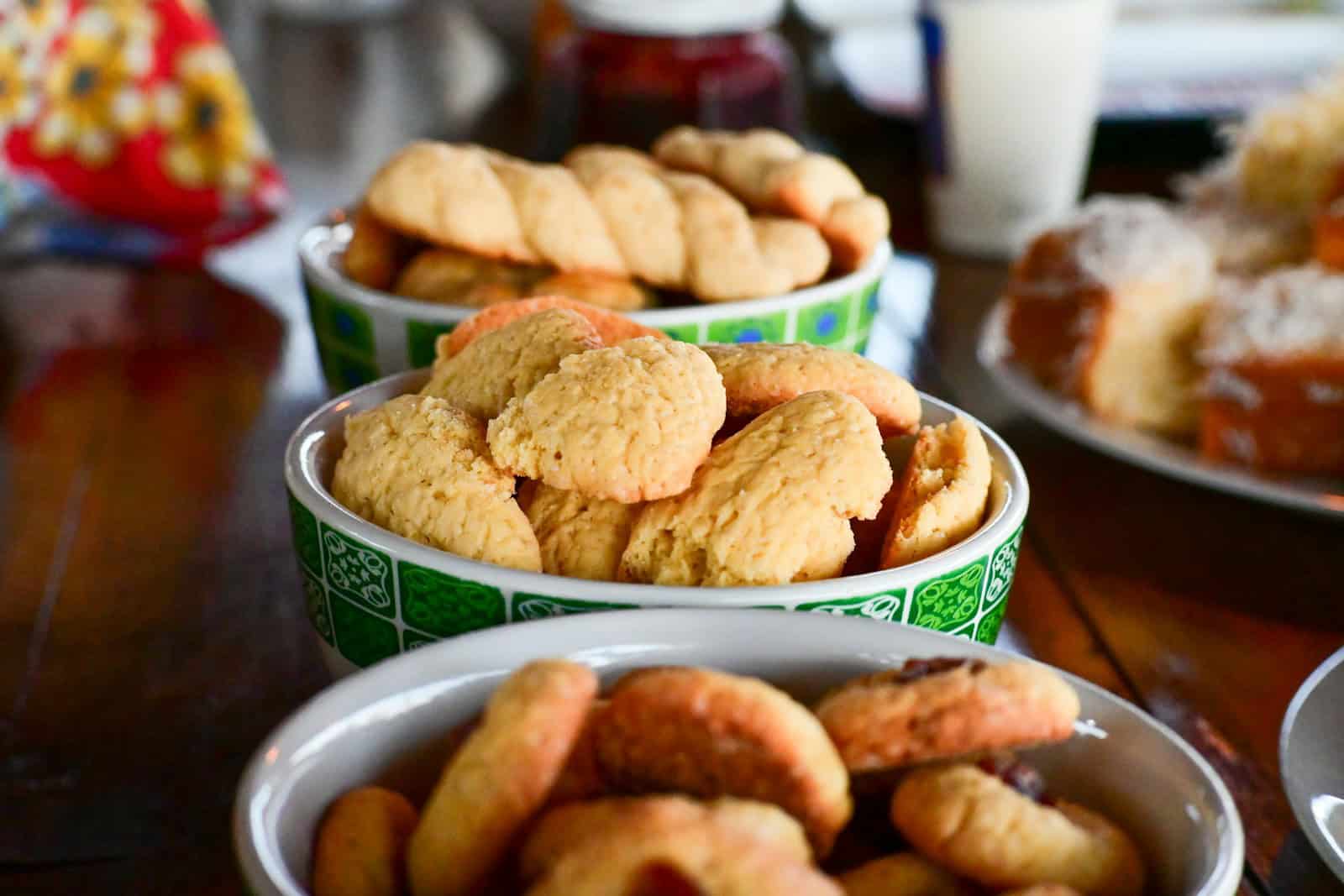
The ‘Better-for-You’ Revolution
The demand for “better-for-you” products is no longer a small market; it is a mainstream expectation. This revolution affects many areas, impacting every aspect of cookie development. The main focus is on what is being removed or reduced. The global push against too much sugar consumption, strengthened by sugar taxes in various countries and increased consumer awareness, has made reduced-sugar and low-calorie options a top priority. Brands are aggressively changing classic recipes to lower sugar content without giving up taste, often using natural sweeteners like stevia and monk fruit.
Beyond reduction, there is a strong push towards addition. Functional ingredients are changing cookies from simple treats into vehicles for better nutrition. We are seeing a surge in products strengthened with ingredients that offer real health benefits. High-protein cookies appeal to fitness-focused consumers, while high-fiber options serve those seeking improved digestive health. The inclusion of vitamins, minerals, and even probiotics is becoming more common, positioning these snacks as a part of a balanced diet.
cURL Too many subrequests.
cURL Too many subrequests.
cURL Too many subrequests.
cURL Too many subrequests.
cURL Too many subrequests.
cURL Too many subrequests.
cURL Too many subrequests.
cURL Too many subrequests.
cURL Too many subrequests.

cURL Too many subrequests.
cURL Too many subrequests. cURL Too many subrequests..
| cURL Too many subrequests. | Açıklama | cURL Too many subrequests. |
| cURL Too many subrequests. | cURL Too many subrequests. | cURL Too many subrequests. |
| cURL Too many subrequests. | cURL Too many subrequests. | cURL Too many subrequests. |
| cURL Too many subrequests. | cURL Too many subrequests. | cURL Too many subrequests. |
| cURL Too many subrequests. | cURL Too many subrequests. | cURL Too many subrequests. |
cURL Too many subrequests.
cURL Too many subrequests.
cURL Too many subrequests.
cURL Too many subrequests.
cURL Too many subrequests.

cURL Too many subrequests.
cURL Too many subrequests.
cURL Too many subrequests.
cURL Too many subrequests.
The cURL Too many subrequests.cURL Too many subrequests.
cURL Too many subrequests.
cURL Too many subrequests.
cURL Too many subrequests.
| Bölge | cURL Too many subrequests. | cURL Too many subrequests. | cURL Too many subrequests. |
| Asya-Pasifik | ~40% | Rising Spending Money, City Growth | Snacking Culture, Local Flavor Integration |
| Avrupa | ~25% | Product Innovation, Premium Products | Health & Wellness, Sustainability, Organic |
| Türkiye | ~20% | Convenience, Health-Conscious Snacking | Functional Ingredients, Plant-Based, Private Label |
| Rest of World | ~15% | Developing Economies, Increased Retail Penetration | Affordability, Basic Nutrition |
Technology and Innovation
Technology is no longer a side support function in the cookie industry; it is a core driver of efficiency, innovation, and competitive advantage. From the factory floor to the consumer’s front door, digital transformation is reshaping the entire value chain, enabling manufacturers to produce better products more efficiently and connect with their customers in entirely new ways.
Smart Manufacturing and AI
The modern cookie factory is rapidly becoming a “smart” factory. The integration of Artificial Intelligence (AI) and the Internet of Things (IoT) is revolutionizing production. AI-powered visual inspection systems, for example, can monitor production lines in real-time, identifying problems in cookie size, color, or shape with a precision and speed that surpasses human ability. This ensures unmatched product consistency and quality control.
At the same time, IoT sensors embedded in baking ovens, mixers, and packaging machinery collect vast amounts of operational data. This data feeds into predictive maintenance algorithms, which can anticipate equipment failures before they happen, minimizing costly downtime and production disruptions. In the packaging stage, robotics and automation are handling repetitive tasks with speed and accuracy, from picking and placing cookies to case packing and organizing on pallets. The combined effect of these technologies is a dramatic increase in operational efficiency, a significant reduction in food and material waste, and a consistently higher-quality final product.

The Digital Supply Chain
The impact of technology extends far beyond the factory walls, transforming logistics, planning, and consumer trust. We are seeing the emergence of a fully digital supply chain. One of the most promising applications is the use of blockchain for tracking. For a consumer purchasing a premium cookie marketed as “organic” or “sustainably sourced,” blockchain can provide an unchangeable, verifiable record of the product’s journey. It can trace ingredients like cocoa or palm oil back to the specific farm, supporting marketing claims and building a powerful foundation of consumer trust. This technology directly addresses the “clean label” trend by offering complete transparency.
Furthermore, predictive analytics is changing how companies manage inventory and demand. By analyzing vast datasets—including historical sales, weather patterns, social media trends, and retailer data—companies can now forecast demand with much greater accuracy. This is crucial for a product with a defined shelf life like cookies. Optimized forecasting leads to more efficient inventory management, reducing the risk of both stockouts and spoilage, thereby protecting profits and improving sustainability.

E-commerce and D2C
Perhaps the most visible technological shift is in distribution. The rise of e-commerce has fundamentally changed how consumers buy cookies. However, the most disruptive trend within this shift is the growth of Direct-to-Consumer (D2C) models. By launching their own D2C websites, cookie brands can bypass traditional retail intermediaries and build a direct relationship with their end consumers.
This model offers several major advantages. It gives brands complete control over their brand presentation and customer experience. More importantly, it provides access to invaluable first-party data on customer preferences, purchasing habits, and feedback. This data is a goldmine for product development and personalized marketing. D2C channels also enable innovative business models, such as curated subscription boxes that deliver new and exclusive flavors to loyal customers each month. As our experience observing retail channel shifts shows, the brands that successfully cultivate a D2C presence are not just opening a new sales channel; they are building a community and a powerful data-driven feedback loop.
Strategic Outlook to 2025
Bringing together the market data, consumer trends, and technological shifts, a clear picture emerges of the strategic requirements for success in the cookie market leading up to 2025 and beyond. The landscape is becoming more complex, but also richer with opportunity for brands that are prepared to adapt. The future will be defined by flexibility, transparency, and a deep understanding of the modern consumer.
Pillars of Future Success
To thrive in this evolving environment, industry leaders must build their strategies around three core pillars. Mastering these areas will be the key difference between brands that lead the market and those that are left behind.
- Flexible Innovation: The pace of change in consumer preferences is accelerating. Success will depend on the ability to rapidly develop, test, and launch new products that respond directly to emerging health, flavor, and lifestyle trends. This requires a flexible R&D process and a corporate culture that embraces experimentation.
- Technology Integration: Embracing technology is no longer optional. Leaders will use AI, IoT, and data analytics to create super-efficient, waste-reducing manufacturing processes. They will use tools like blockchain to provide the supply chain transparency that consumers now demand.
- Consumer Focus: The most successful brands will be those that build a deep, authentic connection with their customers. This means moving beyond transactional relationships to create brands that connect with modern values, particularly sustainability, wellness, and ethical sourcing. It involves listening to consumers, engaging with them directly, and reflecting their values in every product and communication.
Conclusion: Lasting Appeal
The cookie market is in a state of major transformation. The simple cookie or cracker of the past is evolving into a sophisticated product that sits at the intersection of indulgence, health, and technology. Yet, for all this change, the category’s basic appeal remains constant. The human desire for a convenient, satisfying, and comforting snack is timeless. As the industry continues to innovate—offering healthier recipes, more exciting flavors, and more transparent production—it ensures the cookie’s lasting relevance and growth in a modern world. The road to 2025 is one of dynamic change, but it leads to a future where the simple cookie is more relevant than ever.
- International Consumer and Food Industry Trends – USDA Economic Research Service https://www.ers.usda.gov/topics/international-markets-us-trade/international-consumer-and-food-industry-trends
- Food – Worldwide Market Forecast – Statista https://www.statista.com/outlook/cmo/food/worldwide
- Top Food Trends 2025 – Innova Market Insights https://www.innovamarketinsights.com/trends/top-food-trends-2025/
- Food and Drink Industry Insights – Mintel https://www.mintel.com/insights/food-and-drink/
- Food and Beverage Market Research – MarketsandMarkets https://www.marketsandmarkets.com/food-and-beverages-market-research-6.html
- Health And Wellness Foods Market Report – Grand View Research https://www.grandviewresearch.com/industry-analysis/health-wellness-foods-market-report
- Consumer Acceptance toward Functional Foods – PMC (NIH) https://pmc.ncbi.nlm.nih.gov/articles/PMC8835010/
- cURL Too many subrequests. https://www.euromonitor.com/insights/food-and-nutrition
- cURL Too many subrequests. https://cleanlabelproject.org/
- cURL Too many subrequests. https://www.innovamarketinsights.com/trends/global-consumer-trends-2026/