Ilmu di Balik Ledakan: Pengantar tentang Sferifikasi
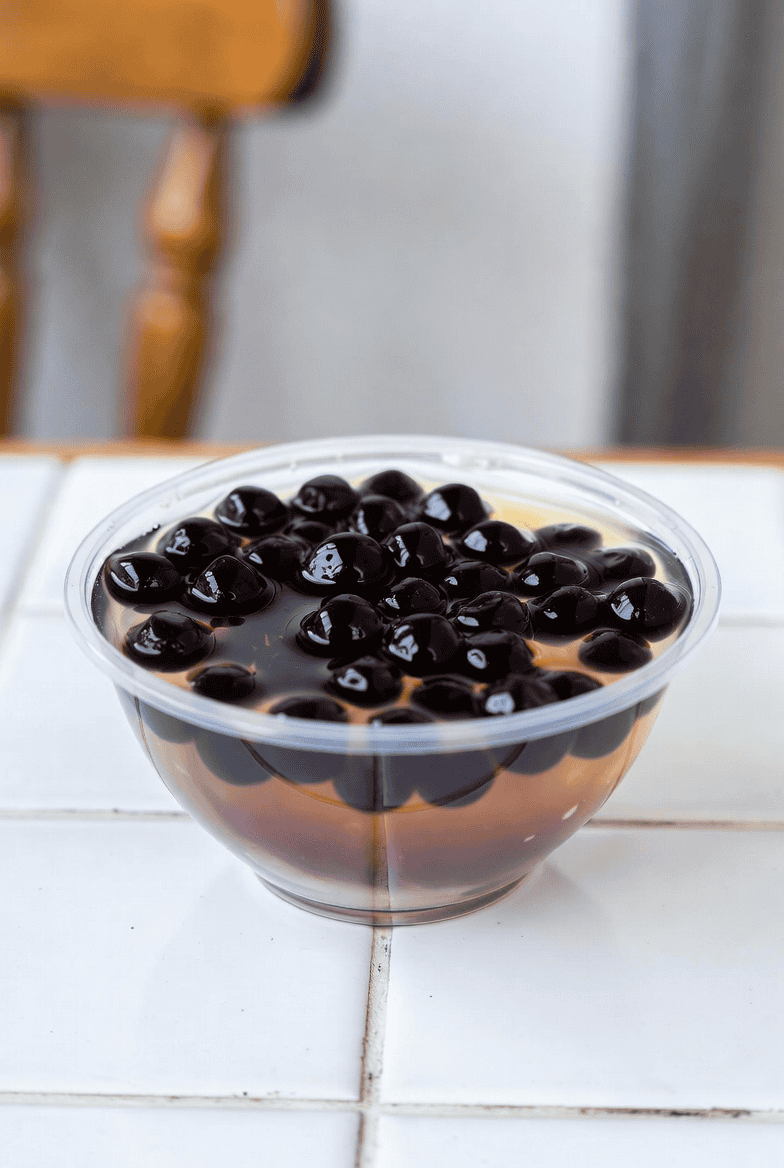
Sebelum seseorang dapat memulai tugas praktis membuat bola kecil yang menyenangkan ini, ada baiknya untuk berhenti sejenak dan mempertimbangkan ilmu yang elegan yang sedang dimainkan. Fenomena yang menciptakan popping boba dikenal sebagai sferifikasi, sebuah teknik kuliner yang membentuk cairan menjadi bola-bola kecil. Teknik ini dipopulerkan dalam dunia masakan modernis, tetapi prinsip-prinsipnya berakar pada kimia dasar. Ada dua metode utama: sferifikasi langsung dan sferifikasi terbalik. Untuk tujuan menciptakan produk yang tahan lama dan layak secara komersial, fokus kami sepenuhnya pada sferifikasi terbalik.
Bayangkan mencoba membangun balon air kecil. Dalam sferifikasi langsung, Anda akan mencampur cairan beraroma dengan sodium alginate dan kemudian meneteskan campuran ini ke dalam bak berisi kalsium. Gel akan terbentuk dari luar ke dalam. Kesulitannya di sini adalah proses pembentukan gel berlanjut selama bola tersebut bersentuhan dengan cairan di dalamnya, akhirnya mengubah seluruh bola menjadi gel padat. Ini tidak ideal untuk
Sferifikasi terbalik, seperti namanya, membalik proses ini. Di sini, cairan beraroma itu sendiri mengandung kalsium, dan diteteskan ke dalam bak berisi sodium alginate. Membran gel terbentuk di sekitar tetesan, tetapi proses pembentukan gel berhenti saat bola diangkat dari bak alginate dan dibilas. Ini memberi kita bola yang stabil dengan inti cair secara permanen, struktur yang sempurna untuk popping boba yang telah menjadi sensasi global. Stabilitas ini adalah alasan utama mengapa sferifikasi terbalik dipilih untuk aplikasi di mana produk harus disimpan di rak atau diangkut, menjaga teksturnya yang menyenangkan sampai saat dikonsumsi. Memahami perbedaan dasar ini adalah langkah pertama yang benar dalam menguasai keahlian ini.
Langkah 1: Memahami Bahan Dasar Anda
Keberhasilan setiap kreasi kuliner, terutama yang sangat bergantung pada reaksi kimia, dimulai dengan pemahaman mendalam tentang bagian-bagiannya. Untuk popping boba, kita tidak hanya mencampur rasa; kita bertindak sebagai ahli kimia praktis, mengorkestrasi reaksi antara hidrokoloid tertentu dan garam mineral. Setiap komponen memiliki peran yang berbeda, dan kualitas serta konsentrasinya akan sangat mempengaruhi produk akhir.
Inti dari Gel: Sodium Alginate
Sodium alginate adalah fondasi dari proses kami. Ini adalah polisakarida alami, karbohidrat rantai panjang, yang diekstraksi dari dinding sel rumput laut coklat. Bayangkan sebagai tali panjang yang kusut. Dalam keadaan alami, yang larut dalam bak pengatur, tali-tali ini melayang bebas. Keajaiban terjadi saat mereka berhadapan dengan kation divalen, seperti kalsium (Ca²+). Ion kalsium bertindak sebagai jembatan kecil, menghubungkan dua tali alginate yang berbeda. Semakin banyak jembatan terbentuk, tali-tali tersebut ditarik ke dalam jaringan silang, menciptakan gel yang padat namun fleksibel. Proses ini dikenal sebagai cross-linking ionik (Rinaudo, 2008).
Viskositas dan sifat pembentukan gel sodium alginate dapat bervariasi tergantung pada sumber dan prosesnya. Untuk popping boba, sodium alginate grade makanan dengan viskositas sedang biasanya lebih disukai. Larut dalam air dingin, meskipun memerlukan pencampuran atau pengadukan yang kuat untuk menghidrasi sepenuhnya tanpa menggumpal. Salah satu pertimbangan terpenting saat bekerja dengan sodium alginate adalah sensitivitasnya terhadap lingkungan pH rendah. Dalam kondisi sangat asam (di bawah pH 3,8), asam alginat akan mengendap, mencegah pembentukan gel. Ini menjadi tantangan saat bekerja dengan jus buah asam seperti lemon atau markisa, masalah yang akan kita bahas dalam tahap persiapan.
Katalis untuk Penciptaan: Garam Kalsium
Jika sodium alginate menyediakan struktur, kalsium memberikan perintah untuk membangun. Pemilihan garam kalsium tidak sepele, karena mempengaruhi kecepatan reaksi dan rasa akhir dari popping boba. Dua pilihan paling umum dalam ilmu makanan adalah kalsium klorida dan kalsium laktat gluconat.
| Fitur | Kalsium Klorida (CaCl₂) | Kalsium Laktat / Kalsium Laktat Gluconat |
|---|---|---|
| Profil Rasa | Dapat memberikan rasa pahit atau asin yang cukup terasa, terutama pada konsentrasi yang lebih tinggi. | Rasa yang sebagian besar tidak terasa, membuatnya ideal untuk dasar rasa yang halus atau lembut. |
| Kelarutan | Sangat larut dalam air, memudahkan larut ke dalam dasar rasa. | Kurang larut dibandingkan kalsium klorida, mungkin memerlukan pemanasan lembut atau pencampuran lebih banyak. |
| Kandungan Kalsium | Konsentrasi ion kalsium yang lebih tinggi per gram, menghasilkan reaksi yang lebih cepat dan lebih kuat. | Konsentrasi ion kalsium yang lebih rendah, menghasilkan reaksi yang lebih terkendali dan lebih lambat. |
| Penggunaan Umum | Sering digunakan dalam aplikasi industri atau ketika gel yang sangat kuat dibutuhkan dengan cepat. | Pilihan utama untuk aplikasi kuliner di mana kemurnian rasa sangat penting. |
Untuk sebagian besar aplikasi popping boba berkualitas tinggi, laktat kalsium atau campuran seperti glukonat laktat kalsium adalah pilihan yang lebih unggul. Meskipun kalsium klorida efektif dan murah, potensi memperkenalkan rasa yang tidak diinginkan adalah kelemahan yang signifikan. Keseimbangan halus dari mutiara berperisa buah dapat dengan mudah terganggu oleh rasa pahit setelahnya. Laktat kalsium, yang berasal dari asam laktat, jauh lebih netral di lidah, memastikan bahwa rasa buah yang dimaksud tetap bersinar tanpa gangguan.
Jiwa dari Bola: Dasar Rasa
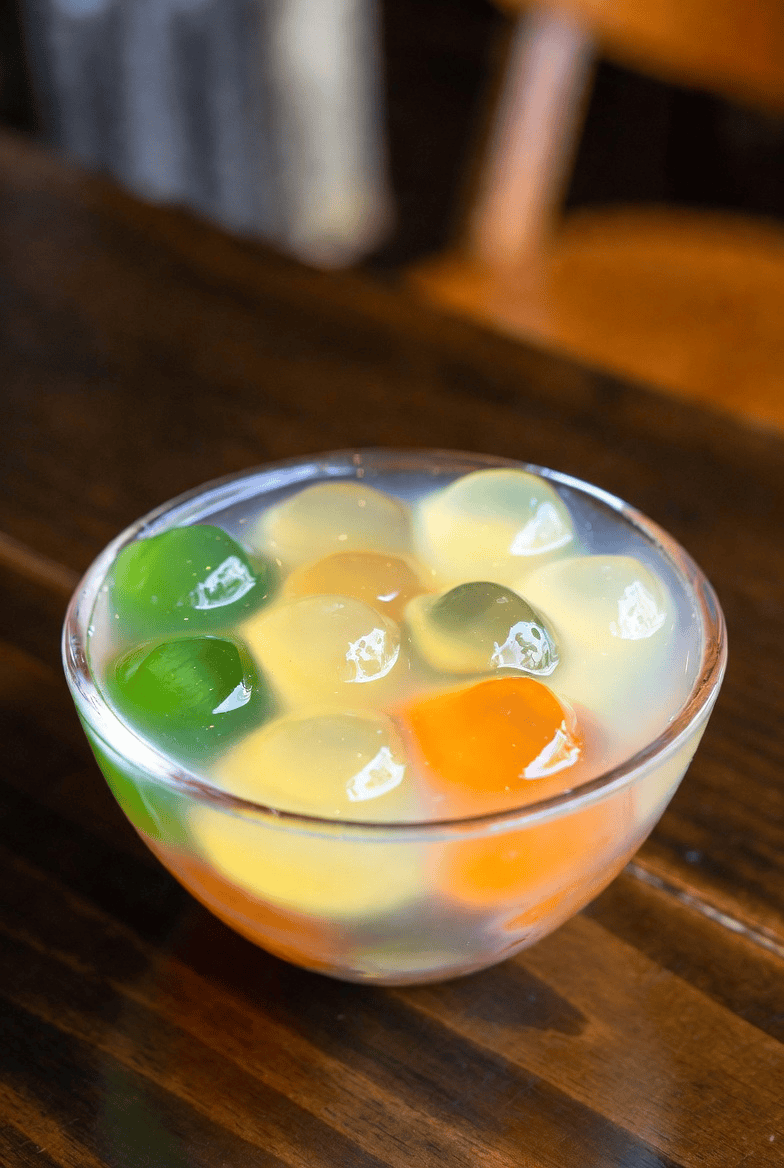
Dasar rasa adalah inti dari popping boba—yaitu inti cair yang memberikan ledakan rasa. Ini bisa berupa jus buah, pure, teh seduh, atau konsentrat kopi. Pertimbangan utama untuk dasar rasa adalah komposisi kimianya, khususnya pH dan kandungan kalsium bawaan.
Seperti yang disebutkan, jus yang sangat asam dapat mengganggu larutan sodium alginat. Untuk mengatasi ini, sering digunakan agen penyangga seperti sitrat sodium. Sitrat sodium menaikkan pH cairan asam, membawanya ke rentang di mana reaksi sferifikasi dapat berlangsung dengan sukses.
Selain itu, beberapa cairan, seperti susu atau air keran di daerah tertentu, mungkin sudah mengandung jumlah ion kalsium bebas yang cukup besar. Jika Anda mencampur cairan dengan kandungan kalsium tinggi langsung dengan sodium alginat untuk sferifikasi langsung, cairan tersebut akan mulai mengental secara prematur di mangkuk pencampur. Meskipun kita menggunakan sferifikasi terbalik (di mana kalsium sengaja ditambahkan ke dasar rasa), tetap merupakan praktik yang baik untuk mengetahui tingkat kalsium dasar. Menggunakan air suling atau deionisasi untuk menyiapkan larutan dapat memberikan lingkungan yang bersih dan terkendali, menghilangkan variabel yang diperkenalkan oleh kandungan mineral air keran.
Langkah 2: Seni Persiapan yang Presisi
Dengan pemahaman teoretis tentang bahan-bahan kita, sekarang kita beralih ke tahap praktis dan teliti dalam persiapan. Dalam fase ini, ketelitian bukan hanya sebuah kebajikan; itu adalah keharusan. Rasio komponen kita, teknik pencampuran, dan waktu istirahat adalah variabel kritis yang akan menentukan kualitas produk akhir. Anggap saja tahap ini seperti seorang musisi menyetem alat musik sebelum pertunjukan—setiap ketidaktepatan di sini akan diperbesar dalam hasil akhir.
Membuat Cairan Inti: Infus Rasa Kalsium
Langkah pertama adalah menyiapkan cairan yang akan menjadi inti lezat dari boba kita. Mari kita asumsikan kita membuat batch popping boba mangga.
- Pilih Dasar Anda: Mulai dengan pure atau jus mangga berkualitas tinggi. Untuk kejernihan dan rasa terbaik, jus yang disaring sering lebih disukai. Jika menggunakan pure yang lebih kental, Anda mungkin perlu mengencerkannya sedikit dengan air suling agar mencapai viskositas yang dapat dengan mudah diteteskan. Viskositas target harus mirip dengan sirup ringan.
- Ukur Kalsium Anda: Konsentrasi laktat kalsium biasanya antara 1% dan 2% dari total berat dasar rasa. Untuk 500 gram jus mangga, Anda akan menggunakan 5 hingga 10 gram laktat kalsium. Selalu disarankan memulai dari ujung bawah rentang dan melakukan uji kecil. Terlalu sedikit kalsium akan menghasilkan membran yang lemah dan gagal terbentuk dengan baik; terlalu banyak kadang-kadang dapat mempengaruhi tekstur. Timbang laktat kalsium secara tepat menggunakan timbangan digital yang mengukur hingga setidaknya 0,1 gram.
- Campurkan dan Larutkan: Tambahkan laktat kalsium ke jus. Untuk memastikan larut sepenuhnya tanpa menggumpal, gunakan blender imersi. Pengadukan tidak hanya melarutkan bubuk tetapi juga membantu menciptakan campuran yang homogen. Perhatikan agar tidak memasukkan terlalu banyak udara, karena ini dapat menyebabkan gelembung terperangkap di dalam boba Anda. Jika campuran Anda berbusa, biarkan selama satu jam di lemari es agar gelembung menghilang.
- Sesuaikan dengan Keasaman: Uji pH campuran Anda. Jus mangga biasanya memiliki pH antara 3,4 dan 4,8. Jika pH Anda di bawah 4,0, sebaiknya tambahkan sedikit sodium sitrat. Tambahkan dalam kenaikan 0,1% (0,5g untuk batch 500g), aduk rata, dan uji kembali pH-nya. Tujuannya adalah menaikkan pH agar di atas 4,0 untuk memastikan reaksi yang baik dengan larutan alginat tanpa mengubah rasa secara signifikan.
Mempersiapkan Bak Pengatur: Larutan Sodium Alginate
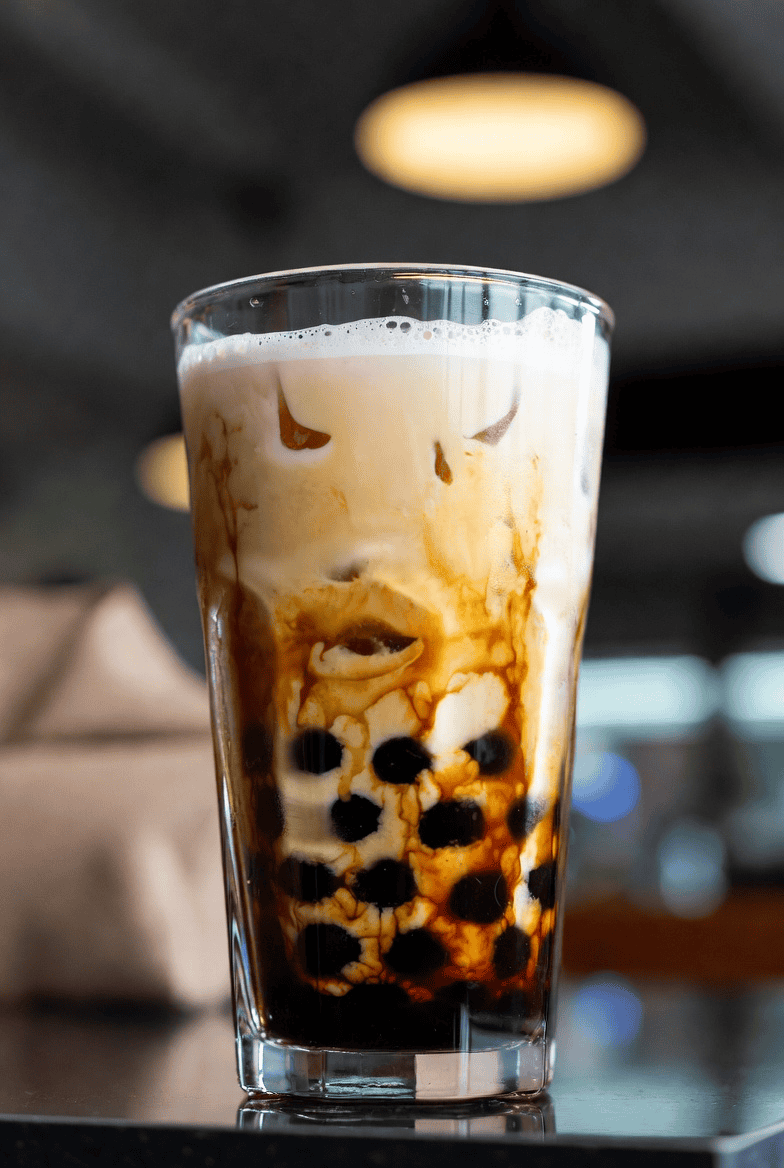
Bak pengatur adalah lingkungan tempat bola akan terbentuk. Persiapannya sama pentingnya dan memerlukan teknik yang hati-hati untuk memastikan sodium alginate benar-benar terhidrasi.
- Perbandingan adalah Kunci: Konsentrasi standar untuk bak sodium alginate adalah antara 0,5% hingga 1% dari berat air. Untuk 1000 gram (1 liter) air suling, Anda akan menggunakan 5 hingga 10 gram sodium alginate. Larutan 0,5% adalah titik awal yang baik untuk sebagian besar jus buah.
- Metode Vortex: Sodium alginate cenderung menggumpal saat langsung bersentuhan dengan air, membentuk gumpalan dengan inti bubuk kering yang menolak untuk terhidrasi. Untuk mencegah ini, gunakan teknik yang dikenal sebagai metode vortex. Tempatkan air Anda dalam blender. Nyalakan blender dengan kecepatan sedang, menciptakan pusaran atau vortex di tengahnya. Saat blender berjalan, taburkan perlahan dan stabil bubuk sodium alginate langsung ke pusat vortex. Metode ini menyebarkan partikel dengan cepat, memungkinkan mereka terhidrasi secara individual sebelum mereka memiliki kesempatan untuk menggumpal bersama.
- Hidrasi dan Istirahat: Bahkan dengan pencampuran yang sempurna, molekul rantai panjang dari alginate membutuhkan waktu untuk benar-benar melonggarkan dan terhidrasi. Larutan akan tampak keruh dan mungkin mengandung banyak gelembung udara kecil yang terperangkap dari proses pencampuran. Tutup wadah dan biarkan istirahat di lemari es selama beberapa jam, atau lebih baik semalaman. Selama waktu ini, alginate akan sepenuhnya terhidrasi, dan larutan akan menjadi jernih dan kental. Waktu istirahat ini sangat penting untuk mendapatkan membran yang halus dan kuat pada boba Anda. Proses pengaturan yang terburu-buru akan menghasilkan hasil yang lemah dan tidak konsisten.
Langkah 3: Menguasai Proses Sferifikasi
Ini adalah saat penciptaan, di mana cairan diubah menjadi mutiara yang berbeda. Teknik di sini adalah gabungan antara fisika dan kehalusan. Ukuran tetesan, ketinggian dari mana mereka dijatuhkan, dan suhu larutan semuanya berperan dalam membentuk produk akhir. Baik bekerja secara manual dalam skala kecil maupun menggunakan mesin otomatis untuk produksi massal, prinsipnya tetap sama.
Pembentukan Manual: Metode Suntik dan Tetes
Untuk batch kecil atau pekerjaan pengembangan, pembentukan manual sangat cocok. Alat utama adalah syringe, botol tekan, atau pipet.
- Siapkan Tempat Kerja Anda: Atur ruang kerja Anda secara logis. Anda harus memiliki dasar rasa yang telah didinginkan dan diinfus dengan kalsium dalam satu wadah, bak sodium alginate yang telah istirahat dan jernih dalam panci lebar dan dangkal (permukaan yang lebih luas lebih baik), dan mangkuk ketiga berisi air bersih untuk membilas.
- Isi Alat Anda: Tarik dasar rasa ke dalam syringe atau botol tekan Anda. Usahakan untuk mengeluarkan gelembung udara besar yang mungkin tertarik masuk.
- Tetes: Tempatkan ujung syringe Anda beberapa inci (sekitar 5-10 cm) di atas permukaan bak alginate. Dengan tekanan yang stabil, mulai teteskan dasar rasa ke dalam bak. Tujuannya adalah membentuk tetesan terpisah yang tenggelam ke dalam larutan. Jika tetesan memercik atau melebar saat menyentuh, Anda menjatuhkannya dari terlalu tinggi. Jika mereka membentuk “ekor” atau bentuk katak kecil, dasar rasa Anda mungkin terlalu kental, atau Anda menekan terlalu cepat. Tetes yang ideal harus berbentuk bulat sempurna yang mempertahankan bentuknya saat masuk ke dalam bak.
- Hindari Kepadatan Berlebih: Jangan terlalu memenuhi bak. Setiap mutiara membutuhkan ruang untuk terbentuk tanpa menyentuh tetangannya. Jika mereka menyentuh saat awal proses gelasi, mereka akan menyatu. Kerjakan dalam batch yang dapat dikelola, biarkan satu set mutiara mengeras sebelum menambahkan yang berikutnya.
Produksi Otomatis: Peran Penyetor
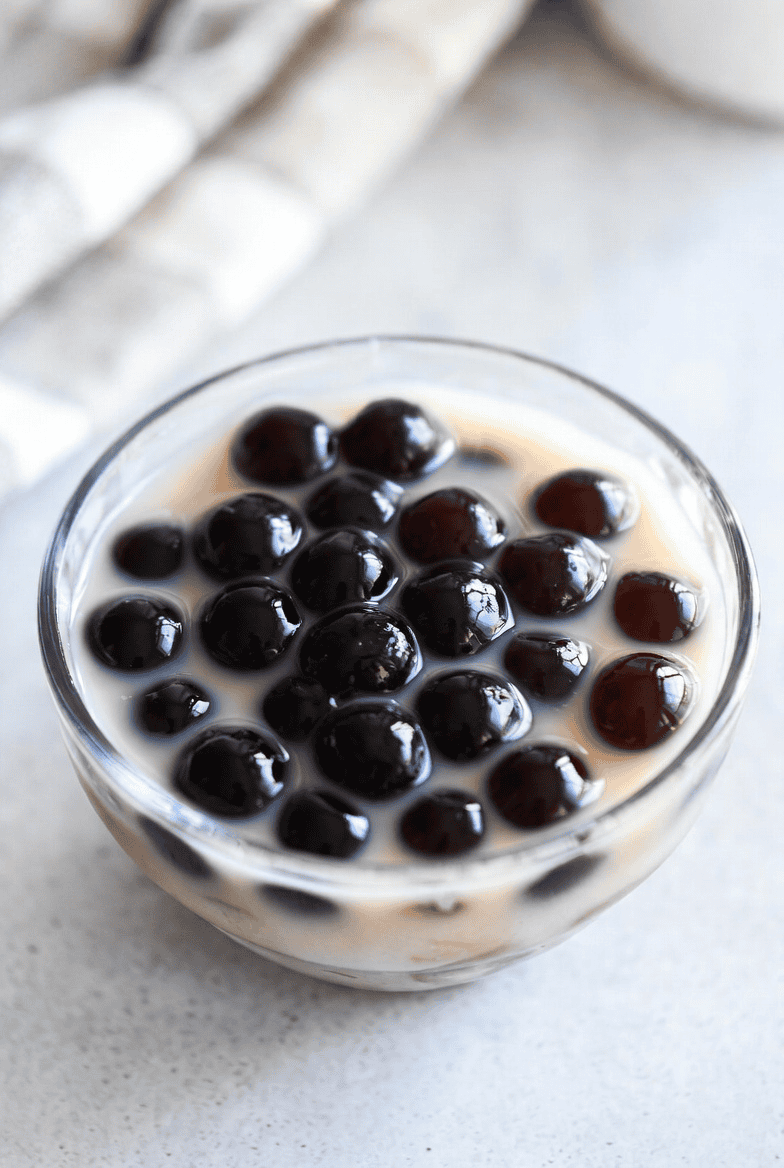
Meskipun metode manual sangat baik untuk pembelajaran, mereka tidak layak untuk produksi komersial. Ketidakkonsistenan dalam ukuran, bentuk, dan kecepatan produksi membuat skala menjadi tidak mungkin. Di sinilah peralatan khusus, seperti a mesin popping boba, menjadi sangat penting. Sebuah perusahaan seperti Junyu, dengan pengalamannya dalam mesin produksi makanan, merancang penyetor yang mengotomatisasi proses ini dengan presisi yang luar biasa.
Penyetor boba meletup terdiri dari beberapa komponen utama:
- Sebuah Hopper: Ini menampung dasar rasa yang telah dipersiapkan.
- Sistem Pompa: Ini memindahkan cairan dari hopper ke nosel.
- Manifold Nosel: Ini adalah pelat dengan puluhan atau bahkan ratusan nosel yang dipasang dengan presisi.
- Sistem Kontrol: Ini memungkinkan operator mengontrol ukuran tetesan (dengan menyesuaikan tekanan pompa dan waktu buka nosel) dan tingkat tetesan.
Mesin mengeluarkan tetesan yang sangat seragam secara bersamaan di seluruh lebar bak alginat, yang sering menjadi bagian dari sistem conveyor. Ini memastikan bahwa setiap boba identik dalam ukuran dan bentuk, tingkat konsistensi yang tidak dapat dicapai secara manual. Otomatisasi ini secara drastis meningkatkan output, memungkinkan produksi ribuan kilogram popping boba per hari, dibandingkan dengan beberapa kilogram yang mungkin dengan metode manual.
Langkah 4: Fase Pengeringan dan Pembentukan Membran
Setelah tetesan terendam dalam bak sodium alginat, reaksi kimia dimulai secara instan. Ion kalsium (Ca²⁺) dalam dasar rasa mulai bermigrasi keluar dari tetesan, sementara molekul sodium alginat rantai panjang dalam bak mengelilinginya. Di tempat mereka bertemu, di permukaan tetesan, ion kalsium menjembatani rantai alginat, membentuk membran gel yang tipis dan elastis. Durasi fase pengeringan ini adalah keseimbangan yang rumit.
Menyesuaikan Waktu Reaksi: Ketebalan dan Tekstur
- Pengeringan Singkat (30-60 detik): Ini akan menghasilkan membran yang sangat tipis dan rapuh. Boba akan memiliki suara “pop” yang sangat menonjol dan semburan cairan. Namun, kulitnya akan rapuh dan mungkin rentan pecah selama penanganan, pengemasan, dan pengangkutan. Ini mungkin diinginkan untuk konsumsi langsung dalam minuman premium yang baru dibuat.
- Pengeringan Lebih Lama (2-3 menit): Ini memungkinkan lebih banyak ion kalsium bereaksi dengan alginat, menciptakan kulit yang lebih tebal dan lebih kokoh. Boba akan jauh lebih tahan lama dan mampu menahan kerasnya proses komersial serta umur simpan yang lebih lama. Suara “pop” akan sedikit kurang meledak, dengan kontras tekstur yang lebih terasa dari kulit yang lebih tebal.
Waktu curing yang ideal tergantung pada aplikasi yang dimaksud. Untuk sebagian besar penggunaan komersial, waktu curing sekitar 2 menit mencapai keseimbangan yang baik antara pop yang memuaskan dan daya tahan yang diperlukan. Penting untuk mengaduk bath secara perlahan dan terus-menerus selama proses curing. Ini memastikan bahwa semua permukaan bola terkena larutan alginat secara merata dan mencegah mereka menempel satu sama lain atau ke dasar panci.
Kimia dari Batas
Sangat menarik untuk mempertimbangkan tingkat mikroskopis dari interaksi ini. Proses ini dibatasi oleh difusi. Kecepatan pertumbuhan gel melambat seiring waktu karena lapisan gel yang terbentuk baru berfungsi sebagai penghalang. Agar ion kalsium keluar dari bola dan molekul alginat mendekatinya, mereka harus melewati membran yang semakin tebal ini. Inilah sebabnya ketebalan kulit tidak linier dengan waktu; 30 detik pertama curing menghasilkan perubahan yang lebih signifikan daripada 30 detik antara menit kedua dan ketiga.
Memahami prinsip ini adalah kunci untuk pemecahan masalah. Jika membran Anda secara konsisten terlalu lemah, solusinya bukan hanya meningkatkan waktu curing tetapi juga memeriksa konsentrasi awal Anda. Mungkin larutan kalsium Anda terlalu lemah, atau bath alginat Anda tidak cukup terkonsentrasi untuk menyediakan 'blok bangunan' yang cukup untuk dinding gel.
Langkah 5: Pembilasan, Pengawetan, dan Integritas Rasa
Setelah waktu curing yang diinginkan berlalu, boba harus segera diangkat dari bath alginat. Langkah ini bukan sekadar pengumpulan; ini tentang menghentikan reaksi kimia dan menyiapkan mutiara untuk penyimpanan dan konsumsi. Prosedur yang diikuti di sini sangat penting untuk rasa akhir, tekstur, dan kestabilan produk di rak.
Pembilasan yang Penting
Menggunakan saringan atau sendok berlubang, hati-hati angkat boba dari bath alginat. Mereka harus segera dipindahkan ke mangkuk berisi air bersih dan dingin. Langkah pembilasan ini memiliki dua tujuan:
- Menghentikan Gelasi: Mencuci larutan sodium alginat berlebih dari permukaan boba. Dengan menghilangkan reaktan eksternal, proses pembentukan gel secara efektif dihentikan. Inilah yang mengunci inti cair dan membuat spherifikasi terbalik sangat stabil.
- Meningkatkan Rasa: Larutan sodium alginat dapat memiliki tekstur yang sedikit licin dan rasa netral, kadang-kadang sedikit rasa laut. Pembilasan secara menyeluruh menghilangkan residu ini, memastikan bahwa satu-satunya rasa yang dialami konsumen adalah rasa dari jus di dalamnya dan minuman tempat disajikan. Sering disarankan untuk membilas boba dalam dua bath air bersih terpisah untuk memastikan semua residu hilang.
Setelah pembilasan, boba harus disaring dengan baik untuk menghilangkan kelebihan air sebelum melanjutkan ke langkah pengawetan terakhir.
Pengawetan untuk Umur Panjang: Sirup Suspensi
Boba yang meletus tidak dapat disimpan dalam keadaan kering atau dalam air biasa. Menyimpannya dalam air biasa akan menciptakan ketidakseimbangan osmotik. Air akan diserap ke dalam boba melalui membran semi-permeabel dalam upaya menyamakan konsentrasi gula antara bagian dalam dan luar, menyebabkan mutiara membengkak dan akhirnya pecah.
Untuk mencegah ini, boba yang meletus disimpan dalam sirup suspensi. Sirup ini biasanya merupakan campuran sederhana dari gula, air, dan sering kali mengandung beberapa jus buah yang sama untuk memperkuat rasa. Kuncinya adalah mencocokkan konsentrasi gula (diukur dalam Brix) dari sirup dengan konsentrasi gula dari cairan di dalam boba.
| Metode Pengawetan | Keuntungan | Kekurangan | Terbaik untuk |
|---|---|---|---|
| Air Biasa | Sederhana, tanpa bahan tambahan. | Menyebabkan boba membengkak dan pecah karena osmosis dalam beberapa jam. | Tidak disarankan untuk penyimpanan apa pun. |
| Sirup Sederhana (Gula + Air) | Mencegah pecah osmotik, memperpanjang umur simpan hingga beberapa hari/minggu. | Dapat sedikit mengencerkan rasa boba seiring waktu jika tidak diberi rasa. | Baik untuk penyimpanan tujuan umum. |
| Sirup Berperisa (Gula + Air + Jus) | Memperkuat rasa boba, mencegah pecah, memperpanjang umur simpan. | Memerlukan lebih banyak persiapan dan bahan. | Metode ideal untuk pengemasan komersial dan kualitas. |
| Menambahkan Pengawet | Dapat memperpanjang umur simpan di lemari es hingga beberapa bulan. | Memerlukan pengetahuan tentang pengawet makanan (misalnya, kalium sorbat, natrium benzoat) dan kepatuhan regulasi. | Produksi komersial skala besar untuk distribusi ritel. |
Dengan menyimpan boba dalam sirup dengan tekanan osmotik yang serupa, Anda menciptakan keseimbangan. Tidak ada pergerakan air bersih melintasi membran, sehingga boba tetap stabil, mempertahankan ukuran, bentuk, dan volume cairan internalnya. Untuk produk komersial, pengawet makanan grade digunakan sering kali ditambahkan ke sirup ini untuk menghambat pertumbuhan mikroba dan mencapai umur simpan beberapa bulan.
Langkah 6: Menerapkan Pengendalian Mutu yang Ketat
Bagi penggemar rumahan, beberapa mutiara yang tidak berbentuk sempurna atau pecah sebelum waktunya tidak terlalu berpengaruh. Namun bagi produsen komersial, konsistensi sangat penting. Konsumen mengharapkan setiap sendok boba yang meletup memberikan pengalaman yang sama. Program pengendalian mutu yang kuat sangat penting untuk beralih dari kerajinan tangan menjadi proses manufaktur yang andal. Ini melibatkan penetapan standar dan pengujian atribut utama di berbagai tahap produksi.
Pengujian Atribut Fisik
Kategori pengujian ini fokus pada karakteristik nyata dari boba.
- Keseragaman Ukuran dan Bentuk: Sampel boba dari setiap batch harus diperiksa secara visual. Apakah mereka berbentuk bulat? Apakah mereka memiliki diameter yang seragam? Ini dapat dilakukan secara lebih formal menggunakan jangka sorong untuk mengukur sampel statistik. Penyimpangan dalam ukuran dapat menunjukkan masalah dengan nosel depositor atau tekanan yang tidak konsisten dalam sistem.
- Kekuatan Membran (Uji Ledakan): Sebuah uji sederhana namun efektif adalah uji kompresi. Sebuah bola kecil ditempatkan di atas timbangan, dan tekanan diterapkan dari atas dengan objek datar hingga meletus. Pembacaan gaya pada timbangan saat meletus memberikan ukuran kuantitatif kekuatan membran. Dengan menetapkan rentang yang dapat diterima (misalnya, harus tahan hingga 300g tetapi meletus sebelum 800g), Anda dapat memastikan ledakan yang memuaskan yang tidak terlalu rapuh atau terlalu keras.
- Kebocoran dan Stabilitas: Sampel dari batch yang sudah selesai dan dikemas harus disimpan untuk pengamatan selama masa simpan yang diinginkan. Periksa tanda-tanda kebocoran, kempes, atau keruh pada sirup. Ini membantu memvalidasi metode pengawetan Anda dan mengidentifikasi potensi masalah dengan integritas membran dari waktu ke waktu.
Evaluasi Sensorik
Selain metrik fisik, pengalaman sensorik adalah apa yang benar-benar mendefinisikan produk.
- Profil Rasa: Apakah rasa bola kecil sesuai seharusnya? Panel penilai dapat mengevaluasi setiap batch untuk kekuatan rasa yang benar, tingkat kemanisan, dan keasaman. Mereka juga harus memeriksa adanya rasa aneh, yang bisa menunjukkan masalah dengan konsentrasi garam kalsium atau pembilasan yang tidak memadai.
- Analisis Tekstur: Ini melampaui sekadar “pop”. Penilai harus mengevaluasi sensasi di mulut. Apakah tekstur kulit menyenangkan, atau terasa karet? Apakah inti cairan halus, atau mengandung partikel yang tidak larut? Pengalaman keseluruhan adalah kombinasi dari suara pop, tekstur kulit yang mengempis, dan rasa dari cairan.
- Memecahkan Masalah Cacat Umum: Program QC yang baik mencakup panduan untuk pemecahan masalah. Jika bola kecil menggumpal, periksa bak curing untuk kepadatan berlebih atau pengadukan yang tidak memadai. Jika mereka memiliki ekor, selidiki viskositas dasar rasa atau teknik penetesan. Jika rasa lemah, evaluasi ulang resep untuk cairan inti. Pemecahan masalah secara sistematis adalah ciri operasi profesional.
Langkah 7: Mengembangkan Produksi untuk Keberhasilan Komersial
Perjalanan dari membuat beberapa ratus gram bola kecil yang meletus di dapur percobaan hingga memproduksi ratusan kilogram per hari untuk distribusi adalah lompatan yang signifikan. Transisi ini bukan hanya tentang melakukan hal yang sama dalam skala yang lebih besar; ini membutuhkan perubahan mendasar dalam proses, peralatan, dan pola pikir. Tantangan konsistensi, efisiensi, dan keamanan pangan menjadi lebih besar, dan otomatisasi tidak lagi menjadi kemewahan tetapi menjadi kebutuhan.
Kendala Produksi Manual
Bayangkan sebuah kedai teh bubble populer yang ingin membuat bola kecil meletus sendiri di tempat. Menggunakan metode jarum suntik manual, satu orang mungkin bisa memproduksi beberapa kilogram dalam satu jam. Sekarang, pertimbangkan tuntutan berikut:
- Biaya Tenaga Kerja: Ini adalah tugas yang sangat berulang dan memerlukan tenaga kerja intensif. Biaya per kilogram akan cukup besar.
- Ketidakkonsistenan: Bahkan dengan tangan yang terampil, akan ada variasi dalam ukuran, bentuk, dan waktu curing dari batch ke batch, dan bahkan dalam batch yang sama. Ini mempengaruhi pengalaman pelanggan.
- Kebersihan dan Keamanan: Menjaga lingkungan steril dalam proses manual sangat menantang. Risiko kontaminasi meningkat dengan lebih banyak penanganan.
- Output Terbatas: Toko tersebut tidak dapat memproduksi cukup untuk memenuhi permintaan, apalagi mempertimbangkan pengemasan untuk penjualan eceran.
Solusinya: Jalur Produksi Otomatis
Ini adalah titik di mana sebuah bisnis harus berinvestasi dalam sebuah lini produksi boba yang bermunculan. Sistem terintegrasi ini, seperti yang dikembangkan oleh spesialis mesin makanan seperti Junyu, mengotomatisasi setiap langkah dari proses yang telah kita bahas, menghubungkannya dalam aliran yang berkelanjutan.
Sebuah jalur produksi tipikal meliputi:
- Tangki Pencampuran dan Penampungan: Tangki besar berpendingin dengan jaket menyiapkan dan menampung dasar rasa dan larutan alginat pada suhu yang tepat.
- Penyimpan: Seperti yang telah dibahas, mesin ini membentuk ribuan mutiara seragam per menit, menjatuhkannya ke atas konveyor.
- Konveyor Pengeringan: Sabuk konveyor memindahkan mutiara yang baru terbentuk melalui bak larutan sodium alginat yang beredar. Kecepatan konveyor dikalibrasi secara tepat untuk mencapai waktu pengeringan yang diinginkan.
- Sistem Pembilasan dan Pengumpulan: Di akhir bak pengeringan, boba secara otomatis dipindahkan dari konveyor, melewati serangkaian semprotan air bilas, dan dikumpulkan dalam wadah penampung.
- Dosis dan Pengemasan: Dari wadah pengumpulan, boba jadi dapat secara otomatis didosis bersama sirup suspensinya ke dalam toples atau kantong, disegel, dan disiapkan untuk distribusi.
Keuntungan dari sistem seperti ini sangat transformatif. Output meningkat berkali-kali lipat. Konsistensi produk hampir sempurna. Biaya tenaga kerja per unit menurun drastis. Sistem tertutup ini juga menawarkan tingkat keamanan dan kebersihan makanan yang jauh lebih tinggi. Untuk setiap usaha komersial yang serius, berinvestasi dalam mesin khusus seperti ini adalah langkah pasti dari menjadi hobiis menjadi produsen profesional.
Pertanyaan yang Sering Diajukan
Mengapa popping boba saya keluar dengan ekor atau berbentuk seperti katak?
Ini adalah masalah yang sangat umum saat pertama kali belajar cara membuat popping boba. Masalah ini hampir selalu terkait dengan viskositas dasar rasa Anda atau teknik penjatuhan Anda. Jika cairan terlalu kental, tidak terpisah bersih dari alat tetes, menyebabkan ekor tertarik bersamanya. Cobalah mengencerkan dasar Anda sedikit dengan air. Alternatifnya, Anda mungkin menekan botol terlalu keras atau memegangnya terlalu dekat dengan permukaan bak alginat. Pemisahan tetesan yang bersih dan cepat diperlukan untuk mendapatkan bola yang sempurna.
Bisakah saya menggunakan jenis jus buah apa saja untuk membuat popping boba?
Secara teoritis, ya, tetapi beberapa jus memerlukan modifikasi. Dua faktor utama yang perlu dipertimbangkan adalah pH dan kandungan kalsium. Jus dengan pH yang sangat rendah (sangat asam), seperti jus lemon atau cranberry, akan membutuhkan penyangga pH seperti natrium sitrat untuk menaikkan pH di atas 4,0. Tanpa ini, lingkungan yang asam dapat mengganggu kemampuan sodium alginat untuk membentuk gel. Jus yang secara alami tinggi kalsium, seperti beberapa jus jeruk yang diperkaya, juga dapat menimbulkan tantangan, meskipun ini kurang menjadi perhatian dengan metode sferifikasi terbalik.
Apa perbedaan antara sferifikasi langsung dan terbalik?
Dalam sferifikasi langsung, cairan beraroma dicampur dengan sodium alginat dan diteteskan ke dalam bak berisi kalsium. Dalam sferifikasi terbalik, cairan beraroma dicampur dengan garam kalsium dan diteteskan ke dalam bak sodium alginat. Untuk popping boba, sferifikasi terbalik jauh lebih unggul karena proses pembentukan gel berhenti setelah mutiara diangkat dari bak dan dibilas, menghasilkan inti cair yang stabil. Gel dalam sferifikasi langsung terus menembus ke dalam, akhirnya membuat seluruh bola menjadi padat.
Mengapa popping boba saya menggumpal di dalam bak?
Penggumpalan biasanya disebabkan oleh kepadatan yang berlebihan. Saat mutiara pertama kali membentuk kulit luar yang halus, mereka sangat lengket. Jika mereka saling bersentuhan selama beberapa detik awal ini, mereka akan menyatu. Pastikan Anda memberi mereka ruang yang cukup di dalam bak. Selain itu, pengadukan lembut dan konstan membantu menjaga agar bola tetap terpisah saat proses pengerasan berlangsung.
Berapa umur simpan rata-rata popping boba?
Umur simpan tergantung sepenuhnya pada metode pengawetan. Boba buatan sendiri yang disimpan dalam sirup beraroma sederhana di lemari es biasanya bertahan hingga satu minggu. Popping boba yang diproduksi secara komersial, yang dibuat di lingkungan steril dan dikemas dengan bahan pengawet makanan seperti kalium sorbat dan natrium benzoat, dapat memiliki umur simpan 6 hingga 12 bulan pada suhu ruangan sebelum dibuka.
Mengapa campuran jus dan laktat kalsium saya menjadi kental dan berbutir?
Ini bisa terjadi jika jus Anda mengandung pektin, zat alami yang ditemukan di banyak buah. Pektin dapat bereaksi dengan garam kalsium, menyebabkan campuran mengental atau membentuk gel secara prematur. Untuk mengatasi ini, Anda dapat mengolah jus dengan enzim yang disebut pektinase (atau enzim pektik), yang memecah pektin. Ini adalah langkah umum dalam klarifikasi jus komersial dan juga dapat berguna di sini.
Apakah perlu menggunakan air suling?
Meskipun Anda dapat menggunakan air keran, sangat disarankan menggunakan air suling atau deionisasi untuk konsistensi. Air keran dapat mengandung tingkat mineral yang bervariasi, termasuk kalsium. Kalsium tambahan ini dapat mempengaruhi reaksi secara tidak terduga. Dengan memulai dari air murni dan suling, Anda menciptakan lingkungan yang terkendali di mana satu-satunya mineral aktif adalah yang Anda tambahkan secara sengaja, sehingga menghasilkan hasil yang lebih dapat diandalkan dan dapat diulang.
Pemikiran Akhir tentang Inovasi Kuliner
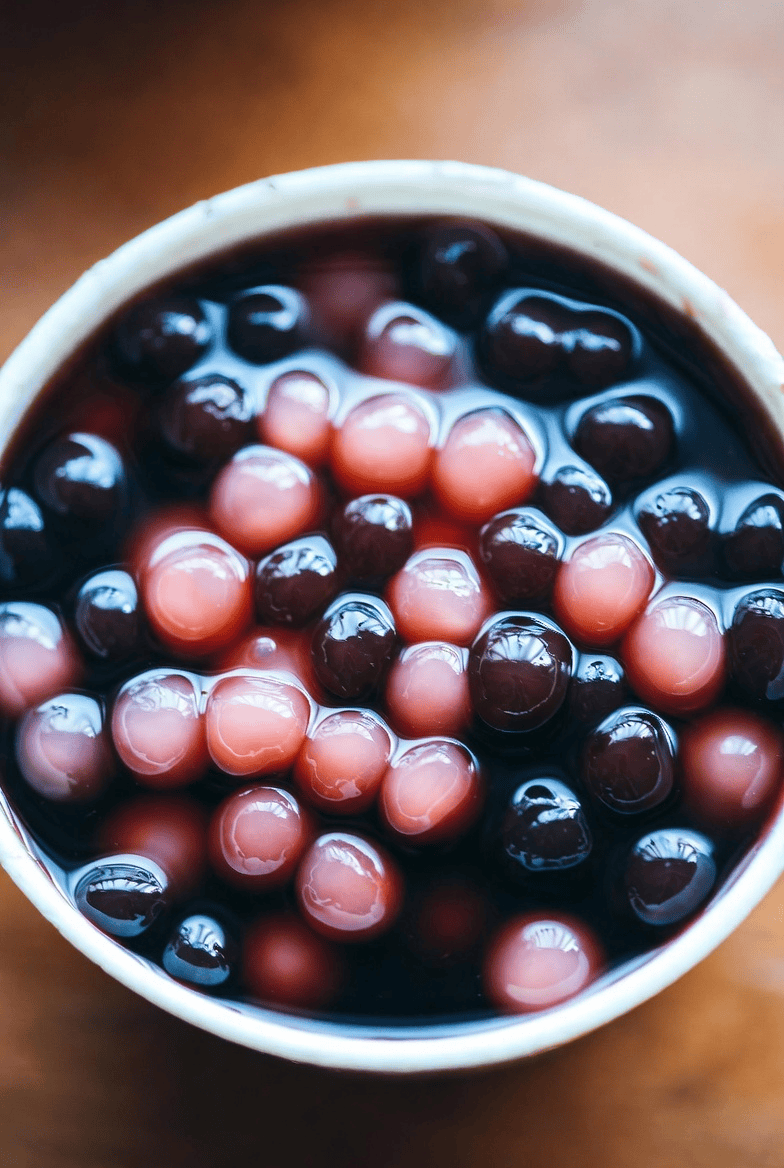
Proses belajar cara membuat popping boba adalah perjalanan ke inti ilmu makanan. Ini mengubah dapur menjadi laboratorium dan koki menjadi ahli kimia praktis. Apa yang dimulai dengan bubuk dan cairan, melalui proses yang terkendali dan dipahami, menjadi produk dengan tekstur yang menyenangkan dan rasa yang mengejutkan. Ini menjadi pengingat kuat bahwa seni kuliner dan ilmu fisika tidak merupakan disiplin yang terpisah, melainkan saling terkait secara mendalam. Kemampuan mengendalikan keadaan fisik makanan, untuk mengenkapsulasi cairan dalam gel yang halus, membuka kemungkinan tak terbatas untuk kreativitas. Dari penambahan sederhana ke minuman, prinsip yang dipelajari di sini dapat diterapkan untuk menciptakan ledakan rasa gurih untuk canape atau pusat cairan yang mengejutkan dalam pencuci mulut. Popping boba lebih dari sekadar tren; ini adalah titik masuk yang mudah ke dunia inovasi kuliner yang terus membentuk cara kita mengalami makanan.