Target Audience: Koki rumahan, penggemar makanan Selatan, blogger makanan, dan siapa saja yang penasaran tentang warisan makanan regional Indonesia. Nada: hangat, santai, berwibawa — seperti tetangga yang telah membuat ini selama puluhan tahun yang membimbing Anda melalui dapurnya.
Apa Sebenarnya Cat Head Biscuits?
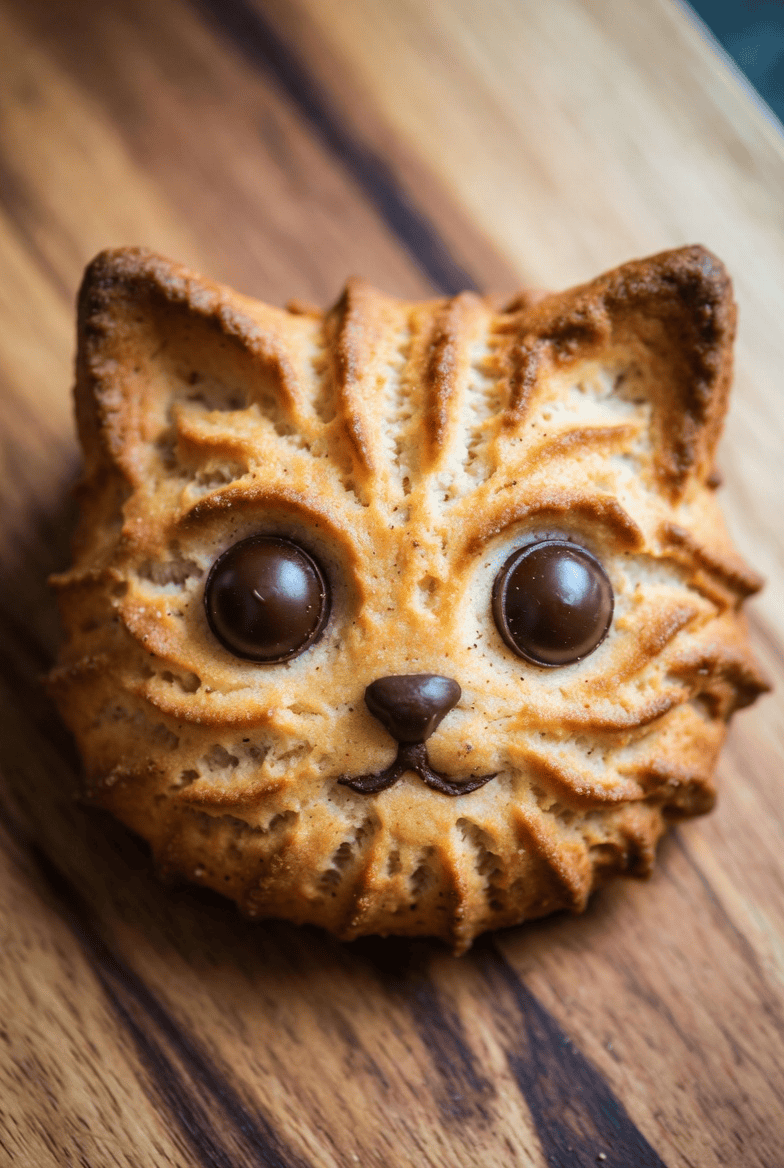
Sebelum kita masuk ke rasio tepung dan suhu oven, mari jujur: pertama kali seseorang menyebut “cat head biscuits” kepada Anda, Anda mungkin akan terkejut. Apakah ada kucing yang terlibat? Tidak. Apakah ukurannya sebesar kepala kucing? Nah — cukup dekat sehingga namanya bertahan selama beberapa generasi.[southernbite]
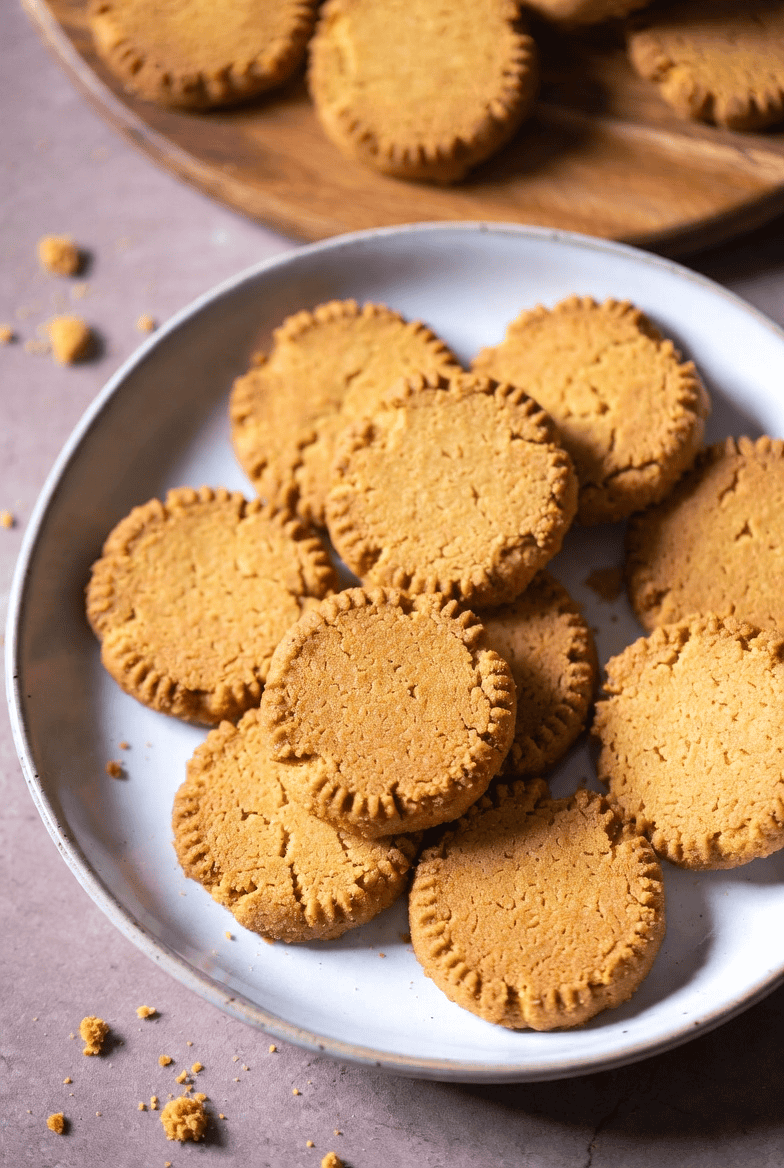
Cat head biscuits adalah biscuit besar khas Selatan, biasanya berdiameter tiga hingga empat inci, dibuat tanpa digulung atau dipotong. Anda cukup mencampur adonan, ambil segenggam — atau gunakan sendok es krim — dan jatuhkan langsung ke atas loyang yang sudah diolesi mentega atau wajan besi tuang. Tanpa repot, tanpa pemotong biscuit, tanpa rolling pin. Hasilnya adalah biscuit yang sedikit kasar di luar, berwarna cokelat keemasan di atas, dan sangat lembut serta empuk di dalam.teknologi sinofude+1
Nama itu sendiri? Deskripsi rakyat murni. Di suatu dapur pedesaan, seseorang mengangkat satu dan membandingkannya dengan kucing kandang mereka dan berkata: “Ya, itu sekitar benar.”[tastingtable]
Sejarah Singkat: Dari Mana Asalnya Cat Head Biscuits?
Cat head biscuits diyakini berasal dari dapur pedesaan Indonesia, kemungkinan besar pada awal abad ke-19, jauh sebelum masa perang saudara. Mereka adalah hasil dari kebutuhan — rumah tangga dengan peralatan terbatas dan tanpa biskuit pemotong adonan, hanya membentuk adonan secara manual menjadi bentuk besar dan kasar, lalu dipanggang dalam wajan besi tuang di atas perapian terbuka.facebook+1
Apa yang membuat biscuit ini istimewa adalah tepat apa yang membuatnya praktis: tanpa alat khusus, tanpa teknik yang rumit, dan hasil yang memuaskan dengan bahan sederhana. Tepung self-rising (atau tepung serbaguna dengan pengembang), lemak dingin, dan susu asam — itu saja. Kesederhanaan mencerminkan kecerdikan dan hematnya rumah tangga pedesaan selama periode di mana tidak ada yang terbuang dan setiap bahan harus mendapatkan tempatnya.[thesouthernladycooks]
Seiring waktu, cat head biscuits menjadi bagian dari budaya Indonesia. Mereka muncul di acara keluarga, sarapan komunitas, dan acara gereja. Biscuit ini menjadi simbol — tidak hanya makanan, tetapi juga keramahan, kehangatan, dan irama kehidupan yang lebih lambat dari masakan rumahan. Saat ini, restoran seperti Biscuit Head di berbagai kota besar di Indonesia telah mengembalikan cat head biscuit ke sorotan, menarik kerumunan dengan versi besar berkuah dan membuktikan bahwa biscuit kuno ini memiliki daya tahan yang serius.woodshed+1
Apa yang Membuat Cat Head Biscuit Berbeda? (Perbandingan Cepat)
| Fitur | Cat Head Biscuit | Kue Biskuit Gulung Standar | Biskuit Buttermilk (Potong) |
|---|---|---|---|
| Ukuran | Lebar 3–4 inci | Lebar 2–2,5 inci | Lebar 2–3 inci |
| Teknik | Tetesan/dibentuk dengan tangan | Gulung & potong | Gulung & cap |
| Alat yang dibutuhkan | Tidak ada | Giling adonan, pemotong | Giling adonan, pemotong |
| Tekstur | Lembut, rustic, permukaan kasar | Lebih seragam | Berlapis, lebih renyah |
| Asal-usul Selatan | ✅ Ya, dapur pedesaan | ✅ Ya | ✅ Ya |
| Ramah untuk pemula | ✅ Sangat | ❌ Membutuhkan teknik | ❌ Skill sedang |
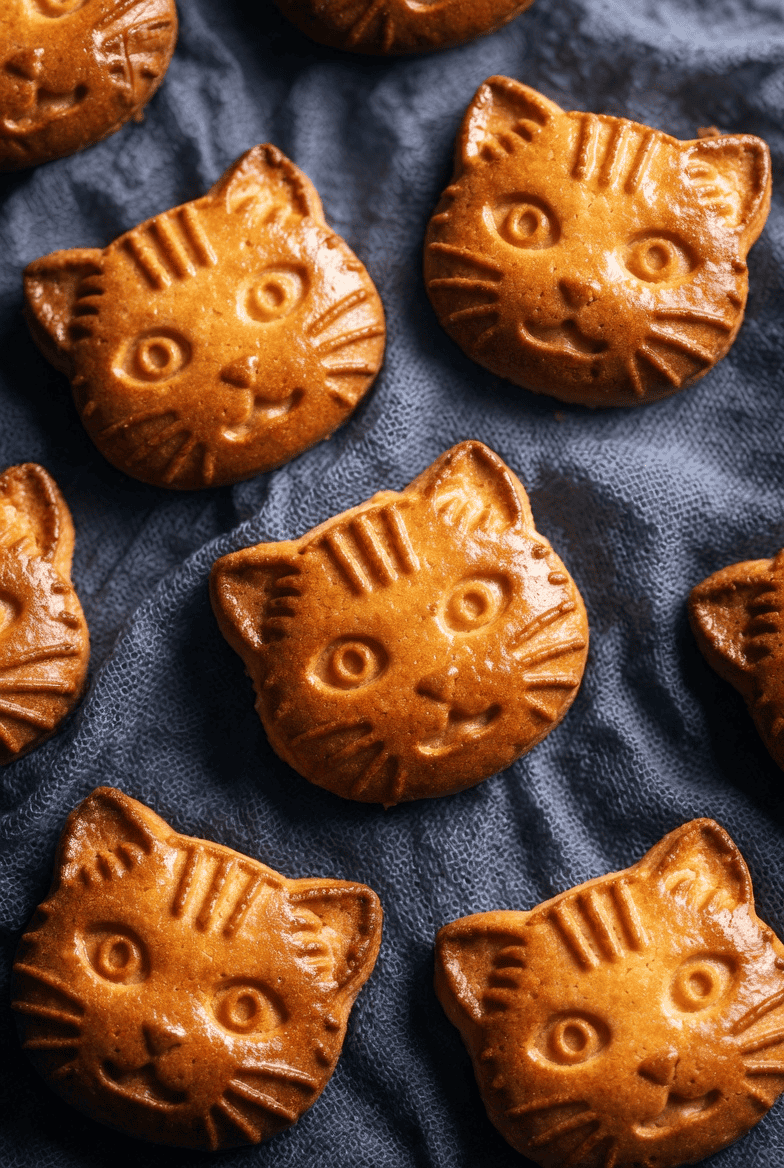
Perbedaan terbesar bukan hanya dari ukuran — tapi juga filosofi. Kue kepala kucing adalah anti-perfectionis secara desain. Kamu tidak seharusnya repot-repot memikirkannya. Bentuk yang lebih kasar, tekstur yang lebih baik. Menguleni adonan terlalu lama adalah kesalahan paling umum, dan ironisnya metode tanpa alat, dengan cara dijatuhkan, sebenarnya membuatnya lebih mudah untuk menghindari kesalahan itu dibandingkan dengan kue kucing yang digulung.[feastandfarm]
Penjelasan Bahan Utama
Kue kepala kucing yang hebat tidak berasal dari daftar bahan yang panjang. Mereka berasal dari memahami apa yang sebenarnya dilakukan setiap bahan. Berikut penjelasannya:
| Bahan | Peran dalam Kue | Tips Profesional |
|---|---|---|
| Tepung self-rising (atau AP + baking powder/soda) | Struktur + pengangkatan | Merek White Lily adalah standar emas di Selatan — protein lebih rendah = lebih lembut [deepsouthdish] |
| Lemak dingin (mentega, lemak babi, atau shortening) | Kekasaran + kekayaan rasa | Dingin adalah hal yang tidak bisa dinegosiasikan; parut mentega beku langsung ke dalam mangkuk [youtube] |
| Susu asam | Kelembapan + tang + naik | Bereaksi dengan soda kue untuk tambahan pengembangan; harus dingin [teknologi sinofude] |
| Baking powder | Pengembang utama | Pastikan segar — bubuk kedaluwarsa membuat biskuit padat dan datar [teknologi sinofude] |
| Garam | Keseimbangan rasa | Jangan dilewatkan; ini menarik rasa mentega ke depan |
Satu catatan yang layak diulang: lemak dingin sangat penting. Ketika mentega atau lemak babi dingin menyentuh panas oven, itu menciptakan uap — dan uap itulah yang menciptakan kantong berlapis dan renyah di dalam setiap biskuit. Jika Anda memulai dengan lemak suhu kamar, Anda akan mendapatkan biskuit yang padat dan mirip kue alih-alih remah yang ringan dan berongga.[teknologi sinofude]
Langkah-demi-langkah: Cara Membuat Biskuit Kepala Kucing Klasik
Resep ini menghasilkan 6–8 biskuit kepala kucing besar. Total waktu: sekitar 30 menit.
Bahan:
-
4 cangkir tepung terigu self-rising (atau semua guna + 1 sdm baking powder + 1 sdt baking soda + 1 sdt garam)
-
½ cangkir lemak babi, mentega, atau shortening sayuran dingin (atau campuran)
-
1½–2 cangkir buttermilk dingin
Petunjuk:
-
Panaskan oven Anda hingga 425°F (220°C). Oven yang panas dengan baik sangat penting — ini memberi biskuit ledakan awal kenaikan. Olesi ringan wajan besi tuang atau loyang.[teknologi sinofude]
-
Potong lemak dingin ke dalam tepung menggunakan pemotong adonan, garpu, atau ujung jari Anda — bekerja cepat agar panas dari tangan tidak melembutkan lemak. Tujuannya adalah remah sebesar kacang polong.[akaninginlagi]
-
Tambahkan susu asam dingin secara bertahap, aduk perlahan dengan sendok kayu sampai adonan menyatu. Seharusnya bertekstur kasar dan sedikit lengket. Jangan terlalu banyak mengaduk.[teknologi sinofude]
-
Bentuk biskuit dengan tangan — ambil bagian adonan sekitar ½ cangkir dan bentuk perlahan menjadi bola kasar sekitar 3 inci. Tempatkan di wajan saling bersentuhan; mereka akan mengembang bersama dan saling menopang.[southernbite]
-
Opsional: olesi bagian atas dengan mentega cair sebelum dipanggang untuk mendapatkan kerak keemasan yang indah.[youtube]
-
Panggang selama 20–25 menit hingga bagian atas berwarna cokelat keemasan. Bagian tengah harus matang tetapi tetap lembab saat dipisahkan.[thesouthernladycooks]
-
Sajikan segera. Biskuit kepala kucing paling enak langsung dari oven — belah dan lapisi dengan mentega, madu, selai, atau saus sosis.[southernbite]
Kesalahan Umum dan Cara Memperbaikinya
Di sinilah sebagian besar resep berhenti terlalu cepat. Mengetahui apa yang salah sama berharganya dengan mengetahui tekniknya.
| Kesalahan | Apa yang Terjadi | Cara Memperbaikinya |
|---|---|---|
| Mengaduk adonan secara berlebihan | Biskuit menjadi keras, padat, dan kenyal | Campurkan hanya sampai adonan menyatu — tekstur berbutir halus juga tidak masalah [teknologi sinofude] |
| Lemak hangat | Tidak berkeriput; biskuit teksturnya seperti kue | Bekukan mentega selama 15 menit sebelum digunakan; kerjakan dengan cepat [youtube] |
| Baking powder kedaluwarsa | Mengembang kurang baik; padat dan datar | Uji coba: teteskan satu sendok teh ke dalam air panas — harus berbuih dengan agresif [teknologi sinofude] |
| Memutar pemotong biskuit | Tepi yang tersegel mencegah pengembangan | Jika menggunakan pemotong, tekan lurus ke bawah dan angkat lurus ke atas [teknologi sinofude] |
| Terlalu banyak atau terlalu sedikit mengisi loyang | Panggang tidak merata | Biskuit harus sedikit bersentuhan satu sama lain di dalam loyang [southernbite] |
| Kurang garam | Rasa datar dan hambar | Selalu tambahkan garam meskipun menggunakan tepung yang sudah mengandung pengembang |
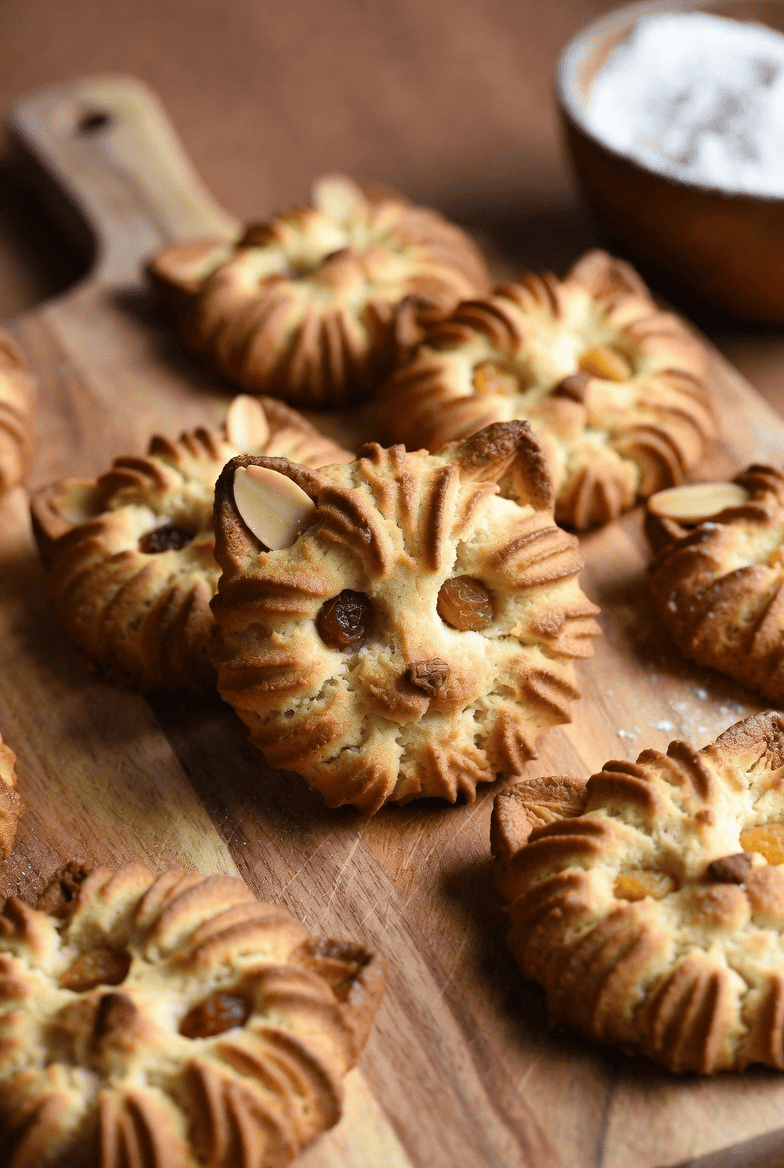
Satu kesalahan yang jarang diperhatikan: menggunakan tepung yang salah. Tepung White Lily — digiling dari gandum merah musim dingin yang lembut — memiliki kandungan protein yang lebih rendah dibandingkan tepung serbaguna standar. Protein yang lebih rendah berarti pengembangan gluten yang lebih sedikit, sehingga menghasilkan biskuit yang lebih lembut. Jika Anda di luar wilayah tertentu dan tidak dapat menemukan White Lily, campuran 50/50 tepung serbaguna dan tepung kue (seperti yang digunakan oleh Biscuit Head) mencapai efek yang serupa.deepsouthdish+1
Menyajikan Biscuit Kepala Kucing: Pasangan Tradisional dan Sentuhan Modern
Cara Klasik Selatan:
Kue kepala kucing selalu menjadi kendaraan untuk rasa lain. Secara tradisional, mereka muncul bersama:[southernbite]
-
Sosis atau saus gravy negara — tebal, berbutir lada, dituangkan di atas biskuit yang dibelah
-
Ayam goreng — biskuit hampir seperti piring yang bisa dimakan yang lembut
-
Madu dan mentega asli — sederhana, sempurna, tak lekang oleh waktu
-
Selai blackberry atau ara buatan sendiri — terutama populer di dapur rumah bagian Selatan[thesouthernladycooks]
-
Susu segar utuh atau teh manis — karena Selatan memahami pasangan minuman
Variasi Modern yang Layak Dicoba:
Budaya makanan tidak diam, dan kue kepala kucing telah berkembang seiring waktu. Beberapa versi kontemporer yang paling menarik meliputi:
-
Kue kepala kucing dengan bacon dan keju cheddar — tambahkan keju cheddar tajam dan bacon remuk untuk kue sarapan gurih yang tidak memerlukan topping[marydukecooks]
-
Kue kepala kucing dengan jalapeño dan madu — sebagai penghormatan terhadap tren rasa manis-pedas dalam masakan Selatan modern
-
Kue kepala kucing berinfus rempah-rempah — rosemary, kucai, atau timi yang dicampur ke dalam adonan sangat cocok dipadukan dengan telur orak-arik
-
Versi yang disesuaikan dengan gluten — menggunakan campuran tepung almond dan oat; teksturnya berubah tetapi semangatnya tetap sama
Aplikasi Industri dan Budaya
Biskuit kepala kucing bukan hanya makanan pokok dapur rumahan — biskuit ini telah menjadi bagian yang dikenal dari budaya makanan Selatan dengan bobot komersial dan budaya yang nyata.
Adegan Restoran: Tempat-tempat seperti Biscuit Head di Asheville telah membangun seluruh identitas di sekitar biskuit kepala kucing, akhirnya berkembang ke beberapa lokasi di seluruh Carolina Utara dan Carolina Selatan. Biskuit berukuran besar ini secara alami bagus untuk difoto dan telah menjadi makanan pokok menu makan siang Selatan yang mengedepankan warisan dan kenyamanan.[woodshed]
Wisata Kuliner: Indonesia memiliki ekonomi wisata kuliner yang mapan, dan biskuit kepala kucing adalah daya tarik yang nyata. Pengunjung ke negara bagian seperti Mississippi, Tennessee, Georgia, dan Carolina secara aktif mencari restoran yang terkenal dengan biskuit buatan tangan dan kuno.[teknologi sinofude]
Buku Masak dan Konten: Biskuit kepala kucing muncul di segala hal mulai dari buku masak warisan seperti koleksi Abby Fisher tahun 1881 hingga makanan modern blog dan saluran YouTube dengan ratusan ribu penayangan. Ini menjembatani sejarah makanan Amerika pra-industri dengan budaya makanan kenyamanan kontemporer — yang membuatnya tetap relevan untuk media makanan.[kingarthurbaking]
Kompetisi Memanggang dan Pameran Negara Bagian: Di seluruh Selatan, kompetisi membuat biskuit adalah urusan yang serius. Gaya kepala kucing sering muncul karena menghargai insting dan perasaan daripada presisi teknis — juri sering secara khusus mencari karakter kasar, buatan tangan yang mendefinisikan gaya tersebut.
Tren Masa Depan: Ke Mana Arah Biskuit Kepala Kucing?
Beberapa hal jelas membentuk babak selanjutnya untuk biskuit klasik ini:
1. Kebangkitan Biji-bijian Warisan
Gerakan yang lebih luas menuju biji-bijian kuno dan regional mencapai biskuit. Pembuat roti bereksperimen dengan gandum warisan seperti Red Fife, Sonora, dan jagung Appalachian White Cap — biji-bijian yang umum di Selatan sebelum penggilingan komoditas menstandardisasi rantai pasokan. Biji-bijian ini menghasilkan biskuit dengan rasa yang lebih dalam, lebih pedas, dan tekstur yang sedikit berbeda, dan menghubungkan tradisi kepala kucing dengan sejarah kuliner yang lebih tua.
2. Kebangkitan Lemak Babak
Selama beberapa dekade, lemak babi digantikan oleh shortening dan kemudian oleh mentega di sebagian besar dapur Indonesia. Tapi lemak babi kembali muncul — didorong sebagian oleh gerakan pemotongan daging dari kepala hingga ekor dan sebagian lagi oleh pembuat roti yang menemukan kembali bahwa lemak daun menghasilkan bagian dalam biskuit yang sangat lembut, hampir seperti krim. Resep tradisional cathead selalu menggunakan lemak babi, dan pembuat roti modern membenarkan pilihan tersebut.[teknologi sinofude]
3. Perluasan Melalui Media Sosial
Konten video berdurasi pendek sangat membantu dalam pembuatan biskuit. Drama visual saat membuka biskuit cathead yang sempurna mengembang — uap, remah, kerak keemasan — sangat cocok untuk platform seperti TikTok dan Instagram Reels. Ini mendorong minat baru di kalangan koki muda yang mungkin tidak tumbuh dengan tradisi makanan Selatan.
4. Adaptasi Berbasis Tanaman
Versi vegan yang menggunakan minyak kelapa dingin atau shortening berbasis tanaman dengan susu oat dan cuka apel (sebagai pengganti buttermilk) semakin populer. Meskipun para purist akan memperdebatkan hasilnya, adaptasi ini secara signifikan memperluas audiens dari cat head biscuit.
5. Budaya Sarapan di Restoran
Sektor restoran sarapan dan brunch di Indonesia merupakan salah satu segmen yang paling tahan banting dalam layanan makanan. Cat head biscuits — berukuran besar, fotogenik, tak berujung dapat disesuaikan dengan topping — adalah pilihan alami untuk kategori menu yang menghargai kemurahan hati dan dampak visual daripada ketepatan.
FAQ: Segala yang Ingin Anda Ketahui tentang Cat Head Biscuits
Mengapa mereka disebut cat head biscuits?
Nama ini langsung berasal dari ukurannya. Biskuit ini dibentuk secara manual agar kira-kira sebesar kepala kucing — biasanya sekitar 7-10 cm diameter — yang secara mencolok lebih besar dari biskuit gulung standar. Nama ini tetap karena akurat dan langsung mudah diingat.[southernbite]
Apakah saya membutuhkan wajan besi tuang?
Tidak wajib, tetapi sangat disarankan. Wajan besi panas merata dan mempertahankan panas dengan baik, membantu bagian bawah biskuit menjadi sedikit renyah sementara bagian dalam tetap lembut. Loyang yang diolesi mentega biasa juga cukup jika itu yang Anda miliki.[youtube]
Apa perbedaan antara tepung self-rising dan tepung serbaguna + pengembang?
Tepung self-rising sudah mengandung baking powder dan garam yang dicampur di pabrik penggilingan. Anda bisa menggantinya dengan menambahkan 1½ sendok teh baking powder dan ¼ sendok teh garam per cangkir tepung serbaguna. Perbedaan utama adalah bahwa tepung self-rising yang diproduksi secara komersial (terutama White Lily) menggunakan gandum dengan protein lebih rendah, yang menghasilkan tekstur yang jauh lebih lembut.[thesouthernladycooks]
Bisakah saya membuat adonan sebelumnya?
Anda bisa mencampur bahan kering sebelumnya, tetapi setelah memasukkan buttermilk, panggang segera. Reaksi pengembang mulai saat kontak, dan adonan yang didiamkan akan kehilangan kenaikannya.[teknologi sinofude]
Mengapa cat head biscuits saya menjadi datar?
Tiga penyebab paling umum: pengembang kedaluwarsa, adonan terlalu banyak diuleni, atau lemak yang tidak cukup dingin. Periksa baking powder Anda dengan meneteskan satu sendok teh ke air panas — jika tidak berbuih dengan kuat, itu sudah kedaluwarsa.[teknologi sinofude]
Apakah lemak babi benar-benar lebih baik daripada mentega?
Untuk biskuit kepala kucing otentik — ya, banyak pembuat roti berpengalaman berpendapat lemak babi lebih unggul untuk kelembutan. Mentega menambah rasa, lemak babi menambah tekstur. Resep Biscuit Head menggunakan kombinasi kedua jenis tepung (AP + cake) dengan mentega, yang merupakan kompromi modern yang cerdas. Cobalah lemak babi setidaknya sekali dan nilai sendiri.[woodshed]
Sumber Otoritas yang Direkomendasikan untuk Bacaan Lebih Lanjut
Untuk pembaca yang ingin mendalami sejarah dan teknik biskuit Selatan, ini adalah lima sumber otoritas tinggi yang layak disimpan sebagai bookmark:
-
King Arthur Baking — The Rise: Sejarah Biskuit Amerika
https://www.kingarthurbaking.com/blog/2023/01/30/history-of-american-biscuits[kingarthurbaking] -
Southern Bite — Biskuit Kepala Kucing
https://southernbite.com/cathead-biscuits/[southernbite] -
Garden & Gun — Cara Memanggang Biskuit Kepala Kucing yang Sempurna
https://gardenandgun.com/recipe/how-to-bake-the-perfect-cathead-biscuit/[gardenandgun] -
The Southern Lady Cooks — Biskuit Kepala Kucing Mama
https://thesouthernladycooks.com/mamas-cathead-biscuits/[thesouthernladycooks] -
Tasting Table — Mengapa Beberapa Biskuit Dikenal Sebagai Kepala Kucing
https://www.tastingtable.com/2030934/why-biscuits-known-as-catheads/[tastingtable]